Written by: Anand Sen; Reviewed by: Dr. Manshi
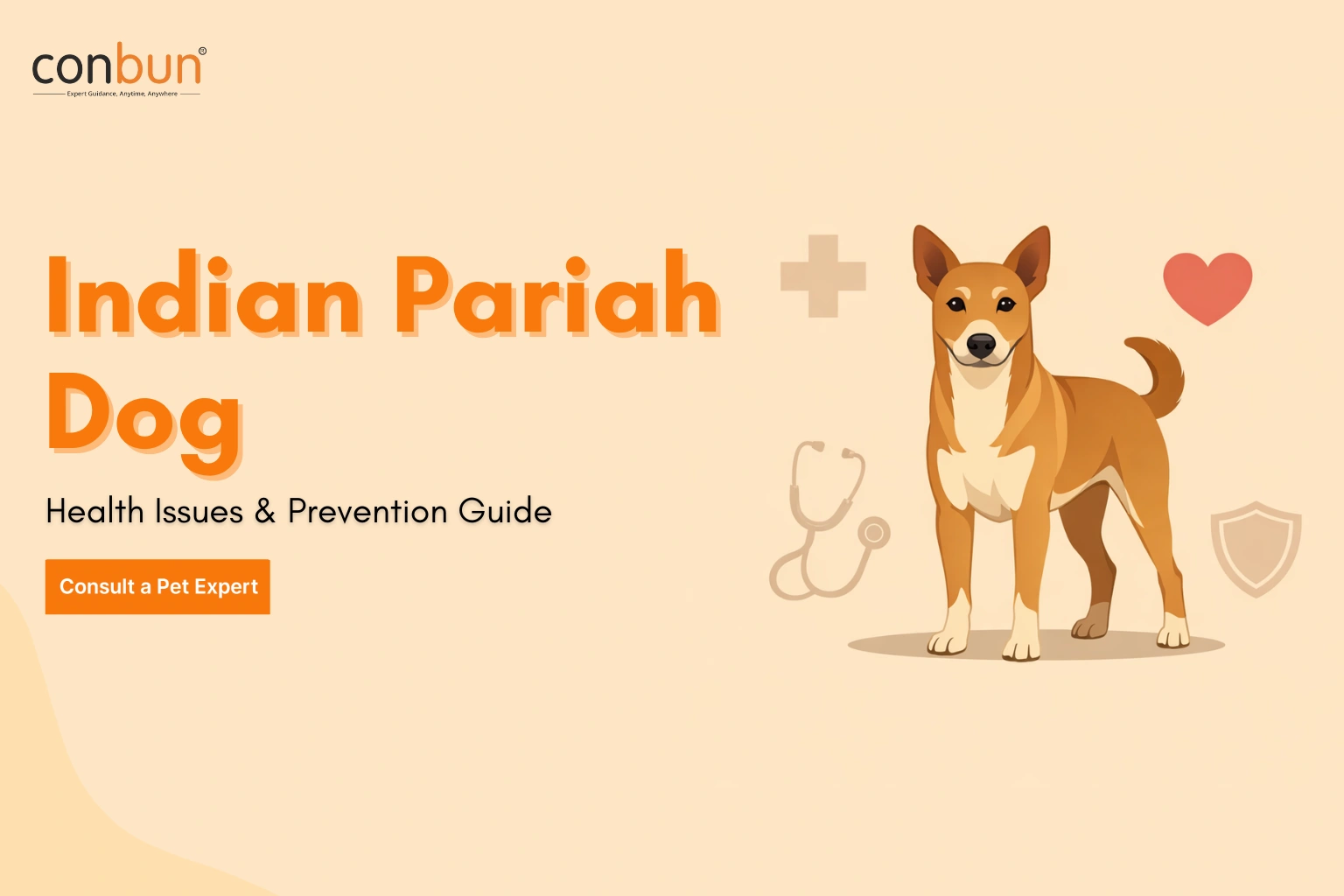
The Health Truth About Indies
Everyone thinks these three things about Indie dogs:
“They’re naturally strong.”
“They don’t fall sick.”
“They’re street-smart and immune to everything.”
And honestly, I used to believe this too.
But then, suddenly one morning, my energetic Indie refuses to have breakfast. By evening, I saw his gums turning pale. Cut to next shot, at night, I was in a veterinary emergency room and got to know that it was a tick-borne infection. This incident taught me something important:
Indian Pariah dogs are genetically resilient, but they are not invincible.
Indie dogs have remarkable genetic diversity and suffer fewer inherited disorders than many purebreds. But they are still exposed to environmental factors such as heat stress, poor nutrition, parasites, infections, and delayed vaccination.
The difference between a healthy Indie and a sick one is rarely genetics. It’s prevention.
The following guide will talk about Indian Pariah Dog health issues, how you can recognise them early and more importantly, how you can prevent them before they turn into life-threatening emergencies.
Understanding Indian Pariah Dog Genetics
Quick Facts About Indian Pariah Dog Health
- Average lifespan: 13–16 years
- Genetic diversity: High
- Breed-specific inherited diseases: Extremely low
- Environmental health risks: High (parasites, infections, climate exposure)
The Indian Pariah dog, often called Indie or Desi dog, is a landrace breed present in Indian villages as early as 4500 years ago. This implies that they have evolved naturally over thousands of years without human-mediated breeding.
Various studies in the veterinary literature have indicated that Indian Pariah dogs represent one of the most genetically diverse canine populations in the world. Such high levels of diversity mean that they have stronger immune systems and fewer inherited diseases.
This is why Indies rarely suffer from:
- Hip dysplasia (very low incidence compared to German Shepherds)
- Brachycephalic breathing issues (unlike Pugs)
- Severe congenital heart disease (seen in some toy breeds)
Indies may not come with a genetic baggage. However, they are still exposed to environmental factors.
Street-acquired health issues
Street-origin dogs are exposed to:
- Ticks
- Worms
- Viral diseases
- Injuries
- Malnutrition
- Contaminated water
Top 5 Health Issues in Indian Pariah Dogs
Below are the most common Indie dog health problems, ranked by frequency and real-world veterinary observation.
1. Tick-Borne Diseases (The Biggest Threat)
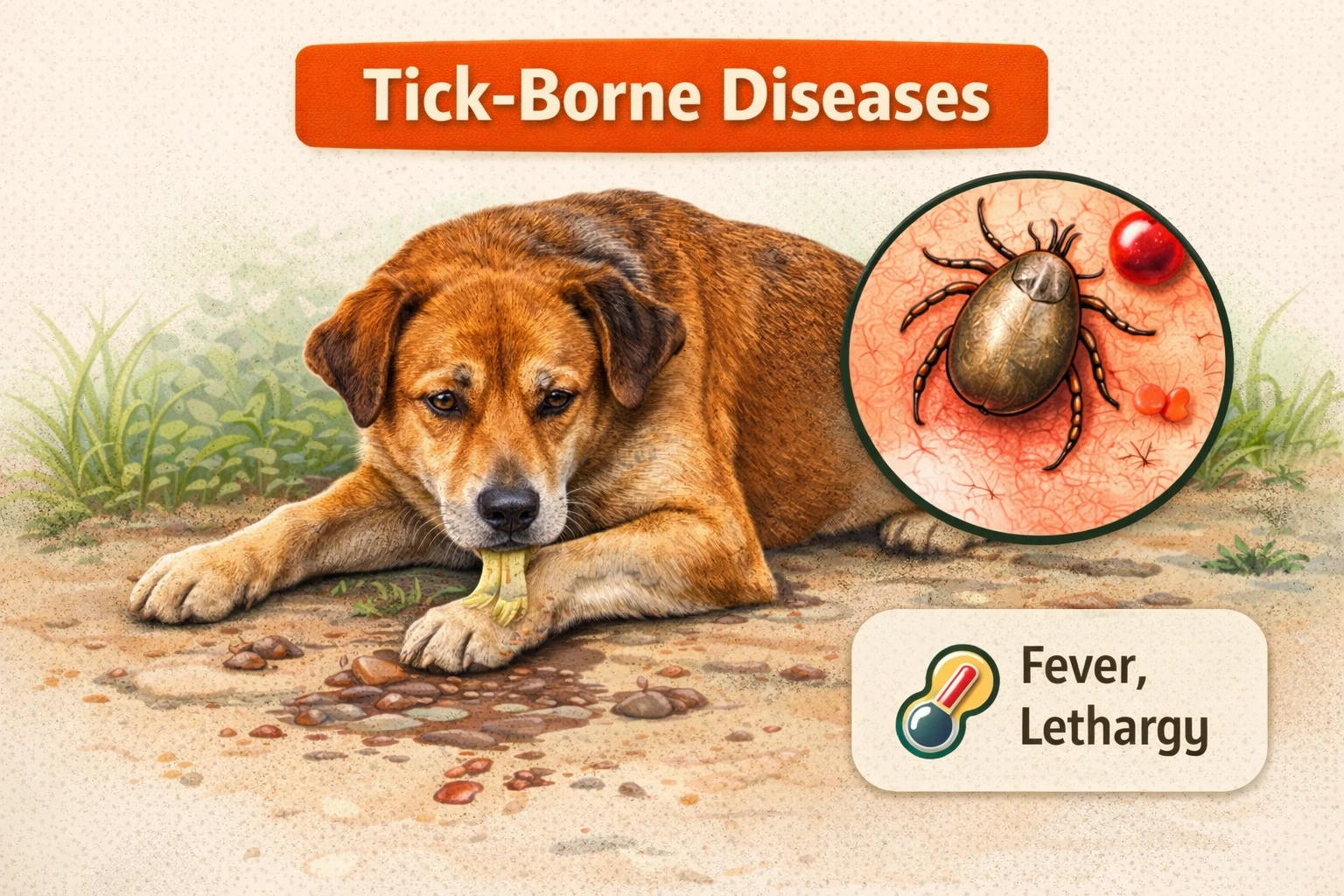
Prevalence: 60–70% of newly rescued Indie dogs
Common diseases: Babesiosis, Ehrlichiosis, Anaplasmosis
Treatment cost: ₹5,000–₹15,000
Don’t consider ticks as just “parasites.” They are disease carriers. Ticks, fleas and worms are silent parasitic infections that make Indian pets sick.
Tick fever in indies starts when an infected tick bites them. It transmits blood parasites which attack red blood cells or platelets, leading to anaemia and internal complications.
Symptoms Checklist:
- Pale gums
- Fever
- Lethargy
- Loss of appetite
- Nosebleeds
- Swollen lymph nodes
- Sudden weakness
If you see pale gums and low energy, it is a sign of tick fever in Indies and requires immediate veterinary attention.
Timeline:
- Tick bite
- 7-14 days incubation
- Sudden symptoms
- Rapid platelet drops
Veterinary literature from the Indian Society for Veterinary Medicine shows tick fever remains one of the leading causes of emergency admissions in urban dogs.
Treatment includes:
- Blood tests
- Antibiotics
- IV fluids
- Sometimes platelet monitoring
Recovery is possible, but early detection is critical.
Prevention Strategy:
- Monthly spot-on tick prevention; may cost ₹500–₹700
- Tick collars
- Daily coat checks
- Avoid grass during peak tick season
- Quarterly blood screening if your dog is at high risk of exposure
Tick prevention costs far less than tick fever treatment.
2. Mange (Skin Parasites)
.webp)
Types:
- Sarcoptic (contagious, itchy)
- Demodectic (immune-related)
Mange is common and a highly prevalent skin issue in dogs. It is extremely common in the indie breed as these dogs generally live in highly crowded environments. This makes mange one of the most prevalent street dog health issues.
Sarcoptic mange causes:
- Severe itching
- Hair loss
- Thickened skin
- Crusty lesions
Demodectic mange:
- Patchy hair loss
- Mild inflammation
- Often seen in puppies or immunocompromised dogs
Treatment typically lasts 4–8 weeks, including:
- Medicated baths
- Oral medications
- Immune support (Through proper nutrition and supplementation)
Environmental correction is also important to manage treatment in Indian dogs and prevent reinfection.
The good news?
With proper treatment, recovery rates are high.
3. Intestinal Parasites (Worms)
.webp)
Nearly all street-origin dogs carry worms initially, as they are highly exposed to these worms. Common parasites that infect dogs are roundworms, hookworms, tapeworms, whipworms and Giardia.
Symptoms:
- Pot belly
- Diarrhea
- Weight loss
- Scooting
- Dull coat
Deworming Schedule:
| Age | Frequency |
| 2–12 weeks | Every 2 weeks |
| 3–6 months | Monthly |
| Adult | Every 3 months |
Cost per dose typically ranges between ₹150–₹300
According to Cornell Vet Resources, severe infestations, especially in puppies, can lead to anaemia and developmental problems. Following a consistent deworming schedule is non-negotiable to preventive indie dog care.
4. Skin Allergies & Dermatitis
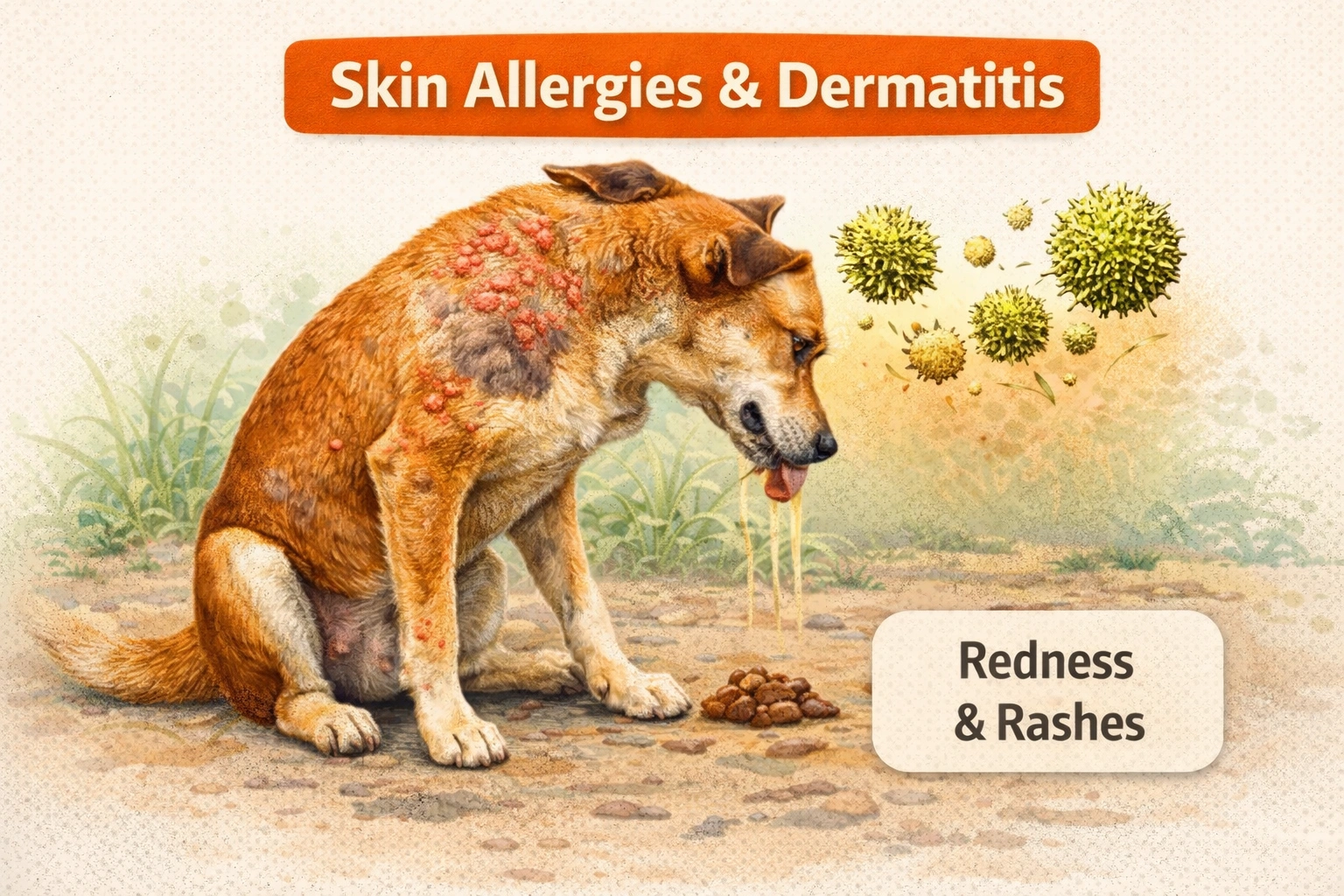
When talking about street dog health problems, it is obvious that skin allergies and issues will be a part of the discussion. Your desi dog is a hardy breed, but it can still develop allergies.
Types:
- Environmental (pollen, dust)
- Food-based
- Contact dermatitis
- Hot spots
The Indian monsoon is the main culprit that increases the prevalence of skin infections in dogs. Fungal infections increase significantly during this season.
Signs:
- Excess scratching
- Red skin
- Recurrent ear infections
- Paw licking
- Hair thinning
Elimination diet trials help identify food allergies and can potentially prevent future infections.
Treatment options:
- Anti-inflammatory medication
- Omega-3 supplementation
- Medicated shampoo
- Antifungal therapy
Preventive steps:
- Balanced nutrition
- Regular grooming
- Focus on keeping your dog’s coat dry during monsoons
5. Canine Distemper & Parvovirus (Vaccine-Preventable but Dangerous)
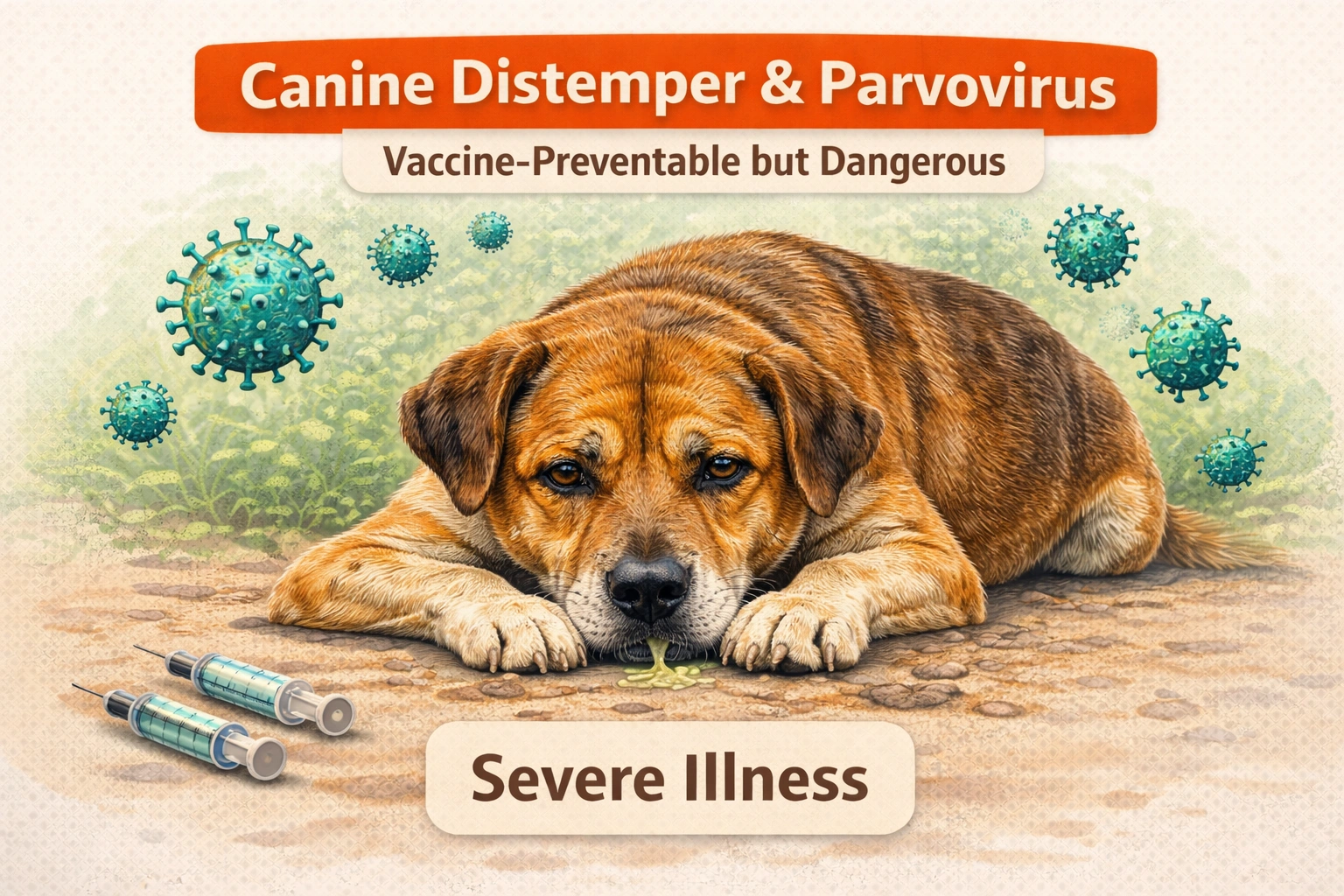
Indies are not immune to viral disease.
It is essential to note that survival rates in Parvovirus without treatment are very low. On the other hand, if left untreated mortality rate in Canine Distemper is extremely high.
Parvovirus Symptoms:
- Bloody diarrhoea
- Vomiting
- Severe dehydration
- Collapse
Distemper Symptoms:
- Fever
- Nasal discharge
- Neurological tremors
- Seizures
ICU hospitalisation for parvo can cost ₹20,000–₹50,000, while Vaccination only cost ₹800–₹1,200 per dose. This makes prevention dramatically cheaper than treatment.
Ensuring your resilient "Desi" dog stays in peak shape shouldn't be a struggle.
For sudden skin issue or monsoon-related woes, skip the clinic stress and get a dog health consultation online with Conbun to keep your Indian Pariah thriving.
Related Readings: 15 Common Pet Health Issues Every pet Owner Should Know
Summary of Top 5 Indian Pariah Dog Health Issues
| Condition | Severity | Treatment Cost | Prevention Cost |
| Tick Fever | High | ₹5,000–₹15,000 | ₹600/month |
| Mange | Moderate | ₹3,000–₹8,000 | Hygiene + prevention |
| Worms | Moderate | ₹300–₹1,000 | ₹250 quarterly |
| Skin Allergies | Moderate | ₹2,000–₹10,000 | Diet + grooming |
| Parvo/Distemper | Critical | ₹20,000+ | Vaccination |
Indies are strong. But strength does not replace care.
Less Common but Serious Indian Pariah Dog Health Issues
Indies are tough. But toughness doesn’t mean immunity. Some conditions are less common in Indian Pariah dogs, yet when they do occur, they demand quick action.
1. Hip Dysplasia (Rare, But Possible)
Prevalence of Hip dysplasia in the Indies is very low compared to pedigree breeds. However, you should worry when you see limping, difficulty rising and a bunny-hopping gait
Unlike German Shepherds or Labradors, Indian native dogs rarely include genetic hip dysplasia. However, conditions like injuries, obesity, or poor nutrition, especially during puppyhood, may contribute to joint problems.
If your Indie struggles to climb stairs or seems stiff after rest, don’t ignore it. Early intervention with weight management, supplements, and controlled exercise can prevent arthritis later. Timely intervention with joint health supplements and weight management can prevent arthritis development.
Prevention tip: Your dog should be lean. Extra weight can stress joints, regardless of breed.
2. Arthritis in Senior Indies
Arthritis is common in dogs after 7–8 years of age. This disease in Indian Pariah dogs appears as a degenerative joint disease because they live on hard concrete surfaces, face potential injuries and nutritional deficiencies.
Signs: Slower movement, reluctance to jump, increased stiffness in winter
The Indian Pariah dog's lifespan is impressive, which is 13 to 16 years on average. However, ageing impacts their quality of life as diseases like osteoarthritis can develop naturally with age.
Warning signs:
- Taking longer to get up
- Avoiding stairs
- Decreased enthusiasm during physical activity or walks
Management includes:
- Omega-3 supplementation
- Joint support (glucosamine, chondroitin)
- Warm bedding
- Gentle exercise
While arthritis isn’t curable, it surely is manageable.
3. Gastric Issues & Bloat
Gastric Dilatation-Volvulus (GDV) is considered rare in Indian pariah dogs compared to large deep-chested breeds. However, due to their harsh (and sometimes contaminated) diet, indigestion and gastritis are common.
Symptoms to watch:
- Sudden bloated abdomen
- Retching without vomiting
- Restlessness
- Painful belly
Time matters. If your dog is bloated or distressed, consider visiting a vet immediately.
Prevention:
- Avoid heavy exercise immediately after meals
- Split meals into two portions
- Provide slow-feeder bowls if your Indie eats too fast
4. Urinary Tract Infections (UTIs)
UTIs are not breed-specific; UTIs do occur in Indie dogs, and especially in females.
Signs:
- Frequent urination
- Straining
- Blood-tinged urine
- Excessive licking
Untreated infections can escalate into dangerous kidney issues.
Prevention:
- Clean drinking water
- Regular toilet breaks
- Prompt treatment of symptoms
A simple urine test can confirm the diagnosis.
Related Readings: Is Online Pet Care Consultation Right for Your Pet?
5. Reproductive Issues (If Not Sterilised)
Unspayed female Indies risk:
- Pyometra (life-threatening uterine infection)
- Mammary tumors
Unneutered males risk:
- Prostate enlargement
- Testicular tumors
Spaying/neutering dogs can significantly reduce these risks and is strongly recommended by veterinary bodies across India.
The cost of emergency pyometra surgery is between ₹20,000 and ₹60,000, depending on the vet hospital and your geographic location. On the other hand, the cost of preventive sterilisation ranges between ₹3,000 and ₹8,000.
The math speaks for itself.
Preventive sterilisation is done free of cost in many Indian states.
6. Cancer (Lower Rates, Not Zero)
Indian pariah dogs demonstrate a lower incidence of cancers compared to many inbred breeds. This shows that genetic diversity plays a protective role. However, cancer still happens.
Warning signs:
- Unexplained lumps
- Sudden weight loss
- Persistent lethargy
- Non-healing wounds
Early detection improves survival. Annual health screening after age 6 is wise.
7. Heart Conditions (Rare but Possible)
Congenital heart defects are uncommon in Indian pariah dogs. However, acquired heart disease in senior dogs can occur.
Watch for:
- Exercise intolerance
- Persistent coughing
- Fainting episodes
Routine vet exams usually detect heart murmurs early. If a routine vet visit feels heavy, you can simply opt online vet consultation on the Conbun app to connect with a certified veterinarian online and rule out the possibility of a heart problem in your dog.
8. Poisoning (Unfortunately Common in India)
This is one of the most heartbreaking realities of Desi dog health problems.
Indies are curious. They may ingest:
- Rodent poison
- Spoiled food
- Chocolate
- Pesticides
- Human medications
Symptoms:
- Vomiting
- Tremors
- Seizures
- Sudden collapse
Poisoning is always an emergency. Never wait overnight.
Prevention:
- Secure trash
- Avoid letting your dog scavenge
- Keep chemicals locked away
Understanding health issues helps you deal with half of the problems. To ensure your puppy’s health, it is important to familiarise yourself with dog diseases and symptoms.
Related Readings: 7 Puppy Training Mistakes Pet Owners Make Without Realizing It
Complete Prevention Strategy Guide
Now comes the most important part: prevention.
A. Preventive Care Calendar
| Frequency | Task | Purpose | Approx Cost |
| Monthly | Tick/Flea prevention | Prevent tick fever | ₹ 600 |
| Quarterly | Deworming | Prevent intestinal parasites | ₹ 250 |
| Bi-annually | Dental check | Prevent gum disease | ₹ 800 |
| Annually | Full health screening | Early disease detection | ₹2,000–₹4,000 |
| Annually | Vaccinations | Prevent viral disease | ₹ 2,500 |
Prevention is predictable. Emergencies are not.
B. Home Health Monitoring Checklist
Daily:
- Is energy normal?
- Eating well?
- Drinking normally?
- Normal urine and stool?
Weekly:
- Check for ticks
- Inspect ears
- Look at gums (should be pink)
- Examine skin for redness
Monthly:
- Weigh your dog
- Assess body condition
- Review vaccination/deworming schedule
Most Indie dog prevention success comes from simple observation.
You don’t need advanced medical skills.
You need to pay attention.
C. Emergency Health Kit (₹2,000–₹3,000 Setup)
Include:
- Digital thermometer
- Gauze & bandages
- Antiseptic solution
- Tick removal tool
- Oral rehydration solution
- Vet contact numbers
- Vaccination records copy
When panic hits, preparation saves time.
D. Choosing the Right Vet
Not all vets are equally experienced with Indian native dog health.
Look for:
- Comfort handling Indies
- Clear communication
- Transparent pricing
- Willingness to explain test results
Red flags:
- Dismissing your concerns
- Overprescribing without explanation
- Build a relationship before emergencies happen.
Indies are strong. But strong dogs still need structured care. Preventive vet visits twice a year reduce long-term healthcare costs significantly.
You can further optimise cost savings on vet visits by opting for online vet consultations. No traffic jams and heavy consultation fees. Just connect to a veterinarian online at your fingertips.
Nutrition for Optimal Health
Dog health and nutrition are interconnected. If prevention is love, then nutrition is its expression.
The majority of Indian Pariah dog health issues start silently in their food bowl. Skin allergies, weak immunity, joint stiffness, and obesity are often linked to diet quality.
A. How Nutrition Prevents Disease
Literature in veterinary nutrition consistently suggests that functional foods strengthen immune response, reduce inflammation, and improve gut health.
For Indie dog health problems specifically, proper nutrition helps:
- Immune System Support: Protein builds antibodies.
- Skin & Coat Health: Omega-3 fatty acids reduce itching and dermatitis.
- Joint Protection: Controlled calories prevent obesity-related arthritis.
- Digestive Stability: Fibre and probiotics reduce parasite-related gut distress.
In short, good food reduces vet visits.
B. Essential Nutrients for Indian Pariah Dogs
1. High-Quality Protein (22–28%)
Protein is a non-negotiable element in your dog’s diet. It supports enzymes, muscle, immune cells and body repair mechanisms.
Sources:
- Chicken
- Fish
- Eggs
- Quality commercial kibble
Low-protein diets weaken immunity, especially in energetic dogs with a fast metabolism.
2. Healthy Fats (Omega-3 & Omega-6)
These regulate inflammation. Critical for skin health and joint comfort.
Benefits:
- Reduced allergic flare-ups
- Shinier coat
- Better cognitive function in seniors
Fish oil supplementation (₹400–₹800/month) is often beneficial — but consult your vet before adding supplements.
3. Vitamins & Minerals
- Vitamin A - Skin integrity
- Vitamin E - Antioxidant protection
- B-complex - Energy metabolism
- Calcium & Phosphorus - Bone strength
Homemade diets without supplementation often cause imbalances. If feeding home-cooked food regularly, consider veterinary-approved multivitamins.
Related Readings: Top Rated Pet Care Consultation App: Features, Benefits, How It Works (2026 Guide)
C. Health-Specific Diet Adjustments
Indie dog prevention sometimes requires dietary modifications:
- Skin allergies: Limited ingredient diet
- Digestive sensitivity: Easily digestible proteins
- Joint stiffness: Add omega-3 + glucosamine
- Overweight dogs: Calorie restriction, high fiber
- Senior dogs: Slightly reduced calories, higher antioxidants
Obesity alone increases risk of:
- Arthritis
- Diabetes
- Heart strain
Keeping your Indie lean can extend lifespan significantly.
D. Food-Related Health Problems
Even hardy Desi dog health care requires discipline.
Common mistakes:
- Overfeeding
- Excess treats
- Table scraps
- Feeding only rice/roti
Toxic foods to avoid:
- Onions
- Chocolate
- Grapes
- Xylitol
- Cooked bones
Nutrition is not complicated, but it must be consistent.
Exercise & Physical Health
Exercise is preventive medicine. Indies are naturally athletic. Without structured activity, they gain weight and develop behavioural issues.
A. Health Benefits of Proper Exercise
Regular movement:
- Maintains healthy body weight
- Improves cardiovascular fitness
- Strengthens joints
- Supports mental health
- Boosts immune function
Sedentary Indies are not “calm.” They are under-stimulated.
B. Exercise Needs by Age
| Age Group | Duration | Intensity | Focus |
| Puppy | 30–45 min | Low–Moderate | Joint safety |
| Young Adult | 60–90 min | Moderate | Muscle development |
| Adult | 45–75 min | Moderate | Maintenance |
| Senior | 30–60 min | Low | Joint care |
Split into two sessions daily.
Avoid:
- Peak afternoon heat
- Excess jumping in puppies
- Overexertion in seniors
Swimming is excellent low-impact exercise.
C. Preventing Exercise Injuries
Watch for:
- Limping
- Pad injuries
- Excess panting
- Sudden lethargy
Heat stroke remains a risk even for Indian native dog health.
Never underestimate Indian summers.
Related Readings: Pets for Adoption: How to Find the Right Pet for Your Home?
Grooming for Health (Not Just Looks)
Dog grooming is not just for cosmetic appearance. It is diagnostic. You can discover most of the dog health problems while you groom them. This makes dog grooming a preventive tool.
A. Grooming as Health Screening
During brushing, check for:
- Ticks
- Lumps
- Red patches
- Bald spots
During ear cleaning:
- Bad odour
- Excess discharge
- Head shaking
During dental inspection:
- Tartar buildup
- Bleeding gums
- Bad breath
There’s a trade-off between time and money. If you invest time in regularly grooming your dog, you will save thousands on treatment later.
B. Health-Focused Grooming Routine
If you are wondering how to groom your dog at home, follow this simple schedule.
1. Brushing (2–3 times weekly)
Removes loose hair + detects parasites.
2. Bathing (Monthly)
Use anti-tick shampoo during the monsoon season.
3. Nail Trimming (Every 3–4 weeks)
Prevents joint strain.
4. Ear Cleaning (Monthly)
Prevents infection.
5. Dental Care (2–3 times weekly)
Reduces the risk of periodontal disease.
C. Useful Grooming Products for Indie Dog Prevention
- Anti-tick shampoo
- Omega-3 enriched conditioner
- Paw balm (summer protection)
- Dental chews
- Ear cleaning solution
Investing ₹1,000–₹2,000 in grooming tools reduces recurring health expenses.
Vaccination & Immunization Protocol
Vaccination is the single most powerful Indian Pariah dog prevention tool.
A. Core Vaccination Schedule
The Vaccination schedule for dogs in India contains two types of vaccines: core and optional. The following are the core vaccinations which are mandated by Indian law.
| Vaccine | Diseases Prevented | First Dose | Boosters | Frequency | Cost |
| DHPP | Distemper, Parvo, Hepatitis | 6–8 weeks | 10–12 & 14–16 weeks | Annual | ₹800–₹1,200 |
| Rabies | Rabies | 12–16 weeks | 1 year later | Annual/3-year | ₹300–₹500 |
| Leptospirosis | Bacterial infection | 8–12 weeks | 12–16 weeks | Annual | ₹600–₹900 |
B. Optional Vaccines
- Bordetella (if boarding)
- Coronavirus (region-dependent)
- Discuss with your vet.
C. Vaccination Myths vs. Facts
Myth: Indies don’t need vaccines.
Fact: They absolutely do. In fact, they are the ones most in need as they are constantly in contact with each other and other potential rabies-carriers.
Myth: Vaccines weaken immunity.
Fact: They train immunity. The same logic is applied to human vaccines. Vaccine side effects are rare and usually mild (temporary fever, lethargy).
D. Post-Vaccination Care
After vaccination:
- Monitor appetite
- Watch for swelling
- Limit heavy activity for 24 hours
Vaccination always costs less than ICU hospitalisation.
Indies may be naturally resilient. But resilience thrives only when supported by structured good food, regular exercise, grooming awareness, and timely vaccination.
Prevention is not an extra effort. It is a necessary step.
Age-Specific Health Concerns
A 3-month-old indie is not the same as a 3-year-old. Understanding life-stage risks is one of the smartest things a pet parent can do to ensure the health of their Indian pariah dog.
A. Puppy Health (0–12 Months)
Puppyhood is the most vulnerable phase.
Even though Indian Pariah puppies are hardy, they have immature immune systems, making them vulnerable to dog health problems like distemper, parvovirus and heavy worm infestations, which often strike the hardest.
What to focus on:
- Strict vaccination schedule
- Deworming every 2 weeks initially
- High-protein balanced nutrition
- Socialisation for mental stability
- Monitoring growth and weight
What’s normal:
Sleeping 16 -18 hours
High bursts of energy
Occasional loose stool during diet transition
What’s concerning:
- Persistent diarrhea
- Vomiting
- Sudden lethargy
- Refusal to eat
Vet visits: Every 3-4 weeks during the vaccination phase.
Skipping preventive care during puppyhood creates expensive problems later.
B. Adult Health (1-7 Years)
This is your Indie’s prime. Peak strength. Peak stamina.
Ironically, this is when many owners become careless because the dog “looks fine.”
Adult Desi dog health care should focus on:
- Weight management
- Tick prevention consistency
- Annual blood work
- Dental hygiene
- Exercise discipline
Common adult-phase issues:
- Skin allergies
- Tick-borne diseases
- Minor injuries
- Digestive upset
Vet visits: At least once annually (twice preferred).
Think of this phase as maintenance mode. If you protect it properly, your senior years become easier.
C. Senior Health (7+ Years)
Senior Indian Pariah dog lifespan often extends beyond 13 years, which means age-related changes are inevitable.
Common senior concerns:
- Arthritis
- Dental disease
- Reduced kidney function
- Vision decline
- Cognitive decline
Warning signs:
- Increased sleeping
- Confusion
- Stiffness
- Reduced appetite
- Weight loss
Senior care adjustments:
- Softer bedding
- Shorter but regular walks
- Slightly reduced calorie intake
- Joint supplements
- Annual blood panels
- Vet visits: Every 6 months.
While Indian Pariah dog lifespans are generally on the higher end, they are still prone to health issues and emergencies.
Recognising Health Emergencies
This section matters.
Every Indie parent must know the difference between “monitor at home” and “rush to the vet.”
A. Emergency Symptoms (Immediate Vet Required)
If you see any of the following, go to a vet immediately:
- Difficulty breathing
- Seizures
- Bloated abdomen with distress
- Uncontrolled bleeding
- Suspected poisoning
- Severe vomiting + lethargy
- Collapse or unconsciousness
- Inability to urinate
- Heat stroke symptoms (excessive panting, confusion, vomiting)
Transport safely:
- Keep the dog calm
- Avoid forcing water
- Call vet while en route
If you are in a place where an immediate vet visit is not possible, take an online vet consultation to determine if it’s a pet emergency or not.
B. Monitor vs. Emergency Matrix
| Symptom | Monitor | Go Immediately |
| Mild vomiting (1 time) | Yes | No |
| Repeated vomiting | No | Yes |
| Slight limp | Yes | If persistent |
| Pale gums | No | Yes |
| Occasional scratching | Yes | No |
| Continuous scratching + wounds | No | Yes |
Trust your instincts to become a responsible dog parent. If behaviour feels off, consult a vet.
Mental Health & Behavioral Wellness
Health is not just physical.
Indies, especially rescues, may carry emotional stress from early life trauma.
Signs of mental health strain:
- Withdrawal
- Excessive fear
- Sudden aggression
- Loss of interest
- Destructive behaviour
Indie-specific considerations:
- They value predictable schedules
- They bond deeply with primary caregivers
- Sudden environmental changes may affect them
Behaviour changes may indicate pain or suffering.
An aggressive dog may be hurting. A quiet dog may be unwell.
Always rule out medical causes first.
Seasonal Health Concerns in India
India’s climate plays a massive role in Indian native dog health issues.
A. Summer (March–June)
Risks:
- Heat stroke
- Dehydration
- Paw pad burns
- Increased tick activity
Prevention:
- Walk before 9 AM / after 6 PM
- Provide constant fresh water
- Use paw balm
- Avoid asphalt during peak heat
Indie dogs are known to be heat-tolerant. However, in extreme Indian heat, these dogs also suffer.
B. Monsoon (July–September)
Risks:
- Fungal skin infections
- Leptospirosis
- Tick/flea explosion
- Damp-related dermatitis
Prevention:
- Dry thoroughly after walks
- Increase brushing frequency
- Maintain tick prevention
- Clean bedding regularly
Moisture is the enemy of skin health.
C. Winter (October–February)
While desi dogs are hardy, there are some common winter health problems that they may face:
Risks:
- Joint stiffness (seniors)
- Dry skin
- Reduced water intake
Prevention:
- Provide warm bedding
- Ensure hydration
- Gentle stretching walks
North India winter may require you to offer light sweaters for seniors indie dogs.
Your Indie’s health is dynamic. It changes with age. It changes with the weather. It changes with lifestyle.
But one thing remains constant:
The dogs that thrive are the ones whose parents pay attention.
Cost of Indie Dog Healthcare in India
Let’s talk money. Because love is emotional, but healthcare is financial.
One of the biggest myths about Indian Pariah dogs is this:
“They’re free dogs. So they don’t cost much.”
Adoption might be affordable. Healthcare is not optional.
A. Annual Healthcare Budget (Realistic Estimate)
Here’s a preventive care model for an average healthy Indie:
| Category | Frequency | Cost | Annual Total |
| Vaccinations | Annual | ₹ 2,500 | ₹ 2,500 |
| Deworming | Quarterly | ₹ 250 | ₹ 1,000 |
| Tick/Flea Prevention | Monthly | ₹ 600 | ₹ 7,200 |
| Routine Vet Visits | 2x/year | ₹ 800 | ₹ 1,600 |
| Dental Cleaning | Annual | ₹ 3,000 | ₹ 3,000 |
| Emergency Buffer | _ | _ | ₹ 10,000 |
That’s roughly ₹2,000 per month.
Prevention costs are predictable.
Emergencies are not.
B. Emergency Cost Examples (Realistic Range)
Tick fever hospitalization - ₹5,000-₹15,000
Severe mange treatment - ₹3,000-₹8,000
Accident injury - ₹8,000-₹50,000
Abdominal surgery - ₹20,000-₹1,00,000+
This is why having a health emergency fund matters.
Some pet insurance options now exist in India, but coverage varies. Always read policy details carefully.
Preventive care consistently costs less than reactive treatment. Veterinary literature worldwide supports that this routine screening reduces severe disease incidence.
C. Cost-Saving Strategies (Smart, Not Risky)
Government veterinary hospitals for vaccinations
- Generic medications (with vet guidance)
- Early disease detection reduces ICU costs
- Consistent tick prevention
- Proper nutrition reduces chronic disease risk
What not to save on:
- Vaccines
- Emergency care
- Blood tests when recommended
Cutting corners today often multiplies costs tomorrow.
D. When to Invest in Treatment (Hard Conversations)
Every responsible Indie parent eventually faces difficult choices.
Ask: Does treatment improve quality of life?
- Is pain manageable?
- What is the realistic prognosis?
- Can ongoing care be sustained financially?
In veterinary ethics, quality of life is of paramount importance.
Building a Health Partnership with Your Vet
Your vet is not just a service provider. They are your Indie’s health ally.
A. Choosing an Indie-Friendly Vet
Look for:
- Comfort handling Indian Pariah dogs
- Clear explanations
- Willingness to discuss preventive strategies
- Respectful communication
Red flags:
- Dismissive attitude
- Immediate heavy medication without diagnosis
- Poor hygiene in the clinic
B. Preparing for Vet Visits
Before appointments:
- Note symptoms timeline
- Record appetite and stool changes
- Carry vaccination record
- List questions in advance
Clear communication is very important as it saves time and prevents misdiagnosis.
C. Building Long-Term Trust
- Visit before emergencies occur
- Maintain consistent clinic records
- Ask for explanations of lab reports
- Understand medication instructions fully
If something feels unclear, ask again. Good vets appreciate engaged pet parents.
D. When to Seek a Second Opinion
- Complex diagnosis
- Major surgery recommendation
- Unclear treatment response
Second opinions are not disrespectful. They’re responsible.
Real Health Stories from Indie Parents
Stories teach what statistics cannot.
Case 1: Tick Fever Survival
A two-year-old Indie developed sudden lethargy and pale gums. Blood tests showed low platelets — classic tick fever.
Treatment:
- Antibiotics
- IV fluids
- Strict rest
- Total cost: ₹11,000
Recovery took two weeks.
Lesson learned: Monthly tick prevention is cheaper than hospitalisation.
Case 2: Mange Recovery
A rescued 6-month-old Indie had severe hair loss and itching.
Diagnosis: Sarcoptic mange.
Treatment:
- Medicated baths
- Oral medication
- Environmental cleaning
Duration: 6 weeks
Cost: ₹6,000
Today? Full coat, zero recurrence.
Lesson: Early treatment prevents chronic skin damage.
Case 3: Senior Arthritis Management
A 10-year-old Indie began slowing down.
Diagnosis: Early arthritis.
Management:
- Weight reduction
- Omega-3 supplementation
- Controlled walks
- No surgery required.
Case 4: Accidental Poisoning Save
An Indie consumed rat poison left unsecured.
Symptoms:
- Vomiting
- Weakness
Immediate vet visit.
Treatment included:
- Induced vomiting
- Activated charcoal
- Monitoring
- Cost: ₹9,000
Delay would have been fatal.
Lesson: Prevention begins at home safety.
Health Resources for Indie Parents
Reliable information reduces panic.
Recommended Reading:
- Veterinary clinical guidelines on preventive care
- Indian Veterinary Research Institute publications
- Peer-reviewed canine nutrition studies
Useful Tools:
- Pet health tracking apps
- Reminder apps for vaccinations
- Symptom logging journals
Online Communities:
- Indie dog parent forums
- City-specific rescue groups
- Veterinary Q&A platforms
Knowledge reduces fear.
Conclusion
Indian Pariah dogs are genetically resilient. But resilience needs reinforcement.
Key Takeaways:
- Indies face environmental risks more than genetic ones
- Tick fever is the most common serious threat
- Vaccination is non-negotiable
- Nutrition and weight control prevent chronic disease
- Routine vet care reduces emergency costs
When caring about your indie puppy, don’t chase perfection. Chase consistency. Every vaccine reminder, every balanced meal and every cautious summer walk matters.
Maintaining your indie’s health requires commitment, but now you don’t need to do everything alone. With apps like Conbun android and iOS, Indian dog parents can connect with expert veterinarians through online pet care consultation for every health need, from preventive care to vaccination guidance and from pet nutrition to proper grooming. Conbun’s quick online consultation provide structure preventive support and health advice when you need it.