.webp)
Written by: Anand Sen; Reviewed by: Dr. Devyani Mate
Dogs are stoic in nature. So, they will never tell us when something is wrong. But their behaviour and bodies do. Unfortunately, many pet parents miss early warning signs like loose motions, vomiting, coughing, lethargy, thinking that they are normal or temporary.
In reality, dog disease and symptoms often begin subtly. In the case of pets, early detection marks the difference between a simple recovery and a life-threatening emergency.
This guide will explain common and serious dog disease symptoms, why they occur, why they’re normal and how you can act fast. Our goal is not to scare you, but to help you recognise problems early and act responsibly.
Understanding Dog Disease & Symptoms (Vet-Backed Overview)
What Are Dog Diseases?
The conditions where normal bodily functions of dogs are disrupted, and the quality of life is deteriorated. They may be:
- Infectious (viral, bacterial, parasitic), for example, parvovirus
- Metabolic diseases (liver, kidney, hormonal)
- Digestive issues like inflammatory bowel disease (IBD)
- Cardiac or respiratory problems
- Skin or immune-related
- Obesity, hypothyroidism, etc
Many diseases share overlapping symptoms and some are often comorbid. This is why observing patterns, not isolated signs, is important.
Related Readings: Dog UTI Symptoms: The Early Warning Signs You Should Never Ignore
Why Early Symptom Detection Saves Lives
Veterinary literature supports the premise that early intervention can significantly improve survival rates. Dog health concerns like parvovirus, internal bleeding, kidney failure or even poisoning can progress rapidly, even if symptoms are mild like appetite loss, vomiting or lethargy.
Waiting “one more day” is one of the most common and dangerous mistakes dog owners make.
Minor Illness vs Serious Disease - How to Tell the Difference
Minor illness: short-lived, dog remains alert, eats and drinks with no issues
Serious: Dog health issues persist, worsen, or appear in conjunction
Red flags include:
- Repeated vomiting or diarrhoea
- Blood in vomit or stool
- Weakness or collapse
- Puppy not active
- Sudden changes in behaviour
How Dogs Communicate Illness Through Behaviour
Dogs show illness through:
- Reduced appetite
- Lethargy or reduced activity
- Hiding or withdrawal
- Vocalisation like whimpering or grunting
- Changes in stool or urine
- Excessive licking or scratching
In clinical practice, behavioural changes are often the initial symptoms dogs show, long before the disease becomes visible.
A timely discussion with a vet through dog health problem consultation can guide you to the immediate next steps, before the problem escalates.
Related Readings: Top Rated Pet Care Consultation App: Features, Benefits, How It Works
Dog Vomiting Reasons: When to Worry and When It’s Normal

Dog vomiting reasons could range from minor digestive tract upset to a severe, life-threatening condition. The cause depends on appearance, frequency, and your dog’s overall health.
Common Dog vomiting reasons
These are frequently seen in otherwise healthy dogs:
- Eating too fast
- Eating spoiled food or garbage
- Sudden diet change
- Motion sickness
- Hair ingestion or mild irritation
- Ingesting chemicals
In many cases, the dog vomits once and behaves normally afterwards.
Serious Dog Vomiting Causes (Medical Emergencies)
As per veterinary clinical guidelines, vomiting in dogs can signal:
- Parvovirus (especially in puppies)
- Gastrointestinal infections
- Poisoning or toxin ingestion
- Foreign body obstruction
- Liver or kidney disease
These cases are often accompanied by:
- Lethargy
- Refusal to eat
- Dehydration
- Weakness
Common questions about dog vomiting
Why is my dog vomiting but acting normal?
Occasional vomiting with no behavioural symptoms shows mild stomach upset, but frequent episodes require veterinary attention.
Dog vomiting yellow foam - what does it mean?
Dog vomiting yellow foam usually indicates bile irritation, which is often due to acid buildup or an empty stomach. While commonly caused due to Bilious Vomiting Syndrome, it could also be a result of allergies or dietary indiscretion.
How many times is vomiting dangerous for dogs?
Vomiting more than twice in 24 hours, or vomiting with weakness, blood, or pain, is dangerous and requires veterinary attention.
Related Readings: Top 12 Interactive & Eco-Friendly Pet Toys of 2025
Dog Loose Motion (Diarrhea): Causes, Symptoms and Treatment
Dog loose motions occur when their intestines fail to absorb water properly, leading to dog loose stools. It may be mild or serious depending on the scenario.
Dog Lose Motion Reasons
As per veterinary literature, common dog's loose motion reasons include:
- Sudden food change
- Eating contaminated food
- Bacterial or viral infection
- Intestinal worms
- Stress or anxiety
Mild diarrhoea may resolve within 12-24 hours if the dog is otherwise healthy.
If a dog has mild diarrhoea, it should resolve within 12-24 hours. However, it can persist longer if there is an underlying dog health problem.
When Dog Diarrhea Is an Emergency
Instead of assuming the role of a veterinarian and googling dog loose motion medicine, seek immediate veterinary care if dog loose motion is accompanied by:
- Blood or black stool
- Severe dehydration
- Persistent diarrhea beyond 24 hours
- Vomiting and weakness together
- Puppies or senior dogs affected
Diarrhea combined with vomiting may lead to an increased mortality risk, especially in puppies.
Common questions about dog diarrhea
What to give a dog for loose motion at home?
If you are looking for home remedies for a dog's loose motions, it should be limited to rest and adequate hydration. Offer medicines only if prescribed by a certified veterinarian.
Can loose motion kill a dog?
Yes. If diarrhea is severe, it can lead to severe dehydration, electrolyte imbalance and shock, especially in puppies.
Dog loose motion with vomiting - what does it mean?
Dog loose motion with vomiting indicates poisoning, infection or obstruction. It requires immediate vet evaluation.
Related Readings: Best Homemade Foods for Dogs (Vet-Approved Recipes)
Dog Coughing at Night: Hidden Causes Most Owners Miss

A dog coughing at night is not always considered a simple cold. It signals cardiac, respiratory or airway disease.
Common Night-Time Coughing Reasons in Dogs
Frequently observed non-life-threatening causes include:
- Kennel cough
- Seasonal allergies
- Mild respiratory infections
These are often dry and worsen at rest.
Dangerous Causes of Dog Coughing at Night
More serious causes include:
- Heart disease (fluid buildup worsens at night)
- Tracheal collapse
- Lung infections or pneumonia
Veterinary literature highlights coughing as a classic early sign of heart disease in dogs.
Warning Signs to Watch Out For
You should observe signs like:
- Dog coughing after eating
- Dog coughing blood
- Dog coughing and gagging
- Dog coughing and vomiting
Common questions about dog coughing
Why does my dog cough only at night?
Lying down increases pressure on the heart and airways, which can cause coughing in your dog that starts at night.
Dog coughing while sleeping - should I worry?
Yes, especially if coughing is frequent, worsening, or paired with lethargy.
Home remedies for dog coughing at night?
Avoid unverified remedies. Persistent coughing requires professional diagnosis.
Related Readings: 10 Signs Your Dog Needs a Vet Immediately
Dog Itching a Lot: Skin Disease or Internal Problem?

There may be various causes of a dog itching, such as internal disease or parasites. Chronic itching should never be considered normal.
Food allergies, flea allergy dermatitis, and parasitic infestations are prevalent skin issues in dogs that cause severe itching.
External Causes of Dog Itching
Most common causes seen at veterinary clinics:
- Fleas and ticks
- Mange
- Atopic dermatitis
- Fungal or bacterial skin infections
Persistent itching often leads to redness, hair loss, and scabs.
Internal Health Issues Causing Itching
Less obvious but serious causes include:
- Food allergies
- Hormonal imbalance
- Liver dysfunction
Veterinary dermatology research shows that a dog itching a lot without fleas often has an internal cause.
Dog nutrition & health are interconnected. Many skin issues in dogs often result from protein allergies or nutrient deficiencies. Therefore, owners should focus on a hydrolysed diet and supplementation of Omega-3 fatty acids if necessary.
Common questions about dog itching
Why is my dog itching so much suddenly?
Sudden and intense itching in dogs indicates a new parasite infestation (fleas, mites), environmental allergies (pollen, grass dust), food allergies or skin infections (yeast/bacteria).
Dog itching without fleas - what causes it?
Dog itching a lot without fleas indicates food sensitivities, environmental allergens (pollen, dust) or mites.
Best treatment for dog skin itching?
Best treatment for dog itching depends on the cause, but general solutions include omega-3 supplements, colloidal oatmeal baths and veterinary options like Apoquel for allergies or medicated shampoos.
Related Readings: 15 Common Pet Health Issues Every pet Owner Should Know
Dog Feeling Weak: A Serious Warning Sign
A dog feeling weak could be a medical warning sign. It indicates compromised blood circulation, metabolism or damaged organs.
Common Reasons a Dog Feels Weak
Frequently observed causes of dog weakness include:
- Dehydration - low water intake
- Poor nutrition - low-quality or imbalanced diets
- Anemia - Injury, parasites, or chronic diseases
- Heat exhaustion - Strenuous exercises, confinement in hot spaces
- Anorexia (dog not eating food) - Food changes, stress, etc
If your dog has mild weakness, it may be improved with rest and proper hydration.
However, if weaknesses have persisted for 24-48 hours, vet intervention is recommended.
Digital pet care apps like Conbun have made veterinary access too effortless. You can connect to certified veterinarians and pet care experts over a video/audio call to discuss common symptoms and take necessary action.
Life-Threatening Causes of Weakness
According to veterinary medicine, the following could be the cause of life-threatening weakness.
- Internal bleeding
- Organ failure
- Severe infections
- Poisoning
- Electrolyte imbalance
Weakness paired with pale gums, laboured breathing or collapse should be considered an emergency.
Common questions about dog weakness
Why is my dog weak and not eating?
A dog that is lethargic (low energy) and not eating is a serious sign of illness and requires immediate dog health problem consultation with a vet.
Dog weak in hind legs - what does it mean?
Weakness in a dog’s hind leg indicates serious underlying issues ranging from spinal cord compression and nerve damage to severe injury.
Can weakness in dogs be temporary?
Yes. Weakness in dogs could be temporary, but it still needs medical evaluation to rule out any underlying condition.
Related Readings: Is Online Pet Care Consultation Right for Your Pet?
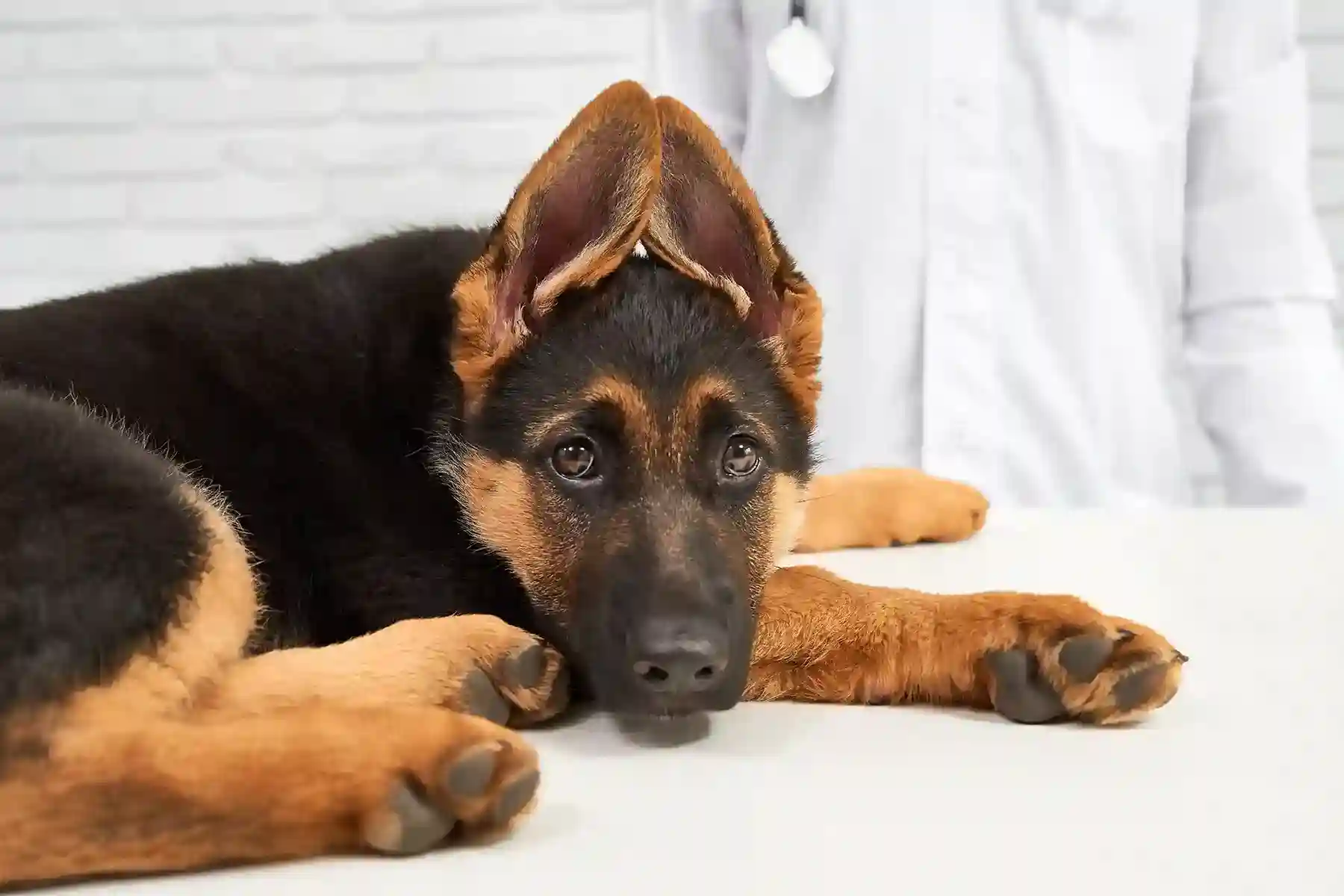
Puppy Not Active: Normal Behaviour or Health Emergency?

A puppy not active can be normal in short phases. But persistent inactivity, sleeping constantly, lack of willingness to play or becoming unresponsive signal serious illness.
Puppies have a strong metabolism and thus limited energy reserves, due to which they fall sick faster than adult dogs.
Normal Reasons a Puppy Is Less Active
During the growth stages of a puppy, the following symptoms could be observed, which are usually temporary:
- Growth phases: Puppies normally sleep more during rapid growth
- Post-vaccination recovery: Mild lethargy for 24–48 hours
- Overexertion: Playing too much can lead to dehydration and strain on muscles
- Mild digestive upset
In these cases, puppies still eat, respond normally to stimuli and generally recover within a day.
Dangerous Reasons Puppy Is Not Active
Veterinary emergency data shows the following are high-risk causes:
- Parvovirus - severe lethargy, vomiting, diarrhea
- Worm infestation - anaemia, weakness, bloated belly
- Hypoglycemia - especially in small breeds
- Severe infection or dehydration
Puppies deteriorate much faster than adult dogs. Thus, waiting can be fatal. An online consultation with a veterinary doctor can help you understand if it’s a pet emergency or not.
Common questions about a puppy being inactive
Puppy not active and sleeping a lot - normal?
Short-term sleepiness is normal, but ongoing lethargy is not.
When should I worry if my puppy is lazy?
If inactivity lasts more than 12-24 hours or comes with vomiting, diarrhea, or refusal to eat.
Puppy weak and shaking - what to do?
This is an emergency. Connect to a vet for dog health problem consultation.
When to Visit a Vet Immediately (Critical Red Flags)
Some dog disease & symptoms require urgent veterinary diagnosis. Home observation is unsafe when red flags appear.
Seek immediate veterinary help if your dog has:
- Persistent vomiting or diarrhea
- Blood in vomit or stool
- Sudden collapse or fainting
- Dog feeling weak or unable to stand
- Puppy not active or refusing food for 24 hours
Professional diagnosis saves lives. Delaying treatment often worsens outcomes.
How to Prevent Common Dog Diseases
Most dog diseases are preventable with consistent care and early monitoring.
Key Prevention Strategies
- Vaccination: Protects against parvo, distemper, and rabies
- Balanced diet: Supports immunity and organ health
- Regular deworming: Prevents anaemia and gut disease
- Hygiene & grooming: Reduces skin and parasite problems
- Routine vet checkups: Detects disease before symptoms worsen
Prevention is always safer and cheaper than emergency treatment.
Related Readings: 10 Benefits of booking vet consultation online vs. in-person visits?
Final Thoughts: Protecting Your Dog’s Health Starts with Awareness
Dog health depends greatly on their owners. Owners should notice when something is wrong. Most serious dog diseases begin with mild but easy-to-miss symptoms like loose motions, vomiting, coughing at night, weaknesses or reduced activity.
Early action saves lives.
Therefore, observe daily behaviour. Trust your instincts. And when symptoms persist, consult a vet for your dog's health problem.
With online pet care consultation on Conbun android and iOS, connect instantly with certified veterinarians and pet care experts via chat, audio, or video, so help is always available when your dog needs it most.
FAQs about Dog Diseases (People Also Ask)
1. What are the most common dog diseases?
Answer. The most common dog diseases include ear infections, dental diseases, skin issues, obesity and gastrointestinal problems like diarrhoea and vomiting.
2. Can dog vomiting be cured at home?
Answer. Mild, occasional vomiting in dogs could be caused by dietary indiscretion, and eating too fast can be managed at home, but if vomiting is frequent and has persisted for more than 24 hours, then it requires veterinary attention.
3. How long does loose motion last in dogs?
Answer. Uncomplicated diarrhoea typically lasts 24-48 hours, which often resolves on its own. But if dog loose motions have persisted beyond 48 hours, it is a dog health problem requiring immediate veterinarian consultation.
4. Is night coughing in dogs serious?
Answer. Yes. especially if it is persistent. It indicates heart health issues or airway disease.
5. Why is my dog itching constantly?
Answer. Common causes of persistent itching in dogs could be allergies, parasites or dry skin.
6. When is puppy inactivity dangerous?
Answer. If the inactivity has lasted more than a day or is combined with diarrhoea, vomiting or weakness.