Written by: Anand Sen; Reviewed by: Dr. Pratyush Singh (B.V.Sc & A.H)
The skin is the largest organ of your pup’s body, and it plays a significant role in keeping them healthy and happy.
Your dog’s skin is more than just a coat; it’s a major indicator of health. The skin is often the first place that shows when something is wrong internally.
Pet parents around the world see signs like redness, itching, hair loss or bad odor but aren’t sure what these conditions mean.
The following guide is designed to remove confusion and panic from the minds of dog owners.
You’ll learn:
How to spot early skin problems in dogs
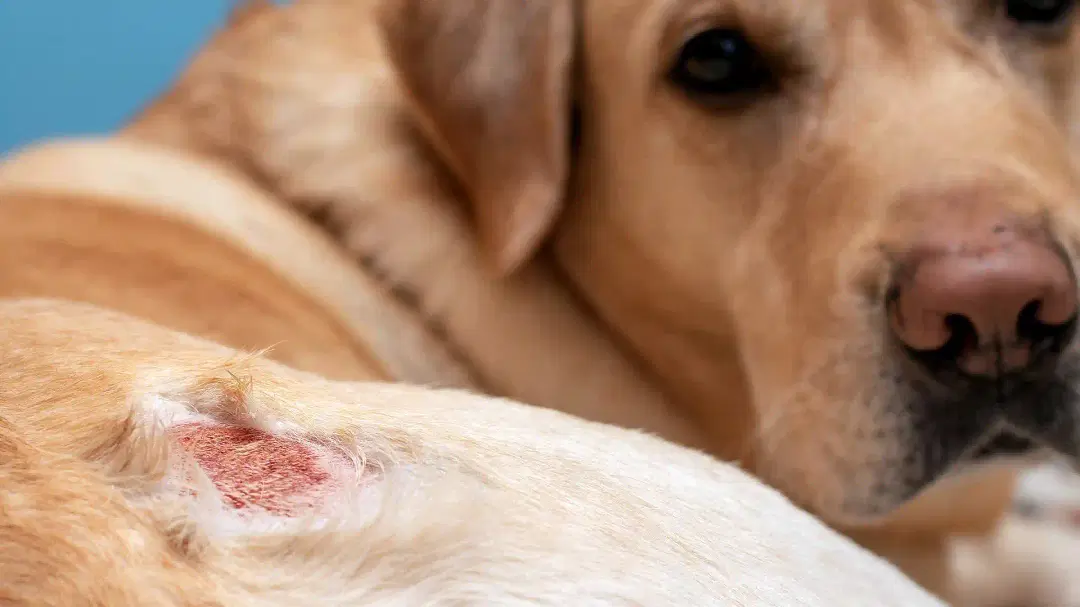
What common dog skin conditions look like (with pictures)
The most likely causes behind these issues
What can be safely done at home, and when a vet visit becomes mandatory
This guide must be used as a symptom-first reference, not a self-diagnosis tool.
Skin problems in dogs often look similar but need different treatments and taking action early can make a big difference.
Related Readings: Top Rated Pet Care Consultation App: Features, Benefits, How It Works
How to Spot a Dog Skin Problem
Recognising the early warning signs is important before identifying the cause.
Common symptoms of skin diseases in dogs
If you notice one or more of these issues, your dog may be hiding a health issue:
Itchy skin in dogs (scratching, biting, rubbing)
Dog hair loss (alopecia) or thinning coat
Dry, flaky skin or dandruff-like flakes
Red, inflamed skin (dermatitis)
Smelly skin in dogs (yeasty or sour odour)
Dog skin rash or bumps
Bald patches on dogs
Hot spots (raw, moist skin lesions)
Important:
Itching combined with redness and bad odour usually means infection or allergy, not just dry skin.
Dog Skin Allergies & Sensitivities
Dog Skin Allergies - Overview
What It Is
Dog skin allergies happen when the immune system overreacts to something harmless, causing inflammation and itching.
Common Symptoms
Intense and continuous itching
Red or pink skin
Recurrent ear infections
Licking belly or paws
Hair loss over time
Main Causes
Environmental triggers like dust and pollen
Dog food allergies due to proteins like chicken and beef etc
Flea saliva
Canine Atopic Dermatitis
What It Is
According to the MSD Veterinary Manual, Canine Atopic Dermatitis is a chronic allergy caused by environmental allergens like dust mites, pollen, or mould.
Common Symptoms
Itchy skin in dogs (year-round or seasonal)
Red belly, armpits, ears
Persistent licking
Main Causes
Genetic sensitivity
Environmental allergens
What You Can Do
Regular bathing with vet-recommended and hypoallergenic shampoos
Wipe their paws and belly after walks
Use of HEPA filters in air purifiers
Allergy control plans from a vet
When to See a Vet
If you have observed that itching has persisted for more than 2 weeks.
If infections are recurring
Food Allergies in Dogs
What It Is
Food allergies in dogs are immunologic reactions to specific food proteins in their diet.
Common Symptoms
Non-seasonal itching
Skin rash
Ear infections
Sometimes vomiting or loose stools
Main Causes
Common proteins like chicken, beef, lamb and dairy
What You Can Do
Feed on vet-approved homemade recipes
Focus on an elimination diet
Identify the food product that is the cause of a reaction
Avoid random or instant food switching which is common pet food mistake
When to See a Vet
If itching continues despite diet control.
Flea Allergy Dermatitis
What It Is
Fleas lead to silent parasitic infections that make Indian pets sick. Flea Allergy Dermatitis is a severe immunologic reaction caused by the injection of antigens in a dog’s body through a flea bite. It can happen even with one flea bite.
Common Symptoms
Intense itching
Bald patches on dogs (tail base, thighs)
Red bumps and scabs
Main Causes
Hypersensitivity to flea saliva
What You Can Do
Strict year-round flea prevention
Flea repellent collars
Is It Contagious?
No. The disease is not itself contagious, but fleas can spread easily between pets.
When to See a Vet
If skin breaks or an intense infection develops.
Related Reading: My Dog Not Eating: Common Reasons & Safe Ways to Restore Appetite
Parasitic Infestations Causing Skin Problems
Dog Skin Parasites - Overview
What It Is
Skin parasites are common skin problems found in dogs. Parasites like mites and fleas live on or in the skin, causing irritation and infections.
Common Symptoms
Hair loss
Crusty or scaly skin
Severe itching (especially at night)
Mange in Dogs
Demodectic Mange (Demodex)
What It Is
Overgrowth of Demodex mites (Demodex Canis or Demodex Injal), usually in puppies or immunocompromised dogs. These mites live in the hair follicles of dogs.
It is the most common type of mange in dogs.
Symptoms
Bald patches on face or legs
Mild redness
Is It Contagious?
No.
Sarcoptic Mange - Scabies
What It Is
According to a study published in the Journal of Clinical & Diagnostic research Sarcoptic Mange is a highly contagious mite infestation caused by Sarcopetes scabiei
Symptoms
Intense itching
Thickened, crusty skin
Hair loss on the ears, elbows, and belly
Is It Contagious?
Yes, to dogs and humans.
When to See a Vet
Immediately. Treatment is essential.
Related Readings: How do online vet consultations work: A pet owner’s guide?
Bacterial & Fungal Skin Conditions
Bacterial Skin Infections (Pyoderma)
What It Is
Pyoderma is a bacterial infection of the skin, often secondary to allergies. Causes include altered blood to the skin, chronic exposure to moisture, or the suppression of the immune system.
Common Symptoms
Red pustules or papules on the skin
Crusts
Smelly skin in dogs
What You Can Do
Antibiotic therapy
Vet-prescribed medicated shampoos
When to See a Vet
Always, antibiotic guidance is compulsory.
Yeast Infections in Dogs
What It Is
Overgrowth of yeast (Malassezia) on the skin due to an overgrowth of fungus that causes itchy, smelly, greasy skin, especially near moist areas like ears, paws, armpits and skin folds.
Common Symptoms
Strong odor
Greasy skin
Red, itchy folds
What You Can Do
Keep skin dry
Use vet-approved antifungal care
Ringworm in Dogs
What It Is
A fungal infection (not a worm).
Common Symptoms
Circular bald patches
Scaly edges
Is It Contagious?
Yes - to both pets and humans.
Folliculitis
What It Is
Infection of hair follicles.
Symptoms
Bumps
Hair loss
Redness
Often Secondary To
Allergies
Parasites
Related Readings: 10 Benefits of booking vet consultation online vs. in-person visits?
Common Self-Inflicted & Secondary Dermatitis Conditions
Hot Spots (Pyotraumatic Dermatitis)
What It Is
Hot Spots or Pyotraumatic Dermatitis is a rapid onset and intensely painful skin infection caused by bacterial infections. These infections are generally triggered by self-trauma from excessive biting and scratching.
Symptoms
Raw, oozing patches
Painful and fast-spreading
When to See a Vet
Hot can spots worsen quickly. Painful and intense itching are the signs your dog needs a vet immediately.
Acral Lick Dermatitis
What It Is
Chronic licking leading to thickened skin lesions.
Causes
Stress or boredom
Underlying itch
What You Can Do
Address both skin and behavioural causes
Related Readings: Is Online Pet Care Consultation Right for Your Pet?
Less Common but Relevant Skin Issues in Dogs
Seborrhea in Dogs
What It Is
Seborrhea is another common skin disorder in dogs that causes flaky dandruff skin, scaling or greasy skin. It can be caused by genetic conditions or secondary factors like parasites and hormonal issues.
Symptoms
Dry flakes OR greasy skin
Strong Odour
Hormonal Skin Changes
What It Is
Skin issues linked to thyroid or adrenal disorders.
Symptoms
Symmetrical hair loss
Darkened skin
Autoimmune Skin Problems
What It Is
Rare conditions where the immune system attacks skin cells.
When to See a Vet
Urgently, early treatment matters.
Diagnosis & When to Get Veterinary Help
How Skin Problems Are Diagnosed
Many common dog skin problems look very similar on the surface. So to deal with them effective diagnosis is important.
Vets don’t guess skin issues; they test. The most common diagnostic steps include:
Skin scrapings - to detect mites (mange)
Cytology (skin smears) - to identify bacteria or yeast
Fungal cultures - for ringworm confirmation
Allergy trials - diet elimination or environmental testing
Blood tests - when hormonal disease is suspected
Why this matters:
Treating the wrong cause (for example, steroids for a fungal infection) can worsen the condition and may even lead to the development of other conditions.
Red Flags That Need Vet Attention Immediately
See a vet urgently if you see:
Rapidly spreading hot spots
Foul-smelling skin in dogs with pain
Fever, lethargy, or appetite loss and other behavioural issues
Deep wounds or oozing lesions
Severe hair loss
These signs often mean infection or systemic illness has advanced from being a simple irritation. Consult a vet online or visit the nearest veterinary clinic, if you see these signs.
What to Do: Treatment & Care (Actionable Steps)
At-Home Support (Safe & Supportive Care)
Home care helps support healing but does not replace veterinary treatment.
What you can safely do:
Bathe only as advised (overbathing worsens skin)
Brush regularly to remove allergens and debris
Keep skin folds dry
Use parasite prevention year-round
Perform daily skin checks during grooming
Nutrition Support for Skin Health
Dog health and nutrition are deeply connected. Studies in Veterinary nutrition show that Omega-3 fatty acids help reduce skin inflammation and improve barrier function.
Supports dogs with allergies
Improves coat quality
Helps reduce itching over time
Always use vet-recommended supplements - dose matters.
Frequent and consistent grooming is the most effective way to prevent most common skin problems in dogs. For dog grooming-related advice book dog grooming consultation online on the Conbun app and connect to dog grooming specialists or certified veterinarians.
Vet-Recommended Treatments (Overview)
Depending on the diagnosis, vets may recommend:
Antihistamines or allergy control medications
Flea and mite control products (for example Collars)
Medicated shampoos or topical treatments
Antibiotics or antifungals (when infections are confirmed)
Never use human creams or leftover medicines on dogs.
Related Readings: 10 Signs Your Dog Needs a Vet Immediately
Prevention & Daily Skin Care Routine
Most chronic dog skin problems are managed, not cured, prevention is key.
Daily & Weekly Skin Care Checklist
Daily
Check ears, paws, belly, and folds
Watch for itching or redness
Ensure clean bedding
Weekly
Brush coat thoroughly
Check for parasites
Clean ears if advised
Monthly
Review diet and treats
Monitor coat changes
Reassess flea control
Instead of product changes, you should focus on a consistent treatment routine.
Visual Gallery: Dog Skin Issues With Pictures
Use this gallery as a visual reference only.
Allergic rash
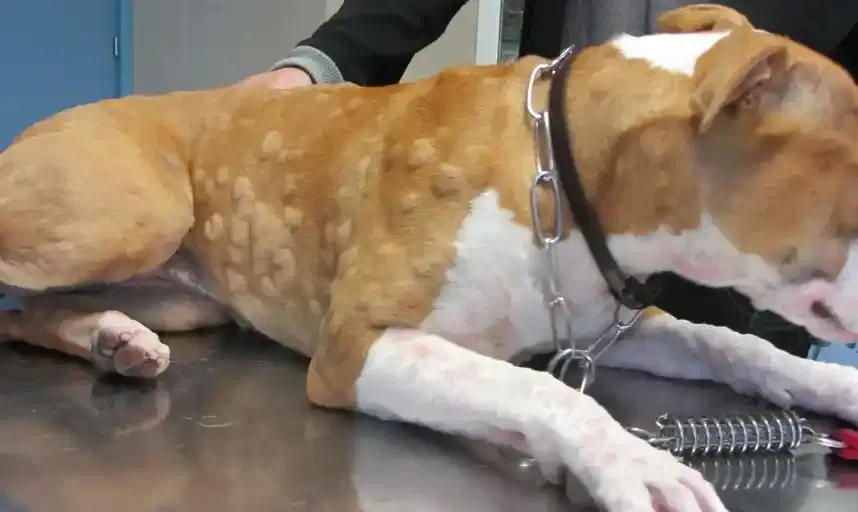
Source: Saivet
Hot spots
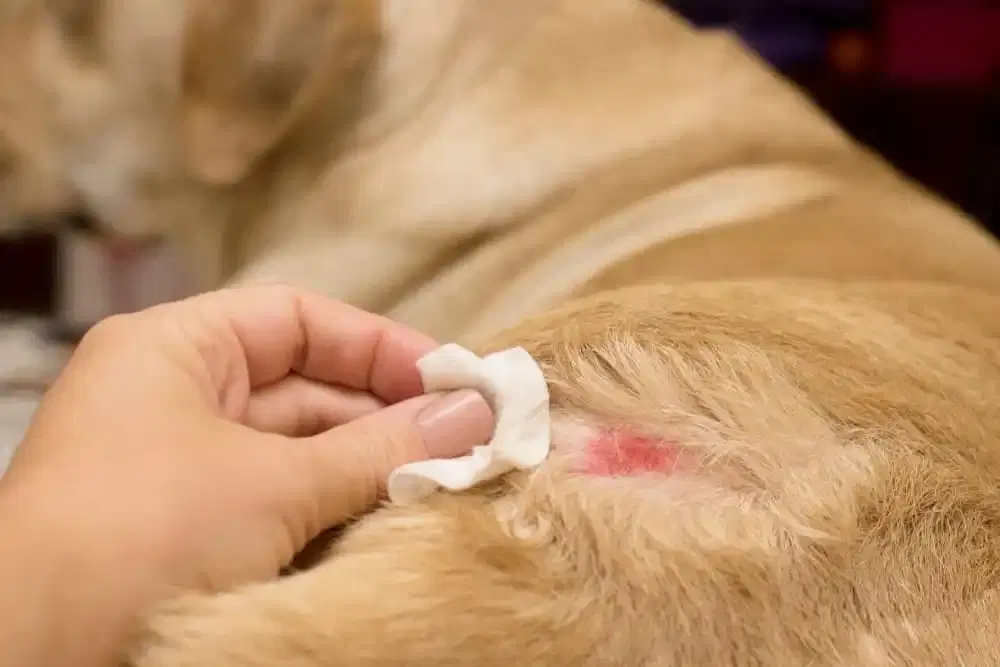
Source: Ultra oil for pets
Ringworm rings
Source: Goodrx
Mange patches

Source: Us Service Animals
Yeast infection

Source: Animal Family Veterinary Care
Conclusion
Dog skin problems can be confusing, stressful and uncomfortable for both pets and pet owners. From hair loss and intense itching to hot spots and yeast infections, early recognition and the right guidance can work wonders.
Final Skin Health Checklist
Regular grooming
Balanced nutrition
Parasite prevention
Prompt vet visits for new symptoms
With Conbun’s pet care consultation , you can connect with experienced veterinary professionals to share photos, describe symptoms, and get clear next steps, without waiting days for an appointment. This helps you decide whether home care is enough or if in-clinic treatment is needed.
When it comes to your dog’s skin health, timely expert advice prevents irritation from becoming a serious health condition. If you’re unsure what your dog is experiencing, getting expert advice from online vet help saves time, reduces stress and supports your dog’s faster recovery.
FAQs (People Also Asked)
1. Why is my dog scratching nonstop?
Answer. Nonstop scratching in most cases is caused by skin allergies, fleas and infections. If itching is persistent, it needs veterinary investigation, especially if there is hair loss and bad odour.
2. Is smelly skin always an infection?
Answer. Always no. Often yes. Smell skin in dogs generally points to bacterial or fungal overgrowth, especially in moist areas like skin folds, armpits or ears.
3. Can food cause skin allergies?
Answer. Yes. Allergic food products can trigger rashes, itching and ear infections.
4. How can I tell mange from ringworm?
Answer. Ringworm generally causes round, hairless patches with mild itching, while Mange often leads to intense and painful itching.