.webp)
7 Puppy Training Mistakes Pet Owners Make Without Realizing It

Written by: Anand Sen; Reviewed by: Dr. Saroja Patil
Why Puppy Training Mistakes Happen? (Even with Loving Owners)
Bringing home a puppy can be one of the most exciting moments for new pet parents. Tiny paws, adorable faces, and playful energy levels can be irresistible. But soon reality hits as your shoes are chewed, your hands are covered in nibbles, and your furry companion still has no idea where the bathroom is.
Puppies tend to learn rapidly during their initial weeks. Hence, even minor training errors can shape long-term behaviour. From delayed socialization to delayed commands, the earliest habits you build directly influence your dog's discipline, stability, and confidence.
This guide will walk you through the most common puppy training mistakes, when they occur, and how to train a dog the right way with simple, science-backed dog training tips.
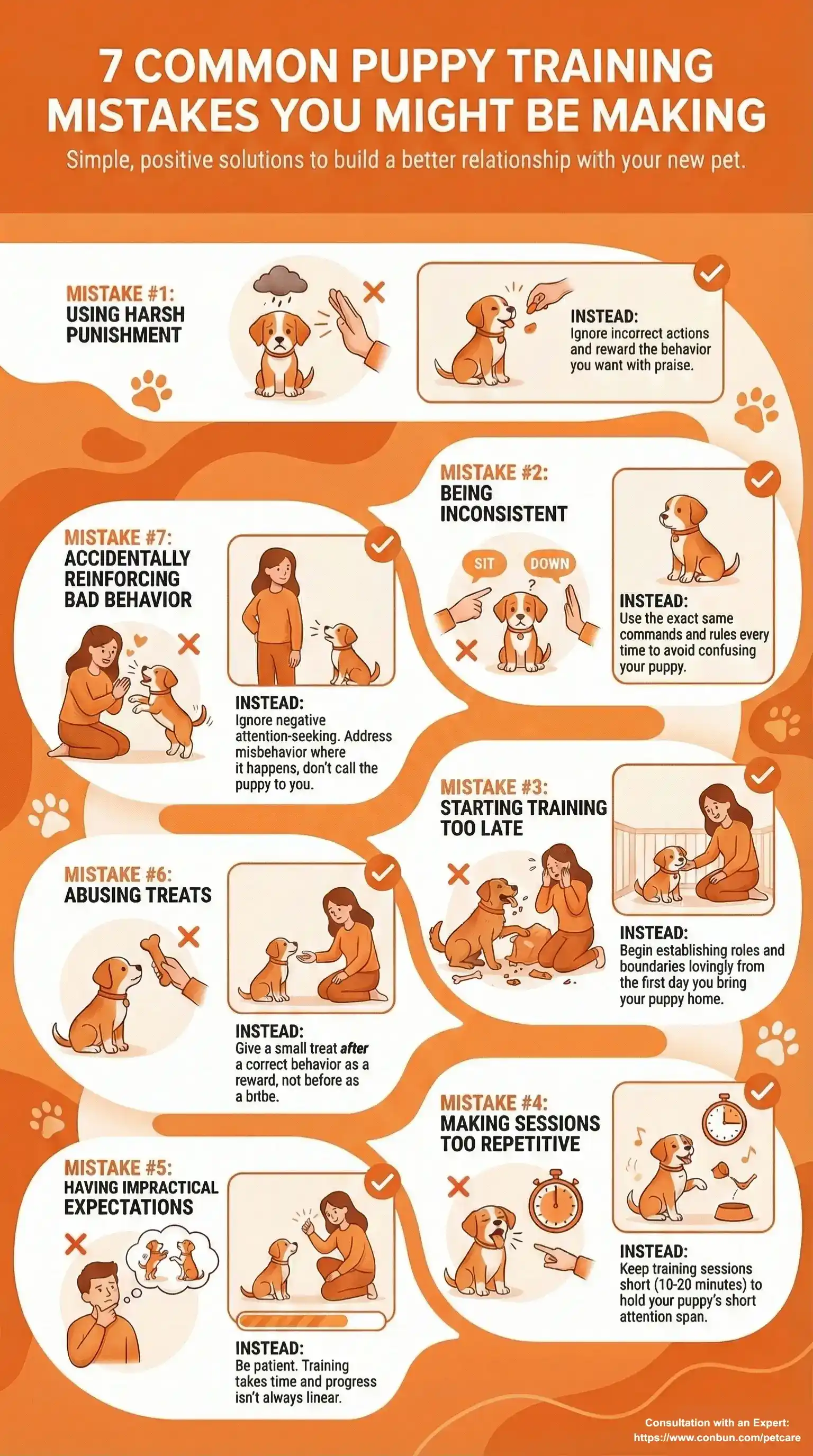
Here's 7 Puppy Training Mistakes Happen ( Every Pet Owners Should Know)
1. Skipping a Proper Routine
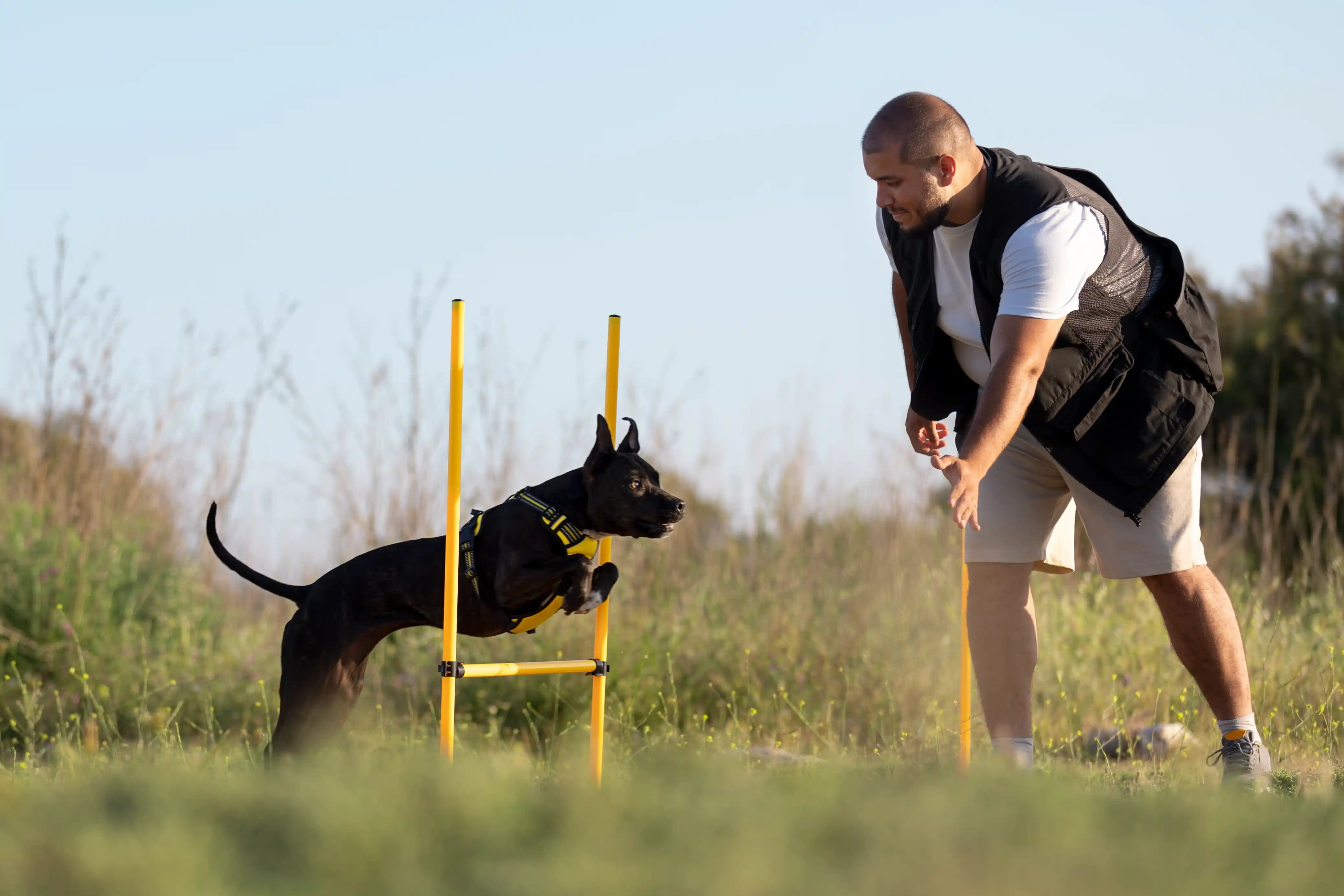
Why puppies need structure?
The most crucial element of puppy training is building predictability. Scientific Veterinary literature shows that establishing a routine can reduce puppy anxiety and speed up house training.
Without a proper puppy schedule, behaviours like chewing and whining may become challenging to manage, and accidents may become too frequent.
Common routine errors
Not feeding at a consistent time daily
No fixed hours for potty-training
Allowing puppies to take random naps instead of set rest periods
Overstimulating late at night also impacts sleep and the next-day schedule
How to build a basic daily puppy schedule?
Wake them up at 6–7 AM for the first potty break and breakfast
Morning: Short play and a training session
Afternoon: Nap, quick potty, enrichment game
Evening: Walk, training practice, dinner
Night: Calming activities, final potty, crate time
Consistency in training is the foundation of positive puppy behaviour. It develops predictability and, thereby, long-term good behaviour. Your puppy will learn things faster where there's a predictable rhythm.
Related Readings: 10 Signs Your Dog Needs a Vet Immediately
2. Inconsistent Training Commands
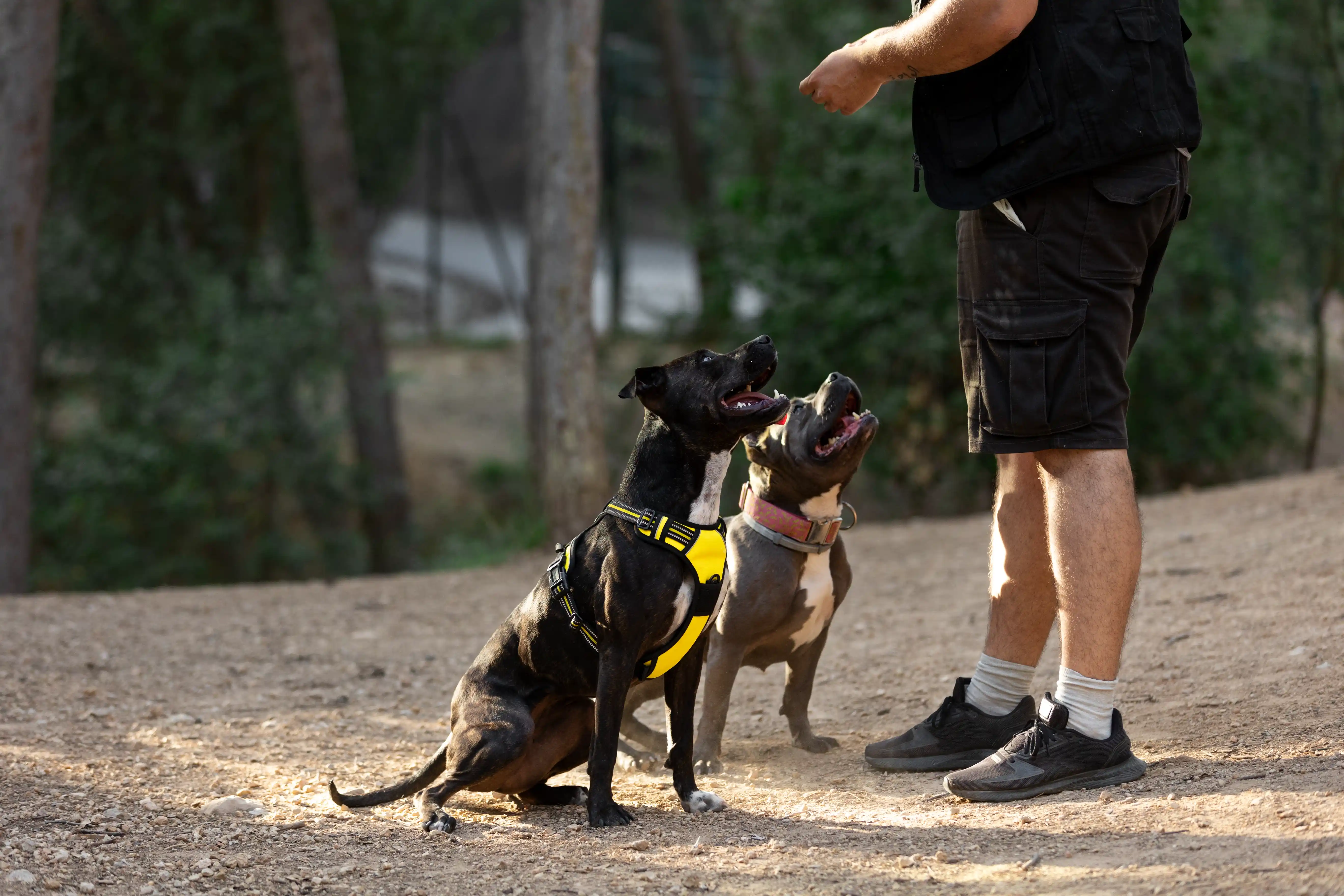
Why mixed signals confuse puppies?
Puppies process language differently from humans. In puppy obedience training, the command must stay identical every time, otherwise, you teach your puppy multiple versions of the same instruction.
Puppies process language differently from humans. For every instruction, the tone and language are fundamental. Their perception of instructions is related to auditory learning and association skills.
Therefore, in obedience training, a command must sound identical each time; otherwise, your puppy will learn multiple versions of the same instruction.
In addition, inconsistent commands can slow down the learning process.
Examples of confusion
"Down!" vs "Lie down!"
"Come!" vs "Come here!"
"No!" used for five different behaviours
Veterinary behavioural research has established that inconsistent cueing is among the top causes of dog behaviour problems.
How to keep commands simple?
Choose one word per action
Ensure all of the family members use the same cues
Focus on pairing verbal commands with clear hand signals
Reinforce immediately within a 1–2 second timing window
This is one of the most essential puppy training basics. Focus on clarity, not force.
Related Readings: 10 Best Dog Breeds for the Indian Climate
3. Delaying House Training
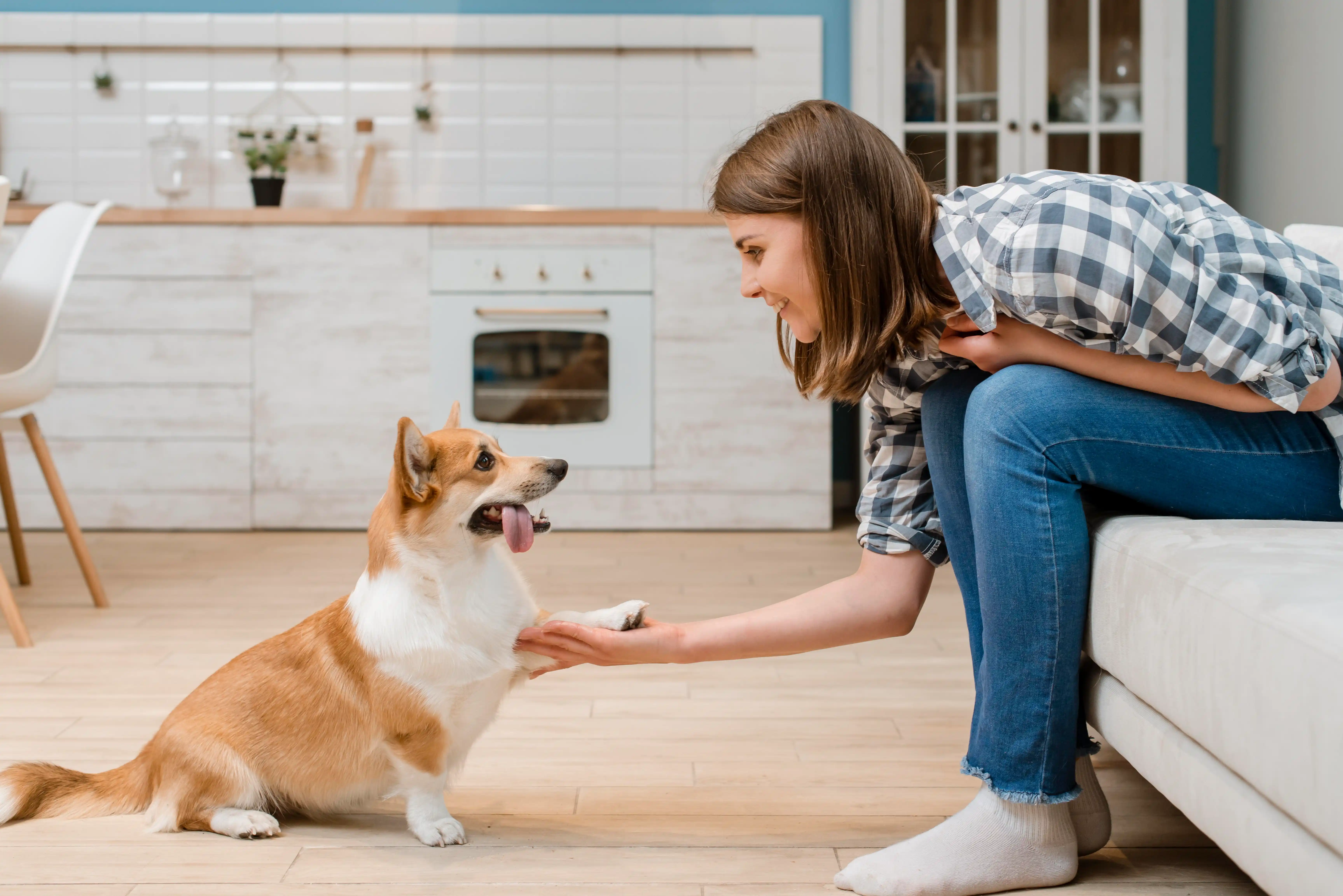
Why waiting makes everything harder?
One of the most common puppy house training mistakes is assuming that puppies grow out of accidents. However, in reality, every untrained incident, for example, a bathroom incident, becomes a reinforcement loop.
Puppies repeat what they have already practised and experienced.
Signs your puppy is ready for potty training
Sniffing and circling
Restlessness after play
Barking near the door
How to train a dog to reinforce success?
Focus on positive reinforcement
Take your puppy for an outing every 2–3 hours
Always visit the same potty spot
Reward the puppy within three seconds of peeing/pooping outside to offer positive experiences.
Use crate training to reduce accidents inside
Related Readings: Pet Care Goes Digital: How Apps Are Making Vet Consultations Faster, Cheaper & More Reliable
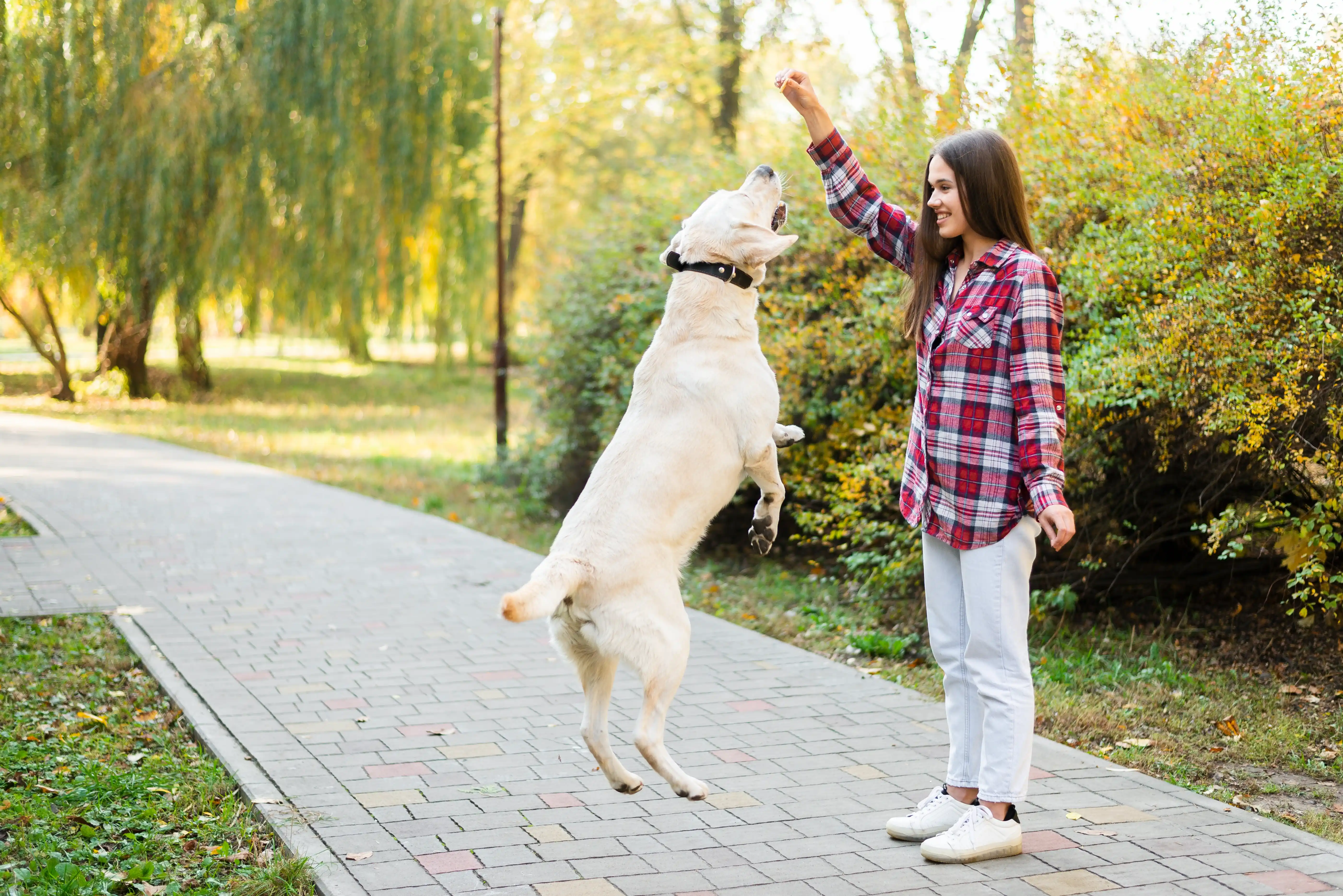
4. Encouraging Biting and Jumping as "Play"
Why cute habits become serious problems?
Mouthy play and chew behavior are regular. However, if you don't stop it, you encourage it. The puppy will assume that biting equals attention. By adulthood, these unwanted behaviors become harder to fix.
How puppies learn boundaries?
Puppies typically learn crucial bite inhibition or bite control from their littermates. When owners laugh at biting or stop playing if the bite is too hard, puppies associate hard biting with a negative consequence.
Teaching bite control early
Redirect bites to appropriate chew toys
Stop playing immediately when mouthing happens
Teach "Off!" and "Sit" as alternative behaviors
Avoid rough-housing that triggers overstimulation
Use positive reinforcement, not punishment. Fear creates long-term behavioral damage.
5. Not Socialising Early Enough
What happens without proper exposure?
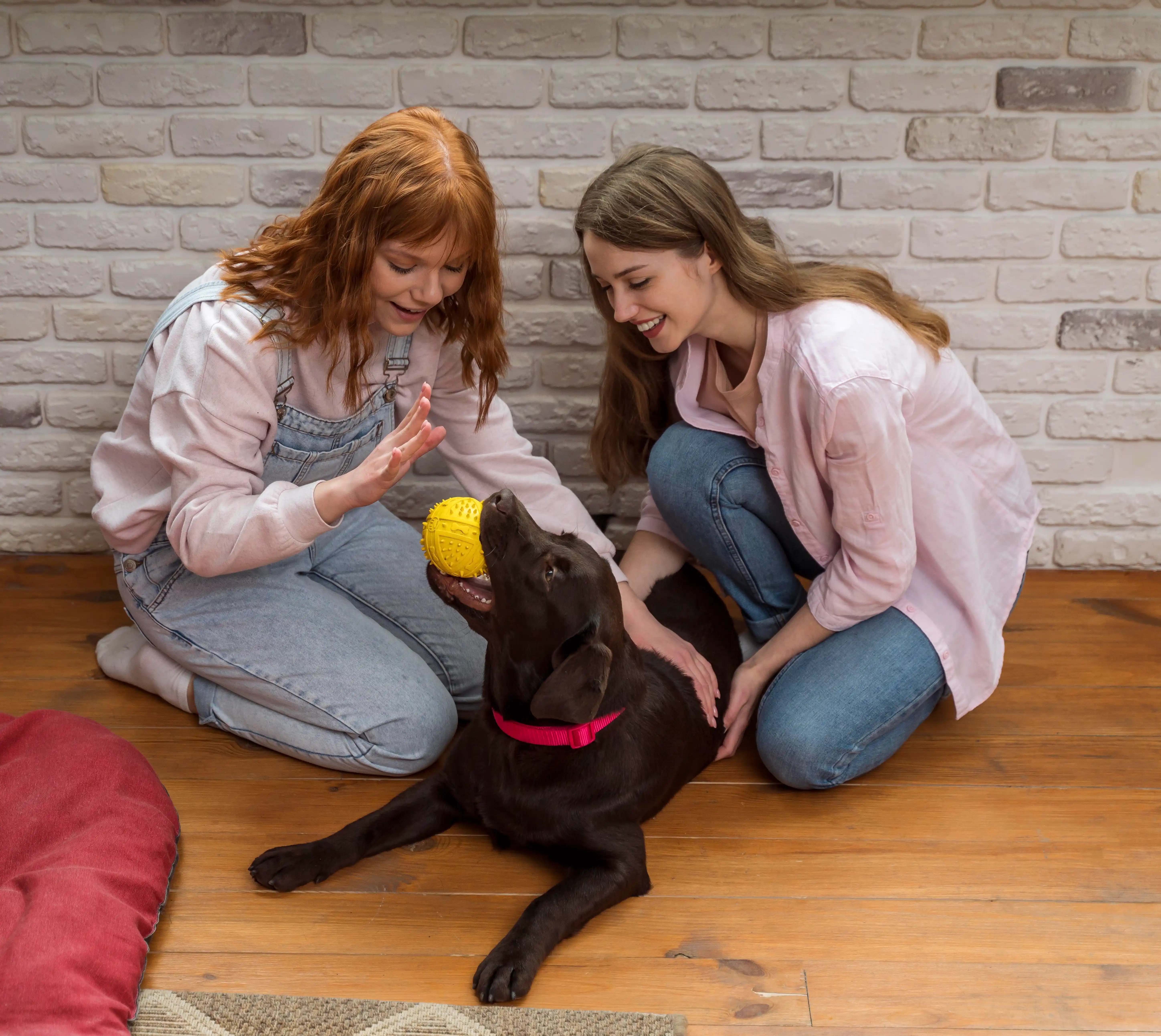
The initial period between 3 and 14 weeks is called as the critical socialisation window. Puppy socialization mistakes can lead to puppy behavior problems like:
Reactivity toward other dogs
Fear of strangers
Noise anxiety
Long-term difficulties in adapting to new environments
Safe ways to introduce new experiences
Car rides
Grooming tools
Different floor textures
Calm dogs of friends/family
Variety of people (age, gender, clothing styles)
The best age window for social learning
Socialisation before 14–16 weeks is the single most significant predictor of a confident adult dog.
Related Readings: 7 Expert Tips to Protect Your Pets in Cold Weather
6. Using Punishment Instead of Guidance
Why fear-based training backfires?
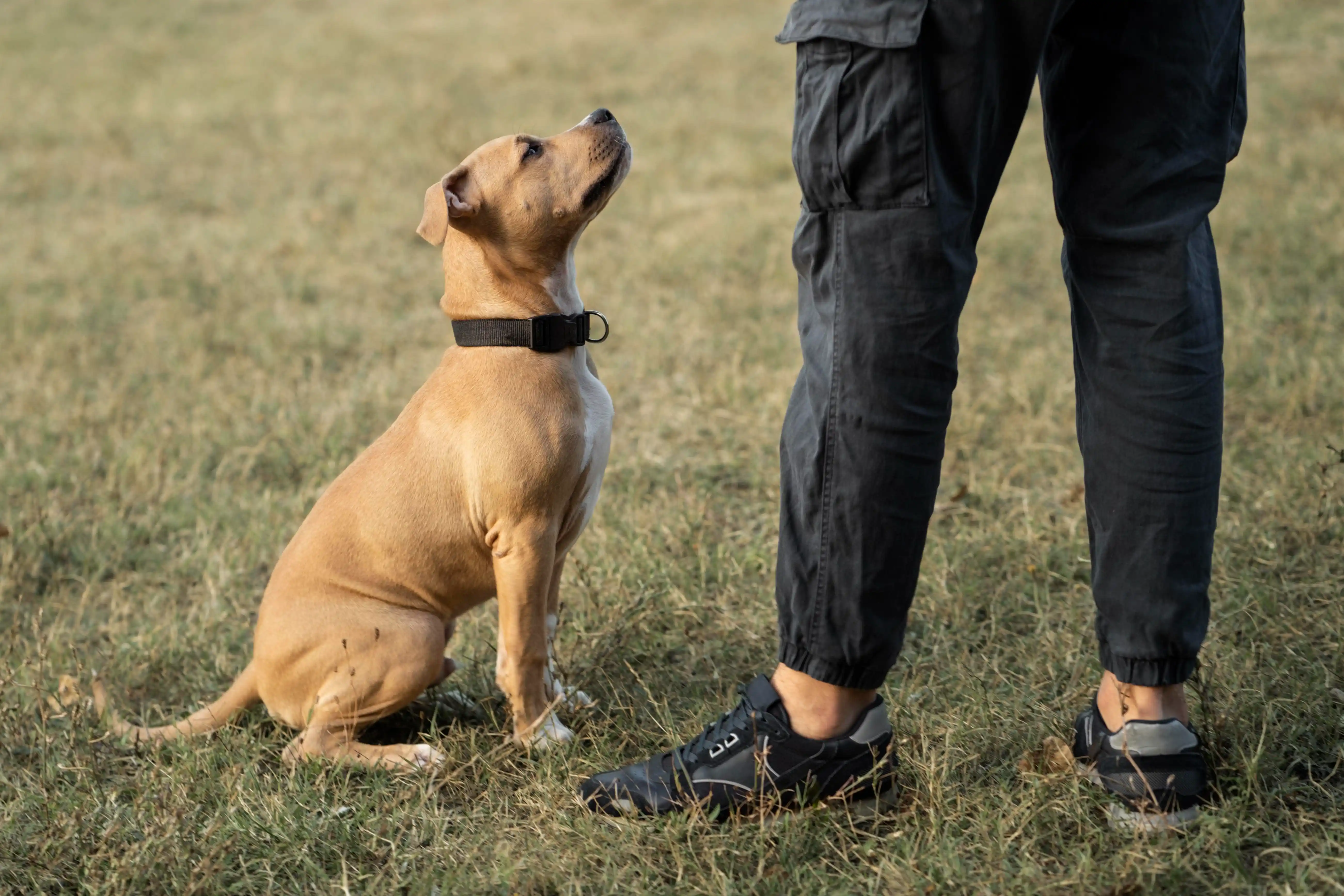
Punishment methods (yelling, hitting, "alpha rolls") are linked to increased:
Anxiety
Slow learning
Aggression
Avoidance
The American Veterinary Society of Animal Behavior (AVSAB) recommends reward-based puppy training and positive reinforcement.
How to correct behavior effectively?
Redirect, don't punish
Reward the correct behavior immediately
Use markers like Yes
Keep training sessions short (3–5 minutes)
Building trust is far more potent than enforcing control.
7. Ignoring Mental Stimulation
Why enrichment is essential?
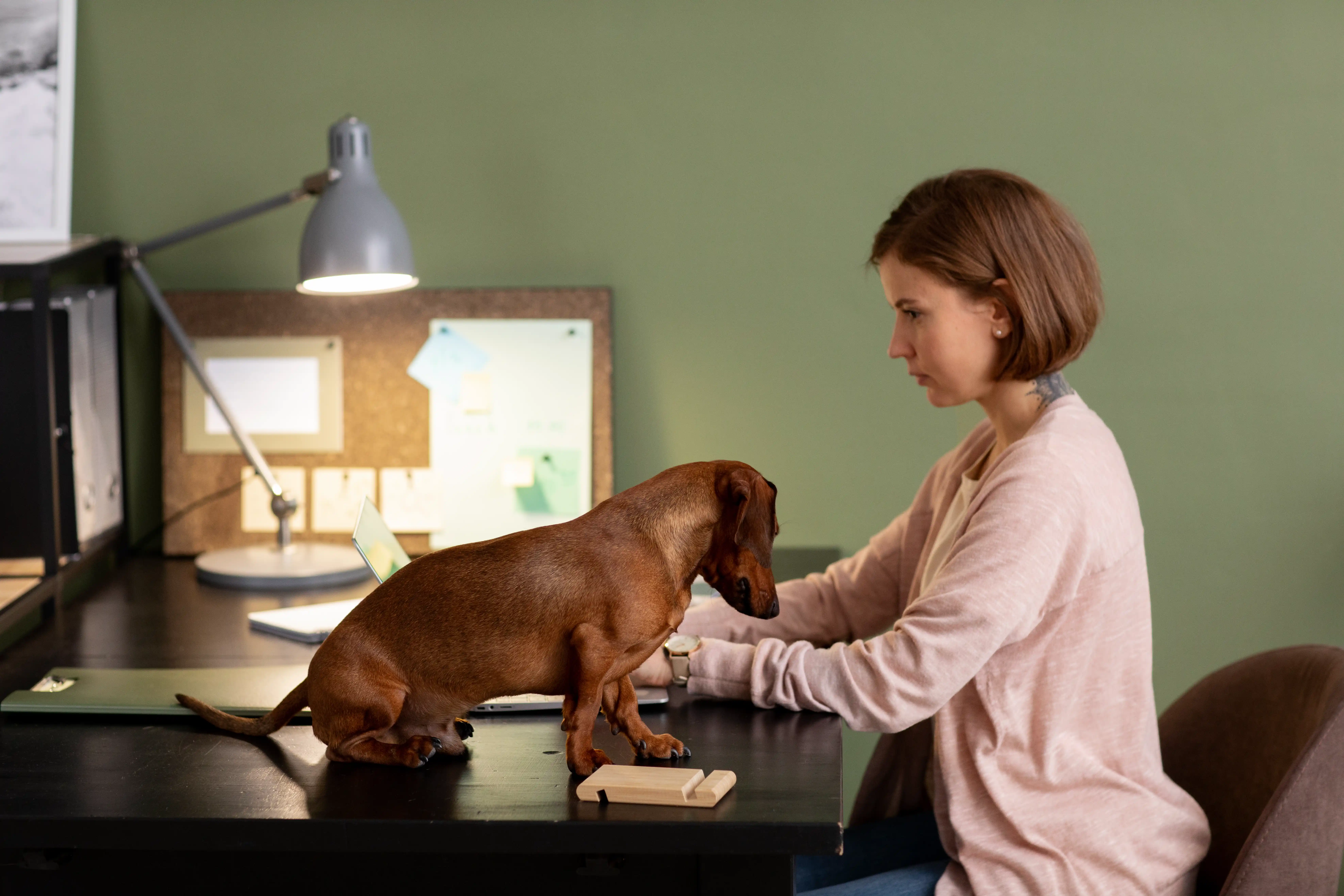
Many puppy behavior problems, like digging, barking, jumping, and chewing, stem from boredom and disobedience. Puppies need daily mental workouts and not just physical activity.
Simple brain games
Snuffle mats
Hide-and-seek
Food puzzles
Basic obedience practice
Treat trails and scent work
Related Readings: 7 Signs Your Pet Might Be Hiding a Health Problem
How to balance mental and physical exercise?
How to train a dog (Quick Fix Summary)
Follow a daily puppy schedule
Combine low-impact physical activities with engaging mental challenges
Use consistent cues
Start potty training immediately
Use scent games and puzzle toys
Redirect biting and jumping
Socialise before 16 weeks
Avoid punishment, choose positive reinforcement
Gentle training session and fetch games
For detailed guidance you use an online vet consultation on Conbun apps to create an effective balance between mental and physical stimulation.
Conclusion
Raising a puppy correctly takes patience and a structured training routine. New pet owners must focus on early positive habits. Even minor training mistakes in the beginning can snowball into long-term behavioral issues.
With consistent routines and proper puppy training, your dog will grow into a confident and well-mannered companion. If you ever feel stuck, an online or pet care consultation on the Conbun android and iOS app can help you assess your puppy's behavior, address anxiety, offer dog training tips and improve your training routines quickly and professionally with effective puppy training tips.
Frequently Asked Questions
1. What am I doing wrong with puppy potty training?
Answer. Most new pet owners either wait too long between breaks, don't reward fast enough or fail to supervise. Immediate reinforcement and a strict schedule fix most issues.
2. What is the 777 rule for the dog?
Answer. The 777 rule is a puppy socialisation guideline that suggests exposing a puppy to 7 different people, seven different locations, and seven new surfaces or challenges by the time they are 7 weeks old.
3. What is the 10-minute rule for puppies?
Answer. Puppies exercise for 5 minutes per month of age—for example, 10 minutes if they are 2 months old.
4. Is it normal to feel like you made a mistake after getting a puppy?
Answer. Yes. Many new pet parents experience puppy blues. However, it improves as the training structure and routine become more consistent.
Table of Content
- Beginner Puppy Guide
- Beginner Puppy Guide
- Beginner Puppy Guide
- Beginner Puppy Guide
- Beginner Puppy Guide
- Beginner Puppy Guide