
Dog Nutrition Guide: Best Food, Puppy Feeding Chart & Foods to Avoid
Written by: Anand Sen; Reviewed by: Dr. P N S S Praneeth
What Is Dog Nutrition and Why Is It Important?
What your dog eats today decides how healthy, energetic, and happy they’ll be tomorrow.
According to veterinarians, nutrition is preventive medicine. A well-balanced diet has a direct impact on your dog’s lifespan, immunity, coat quality, digestion, joint health, and even behaviour. Dogs fed poor-quality or imbalanced food are more prone to obesity, allergies, digestive disorders, weak immunity, and early-onset diseases.
On the other hand, dogs that receive proper nutrition live longer, stay active and recover faster from illnesses.
Unfortunately, many pet owners make common feeding mistakes, like overfeeding, feeding excessive treats, relying on low-quality commercial foods or feeding human foods to their dogs. Puppies are especially vulnerable to these mistakes as improper nutrition at an important growth stage can lead to permanent damage to bones, joints and other organs.
This guide is designed to simplify dog nutrition. It’ll help you learn:
What vets actually recommend for dog food
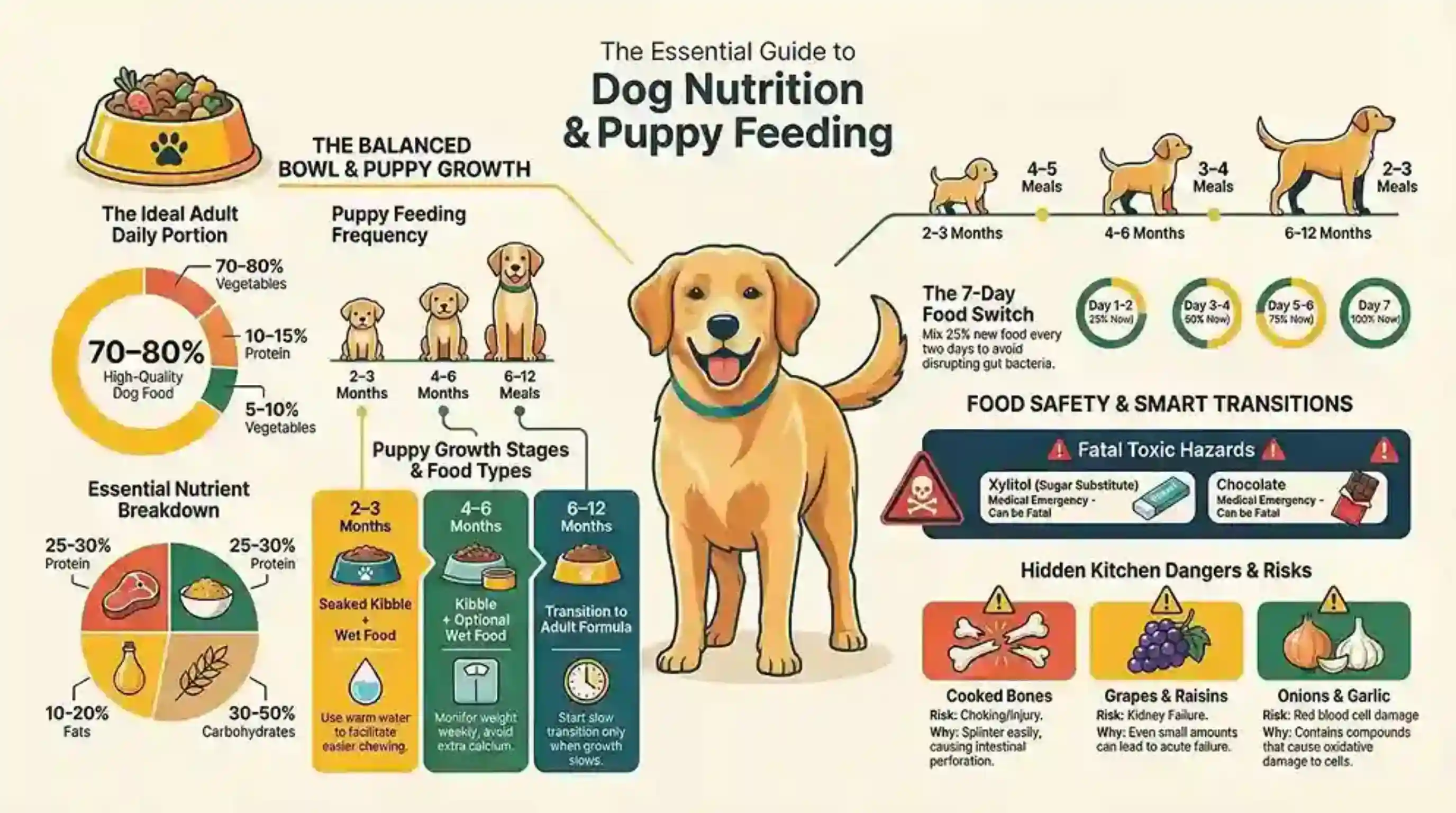
A daily dog diet chart (quick-reference)
Age-wise dog diet charts
How to build a balanced, healthy diet
Safe homemade dog food ideas
Clear guidance backed by veterinary nutrition science
Whether you’re caring for a senior dog or raising an energetic puppy, this guide will help you feed them with confidence.
Daily Dog Nutrition Chart (Vet-Approved)
Your dog’s diet doesn’t need to have fancy ingredients. It should be built around consistency, quality and balance.
Daily Dog Diet Chart for Adult Dogs
Food Type | Daily Portion | Notes |
High-quality dog food | 70–80% | Complete & balanced nutrition |
Fresh protein | 10–15% | Chicken, eggs, fish |
Vegetables | 5–10% | Carrots, pumpkin |
Fruits | Small amount | Apple, banana |
Water | Always | Fresh & clean |
Vet Summary: Daily Dog Diet Basics
Commercial balanced dog food should form the base of a dog’s diet, supported by small portions of fresh, safe food. Your dog should have access to fresh water at all times. Hydration is non-negotiable.
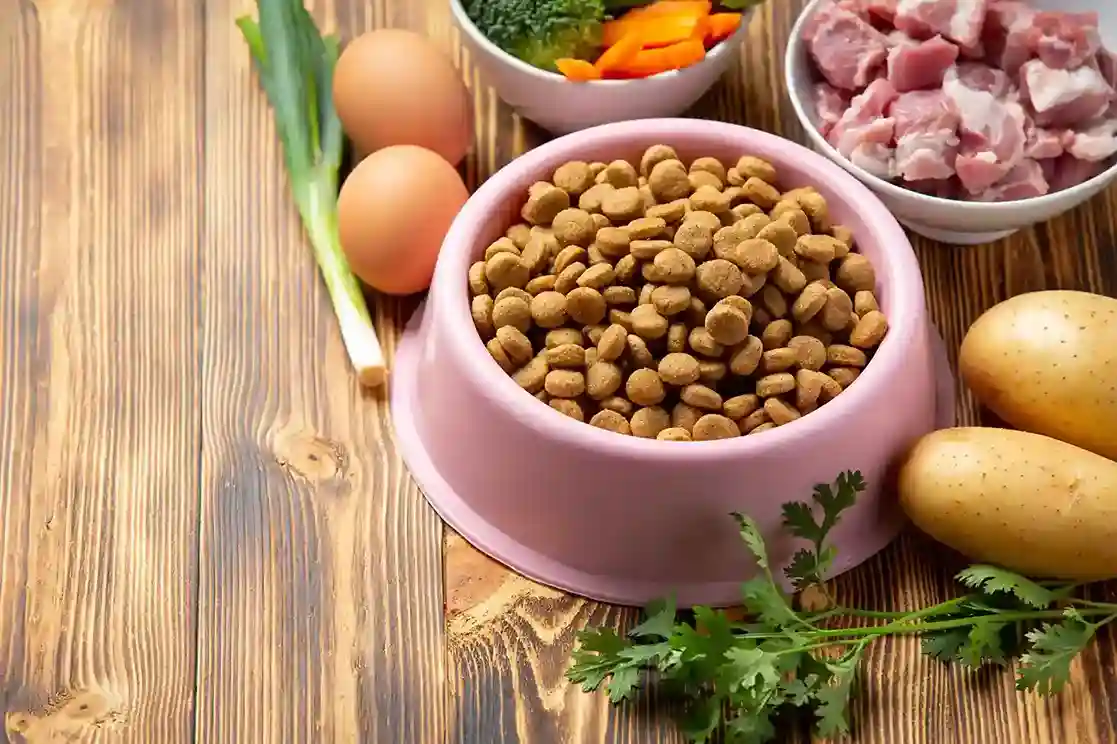
Dog Eating Healthy Food
Best Healthy Food for Dogs (Vet-Recommended)
According to veterinarians, a complete, balanced, age-appropriate diet that meets nutritional standards, with high-quality protein and minimal fillers, is the best.
A dog food guide doesn’t have to be trendy. It has to be nutritionally sound.
Commercial Dog Food: The Vet-Approved Base Diet
Commercial dog food has a bad reputation. The truth? High-quality commercial diets are actually the safest and most reliable way to meet your dog’s nutritional needs, especially when formulated in accordance with WSAVA guidelines.
Dry Kibble vs Wet Dog Food: Which Is Better?
Dry kibble
Supports dental health through mechanical abrasion
Easy to measure and store
Contributes to cost-effectiveness for long-term feeding
Wet food
Higher moisture (excellent for hydration)
More suitable for picky eaters
Highly beneficial for senior dogs and dogs with oral health issues
Vet insight: A combination of dry and wet kibble is often considered best for nutrition, taste and hydration.
Why High-Protein, Low-Filler Dog Food Matters
Dogs require biologically appropriate protein content for muscle growth, immune defence and hormonal regulation. Always go for commercial food products which has first ingredient as a named animal protein (like chicken, lamb or fish)
Avoid diets which are overloaded with:
Corn, wheat, or soy
Artificial additives like colours and flavours
Vague “meat by-products”
Fillers only add calories, not nutrition.
How to Read Dog Food Labels (Vet Checklist)
Check for animal protein listed first
Clear fat sources (chicken fat, fish oil)
Statements like “Complete and balanced”
No or minimal artificial additives
If the label misses these checks, your dog probably eat it.
Fresh & Natural Foods for Dogs (Safe Add-Ons)
Fresh foods can enhance or supplement a dog’s diet, but you should replace a balanced commercial base unless the diet is formulated by an experienced veterinarian.
Vet-approved dog food guides include:
Lean meats: Boiled chicken or turkey (boneless)
Eggs: Fully cooked, excellent amino acid and low-fat profile
Rice & oats: Stable energy sources
Vegetables: Carrots, pumpkins, green beans
These additions can enhance digestion, variety and overall health, but you have to remember that balance is key.
How to Create a Dog Food Guide Based on Age and Size
Dogs need different food formulas at different life stages because growth rate, metabolism, digestive capacity, and nutrient requirements change with age and body size.
Puppies need higher dietary protein and fat content for growth, a strict calcium balance
Adult dogs need Maintenance calories, a consistent feeding schedule
Large breed puppies grow slowly, so provide controlled calcium and calories to protect joints and bones
Small breeds burn energy faster, so they need energy-dense food with a smaller kibble size, frequent feeding in small portions
Bottom line:
The best dog food is the one that keeps your dog lean, energetic, shiny-coated and satiated. Not the one that feels premium or has the fanciest marketing.
Feeding a puppy adult dog food or feeding a large-breed dog like a small one can gradually and silently cause serious developmental issues.
Related Readings: Winter Health Problems in Pets: What Every Pet Owner Should Know
Puppy Feeding Chart by Age (Vet-Approved Guide)
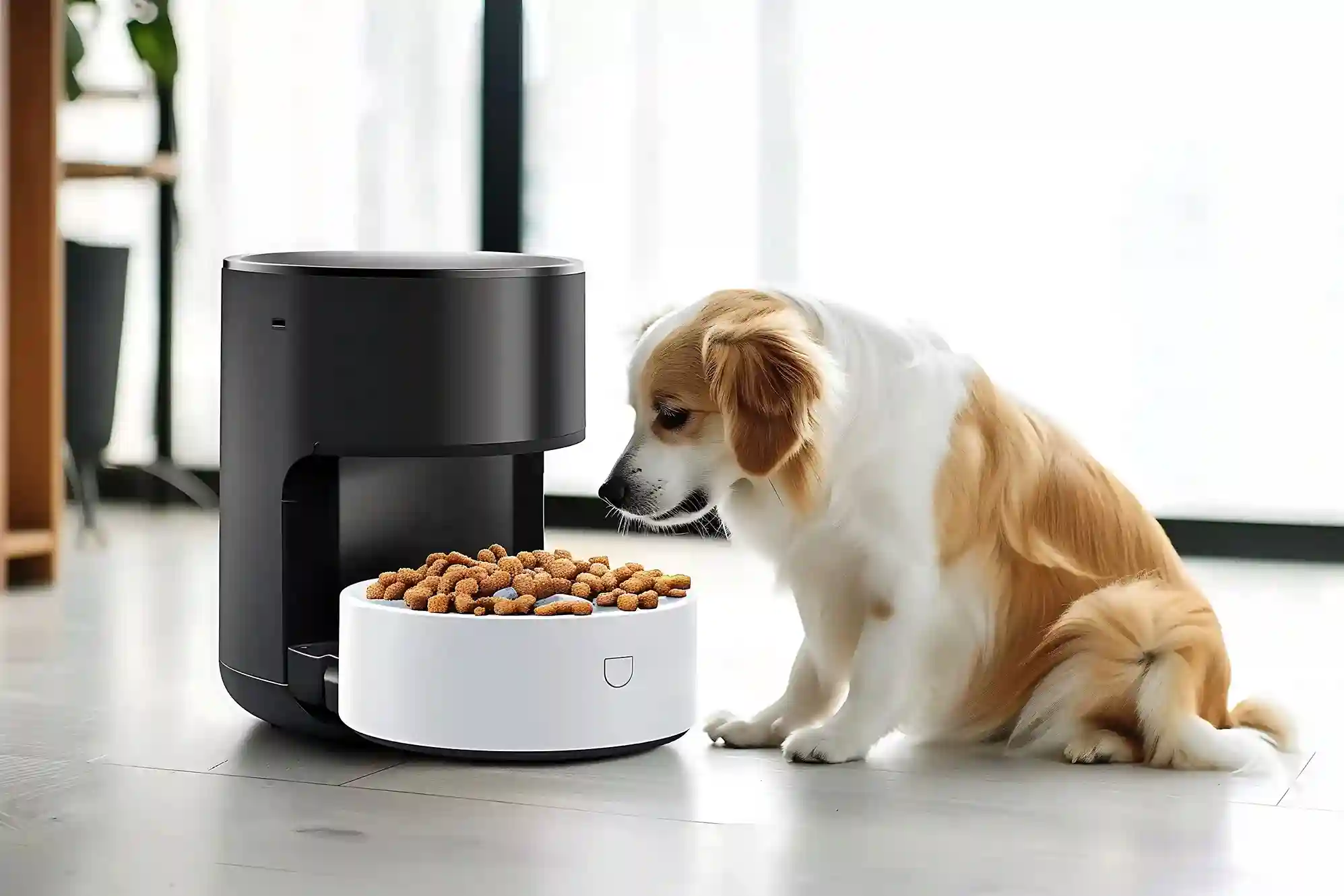
Feeding portions should vary by breed and activity level. Therefore, monitor the body condition of your dog, not just their bowl.
Puppy Feeding Chart: 2-3 Months
Meals per Day | Portion Size Range | Food Type |
4–5 meals | Very small, frequent portions | Puppy kibble (soaked) + soft wet food |
Why this matters:
Puppies at this age have tiny stomachs and high energy levels. Frequent meals help in preventing low blood sugar, sustaining metabolism and supporting steady growth.
Vet recommended feeding tips:
Always soak dry kibble in warm water to facilitate easier chewing
Always avoid free-feeding
Feed only puppy-specific formulas
Puppy Feeding Chart: 4-6 Months
Meals per Day | Portion Size Range | Food Type |
3–4 meals | Moderate portions | Puppy kibble + optional wet food |
What’s happening biologically:
During this stage, your puppy’s growth is at its peak. Muscles, bones and organs are growing fast, due to which appetite increases.
Vet recommended feeding tips:
Consider monitoring weight weekly
Always avoid calcium supplements; consider only if prescribed
Large-breed puppies need controlled calories, not extra food
Puppy Feeding Chart: 6-12 Months
Meals per Day | Portion Size Range | Food Type |
2–3 meals | Breed-dependent portions | Puppy food or transition diet |
Key transition phase:
Small breeds may be ready for adult food closer to 9 -10 months, while large breeds may stay on puppy food up to 18 months.
Vet recommended feeding tips:
Reduce meal frequency gradually
Watch for sudden weight gain
Begin slow transition only when growth slows
Puppy Feeding Reality Check (Vet Insight)
A healthy puppy should look energetic, lean and curious, not chubby. A fat puppy may look cute to you, but is various health risks.
Related Readings: Ticks, Fleas & Worms: The Silent Parasitic Infections Making Indian Pets Sick
Healthy Diet for Dogs: What Can I Feed Instead of Dog Food?
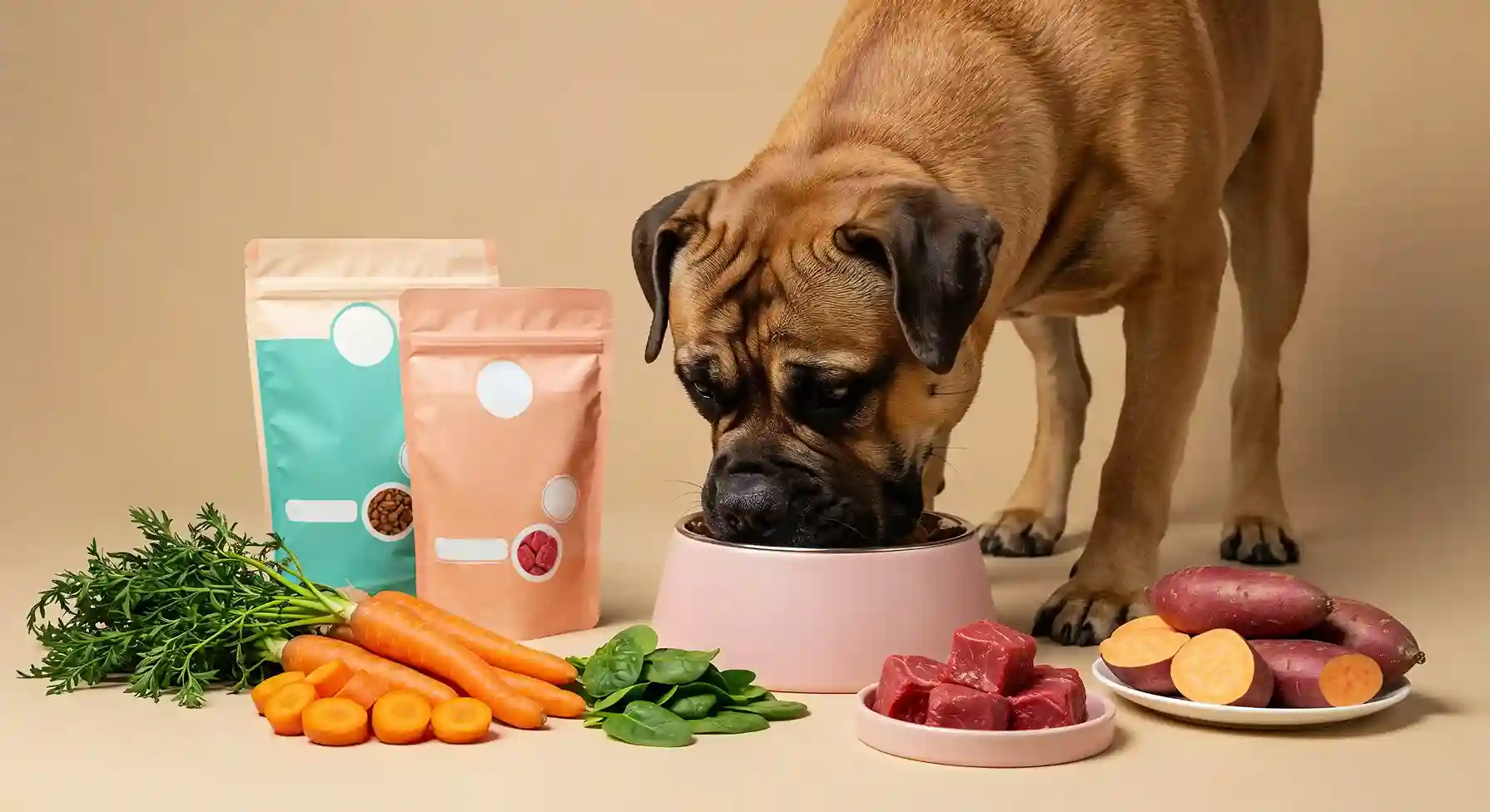
Quick Answer (Vet Insight)
A healthy diet for dogs delivers balanced protein content, fats, carbohydrates and minerals, all in the right proportions to support steady energy, strong immunity and a shiny coat.
Veterinary nutrition guidelines consistently show that imbalance, not ingredient choice, is the root cause of most diet-related dog health issues.
Ideal Daily Nutrition Breakdown for Dogs
Proteins: 25-30%
Carbohydrates: 30-50%
Fats: 10-20%
Vitamins & Minerals: Small amounts, but essential
This suggested balance supports growth, metabolism and long-term health of your puppies.
Proteins for Dogs: Muscle Health and Immunity
As we all know, proteins are the building blocks. They maintain muscle growth, repair tissues, support immunity and regulate hormones.
Best protein sources:
Chicken
Eggs
Fish
Lamb
If you are feeding Low-protein diets to your dog, it may lead to muscle loss, weak immunity, dull coat, and poor recovery from illness.
Vet note: In addition to protein content, its quality also matters. Focus on feeding high-quality animal protein to your dogs.
Carbohydrates for Dogs: Energy and Digestion
Carbohydrates offer slow, steady and essential fibre and are considered the best dog food for gut health.
Healthy carb sources:
Rice
Oats
Sweet potato
Pumpkin
Always avoid: refined flour, sugar, and excessive grains, which can cause weight gain and digestive distress.
Healthy Fats for Dogs: Skin, Coat and Brain Support
Dietary fats are important for:
Shiny coat
Healthy skin
Brain and nerve function
Healthy fat sources are fish oil, chicken fat, omega-3 and omega-6 fatty acids. Balance is key; too little fat can affect skin health, and too much fat can lead to obesity.
Vitamins and Minerals Dogs Need Daily
Micronutrients regulate vital processes:
Calcium & phosphorus: bone strength
Zinc: immunity
Vitamin A: vision
B vitamins: energy metabolism
Balanced Diet Reminder (Vet Advice)
A healthy dog diet is not about extreme rules. It's about consistency and balanced nutrition tailored to your dog’s age, size and physical activity levels.
Related Readings: Pets for Adoption: How to Find the Right Pet for Your Home?
Homemade Dog Food Ideas (Simple & Vet-Approved)
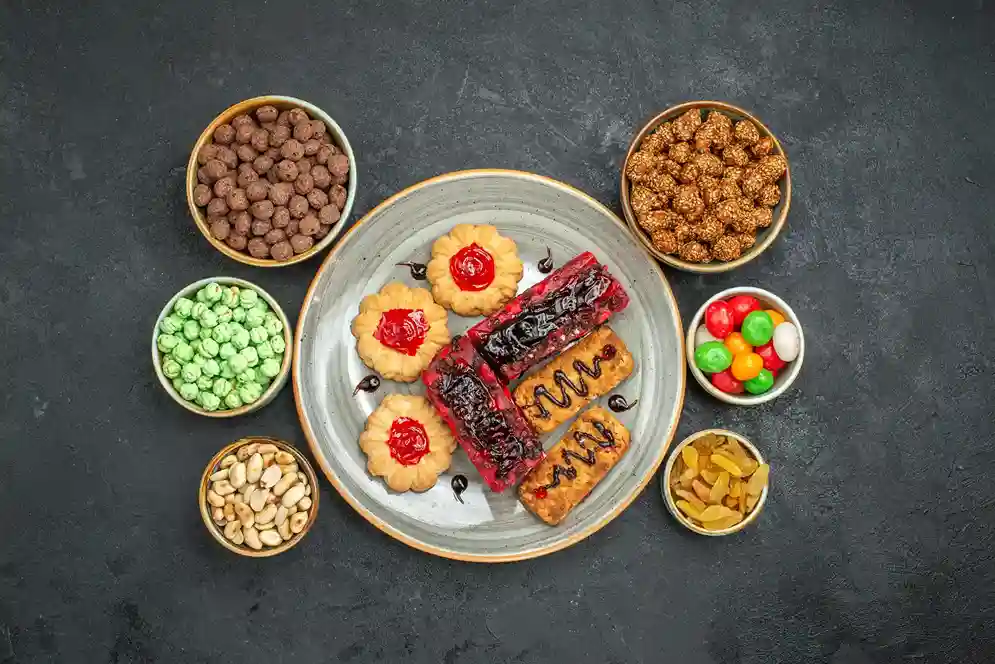
Homemade dog foods are often considered healthy, safe, and nutritious when used as a supplement to a balanced commercial diet. Homemade dog food ideas require proper cooking, simplicity and portion control. Dogs don’t need gourmet meals, but they need nutritional consistency.
Below are homemade vet-approved dog food recipes that are gentle on digestion and rich in essential nutrients.
Chicken and Rice Meal for Dogs (Gentle on Digestion)
Best for: Sensitive stomachs, recovery meals, picky eaters
Ingredients
Boneless chicken (boiled)
White rice (well-cooked)
Pumpkin (optional, small amount)
Simple Cooking Steps
Boil chicken thoroughly, then shred into small pieces
Cook rice until very soft
Mix chicken and rice (add pumpkin for digestion)
Let it cool before serving
Portion Tips: Use as 20-30% of daily food, not a full replacement
This dog food recipe is ideal for short-term feeding or rotation meals The meal is often recommended as the best dog food for digestive upset.
Egg and Vegetable Bowl for Dogs (Protein Boost)
Best for active dogs, coat health, and protein supplementation
Ingredients
Eggs (fully cooked)
Carrots
Green beans or spinach
Simple Cooking Steps
Scramble or boil eggs (no oil, salt, or spices)
Steam vegetables until soft
Chop finely and mix with eggs
Cool before serving
Portion Tips
Eggs: 1–2 times per week
Suitable as a protein topper, not a daily main dog food item
Eggs offer an excellent amino acid profile when cooked properly. Thus, it should be included as a staple item in homemade dog food.
Fish and Sweet Potato Meal for Dogs (Skin & Coat Support)
Best for: Dogs with allergies, dry skin, or inflammation
Ingredients
Boneless fish (salmon or white fish)
Sweet potato (boiled or steamed)
Simple Cooking Steps
Steam or boil fish thoroughly (remove all bones)
Cook the sweet potato until it becomes Mashable
Mix evenly and cool
Portion Tips
Serve once or twice weekly
Keep portions moderate due to calorie density
This meal is naturally rich in omega-3 fatty acids, supporting skin, coat, and joint health.
Vegetarian Dog Food Option (Occasional Use Only)
Best for: Short-term use or dietary rotation
Ingredients
Rice
Lentils (well-cooked)
Mixed vegetables (carrots, beans)
Simple Cooking Steps
Cook lentils until very soft
Prepare rice and vegetables separately
Mix thoroughly and cool
Portion Tips
Use occasionally, not daily
Ensure adequate protein from other meals
Vet caution: Dogs are omnivores with a strong carnivorous bias. Vegetarian dog meals should never replace protein-rich diets in the long-term.
Related Readings: Dog UTI Symptoms: The Early Warning Signs You Should Never Ignore
Foods Dogs Should Never Eat
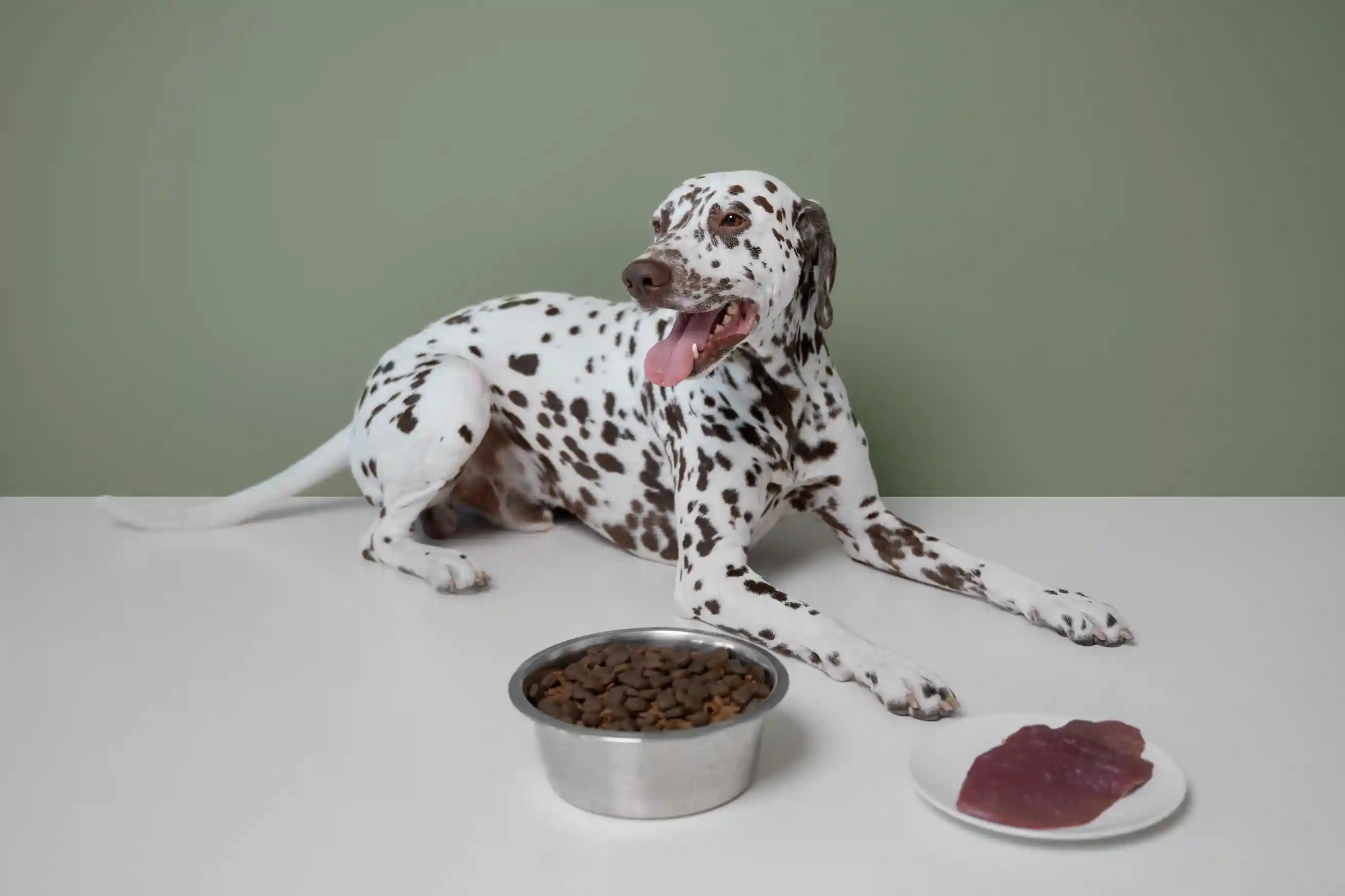
Quick Answer (Food Safety Alert)
There are various everyday human foods which are dangerous, toxic and even fatal for dogs, even in small quantities. Dogs metabolise food differently from humans. Therefore, something that seems harmless to you could be dangerous for a dog’s digestive tract, liver, kidneys or even the nervous system.
Below is a vet-backed, must-know list of foods dogs should never eat, along with why they’re dangerous.
Chocolate (Toxic for Dogs)
Chocolate contains theobromine and caffeine, both of which dogs cannot metabolise efficiently.
Why it’s dangerous:
Clinical effects include restlessness, agitation
Leads to rapid heart rate, tremors, seizures
Dark chocolate and cocoa powder are the most toxic
In severe cases, it can also cause tachycardia and seizures
Grapes and Raisins (Kidney Failure Risk)
Grapes, raisins and sultanas are highly toxic to dogs, which can cause health problems. In small dogs, one or a few raisins can cause toxicities, while others may ingest larger quantities without major health concerns.
Why it’s dangerous:
Can cause acute kidney failure
Toxic dose varies; some dogs react to a few grapes
Symptoms include lethargy, vomiting and reduced urination
Vet rule: There is no safe, tolerable amount. Dogs should avoid these completely.
Onions and Garlic (Allium Toxicity)
Both onions and garlic belong to the Allium family. This whole family is toxic to dogs. There is a chemical compound called N-propyl disulfide, which damages the oxygen-carrying red blood cells in dogs.
Why it’s dangerous:
Causes haemolytic anaemia
Leads to weakness, pale gums, and breathing difficulty as RBCs are damaged
Toxic in all forms: raw, cooked, powdered, or dried
Garlic is more concentrated and thus is considered more dangerous than onions.
Alcohol (Extremely Dangerous for Dogs)
Alcohol is toxic to dogs and affects them far more rapidly than humans. It acts as a central nervous system depressant and a gastrointestinal irritant.
Why it’s dangerous:
Causes various dog health issues like vomiting, diarrhoea, and loss
Can lead to breathing failure, coma, or even death
Even fermented foods or raw dough are risky
Dogs should never be exposed to alcohol in any form. If your dog has accidentally ingested alcohol and you are wondering how to know if your pet’s condition can't wait, take an online pet care expert online through apps like Conbun.
You can determine the urgency and learn the immediate next steps you can take to alleviate your dog’s condition.
Avocado (Digestive Toxicity Risk)
Avocados contain a compound called Persin, which dogs struggle to digest.
Why it’s dangerous:
Can cause vomiting, diarrhoea and stomach upset
Lethargy, congestion in the lungs
Small amounts of avocado flesh may not be toxic, but the risks outweigh any benefits. So consider not feeding them to dogs.
Cooked Bones (Choking & Injury Risk)
It is a popular belief that bones are safe for dogs. But that is not always the case.
Cooked bones are particularly dangerous because:
They splinter easily
Can cause choking or intestinal perforation
May also lead to constipation and internal bleeding
Sugary Foods (Obesity & Diabetes Risk)
Many pet parents due to lack of proper dog diet advice, offer sugary foods to keep their pets happy. While, sugar is not immediately toxic to dogs, it offers no nutritional value and has various negative health consequences.
Why it’s harmful:
Leads to obesity
Increases the risk of diabetes
Promotes oral health issues
Causes digestive upset
Dogs do not need sweets.
Xylitol (Medical Emergency for Dogs)
Xylitol is a sugar substitute that is highly toxic to dogs as it causes rapid and massive spikes of insulin, leading to severe hypoglycaemia (dangerously low blood sugar levels).
Unlike humans, a dog’s pancreas confuses it with real sugar and therefore, leads to a sudden life-threatening drop in blood sugar levels. It is found in:
Sugar-free gum
Peanut butter
Baked goods
Toothpaste
Dogs ingesting xylitol can be a medical emergency, as even tiny amounts are fatal.
When to See a Vet Immediately After Toxic Food Intake
Ingestion of any toxic food
Vomiting or diarrhoea after eating
Tremors, seizures, weakness
Sudden behaviour changes
Vet Takeaway: Food Safety for Dogs
When in doubt, don’t share. Dogs don’t need human food to feel loved; they need safety, consistency, and the right nutrition.
Related Readings: Top Rated Pet Care Consultation App: Features, Benefits, How It Works (2026 Guide)
What to Do If Your Dog Is Not Eating (Nutrition-Related Causes)
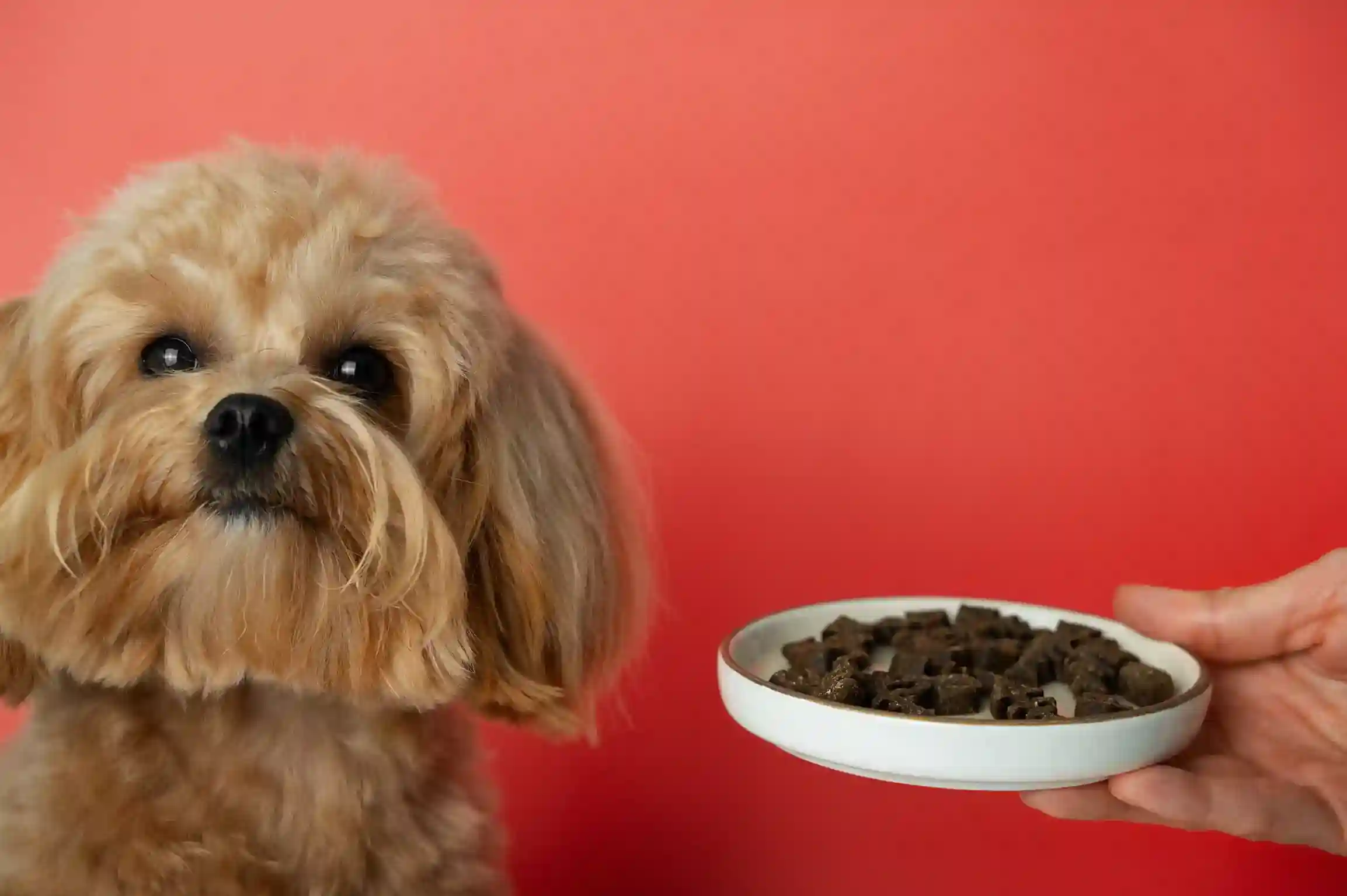
If you’re wondering why my dog is not eating, you need to understand that it could be due to temporary issues like stress or heat, or clinical issues such as illness or dental pain.
If your dog has skipped a meal, it may not be serious. However, if this refusal has persisted for more than 24 hours, it needs medical attention, especially if you notice other symptoms.
Loss of appetite (anorexia) is not a disease by itself, but it’s a signal of an underlying condition.
Common Reasons Why Dogs Stop Eating
Illness-Related Appetite Loss in Dogs
Dogs often stop eating as they lose the will to eat when they feel unwell, just like humans.
Possible issues include:
Gastrointestinal infections
Fever
Liver or kidney problems
Parasites
If you notice appetite loss with vomiting, diarrhoea, or lethargy, it’s probably an illness.
Stress or Anxiety-Related Appetite Loss
As dogs are sensitive creatures just like you, emotional stress can shut down appetite.
Common stressors include:
New home or travel
Loud noises (fireworks, construction)
New pets or people
Separation anxiety
Stress-related appetite loss is temporary, but you should not ignore it if it's prolonged.
Sudden Dog Food Change
Dogs thrive on routine and predictability. Sudden changes in their routine could lead to:
Digestive issues
Reduce palatability
Cause food refusal
This is one of the most common and easily fixable causes.
Dental Pain and Appetite Loss
Dental disease is often underestimated by pet owners, but it may also lead to poor appetite.
Watch for:
Difficulty chewing
Dropping food
Bad breath
Pawing at the mouth
Painful teeth or gums can make eating uncomfortable, even if your dog is hungry.
Immediate Steps You Can Take at Home
Don’t panic if your dog has skipped a meal.
Offer Fresh Water
Hydration comes first
Dehydration can worsen appetite loss quickly.
Try Soft or Moist Food
Soft food is easier to chew and digest.
Options include:
Warmed wet food
Soaked kibble
Vet-approved bland meals
Warm the Meal Slightly
Warming food enhances aroma, which can stimulate their appetite, especially in picky or older dogs.
Ensure food is warm, not hot.
Check Gums & Mouth
Gently inspect:
Gums (should be pink, not pale or red)
Teeth (no broken or loose teeth)
Mouth (no swelling or sores)
If it's painful, it's time to visit a vet. However, if you cannot visit a vet physically at the moment, you can connect with certified veterinarians online through online dog nutrition consultation.
When to Visit the Vet Immediately
Seek veterinary care immediately if your dog:
Has not eaten for 24 hours or more
Is vomiting repeatedly
Appears weak or lethargic
Is losing weight
Shows behaviour changes
Is a puppy, a senior, or has a chronic illness
Vet Insight: Appetite Loss Is a Warning Sign
Your dog may be a drama queen, but dogs generally don’t skip meals “for drama.” If a dog is consistently refusing food, something is wrong physically, emotionally, or nutritionally.
Early intervention can prevent minor issues from becoming serious medical issues.
Related Readings: Is Online Pet Care Consultation Right for Your Pet?
How to Switch Dog Food Safely (7-Day Plan)
The most effective way to switch dog food is to transition the diet gradually over 7 days, mixing the old food with the new one in increasing proportions. Sudden changes can upset their digestion and lead to vomiting, diarrhoea and anorexia.
The digestive systems of dogs are sensitive and rely on stable gut bacteria. A slow transition phase allows the gut to adapt without stress.
Why You Should Never Switch Dog Food Suddenly (keep)
A sudden change in diet can:
Disrupt gut bacteria
Causes loose stools or diarrhoea
Trigger vomiting
Lead to appetite loss
Even transitioning between any two high-quality foods can lead to serious health issues. Thus, dog nutrition advice is important for many dog parents.
Vet Rule: New food is rarely the problem, but speed is.
Step-by-Step Dog Food Transition Plan
Mix Old & New Food (Day 1-2)
Start by mixing:
75% old food
25% new food
Introduction of new food in small amounts allows your dog’s digestive system to recognise the new ingredients without overload.
Monitor signs like gas, stool changes or refusal to eat and increase gradually over 7 days
Follow this simple progression:
Day 3-4: 50% old + 50% new
Day 5-6: 25% old + 75% new
Day 7: 100% new food
If your dog has a highly sensitive stomach, you should extend this transition to at least 10-14 days.
Monitor Stool Daily During Food Transition
Consider your dog’s stool as a report card for digestion.
Healthy signs:
Firm, well-formed stool
Normal colour
No straining
Warning signs:
Diarrhea
Mucus
Excessive gas
If you observe issues, slow down the transition.
7-Day Dog Meal Plan (Balanced & Vet-Approved)
Quick Answer (Meal Planning)
A good 7-day dog meal plan focuses on rotating high-quality commercial dog food with small portions of vet-approved fresh foods, keeping nutrition balanced and preventing digestive upset and boredom.
This plan is for healthy adult dogs. Seniors, puppies, and dogs with clinical conditions need adjustments.
Weekly Feeding Plan (Example)
Day 1:
Morning: High-quality dry kibble
Evening: Kibble + boiled chicken (small portion)
Day 2:
Morning: Kibble
Evening: Kibble + steamed vegetables (carrot, beans)
Day 3:
Morning: Kibble
Evening: Kibble + cooked egg (no oil)
Day 4:
Morning: Kibble
Evening: Kibble + fish & sweet potato (small amount)
Day 5:
Morning: Kibble
Evening: Kibble only (digestion reset day)
Day 6:
Morning: Kibble
Evening: Kibble + pumpkin or curd (gut support)
Day 7:
Morning: Kibble
Evening: Kibble + chicken & rice (light meal)
Related Readings: 10 Benefits of booking vet consultation online vs. in-person visits?
Common Dog Feeding Myths (Busted by Vets) (keep - excellent)
Myth: Dogs Should Eat Only Meat
Fact: Dogs are not strict carnivores. Their diet should be a mix of fats, vitamins, carbohydrates and most importantly, protein. Meat-only diets can lead to nutritional imbalances.
Myth: Bones Are Always Safe
Fact: No, cooked bones can splinter and lead to choking, intestinal injury, or even internal bleeding.
Myth: Table Scraps Are Fine Daily
Fact: Human food is full of spices (especially Indian food). It is oily, salty and toxic to dogs. Regular feeding of table scraps can lead to obesity and digestive issues.
Myth: If My Dog Is Fat, It’s Healthy
Fact: Lean dogs tend to live longer. Excess weight can strain joint and heart health. Obesity impacts various bodily functions of your dog.
Need a dog diet consultation?
While feeding a healthy dog is not rocket science many first time dog parents struggle to find the perfect blend of taste and health for their four-legged companions. If you're one of them, consider taking a dog diet consultation through online pet health apps like Conbun.
Connect with experienced veterinarians and dog nutrition experts to get tailored feeding chats, strategies and dog food recipes.
Conclusion
Great nutrition and a simple diet are the foundations to give your dog a long, healthy and tail-wagging life. With the right food, timely vet guidance and expert-backed dog diet advice, pet parenting becomes simple, safer and rewarding.
Conbun android and iOS connects you with certified veterinarians and online pet care consultation, so when doubts regarding pet nutrition arise, real help is just a tap away.
FAQs About Dog Nutrition & Feeding (People Also Asked)
1. What is the best food for dogs?
Answer. The best dog food is the one that is nutritionally complete and balanced, containing high-quality protein, appropriate fat levels and minimal fillers. It should also be age and size-specific.
2. How often should puppies eat?
Answer. Puppies should be fed with 3-5 meals per day, depending on their age. Young puppies need frequent meals with smaller portions.
3. Can dogs eat homemade food daily?
Answer. Yes. But homemade food must be supplemental to the core diet, not a replacement. It should be balanced properly, as unbalanced meals can lead to nutritional deficiencies.
4. Why is my dog not eating?
Answer. Common reasons for a dog not eating food include stress, dental pain, illness or sudden changes in food. If the refusal has lasted more than 24 hours, consult a vet as soon as possible.
5. Which foods are toxic to dogs?
Answer. Raisins, grapes, chocolate, onions, garlic, alcohol, xylitol, cooked bones and sugary foods are toxic to dogs and should be avoided completely
Table of Content
- What Is Dog Nutrition and Why Is It Important?
- Daily Dog Nutrition Chart (Vet-Approved)
- Dog Eating Healthy Food
- Best Healthy Food for Dogs (Vet-Recommended)
- Puppy Feeding Chart by Age (Vet-Approved Guide)
- Healthy Diet for Dogs: What Can I Feed Instead of Dog Food?
- Homemade Dog Food Ideas (Simple & Vet-Approved)
- Foods Dogs Should Never Eat
- Onions and Garlic (Allium Toxicity)
- Alcohol (Extremely Dangerous for Dogs)
- Avocado (Digestive Toxicity Risk)
- Cooked Bones (Choking & Injury Risk)
- Sugary Foods (Obesity & Diabetes Risk)
- Xylitol (Medical Emergency for Dogs)
- What to Do If Your Dog Is Not Eating (Nutrition-Related Causes)
- How to Switch Dog Food Safely (7-Day Plan)
- 7-Day Dog Meal Plan (Balanced & Vet-Approved)
- Common Dog Feeding Myths (Busted by Vets) (keep - excellent)
- Need a dog diet consultation?
- Conclusion
- FAQs About Dog Nutrition & Feeding (People Also Asked)