Written by: Anand Sen; Reviewed by: Dr. Vinod Kumar Jain (B.V.Sc & A.H)
Just like us, our four-legged friends are also vulnerable to illness during cold months. Winter not only comes with a change in season, but it also brings a high-risk health phrase for our pets.
As temperatures drop, pets experience significant physiological stress, reduced circulation, weakened immunity and an increased vulnerability to infections, skin damage and joint disorders.
If you think that your pets are safe indoors, then you are wrong. Reduced physical activity, artificial heading and dry air may trigger multiple health complications.
The good news is that the most common winter health issues in pets are predictable and preventable if owners adapt care routines seasonally.
In the following guide, we’ll explain the most common winter health issues in pets, their risk factors, symptoms, and effective evidence-based strategies so that you can act early and avoid emergencies.
Why Is Winter a High-Risk Season for Pets?

Winter impacts pets at both biological and behavioural levels. Exposure to extreme cold causes blood vessels to constrict and reduce circulation to extremities.
Immune efficiency also drops significantly, which makes pets more prone to infections.
Key winter risk factors include:
Reduced sunlight and activity
Dry indoor air from heaters causes respiratory irritation
Cold-induced immune suppression
Limited outdoor movement
Increased indoor confinement leads to behavioural problems, anxiety and stress, especially in cats
Newborn puppies, short-coated breeds, senior pets, brachycephalic dogs and pets with arthritis or other chronic conditions are at the highest risk of winter-related health problems.
Related Readings: Pets for Adoption: How to Find the Right Pet for Your Home?
Respiratory Infections and Seasonal Flu in Pets
One of the most common winter illnesses in pets is upper respiratory infection. Cold air irritates their respiratory tract and allows bacteria and viruses to establish infections more easily.
Common symptoms include:
Persistent coughing or sneezing
Nasal discharge
Laboured breathing (medical emergency)
Loss of appetite
Cats living in poorly ventilated spaces or dogs exposed to early morning and late-night walks are particularly vulnerable.
If these symptoms persist for more than 48 hours, taking veterinary help is crucial to detect pneumonia or any other infection.
Dry Skin, Dandruff, and Coat Damage
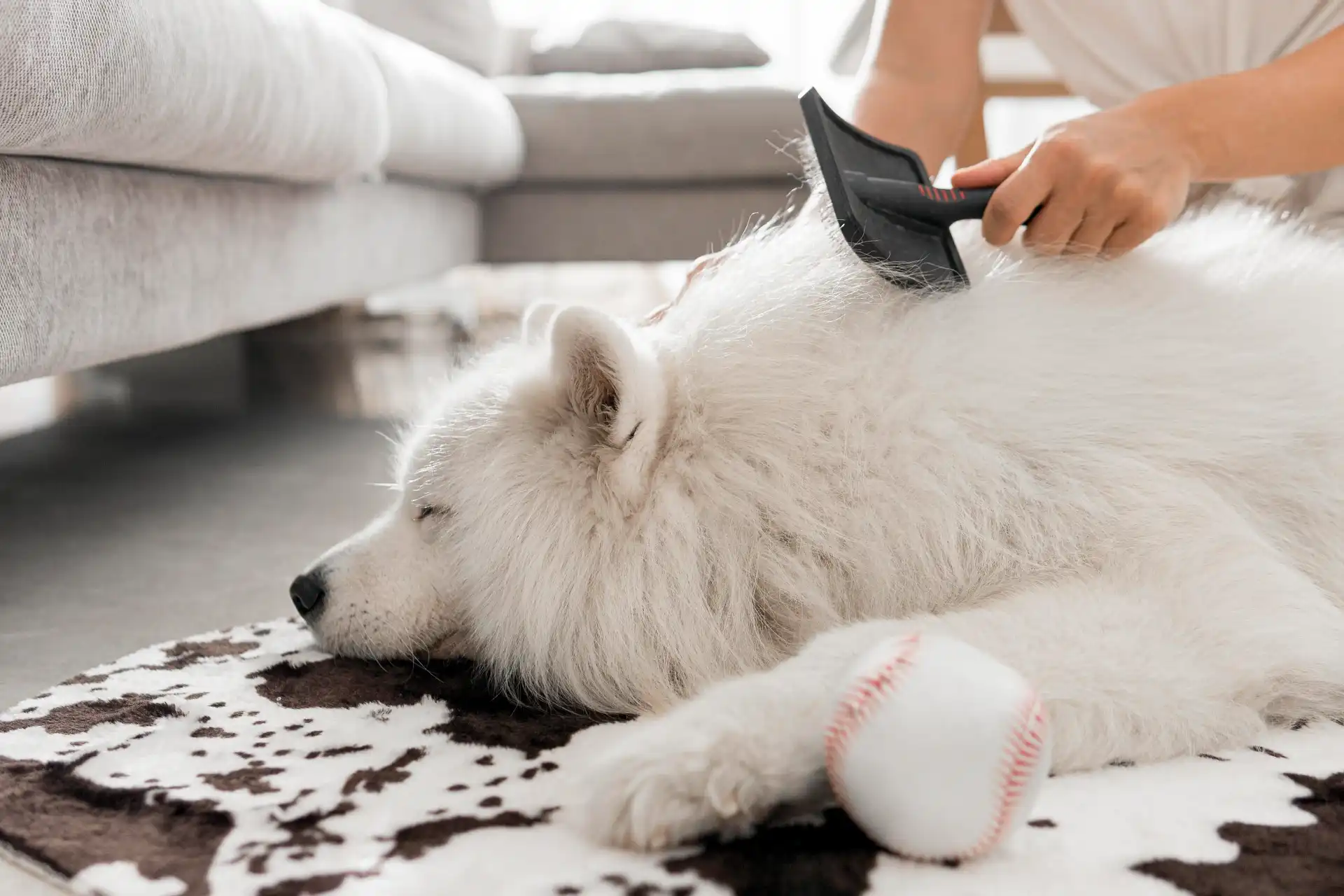
Low humidity is a silent enemy of your pets in winter. Indoor heating combined with cold outdoor air strips the skin of natural oils, thereby causing dermatological issues.
Signs of winter skin damage:
Excessive scratching or licking
Dull, brittle coat
Redness and irritation
If left untreated, dry skin starts acting as a gateway for fungal and bacterial infections. Omega-3 supplementation, regular grooming and maintaining indoor humidity are among the core winter pet care tips recommended by dermatology specialists.
Related Readings: How Kite-Flying Festivals Cause Injuries to Hundreds of Birds Every Year
Arthritis and Joint Pain Intensification
Cold temperatures reduce joint lubrication efficiency, which worsens arthritis and musculoskeletal pain. This is one of the most common winter health issues in pets, especially in senior dogs.
Watch for signs like:
Stiffness after rest
Limping or reluctance to jump
Irritability due to pain
A study conducted at the University of Pennsylvania has found that the use of orthopaedic beds can reduce joint pain and stiffness, thereby improving joint function in dogs
In combination with warmth, controlled movement and vet-approved joint supplements, you can significantly improve your dog’s winter mobility.
Related Readings: Ticks, Fleas & Worms: The Silent Parasitic Infections Making Indian Pets Sick
Hypothermia and Dangerous Cold Exposure

Hypothermia is not just discomfort; it is a clinical emergency. It occurs when body temperature drops below safe limits faster than a pet can compensate.
Critical warning signs:
Intense shivering followed by lethargy
Weak pulse
Pale gums
Disorientation or collapse
Puppies, short-haired pets, small breeds and senior pets are at a greater risk. If you have outdoor pets, never leave them unsheltered, as cold wind and low humidity can accelerate heat loss.
Paw Injuries, Cracks, and Chemical Burns
Winter surfaces are deceptive hazards. Ice, chemical de-icers and cold pavements can damage your pet's sensitive paw pads.
Common paw problems:
Limping after walks
Cracked or bleeding pads
Excessive paw licking
Redness between toes
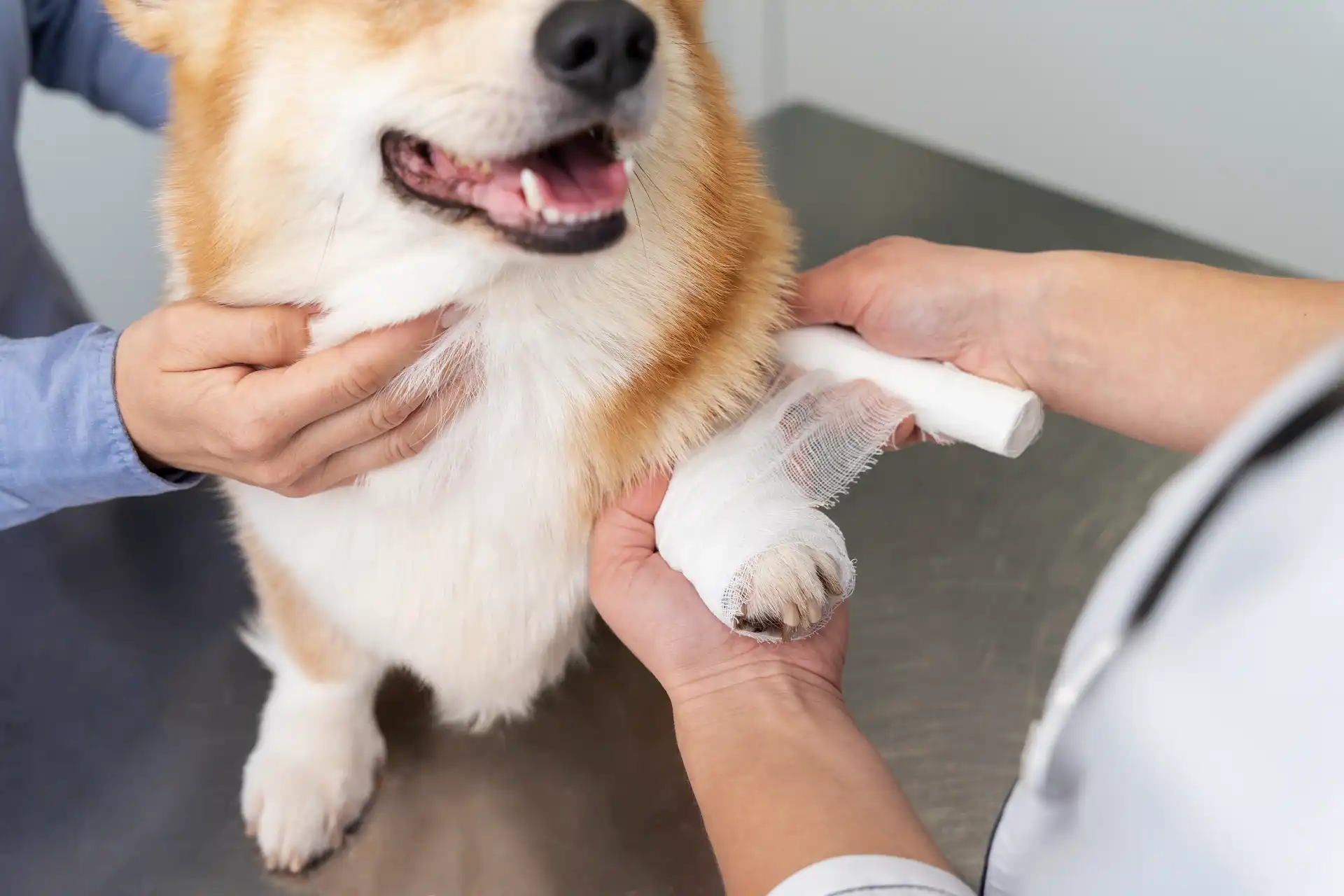
Booties, paw balms, and cleaning paws after walks are some essential cold-weather safety tips you can use to prevent injuries, infection and chronic pain.
Related Readings: Christmas Safety for Pets: 5 Essential Christmas Safety Tips Every Pet Parent Should Know
Digestive Issues and Appetite Changes
Seasonal routine and dietary changes disrupt digestion. Reduced physical activity slows down metabolism, while cold stress can lead to appetite fluctuations or constipation.
Digestive warning signs:
Irregular bowel movements
Bloating or vomiting
Sudden refusal to eat
Weight gain due to inactivity
Hydration, balanced nutrition, and consistent feeding schedules can help stabilise digestion and reduce pet health problems in winter.
Weakened Immunity and Increased Infections
Just like humans, animals also suffer from suppressed immune defences during winter. This makes them vulnerable to secondary infections like UTIs, ear infections and fungal overgrowth.
Indicators include:
Frequent illness
Chronic fatigue
Slow wound healing
Recurring infections
Immunity-supportive diets, vaccination compliance, and parasite control are non-negotiable during winter, especially as the most common winter health issues in pets start with infection.
Related Readings: Dog UTI Symptoms: The Early Warning Signs You Should Never Ignore
Behavioural Changes and Winter Depression
Reduced stimulation affects mental health. Pets also show symptoms similar to seasonal affective disorder.
Behavioural red flags:
Excessive sleeping
Indoor destructiveness
Loss of interest in play
Separation anxiety
Enrichment toys and activities, structured indoor play and predictable routines are proven winter tips for owners to maintain psychological balance.
Dehydration Despite Cold Weather
Many pet owners tend to overlook hydration in winter. Pets drink less in cold weather, which increases the risk of dehydration.
Signs include:
Reduced urination
Dry gums
Lethargy
Loss of skin elasticity
Always offer fresh water and monitor your pet’s water intake closely.
Frostbite
Frostbite occurs when tissues freeze due to prolonged exposure to cold. It most commonly affects the tail, ears, paws and nose.
Early signs:
Pale or bluish skin
Cold, brittle extremities
Pain or swelling after rewarming
Frostbite damages tissue permanently if not treated promptly. Immediate warming and veterinary care are essential.
Related Readings: Dog Has Diarrhea but Acting Normal - What Should You Do?
Antifreeze Poisoning
Antifreeze (ethylene glycol) is an extremely toxic substance that gets ingested in pets and other animals due to spillage or leaks onto driveways or garage floors.
The substance has a narrow margin for safety, which implies that even a tiny amount can result in severe poisoning.
Symptoms include:
Staggering or drunken gait
Vomiting
Seizures
Kidney failure
Pets are attracted to its sweet taste. Therefore, store chemicals securely and clean immediately if spilt. Rapid treatment within hours is critical for survival.
Preventive Winter Care Checklist for Pet Owners
Provocative care can dramatically reduce the risks from the most common winter health issues in pets:
Provide draft-free sleeping areas
Limit exposure to extreme cold
Use pet-safe moisturisers and paw protection
Monitor behaviour, mobility and appetite daily
Make adjustments in diet as per seasonal energy needs
Final Thoughts: Winter Preparedness Saves Lives
Winter health problems in pets are predictable, preventable, and manageable. Ignoring early signs leads to painful, costly, and sometimes irreversible outcomes. Responsible pet ownership means adapting care routines to seasonal demands.
With awareness, preparation, and consistent care, pet parents can protect their companions from the most common winter health issues in pets and ensure comfort, safety, and vitality throughout the cold months.
With Conbun, you don’t have to wait for symptoms to worsen. Connect instantly with verified veterinarians for online vet consultations, winter care advice, mobility guidance, skin issues, coughs, appetite loss, and emergency triage — all from home.
Whether it’s joint pain, cough, dry skin, or sudden lethargy, timely veterinary advice can prevent complications and reduce treatment costs.
Book a winter health check on the Conbun android and iOS app today and keep your pet safe, warm, and healthy all season long.
Frequently asked questions
1. What are some problems with pets in winter?
Answer. Arthritis and joint pain, respiratory infections, skin dryness, dehydration, and behavioural changes are common winter pet health issues.
2. What is the dog problem in winter?
Answer. Dogs often suffer from arthritis flare-ups, coughs, hypothermia and paw injuries.
3. What are the problems for animals during cold weather?
Answer. Frostbite, reduced immunity, digestive disturbances and poisoning risks increase during the cold weather.
4. How do pets affect health in winter?
Answer. Healthy pets require adapted routines; neglected winter care can lead to disease and stress.
5. What temperature is too cold for dogs to sleep outside?
Answer. Temperatures below 7°C are unsafe for most dogs; freezing temperatures are dangerous for all.
6. What are winter dog breeds?
Answer. Breeds like Malamutes, Huskies, and Saint Bernards tolerate cold better. However, they still need protection.
7. How to treat cough and cold in dogs?
Answer. Keep them warm, hydrated, and consult a veterinarian if symptoms last over 48 hours.