Dog Vaccination Schedule India (2026 Cost & Chart)
Written by: Anand Sen; Medically Reviewed by: Dr Harsh ( B.V.Sc & A.H. (Veterinary Physician)
A proper dog vaccination schedule is not just a routine, it's a life-saving measure. Vaccinations are our best defence against life-threatening illnesses like distemper, parvovirus, leptospirosis, hepatitis and rabies, which are still prevalent in India.
Puppies and adult dogs, especially those who spend time outdoors or live in high-density areas, are at a high risk of exposure. Without vaccinations, the consequences can be severe, even fatal.
If a dog is not vaccinated, the consequences can be severe. Parvo can kill a dog within 48-72 hours, rabies is 100% fatal, and there are many other viral infections which can leave a dog with life-long complications like kidney, liver problems or chronic heart conditions. On the other hand, dogs that undergo timely vaccination enjoy stronger immunity and a significantly lower risk of various viral infections.
India has the highest prevalence of rabies in the world, with a staggering 20,000 fatalities every year. As per reports, there are more than 60 million stray dogs in Indian, and thus the risk of bites and subsequent rabies exposure is ever-present.
Following the proper dog vaccination schedule in India is not just about your dog's safety, it's about the safety of your family and the community. Cats and dog vaccines not only protect them from life-threatening diseases but also prevent the spread of these diseases to other pets and humans.
In the following guide, we will discuss the vaccination schedule for dogs in India with core and optional dog vaccines, their cost, possible side effects and after-care tips.
Core vs. Optional Dog Vaccines
In India, vaccinations are divided into two categories, namely: Core and optional vaccines. Core vaccines are recommended for all dogs as they offer protection against highly contagious and dangerous diseases. They include:
Anti-Rabies Vaccine: The Indian government mandates that all pet owners get their dogs vaccinated to protect both humans and animals from this deadly disease.
DHPP/DHLPP: It is a combination vaccine that protects against Distemper, Hepatitis, Parvovirus,
Leptospirosis is a crucial vaccine that protects dogs against a bacterial infection, which can lead to severe kidney and liver damage.
Quick Summary: Dog Vaccination Schedule in India
Life Stage / Vaccine Type
Specific Vaccines
Recommended Timing / FrequencyPuppy Series (6–16 Weeks)
DP (Distemper + Parvo)
DHPP / DHLPP combo
Anti-Rabies Vaccine (ARV)
6 weeks: DP shot
8 & 10 weeks: DHLPP + Booster
12 weeks: Rabies shot
14–16 weeks: Final DHLPP booster
Adult Boosters (Annual / Maintenance)
DHLPP Combo
Anti-Rabies Vaccine (ARV)
DHLPP: Annually or every 3 years
Rabies: Annually or every 1–3 years (law mandated)
Optional / Non-Core VaccinesKennel Cough, Coronavirus, Lyme Disease, GiardiaBased on lifestyle, boarding frequency, and regional tick/monsoon risks
Is the Rabies Vaccine Mandatory for Dogs in India?
Yes. As per the national, state and municipal guidelines, such as those from statutory bodies like the Animal Welfare Board of India, every dog owner must get their pet vaccinated for rabies annually or as per the vaccine label.
Optional/non-core vaccines, while optional, are recommended to pet owners based on their pet's lifestyle, environment, breed, and exposure risks. The following vaccines are regarded as non-core.
Kennel Cough (Bordetella): Generally recommended for social dogs who come into frequent contact with other dogs.
Canine Coronavirus (CCoV): Recommended for puppies in high-risk regions like Kennels or boarding facilities, multiple-pet homes,
Lyme Disease – Recommended for all dogs who are active outdoors or in tick-dense zones.
Giardia – recommended for healthy pups and adult dogs to reduce cyst shedding from Giardia infections.
Vaccinations are a crucial part of dog care. If you're unsure about which vaccines your dog needs, don't worry. You can get expert advice through online vet consultations on apps like Conbun. This means you can make informed decisions about your dog's health without the need to travel to a vet clinic.
Related Readings: Is Online Pet Care Consultation Right for Your Pet?
Puppy Vaccination Chart India (0–16 Weeks)
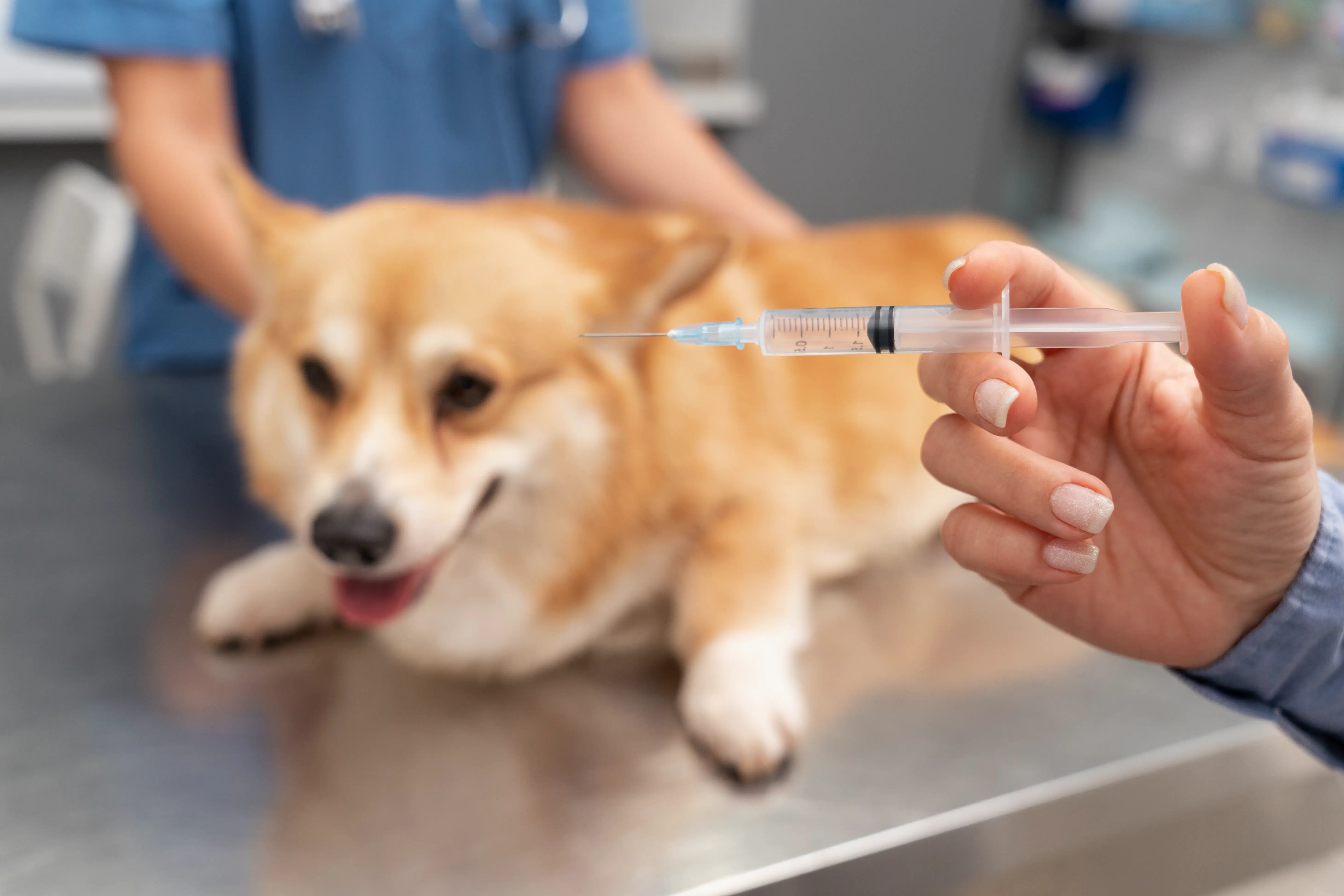
Puppies have a very weak immune system. If they don’t get their vaccinations on time, Parvovirus can make them seriously ill within just 48-72 hours. Follow the standard vaccination timeline given below:
Standard Puppy Vaccination Timeline:
Age (Weeks)Vaccine NamePurpose6 WeeksDP VaccineFirst vital protection against Canine Distemper and Parvovirus (highly contagious and often fatal puppy viruses).8 WeeksDHPP / DHLPPCombination shot covering Distemper, Hepatitis, Parvovirus, Parainfluenza, with or without Leptospirosis.10 WeeksDHPP / DHLPP BoosterFirst booster shot to reinforce and strengthen the puppy's primary immunity against the core diseases listed above.12 WeeksAnti-Rabies Vaccine (ARV)Mandatory by law in India; protects against Rabies, a 100% fatal zoonotic disease (can spread from animals to humans).14–16 WeeksFinal DHPP / DHLPP BoosterThe concluding booster shot of the puppy series to lock in long-term immunity before shifting to an adult maintenance schedule.
What if your puppy misses a scheduled dose?
If you have missed a scheduled dose, no need to restart the entire series. Simply consult a vet. They will adjust the schedule accordingly so that your pet's immunity builds correctly. However, missing multiple doses can put your pet at risk of parvovirus, which is a significant cause of puppy deaths in India.
If you are unsure, you can confirm your dog need a vet immediately for quick guidance.
Adult Dog Vaccination Schedule: When to Give Boosters?
After the completion of the puppy series, vaccinations shift to a maintenance schedule. Adult pet dogs generally require booster doses. These booster shots are crucial as they help maintain the dog's immunity against various diseases. Although there are some imported vaccines that offer 3-year protection for rabies and DHPP, you should follow the label and a certified vet's advice.
General Adult Dog Vaccination Schedule in India:
Vaccine NameTypeFrequency / Timing
Purpose & Key Disease Focus
DHPP / DHLPPCoreAnnually OR once every 3 years (depending on vaccine label)Continuous immunity against Distemper, Hepatitis, Parvovirus, and Parainfluenza.Anti-Rabies Vaccine (ARV)CoreMandated every 1 to 3 years (usually annual in India)Strict legal requirement; maintains zero-tolerance protection against the fatal Rabies virus.LeptospirosisCoreAnnual booster shotsPrevents severe bacterial damage to the kidneys and liver. Crucial for dogs in monsoon-heavy or high-risk areas.
Kennel Cough
Non-CoreEvery 6 to 12 monthsHighly recommended for social dogs, or those frequenting boarding facilities and parks.
Can adult dogs start late vaccination?
Yes. If you have adopted an adult dog or, for some reason, the dog was not vaccinated, they can begin the full vaccination course, which typically includes:
One DHPP/DHLPP shot
A booster at least 3-4 weeks later
Annual maintenance thereafter for all vaccines as per your vet
Related Readings: Signs Your Pet Might Be Hiding a Health Problem
Adopted Street Dogs (Indie Dogs) Schedule:
Many animal welfare groups like Humane World for Animals, Bark India, and the Humane Society of India vaccinate stray dogs annually for rabies. Pet parents who have adopted indie dogs must continue this schedule.
If you have gaps in your dog's record, a quick online consultation with a veterinary doctor helps determine the safest restart plan.
2026 Cost of Dog Vaccination in India (Private vs Govt)
The cost of puppy vaccinations price varies depending on factors like location, clinic type and whether you are choosing Indian or imported vaccines. On average, puppy vaccinations cost around ₹2,500–₹4,800 for a complete 6–16-week series. For adult dogs, booster vaccines cost ₹800–₹2,000 per shot.
In Indian government hospitals and various government programmes, vaccines are provided for free or at a minimal cost. Rabies vaccines may cost ₹50–₹100 at government clinics, while private ones may charge ₹400–₹900 for the same.
Imported vaccines like Vanguard and Nobivac may cost more but offer longer immunity against various diseases up to 3 years. However, their quality varies by batch and handling; thus, it's not always the case that imported is better. These imported vaccines can cost between ₹ 1,000 to ₹ 3,000 per shot, depending on the type and brand.
If budgeting is a concern, you can get an online vet consultation where the vet can guide you in planning optional vs. essential vaccines to avoid unnecessary expenses.
Price Comparison: Dog Vaccinations in India
Vaccine / Service TypePrivate Clinic CostGovernment Hospital CostKey Details & ConsiderationsAnti-Rabies Vaccine (ARV)₹400 – ₹900Free to ₹50 – ₹100Mandated by law. Often available completely free during civic/municipal anti-rabies drives.
DHPP / DHLPP Combo
(7-in-1 or 9-in-1 shot)
₹700 – ₹1,500₹100 – ₹300Protects against core puppy killers like Parvovirus and Distemper.
Imported Core Vaccines
(e.g., Vanguard, Nobivac)₹1,000 – ₹3,000Rarely stockedUsually chosen for extended (up to 3 years) labeled immunity, though dependent on proper cold-chain handling.
Adult Annual Booster
(Combined Core Shots)₹800 – ₹2,000₹150 – ₹400Recurring yearly maintenance cost to protect adult dogs' health.
Complete Puppy Series
(6 to 16 weeks total)₹2,500 – ₹4,800₹200 – ₹500Covers the entire initial sequence of shots and boosters required in the first 4 months.
Related Readings: Common Pet Health Issues Every pet Owner Should Know
Possible Side Effects & After-Care Tips
Most dogs handle vaccines well. While mild side effects are common for 24-48 hours, severe side effects and complications are rare. After a vaccine shot, your pet may have the following:
Slight fever
Mild swelling at the injection Site
Temporary lethargy
Mild loss of appetite
All these are results of normal immune responses.
However, if your dog shows the following symptoms, contact your vet immediately:
Persistent vomiting or diarrhoea
Facial swelling, hives
Difficulty breathing
Collapse or severe lethargy
Though rare, these may be a result of an allergic reaction.
After-care tips:
Keep your dog indoors and rested
Avoid bathing your dog for the next 48 hours
Monitor their appetite and behaviour
Deworming should not be scheduled on the same day
If you are unsure whether a reaction is normal, you can get vet advice through an online veterinary consultation, which is highly beneficial for first-time pet parents.
Related Readings: 14 Common Mistakes in Pet Food Choices
How to Track and Maintain Vaccination Records?

Keeping a proper dog injection schedule record is essential for travel, boarding, booster reminders and emergency care. Most vets in India offer a physical vaccination card with dates and vaccine information, but many pet owners misplace or forget to get it updated.
Modern digital tools make it easier to keep track of vaccination schedules. Pet parents can use pet health apps, Google Calendar, and digital vaccination cards to set reminders for booster shots like DHLPP/DHPP and rabies. Some online vet platforms even allow you to upload your dog vaccination schedule PDF for safe storage.
For street-adopted or rescued indie dogs, start a fresh vaccination record with estimated age and a new vaccination timeline so that their immunity can be strengthened.
Properly tracking vaccination ensures that your pet receives the right booster at the right time, thereby preventing immunity gaps that can put them at risk of fatal diseases.
Rabies Laws & Pet Vaccination Rules in India
As stated above, rabies vaccination is mandatory by law across India under municipal pet ownership guidelines, and all states mandate dogs to be vaccinated as per vaccine validity or annually. In metro cities like Mumbai, Delhi, Chennai, and Bengaluru, proof of rabies vaccination is required.
Missing the rabies vaccination schedule for dogs in India can put both humans and pets at risk. Stray dogs vaccinated under ABC programs have a strict street dog vaccination schedule, which is usually administered by municipal bodies for NGOs.
For pet dogs, the law requires:
Mandatory rabies shot by 12–16 weeks of age
Annual/3-year booster depending on the vaccine type
Vaccination certificate signed by a licensed vet
If you are travelling within the country, many states ask for a dog injection schedule PDF at flights, check posts and pet-friendly hotels.
Conclusion: Take Action for Your Buddy
A proper dog vaccination schedule is the most reliable way to protect your pet from life-threatening diseases. Whether you follow the standard dog vaccination schedule in India or a personalised plan recommended by your vet, consistency matters. Delaying shots, missing booster doses or guessing vaccine timelines exposes your dog to deadly diseases like rabies and parvovirus, both of which are highly prevalent in India.
Vaccines not only protect your pet but they also protect your family, neighbourhood and the community. Responsible pet care means setting vaccination reminders, keeping records and consulting a vet if you are not sure about your dog's next dose.
If you're looking for clarity on the best vaccine for dogs, timelines or costs, you don't need to wait for an in-person clinic visit.
Book an online vet consultation on Conbun App today and get personalised vaccine guidance for your dog, that is quick, easy, and expert-backed.
Most Frequently Asked Questions :
Q1.) How many vaccinations does a dog need in India?
Ans.) Most dogs need 5–6 core vaccinations in the first year, including DHPP/DHLPP and rabies, followed by annual or 3-year boosters.
Q2.) What is the proper vaccination schedule for a dog?
Ans.) For puppies, vaccination usually starts at 6-8 weeks of age with shots every 2-4 weeks until they are 16 weeks. For adult dogs, there is an annual or 3-year booster schedule.
Q3.) What is the 9-in-1 vaccine for dogs in India?
Ans.) 9-in-1 is a combined vaccine that protects against parvovirus, hepatitis, leptospirosis and other diseases and infections.
Q4.) Which dog vaccines are necessary?
Ans.) Core vaccines include Anti-rabies vaccine, DHPP/DHLPP and Parvovirus. There are also optional vaccines, which depend on a pet's lifestyle and risk.
Q5.) How many vaccinations does a dog require in its lifetime?
Ans.) Puppies get a whole series of vaccination programs that are continual at regular intervals in the first 4 months. During adulthood, annual or tri-annual boosters are required to maintain immunity.
Table of Content
- Beginner Puppy Guide
- Beginner Puppy Guide
- Beginner Puppy Guide