
Best Homemade Foods for Dogs (Vet-Approved Recipes)

Written by: Anand Sen; Reviewed by: Dr. Pratyush Singh (B.V.Sc & A.H)
Why Homemade Dog Food Is Becoming Popular?
The popularity of homemade food is increasing significantly as modern pet parents seek to take control over what goes into their dogs' bowls. Pet owners, especially those living in metro cities, feel that commercial diets contain low-quality fillers or preservatives. This indicates a shift towards clean eating for pets that mirrors trends we see in human nutrition. If prepared correctly, homemade dog food supports better digestion, healthy skin and coat, improved energy, and a reduced risk of allergies.
However, it should be noted that homemade diets are not automatically safe. A 2013 study by the UC Davis School of Veterinary Medicine that evaluated 200+ homemade dog food recipes concluded that more than 90% of them were nutritionally incomplete when not formulated with veterinary guidance. This suggests that feeding your dog random homemade recipes may lead to long-term nutrient deficiencies.
From a vet's perspective, homemade meals can be considered safe only when they are balanced, correctly portioned and supplemented as needed. With the right ingredients and expert planning, homemade diets can be a nutritious alternative to packaged foods. In the following dog food guide, we will discuss the best homemade dog food recipes that are nutritionally balanced and can serve as strong alternatives to commercial diets.
Related Readings: 14 Common Mistakes in Pet Food Choices
What a Balanced Homemade Diet for Dogs Should Include?
A complete homemade dog diet should include healthy fats, digestible carbohydrates, fibre, high-quality, adequate protein, and be packed with essential vitamins and nutrients. Dogs need amino acids, such as methionine and lysine, and omega-3 fatty acids for skin and joint health.
Minerals like zinc and calcium are needed for bone and immune function. High Protein content is necessary, as it helps build and repair muscle tissue, skin, and hair, and provides a source of energy. High-quality protein sources include chicken, eggs, paneer (in moderation), Turkey, fish and lean beef. Oats, rice, quinoa, and sweet potatoes are sources of safe carbohydrates; dogs also like veggies. So, carrots, peas, green beans, pumpkin and spinach are also good options.
If you are considering offering a homemade diet, you must also know which foods may be toxic to pets. Grapes, raisins, xylitol, garlic, onions, macadamia nuts, chocolate, etc., are poisonous foods you should avoid.
Is homemade food good for dogs daily?
Yes. But only if a meal is nutritionally complete. Daily feeding of homemade food is good if it has the right ingredients, includes supplements and is formulated with veterinary input.
How to Prepare Homemade Dog Food Safely?
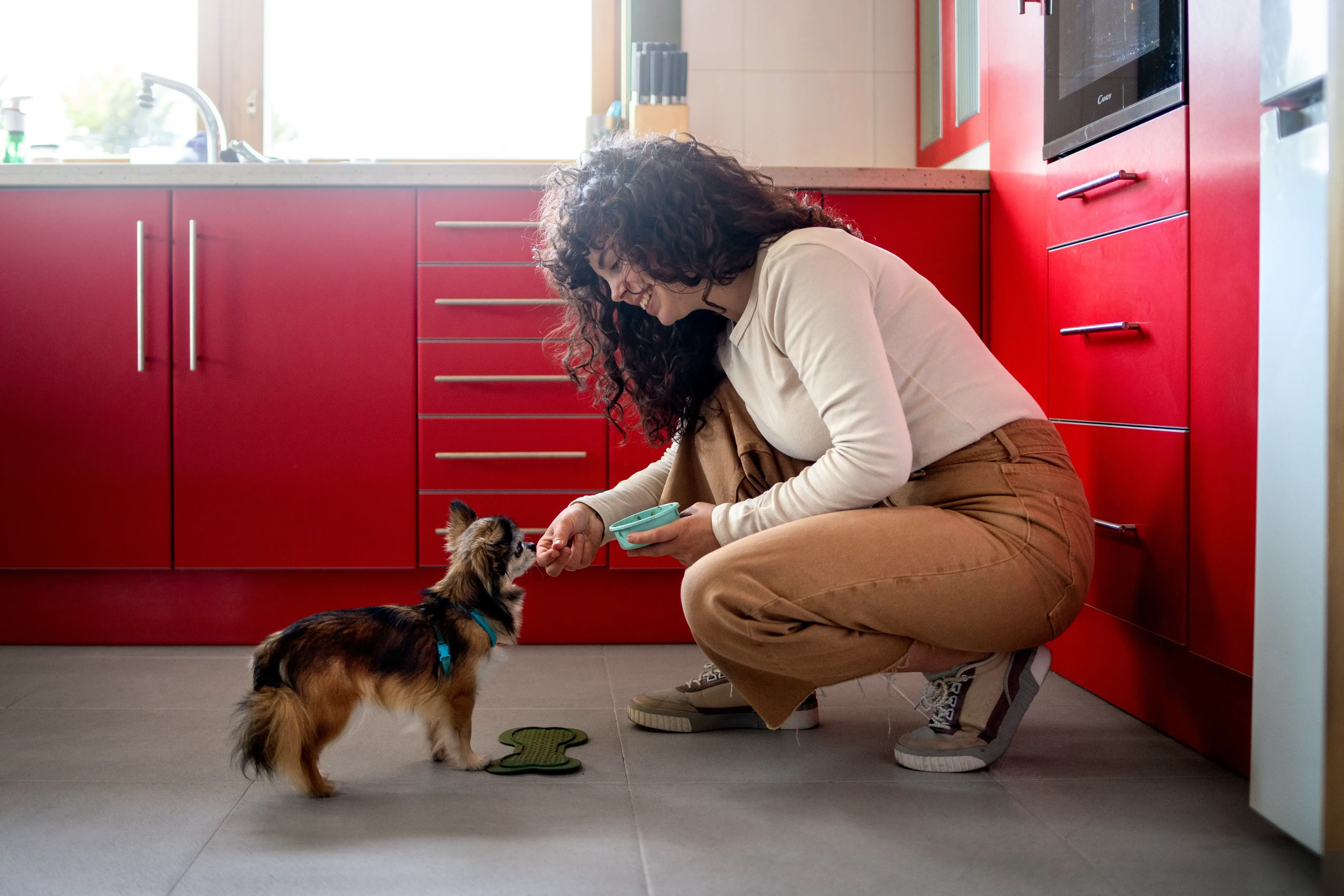
The foundation of any homemade dog diet is safe preparation. Always cook meat thoroughly to eliminate harmful bacteria and parasites, including roundworms (such as Trichinella) and tapeworms (such as Taenia). Steaming, boiling, and pressure cooking are vet-recommended methods to cook meat. Don't use excessive oil, salt and spices.
Follow proper portion guidelines when preparing meals based on your dog's age, weight, and activity level. Generally, a dog needs 2-3% of their body weight in food daily. This may vary depending on a dog's breed, weight, and metabolism.
Use airtight containers to store homemade food. Keep in mind that while frozen batches can last up to 2-3 weeks, refrigerated meals stay fresh for 48-72 hours. Don't keep dog food at room temperature; always refrigerate it to prevent bacterial growth.
Related Readings: Vaccination Schedule for Dogs in India
How long does homemade dog food last?
In the freezer, it lasts up to 3 weeks. In the refrigerator for 2-3 days. Always discard food that has changed colour or smells sour.
Best Vet-Approved Homemade Dog Food Recipes
In the future, we will discuss balanced, vet-approved homemade dog food recipes designed to provide complete nutrition when paired with the right supplements.
Chicken & Rice Sensitive Stomach Bowl
Chicken and rice are an excellent combination for dogs recovering from digestive issues because they are bland. Boiled white rice, boiled chicken breast, pumpkin puree, and a teaspoon of omega-3 are what's needed to make a gentle, highly digestible meal. You can also add calcium powder in amounts prescribed by your vet. This recipe is ideal for your pet's gut health and can also support recovery from diarrhoea and mild gastritis.
Beef & Veggie High-Protein Mix
This high-protein mix is ideal for active but underweight dogs. Combine lean ground beef with peas, brown rice, spinach and carrots. Cook this mixture thoroughly, drain the fat and add a little turmeric and salmon oil. Your dog will not only love this tasty meal, but it will also support their joint health and muscle maintenance.
Salmon & Sweet Potato Skin-Health Recipe
To support your dog's overall health, your homemade meal arsenal must also include recipes that improve their skin health. Therefore, this recipe, rich in omega-3s, will help with dull coat, allergies and itching. Steam or bake the salmon, then mix it with green beans, flaxseed, and mashed sweet potato. This recipe is excellent for dogs with shedding problems and chronic skin allergies.
Related Readings: 10 Signs Your Dog Needs a Vet Immediately
Turkey & Quinoa Low-Fat Meal
Obesity is one of the most common problems affecting our four-legged friends globally. Therefore, you should prioritise meals that are low in fat and high in protein. This recipe is ideal for dogs with a history of pancreatitis and/or who need weight control.
Cook ground zucchini, carrots, and ground Turkey with quinoa. You can also add a probiotic supplement before serving to ensure gut health. This meal is low in fat, is nutrient-dense and gentle on digestion.
Healthy Homemade Treats & Snack Ideas
Homemade treats are a great way to reward your dog without the additives and preservatives found in commercial biscuits. The following vet-approved homemade dog treats are easy to make and safe for most dogs. But keep in mind that everything is good only if it's in moderation.
Peanut Butter Pumpkin Bites
Natural peanut butter (xylitol-free), pumpkin puree and oat flour are the main ingredients. Mix them, roll into small balls, bake lightly, and you are good to go. These homemade treats are rich in fibre, great for digestion, especially for dogs with sensitive stomachs. In addition, they also provide slow-release energy.
Oatmeal No-Bake Dog Cookies
Combine grated apple (Seed-free), cooked oatmeal and a spoon of curd. Chill until firm. This easy-to-make, soft-textured snack is ideal for senior dogs with dental problems who have difficulty chewing biscuits. Oatmeal not only supports gut health but also helps regulate bowel movements.
Frozen Yoghurt & Fruit Bites
Take blueberries, yoghurt, and a banana, blend them thoroughly, pour into silicone moulds, and freeze. These cooling treats are ideal for dogs, especially during scorching Indian summers. Yoghurt is well-known for its probiotic properties, while berries offer anti-oxidant capabilities to support immunity.
As stated earlier, moderation is the key. All treats should account for no more than 10% of your dog's total daily calories. Keep in mind that you should introduce new snacks gradually to monitor for allergies.
Related Readings: Signs Your Pet Might Be Hiding a Health Problem
Special Homemade Diet Options
For Puppies
Puppies, due to rapid bone and brain development, require higher levels of protein, calcium, and DHA. A balanced homemade meal for a puppy should include boiled eggs, chicken, rice and blended vegetables. In addition, you can also include a vet-recommended calcium supplement.
For Senior Dogs
Senior dogs need a lower-calorie and joint-supportive meal. Choose soft foods like mashed sweet potato, pumpkin, or turkey. You can include omega-3s, anti-inflammatory ingredients, and glucosamine for joint health.
Dog Food Guide for Allergies or Sensitive Stomach
Use limited-ingredient diets. Examples:
Fish + sweet potato
Turkey + pumpkin
Egg + rice (if tolerated)
Also, avoid wheat, dairy, chicken, and beef if your dog has a history of skin and digestive problems.
Finding the perfect balance between proteins, fats, and essential minerals in a home-cooked meal is a high-stakes recipe for any pet parent. While a bowl of dal-chawal might seem safe, your dog's specific breed and activity level require a precise nutrient profile to avoid long-term deficiencies. To ensure your kitchen creations are truly Vet-Approved and tailored to your dog's unique needs, a dog diet consultation with Conbun experts is the best way to build a personalized meal plan that keeps their tail wagging and their health in peak condition.
What is the best homemade food for dogs with diarrhoea?
Answer: White rice + boiled chicken + pumpkin puree is the most effective vet-approved combination for a dog with diarrhoea.
Related Readings: 15 Common Pet Health Issues Every pet Owner Should Know
Common Mistakes to Avoid When Making Homemade Dog Food
Many pet parents switch to homemade dog food to improve their pet's health and cut unnecessary costs. However, due to a lack of knowledge, they unknowingly create nutritional gaps. The most common mistake is missing essential nutrients. Just like humans, dogs also need optimum levels of zinc, calcium, omega-3s, iron and amino acids, which homemade meals often lack.
Another common issue is the use of unsafe ingredients, such as excess salt, garlic, onion, fried foods, and several other spices. This is common in Indian households, especially given our diets, which are rich in oil, herbs, and the ingredients specified above. Overfeeding is another common issue, as homemade meals smell and taste better and are softer. Dogs tend to eat more than required, leading to weight gain. On the other hand, if meals are not properly portioned, they may not meet daily caloric requirements.
To avoid these mistakes, connect to a vet online to learn vet-approved homemade dog food recipes. You can use online consultation apps like Conbun to connect to vets instantly and get nutrition-related guidance.
Supplements Your Dog May Need
Nutritionally complete homemade dog food recipes require specific supplements, as natural ingredients alone cannot meet our pets' daily nutrient requirements. Dogs need:
Omega-3 fatty acids to support joint, skin and coat health and overall immunity.
Probiotics are essential for maintaining digestive health, especially in dogs with sensitive stomachs.
Multivitamins are required to meet mineral requirements such as copper, zinc, and selenium.
A veterinarian will help you determine the exact doses of these supplements based on health status, weight and age. If your dog has liver, kidney or allergy issues, seek an online vet consultation before adding these supplements to your pet's diet.
Related Readings: 7 Expert Tips to Protect Your Pets in Cold Weather
How to Transition Your Dog to Homemade Food?
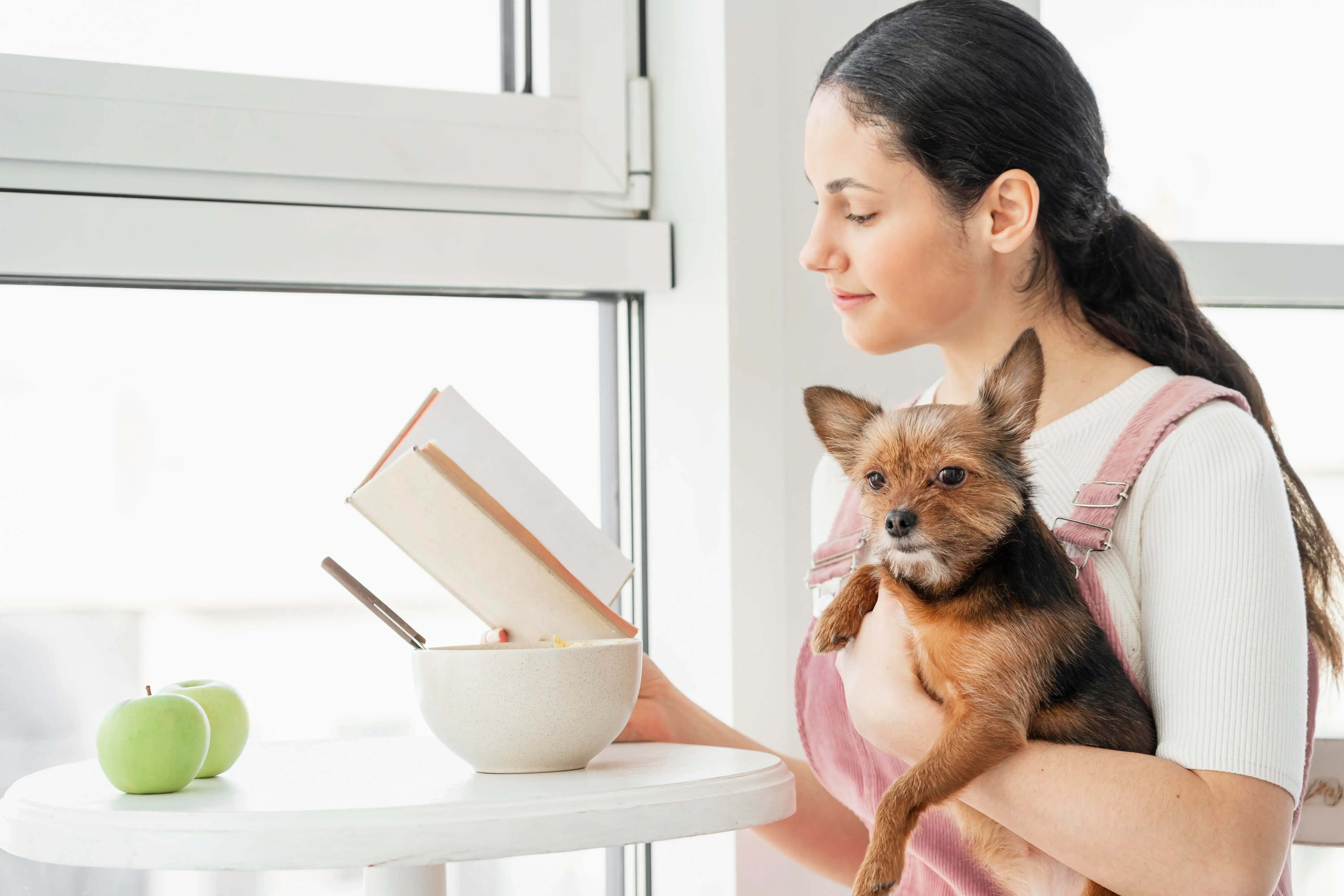
Even the best homemade dog food can upset your dog's stomach if the transition is not gradual. Use a 5-7-day transition plan. Start by mixing 25% homemade food with 75% of the old diet for two days, then transition to a 50-50 mix. Finally, reach 100% by the sixth or seventh day. If your dog is sensitive, this transition should take 10-14 days.
Signs that your new diet is effective include a steady appetite, improved stool quality, better coat texture, and increased energy levels. If your dog has vomiting, itching, loose stools or refuses to eat, pause and return to the previous ratio. Initially, dogs may reject new smells or textures. Don't panic. Just warm the food slightly or add a teaspoon of broth.
If you are in doubt or if the symptoms persist, always consult an online veterinary consultation service for guidance on safe transitioning.
Conclusion
Transitioning to homemade dog food can be an essential health decision for your dog. However, you have to make sure it is balanced, nutrient-rich, and tailored to your dog's needs. The safest recipes are those that contain lean proteins, gentle carbohydrates and essential supplements in optimum amounts. Every dog is different, and thus, ongoing nutritional guidance matters.
If you want a personalised meal plan, allergy-safe recipe or a vet-approved homemade diet, book an online pet care consultation on Conbun. Certified veterinarians and pet nutrition experts on the platform can help you build long-term, dog food guides, safe feeding routines for your four-legged friend.
Frequently Asked Questions:
Q1.) What homemade food is good for dogs?
Ans.) Balanced meals with carb sources like oats, rice, and sweet potato, protein sources like fish, turkey, and chicken, and veggies like beans, pumpkin, and carrots are the best homemade foods for dogs.
Q2.) What is the healthiest food to feed my dog?
Ans.) Vet-approved homemade dog food recipes that meet nutrient requirements are the healthiest food options for your dog.
Q3.) What is a vet-recommended recipe for homemade dog food?
Ans.) A mix of lean protein, complex carbs, cooked vegetables, omega-3 fatty acids, and a calcium source is a vet-recommended recipe for homemade dog food.
Q4.) What are the best ingredients for homemade dog food?
Ans.) Chicken, turkey, salmon, pumpkin, carrots, spinach, rice, eggs, and fish oil are the best ingredients for homemade dog food.
Q5.) Do veterinarians recommend homemade dog food?
Ans.) Yes, but only if it's balanced and formulated with veterinary guidance.
Table of Content
- Why Homemade Dog Food Is Becoming Popular?
- What a Balanced Homemade Diet for Dogs Should Include?
- How to Prepare Homemade Dog Food Safely?
- Best Vet-Approved Homemade Dog Food Recipes
- Healthy Homemade Treats & Snack Ideas
- Special Homemade Diet Options
- Common Mistakes to Avoid When Making Homemade Dog Food
- Supplements Your Dog May Need
- How to Transition Your Dog to Homemade Food?
- Conclusion
- Frequently Asked Questions: