Written by: Anand Sen; Reviewed by: Dr. Shree (B.V.Sc & A.H, M.V.Sc)
Why Recognising Emergency Dog Health Signs Matters?
Dogs are stoic in nature, and thus, they have a mastery at hiding discomfort. A behaviour deep-rooted in survival instincts. In the wild, showing the signs of weakness made animals vulnerable to predators. Domestic dogs, even after generations of selective breeding, still carry this tendency.
This is why many pet parents often fail to identify health problems in their pets, which then escalate to become serious. To care for dogs we need to understand emergency signs that signal health issues.
Symptoms like vomiting, a skipped meal, or lethargy may seem harmless but often point to poisoning, infections, organ distress, or internal injuries.
One of the biggest mistakes pet owners make is assuming that symptoms will go away on their own. But this may not always be the case. A 2020 research article published in The Journal of Small Animal Practice revealed that delays in emergency care lead to worsening of outcomes in conditions like bloat, parvovirus, and heatstroke in pets.
This guide will help you understand the 10 signs your dog needs a vet immediately, how to differentiate mild issues from critical ones, and when waiting even for some hours can put your dog's life at risk.
Understanding Dog Emergency Signs (What Counts as "Immediate"?)
Not all symptoms require rushing to a clinic, but some absolutely do. The challenging part is not knowing the symptoms. Mild signs like a single vomit episode or slight tiredness after exercise, etc, might only require monitoring. But several emergency symptoms may suggest organ failure, internal bleeding, poisoning, neurological damage, or respiratory complications.
Red-flag signs that require immediate veterinary care include:
Difficulty breathing
Collapse or inability to stand
Seizures
Severe pain or swelling
Continuous vomiting or bloody diarrhoea
Sudden extreme lethargy
Therefore, if the symptom is sudden, severe, or lasts more than 12 hours, treatment must be urgent.
Pet owners often search "should I take my dog to the vet quiz". But you need to understand that quizzes aren't reliable. If you're unsure, use an online veterinary consultation service to get a quick diagnosis. These online apps are beneficial at night or when vets near you are not available.
Quick Self-Assessment: Should You Take Your Dog to the Vet?
This is a small exercise called "should you take your dog to the vet?"
If an answer to any of these questions is a YES, skip the quiz and contact a veterinarian now.
Is your dog struggling to breathe?
Has your dog been unable to urinate for several hours, or are they straining without success?
Is your dog’s abdomen visibly bloated, hard to the touch?
Is your dog unable to stand, collapsing, or experiencing an active seizure?
Has your dog experienced persistent vomiting or diarrhea for more than 24 hours, or are you seeing blood?
Sudden Loss of Appetite or Extreme Thirst Changes
If a dog skips a meal, that's not alarming, but sudden refusal to eat, eating less than usual, or drinking excessively can signal serious dog health issues. Changes in appetite are often the first signs of infections, digestive disorders, dental pain, kidney problems, or poisoning. Excessive thirst, which is medically known as polydipsia, is linked to kidney disease, diabetes, or hormonal disorders like Cushing's
Many users treat these signs as usual and Google "My dog is not feeling well, what can I give him?". However, the safest answer is not to medicate at home.
When to seek urgent care:
Appetite loss + vomiting or diarrhoea
Refusing water
Excessive panting + heavy drinking
Sudden weight loss
If you are still unsure, you can consult a veterinary doctor online on the Conbun app to check the situation before symptoms become serious.
Related Readings: Signs Your Pet Might Be Hiding a Health Problem
Persistent Vomiting or Diarrhoea
While a single episode of vomiting may be due to minor stomach upset. But persistent vomiting or repeated diarrhoea can be dangerous, especially in small breeds and puppies. Persistent vomiting may be a sign of toxin ingestion, pancreatitis, gastritis, or internal blockage.
When should I take my dog to the vet for vomiting?
Seek immediate help if:
Vomiting occurs more than three times in 6 hours
You see blood or coffee-ground material
Vomiting is accompanied by fever or collapse
When should I take my dog to the vet for diarrhoea?
If you are wondering when to take you pet to the veterinarian, remember these things:
Diarrhoea has blood or mucus
It lasts beyond 12–24 hours
There is sudden lethargy or loss of appetite
If you have a puppy, dehydration can be rapid and deadly
If diarrhoea/vomiting happens at night or clinics are very far away, an online vet consultation can help you determine immediate steps while your hospital visit is arranged.
Related Readings: Grooming Tips for Your Long-Haired Dog
Difficulty Breathing or Excessive Panting
Changes in the breathing pattern of a dog are among the most critical emergency signs. Noisy breaths, laboured breathing, wheezing, or excessive panting indicate heatstroke, heart failure, or lung diseases. Heatstroke in pets is a significant cause, especially in brachycephalic breeds, due to their shortened airway structure, making their panting less effective at releasing heat.
Before reaching the vet:
Ensure that your dog is calm and cool
Do not offer food or water if breathing is severely affected
Check for choking (if safe)
Contact a veterinary doctor through an online consultation service to get immediate mitigation steps.
If your dog's tongue turns blue, purple, or very pale, treat it as a red alert and rush to the nearest vet immediately.
Sudden Lethargy, Weakness, or Collapse
Dogs get tired after play, but sudden and unexplained lethargy could signal internal bleeding, severe infection, anaemia, metabolic disease, or dehydration. Dogs with tick fever or liver problems show extreme fatigue.
When to get help immediately:
Your dog is facing difficulties in standing
They collapse after exercise
Lethargy is paired with vomiting, pale gums, or panting
If this happens, gently place your dog in a quiet spot and arrange urgent care. If delayed, connect with vets through online veterinary consultation to get quick instructions until you reach a clinic.
Unexplained Bleeding, Swelling, or Visible Pain
Unexplained bleeding in the mouth, nose, ears, or stool could be a significant emergency. It signals trauma, tick fever poisoning, or internal injury. Swelling is also a red-flag symptom indicating an allergic reaction, internal injury, sprain, or fracture.
Dogs rarely scream in pain, so owners should look for signs like:
Flinching when touched
Excessive licking of one spot
Growling when picked up
Restlessness
Related Readings: Pet Health Issues Every pet Owner Should Know
Trouble Walking, Limping, or Loss of Coordination
Limping may look harmless, but it could signal ligament tears, paw injuries, fractures, or joint-related conditions. Cruciate ligament injuries are one of the most common orthopaedic dog problems. Loss of coordination points to neurological problems like spinal injury, slipped discs, or tick paralysis.
What owners should NEVER do:
Don't massage the leg. It may worsen injuries
Don't force walking, as it can deepen nerve damage
Don't delay if your dog becomes immobile suddenly
Seizures, Tremors, or Disorientation
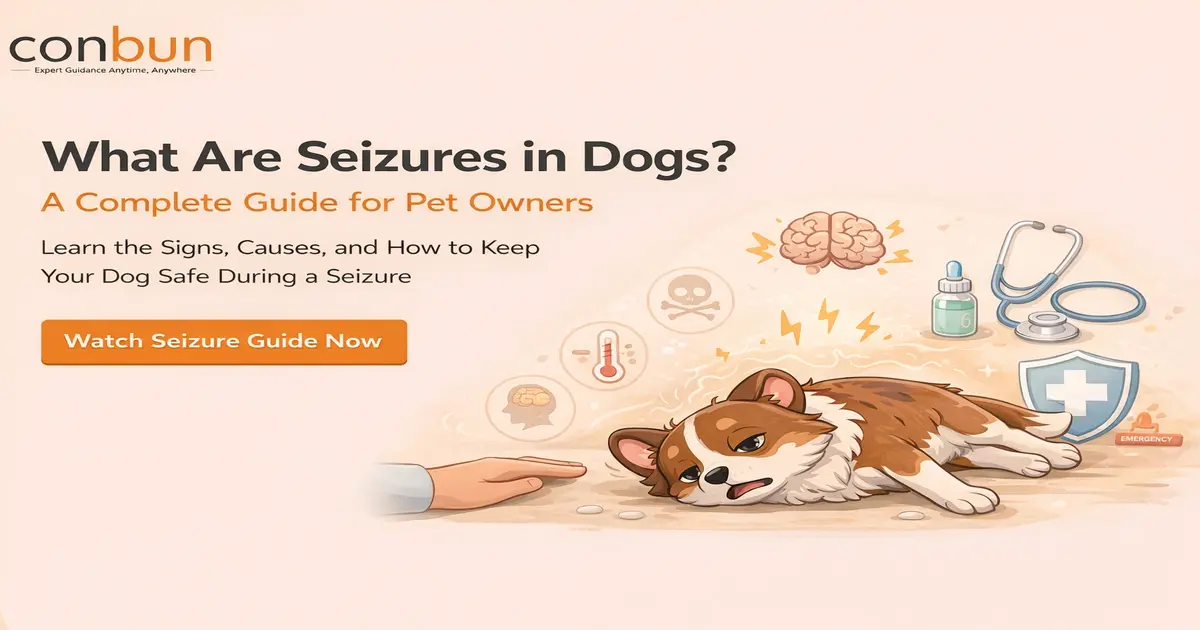
A seizure is one of the most evident signs your dog needs a vet immediately. Stiffness, foaming, or sudden unresponsiveness may be the signs. Epilepsy, toxins, low blood sugar, or organ diseases may be the underlying causes.
Sudden disorientation or tremors point to neurological trouble or poisoning. Never try to hold your dog during a seizure. Instead, ensure that the area is safe, record the duration, and connect to a vet right away.
If you're unsure whether it is a seizure or a muscle spasm, get guidance through online veterinary consultation while also preparing your visit to the clinic.
Excessive Drooling, Coughing, or Gagging
Excessive drooling generally indicates nausea, dental pain, or toxic ingestion. Coughing that persists for more than a few hours may indicate heart disease, kennel cough, or tracheal collapse.
Gagging or repeated attempts to vomit without producing anything are hazardous, especially in large breeds. It may be linked to bloat (GDV), which is a life-threatening emergency.
Avoid putting your hand in your dog's mouth during choking or gagging. Instead, don't panic and head to the vet.
Abnormal Bowel or Urine Changes
Blood in stool or urine, or straining to pee, are red-flag symptoms. Painful urination often signals stones, UTI, or blockage, and male dogs are at higher risk of life-threatening obstruction: sudden constipation, spinal issues, or a foreign body.
If all these symptoms last more than 12-24 hours, contact a vet immediately. Alternatively, an online vet consultation can help you understand symptoms and let you decide how urgent the situation is while arranging transport.
Drastic Behaviour Changes or Extreme Distress
When a friendly and energetic dog suddenly hides more often, growls, or avoids touch, it is a signal that they are in pain or neurological trouble. Dogs in distress may pace, cry, or stare blankly, or may not recognise family members.
Sudden aggression can also be caused by intense pain from dental diseases, ear infections, or joint issues. Treat it as an emergency if the symptoms seem to be worsening. Instead of searching "What is wrong with my dog quiz," you can use an online veterinary consultation for immediate and personalised guidance and to understand the condition better.
In a high-stakes emergency, every second counts. If you’re unsure whether your dog's heavy panting or sudden lethargy is a "wait-and-watch" situation or a critical red flag, a dog health consultation online with Conbun provides the instant veterinary clarity you need to act fast and save a life.
Related Readings: Expert Tips to Protect Your Pets in Cold Weather
Additional Warning Signs That Are Easy to Miss
Some symptoms may seem harmless and slip under the radar, but indicate serious dog health issues. Rapid weight loss indicates diabetes, organ diseases, and even cancer. Pale gums often indicate anaemia. Bad breath does not always indicate gum or dental problems, but also kidney or liver diseases. Cloudiness, eye injuries, or sudden blindness can follow trauma, infections, and high blood pressure.
If you see these small changes have persisted for more than a day, it is advised to consult a vet. An online veterinary doctor consultation can help you assess urgency before rushing to the clinic.
How Vets Diagnose Emergency Dog Illnesses
In emergency cases, vets act fast. Diagnosis often starts with checking organ function, blood tests, infection markers, and hydration status. Ultrasounds and X-rays are used to detect fractures, tumours, fluid buildup, or swallowed objects. Urine tests reveal urinary blockages or kidney diseases. For neurological signs, vets assess reflexes and may also recommend MRI/CT scans.
In India, many pet owners first use online veterinary consultation services to assess the urgency, then head to a vet for physical testing.
What To Do Before You Reach the Vet (Immediate First Aid Steps)?
During an emergency, your first step must be to keep your pet calm and safe. Limit their movement, especially if you see bleeding, limping, or fractures. If your pet is choking, don't put your fingers in the mouth; keep the airway clear. If your dog is seizing, move them away from furniture and avoid restraining. Do not give human medicines, as many of them are toxic. Carry your dog on a blanket or, if possible, a stretcher.
Prevention: How to Reduce the Risk of Dog Emergencies
People have to understand that most emergencies are preventable with consistent and preventive care. Ensure that you follow a proper vaccination schedule, especially against distemper, canine parvovirus, and rabies. Maintain routine check-ups to catch early signs of liver, kidney, and joint issues. Always feed a safe and balanced diet and avoid table scraps that cause pancreatitis. Keep toxic items like xylitol, rat poison, chocolate, and medications away from your dog. Regular grooming prevents ear issues and skin infections. Hydration and controlled exercises reduce heat strokes and injuries. When you notice minor or odd symptoms, early guidance with the help of an online veterinary doctor consultation can stop minor issues from becoming life-threatening.
Conclusion: Trust Your Instinct, When in Doubt, Call the Vet
When it comes to your dog's health, waiting can be considered the most significant danger. Most emergency symptoms like sudden collapse, breathing difficulty, non-stop vomiting, seizures, etc, escalate within no time. Therefore, early action saves lives, and having quick access to a trusted veterinarian makes a huge difference. That's where apps like Conbun become invaluable.
Instead of second-guessing symptoms or relying on Google searches, you can instantly connect with certified veterinary doctors through online veterinary consultation on the Conbun app. Whether you are unsure if it's an emergency, need quick guidance, or just feel a little lazy and want to avoid a trip to the clinic, Conbun offers your expert help within minutes.
Download Conbun App, connect with a vet at the first sign of trouble, and protect your pet's health with fast, reliable, and professional advice anytime, anywhere.
(FAQ'S): (Search-Based Questions People Ask)
Q1.) When should I take my dog to the vet for vomiting?
Ans.)You should take your dog to the vet for vomiting if it is continuous and lasts more than 24 hours.
Q2.) When to worry about a sick dog?
Ans.) You should worry about a sick dog and seek veterinary help if you see the signs of distress like difficulty breathing, persistent vomiting or diarrhoea, severe lethargy, or inability to urinate.
Q3.) How do I know if my dog needs the vet?
Ans.) If you observe signs like severe bleeding, a bloated abdomen, difficulty breathing, or seizures, your dog requires immediate veterinary care.
Q4.) How do I know if my dog needs medical attention immediately?
Ans.) A dog needs immediate medical attention if there are signs like sudden collapse, seizures, severe or uncontrolled bleeding, or a rigid abdomen.
Q5.) How long should I wait before taking my sick dog to the vet?
Ans.) If your dog shows signs of an emergency like severe bleeding, difficulty breathing, or a swollen abdomen, you should take them to the vet immediately. For less urgent symptoms like vomiting, diarrhea, or refusal to eat/drink, you can wait upto 24 hours to monitor and record improvement.
Q6.) How much does a vet charge for a dog visit?
Ans.) A routine vet visit for a dog can range from ₹500 to ₹1000 for an introductory consultation. Conbun offers video consultation at a frugal price of ₹199.
Q7) What to do if my dog is vomiting?
If your dog vomits once but otherwise is normal, withhold food for 6-12 hours and provide small amounts of water frequently. If vomiting is persistent, contains blood or is accompanied by lethargy or fever, seek immediate veterinary help.
Q8) Should I take my dog to the vet quiz?
While online quizzes can give general ideas, they aren't clinical. If your dog has difficulty breathing, persistent vomiting, or extreme lethargy, you must seek professional help immediately.