

Written by: Anand Sen; Reviewed by: Dr. Iswar Anand Senapati
Labrador retrievers are among the most loved dog breeds in India. They are friendly, intelligent and great with families. But this loving breed is also known for developing various health issues, especially in the hot and humid conditions of India.
Veterinary literature shows that Labradors are at high risk for obesity, ear infections, joint disorders and eye problems. The good news is that most of these issues are a result of modifiable behavioural factors and thus are preventable.
The following guide explains Labrador health problems, why they happen, how owners can detect early warning signs and how proper Labrador retriever care can prevent serious health issues.
Why Labradors Are Prone to Health Problems in India?
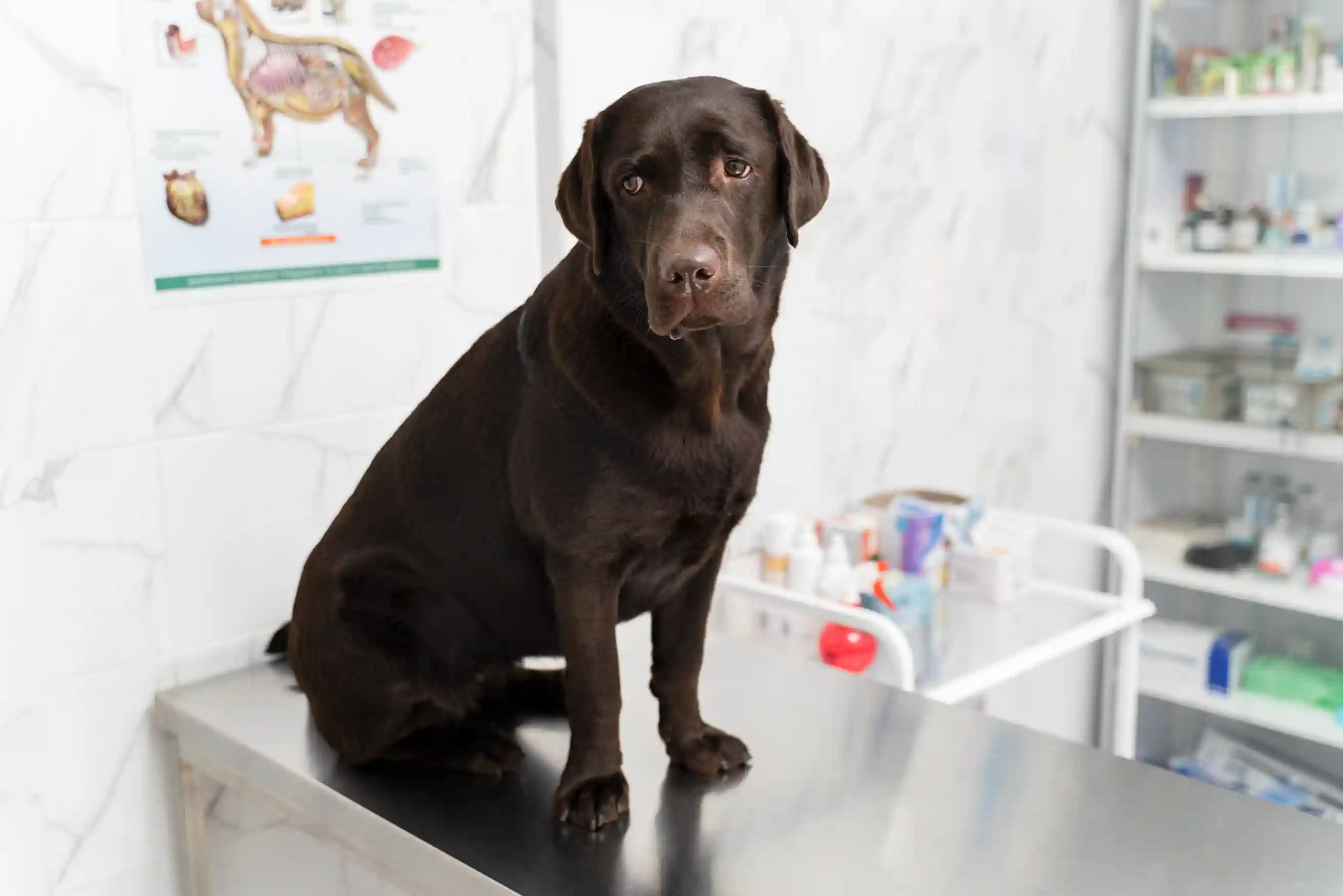
Labradors have a thick double coat and a genetic predisposition to obesity. When subjected to the hot and humid conditions of India, they become prone to various health conditions.
They also have a strong appetite (thanks to a genetic mutation in the POMC gene), a fast weight gain tendency and sensitive joints. In India, health risks increase because of:
- High-caloric home food and treats
- Hot weather that limits outdoor activity, especially during the summer months
- Slippery floors affecting joints
- Poor ear hygiene in humid climates
This implies that Labrador obesity in India and joint stress is far more common than people generally think.
Importance of Proper Labrador Retriever Care
Optimum Labrador retriever care focuses on:
- Controlled feeding and clean diet
- Daily exercise
- Regular grooming
- Detecting symptoms early
Canine veterinary literature shows that Labradors with lean body mass and structured routines live longer and healthier. These findings lay strong emphasis on a clean diet and physical activity.
Related Readings: Prevalent Skin Issues in Dogs (With Pictures): Symptoms, Causes & What to Do
Common Labrador Health Problems
Obesity in Labradors
Obesity is the amongst the most common pet health Issues. It is the number one health problem seen by vets worldwide in Labrador retrievers. Obesity leads to various otherhealth issues. Excess body fat puts pressure on joints, the heart, and internal organs.
A recent study published in Science identifies Labradors as one of the most obesity-prone breeds due to genetic food motivation.
In addition, researchers at the University of Cambridge have found a gene named “DENND1B” which is associated with obesity in Labradors. This gene directly affects their hunger signals, making them constantly feel hungry and ask for food. This means that labradors are hard-wired for obesity.
Causes of Weight Gain in Labradors
Overfeeding and Poor Diet Habits
The main culprit is overfeeding. As stated above, due to their genetic predisposition, labradors are constantly hungry, which also reduces their calorie-burning rate. Additionally, unmeasured portion sizes also lead to excessive calorie intake.
Pet owners love their labs, and they show this love in the form of excessive treats. But this shower of love showers them with unnecessary calories, contributing significantly to obesity. Feeding too many table scraps and oily food is also unsuitable for this breed.
Many owners confuse hunger with habit, which is especially true in the case of Labrador Retrievers, as they often ask for food even when full.
Lack of Daily Exercise
Without adequate daily physical activity, your dog’s bodies turn excess calories into fat. Labrador is a high-energy breed needing at least an hour of activity. Short walks are never enough for labs.
They need high-intensity activities that not only prevent boredom and weight gain but also prevent destructive behaviours. If your dog has an Indoor-only lifestyle, they will probably gain weight.
Signs of an Overweight Labrador
Changes in Activity Level
Common signs include:
- Reduced playfulness and increased lethargic behaviour
- Reluctance to walk
- Sleeping more than usual
- Breathing Issues
An overweight Labrador may:
- Pant heavily after short walks
- Get tired quickly
- Avoid stairs
You should not delay consulting a vet if weight gain is sudden and is affecting movement. With digital pet care apps like Conbun, you can instantly connect with top pet care experts and certified veterinarians in India to seek immediate guidance on various dog health concerns.
Hip Dysplasia in Labradors
What is Joint Dysplasia in dogs?
Joint dysplasia in dogs is an inherited condition where the hip or elbow joint does not fit properly. Over time, this causes arthritis, pain and a significant reduction in mobility. Veterinary studies show Labradors have a high genetic risk, made worse by obesity.
Labrador hip dysplasia (CHD) is a common condition in which the hip joint forms improperly, causing looseness, pain, and hindering mobility. It is often seen as a wobbly gait or reluctance to jump. This condition is primarily caused by genetic factors combined with environmental factors like obesity, poor nutrition and rapid growth.
As cartilage wears down over time, this condition can lead to chronic pain and long-term degenerative joint disease, or osteoarthritis.
Symptoms of Hip and Elbow Problems
- Limping
- Stiff Movements
- Hind leg lameness
Common signs of hip dysplasia in labradors:
- Limping after rest
- Stiffness in the morning
- Difficulty running
- Difficulty Standing or Climbing
You may notice:
- Trouble standing up
- Hesitation to climb stairs
- Bunny-hopping gait
Early weight control measures and controlled exercise can reduce severity in the long run. Conservative management options like physical therapy, canine chiropractic, weight control and anti-inflammatories are effective options. These are only effective when your dog’s condition is mild.
However, if your dog’s case is severe, you should take your dog to a veterinary orthopaedic surgeon who may recommend surgical options.
Related Readings: Vaccination Schedule for Dogs in India
Ear Infections in Labrador Retrievers
Why Labradors Get Frequent Ear Infections
Labradors have floppy ears that can trap moisture. In Indian humid climates, this makes an ideal environment for bacteria and yeast growth.
A 2021 study by the Royal Veterinary College has shown that pendulous-eared (drop-eared) dog breeds are more prone to ear infections due to limited air circulation.
Ear infection types in Labrador retrievers
Ear infections in Labradors can occur anywhere in the ear. Your dog may develop an infection in the inner, middle or outer parts of the ear.
Otitis externa: Due to their floppy ears, labradors are prone to allergies, bacterial infections and yeast overgrowth in the cells lining the outer layer of the ear canal:
Otitis Media: As the name suggests, this occurs in the middle part of the ear when allergies or bacterial infections reach the middle part of the ear canal.
Otitis interna: This is the most dangerous stage of an ear infection, which can lead to deafness, vestibular signs and even facial paralysis.
Common Ear Infection Symptoms
Signs include:
- Head shaking
- Red or swollen ear canal
- Foul smell
- Discharge
- Constant Scratching
Early vet consultations are important as ignoring ear infections can lead to hearing loss.
Various natural home remedies can help alleviate the symptoms of ear infections in dogs. You can use natural oils like olive or coconut oils to soften the wax buildup in the ear canal. Apple cider vinegar is a potent antiseptic and antibiotic substance that can fight bacteria and infections.
In addition, dietary measures like adding Vitamin C to your dog’s diet can improve their aural health. A mixture of lemon juice and water can be used as a solution to massage their earlobes
Eye Problems in Labradors (Including Cataracts)
Common Eye Diseases in Labradors
Cataracts in Labradors
Cataracts in Labrador Retrievers cause a white, blue-gray or cloudy appearance in the eye lens that sits behind the pupil and iris. It is often generic or inherited, but it may also be a result of diabetic factors. Commonly appearing in Labradors, cataracts can lead to blindness or decreased vision.
Bumping into objects, a bluish appearance inside the eyes, etc., are the signs of cataracts. Your dog may hesitate from physical activity, like using stairs in low light. In some cases, cataracts also cause pain or inflammation (red eyes).
If you suspect, a veterinary ophthalmologist should diagnose the condition and determine its progression rate. Surgent is the only treatment to restore vision.
Progressive Retinal Atrophy (PRA)
Progressive Retinal Atrophy is also an inherited degenerative eye disease in Labradors that can cause irreversible vision loss. It generally starts with night blindness and leads to complete blindness gradually. It is painful and currently has no cure.
In PRA, the rod and cone photoreceptor cells die prematurely which initially results in night blindness, which later advances to daylight blindness. Reluctance to move in low light, dilated pupils, bumping into furniture etc are the signs.
Currently, there are no effective treatments for PRA. Affected dogs must adapt well to blindness. Their surroundings must be kept stable, maintaining a strict routine, using baby gates to block stairs or hazards are the management guidelines.
Eye infections in labradors
Labrador eye infections often present as swelling, redness or discharge, which are commonly caused by allergies, foreign debris or bacteria. Immediate veterinary care is a must to prevent vision impairment.
Key symptoms include:
- Yellow, green or water discharge
- Inflamed or red, bloodshot eyes
- Swelling around the eyes
- Constant pawing, squinting
- Increased sensitivity to light
Home management, like cleaning with cotton and warm water, and dog eye drops are effective. Regular vet check-ups and trimming hair around the eyes are effective prevention tips.
Related Readings: Pets Emergency or Not? How to Know If Your Pet’s Condition Can’t Wait
Key Warning Symptoms to Monitor Every Dog Owner Should Know

Digestive Problems
Dog Vomiting Reasons
Occasional vomiting can happen due to:
- Eating too fast
- Diet change
Frequent vomiting may indicate infection or food intolerance.
Dog Loose Motion Causes
Dog's loose motion often results from:
- Sudden diet changes
- Food allergies
- Infections
Persistent loose motion needs veterinary attention.
Breathing and Coughing Issues
Dog Coughing at Night – What It Means
Night coughing may be due to:
- Obesity pressure on lungs
- Allergies
- Heart or respiratory issues
You should consult a vet if coughing continues for more than two days.
There are apps like Conbun android and iOS that let you connect with veterinarians online instantly. You can seek immediate guidance through such platforms to rule out underlying health conditions.
Skin and Coat Problems in Labradors
Atopic dermatitis in Labradors
Atopic dermatitis is a common, chronic skin allergy that affects more than 10% of Labrador retrievers. It is caused by environmental allergens like mould, dust mites, and pollen. It results in severe, lifelong itching and typically appears in typically in dogs under 3 years. A dog may have localised itching (on some parts) or on the whole skin.
Atopy not only causes itching but also leads to secondary damage, like pain and irritation due to constant itching. It can be extremely difficult to control in some dogs, due to which some dogs become seriously ill, especially due to the side effects that can even lead to euthanising them.
Lifelong management is required, which involves medications, allergen management and immunotherapy.
Food Allergies in Labradors
Food allergies in Labrador Retrievers frequently manifest as chronic skin issues like intense itching, red/inflamed areas, hair loss and recurring skin/ear infections. These are commonly triggered by protein sources like dairy, beef or chicken and develop at any stage.
Key symptoms include chronic scratching, biting at skin, scabby or thickened skin, bald patches or thinning of coat.
Management of this condition involves an elimination diet. It is the gold-standard treatment option that requires feeding a strict 6 - 8-week diet trial. It uses a hydrolysed protein diet to identify and eliminate the allergen.
Hot Spots (Acute Moist Dermatitis)
Hot spots in Labrador are intensely itching and painful skin infections that can develop rapidly. They appear as red oozing sores, often resulted due to self-trauma. Labs are prone to this condition due to their dense coats.
Hot spots can appear as small red spots that rapidly expand into large spots, generally within hours. These spots are red, inflamed and moist, often with matted fur and also have an unpleasant odour.
Shaving the hair around the lesion allows the skin to dry and prevents the infection from spreading. Vets usually prescribe antibiotics and steroids for itch relief.
General Health Signs
Dog Feeling Weak
Weakness may be linked to:
- Fever
- Dehydration
- Nutritional deficiencies
Puppy Not Active - When to Worry
A puppy not active for long periods may signal:
- Infection
- Pain
- Poor nutrition
Early vet care prevents complications.
Related Readings: Dog UTI Symptoms: The Early Warning Signs You Should Never Ignore
Labrador Key Feeding Guidelines for a Healthy Weight

Ideal Diet for Labradors in India
A healthy Labrador diet should be:
- High-quality protein
- Moderate in fat
- Balanced with fibre
Owners should focus more on homemade food for dogs (Vet-approved recipes) to maintain a clean and healthy diet for their four-legged friends.
Portion Control and Meal Timing
Best practices include:
- Two meals per day
- Measured portions
- No free feeding
Foods That Help Maintain Labrador Weight
- Lean meats
- Vegetables like carrots
- Controlled carbohydrates
Foods to Avoid
- Fried food
- Sweets
- Excess rice and bread
Daily Exercise and Activity Routine for Labradors
How Much Exercise Does a Labrador Need?
Adult Labradors need:
- 60–90 minutes of activity daily
- This includes walking, play, and mental stimulation.
Safe Exercises for Joint Health
Joint-friendly activities for your dog include:
- Swimming
- Leash walking on soft ground
- Controlled fetch (not excessive jumping)
Clean diet and adequate physical activity are the most effective ways to prevent obesity and joint problems in Labradors.
Related Readings: 7-Most Aggressive Dog Breeds - And Why Owners Say It’s NOT Their Fault
Key Grooming and Hygiene Aspects for Labradors

Managing Labrador Shedding
Labradors shed throughout the year, but the shedding gets heavier during seasonal changes. This implies that loose hair can trap dirt, have bacterial overgrowth and worsen skin problems if not managed properly.
What helps:
- Regular brushing (3 - 4 times a week)
- Daily brushing during seasonal shedding
- Using a soft de-shedding brush
Regular brushing helps in improving skin airflow, blood circulation and lowers the risk of infections.
Ear Cleaning Routine
Labrador ears need routine care as moisture gets trapped easily.
A simple routine:
- Check ears weekly
- Clean gently once a week or after swimming
- Keep ears dry
Always consult a vet if you notice redness, constant scratching or a bad smell.
Eye Care Tips
Basic daily Labrador eye care prevents long-term vision issues. It involves observation of cloudiness, redness or discharge, and cleaning debris with saline.
- Wipe eyes gently with a clean cloth
- Remove discharge daily
- Watch for cloudiness or redness
Early and consistent eye care significantly reduces the risk of infections and cataracts.
Bathing and Coat Maintenance
Bathing should be consistent and regular. However, overbathing can also damage natural oils.
- Bathe once every 3 - 4 weeks
- Use dog-specific mild shampoo
- Dry ears and coat properly
Strong hygiene directly supports overall Labrador retriever care.
Related Readings: Common Winter Diseases in Dogs & How to Prevent Them
When to Seek Dog Care Consultation?
Signs That Need Immediate Vet Attention
Consult a vet immediately if you notice:
- Sudden weakness or lethargy
- Continuous vomiting or loose motions
- Severe limping
- Dog coughing at night for more than 2 days
- Rapid hair loss or open wounds
Early consultation often prevents serious complications.
Importance of Regular Health Checkups
Routine checkups help detect:
- Weight gain early
- Joint stress before arthritis develops
- Ear and eye issues before damage
Veterinary studies show that dogs with regular health monitoring live longer and healthier lives.
Labrador Lifespan and How Good Care Improves It
Average Lifespan of Labradors
The average Labrador lifespan is:
- 10 -12 years with standard care
- 12 -14 years with excellent diet, exercise, proper vaccinations and preventive care
Obesity and arthritis are the most common health concerns that shorten lifespan in Labrador Retrievers.
Tips to Help Your Labrador Live Longer
Simple habits that add years:
- Maintain a healthy weight
- Feed vet-approved diet
- Feed measured meals
- Daily exercise
- Regular grooming
- Early vet consultation
Consistent and proactive care is the primary driver of longevity and health span in dogs.
Conclusion
Labradors are loyal, loving and joyful companions, but they need solid and structured care. Most Labrador health problems in India result from obesity, poor diet, lack of exercise, and missed early symptoms. The good news is that proper Labrador retriever care can prevent most issues.
By managing a healthy diet, maintaining daily activity, grooming regularly, and seeking timely dog care consultation, you can help your Labrador live a longer, healthier, and happier life.
If you are ever unsure about anything in your Labrador care journey, connect with top veterinarians online in India through online pet care consultation on Conbun and get personalised care tips to offer your four-legged friend the care they need.
FAQs (People Also Asked)
1. What is the ideal Labrador weight?
Answer. An adult Labrador typically weighs 25-36 Kgs depending on their build, gender and diet quality. Your vet can determine an ideal weight with the use of body condition scoring.
2. What are the most common health issues in Labradors?
Answer. The most common health issues in Labradors are:
• Obesity - very common due to overeating and low activity
• Hip & elbow dysplasia – joint problems causing pain and difficulty walking
• Ear infections - because of floppy ears trapping moisture
• Eye problems - such as cataracts and progressive vision loss
• Skin allergies - itching, redness, and hair loss
• Diabetes - often linked to obesity and poor diet
3. How to stop dog loose motion quickly?
Answer. Hydration, short-term fasting and bland food may help in mild cases. However, if your dog has had loose motions for more than 24 hours, consult a vet as soon as possible.
4. What causes dog coughing at night?
Answer. Coughing at night may be due to obesity, respiratory strain, allergies, etc. Persistent coughing needs veterinary evaluation.
5. Why is my dog itching so much?
Answer. A dog itching a lot is generally caused by parasites, allergies or skin infections. Early treatment can prevent serious wounds and secondary infections.
6. How often should Labradors be fed?
Answer. Adult Labradors should be fed twice daily with measured portions. Free feeding increases the risk of obesity.