Written by: Anand Sen; Reviewed by: Dr. Harsh (B.V.Sc & A.H.)
To borrow from a famous book, The Prophet by Kahlil Gibran, love does not simply possess, it nurtures, it labours, and it gives without expectation. True love, he reminds us, is not about what we take, but what we are willing to carry for another being.
If you are reading this, it likely means you already know that love is not merely a feeling but also a responsibility. To adopt a dog is one of the clearest expressions of this truth.
It is a long-term commitment to offer safety, patience, and dignity to a life that depends on you. And if that resonates with you, here is everything you need to know about how to adopt a pet for free.
Adopting a pet is not just an emotional decision. It is a long-term commitment to their health, behaviour, and lifestyle.
The following is a complete pet adoption guide which will help you make an ethical, informed, and sustainable choice if looking for pet adoption tips for first-time owners or adding another companion to your family.
Why Adopt a Pet? (Benefits, Impact & What to Expect)
Preferring adoption over buying a pet can have measurable benefits, for owners, animals and communities.
Why adoption is better than buying a pet
According to the Zigly Foundation, more than 8.8 million pets living in shelters in India are looking for a loving home. From an animal welfare perspective, adoption directly addresses the problem of overcrowding in rescue homes and shelters.
Animal Euthanasia statistics say that 4000-1000 animals are euthanised every day, and sadly, 9 out of 10 animals are adoptable with no painful or life-threatening conditions.
Thus, when you adopt a pet, you are directly saving a life and also reducing unethical breeding practices.
Emotional, financial, and ethical benefits
Adopted pets are more likely to form a strong bond with their new families. Studies in animal behaviour show that rescued animals become deeply loyal to their caregivers once they start to feel secure.
In addition, adopting is financially more effective as adoption fees are significantly lower than purchasing pets from breeders who usually include deworming, vaccination, sterilization and other healthcare costs.
Ethically, adopting a pet aligns with responsible pet ownership. It discourages irresponsible breeding practices and puppy mills, which are associated with poor early socialisation, genetic disorders and chronic health problems in animals.
Common myths about adopted pets (debunked)
Adopted pets are often labelled as “problem animals, which is a persistent myth. In reality, most pets from adoption centres are surrendered due to human circumstances like illness, lack of time, financial strain or relocation, etc., and not because of aggression or behavioural issues.
Another common misconception is that adopted pets are unhealthy. In fact, animal shelters with pets for adoption follow strict veterinary protocols for parasite control, vaccination and disease screening.
Related Readings: Christmas Safety for Pets: 5 Essential Christmas Safety Tips Every Pet Parent Should Know
Is Pet Adoption Right for You? (Before You Decide)

Before searching pet for adoption near me, it’s important that you evaluate whether adoption aligns with your lifestyle, not just emotionally but also practically.
Lifestyle check: time, space, energy, and budget
Different breeds and species have different needs. Dogs generally require training, daily exercise and social interaction. On the other hand, cats are independent and still need mental stimulation to some extent in combination with veterinary care.
Even low-maintenance pets need constant care and attention. Veterinary research has consistently highlighted that lack of enrichment and proper routine are determinants of relinquishment and behavioural problems in pets.
Budget can be another critical factor. Timely vaccinations, grooming and training, parasite control, healthcare and emergencies are long-term responsibilities and not one-time expenses.
Pets and family compatibility
Homes with elderly people, children or existing pets should consider the safety and temperament of new pets. Some pets are lively and outgoing and may thrive well in big families, while others may need calm and predictable environments.
Understanding what your family, lifestyle and budget can help you understand which are the best pets for adoption.
Introducing a pet without evaluating its compatibility is a common mistake new pet owners make.
First-time pet owners: what you should know
If you are wondering how to adopt a pet for the first time, start simple. Don’t choose a pet based on appearance.
Many shelter homes offer proper counselling to help beginners select a suitable pet with manageable needs and a stable temperament.
Short-term vs long-term commitment
Dogs and cats can live 10-20 years, which makes adoption a decade-plus responsibility. Veterinarians often emphasise long-term planning as most surrendered pets are from homes and families who have underestimated this commitment.
Related Readings: 7 Puppy Training Mistakes Pet Owners Make Without Realizing It
Choosing the Right Pet for Your Home
This is the most important thing you should consider before adoption. Choosing the right pet for your family can dramatically reduce the risks of health issues, stress and rehoming.
Dog vs cat vs other pets
Dogs are for owners who enjoy outdoor activity, routine and training. While cats suit owners with less predictable schedules, they still require environmental enrichment and interaction.
Birds and smaller mammals may also be suitable alternatives. However, they come with species-specific care and training needs that are often underestimated by owners.
Best pets for apartments vs independent houses
Apartment living is generally more suitable for cats and small or low-energy dogs. However, high-drive or larger breeds tend to struggle in confined spaces, which may in turn lead to destructive behaviour, stress and anxiety.
Independent houses may offer greater flexibility to pets for physical activity and play. However, owner-directed activities are better for bonding and mental enrichment.
Low-maintenance pets for busy owners
In reality, no pet is truly “low maintenance. However, senior dogs, adult cats or pets with established routines often adapt better to busy households than young kittens or puppies that require early socialisation and intensive training.
Pets suitable for children and elderly family members
Temperament is a determining factor of pet suitability rather than breed or species. Tolerant or calm animals are the safest.
Shelters often guide family members towards the best pets for adoption based on their preferences, lifestyle and household dynamics.
Related Readings: Top Rated Pet Care Consultation App: Features, Benefits, How It Works (2026 Guide)
How to Find Pets for Adoption Near You
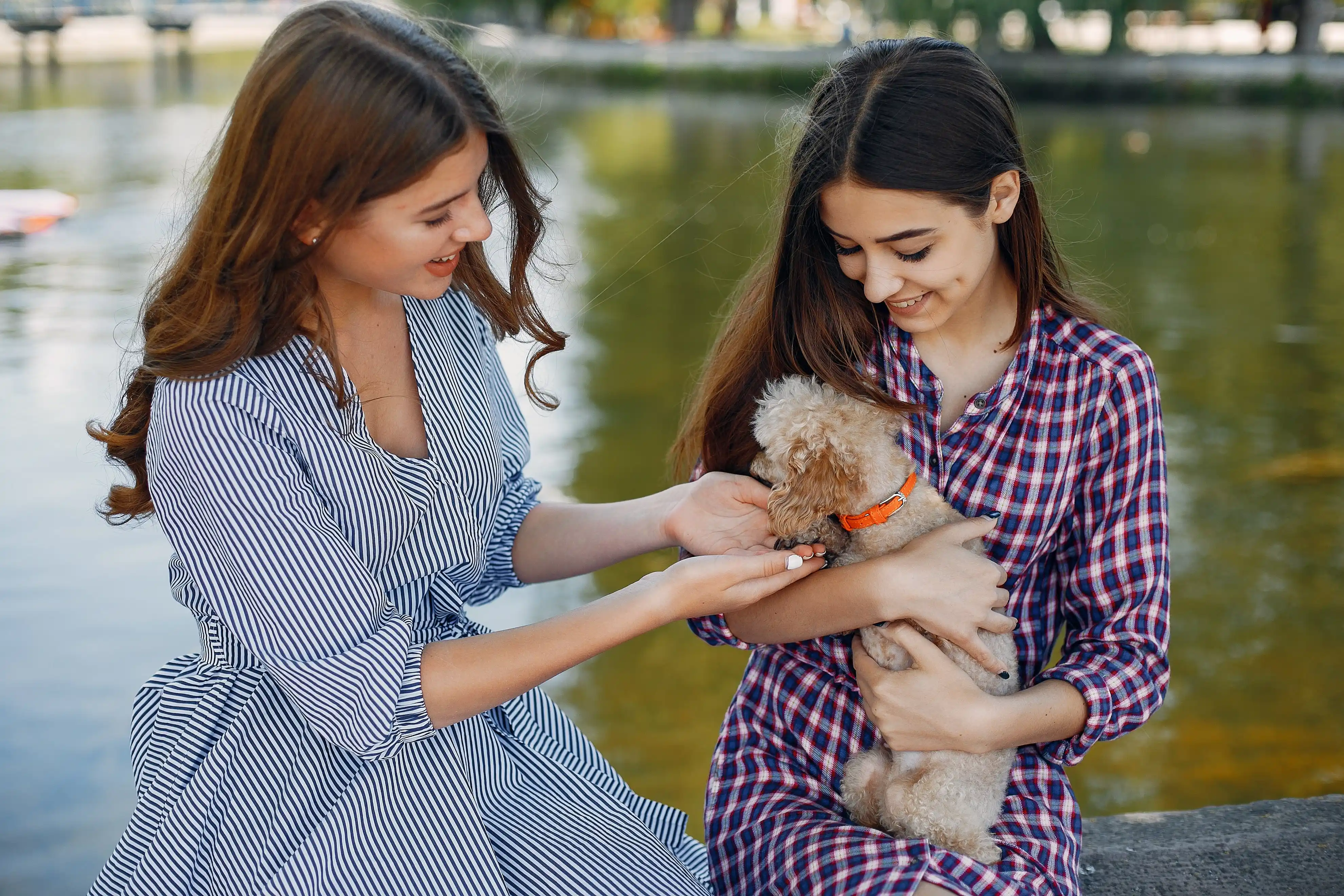
Finding the right pet isn’t about speed — it’s about safety, transparency, and support.
Animal shelters vs rescue organisations vs. adoption platforms
Rescue organisations may specialise in certain breeds or animals or pets with special needs. They use foster homes and provide valuable behavioural insights about individual pets.
Animal shelters with pets for adoption tend to house a wide variety of animals and work very closely with veterinarians. An online platform for pet adoption can be helpful, but requires scrutiny.
How to search for pets for adoption near you
Search for local pet adoption centres, visit shelters in person and speak with caregivers. Many shelters in India now conduct structured interviews to ensure you are matched with a good pet. This is a positive sign and not a barrier.
What to check in an online pet adoption listing
While searching pets for adoption online look for clear photos, check vaccination status and other health-related information like sterilisation details or chronic conditions. Review any behavioural issues.
Keep in mind, vague listings or pressure to act fast can be warning signs.
Red flags to avoid during pet adoption
Avoid sellers or adoption centres who are unwilling to share medical history or discourage vet visits. Ethical adoption should be your priority over speed or cost savings.
Related Readings: Is Online Pet Care Consultation Right for Your Pet?
Understanding Pet Behaviour, Health & History

How to read a pet’s temperament before adoption
Observe how the pet reacts to strangers, handling or noise. While shelter stress can mask the true behaviour of a pet, trained staff can explain baseline factors.
Veterinary behavioural science highlights that temperament is influenced by early experiences, current environment and genetics to some extent, but not just breed.
Medical history, vaccinations, and sterilisation explained
Most reputable shelters follow standard veterinary protocols for deworming, core vaccinations, spaying, flea/tick control, etc.
These steps are not optional. They are important to ensure the long-term health of your potential four-legged companion.
Special needs pets: what it really means
Pets with special needs involve management of disabilities, chronic conditions or may have to undergo behavioural rehabilitation.
These pets thrive with informed care, but timely veterinary guidance and realistic expectations are required.
Questions to ask shelters or rescuers
Ask for details on socialisation history, diet, medical treatments, previous environments and follow-up support.
A transparent organisation will welcome these questions, which is a cornerstone of any trustworthy pet adoption process.
The Pet Adoption Process Step-by-Step
Understanding the pet adoption process in India removes uncertainty and allows you to go forward with adoption with confidence rather than emotion alone.
While details may vary slightly for rescue or shelter, the overall steps remain consistent.
Application and assessments
The pet adoption process generally begins by filling out an application, which collects basic information related to your lifestyle, work hours, housing and prior pet experience.
Don’t consider it as a test. It allows adoption centres to match the right pet with the right family. Many shelters also conduct counselling or interview sessions to answer questions and clarify expectations.
Screening
Some rescue shelters or adoption centres may perform home checks, especially for pets with special needs. These are safety assessments and not inspections.
Fees and paperwork
Adoption fees, if charged, covers sterilization, microchipping, deworming and initial health check.
Many rescues may offer trial periods, allowing both you and the pet time to adjust. With legal paperwork, the adoption process finalises ownership transfer.
Related Readings: Pet Care Goes Digital: How Apps Are Making Vet Consultations Faster, Cheaper & More Reliable
Preparing Your Home Before Bringing a Pet Home
Preparation is among the most overlooked but essential pet adoption tips for first time owners, especially for first-time pet owners. A calm and structured environment will help reduce stress-related behaviour issues in your new four-legged friend.
Essential supplies checklist
Start with essential supplies based on pet type, like dogs need leashes, collars, bowls, bedding, toys, and cleaning supplies.
For cats, bring litter boxes, carriers, scratching posts, and vertical resting areas.
Small animals need species-specific enclosures and enrichment.
Pet-proofing
Next comes pet-proofing your home, room by room.
Secure electrical cords, remove toxic plants, store medications safely, and block access to unsafe balconies or staircases.
Kitchen and bathrooms are common hazard zones with toxic products (Onion, xylitol etc) and chemicals and sharp objects (knives, razors, trash). Keep them out of reach.
Calm and enriched environment
Set up a quiet, designated safe space where your new pet can retreat during the first few days.
Include food, water, bedding, and minimal foot traffic in this area.
Gradual exposure to the rest of the home will reduce anxiety and support smoother adjustment.
Consider these pet adoption tips before bringing a pet home to offer a comfortable environment to your new four-legged friend.
First 30 Days After Adoption: What to Expect
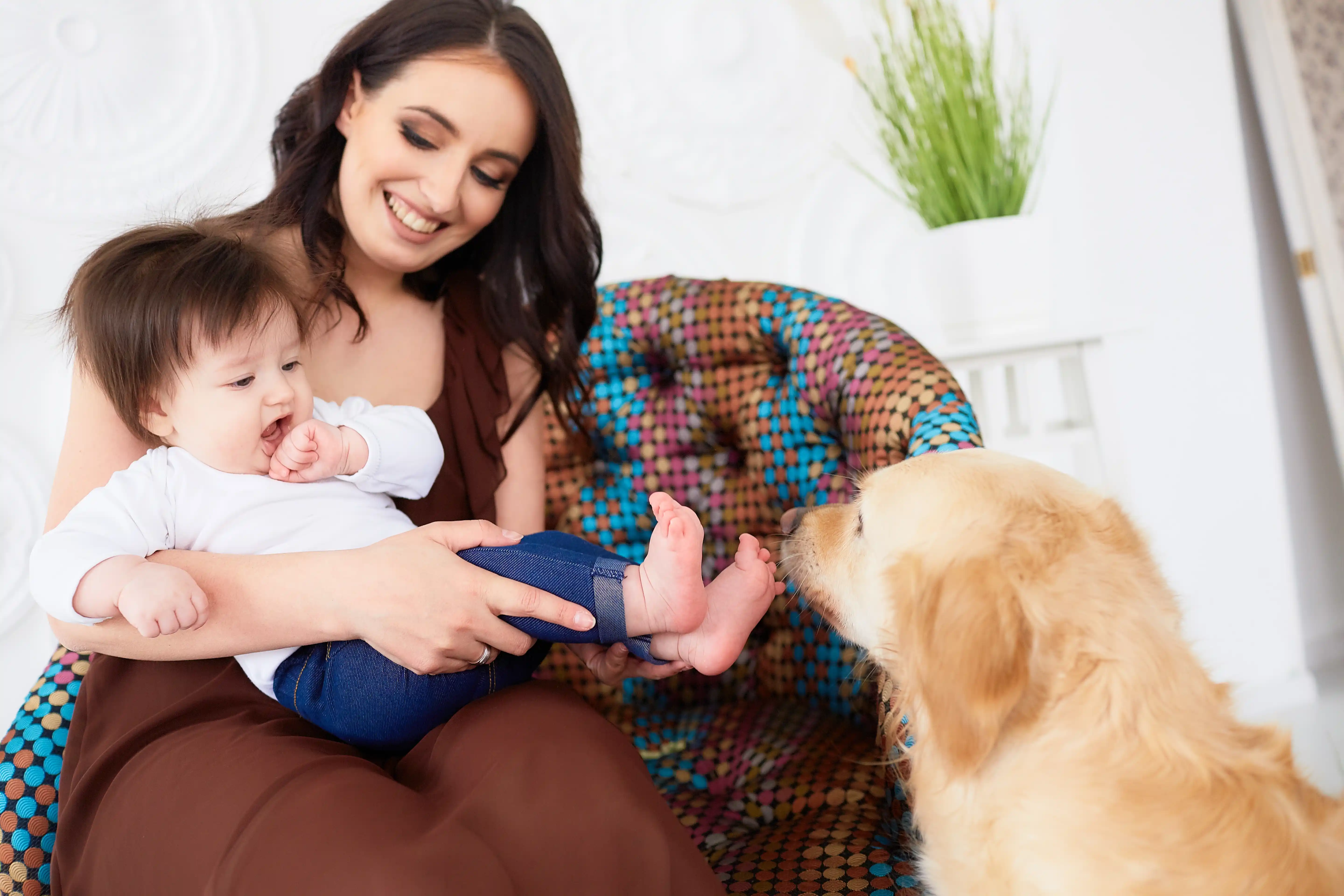
The first month of your new pet, often called the “decompression phase, is a critical adjustment period. Newly adopted pets may show behavioural issues in the beginning, but will become calm as they begin to feel safe.
Your pet may show common issues during this period, like excessive vocalisation, house-soiling, hiding, chewing, or mild aggression.
These are not personality flaws but stress responses to coming to a new environment. Patience and consistency in routine can work wonders in this initial period.
What to do:
Focus on establishing a predictable routine with the proper feeding times, walk, play and rest periods.
Avoid overwhelming your pet with training demands and visitors.
Litter habits, basic cues and name recognition should be introduced gradually.
Monitor appetite, stool quality, and energy levels closely.
If your pet refuses to eat, shows fear or displays sudden aggression, consult a certified pet care expert on online pet care consultation apps like Conbun, available on both android & iOS.
Early guidance can prevent small issues from becoming long-term behavioural issues.
Related Readings: 14 Common Mistakes in Pet Food Choices
Cost of Adopting a Pet (One-Time & Ongoing)

A common misconception is that adoption is “free.” While adopting is cost-effective when compared to buying, pet ownership always involves costs.
One-time adoption costs may include a nominal adoption fee, initial supplies, and optional training support. These fees are typically far lower than breeder prices and often include medical procedures already completed.
Ongoing expenses after adoption include food, routine veterinary care, grooming, parasite prevention, and emergency savings. Dogs generally cost more monthly than cats due to training needs and food quantity.
Adoption saves money long-term. Adopted pets are usually vaccinated, sterilised, and health-screened early, reducing the risk of preventable diseases and costly complications later.
Final Thoughts: Making Adoption a Happy, Lifelong Decision
Adopting a pet is not an act of rescue alone. It is a conscious decision to build a shared life. Successful adoption requires realistic expectations, preparation and ongoing learning.
Choosing the right pet for your family, understanding the adoption process step by step and committing to pet care beyond the initial excitement.
The happiest outcomes occur when owners seek early guidance, stay consistent and prioritize the emotional and physical health of the animal.
Pet adoption changes lives, not for animals but also for homes and families who learn patience, responsibility and empathy.
Frequently Asked Questions
1. Are adopted pets safe and healthy?
Answer. Most shelter pets undergo vaccinations, basic health screening and sterilisation. While it is not guaranteed, adoption does not increase health risks.
2. How long does pet adoption take?
Answer. The process may take anywhere from a few days to a couple of weeks, depending on interviews, checks and matching requirements.
3. Can I adopt a pet if I live in a rented home?
Answer. Yes. However, you may need to ensure that your landlord agrees.
4. What if the adopted pet doesn’t adjust?
Answer. Reputable rescues and shelter homes prioritise welfare and often support retraining or safe return without judgement.