Written by: Anand Sen; Reviewed by: Dr. Parth Patel (B.V.Sc & A.H., M.V.Sc)
Parasitic infections in pets are among the most underestimated yet most common health-related threats in India.
Ticks, fleas, and intestinal worms silently damage your pet’s skin, blood, gut and immune system long before the symptoms become visible, which means that these silent conditions often stay absent or invisible until they become potentially fatal.
This guide will explain what parasitic infections in pets are, why they are so common in India and how you can detect and stop them effectively.
Why Parasitic Infections in Pets Are So Common in India?
Parasitic infections in pets thrive in our country because the warm and humid climate supports parasites year-round. Unlike colder countries, India does not have an “off-season” for parasites.
Why do parasites spread so aggressively in Indian conditions?
What’s happening
Warm temperatures allow ticks and fleas to survive all year
High humidity accelerates parasite egg hatching
Dense housing, in addition to the population density of stray animals, increases cross-contamination
Why it matters
Reinfection happens at a rapid scale
One missed prevention dose can undo months of care and prevention
How this affects pets
Repeated infestations
Higher risk of tick fever in dogs in India, with 40% mortality rate
Increased intestinal worms in pets, even indoor ones
Key factors driving parasitic infections in pets
Due to Year-round warmth, ticks remain active for 12 months
Elevated humidity levels during the monsoon season
Shared walking areas and community parks where pets and animals come into contact
High stray animal population
Irregular deworming of pets in India
Low awareness of parasites in pets and early symptoms
Indoor pets tend to develop parasitic infections through balconies, visitors, shoes and shared lifts, etc.
Types of Parasitic Infections in Pets
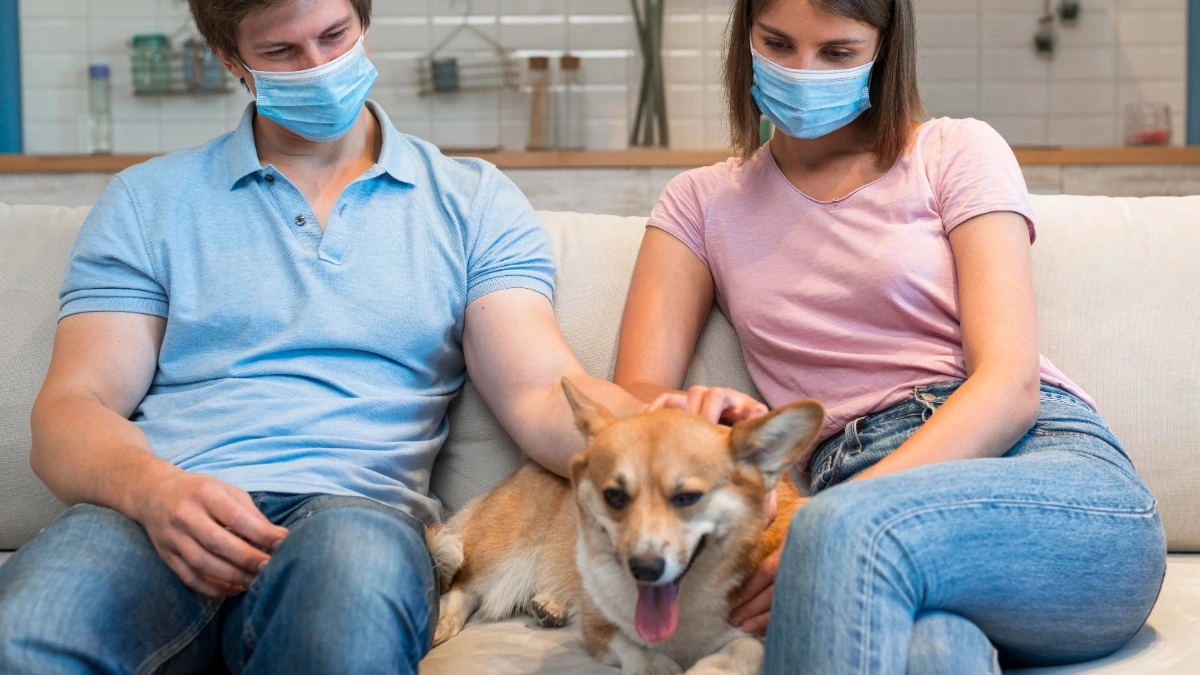
Parasitic infections in pets fall into these main categories, with each one of them affecting your pet’s body differently and requiring specific treatment.
Ticks in Dogs & Cats
Ticks are blood-sucking parasites that attach firmly to your pet’s body and feed voraciously for days. They transmit life-threatening infections like Rocky Mountain spotted fever, ehrlichiosis, Q fever, and Lyme disease etc directly into the bloodstream.
How ticks harm pets
What they do
Feed on the host’s blood
Inject disease-causing organisms
Trigger immune suppression
Why they’re dangerous
Can cause severe anaemia
Negatively impact organ function
Can be fatal if untreated
Behind tick-borne diseases like ehrlichiosis, Q fever and Lyme disease, which are commonly seen in India
Disease Impact
Disease | Imapct |
Ehrlichiosis (Tick Fever) | Low platelets, bleeding |
Babesiosis | Severe anemia |
Anaplasmosis | Fever, joint pain |
Lyme disease (rare) | Chronic lameness |
Tick fever in dogs in India is one of the leading emergency diagnoses especially during the monsoon months
Symptoms of tick-related parasitic infections in pets
Fever
Extreme lethargy
Pale or white gums
Loss of appetite
Sudden, unexplained weight loss
Nose bleeding (advanced cases)
Untreated tick fever can cause organ failure within weeks.
Fleas: More Than Just Itching
Fleas are fast-multiplying parasites that cause intense skin damage and systemic illness. Its rapid infestation rate makes it difficult to eradicate without comprehensive treatment.
These parasites lead to various health conditions like dermatitis, Bartonellosis, tapeworms and anaemia.
Why flea infestations escalate quickly?
What makes fleas dangerous
One flea lays up to 50 eggs per day and 2000 in its lifetime
Eggs survive in carpets, bedding, and cracks
Reinfection happens even after treatment if the environment isn’t properly cleaned
Health problems caused by flea infestation in pets
Severe scratching and itching, even leading to hair loss
Persistent skin infections
Hair loss and scabs
Anaemia in puppies, small breeds and kittens
Transmission of tapeworms
Signs of flea-related parasitic infections in pets
Constant scratching or biting
Red, inflamed skin
Black pepper-like dots (flea dirt)
Poor sleep and restlessness in pets
Flea infestation in pets is often mistaken for “normal itching,” delaying treatment.
Pet owners generally mistake flea infestation for normal itching, which delays treatments and induces intense suffering in pets.
Intestinal Worms: The Hidden Threat
Intestinal worms are the most silent yet common parasitic infections in pets, affecting their digestive system.
These parasites cause weight loss, diarrhoea, pot bellies, especially in young pets. Many infected pets show no early signs.
Common intestinal worms in pets in India
Worm Type | Risk |
Roundworms | Puppies, kittens |
Hookworms | Blood loss |
Tapeworms | Flea-transmitted |
Whipworms | Chronic diarrhea |
How pets get intestinal worms
Contaminated soil
Standing water
Fleas (tapeworms)
During birth or nursing
Raw or undercooked food
Symptoms of intestinal worms in pets
Pot-bellied appearance
Diarrhoea or vomiting
Weight loss despite eating
Dull coat
Scooting on the floor
Some intestinal worms in pets are zoonotic and can infect humans, especially children.
Why Parasitic Infections in Pets Are Dangerous (Not “Normal”)?
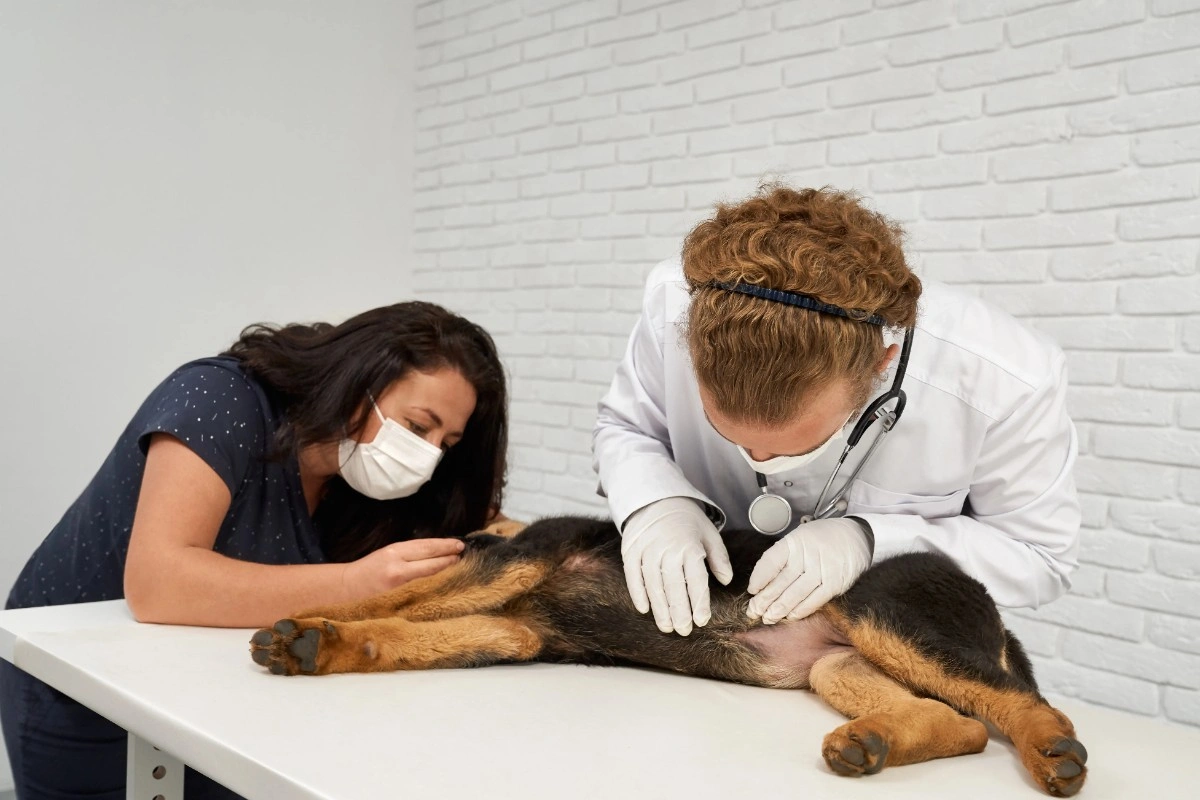
Many pet parents delay treatment because they believe:
“Every dog has ticks”
“Worms are normal”
“It’s just itching”
These are the most common yet harmful misconceptions that pet owners have.
Real medical risks of untreated parasitic infections in pets
Short-term risks
Severe anemia
Skin infections
Digestive disturbances
Long-term risks
Liver and kidney damage
Immune suppression
Growth delay in puppies
Chronic disease
Death in severe cases
How to Check Your Pet for Parasites at Home?
Early detection helps limit damage caused by parasitic infections in pets.
Weekly Tick Check (Step-by-Step)
Check these areas carefully:
Inside ears
Neck folds
Under collars
Between toes
Tail base
Armpits and groin
Flea Check
How to do it
Use a fine-toothed comb
Comb along the belly and thighs
Look for black specks (flea dirt)
Dab with water. Infected areas turn reddish if blood-based
Worm Warning Signs
Pot belly
Loose stools
Sudden weight loss
Visible worms in stool (advanced)
Many parasitic infections in pets show no visible signs; prevention is essential.
Treatment Options for Parasitic Infections in Pets (What Actually Works)
Tick & Flea Treatment
Effective treatment requires both pet and environment control.
Vet-recommended options
Spot-on treatments
Oral chewables containing Flurlaner
Prescription tick collars
Environmental sprays containing natural elements like Rosemary or Sesame oils.
Do not use dog tick products on cats, as many of them contain pyrethroids, which are fatal to cats.
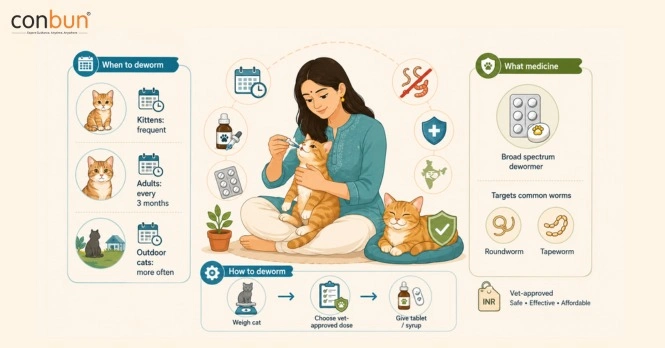
Deworming Treatment
Deworming pets in India is non-negotiable due to the tropical climate, varying sanitation levels, etc which are conducive to the growth of parasitic worms.
General veterinary guidelines
Puppies/kittens: every 2–4 weeks initially
Adult pets: every 3 months
High-risk pets: as advised by vet
Deworming dosage depends on factors like age, weight, parasite exposure, health status of individual pets.
Prevention Plan: The Smart Pet Parent Routine
Prevention of parasitic infections in pets can be safer, cheaper and comparatively more effective than treating the diseases.
Simple parasite prevention schedule
Frequency | Action |
Monthly | Tick & flea prevention |
Every 3 months | Deworming |
Yearly | Blood tests |
Daily | Bedding hygiene & checks |
Habits that reduce the chances of parasitic infections in pets
Wash bedding weekly
Check for after walks
Make sure your pet does not come in contact with stray dogs
Clean feeding areas
Maintain consistent prevention
Prevention costs a fraction of treating advanced parasitic infections in pets.
Key Takeaway (So Far)
Parasitic infections in pets are:
Common
Preventable
Dangerous if ignored
Manageable with routine care
Consistent prevention, early detection and timely veterinary guidance can save lives and pets from intense suffering.
Monsoon = Peak Parasite Season in India
Parasite infestations in India peak during the monsoon season (June to September). High humidity combined with warm temperatures creates ideal breeding conditions for mosquitoes, ticks, fleas and intestinal parasites.
Unlike colder countries, these parasites in India do not die off seasonally. Their reproduction rate increases, especially in the monsoon, making it the most dangerous season for pets.
Why Monsoon Is So Risky for Pets
Ticks multiply faster in moist soil and grass
Fleas thrive in damp bedding and upholstery
Mosquito populations explode, especially in unhygienic places
Standing water spreads worm larvae and infections
Even well-groomed pets can catch infections if preventive steps are missed.
Extra Precautions Every Pet Parent Must Take During Monsoon
Increase flea and tick checks (especially neck, ears, paws, tail base)
Trim bushes and grass around the home regularly
Always dry your pet thoroughly after baths or rain, especially skin folds
Avoid walking your pets near stagnant water puddles, areas, and muddy parks
Wash bedding regularly and vacuum carpets frequently
Ensure proper grooming of your pet
Skipping these precautionary steps is one of the top reasons pets develop anaemia, fever and skin infections in India.
Indoor Pets: Are They Really Safe?
No. While Indoor pets may be at a lower risk than stray dogs or outdoor pets, they are not parasite-proof.
Indian pet parents generally have a misconception that indoor pets don’t need parasite prevention.
How Parasites Enter Indian Homes
Parasites easily enter homes through:
Shoes and footwear
Clothes and bags
Other pets or visiting animals
Mosquitoes, ants, flies, and insects
Ticks can survive indoors for months in curtains, sofas, cracks and bedding. Fleas lay eggs that hatch long after initial exposure.
In addition, they can stay dormant inside pets' bodies for months and activate once your pet’s immune system is suppressed.
Indoor Pets Still Need Protection, which can be ensured through
Monthly tick & flea prevention
Regular deworming schedules
Periodic vet check-ups
Clean living spaces
Indoor-only pets in India still suffer from tick fever, intestinal worms, and skin allergies when prevention is ignored.
When to See a Vet Immediately (Do Not Delay)?
Parasitic diseases often begin silently and remain invisible for a long period, to ultimately worsen rapidly. Delaying treatment can lead to organ damage or other life-threatening complications.
This invisibility often makes one pet a source of infection for an extended period, spreading diseases to other pets in a multi-pet household.
Seek Urgent Veterinary Care If Your Pet Shows:
High fever or persistent lethargy
Pale gums (sign of anaemia)
Blood in urine or stool
Sudden weakness or collapse
Refusal to eat for 24 hours or more
Severe itching with open wounds or hair loss
Tick-borne diseases like babesiosis or ehrlichiosis can progress quickly. Early intervention dramatically improves survival and recovery.
Never wait for symptoms to “settle on their own.”
Why Many Indian Pet Parents Delay Vet Visits?
Despite increasing awareness regarding pet health conditions, many pet parents in India still delay veterinary care due to practical challenges.
Common reasons for delay are
High consultation or travel costs
Distance from qualified veterinary clinics
Busy work schedules
Fear of unnecessary tests
Underestimating early symptoms
Remoteness and lack of digital literacy to access digital veterinary care
Unfortunately, parasites don’t wait, as a few days’ delay can turn a treatable condition into a life-threatening emergency.
How Technology Is Helping Indian Pet Parents?

Digital healthcare is redefining pet care and veterinary access in India. Online veterinary consultations offer pet parents timely guidance before conditions escalate.
Online vet consultation platforms like Conbun now connect pet owners with qualified veterinary professionals, making preventive care highly accessible.
How Online Vet Consultations Help?
Early symptom assessment before emergencies
Personalised parasite prevention advice
Effective and real-time guidance on deworming, tick, and flea control plans
Continual follow-up care and monitoring without repeated clinic visits
Online vet consultations are especially valuable during the monsoon, when parasite risks are high, and symptoms escalate quickly.
Early Advice Saves Lives
A quick consultation at the first sign of itching, fever, or appetite loss can:
Prevent severe infections
Reduce treatment costs
Avoid hospitalisation
Protect long-term pet health
Technology is not replacing vets — it’s helping pet parents reach them sooner.
Final Takeaway for Indian Pet Parents
Parasites are not just a seasonal nuisance — they are one of the biggest hidden health threats to pets in India.
Monsoon months demand extra vigilance, indoor pets still need protection, and early professional guidance can make all the difference.
Prevention is always safer, cheaper, and kinder than cure. Therefore, download Conbun android and iOS take an online vet consultation to know how you can save your pet from unnecessary suffering and avoid health-related emergencies.
Frequently asked questions
1. Can ticks kill my dog?
Answer. Yes. Tick-borne diseases like ehrlichiosis can be fatal if untreated. In addition, severe infestations cause anaemia, and fatal diseases like Lyme or Rocky Mountain spotted fever.
2. How often should I deworm my pet in India?
Answer. Adult pets should be dewormed every 3 months, while puppies/kittens should be dewormed as advised by a vet, often more frequently.
3. Are home remedies effective for ticks?
Answer. No. Veterinary science does not recommend home treatment for ticks, as they do not kill ticks or worms reliably.
4. Can humans get worms from pets?
Answer. Yes. Some worms are zoonotic, especially risky for children, and are mainly transmitted through accidental ingestion of eggs from contaminated soil or faeces.
5. Do cats need tick and worm prevention?
Answer. Absolutely. Cats are equally vulnerable, even indoor cats and thus need tick and worm prevention.