Written by: Anand Sen; Reviewed by: Dr. Pratyush Singh (B.V.Sc & A.H)
Bleeding in small pets should not be considered normal. What looks like a minor nosebleed or a small bruise on your tiny four-legged friend can signal a serious and sometimes life-threatening internal problem.
As small pets have very limited blood volume, even mild bleeding can become dangerous quickly. The following guide will explain bleeding disorders in small pets, the warning signs you should never ignore, and how immediate veterinary care can save a life.
What Are Bleeding Disorders in Small Pets?

Bleeding disorders in small pets are conditions where the body cannot clot blood properly or where blood vessels become unusually fragile.
These conditions can be acquired or inherited and may lead to spontaneous or excessive bleeding.
In simple terms, bleeding disorders occur due to:
Low or dysfunctional platelets
Defects in clotting proteins called coagulation factors
Damage to blood vessels
Bleeding should never be considered normal, especially in small dogs and cats. While accidental cuts and injuries may happen, unexplained or excessive bleeding suggests the presence of an internal disorder rather than simple injury.
Veterinary physiology shows that small pets can lose a critical percentage of their blood volume much faster than larger animals.
Studies in veterinary emergency medicine highlight that losing as little as two teaspoons of blood per pound of body weight is enough to cause shock in small breeds, whereas larger dogs tolerate higher losses before collapse.
Related Readings: Dog Has Diarrhea but Acting Normal — What Should You Do?
Common Bleeding Disorders in Dogs & Cats (Small Breeds Included)
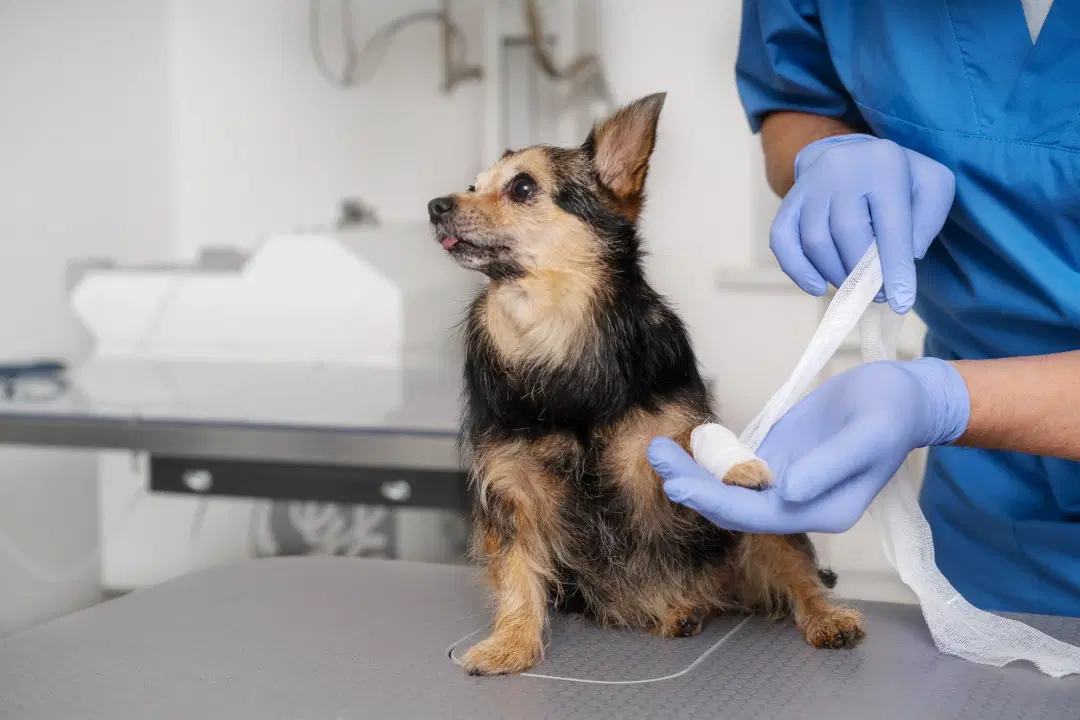
Bleeding disorders in cats and dogs are broadly classified into two categories:
Inherited (genetic)
Acquired (developed in later life)
Small and toy breeds are disproportionately affected because symptoms escalate faster due to their low blood volume.
Inherited Bleeding Disorders
These conditions are present in animals from birth but often remain invisible until surgery, trauma, or vaccination.
Von Willebrand’s Disease (VWD)
It is one of the most common inherited bleeding disorders in dogs, caused by the deficiency of von Willebrand Factor (vWF), a protein essential for blood clotting.
Signs appear late after surgery, dental procedures, or injuries
Genetic Platelet Dysfunction
Platelets exist but fail to function normally
Leads to prolonged or excessive bleeding even from small wounds
A 2013 study published in the Journal of the American Veterinary Medical Association documented a higher prevalence of genetic disorders in purebred bogs due to limited gene pools, highlighting the importance of proper breeding practices.
Acquired Bleeding Disorders
These are more common and often sudden.
Tick-borne diseases like babesiosis that destroy blood platelets
Anticoagulant rodenticide poisoning that blocks vitamin K–dependent clotting
Liver disease, which prevents clotting factor production
Severe nutritional deficiencies, especially vitamin K
These acquired bleeding disorders can affect any pet, even those previously considered healthy.
Related Readings: Winter Dog Grooming Guide: Prevent 30% of Skin Issues With Smart Seasonal Care
Bleeding Disorders in Small Pets: Symptoms You Should Never Ignore
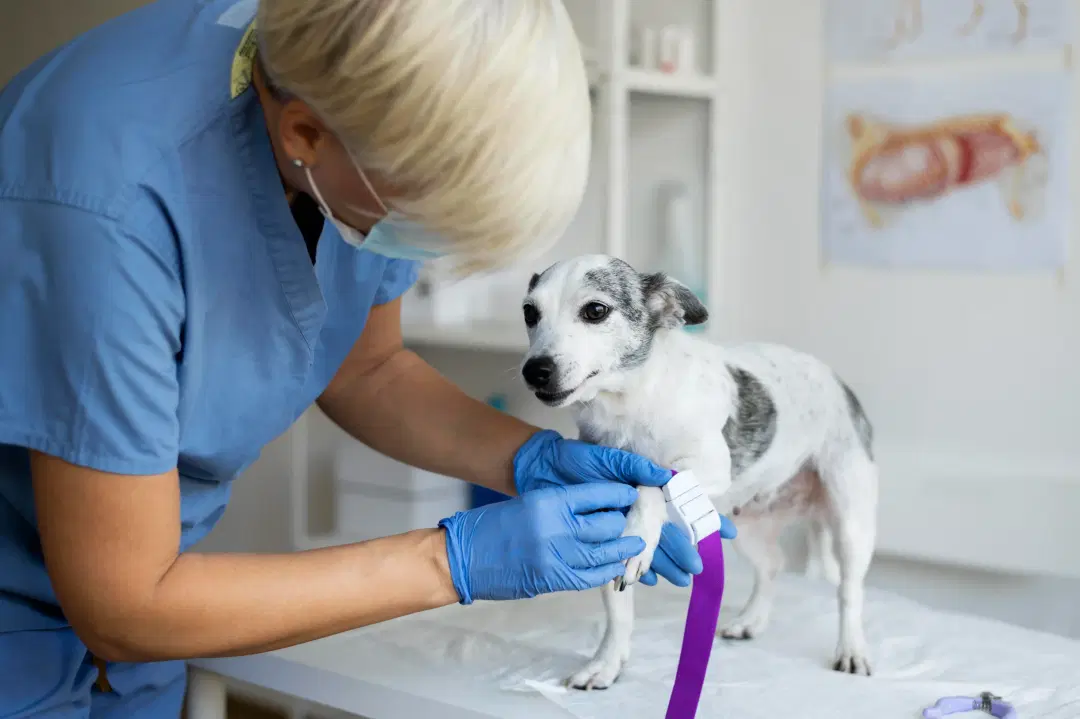
Bleeding disorders in small pets often begin quietly, and as pets instinctively hide their weakness, symptoms are commonly overlooked by owners until they become severe.
External Bleeding Signs
These are the most visible early warnings:
Nosebleeds with no signs of trauma
Bleeding gums during brushing or eating
Blood in urine or stool
Prolonged or excessive bleeding from tiny cuts or small wounds
Even if the bleeding stops on its own, it can indicate an underlying clotting problem.
Internal & Hidden Warning Signs
These are medical emergencies that pet owners should not ignore:
Unexplained bruising under the skin
Sudden collapse
Weakness due to blood loss
Pale or white gums (sign of anemia)
Swollen joints caused excessive internal bleeding
Lethargy with no obvious cause
Pale gums combined with lethargy strongly correlate with significant internal blood loss.
Related Readings: 7 Signs Your Pet Might Be Hiding a Health Problem (and What to Do Next)
What Causes Bleeding Disorders in Small Pets?

Bleeding disorders tend to appear suddenly, even in pets that seemed healthy days earlier.
Common causes include:
Toxins and accidental poisoning due to Anticoagulant rodenticides like Warfarin
Tick fever and blood parasites are highly common in warm climates like that of India
Immune-mediated diseases like Immune Thrombocytopenia, where the body attacks its own platelets
Medication reactions in pets, including the use of human painkillers or supplements
Why Small Pets Are at Higher Risk
Small pets are at a great risk as they face unique dangers:
Faster blood loss equals faster deoxygenation, which leads to faster collapse
Subtle symptoms are harder to detect
Owners often delay care because bleeding appears “minor”
Delayed veterinary attention is the biggest predictor of poor outcomes in bleeding disorders and overall general health outcomes in small pets.
Related Readings: 15 Common Pet Health Issues Every pet Owner Should Know
How Vets Diagnose Bleeding Disorders in Small Pets?
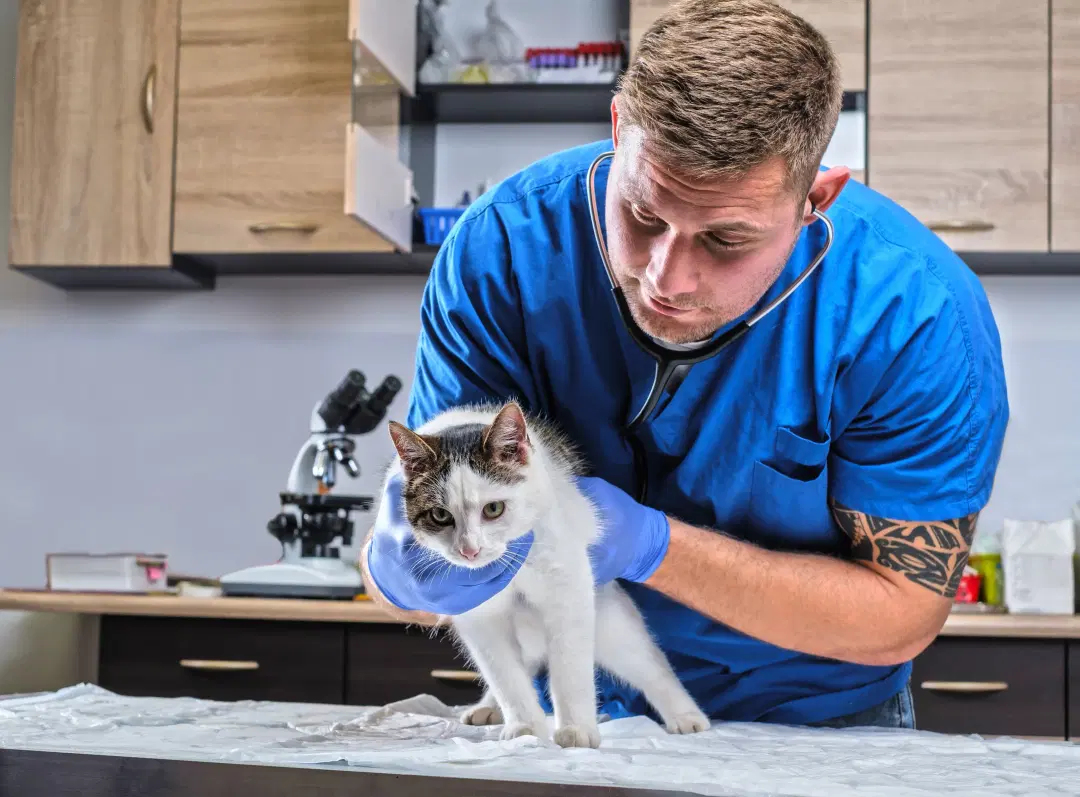
Diagnosis of bleeding disorders in pets focuses on identifying why clotting fails and not just stopping visible bleeding.
Proper veterinary diagnostic steps include:
Complete blood count (CBC) to check red cells and platelets volume
Coagulation profile (PT, aPTT) to assess clotting pathways
Specific clotting factor tests when genetic disorders are suspected
Tick disease screening in endemic areas
Early detection saves lives. From a monetary perspective, routine diagnostics are way cheaper than expensive emergency blood transfusions or intensive care.
Bleeding Disorders in Small Pets Treatment: What Are the Options?
Treatment of bleeding disorders depends entirely on the underlying cause, not on bleeding, as it is just a symptom.
Emergency Care and immediate stabilisation may include:
Blood or plasma transfusions
Intravenous fluids to maintain blood circulation
Vitamin K therapy in case of toxin exposure
Consistent monitoring for internal bleeding
It has to be noted that early transfusion dramatically improves survival rates in severe bleeding cases.
Long-Term Management
For chronic or genetic disorders:
Lifelong medications or supplements
Dietary adjustments with proper vet-approved homemade recipes to support clotting
Avoidance of high-risk procedures or rough play
Careful planning before surgeries or vaccinations
Many pets live long with these conditions. However, offering comfortable lives to your pets requires proper monitoring.
When Should You Contact a Vet Immediately?
Bleeding should never be treated at home without guidance.
Seek immediate veterinary care if:
Bleeding is unexplained or recurrent
Bleeding lasts more than a few minutes
Lethargy appears alongside bleeding
Your pet collapses or becomes weak
Sudden lethargy, weakness or collapse are the red flag signs showing your pet needs a vet immediately.
Trust your instincts. Veterinary emergency guidelines emphasise that early intervention prevents irreversible shock and organ damage.
How to Reduce the Risk of Bleeding Disorders in Small Pets?
While not all bleeding disorders are preventable, many risks can be reduced.
Key prevention strategies:
Regular veterinary checkups and blood screening
Strict tick prevention
Toxin-proof homes (especially rodenticides)
Avoiding human medications unless prescribed
Genetic screening, when possible, in small breeds
Prevention is always safer—and less traumatic—than emergency care.
Conclusion: Bleeding Is a Symptom—Not a Phase
Bleeding disorders in small pets are very serious but manageable if you recognise them early. Timing can be the difference between recovery and irreversible damage. If you notice unexplained bleeding, bruising, or sudden weakness in your small pet, don’t wait or guess.
With the Conbun pet care app, you can access online vet consultation, instantly guiding you on whether your pet needs urgent emergency care or immediate diagnostics. Conbun connects you with verified veterinarians, helping you act fast, reduce panic, and make informed decisions when your pet needs you the most.
Frequently Asked Questions:
1. Are bleeding disorders common in small pets?
Answer. Bleeding disorders are not highly common in small pets, but they are very dangerous for them due to rapid blood loss.
2. Can bleeding disorders in dogs and cats be cured?
Answer. Acquired bleeding disorders are fully treatable, while inherited conditions require lifelong monitoring and management.
3. What is the first sign of bleeding disorders in small pets?
Answer. Nosebleeds, unexplained bruising, excessive and prolonged bleeding from tiny cuts or blood in urine or faeces.
4. Is bleeding after vaccination normal in small pets?
Answer. Mild soreness may be common, but persistent bleeding is not and should not be ignored.
5. How fast should I act if I notice bleeding?
Answer. Bleeding disorders should be treated with urgency, especially in small pets, as they can turn life-threatening due to rapid blood loss.