
How to Choose the Best Dog Food for Your Dog's Age, Size & Health Needs (2026 Guide)

Written by: Anand Sen; Reviewed by: Dr. Ishwar Anand Senapati (B.V.Sc & A.H, M.V.Sc)
You’re standing at a pet store, or perhaps you're 32 tabs deep into the Chrome browser searching for dog food options online.
Every bag of dog food is shouting at you like a telemarketer. One brand claims to be “Grain-Free!”, another says it's “Vet-Approved!”, and one even promises to be “The Greatest Dog Food Created Since the Invention of the Leash!”
Meanwhile, back at home, your dog, who acts like Gordon Ramsay while eating premium protein-rich formulas, is happy swallowing a Hawai chappal he found behind the fridge.
Doggo parents know this struggle. How are you supposed to choose the best dog food without needing a PhD in Kibble biochemistry?
Here is the truth label’s wont tell you. There’s no universal "best food for dogs in summer in india" It’s like trying to find the perfect pair of jeans. What works for a chunky Indie won’t fit a sleek Great Dane or a sassy Pomeranian.
Choosing the best dog food is a custom equation that must be based on your dog’s age, breed, size and specific health needs. Veterinary nutrition research suggests that dogs at different life stages require very different nutrient balances.
In this 2026 guide, we’re going to discuss a simple 3-step framework that you can use to select the best dog food for your little four-legged companion.
Let's dive into finding the diet that will make your dog choose their bowl over your footwear.
Why One Dog Food Does NOT Fit All
If our pet dogs could choose their diet, most of them would happily live on chicken biryani and leftover parathas.
Unfortunately, canine biology has other ideas.
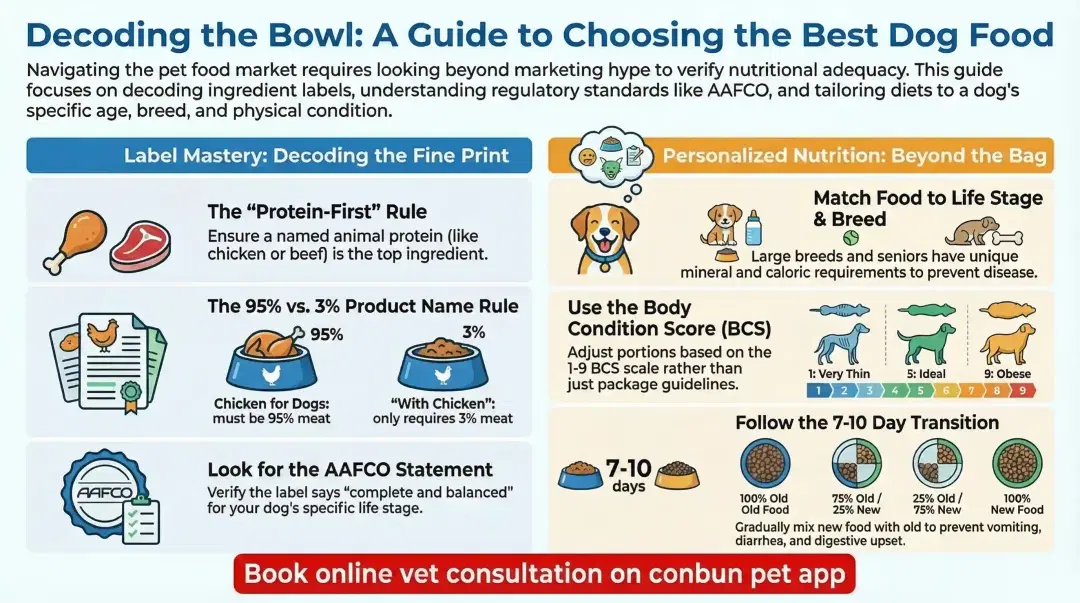
Veterinary nutrition guidelines from organisations like the AAFCO (Association of American Feed Control Officials) and the World Small Animal Veterinary Association (WSAVA) suggest that optimum dog diets are those which are tailored to a dog’s life stage and physiology.
Here’s why personalisation matters.
A growing puppy requires calcium, high protein, and calories for bone development.
An adult dog, on the other hand, requires balanced energy for muscle maintenance without gaining weight.
A senior dog’s diet should focus more on joint-support nutrients and less on calories.
And these are just age-related factors.
Breed size also changes nutritional needs dramatically.
For example, as large breed dogs like Tibetan Mastiff grow rapidly, they need regulated calcium and calorie intake to prevent skeletal disorders. On the other hand, small breeds burn energy rapidly, which makes a calorie-dense diet important.
Ignoring breed and age-specific needs among the most common mistakes in pet food choices that pet owners generally make.
Adding to these, there are health conditions like allergies, kidney disease, or obesity that you should take care of while planning your dog’s diet.
Thus, veterinarians usually evaluate dog food through three pillars:
Life stage (age)
Breed size
Health conditions
Let’s break these down step by step.
Step 1 - Choose Food Based on Your Dog's Life Stage
One of the most important factors in choosing dog food is life stage nutrition.
Dogs go through three major stages:
Puppy
Adult
Senior
Each of these stages has specific metabolic demands.
Puppy (0-12 Months)
Puppies are basically biological construction projects which are rapidly building bones, muscles, immune system, organs, and brain connections, all at the same time.
According to the Journal of Animal Physiology and Animal Nutrition, puppies require nearly twice the calories per kilogram compared to adult dogs.
Good puppy food should contain:
High-quality protein for muscle development
DHA (an omega-3 fatty acid) for brain development
Balanced calcium and phosphorus for bone growth
Large breed puppies need special attention.
A study published in the Canadian Veterinary Journal suggests that too many calories or excessive calcium can lead to developmental orthopedic diseases in dogs, including hip dysplasia and elbow dysplasia.
If you have a large breed puppy, feed them formulas that have carefully controlled calcium levels.
If you want a detailed feeding breakdown, refer to our puppy feeding chart to see how portion sizes change during growth.
Adult Dog (1-7 Years)
After reaching the age of one year, dogs enter what pet nutritionists call the maintenance stage. Now the focus shifts from growth to muscle maintenance, weight stability, and overall health.
During this stage, the biggest risk isn’t malnutrition; it’s overfeeding.
Studies show obesity affects up to 30–40% of pets globally, increasing the risk of diabetes, arthritis, and heart disease.
A good adult dog food should provide:
Balanced protein levels
Moderate calories
Omega-3 and omega-6 fatty acids for skin health
The right portion size matters as much as the food itself. Even if you are feeding them premium food becomes unhealthy if it is excessive.
Senior Dog (7+ Years)
Senior dogs are like the wise professors of the canine world. They have slow movements and tend to nap more. If they have suddenly started sharing snacks with you, this is a sign that your dog has reached their senior years.
Ageing brings metabolic changes.
Senior dogs typically need:
Fewer calories
Higher fibre
Joint-support nutrients like glucosamine and chondroitin
As dogs age, kidney health also becomes important. Senior dog diets need a reduced phosphorus content to support kidney function. Higher phosphorus content can impair kidney function in dogs.
Life Stage Nutrition Table
Life Stage | Age Range | Key Nutrients to Prioritise | What to Avoid |
Puppy | 0-12 months | High protein, DHA, calcium balance | Overfeeding & excess calcium |
Adult | 1-7 years | Balanced protein, healthy fats | High-calorie diets |
Senior | 7+ years | Fibre, joint supplements, antioxidants | Excess calories |
Life stage is the first critical filter when it comes to choosing dog food. Next comes breed size, a factor many owners overlook.
Step 2 - Match Food to Your Dog's Size & Breed
Not every dog is built the same. For example, a Chihuahua and a Great Dane are nutritionally operating on completely different engines.
Breed size affects:
Calorie needs
Digestion speed
Joint stress
Growth patterns
As per veterinary nutritionists, dogs are classified into three size groups.
Small & Toy Breeds (under 10 kg)
Small dogs have a fast metabolism, which means they can burn energy quickly. Therefore, they need frequent calorie-dense meals in smaller portions.
As they have tiny mouths, food for small-breed dogs usually comes in smaller kibble sizes.
Nutritional priorities include:
Higher calorie density
Easily digestible proteins
Dental-support kibble textures
Popular small breeds in India include:
Pomeranian
Shih Tzu
Pug
Dachshund
Medium Breeds (10-25 kg)
Medium-sized breeds stand at the nutritional middle ground. Dogs like Beagles, Indies, and Border Collies fall into this category.
Their diets should be balanced:
Moderate protein
Controlled calorie intake
Digestive support
These dogs have high activity levels, so their diets must be rich in antioxidants and omega-3 fatty acids to help muscle recovery.
Large & Giant Breeds (25 kg+)
Large or giant breeds face unique nutritional challenges. Their joints carry more body weight, which makes them vulnerable to arthritis and hip dysplasia.
Veterinary orthopaedic studies highlight the importance of controlled growth and joint-support through diet for these breeds.
Large breed diets typically include:
Controlled calcium levels
Lower calorie density to prevent rapid weight gain
Examples include:
Labrador Retriever
German Shepherd
Golden Retriever
Great Dane
Quick Breed Size Reference Chart
Breed Size | Example Breeds | Food Type Recommendation |
Small | Pug, Shih Tzu, Pomeranian | Small kibble, calorie-dense |
Medium | Beagle, Indie, Border Collie | Balanced protein diets |
Large | Labrador, German Shepherd | Joint-support formulas |
Understanding breed size helps narrow your choices significantly.
But there’s one more factor many veterinarians always consider.
Step 3 - Consider Your Dog's Health Conditions
Even if you choose dog food based on your dog’s age, breed and size, their health condition changes what diet would be appropriate.
As per an article published in the Veterinary Sciences, therapeutic diets can dramatically improve the quality of life for dogs suffering from medical conditions.
Here are some common scenarios.
Allergies & Food Sensitivities
Allergies and food sensitivities are amongst the most prevalent skin issues in dogs. These conditions often show up on the skin before the stomach.
Typical signs include:
Chronic itching
Ear infections
Red paws
Digestive upset
Contrary to popular belief, most food allergies are caused by proteins, not grains. Common triggers include animal protein sources like chicken, beef, and dairy.
Veterinary dermatology guidelines recommend limited-ingredient diets, also called elimination diets (such as duck or fish), for dogs with allergies. Offer home-made vet-approved recipes if your dog often faces allergies or food-related sensitivities.
Overweight / Obese Dogs
Canine obesity is one of the most common preventable pet health issues.
Studies more than 50% of dogs are overweight, and this makes it even more concerning.
Extra weight dramatically increases the risk of:
Diabetes
Arthritis
Heart disease
Shortened lifespan
Weight-management dog foods usually contain:
Lower calorie density
Higher fibre for satiety
Controlled fat levels
Along with these considerations, portion control is also equally important.
Remember that even healthy food can cause weight gain if you are feeding it excessively.
Sensitive Stomach & Digestive Issues
Some pet dogs have stomachs that act like overly dramatic food critics. One wrong ingredient and the next moment you find yourself cleaning up digestive disasters.
Dogs suffering from digestive sensitivities benefit from diets containing:
Highly digestible proteins
Prebiotics and probiotics
Moderate fat levels
Follow these considerations to help support your dog's gut health.
Veterinarians generally recommend offering an easily digestible diet based on chicken, rice, or hydrolysed protein formulas.
Kidney Disease
Kidney disease is a common problem, especially in older dogs.
When your dog’s kidneys struggle to filter waste properly, diet becomes an important management tool.
Veterinary renal diets typically include:
Reduced phosphorus
Controlled protein levels
Omega-3 fatty acids
These adjustments reduce kidney strain and slow disease progression.
Skin & Coat Issues
If your dog’s coat feels dull or flaky, nutrition might be the reason.
Skin health is heavily influenced by these three dietary components:
Omega-3 fatty acids
Zinc
High-quality protein
For dogs with skin conditions, fish-based diets can be particularly beneficial as they provide EPA and DHA fatty acids, which, according to veterinary dermatology literature, can reduce inflammation.
Important: Always consult a veterinarian before switching to a therapeutic diet designed for medical conditions. Take an online pet care consultation and connect to an online veterinarian through the Conbun app to get diet plans tailored to your dog’s age, breed, lifestyle and health conditions.
How to Read a Dog Food Label
Dog food labels can be like chemistry exams, especially for new pet owners. But learning to read them is a powerful tool a dog parent can have.
It is recommended to focus on nutrient balance, ingredients, and manufacturer transparency.
Here’s a quick guide.
Green Flags (Good Signs) | Red Flags (Avoid) |
Named protein source (chicken, lamb, fish) | “Meat by-product meal” without species |
AAFCO nutritional adequacy statement | No nutritional certification |
Clear ingredient list | Vague ingredient descriptions |
Transparent manufacturer info | Unknown or generic manufacturer |
Balanced fat & protein levels | Excessive fillers |
One more tip: ingredients are listed by weight before cooking.
This means that the first ingredient may not always represent the majority of nutrients after processing. The goal is not to find a perfect label; it’s to identify transparent and balanced nutrition sources for your pet dog.
Dry vs. Wet vs. Raw - Which Type Is Best?
Dog owners often debate this question passionately.
“Dry food is best!”
“No, wet food!”
“Raw food or nothing!”
The truth is more nuanced.
Here’s a comparison.
Food Type | Best For | Pros | Cons |
Dry (Kibble) | Most dogs | Convenient, cost-effective, dental benefits | Lower moisture |
Wet (Canned) | Picky eaters, hydration support | High palatability, more moisture | More expensive |
Raw Diet | Highly controlled feeding plans | Whole food ingredients | Infection risk, hard to balance |
Homemade | Dogs with allergies (vet-guided) | Full ingredient control | Hard to balance nutrients |
Homemade food for dogs deserves special mention.
While cooking for your dog sounds appealing, attaining a strong nutritional balance is often difficult without professional guidance.
Studies show homemade diets often lack essential nutrients unless formulated by certified veterinary nutritionists. So, connect to an online veterinarian to get personalised dog diet charts.
The Dog Food Decision Checklist
Before buying any dog food, ask yourself these simple questions.
Is this food designed for my dog’s life stage?
Does it match my dog’s breed size?
Does it support any specific health needs?
Does the brand follow recognised nutrition standards?
Are the ingredients clearly labelled?
If the answer is yes to all five, you’re likely choosing a high-quality option.
Tip: Screenshot this checklist before your next pet store visit.
It saves a lot of guesswork.
Conclusion
For choosing the best dog food, you don't need a PhD in veterinary nutrition.
Just remember that your dog’s diet must be based on these three factors: age, size and health condition.
A puppy needs different nutrition than a senior dog. A Chihuahua needs different calories than a Labrador. And dogs with allergies or kidney disease require specialised diets.
There’s no universal “perfect dog food.” There’s only the right food for your dog.
If you’re still unsure what diet would suit your dog best, book an online vet consultation on Conbun android and iOS to get personalized nutrition advice from professionals.
Your dog will happily eat anything you give them. But with the right food choice, you’re giving them something far more valuable: a longer and healthier life.
FAQs (People Also Asked)
1. What is the best dog food for a puppy?
Answer. Puppy food is considered best if it has high-quality protein, balanced calcium levels for bone development and DHA for brain development. Large breed puppies require diets formulated to prevent joint problems and skeletal disorders.
2. How do I know if my dog food is good quality?
Answer. Search for named protein sources, a nutritional adequacy statement from organisations like AAFCO or other equivalent organisations. Always avoid food with vague ingredients like “animal by-products”
3. Is grain-free dog food better?
Answer. Not necessarily. Veterinary studies have linked some grain-free diets with heart disease. Unless your dog has a confirmed grain allergy, grain-inclusive diets are generally safe
4. How often should I change my dog's food?
Answer. Never change your dog’s diet suddenly. Transition gradually over 7–10 days, when switching diets to prevent digestive upset.
5. Can I feed my dog homemade food every day?
Answer. Yes. But make sure that the diet is nutritionally balanced and approved by a veterinary nutritionist. Homemade diets generally lack essential nutrients if they are not properly formulated.
6. What dog food brands are best in India?
Answer. Popular dog food brands in India recommended by veterinarians include:
Royal Canin
Farmina N&D
Orijen
Acana
Hill’s Science Diet
Table of Content
- Why One Dog Food Does NOT Fit All
- Step 1 - Choose Food Based on Your Dog's Life Stage
- Step 2 - Match Food to Your Dog's Size & Breed
- Step 3 - Consider Your Dog's Health Conditions
- How to Read a Dog Food Label
- Dry vs. Wet vs. Raw - Which Type Is Best?
- The Dog Food Decision Checklist
- Conclusion
- FAQs (People Also Asked)

Anand Sen
Get Conbun in your Google results
Add Conbun as a preferred source and Google will show our vet-written guides more often in your Search results and AI answers.