Written by: Anand Sen; Reviewed by: Dr. Devyani Mate (B.V.Sc & A.H, M.V.Sc)
Dogs come in all shapes and sizes. Some are hefty and strong, while others are small and cuddly. But you know what? No dog breed is inherently aggressive. Some breeds are superstrong and extra powerful, which makes them harder to handle if we don’t train them or care for them properly.
Aggression is rarely a simple breed problem. According to research published in Applied Animal Behaviour Science, it is essentially a combination of developmental and environmental factors, training, genetics, and human decisions.
This guide explains why certain breeds are blamed and how owners can manage and prevent dog aggression.
What Does “Aggressive Dog Breed” Really Mean?
How experts define dog aggression
According to animal behaviourists and veterinarians, aggression is a threatening or harmful behaviour directed toward an animal or person that includes snarling, lunging, snapping, growling, or biting.
According to the American Veterinary Medical Association (AVMA), aggression is a standard canine communication tool that becomes problematic if not reinforced or managed correctly.
Different types of aggression
Dog aggression is of various types, and understanding the type can help explain why the most aggressive dog breeds vary by situation:
Fear aggression - triggered when a dog feels trapped or threatened.
Territorial aggression - triggered when a dog protects home or property.
Resource guarding - aggression for food, toys, or humans.
Pain-related aggression - Arthritis, dental disease, or untreated injuries often trigger biting.
Predatory aggression - rooted in instinct, not malice.
It should be noted that most reported cases of dog aggression are fear- or pain-based rather than true dominance aggression.
Related Readings: 7 Puppy Training Mistakes Pet Owners Make Without Realizing It
Breed reputation vs real-world behaviour.
Headlines often shape breed labels for aggression, but they lack scientific support. Many dog breeds classified as “dangerous” due to their size actually demonstrate stable behaviour with proper training and socialisation.
Smaller breeds, which are rarely mentioned in lists, rank higher in biting and snapping frequency in controlled studies.
On the contrary, a recent report from the University of Middlesex concludes that human behavior is a key factor in the likelihood of dog bites.
Top 7 Aggressive Dog Breeds: What Pet Parents Must Understand
1. Pit Bull
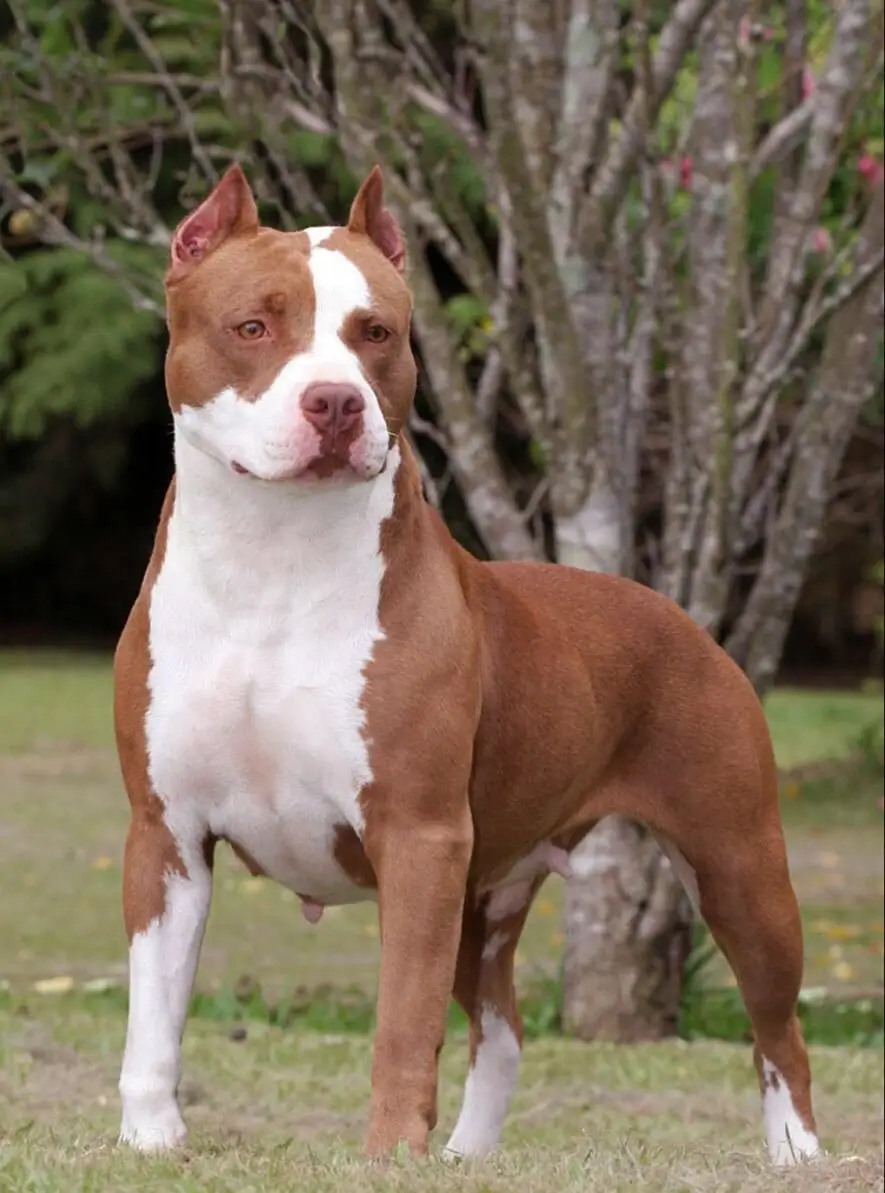
Source: Pinterest
Pit bull-type dogs often appear in aggression statistics as they are physically strong and have a high pain tolerance. In addition, they are bred for protection and guarding work. Research shows that injuries from their bites are attributable to jaw strength and tenacity, rather than aggression alone.
2. Rottweilers
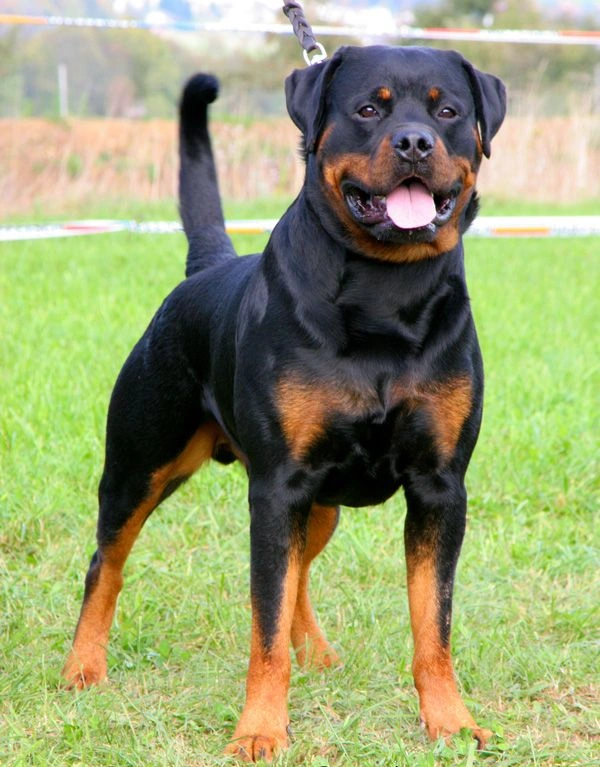
Source: Pinterest
Rottweilers exhibit high levels of protective or territorial aggression when not properly exercised or trained. They have strong guarding instincts are they were initially bred for livestock protection. Without proper obedience training and clear boundaries, their behaviour can be problematic.
Related Readings: Dog Has Diarrhea but Acting Normal - What Should You Do?
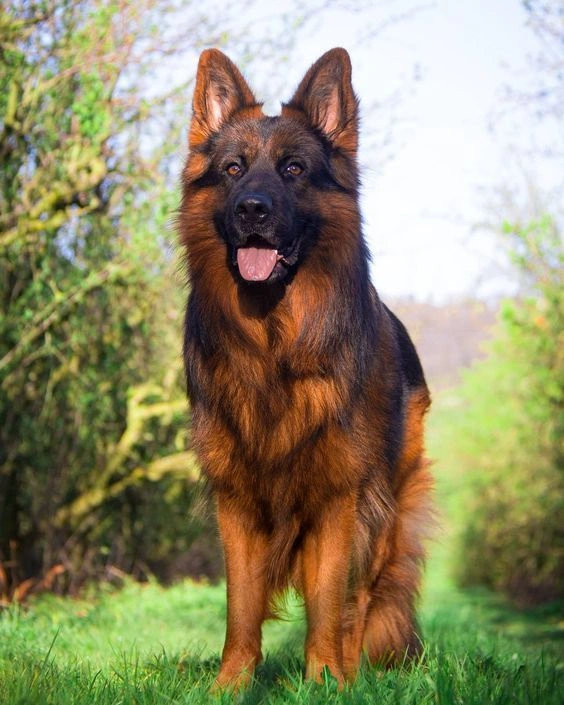
3. German Shepherds
Source: Pinterest
This is a highly intelligent breed with strong defensive and protective drives. Aggression in this breed is typically a result of fear, improper handling and a lack of structured training. German Shepherds develop reactivity quickly due to their alertness and sensitivity to environmental stimuli.
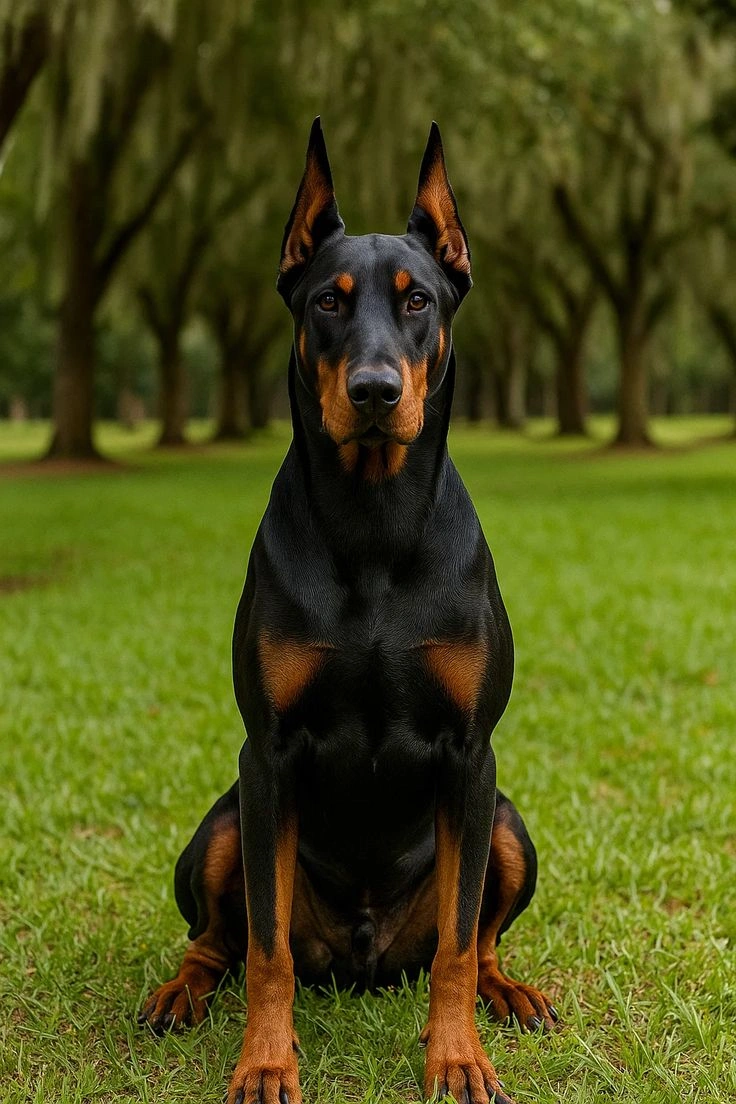
4. Dobermans
Source: Pinterest
Dobermans are among the most loved guard dogs, which makes them naturally vigilant and suspicious of strangers. Their aggression is linked to inadequate training, harsh punishments and anxiety. When properly socialized, they are stable; however, mishandling triggers unpredictable reactivity.
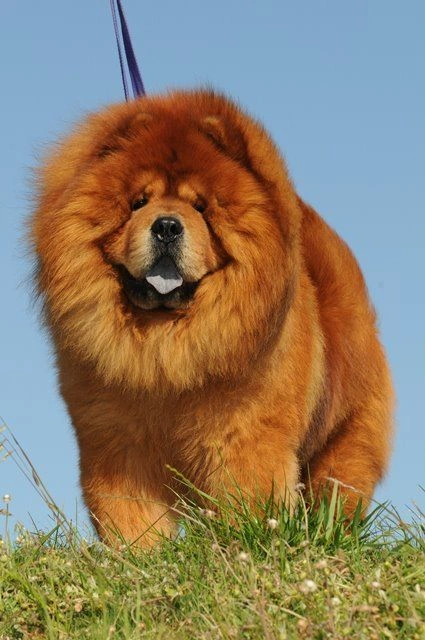
5. Chow Chows
Source: Pinterest
Chow Chows are known for their intense territorial aggression and tolerance for unfamiliar handling. Their independent temperament implies that they don’t naturally require human guidance, which makes training more difficult. Aggression cases are observed if warning signs like stiff posture, etc, are missed by owners.
Related Readings: Winter Dog Grooming Guide
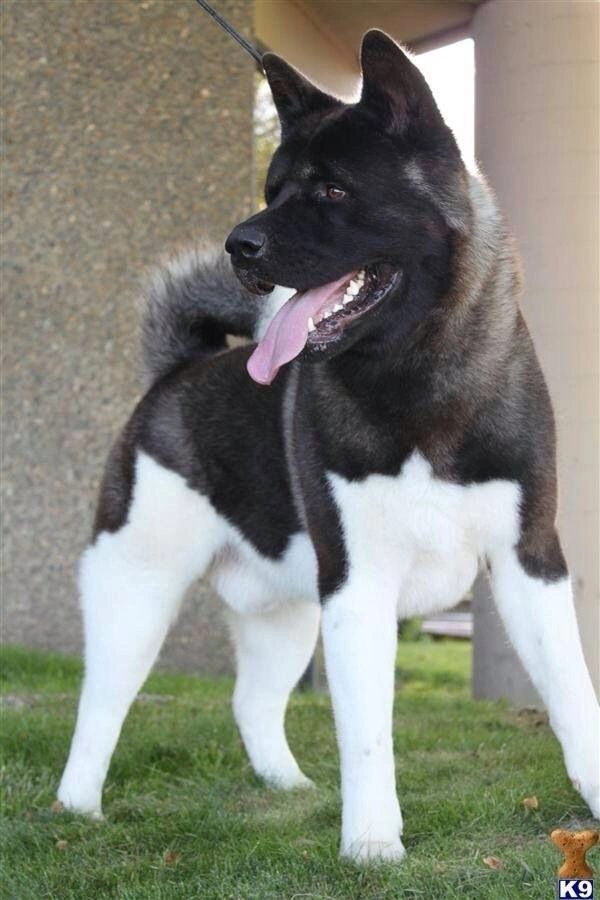
6. Akitas
Source: Pinterest
Akitas were primarily bred for guarding and hunting, which has offered them a strong prey drive. They are naturally dominant and have an assertive temperament. They are less tolerant of rude interactions with strangers and other dogs, which may lead them to react aggressively to defend their personal space and resources.
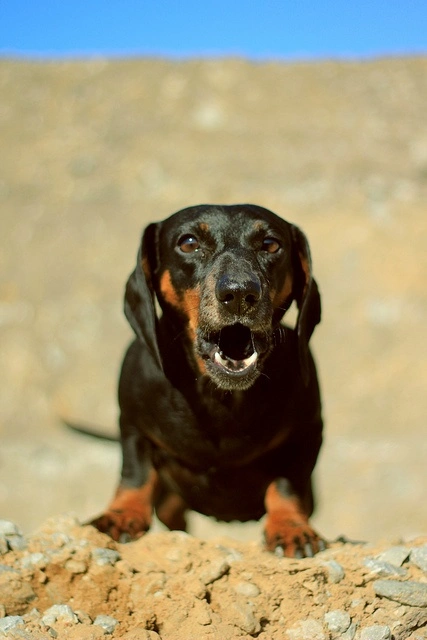
7. Dachshunds
Source: Pinterest
Behavioral studies have found that Dachshunds are most likely to display owner-directed aggression, often due to resource guarding, fear and overprotection. Their small size often leads people to overlook or even reward warning behaviour, thereby contributing to its development and escalation.
The breeds listed above are considered the most aggressive. However, these rankings don’t always reflect actual behaviour risk.
For example, C-BARQ data showed that small breeds such as Chihuahuas and Dachshunds scored higher on aggression toward humans, whereas larger breeds scored higher only on territorial reactions.
Golden Retrievers, Bernese Mountain Dogs, Labrador Retrievers, Brittany Spaniels, and Greyhounds were found to be the least aggressive.
Related Readings: Top 12 Interactive & Eco-Friendly Pet Toys of 2025
How bite statistics and media shape the lists?
The CDC discontinued breed-specific bite data collection in 1998, as breed identification is unreliable. It has been stated that the primary factors in dog bites are not breed-specific but owner- and dog-behaviour specific.
Media coverage on most aggressive dog breeds heavily focuses on large-breed attacks, leading to a skewed public perception.
Popularity, size, and reporting bias
Large dogs cause more damage due to their strength, but not necessarily their aggression level. Popular breeds also appear more often in incident reports simply because there are more of them.
This is why the most aggressive dog breeds are reported by size and media visibility, not by actual behavioural probability.
Why Owners Say “It’s Not the Dog’s Fault.”?
Early socialisation and how puppies are raised
The UC Davis School of Veterinary Medicine emphasises that early socialisation, around 3–14 weeks, is the most significant predictor of stable adult dog behaviour.
Poor social behaviour, not genetics, is the reason behind dog aggression. Puppies raised in loud homes, chaotic conditions, or isolation are most likely to develop fear-driven aggression.
Owner handling, training methods, and boundaries
Harsh punishments, inconsistent training, and a lack of structure in training create confusion. Pets rely on predictable routines.
Studies published in veterinary literature have consistently shown that positive reinforcement is far more effective than punishment-based methods for reducing aggression.
Therefore, you should not ask
Why are some dogs aggressive, but ask
“Was this dog trained properly?”
Health issues, pain, and fear-based reactions
Dental infections, GI discomfort, Arthritis, and neurological issues are some prominent health-related issues that can cause aggression. Owners notice behavioural aggression before physical symptoms.
Using an online vet consultation app or pet care consultation app, like Conbun, can help rule out medical triggers before behavioural training begins.
Related Readings: Best Homemade Foods for Dogs
Nature vs Nurture: Breed Traits vs Owner Responsibility
Inherited traits and breed predispositions
Dog breeds differ in energy, guarding instincts, prey drive, and even confidence, so genetics alone do not define the most aggressive dog breeds.
Studies show that only 5-9% of trait variance in dogs is due to maternal heritability. The rest depends on training, environmental factors, and early experiences.
Human roles: breeding, environment, and daily routines
Due to the increasing commercialisation of dog breeds in India, concern about irresponsible breeding is constantly rising. Dogs are now being bred for appearance rather than temperament, which can make them unpredictable. Therefore, characterising the most aggressive dog breeds is often very complex.
Environmental impacts include:
Chaotic homes
Lack of stimulation
Inconsistent rules
Rough play with children
Absence of boundaries
Most aggression cases stem from unmet needs—not from bad dogs.
Shared responsibility between owners and the community
Neighbours, breeders, landlords, trainers, and vets all shape outcomes. Breed labels alone cannot predict or define behaviour, but responsible ownership almost always prevents escalation.
Related Readings: 15 Common Pet Health Issues Every pet Owner Should Know
Staying Safe Around Reactive or “High-Risk” Dogs
Dogs rarely bite without warning. Signals include:
Hard staring
Lip licking
Tense body posture
Tail held high and stiff
Growling or backing away
Recognizing and understanding these early signs prevents accidents.
Management tools: leashes, muzzles, gates, routines
Proper management, not fear, is the key to handling dogs labelled as the most aggressive breeds.
Basket muzzles (comfortable & safe)
Secure harnesses
Structured walks
Baby gates and predictable schedules
Proper management protects both the dog and the public.
When to call a trainer, behaviourist, or vet
Sudden changes in behaviour, repeated snaps, and fear-heavy aggression all require professional help immediately.
A vet should evaluate pain-related aggression before training. You can also use online vet consultation apps to connect with qualified pet care app in india and get advice on managing dog aggression.
Laws, Insurance, and Ethics Around “Aggressive Breeds.”
Breed-specific legislation and local restrictions
Some Indian cities, such as Ghaziabad & Noida, Kanpur, Panchkula, Chandigarh, and Goa, have banned Rottweilers, Dobermans, and Pit Bulls due to rising cases of dog attacks.
However, global veterinary organisations such as the AVMA and WSAVA believe that breed-specific legislation may not reduce bite incidents. Desired dog behaviour depends on management, training, and environment, not breed labels.
How landlords and insurers treat certain breeds
Insurance policies often list high-risk breeds, which can increase premiums or restrict rentals. This does not reflect veterinary behavioural science but economic risk modelling.
Owners must understand these implications before adopting dogs commonly mislabeled for their aggressive dog behaviour.
Adopting, disclosing, and rehoming dogs with a bite history
Accurate disclosure is required ethically. A dog's history of bites does not automatically make it dangerous. Fear-based bites resolve with proper intervention.
Related Readings: Is Online Pet Care Consultation Right for Your Pet?
Conclusion - It’s Time to Replace Fear with Understanding
To summarise, aggression is a behaviour, not a breed-specific characteristic. Even the dogs most often labelled as the most aggressive breeds can become stable, safe, and loving companions when properly trained in the right environment.
Your dog’s behaviour reflects health, experiences, teaching, and daily structure, and not just genetics.
If your dog is showing early signs of fear, reactivity, or unpredictable behaviour, don’t just wait and watch it escalating.
Use the Conbun Android and iOS app to access immediate online vet consultations, behaviour advice, and personalised guidance from expert veterinarians across the country.
Early intervention is the key to preventing aggression, protecting your family and household, and giving your dog the structure and support that it needs to thrive.
Frequently Asked Questions
1. Are some dog breeds naturally more aggressive than others?
Answer. Some dog breeds were historically bred for hunting and guarding purposes. However, aggression requires multiple triggers. Genetic factors alone cannot cause attacks.
2. Is it the owner’s fault if a dog bites someone?
Answer. Often yes. Lack of proper socialisation, failure to establish boundaries, or failure to heed warning signs contribute more to dog aggression than breed identity.
3. Can training really fix an aggressive dog?
Answer. Yes. Most cases can improve significantly with structured training routines, behaviour modification, and medical evaluation.
4. Which dog breeds are banned or restricted in some areas?
Answer. Rottweilers, Pit Bull-type breeds, Japanese Tosas, and Wolf hybrids are commonly restricted. However, these rules are controversial as most global veterinary organisations do not support them.
5. How do I know if my dog’s aggression is fear-based?
Answer. Crouching, trembling, backing away, and growling when cornered indicate fear-driven behaviour.
6. Are aggressive dog breeds safe to have around children?
Answer. Well-trained, temperament-tested dogs of any breed can be safe.
7. Does neutering or spaying reduce dog aggression?
Answer. Neutering or spaying reduces only hormone-driven behaviours and does not cure fear, territorial, or pain-related aggression.
8. What should I do if my rescue dog shows aggression?
Answer. Seek online veterinary consultation to rule out any medical causes. You can get tailored suggestions on structured behavioural training from certified pet behaviourists on apps like Conbun.
9. Are aggressive dog breeds dangerous?
Answer. Dog aggression is a combination of various developmental, environmental and genetic factors. However, if a dog is aggressive, it is most likely to be dangerous.