.webp)
How to Groom a Cat at Home: Shedding, Bathing, Nail Trimming & Schedule Guide
Cats are pros at self-grooming and also show attitude when they are touched. If you’ve ever watched your cat spend half the afternoon licking and cleaning themselves, you might wonder: do they really need your help at all?
However, here’s what most cat parents don’t realise. Even the most scrupulous felines need our help. I learned this truth the hard way when my Persian mittens developed mats so stubborn that I ended up taking them to the vet, which was not fun (and definitely not easy on my pockets).
The following guide will help you realise this harsh truth, the easy way. If you’re wondering whether your short-haired tabby really needs grooming (spoiler: yes), you’re in the right place.
Let’s dive straight into making you a cat grooming specialist.
When Should You Start Grooming Your Cat?
Kittenhood, ideally around 8-12 weeks, is the best time to introduce cat grooming. Think of it as setting up a routine that’ll save you from wrestling matches later with your cat. Kittens are naturally curious, and if you make grooming a positive experience for them, with treats, gentle touches, and calm vibes, they will associate it with good things.
But what if you've adopted an adult cat? No need to panic. It just takes more patience, but it’s completely doable. You have to start slow, maybe just a few brush strokes at a time and gradually advance. Consistency should be your best friend here.
Related Readings: The Ultimate Cat Training Guide 2026
How Often Should You Groom a Cat? (By Coat Type)
This depends entirely on your cat's coat type and lifestyle.
Here's a quick breakdown:
Coat TypeBrushing FrequencyWhyShort-haired cats1-2 times per weekRemoves loose fur, prevents hairballsLong-haired catsDailyPrevents matting, reduces sheddingSenior cats2-3 times per weekThey groom less as they ageKittens2-3 times per weekBuilds grooming habits early
Thanks to central heating, indoor cats generally shed year-round, so brushing regularly is not just about aesthetics; it’s also about your cat’s health.
Do Short-Haired Cats Really Need Grooming?
Absolutely, yes.
I know that you're thinking: "But my cat grooms herself all day long!"
True. But she can’t reach everywhere. In addition, this constant self-grooming leads to hairballs. Lots of them.
Frequent brushing with a high-quality tool like the Hartz Groomer's Best Combo Brush allows you to remove loose fur before your cat swallows it. Short-haired breeds also benefit from weekly grooming sessions, as it helps to distribute natural oils, keeping their skin and coat shiny. It also helps you to check for bumps, lumps and skin issues before they escalate.
Cat Grooming Tools For Grooming at Home
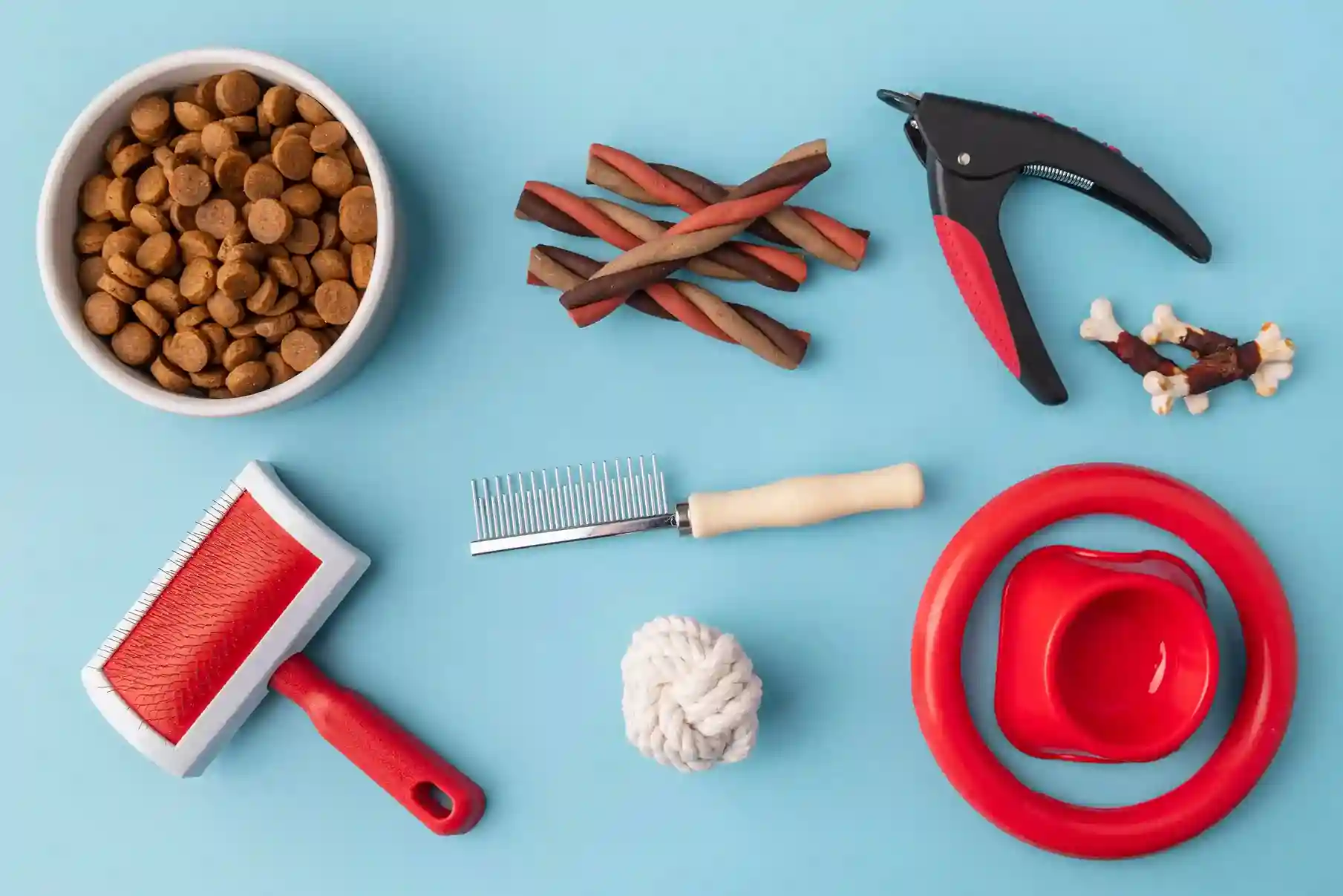
You don’t need a professional grooming salon setup; just focus on the right basics. Here’s what that’ll actually work:
The non-negotiables:
Slicker Brush: Ideal for detangling and removing mats. The Safari Self-Cleaning Slicker is cat grooming brush that could be a brilliant choice as it has a self-clean button that saves you from picking fur off the device manually.
De-shedding Tool: If your cat works full-time at a shedding company, the Andis Deshedding Tool is worth every penny. It helps reduce fur around your home by up to 90%.
Rubber Grooming Brush: Cats hate traditional brushes. The KONG ZoomGroom doubles as a massager so that your cat becomes your permanent massage client.
Nail Clippers: Trimming nails regularly prevents overgrowth and off-course damage to your furniture. However, start slow with this one.
Comb: A fine-toothed comb is also non-negotiable as it helps catch fleas and removes debris.
If you are a beginner, go for the Frisco Beginner Grooming Kit. It is an all-in-one starter kit that won’t both your cat and your wallet
Can Brushing My Cat Actually Prevent Hairballs?
Short answer: Yes, and you'll both be happier for it.
When cats groom themselves, their tongue’s tiny barbs called papillae act like a biological comb (due to their sandpaper-like structure). However, it also hooks loose fur. While some hair may pass through the digestive tract, a significant portion can slowly accumulate in the stomach.
According to veterinary studies, these indigestible masses (medically known as trichobezoars) can result in gastric irritation or, in rare cases, even intestinal blockages.
Brushing regularly can remove loose fur before your cat ingests it. This can significantly reduce the frequency of those 3 AM surprises on your favourite rug.
Pro tips:
Always brush in the same direction as fur growth using gentle, long strokes.
Keep an eye on body language;
If your cat starts twitching their skin or swishing their tail, it’s a sign of overstimulation. This means you should take a break.
Forcing the session will only make future grooming feel like a battle of wills.
Related Readings: The Ultimate Guide to Thyroid Disease in Dogs & Cats (2026): Symptoms, Diagnosis, Treatment, Diet & Long-Term Care
How to Groom Long-Haired Cats vs. Short-Haired Cats
Long-Haired Beauties (Persians, Maine Coons, Ragdolls):
Long-haired beauties like Maine Coons, Ragdools or Persians are gorgeous creatures that are basically walking carpets. They require your daily attention to stay healthy.
Without regular intervention, long fur can quickly develop into mats, clumps of hair that pull on the skin and cause discomfort to your cat, and even severe cases can lead to infections.
Focus heavily on high-friction areas that are prone to matting, like behind the ears, under the arms, and around the hindquarters. A soft Bristle Brush works wonders for maintaining a natural shine by distributing skin oils while preventing tangles.
The Strategy: Always use a wide-toothed comb initially to work through knots gently. Follow up with a slicker brush to catch the fine undercoat.
Remember: Never pull harshly. If you encounter a stubborn mat, hold the fur at the base (to protect the skin) and work it out slowly from the tip inward.
Short-Haired Charmers (Domestic Shorthairs, Siamese, Bengals):
Don't let the shorter coat fool you; these cats still shed, and they can still suffer from hairballs. However, their maintenance is much lower; once or twice a week is usually plenty to keep the coat in top shape.
If you have a short-haired breed, don’t take a sigh of relief. These cats still shed and may suffer from hairballs. However, their maintenance is lower. Grooming them once or twice a week is generally enough.
For a more tactile experience, use a rubber brush like the. These are excellent for grabbing loose surface fur while giving your cat a deep-tissue massage that stimulates blood flow.
How to Groom a Cat at Home (Step-by-Step Beginner Guide)
Ready to try DIY cat grooming? To keep your feline friend looking and feeling their best, follow this foolproof routine:
For DIY cat grooming, follow this foolproof routine:
Choose the Right Timing: Veterinary behaviourists suggest picking a moment when your cat is naturally relaxed, which is usually after a meal or a vigorous play session. Never force them into grooming if they’re stressed or agitated; it can build a negative association that’s hard to break.
Start with brushing: Use gentle strokes and maintain a soothing dialogue with your cat. Begin at the head and work your way down the body.
Check Ears and Eyes: Inspect for discharge, redness or excessive wax. These can be early indicators of cat ear mites treatment or infections. If it feels necessary, clean the area gently with a damp cotton pad.
Trim Nails: This is sometimes the trickiest part. Press the paw gently to extend the claws. Trim only the translucent tip. If your cat is resistant, it is okay to book an appointment with a professional cat groomer, as it would be better than injuries.
Dental Check: Lift the lips to inspect the teeth and gums. While daily brushing is the gold standard recommended by the Veterinary Oral Health Council, even a quick visual check for tartar or inflammation can help you detect periodontal disease.
Reward Time: Always end the session on a positive note. Offer high-value treats or indulge in a favourite game to ensure that your cat associates grooming with positive rewards.
Related Readings: My Cat Is Vomiting Repeatedly: Causes, Home Care & When to See a Vet
Cat Bathing Tips: When and How to Bathe a Cat Safely
As stated earlier, most cats are self-cleaning champions. They rarely require a full dunk. However, there can be specific scenarios where a bath is medically necessary.
When to bathe your cat:
They came in contact with something sticky, greasy, or potentially toxic.
They are suffering from dermatological conditions.
They are a hairless breed, like the Sphynx, which accumulates skin oils frequently.
They are elderly or arthritic and can no longer reach certain spots to groom.
If bathing is unavoidable, use a cat-specific formula. A cat cleaning spray can be a fantastic no-rinse option for water-phobic felines. Use a mild shampoo if your cat is a drama queen.
Bath tips:
Use lukewarm water (cats are sensitive to temperature extremes).
Place a rubber mat in the sink for a secure footing; slipping causes panic.
Keep sessions short, 5 to 10 minutes max.
Have warm towels ready immediately.
Never spray water directly onto their face or into their ears.
Honestly? Most cats would rather face a vacuum cleaner than a tub; full baths must be reserved only for absolute necessities.
How to Groom a Cat with Matted Fur
Matted fur is more than just a cosmetic issue. It causes discomfort and can even lead to hematomas or skin infections.
If the mats are minor:
Sprinkling a tiny amount of cornstarch on the mat can make the fibres slide apart.
Try gently working the clump with your fingers initially.
Use tools like a Slicker Brush or a specialised mat splitter to make it easy
Always start from the outside of the mat coming inward towards the skin.
For severe matting:
Never attempt to cut the mats out with a scissor. Your cat has incredibly thin skin which moves easily; It is tragically easy to cause a deep laceration.
If your cat has a pelted coat, book a professional cat groomer. They have the required experience and also the safety equipment to handle severe cases. Professional grooming services typically range from ₹800 to ₹2,500, depending on your geographic location and the coat's condition.
What Are Signs My Cat Needs Professional Grooming?
Sometimes DIY may not work. Watch out for these red flags:
Severe matting
Overgrown nails curling into paw pads
Aggressive behaviour
Skin issues like rashes or bald patches
Excessive shedding despite regular brushing
Professional groomers know gentle grooming techniques and the techniques to deal with an aggressive cat. These are crucial for nervous cats.
While cats are famous for being self-cleaning machines, their "tongue-and-paw" routine isn't always enough to prevent painful matting or hidden skin infections.
To keep your feline royalty looking their best without the scratches and stress, following cat grooming expert advice from certified vets ensures you’re using the right brushes and techniques for their sensitive skin.
Related Readings: Normal Cat Temperature Range – And Red Flags You Must Check Immediately
How Much Does Cat Grooming Cost in India?
Let's talk money. The prices of professional cat grooming services depend on services and location:
ServiceAverage Cost (₹)Basic grooming (brush, nails)500-1,000Full grooming (bath, brush, nails)1,200-2,500De-matting service800-1,800Mobile cat grooming1,500-3,000
If you are keen to save up on cat grooming, you can get cat grooming guidance via online pet care consultation on the Conbun app.
Online pet care consultations help owners connect with specialists for personalised advice on, but not limited to, brushing techniques, nail trimming, and overall skin/coat management to ensure your cat’s health and well-being.
What is the Order of a Professional Cat Grooming session?
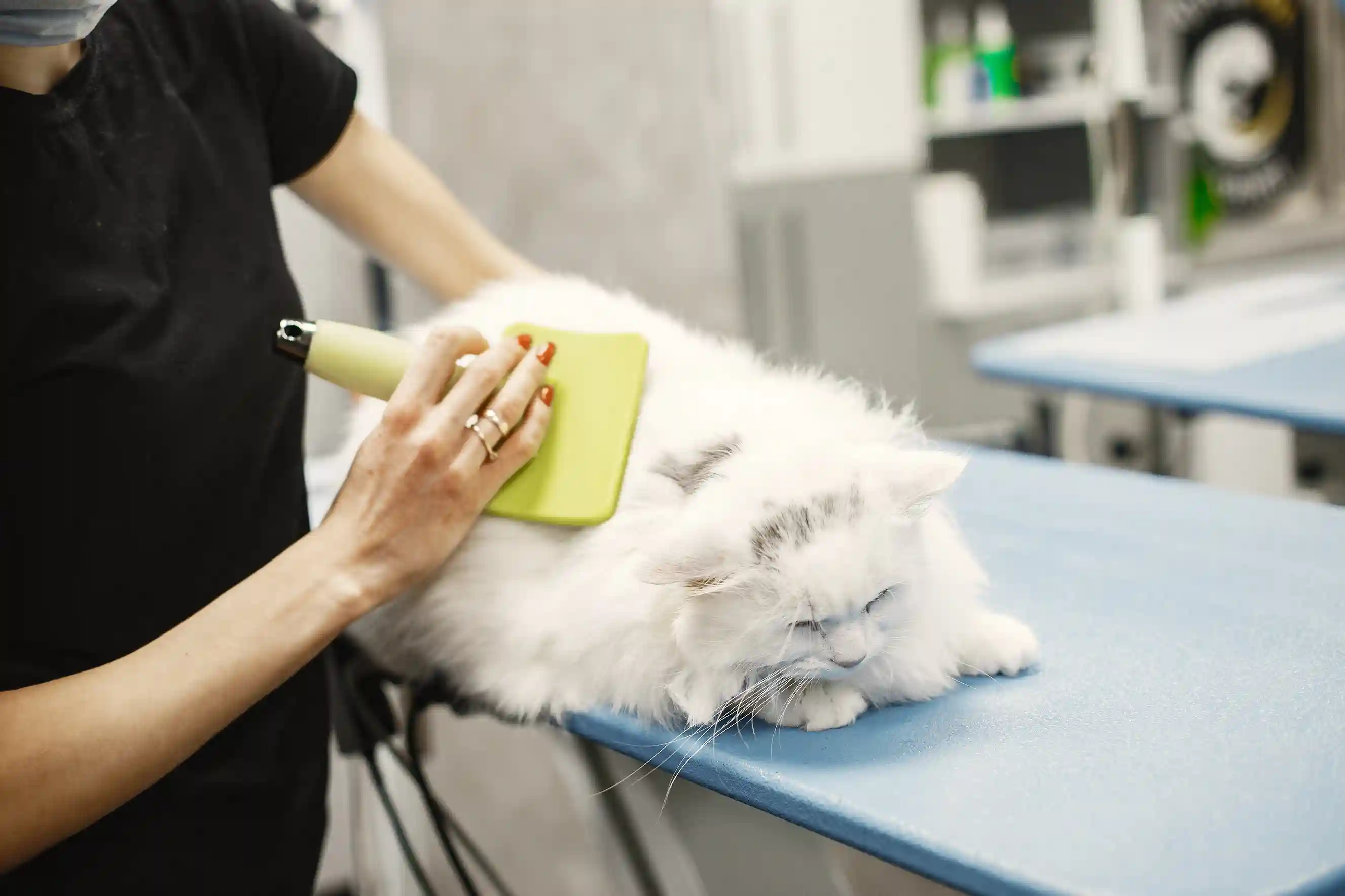
If you’re curious about what happens during a professional cat grooming session, here’s the general sequence.
Initial assessment to check coat’s condition, skin and nail health
Pre-bath brushing to remove loose fur and matted fur
Bath (if necessary) with a cat-specific shampoo
Usually air-dry or gentle towel dry (most cats hate blow dryers)
Post-bath brushing for final detangling and smoothing
Nail trimming
Ear cleaning for gentle removal of accumulated debris
Sanitary trim for long-haired cats, trimming around private areas
The grooming session may take 45 minutes to 2 hours, depending on your cat’s coat condition and temperament.
Is It Worth Taking a Cat to a Groomer?
If your cat has an easy-going personality, a consistent home routine is usually enough. However, getting cat grooming expert advice and services become a valuable investment in your cat’s health under the following conditions:
Your cat is a long-haired breed
Your cat shows aggression during grooming
It is physically difficult to groom them properly
There's severe matting or skin issues like bald patches or infections
Think of professional groomers as occasional partners in your cat’s care, not replacements for regular home maintenance.
Related Readings: How to Properly Introduce Cats Without Fighting: Complete Beginner's Guide
How to Make Grooming Stress-Free for Cats
This is the golden question, isn't it? The key is to work with feline psychology rather than against it.
Create the right environment:
Choose a quiet room away from other pets or loud household noises
Use a non-slip surface like a rubber mat or a heavy towel
Keep sessions short (10-15 minutes max) to prevent overstimulation or arousal escalation
Keep high value treats within arm’s reach so that calm behaviour can be rewarded.
Read your cat's body language:
Tail swishing or "thumping": This is a clear sign they are getting annoyed.
Ears pinned back: Your cat is feeling stressed or threatened.
Purring and kneading: You’re doing great; they are relaxed and comfortable.
The "Burrito Method": The burrito method is particularly for squirmy felines. Gently wrap them in a towel, leaving only the specific area you’re working on exposed. This is similar to swaddling. It lowers a cat’s cortisol levels during high-stress tasks like ear cleaning.
Consider calming aids: Catnip can be used as a tool to encourage grooming. It is a calming agent which can potentially reduce stress during grooming sessions.
If you’re wondering what is catnip for cats, it is a perennial herb from the mint family that has nepetalactone that takes cats to a harmless state of euphoria.
Building a Kitten Grooming Schedule
Starting young is the best way to ensure a lifetime of easy grooming. Use this veterinary-approved timeline:
8-12 weeks (Introduction Phase): Handle their paws daily and initiate 2-3 minute "micro-sessions" with a soft brush. Focus on gentle touches around the face and ears.
3-6 months (Building Habits): Increase brushing to 2-3 times weekly. Introduce the sight and sound of nail clippers without necessarily cutting yet. You can just touch the clippers to the claw.
6+ months (Full Routine): Transition into a permanent schedule of regular brushing, monthly nail trims, and bi-weekly dental checks.
Related Readings: Is Online Pet Care Consultation Right for Your Pet?
Senior Cat Grooming Care
If your cat has aged, it deserves special consideration. As cats age, they often develop osteoarthritis, making it painful for them to reach their back or hindquarters and thereby making self-grooming less efficient. Furthermore, senior skin loses elasticity and becomes thinner.
Adjust your approach:
Be extra gentle, as their skin is thin, and it tears more easily
Increase grooming frequency in your schedule
Use softer brushes
Inspect for lumps during grooming sessions
Take extra care for mats, which can lead to pain and infections
Consider professional grooming if they're in pain
Cat Fur Shedding Solution: How to Reduce Excess Hair at Home
A Cat shedding fur is a natural biological process where a cat discards old or damaged hair to make room for a new coat. While there’s no way to stop it entirely, there are things you can do to manage the tumbleweeds drifting across your floor.
According to veterinary dermatology,shedding is influenced by photoperiod (daylight) and temperature, but in indoor cats, it often becomes a year-round event.
Regular Brushing Frequency
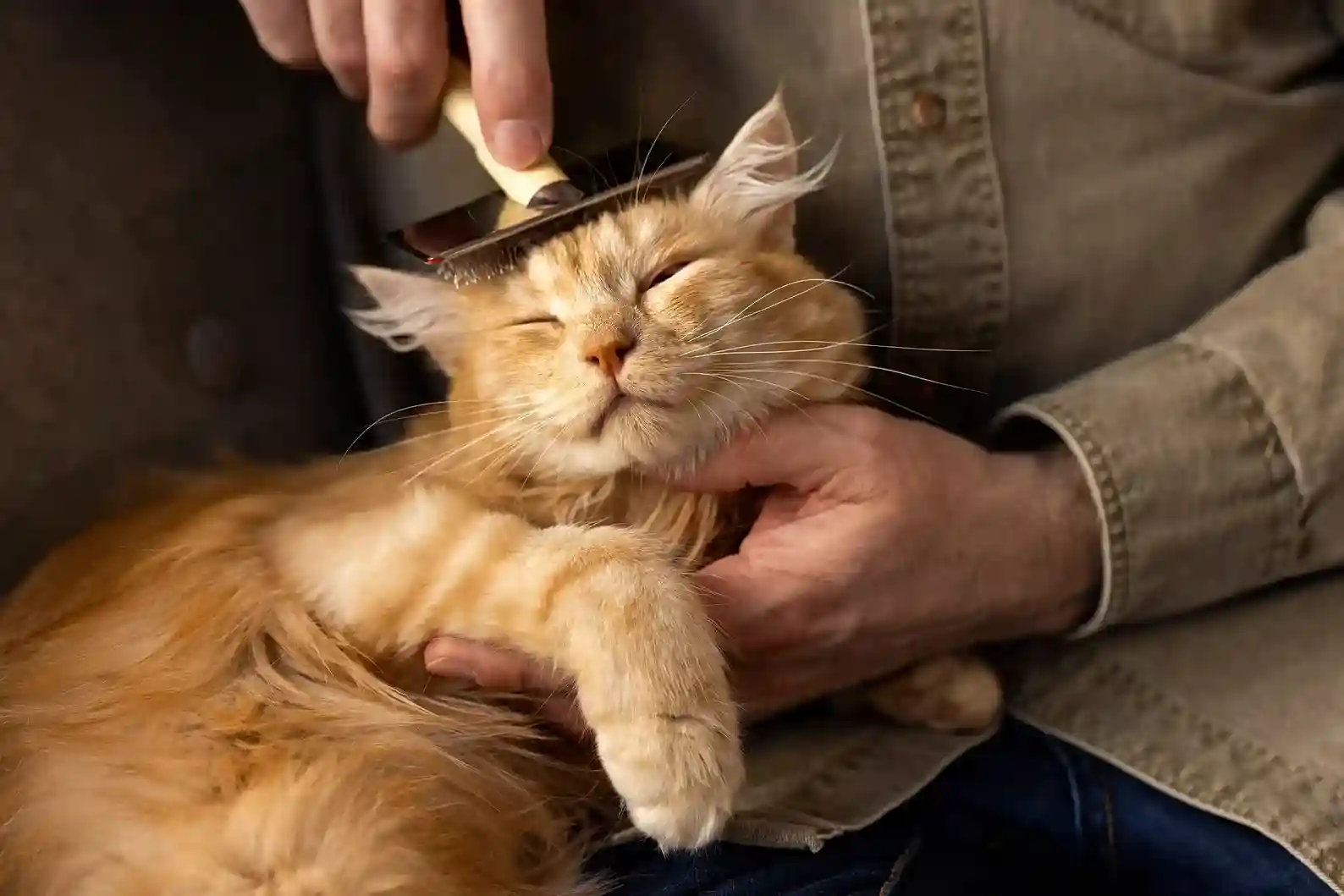
For most domestic cats, a three-times-a-week brushing schedule is enough. However, in the spring and autumn “blowing of the coat” season, daily sessions are important. Consistent brushing replaces your sofa with the brush as a fur collector.
This also reduces the amount of fur the cat swallows, thereby lowering the risk of obstructive hairballs.
Best De-Shedding Tools
Not all brushes are created equal.
For the undercoat, from where most of the shedding originates, a stainless-steel de-shedding tool (like the Furminator) can be highly effective as it reaches beneath the topcoat.
For surface fur, a rubber curry brush is more suitable as it works via static electricity to pull loose hairs.
If your drama queen has sensitive skin, a boar bristle brush should be used as it provides a gentler experience while also stimulating the production of natural skin oils.
Diet & Omega-3
If your cat has a dull, shedding coat, it is often a reflection of what’s inside their bowl.
Research published onfeline nutrition suggests that Omega-3 and Omega-6 fatty acids are critical for maintaining the feline skin barrier.
It has been observed that supplements that contain fish oil or flaxseed oil can reduce "telogen" (the resting phase of hair) shedding by keeping the hair follicle anchored and healthy.
When Shedding is Abnormal
While shedding is normal in cats, alopecia (bald patches) is not.
Check for:
Symmetrical hair loss
Skin redness
Stud tail
These symptoms could signal hyperthyroidism, flea allergy dermatitis, or high cortisol levels in cats.
If your cat grooms herself so much, she may create bald spots. A vet visit becomes important to rule out alopecia or any other underlying condition.
Trimming Cat Nails Safely: Step-by-Step Guide
Nail trimming is an important part of feline preventive care. Overgrown nails can curl back into a cat’s paw pad, which can lead to excruciating pain and infections.According to veterinary orthopaedic experts, claws also provide better traction and prevent painful snags on carpets.
Nail Anatomy
Understanding the “quick” is an important part of cat nail safety. Yeah, you read it right. A cat’s claw is comprised of a hard outer sheath, which is made up of keratin, and a central vascular core called the quick.
The quick has all the nerve endings and blood vessels. It appears as a distinct pink triangle in clear or light-coloured nails.
How Much to Cut
It is also important to know how much you need to cut, for safety and obviously to avoid pain.
Remove only the sharp, curved tip of the claw.
Aim to stay at least 2 millimetres away from the pink Quick.
It is better to be conservative and trim less than to risk a "quickened" nail.
If nervous, simply taking off the needle-like point is enough to protect your furniture and your skin.
How Often
Cats require regular nail trimming. Front claws typically grow faster than back claws because cats use their front paws more for scratching and stretching.
Older cats may need more frequent checks, as they often stop using scratching posts, which may lead to thickened, "woody" nails.
Frequency: every 2-3 weeks
Keep a check on the front claws
More frequent nail checks for seniors
What to Do if You Cut the Quick
Nail trimming is a hard job, especially if you are inexperienced. If you have cut the quick accidentally:
Don’t panic, as your cat will react to your energy.
While it looks like a lot of blood, it is rarely a medical emergency.
Keep styptic powder or a silver nitrate stick nearby to stop the bleeding instantly.
If you don't have these, take a pinch of cornstarch or flour and press firmly against the tip of the nail. This will help the blood clot.
Avoid letting the cat jump down until the bleeding has completely stopped.
Common Cat Grooming Mistakes to Avoid
Avoid the following pitfalls to keep your cat’s coat healthy and their trust in your grooming intact.
Grooming against the grain: Ensure that you are brushing in the direction of fur growth to avoid pulling the skin or causing brush burns.
Using human products: Human shampoos have a pH of around 5.5, while a cat’s skin is between 6.5 and 7.0. Using the wrong product can take a toll on their natural oils and cause dry skin and irritation.
Cutting mats with scissors: Your cat may be at risk of nicking. Always use specialised de-matting tools.
Ignoring body language: Always respect consent in grooming. Stop if their body language says so.
Inconsistent routine: Pets are creatures of habits. An unpredictable grooming session will always be a bad session.
Conclusion
Cat grooming is not rocket science. But it does require a high level of patience, the right tools and consistency. Whether you are dealing with a long-haired Persian or a sleek Siamese, regular and timely grooming keeps your cat healthy.
Focus on quality basics like a good brush, nail clippers, and establish a routine early. Also, don’t hesitate to call in a professional if there’s a need.
Ready to level up your cat grooming game? If you follow these basics, your vacuum cleaner will thank you, and your cat will too (in their own dignified, feline way).
If you still have issues, you can check in the Conbun android and iOS app to take online cat grooming expert advice and become a pro at cat grooming.
FAQs Cat Grooming (People Also Asked)
1. Can I use regular human nail clippers on my cat?
Answer. You may, but it is generally not recommended as they can crush or split the nail rather than cutting it easily.
2. How do I know if my cat's grooming is obsessive or normal?
Answer. Normal grooming involves daily cleaning, but obsessive behaviour involves repetitive licking, chewing, and pulling at fur, resulting in bald spots.
3. My cat hates being brushed. What am I doing wrong?
Answer. Mainly overstimulation, painful matting, improper tools, pulling at fur or forcing the session could be the reasons.
4. Should I groom my cat before or after meals?
Answer. Grooming is generally recommended after naps or meals, as cats are most relaxed and calm during this time.
5. Can grooming help me detect health problems early?
Answer. Yes. Regular grooming can be a practical tool to detect early signs of various health conditions.
6: Can I get cat grooming consultation online?
Answer: Yes. Holistic pet health care apps like Conbun, you can get simplified cat grooming advice online from cat grooming specialists and certified veterinary doctors online.
Table of Content
- When Should You Start Grooming Your Cat?
- How Often Should You Groom a Cat? (By Coat Type)
- Do Short-Haired Cats Really Need Grooming?
- Cat Grooming Tools For Grooming at Home
- Can Brushing My Cat Actually Prevent Hairballs?
- How to Groom Long-Haired Cats vs. Short-Haired Cats
- How to Groom a Cat at Home (Step-by-Step Beginner Guide)
- Cat Bathing Tips: When and How to Bathe a Cat Safely
- How to Groom a Cat with Matted Fur
- What Are Signs My Cat Needs Professional Grooming?
- How Much Does Cat Grooming Cost in India?
- What is the Order of a Professional Cat Grooming session?
- Is It Worth Taking a Cat to a Groomer?
- How to Make Grooming Stress-Free for Cats
- Building a Kitten Grooming Schedule
- Senior Cat Grooming Care
- Cat Fur Shedding Solution: How to Reduce Excess Hair at Home
- Trimming Cat Nails Safely: Step-by-Step Guide
- Common Cat Grooming Mistakes to Avoid
- Conclusion
- FAQs Cat Grooming (People Also Asked)

Anand Sen
Related Articles

Why do dogs roll in the grass? Is this Normal?
Dogs roll in grass to enjoy scents, scratch irritation, cool down, or express happiness. Usually normal unless excessive or uncomfortable.
Read More ↗Why do dogs roll in the grass? Is this Normal?
Dogs roll in grass to enjoy scents, scratch irritation, cool down, or express happiness. Usually normal unless excessive or uncomfortable.
Read More ↗Why do dogs roll in the grass? Is this Normal?
Dogs roll in grass to enjoy scents, scratch irritation, cool down, or express happiness. Usually normal unless excessive or uncomfortable.
Read More ↗Why do dogs roll in the grass? Is this Normal?
Dogs roll in grass to enjoy scents, scratch irritation, cool down, or express happiness. Usually normal unless excessive or uncomfortable.
Read More ↗Why do dogs roll in the grass? Is this Normal?
Dogs roll in grass to enjoy scents, scratch irritation, cool down, or express happiness. Usually normal unless excessive or uncomfortable.
Read More ↗