.webp&w=384&q=75)
Written by: Anand Sen; Reviewed by: Dr S. Ramesh
Cat Nutrition & Health: What Should Cats Eat Daily for a Long, Healthy Life?
To live a long and healthy life, cats need proper nutrition. But they are not like other pets. They are biologically unique and nutritionally demanding.
Unfortunately, people get concerned about their cat’s diet only as a result of a health problem.
Many health issues we see in our cats, like obesity, diabetes, kidney disease, digestive issues, etc, can be traced back to inadequate or poor nutrition. Feeding a cat correctly is not just about trends or convenience. It's about understanding their biology.
This cat nutrition guide explains what cats should be eating daily, why their nutrition is so important for good health and how you can make informed feeding choices backed by veterinary nutrition science.
Whether you’re raising a kitten or caring for an elderly cat, the following cat food guide will help you build a safe and sustainable feeding plan.
Understanding Cat Nutrition & Health Basics
Why Proper Nutrition Is Critical for Cats?
Feline dietary needs
Cats have peculiar dietary needs that differ greatly from those of humans and dogs. According to an article in Veterinary Sciences, cats have evolved as strict meat-eaters and thus are obligate carnivores.
Poor feline nutrition can lead to various health problems, such as
Muscle wasting
Weak immunity
Vision problems
Heart disease
Kidney and urinary disorders
Shortened lifespan
A nutritionally complete diet supports:
Healthy organs
Strong muscles
Optimal metabolism
Mental alertness
Long-term disease prevention
Many cat owners unknowingly overfeed carbs or underfeed protein, both of which can lead to health problems in cats. Owners must ensure that their cat food guide consists of items that balances the protein to carb ratio.
Why Cats Need Meat? - Obligate Carnivore Explained
As stated above, cats are obligate carnivores. This means that they must consume an animal-based diet to survive.
Unlike omnivores:
Cats cannot synthesise taurine
Cats cannot convert plant beta-carotene to vitamin A
Cats rely on animal fat for energy
Cats require pre-formed nutrients from meat
Therefore, cats' consumption of animal protein is not a preference; it’s a biological requirement.
Feeding cats a diet low in animal protein or high in fillers contradicts decades of veterinary research and increases disease risk.
Impact of Nutrition on Lifespan
According to a 2023 study published by the Department of Veterinary Medicine, Germany, cats fed with balanced cat diets and species-appropriate diets live longer and are at a lower risk of chronic health conditions.
In addition, cats fed with a nutritionally-poor diet are at greater risk of Type-2 diabetes, inflammatory bowel disease, cystitis, kidney disease, hyperthyroidism and dental problems.
Thus, nutrition doesn’t just affect how long a cat lives; it also affects how well it lives.
Related Readings: Pets Emergency or Not? How to Know If Your Pet’s Condition Can’t Wait
What Essential Nutrients do Cats Need Daily?
Protein for Cats (Non-Negotiable)
Protein is the foundation of feline nutrition.
Cats require high levels of animal protein daily to:
Maintain muscle
Support immune function
Produce enzymes and hormones
Prevent muscle breakdown
Low-protein diets force cats to break down their own muscle tissue, leading to weakness and illness. Therefore, you must focus on high-protein cat food.
Taurine Deficiency (A Serious Risk)
Taurine is an essential amino acid for cats, necessary for vision, heart function and reproduction. However, their bodies cannot produce sufficient quantities of this EAA.
Veterinary literature links taurine deficiency to various health concerns, such as:
Dilated cardiomyopathy (heart failure)
Retinal degeneration (blindness)
Reproductive failure
Immune dysfunction
Taurine is found naturally in meat, not plants, and thus a meat-based diet is non-negotiable for cats. Poorly formulated homemade food or feeding vegetarian diets can be dangerous for cats.
Healthy Fats & Omega-3
Fats are energy sources for cats, and they support:
Skin and coat health
Brain and nerve function
Inflammation control
According to veterinary studies, Omega-3 fatty acids, especially from fish sources, are beneficial for cats with joint issues or skin problems.
Vitamins and Minerals
Cats require precise amounts of:
Vitamin A (from animal sources) - vision, immunity and skin health
B-complex vitamins - Metabolism and never function
Vitamin D - Maintains phosphorus and calcium balance, strong bones and teeth
Taurine - Technically an EAA essential for heart and reproductive health i
Zinc and iron - Immunity and proper oxygen transport
Imbalances, both excess and inadequate supplementation, can be harmful.
Water Intake & Hydration
Cats have a low natural thirst drive, a trait inherited from desert ancestors.
Chronic dehydration is strongly linked to:
Kidney disease
Urinary crystals
Bladder inflammation
Wet food significantly improves hydration and is strongly recommended by feline veterinarians.
Related Readings: Winter Health Problems in Pets: What Every Pet Owner Should Know
What Should Cats Eat Daily? - Complete Feeding Guide
Ideal Daily Diet for Adult Cats
Best daily structure:
High-protein cat food (animal based)
Moderate fat
Minimal carbohydrates
Adequate moisture
Wet Food vs Dry Food
Wet food
High moisture
Better hydration
Lower carbohydrate load
Often preferred by vets
Dry food
Convenient and available commercially
Energy-dense
Requires strict portion control
Veterinary consensus: A mixed or wet-food-heavy diet is ideal for most cats.
Balanced Cat Diet & Portion Control
Overfeeding is one of the most common cat feeding mistakes that owners make.
Cats should maintain:
Visible waistline
Palpable ribs without excess fat
Stable body weight
Free-feeding dry food to cats often leads to obesity.
Feeding Frequency
Most adult cats do well with:
2 measured meals per day
Or multiple small portions if monitored
Consistency should be above frequency.
Raw Diet vs Commercial Cat Food
Raw diets - Pros
High protein
Low carbohydrate
Species-appropriate
Raw diets - Cons
Risk of bacterial contamination
Nutrient imbalance
Requires expert formulation
Most veterinarians recommend high-quality commercial food that meets AAFCO standards unless raw feeding is supervised by a professional. Therefore, you need to make careful consideration before including raw diets in your cat's feeding schedule.
How Much Food Should a Cat Eat Per Day?
Calories depend on:
Weight
Activity level
Indoor vs outdoor lifestyle
Average adult cat (4–5 kg):
~200–250 kcal/day
Indoor cats often need fewer calories than outdoor cats.
Related Readings: Pets for Adoption: How to Find the Right Pet for Your Home?
Kitten Food Chart & Feeding Schedule
Nutritional Needs of Kittens (0–12 Months)
Kittens grow rapidly and need:
Higher protein
Higher fat
Controlled calcium and phosphorus
Frequent meals
Underfeeding a kitten can cause serious developmental issues, which you may not notice at present.
Kitten Food Chart by Age
Age | Feeding Type | Frequency |
0-4 weeks | Mother’s milk/formula | On demand |
4-8 weeks | Soft kitten food | 4-5 meals |
2-6 months | Kitten food | 3-4 meals |
6-12 months | Kitten food | 2-3 meals |
Best Food Types for Kittens
Kitten-specific wet food
Kitten dry food
Smaller kibble with softer texture
Gradual transition to adult food after 10–12 months
Healthy Food for Cats (Vet-Approved Options)
Best Commercial Cat Foods
Ensure these in your cat's diet chart:
High animal protein
Named meat ingredients
Taurine included
AAFCO compliance
Grain-free vs grain-inclusive:
Grain-free is automatically better; protein content is more important than grain presence.
Natural & Fresh Foods Safe for Cats
Safe occasional additions:
Cooked chicken (plain)
Cooked fish (moderation)
Eggs (fully cooked)
Pumpkin (digestive support)
But keep in mind that fresh foods should not exceed 10–20% of your cat’s total diet.
Relying heavily on fresh food may not fulfil your cat’s dietary requirements.
Is homemade food safe for Cats?
You can prepare a cat diet at home, but there are several pros and cons associated with homemade cat diets.
Benefits of Homemade Cat Food
Ingredient control
Freshness
Customisation for allergies
Risks of Homemade Diets
A study published in the Journal of Nutritional Science indicates that homemade cat diets are:
Calcium-deficient
Taurine-deficient
Vitamin-imbalanced
While you can include homemade diets in your cat's diet chart, they must be fed occasionally if there’s no option, they must not be relied upon, as they can lead to serious long-term impacts.
Simple Homemade Recipes (Supplement Only)
Chicken & rice: protein support
Fish & pumpkin: digestion and coat health
Always combine with vet-approved supplements if feeding regularly. Consider taking online cat diet consultation if you are sceptical about what to feed your cat.
Related Readings: Normal Cat Temperature Range – And Red Flags You Must Check Immediately
Cat Not Eating Food - Causes & Solutions
Common Reasons Cats Stop Eating
Cat appetite loss can be a result of various factors, such as:
Stress or environmental change
Dental pain
Infection or illness
Food boredom
Nausea
When to Worry about a cat not eating
Cats should never stop eating for more than 24 hours.
Prolonged fasting can cause hepatic lipidosis (fatty liver disease), which is a life-threatening condition.
Cats often stop eating before showing obvious illness signs. While cat appetite loss can also be caused by non-serious factors like behavioural issues, you should rule out the presence of any underlying medical conditions if it persists for more than 24 hours.
You can connect with an online pet care expert or experienced veterinarians online through the Conbun app to get meaningful cat diet advice on appetite loss and learn what to do next.
How to Encourage a Cat to Eat
Warm food slightly
Offer strong-smelling wet food
Physically exhaust them through cat training
Reduce stress
Seek veterinary advice early
If you suspect stress is the cause, you can use catnip for their mental enrichment and get their interest back on food.
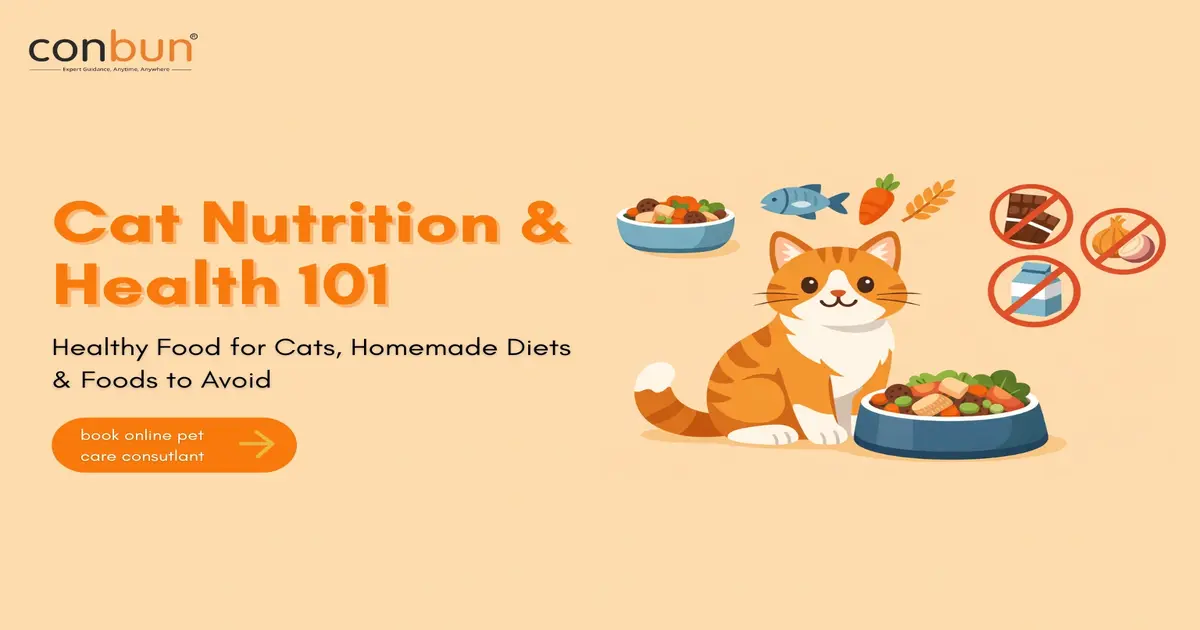
Foods Cats Should Avoid at All Costs
Toxic Foods for Cats
Chocolate
Onions & garlic
Grapes & raisins
Alcohol
Caffeine
These can damage organs or cause death. Excessive dairy also falls in the list of toxic foods for cats.
Which human foods are unsafe for cats?
Dairy (many cats are lactose intolerant)
Processed foods
Spicy or salty foods
Feeding Tips for Optimal Cat Nutrition & Health
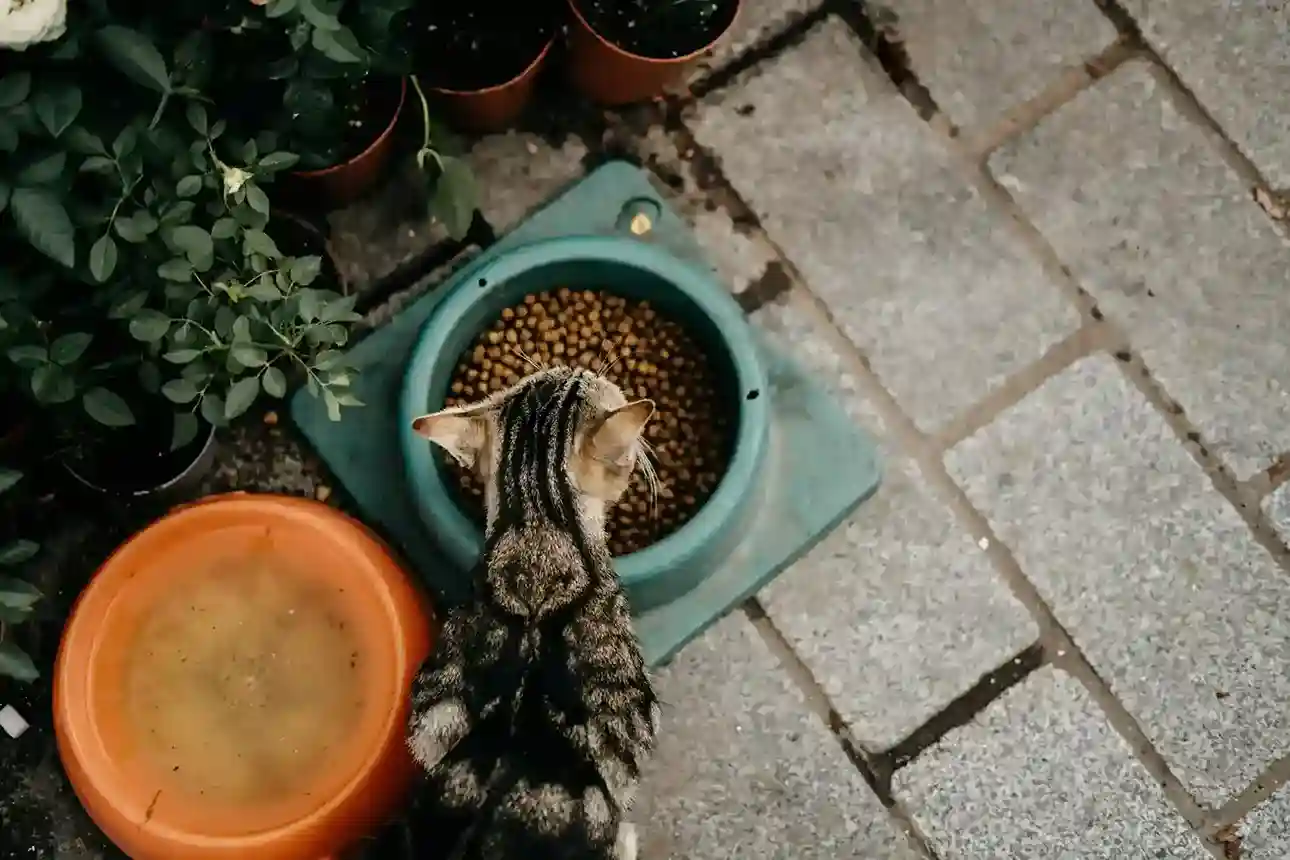
Creating a Balanced Feeding Routine
Measure portions
Feed at consistent times
Monitor weight monthly
Adjust as cats age
Special Diets for Senior & Sick Cats
Senior cats may need:
Kidney-friendly diets
Weight management plans
Prescription food (vet-guided)
Related Readings: Top Rated Pet Care Consultation App: Features, Benefits, How It Works
Final Thoughts on Cat Nutrition & Health
Good nutrition is not an option for cats. It is a preventive medicine. Feeding correctly and adequately prevents various health conditions, enhances longevity and improves overall quality of life.
Animal-based protein, adequate hydration and micronutrients are the three basic things you should focus on. However, when in doubt, personalised guidance matters.
With online cat diet consultations on the Conbun android & iOS app, you can consult certified veterinarians online and pet-care experts instantly via chat, audio, or video, to get nutrition advice tailored to your cat’s age, health, and lifestyle.
Feed with knowledge. Care with confidence. Trust experts when it matters and get cat diet advice when you need it with the Conbun app.
FAQs (People Also Asked)
1. What should cats eat daily to stay healthy?
Answer. Cats are obligate carnivores; thus, they need a balanced cat diet with high-protein animal meat and adequate levels of moisture.
2. What can a cat eat?
Answer. Adult cats should be fed 2-3 meals per day, ideally spaced 8-12 hours apart. Kittens under 6 months need frequent, easily digestible meals (3-4 meals daily)
3. Can cats eat homemade food every day?
Answer. Homemade cat diets are good every day only if the diet is formulated by a veterinary nutritionist. Otherwise, it is highly discouraged.
4. Why is my cat not eating suddenly?
Answer. A cat suddenly not eating can be due to various reasons like stress, a change in food, dental pain or a serious underlying health condition. Seek early veterinary medical attention.
5. What is the healthiest food for cats?
Answer. The healthiest diet for a cat is the one that has high animal protein content, adequate moisture levels and limited carbs. It should also be age-specific.
6. Which foods should cats avoid completely?
Answer. You should avoid feeding chives, chocolate, onions, garlic, grapes, alcohol, caffeine, and processed foods to your cat.