
Written by: Anand Sen; Reviewed by: Dr. Manshi (B.V.Sc & A.H, M.V.Sc)
Why Proper Cat Introductions Matter for a Peaceful Home
Some cats enjoy other cats' company, but some prefer to be the lone warrior. If you think your cat is more social and is considering introducing a companion, you should know how to introduce cats in the right way.
While introducing cats, you should not have that "let them figure it out" attitude. Cats are territorial animals and solitary hunters by nature. A sudden introduction triggers their self-protection and hunter instincts. AAFP Feline Behaviour Guidelines say that inter-cat aggression stems from rushed introductions and poor resource placement.
With a proper introduction, you can ensure controlled exposure so the cats can build tolerance before physical contact. This helps create a sense of emotional safety and predictability. With the following guide you will learn how to properly introduce cats. This complete beginner-friendly guide ensures a smoother, stress-free transition supported by behavioural science.
How to Introduce Cats: The Foundational Steps Every Owner Should Follow
Prepare both cats individually with updated vet checks, nails trimmed, pheromone diffusers, and a safe room setup.
Create safe zones for both cats, including hiding spots, feeding stations, vertical spaces, and litter boxes.
Begin with scent swapping, bedding exchange, sock rubbing, and room rotation.
Use a closed door for early interactions; observe their body language, such as growling, hissing, or relaxed ears.
Feed both cats on opposite sides of the door so that they associate each other with positive experiences.
Track progress before allowing any visual contact, as this one is the most important in felines.
Cat Introduction Timeline: A Step-by-Step Roadmap
Familiarization Through Smell
Start with scent swapping for 4-6 days. Use a cloth to rub each cat's scent glands, like cheeks and chin, then swap. This allows them to build familiarity with each other's scent without stress. Room rotation can further strengthen scent recognition.
Barrier-Based Visual Introductions
Allow them to see each other through a mess barrier, a cracked door or a baby gate. These sessions must be brief, only 1-3 minutes. Observe their body language for slow blinking, relaxed posture or curiosity. Mild hissing is usual.
Supervised Short Meetings
When both cats remain calm at the barrier, start with short but supervised interactions. These meetings should also be brief and should include distractions like toys or treats. Don't try to force physical closeness.
Lengthening Sessions Safely
Slowly increase the meeting time based on the behaviour. Offer vertical territory and escape routes. Feed them with high-value treats when they are together. This will help build positive associations.
Full Household Integration
Once both the cats show a relaxed behaviour like no chasing, tense postures, no hissing or prolonged staring, they can share space freely.
How Long Does It Take to Introduce Cats?
The introduction process may take 2-6 weeks, but it may be longer if you have territorial or shy cats. Behavioural science suggests that gradual introductions may lead to better long-term compatibility.
How to Safely Introduce Cats for the First Time

Choose a quiet room with hiding spots and vertical perches. Start with distance, with treats or toys to reduce tension.
Reward their calm behaviour immediately. Cats learn by association. Use tools like scratching pots, want toys, and cat calming diffusers to reduce anxiety.
Avoid sudden movements, loud noises, forcing physical interaction, or any negative experiences.
Keep the meeting short, calm and controlled.
How to Properly Introduce a Cat and a Kitten
Kittens are energetic so that older cats may feel overwhelmed. Allow the adult cat to set boundaries. Involve the kitten in structured play to burn excess energy. If the play becomes too rough with tackling, biting, pouncing, etc., interrupt with toys, not punishment.
Kittens learn social limits through supervised exposure, not isolation. Feed both of them separately initially and maintain a safe space for the adult cat to retreat without being chased or annoyed by the kitten.
Best Way to Introduce Cats When One Is Aggressive
Cats can be aggressive during introductions, usually triggered by territoriality, fear or past negative experiences. If one cat is aggressive, start with a slow introduction: Feeding at a barrier, extended scent swapping and extremely short visual exposures. Use towel-covered barriers to control the intensity of visual contact.
Avoid punishment, as it can increase stress and worsen aggression in your cats. Gradually pair your cats' interaction with high-value rewards to shape positive emotional responses. If your cat shows growling, staring, or lunging, separate them immediately.
Chronic aggression may require behaviour modification with a certified behaviourist. An online vet consultation can help identify stress-related or medical triggers.
How Much Hissing Is Normal When Introducing Cats?
Mild hissing can be regarded as usual. It is a warning and not aggression. Healthy hissing involves brief vocalization without swatting or lunging. Problematic hissing includes flattened ears, prolonged staring, rapid tail flicking and body stiffening.
These indicate tension. Growling, swatting or blocking access to resources suggests escalating stress. If hissing increases rather than decreases, it means the introduction was too fast. Pause, separate or return to scent swapping and barrier work before progression again.
Warning Signs When Introducing Cats
If you see the following signs, separate the cats immediately:
Growling with a stiff posture
Constant swatting
Direct staring with dilated pupils
Raised hackles
Blocking food zones or litter boxes
Ambush or chasing attempts
These signs indicate fear-based or territorial aggression. Body language, such as a tail tucked, crouching, or excessive hiding, suggests the cat feels unsafe. If a fight breaks out between them, never use your hands; instead, use a towel, pillow or a loud noise to interrupt.
Introducing Cats Without Separation: When It's Possible & When It's Risky
Some cats are more confident and social than others. Such socially flexible cats can adapt without complete separation. Especially the ones who are well-socialized and under 3 years old. However, most cats require structured boundaries to prevent territorial tension.
No-separation methods can be hazardous for cats that are formerly abused, fearful or rescued. If you have attempted such methods, ensure there are multiple escape routes and vertical space. Look for micro-signals of stress, such as tail flicking, freezing, or staring.
How to Introduce Cats in Small Spaces or One-Bedroom Homes
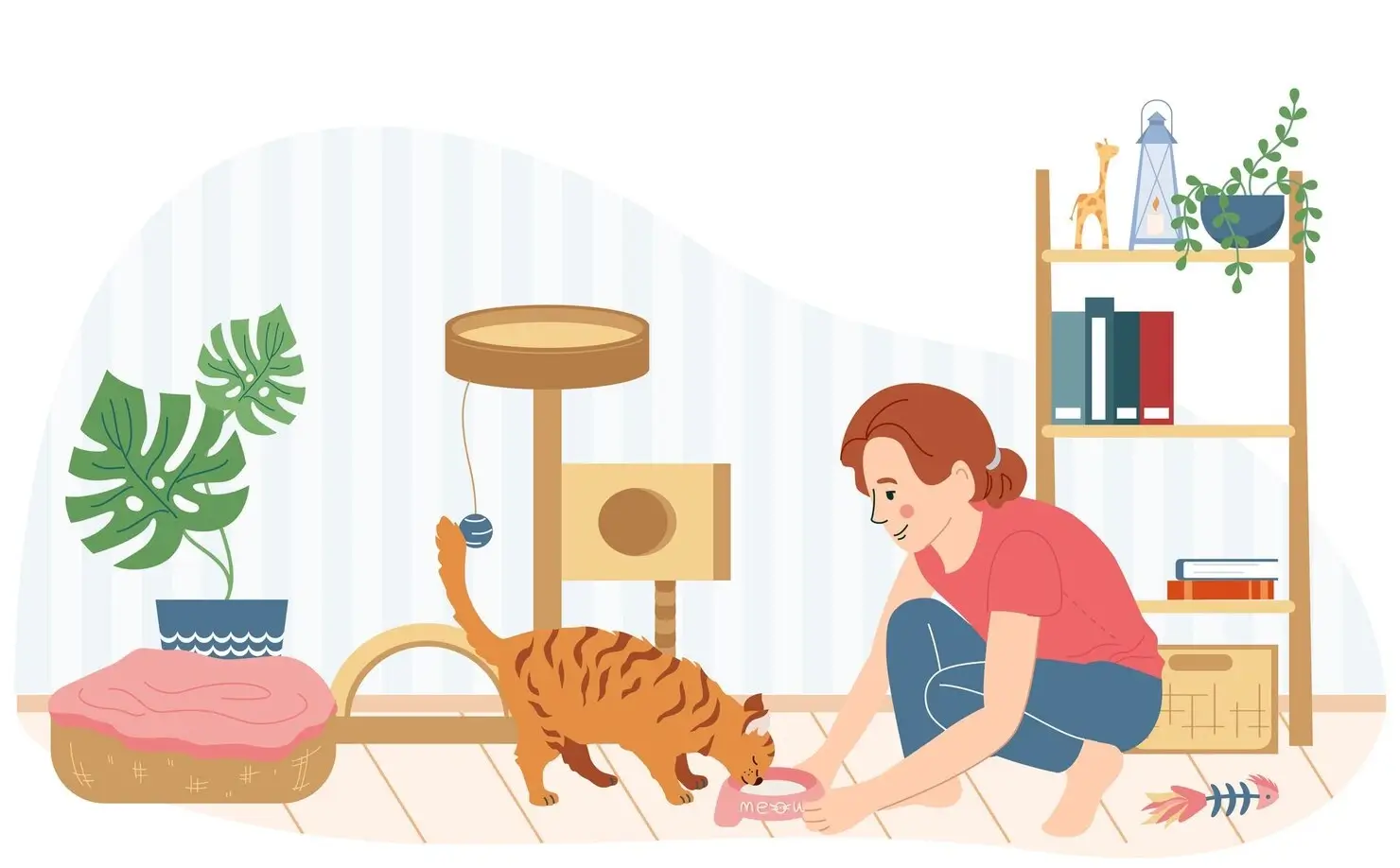
If you have a limited space, vertical territory is essential. Install cat tress, shelves, window perches and cardboard hideaways.
Ensure there are separate designated feeding spots.
You can also split the room with temporary partitions or furniture.
Rotate both cats between rooms to ensure scent distribution.
Keep introduction sessions brief and integrate more play to burn energy. You can also use puzzle feeders to reduce boredom.
Behavioural Issues & Setbacks During Cat Introductions
Setbacks or behavioural issues may occur if the owners rush the process or miss early signals related to tension. If aggression appears, reset the process by returning to scent swapping and barrier introductions.
You have to understand that regression is normal. Cats need repetitive, predictable exposure to build confidence. Also, avoid forcing proximity or using any kind of punishment to ease the process.
If your cat refuses food near the barrier or shows irritability or stress, slow down immediately.
When to Give Up on Introducing Cats (And What It Really Means)
If you are still facing issues, even after multiple attempts, you have to understand that some cats simply cannot coexist peacefully, which is mainly due to reasons like past trauma or severe territorial aggression, incompatible personalities.
Giving up does not mean you failed. It means you are prioritizing safety. Permanent separation with different rooms or zones will allow cats to live stress-free. Rehoming is not necessary unless one of the cats is in constant fear or is in physical danger. Pet behaviourists recommend a minimum of 8-12 weeks of structured introduction before making long-term decisions.
What to Do If Introductions Aren't Working
If the progress halts, you're moving too fast. Just slow the timeline, increase the scent work and create more vertical spaces.
Use calming aids such as calming shirts, pheromones, or silvervine. If issues persist, book an online veterinary consultation or online pet care consultation to check for clinical triggers like anxiety disorders, hyperthyroidism, and pain.
Conclusion: Building a Long-Term Bond Between Your Cats
If you are wondering how to introduce your cat to a new cat, read the above blog to learn the exact steps. Successful multi-cat households are built on structured introduction, patience and emotional safety. If done slowly and appropriately, most cats coexist peacefully and eventually develop a strong bond.
Let those creatures take their time, observe their body language and follow each phase carefully. Predictability is essential, so let trust develop at its own pace. If you are unsure, use an online vet consultation or pet care consultation to guide yourself through the behavioural process.
Frequently Asked Questions:
1. How to correctly introduce cats?
Answer. A gradual introduction, with scent swapping, barrier introduction, and supervised meetings, should be the roadmap for the introduction.
2. What is the 3-3-3 rule of cats?
Answer. The 3-3-3 rule for introducing cats suggests 3 days to decompress, 3 weeks to adjust, and 3 months to feel fully at home.
3. How to tell if a cat introduction is going well?
Answer. If the cats are relaxed, slow-blinking, curious, and not hissing for long, the introduction is going well.
4. How do I get my new cat to stop hissing?
Answer. Slow down introductions, add scent swapping, use treats, and avoid forcing contact.