Written by: Anand Sen, Medically Reviewed by: Dr Vinod Kumar Jain ( B.V.Sc & A.H )
As a loving cat parent, one of the top priorities is ensuring the comfort and health of your four-legged friend. Just like us, cats have physiological needs, including maintaining an optimal body temperature. However, this is the most critical sign that cat parents miss.
Cats are masters at hiding illness, and subtle temperature changes are among the earliest clinical clues that something is wrong.
Knowing the cat normal body temperature range and when it can become dangerous can literally save your cat's life.
The following guide discusses the normal temperature range for cats and the red flags that require immediate attention.
What Is a Normal Cat Temperature?
A normal and healthy temperature range for cats is:
This standard range demonstrates a healthy feline metabolism. Cats are naturally hotter than humans. As a result, relying solely on touch is unreliable.
Veterinary literature consistently shows that temperature is one of the five core vital signs that indicate health, along with heart rate, respiratory rate, mucous membrane colour, and weight.
Key points:
Cat parents must keep in mind that persistent deviation from the normal cat temperature range is not normal.
What is a Cat's Normal Temperature? Quick Reference Chart
Condition | Fahrenheit Range | Celsius Range | Status / Action |
Hypothermia (Low) | Below 99°F | Below 37.2°C | Critical Emergency |
Normal Temperature | 100.4°F – 102.5°F | 38°C – 39.2°C | Healthy |
Fever (High) | 102.5°F – 104°F | 39.2°C – 40°C | Monitor / Contact Vet |
High Fever (Emergency) | Above 104°F | Above 40°C | Critical Emergency |
Related Readings: Christmas Safety for Pets: 5 Essential Christmas Safety Tips Every Pet Parent Should Know
How to Check a Cat's Temperature at Home?
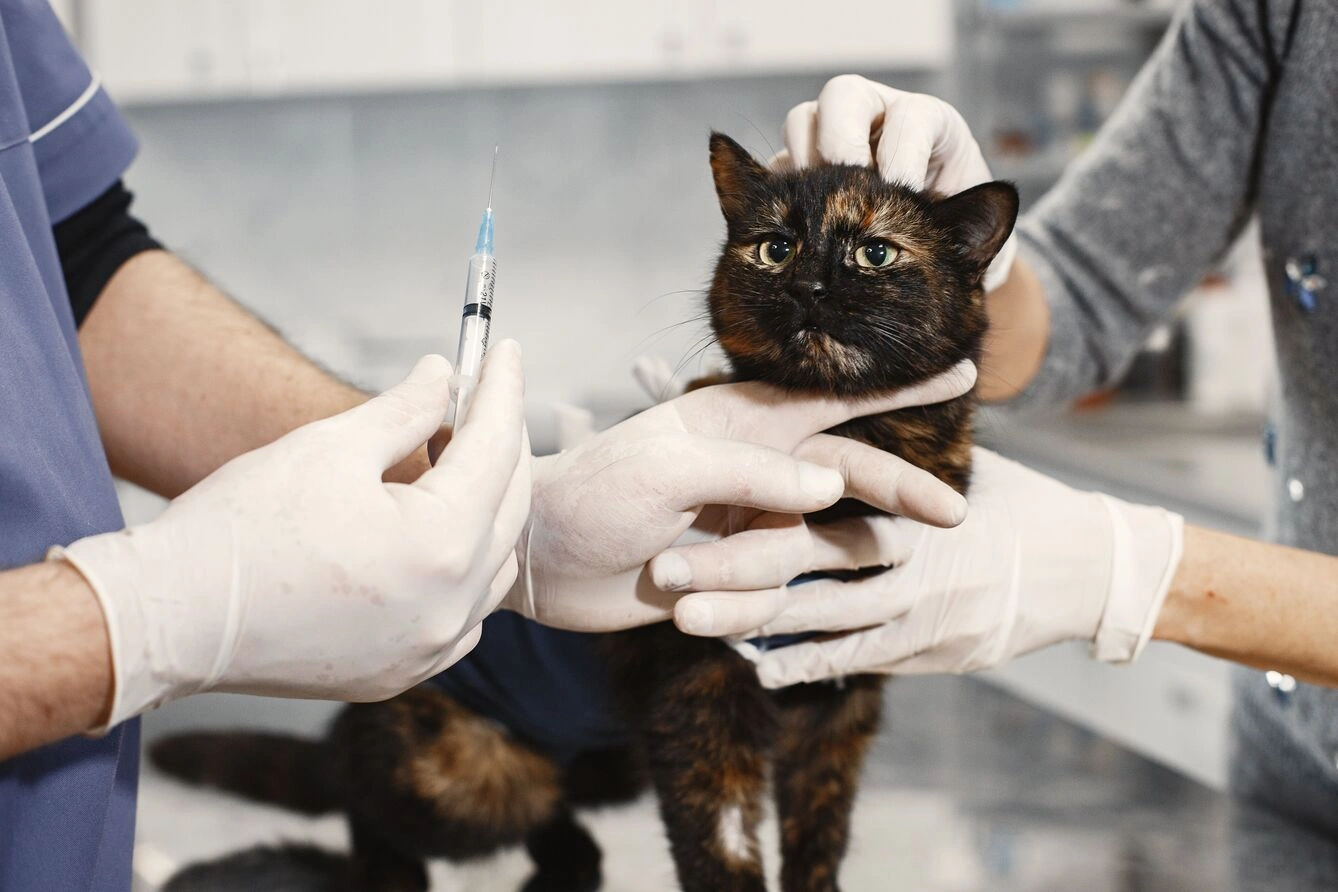
According to veterinary literature, rectal thermometry is the most commonly used and relatively accurate method for measuring a cat's temperature.
How to check a cat's temperature correctly?
Use a digital rectal thermometer
Apply petroleum jelly or a water-based lubricant
Insert gently ½ to 1 inch
Keep your cat calmly restrained. A towel wrap may work well.
Keep in mind that ear thermometers are not as effective due to ear anatomy
In addition, medical veterinary literature has established that forehead scanners or non-contact infrared thermometry are also not reliable for cats due to fur insulation.
If your cat resists strongly, do not force it, as stress can raise its body temperature and may even result in injuries. If you're having difficulties in recording your cat's temperature, book a vet appointment online on Conbun to get safe handling guidance.
Related Readings: Cat Ear Mites: The Exact At-Home Treatment Vets Wish More Owners Knew
When Is a Cat's Temperature Too High or Too Low?
High temperature in cats (Fever)
Above 102.5°F
Above 104°F = medical emergency
Fever is not a disease. It's a symptom that indicates inflammation, infection, an immune response, toxicity, or an underlying health condition.
Low body temperature in cats (Hypothermia)
Below 99°F
Below 97°F = critical
Hypothermia in cats impairs their ability to regulate heart rate and blood pressure. According to the National Kitten Coalition, hypothermia significantly increases mortality risk if untreated.
Red Flags That Need Immediate Attention
If the temperature of your cat is abnormal and you see any of the following signs, treat it as a cat emergency:
Collapse or severe lethargy
Refusal to eat for 24 hours or more
Laboured or rapid breathing
Diarrhoea or vomiting
Persistent shivering
Muscle tremors
Hiding continuously
Disorientation
These are not signs of fever in cats or cat hypothermia, but serious health conditions that require immediate veterinary care.
Related Readings: Catnip Secrets: Why Cats Go Crazy and How to Use It Safely to Boost Their Happiness
Common Causes of Abnormal Cat Temperature
Abnormal cat body temperature rarely occurs without a reason. Generally, abnormal body temperature may indicate fever or hypothermia. There may be other reasons like:
Illness & infection
Upper respiratory infections
Dental disease
Viral illnesses (e.g., FHV, calicivirus)
Heat-related causes
Heatstroke from poor ventilation
Being trapped in enclosed spaces for a long time
High-humidity environments
Stress & toxins
Severe anxiety from vet visits, fireworks, or trauma
Ingestion of toxic substances like plants or chemicals
Adverse drug reactions
Stress-related hyperthermia is well documented in the feline veterinary literature and can temporarily push cats outside the normal cat temperature range; read our full guide on cat fever causes.
What to Do Immediately (Before the Vet Visit)?
If the temperature is high
Move your cat to a calm and quiet room to offer comfort and relieve stress
Offer fresh water, but do not force it
Use fans for airflow and never use ice
Do not offer human fever medications (paracetamol is fatal to cats)
If the temperature is low
Wrap your cat in warm towels
Use body heat or a warm water bottle. But ensure it's not too hot.
Avoid rapid rewarming, as it may lead to shock.
These steps are just for emergency support and not treatment. Veterinary evaluation of your cat's condition is essential. If you cannot visit a vet immediately, consider an instant vet consultation on Conbun to talk to verified online vet doctors.
Related Readings: How to Properly Introduce Cats Without Fighting: Complete Beginner's Guide
When to Call the Vet or Seek Emergency Care?
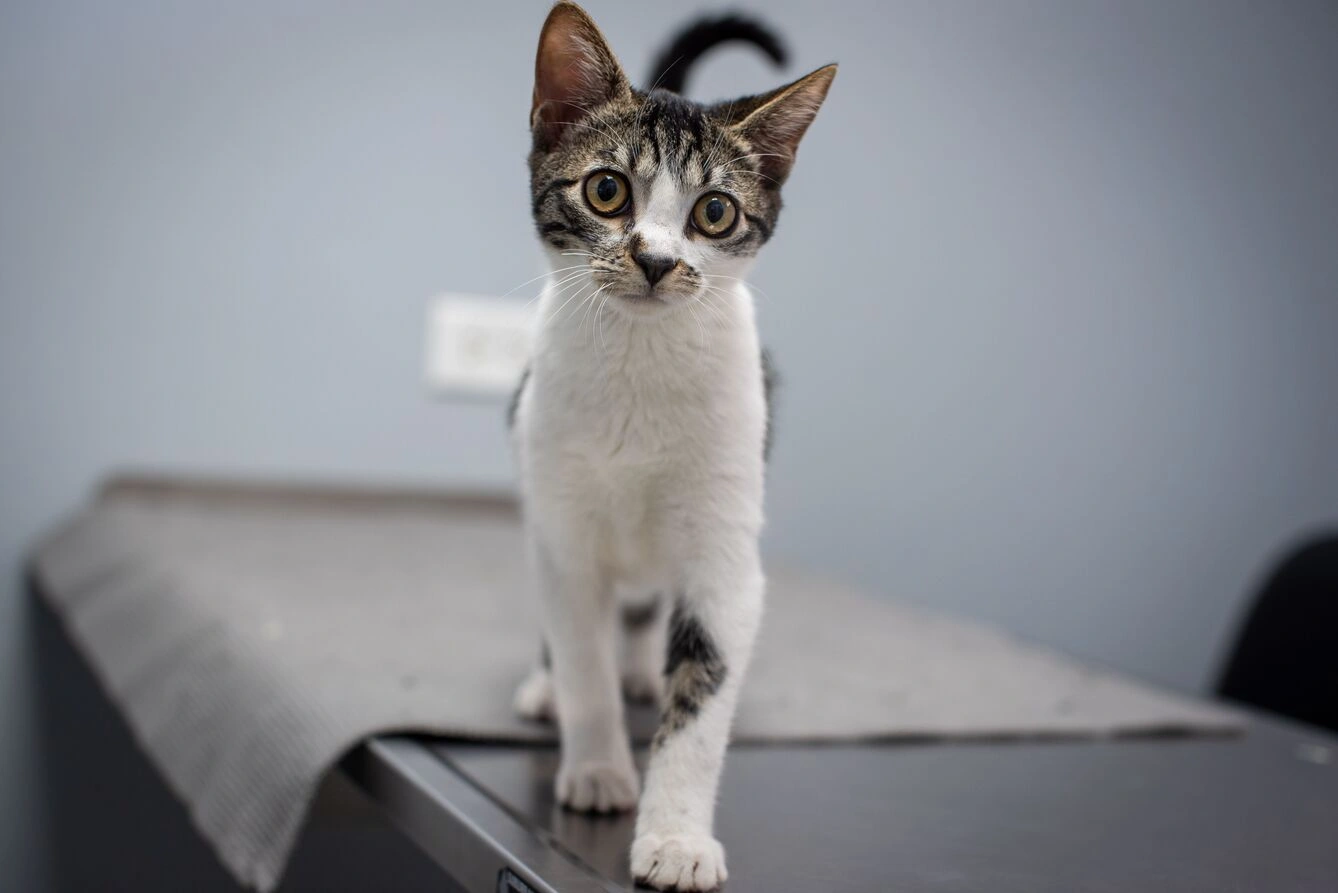
Seek immediate veterinary help if:
Temperature drops below 99°F
Temperature exceeds 104°F
Persistent fever for more than 24 hours
The cat shows worsening clinical signs
Hypothermia or untreated fever can progress into immune suppression, shock, and organ damage.
Can Stress or Weather Change a Cat's Temperature?
Yes. Temporarily.
Stress can increase a cat's body temperature by 1–2°F.
Cold environments can trigger hypothermia, especially in seniors and kittens.
Hot weather can push cats near dangerous thresholds.
Temperature changes due to stress should return to normal ranges within hours. However, persistent deviations in cat temperature are not due solely to stress. It signals an underlying condition.
Final Thoughts: Temperature Is a Silent Warning Signal
Your normal cat temperature is not just a number. It's an early warning system that many use to indicate illness. It may be seen as a subtle deviation, long before dramatic symptoms occur.
Veterinarians see better health outcomes when cat parents recognise and check these red flags early. Learn how to check your cat's body temperature, understand what's normal and what's not, and improve your cat's health outcomes.
If your cat's temperature is elevated beyond normal, talk to a vet online on Conbun to get your pet diagnosed virtually. An online vet doctor can help you determine the next best steps. If your pet's condition is mild, an instant pet consultation can help you assess symptoms, get digital prescriptions and treatment recommendations from certified online vet doctors.
Frequently Asked Questions
1. How do I know if my cat has a fever?
Answer. Lethargy, decreased appetite, warm ears, hiding, rapid breathing, and a rectal temperature above 102.5°F are signs of fever in cats.
2. How can I check my cat's temperature at home safely?
Answer. A digital rectal thermometer, lubrication, and gentle restraint, such as a towel, should be used to check a cat's temperature at home.
3. When is a cat's temperature considered an emergency?
Answer. A cat's temperature emergency if the temperature is above 104°F or below 99°F, especially if there are other behavioural or physical symptoms. Consider taking a vet consultation online to get your pet diagnosed virtually.
4. Can stress or hot weather raise a cat's body temperature?
Answer. Yes. But stress and weather can temporarily affect a cat's body temperature. Persistent elevation or lowering suggests illness.
5. What is the normal body temperature of a cat?
Answer. The normal cat temperature range is 100.4°F to 102.5°F (38°C to 39.2°C).