

Written by: Anand Sen; Reviewed by: Dr. Aaishwarya Javanjal (B.V.Sc & A.H, M.V.Sc)
Few things make cat owners panic more than seeing their cat constantly shaking their head or scratching furniture. In many cases, it is cat ear mites. Ear mites are common but often the most underestimated parasitic problem.
While ear mites may not be life-threatening, ignoring them or using ineffective home remedies could lead to intense discomfort or even long-term ear damage.
The following guide explains what cat ear mites are, how to spot them, and vet-recommended at-home steps you can take to prevent your four-legged friend from intense suffering.
The goal here is not to replace professional care but to help cat owners treat ear mites safely and effectively in a way vets wish more people knew.
What Are Cat Ear Mites and How Do You Spot Them?
What are ear mites in cats?
Ear mites or Otodectes cynotis are microscopic parasites also called ear canker mites, primarily affecting cats and dogs. They live on the skin of the cat’s ear canal, feeding on earwax and skin debris, thereby triggering inflammation and irritation.
While these parasites are common in rescue cats, kittens and multi-pet households, indoor cats can also get them through contact with other animals.
Unlike yeast or bacterial infections, ear mites are parasitic, which means treatment must eliminate the mites, not just soothe the symptoms.
Common symptoms owners notice
Cats with ear mites exhibit obvious signs of ear discomfort. Typically, symptoms include:
Frequent head shaking
Restlessness and irritability
Constant ear scratching
Sensitivity when touched
As mite levels increase, these signs may worsen quickly, from mild discomfort to severe discomfort.
Visual signs vs. other ear issues
One hallmark sign of ear mites is dark, crumbly discharge that looks like coffee grounds. This discharge is a mixture of dried blood, earwax, and mite waste.
While bacterial or yeast infections also lead to discharge, the dry and granular appearance, combined with symptoms like intense itching, points towards ear mites rather than other infections.
Related Readings: Catnip Secrets: Why Cats Go Crazy and How to Use It Safely to Boost Their Happiness
Why Early Detection Matters?

Pain, infections, and inflammation
If left untreated, ear mites may cause ongoing inflammation inside the ear canal. Irritation, on the other hand, can make cats scratch aggressively, leading to wounds, hair loss, swelling, and pain. It may even lead to aural hematomas or ruptured blood vessels.
Risk of secondary bacterial or yeast infections
Ear mites damage the natural defences of the ears through irritation. This allows yeast and bacteria to overgrow, turning a simple ear mite issue into a complex mixed infection that requires longer, more aggressive treatment.
Contagion to other pets
Ear mites are contagious and spread rapidly through direct contact. Cats, dogs and ferrets in a multi-pet household can become infected. Thus, early treatment not just protects your pet but your entire household.
Related Readings: Pet Care Goes Digital: How Apps Are Making Vet Consultations Faster, Cheaper & More Reliable
Vet-Recommended At-Home Treatment Steps
Gentle ear cleansing before medicating
Before applying any medicine, the ear must be thoroughly cleaned. This removes trapped debris, which shelters mites and may even block medication contact. Vets generally recommend a cat-safe ear cleaner.
Gently massage the base of the ear after cleaning. Allow the cat to shake their head. Wipe away loosened debris with cotton. However, do not use cotton swabs inside the canal, as they may damage the eardrum.
Topical antiparasitic applications
Apply a vet-approved ear mite treatment for cats after cleansing. Generally, vets recommend lotions or ear drops containing Pyrethrins and soothing agents like Aloe vera.
These products kill adult mites and also disrupt their life cycle. However, consistency is crucial. Missing doses may allow eggs to hatch and reinfest.
Treat all pets and the environment.
If you have a multi-pet household and only one pet shows symptoms, all pets in contact with that pet should be treated. Soft surfaces, bedding and blankets should be washed to reduce the risk of reinfestation.
Such steps are often overlooked and are a common reason for treatment failure.
Related Readings: How to Properly Introduce Cats Without Fighting: Complete Beginner's Guide
Common Medications and How to Use Them
Topical drops and spot-ons
Most ear mite treatments come in the form of topical medications or ear drops. They may contain ingredients such as milbemycin oxime, Ivermectin, selamectin, or moxidectin. These medications are safe when used as directed.
Systemic antiparasitic options
Some modern products work systematically, meaning they can kill ear mites without requiring daily ear drops. These options are better for cats that resist ear handling.
Daily ear cleansers during treatment
Daily or alternate-day cleaning during treatment helps in removing dead mites and debris. This not only reduces irritation but also speeds up healing.
Cleaning your cat’s ears alone does not cure ear mites, but it supports recovery when combined with medication.
Related Readings: 14 Common Mistakes in Pet Food Choices
Home Approaches to Support Healing
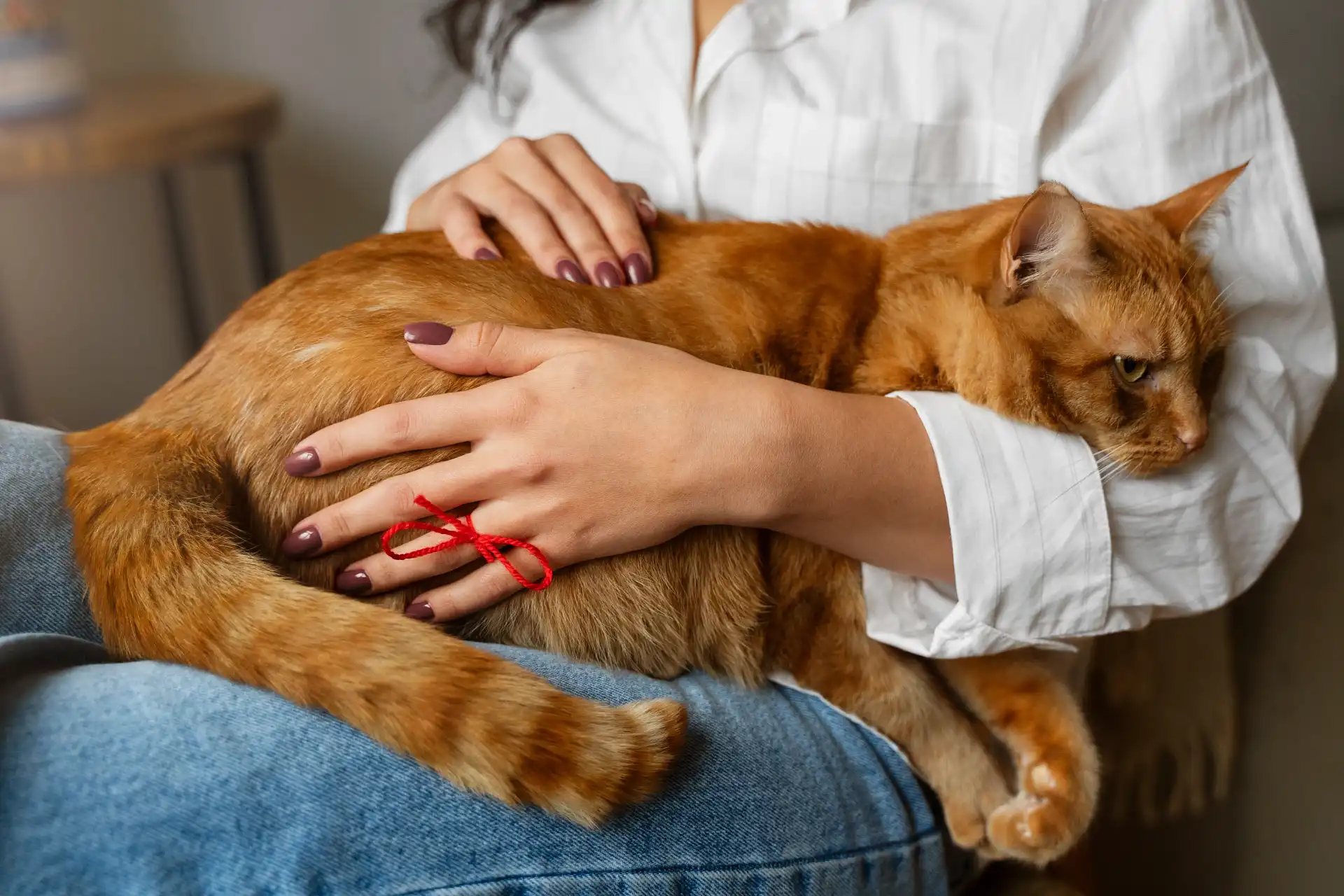
Safe ear cleaning techniques at home
Cat owners can safely support treatment by keeping their cats’ ears dry and clean. You should always use products labelled for cats and follow veterinary guidance when administering medication.
Short sessions, calm handling, and positive reinforcement can make the process less stressful for both the cats and the owners.
Comfort and itch relief tips
Keeping your cat’s nails trimmed reduces the risk of self-inflicted injury. This offers a quiet environment and minimises stress. Minimising stress is essential as stress can worsen scratching behaviour.
What vets caution against?
Veterinarians strongly oppose the use of DIY remedies such as coconut oil, vinegar, olive oil, or essential oils, as these may temporarily smother mites but do not kill eggs and may even irritate the ear canal, delaying the effects of clinical treatment.
Unsafe home treatment measures for ear mites often make the problem worse.
Related Readings: 7 Signs Your Pet Might Be Hiding a Health Problem (and What to Do Next)
Preventing Recurrence Long-Term
Regular ear inspections
Check your cat’s ears at least once a week for odour, redness or discharge. Early symptoms are easier to treat than advanced infestations.
Clean bedding and shared spaces
Wash your cat’s bed regularly, and also clean the areas where pets sleep together. This reduces environmental contamination and further mitigates the risk of infestation.
Routine vet checkups
Regular veterinary examinations or pet care consultations app in india can help catch ear mites and other ear-related issues early in cats. Proper preventive care is part of vet-recommended ear care and helps prevent minor issues from escalating.
Conclusion: What Vets Want Owners to Remember
Cat ear mites are a common and uncomfortable condition. But the good news is that they are highly treatable. The most effective treatment for cat ear mites is an at-home approach that combines vet-approved medication, gentle ear cleaning and treating all pets simultaneously. Skipping steps or relying on unproven remedies often leads to intense suffering for your four-legged friend and recurring infections.
If your cat shows signs of ear mites, prompt action will make treatment more effective, faster, and significantly less stressful. However, if in doubt, you can always seek professional guidance through online vet consultation platforms like Conbun android and iOS app to ensure the long-term health of your cat.
Frequently Asked Questions
1. How quickly do ear mites spread between cats?
Answer. Ear mites are highly contagious and spread rapidly through direct contact. All cats in a multi-cat home can be infected within days if left untreated.
2. Can I treat ear mites at home without a vet?
Answer. While some treatments can be administered at home, guidance on medication and proper diagnosis from a veterinary expert is essential for safe and effective treatment.
3. What are the safest ear mite treatments for cats?
Answer. The safest and most effective ear mite treatments for cats include vet-approved options such as Ivermectin and prescription drops like Milbemite. These are to be combined with routine cleaning.
4. How long does treatment for ear mites take?
Answer. Most cat treatments may last 24 weeks, depending on the severity of the infestation.
5. Are ear mites contagious to humans?
Answer. Ear mites primarily affect cats and dogs and are rarely contagious to humans.
6. How to check for ear mites in cats?
Answer. To check for ear mites in cats, look for symptoms like head shaking, scratching, redness, and a dark crumbly discharge that resembles coffee grounds.
7. How to treat ear mites in cats?
Answer. Effective medications for ear mites in cats include ivermectin, milbemycin, or flea, tick and heartworm preventives. However, proper cleaning and vet guidance is needed for medication application.
8. How to treat ear mites in cats at home?
Answer. Use a vet-approved ear cleaner to remove debris and clean ears. Use vet-approved lotions and ear drops directly into the ear canal to kill mites.