Written by: Anand Sen; Reviewed by: Dr. Harsh (B.V.Sc & A.H.)
1. The Fascinating World of Catnip
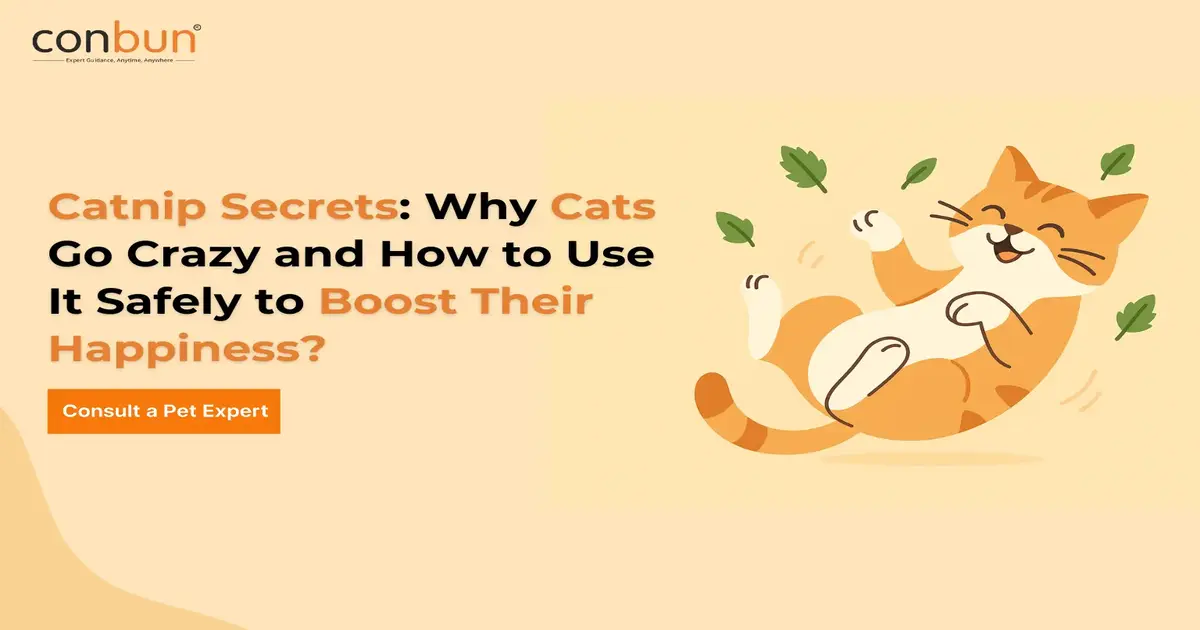
For many centuries, Catnip has fascinated both cats and cat lovers. For some cats, it brings sudden bursts of happiness, sparking zoomies, purring, drooling, and rolling; for others, it brings gentle calm. But what exactly is Catnip, and why does it have such a powerful effect on your fluff balls?
Catnip (Nepeta cataria), commonly known as Catmint, is a species of herb in the mint family. The herb is widely known for its potent essential oil, Nepetalactone, which influences cat behaviour.
Many cat owners ask, "What is catnip used for?" or "Is Catnip bad for cats? And the truth is, when used correctly, this perennial herb is entirely safe and serves as a natural enrichment tool that boosts your cat's quality of life.
In this guide, we'll discuss what Catnip is made of and how it affects the feline brain. The blog will also discuss how to use this herb safely and when you should avoid it.
Related Readings: How to Properly Introduce Cats Without Fighting: Complete Beginner's Guide
2. The Science Behind Catnip: What Makes Cats Go Crazy?
The secret behind this herb's effect is a chemical called Nepetalactone, which is found in its stems and leaves. Studies show that this compound binds to receptors in cats' nasal tissues and triggers responses in the hypothalamus and amygdala, the brain regions responsible for behaviours and emotions.
What Does Catnip Do to Cats? (How Nepetalactone Affects the Feline Brain)
When cats are exposed to Nepetalactone, they experience a reaction similar to pheromone stimulation, which activates:
The pleasure centres of the brain
Social behaviour triggers
Play and prey hunting behaviours
This explains why cats exhibit behaviours such as purring, rolling, rubbing, licking, and playful aggression.
Why Do Cats Go Crazy Over Catnip? (Genetics Explained)
Interestingly, Catnip sensitivity is genetic, and not all cats are equally affected by this herb. According to a study published in Applied Animal Behaviour Science, only about 60-70% of cats strongly respond to Catnip; the rest are unaffected or may have mild effects.
The Catnip gene is hereditary, which is why reactions to this herb vary between cats. Thus, the Catnip effect on cats is not similar in all cats.
Do All Cats React to Catnip the Same Way?
No. Reactions may vary among cats.
Some cats become hyperactive, others act cuddly, while older cats just simply relax. Kittens under 6 months old show no response because their neural pathways are still developing.
Related Readings: Pet Care Goes Digital: How Apps Are Making Vet Consultations Faster, Cheaper & More Reliable
3. Can Cats Hate Catnip? Understanding Different Reactions
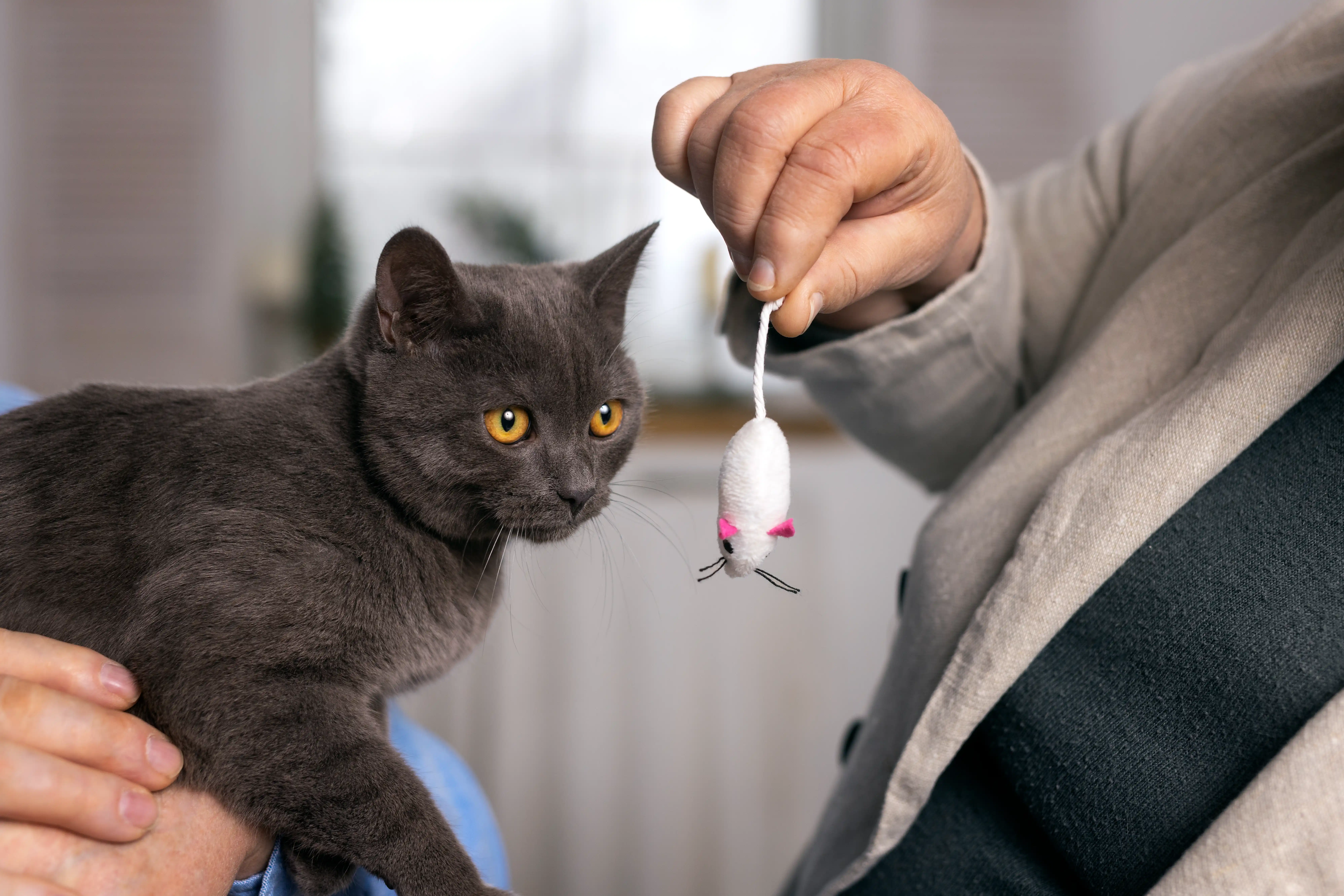
While the majority of cats adore Catnip, some actually avoid it altogether. This does not mean something is wrong with your cat; there are some other harmless reasons.
Why Some Cats Don’t Respond to Catnip
Genetic non-responders, which are common in 30–40% of cats
Kittens under 6 months rarely react
Illness or stress
Poor-quality catnip (Yes, quality matters here too)
Why Some Cats Avoid Catnip
You may find the scent of jasmine to be the essence of a tranquil garden, but for your best friend, it is a startling cue for a round of sneezes and watery eyes. This is the same with cats. They also avoid certain smells, such as Nepetalactone, and may prefer alternative plants.
Natural Catnip Alternatives for Non-Responsive Cats
The following plants contain compounds similar to Catnip:
Silvervine (Actinidia polygama) non-catnip responders have been found to enjoy it
Tatarian honeysuckle
Valerian root
Research article published in the BMC Veterinary Research (2017) confirms that silvervine triggers reactions in over 80% of cats, making it the best alternative to Catnip.
Related Readings: Is Online Pet Care Consultation Right for Your Pet?
4. Catnip Benefits: How It Boosts Your Cat's Happiness & Well-Being
Mental stimulation & stress relief
Catnip has been proven to encourage play, curiosity, and exploration, especially in indoor cats, as they do not use their natural hunting instincts.
Encourages exercise & healthy behaviour
Obesity is a common medical issue in domesticated cats. With Catnip, you can encourage their movement, helping them to regulate their weight.
Helps Reduce Anxiety in Cats
Catnip can calm cats after the active phase has passed. The excited "high," which lasts only 10-15 minutes, is followed by mellow relaxation.
Benefits of Catnip for Senior Cats
Senior cats suffering from arthritis or cognitive decline tend to enjoy gentle stimulation without overexertion.
If used correctly, Catnip can be one of the best natural enrichment tools for your cats, which is regarded as safe and effective in the veterinary medical literature.
Related Readings: 14 Common Mistakes in Pet Food Choices
5. Types of Catnip Products & How to Choose the Right One
If you understand the types of Catnip, you can choose the most effective and safest option for your cat.
Loose Dried Catnip
Best for sprinkling on toys or scratchers. Always choose organic Catnip. It will have a strong aroma and no chemical residue.
Catnip Toys
These include scratchers, interactive toys, and plush toys infused with Catnip. These are ideal for cats who enjoy physical play.
Catnip Balls
If your cat loves chewing, they will love cantip balls, which are also dental-friendly.
Catnip Sprays & Blends
Catnip sprays are not as potent as dried Catnip, but perfect if you want controlled stimulation. And also they are less messy.
Growing Your Own Catnip: Catnip Seeds Guide for India
Catnip grows well in Indian climates, and you can grow it easily on windowsills and balconies.
Where to buy catnip seeds online in India
You can find quality seeds on:
Amazon India
NurseryLive
Ugaoo
Local plant nurseries
How to grow Catnip at home
Use well-draining soil
Keep the plant in partial sunlight
Water moderately only when the topsoil feels dry, as it is a drought-tolerant plant
Trim the plant often for bushy growth
Harvesting and Storing Catnip
Air-dry the leaves. Store them in air-tight containers to preserve Nepetalactone.
Related Readings: 15 Common Pet Health Issues Every pet Owner Should Know
7. How to Use Catnip Safely: Dosage, Frequency & Best Practices
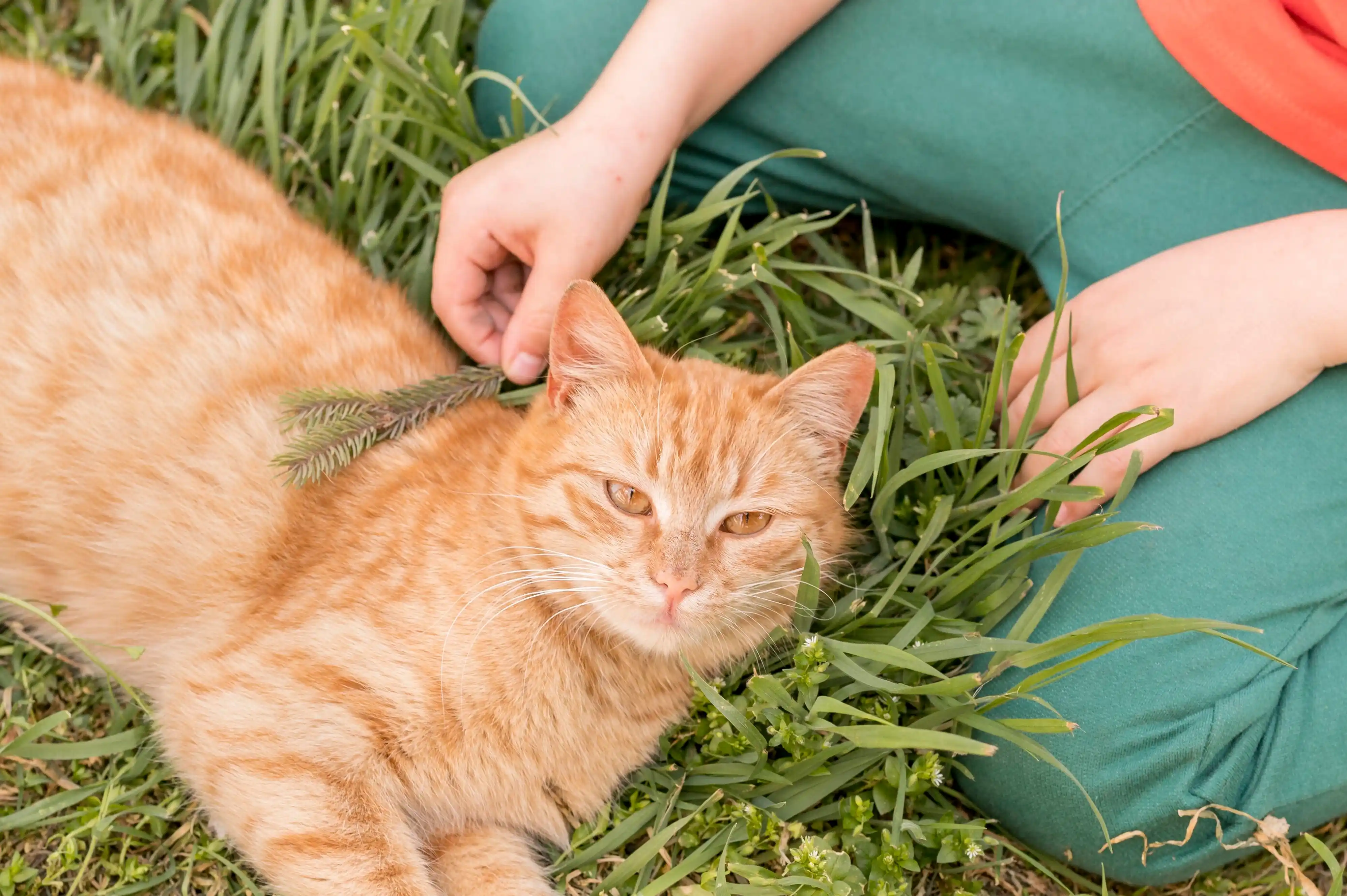
How Much Catnip Is Safe for Cats?
The effect of Catnip lasts between 5 and 15 minutes, and the cats will self-regulate. Use catnip 2-3 times per week to maintain sensitivity.
Signs You’re Using Too Much Catnip
Vomiting
Overstimulation
Diarrhea
Safe Spaces and Supervision While Using Catnip
Always use Catnip in a calm, familiar room. Supervise the first few sessions to observe your cat's behaviour.
8. Creative Ways to Use Catnip to Boost Your Cat's Happiness
Sprinkle loose Catnip on scratchers
Use catnip balls for rolling enrichment
Stuff catnip into old socks and tie them securely
Spray Catnip on enrichment puzzles
Create DIY catnip tea to mist bedding lightly
Catnip enriches your cat's environment, making it richer, safer, and happier.
Related Readings: 7 Signs Your Pet Might Be Hiding a Health Problem
9. Common Myths & Misconceptions About Catnip
Myth: Catnip makes cats addicted
False. A study from the Humane Society confirms that Catnip is not addictive.
Myth: Catnip makes cats aggressive
It can trigger playful aggression, not actual aggression.
Myth: Catnip is a hallucinogen
There is no scientific evidence that Catnip causes hallucinations.
10. Safety Concerns: When Catnip Might Not Be a Good Idea
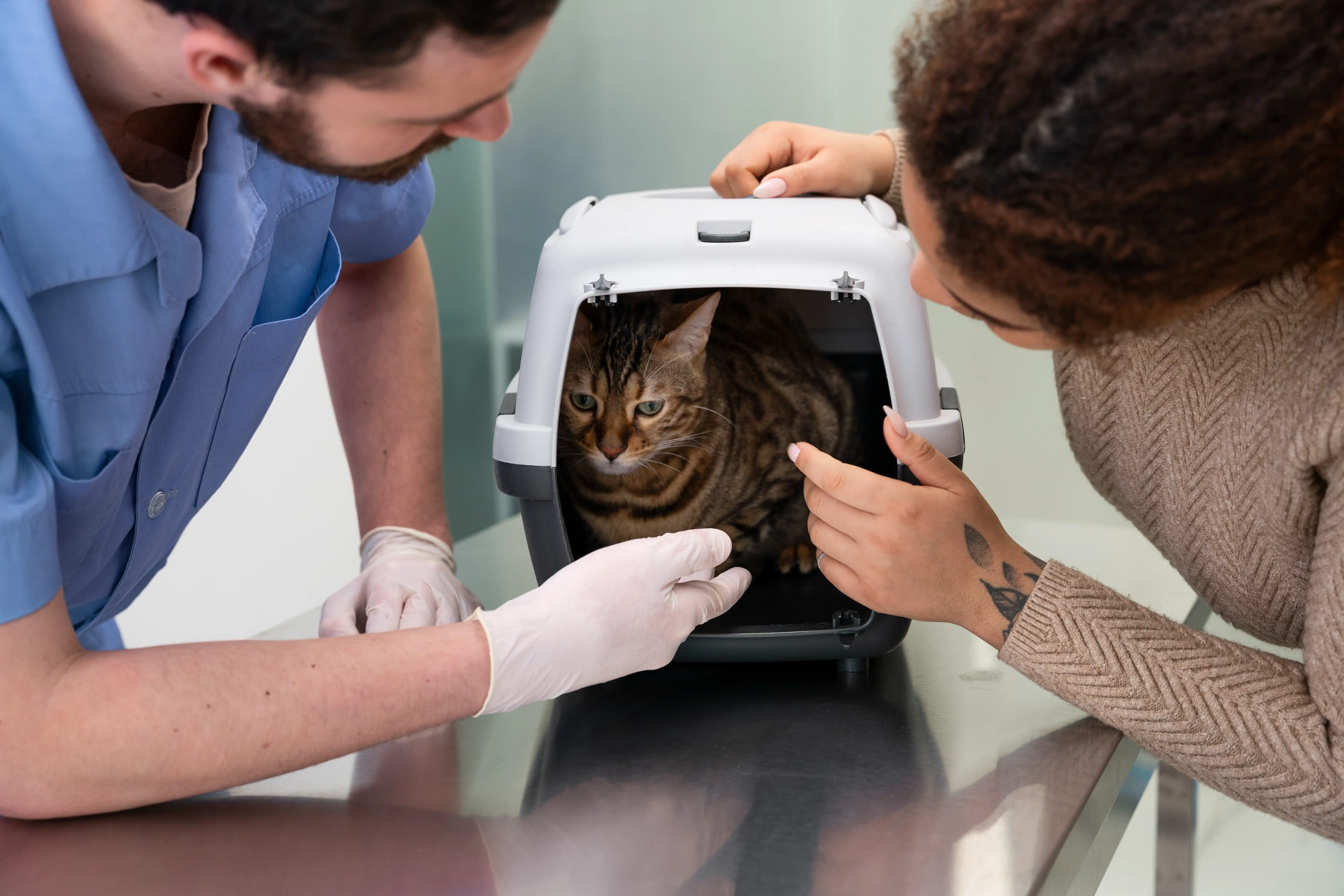
Signs of Catnip Overstimulation
Swatting
Dilated pupils
Growling
Agitation
When to Avoid Using Catnip
If your cat has undergone surgery
When you are introducing cats to each other
In multi-cat homes with tension
If your cat acts aggressively
How to calm an overexcited cat
Reduce stimulation (will reduce on its own within a few minutes)
Turn off the lights
Create a quiet environment
Offer water and familiar bedding
Consult an online cat behaviour expert
Catnip is an easy to use, safe and vet-backed tool that can also help you with behaviour correction and training. While most cats do fine with Catnip, so may require increased training efforts due to early trauma, lack of early socialization during kittenhood etc.
With a cat behaviour expert consultation on the Conbun app, you can consult professional cat behaviourist and veterinary doctors for advice on cat behaviour, cat training and how to use catnip in the most effective manner.
Related Readings: Common Winter Diseases in Dogs & How to Prevent Them
Conclusion: Making Catnip a Safe & Joyful Part of Your Cat's Life
Catnip is a gift—use it wisely, and your cat will thank you.
If you use it responsibly, Catnip will enrich your cat's environment, encourage cat healthy behaviour, and reduce boredom. Whether you use catnip toys, sprays, or homegrown Catnip, the key is moderation. Please don't overdo it and focus on creating a safe space for your cat.
Suppose you observe unusual behaviour after exposing your cat to Catnip, or you are unsure of how to introduce it. In that case, you can instantly connect to a verified feline veterinarian through online vet consultation on the Conbun app. With a cat behaviour expert consultation, you can ensure that your cat enjoys Catnip safely.
Catnip can be a gift if you use it wisely.
Frequently Asked Questions
1. What is the catnip secret?
Answer. Nepetalactone is the essential oil in catnip, which activates feline pleasure centres.
2. What is so special about Catnip?
Answer. It stimulates natural hunting and social behaviours in cats.
3. What is catnip made of?
Answer. To define, Catnip is a perennial herb from the mint family, with Nepetalactone as its primary compound, responsible for excitement and behavioural responses in cats.
4. What does Catnip actually do to cats?
Answer. Nepetalactone in cantip binds to receptors in cats' nasal tissues and triggers responses in the hypothalamus and amygdala, the brain regions responsible for behaviours and emotions.
5. Does Catnip work differently on male vs female cats?
Answer. No scientific difference has been documented. Its effects are usually considered the same for both male and female cats.
6. Is organic Catnip better for cats?
Answer. Yes. It's stronger, fresher, and chemical-free.
7. Can cats eat catnip?
Answer. Yes. Cats may eat Catnip, and it's safe, but only in moderation.
8. Is catnip good for cats?
Answer. Yes. Catnip can be an excellent tool for natural enrichment, and it is also considered safe and effective.