
My Cat Is Vomiting Repeatedly: Causes, Home Care & When to See a Vet
Written by: Anand Sen; Reviewed by: Dr. Shree (B.V.Sc & A.H, M.V.Sc)
Witnessing your cat vomit continuously can be alarming, especially when it occurs without an obvious reason. Many cat owners wonder, Is it just a hairball or something serious?
Here’s the truth. Occasional vomiting in cats can be normal and is not something you should worry about. But if it occurs repeatedly, it's a serious concern. It is your friend’s way of signalling that something inside their body is not right.
The following guide explains why cats vomit repeatedly, what you can safely do at home and when vomiting should be considered a medical emergency.
Early understanding and action can prevent minor issues from turning into life-threatening conditions.
Why Is My Cat Vomiting Repeatedly? (The Big Picture)
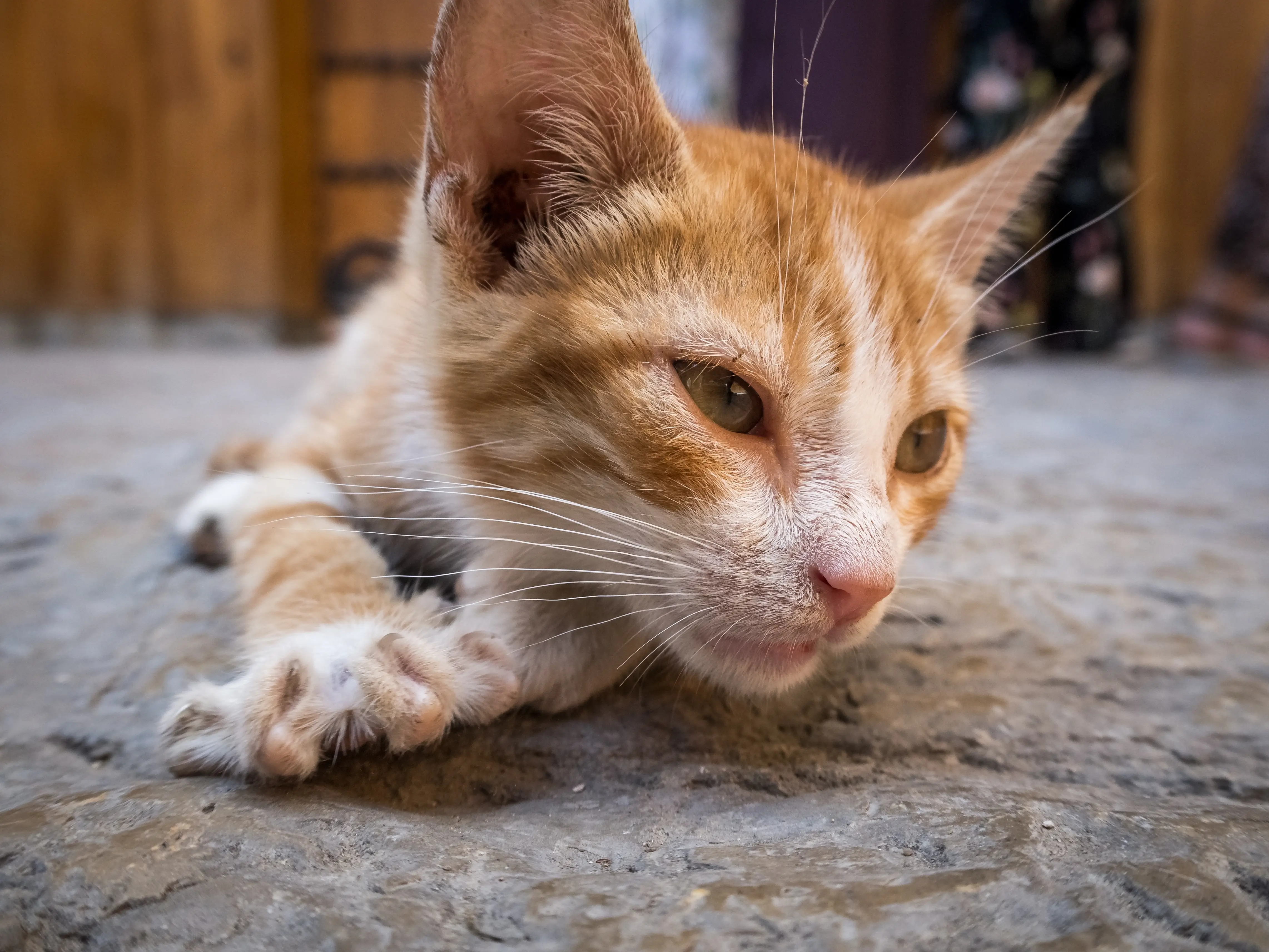
Short answer: Vomiting is a symptom, not a disease.
From a veterinary standpoint, what matters most is how often your cat vomits, what the vomit looks like and how your cat behaves afterwards. A single episode of vomiting, coughing up a hairball or vomiting after eating grass differs from vomiting that happens daily or several times a day.
Veterinarians always assess:
Duration (one day vs weeks)
Appearance (bile, food, foam, blood)
Associated signs (lethargy, appetite loss, weight loss)
Continuous vomiting indicates that the intestines, stomach or even organs outside the digestive system may be involved.
Consider taking an online vet consultation on the Conbun app to understand the cause of vomiting in your cat.
Related Readings: Ticks, Fleas & Worms: The Silent Parasitic Infections Making Indian Pets Sick
Occasional Vomiting vs Repeated Vomiting
Occasional: Once every few months, the cat is otherwise normal
Repeated: If vomiting has persisted for more than 24 hours, is in weekly patterns or in ongoing episodes, including other signs like lethargy or loss of appetite.
Repeated vomiting should never be ignored.
Regurgitation vs Vomiting: Know the Difference
This distinction is critical for diagnosis, and it’s why vets always ask “How did your cat vomit?”
Vomiting
Involves drooling and nausea
Abdominal contractions and retching
Food may be partially digested or liquid
Indicates intestinal irritation
Regurgitation
Passive and sudden, often linked to GERD
Food comes up undigested, tube-shaped
No nausea or abdominal effort
Often linked to oesophageal problems
Misidentifying vomiting as regurgitation can delay the correct diagnosis and may lead to adverse clinical outcomes.
Related Readings: Winter Health Problems in Pets: What Every Pet Owner Should Know
Common Causes of Repeated Vomiting in Cats
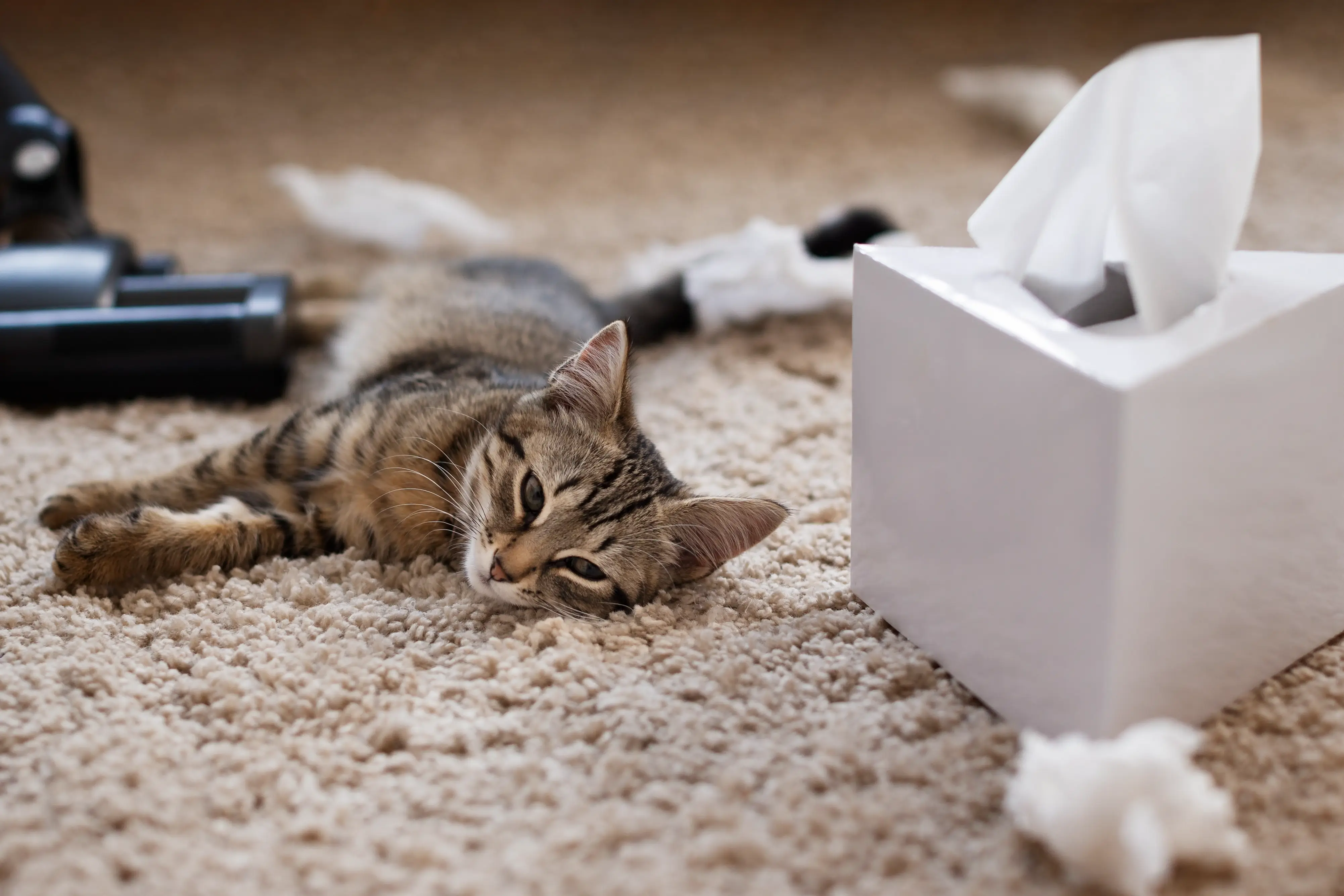
Hairballs (Common, but Often Overestimated)
Hairballs are frequently blamed, sometimes incorrectly.
Long-haired cats tend to groom more and swallow hair. However, vomiting hairballs weekly or daily is not normal.
Hairballs can also be dangerous if it causes blockage, a trichobezoar
Frequent hairball vomiting may indicate:
Underlying gastrointestinal inflammation
Inadequate fibre intake
Healthy cats usually pass hair through stool rather than vomiting repeatedly.
Diet & Eating Habits
Repeated vomiting is generally caused by diet-related triggers.
Common issues include:
Gulping air while eating or eating too fast
Sudden dietary changes
Allergies or food intolerance
Consuming poor-quality or spoiled food
Veterinary studies have revealed that abrupt changes in diet disrupt the feline gut microbiome, leading to digestive issues, vomiting and nausea.
Related Readings: Top Rated Pet Care Consultation App: Features, Benefits, How It Works
Gastrointestinal Issues
Repeated vomiting is often caused by issues in the stomach or intestines.
Possible gastrointestinal issues include:
Gastritis: inflammation due to diet, stress, or toxins
Foreign body ingestion like string, plastic, hair ties, etc
Intestinal parasites: common in kittens and outdoor cats
Foreign bodies are particularly dangerous to cats due to their grooming habits and attraction to string-like objects.
Medical Conditions (Often Missed Early)
Frequent or chronic vomiting in cats may be the initial visible sign of a systemic disease.
Common medical causes include:
Chronic kidney disease (very common in older cats)
Liver disease
Pancreatitis
Hyperthyroidism (especially in senior cats)
Inflammatory bowel disease (IBD)
A 2022 study published in the Australian Veterinary Journal showed that chronic vomiting is a classic sign of thyroid and kidney disease in cats.
Ticks and fleas can also cause vomiting in cats, either from swallowing them, leading to stomach upset or tapeworms, or due to toxicity from tick bites.
What If My Cat Is Vomiting Yellow Liquid?
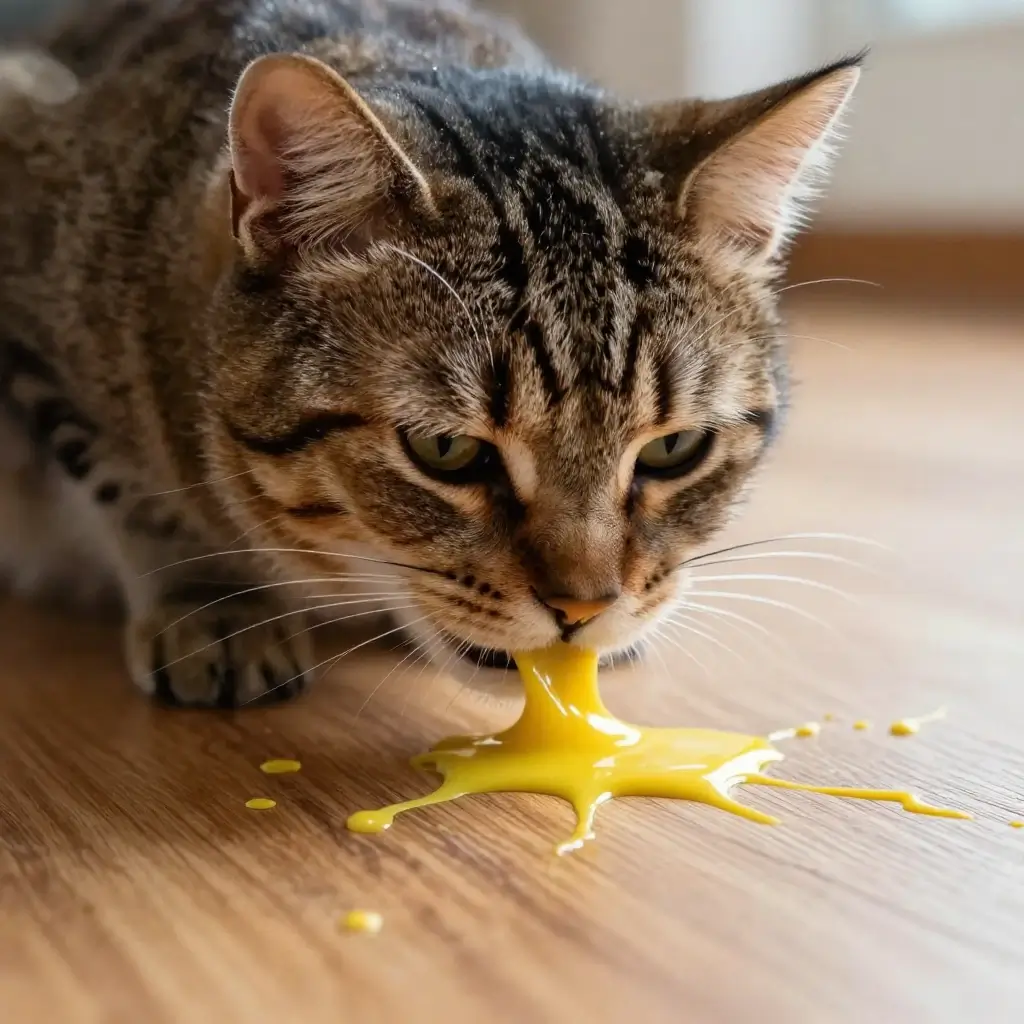
Short answer: Yellow vomit usually means bile, triggered by an irritated or empty stomach. It may even signal liver disease, pancreatitis or IBD in serious cases.
Why Is My Cat Vomiting Yellow Liquid in the Morning?
Bile is produced by the liver and enters the stomach when it’s empty or irritated. This commonly happens when:
The stomach has been emptying for too long.
Feeding schedules are irregular
The stomach lining is irritated by acid buildup
This is often called bilious vomiting syndrome
When Yellow Vomit Is Concerning?
You need to seek veterinary guidance for yellow vomiting if:
Your cat vomits multiple times a day
Vomiting persists for more than 24 hours
It is accompanied by lethargy or dehydration
You have kittens or senior cats
In such cases, bile vomiting may indicate the presence of pancreatitis, liver disease or intestinal obstruction.
My Cat Is Vomiting and Not Eating. Is This Serious?
Yes. This is a major red flag.
Cats are unique physiologically. They cannot tolerate prolonged fasting. If your cat has stopped eating, it may be at risk of developing hepatic lipidosis or fatty liver disease, which is a life-threatening condition.
Warning Signs You Should Never Ignore
Your cat has been refusing food for more than 24 hours
Hiding or withdrawal
Rapid weight loss
Sunken eyes or dry gums
From a veterinary standpoint, vomiting combined with appetite loss requires immediate evaluation. Visit an emergency veterinary care unit near you or take an online vet consultation for initial diagnosis.
Safe Home Care for a Cat That Is Vomiting
What You Can Do (Short-Term Support)?
Home care is supportive. Not curative.
You may:
Withhold food for 8–12 hours (adult cats only)
Offer small sips of water frequently to ensure adequate hydration
Resume feeding with small and bland meals
Keep the environment calm and stress-free
If you have a multi-cat household, introduce them gradually to avoid stress.
What NOT to Do
Do not give human anti-vomiting medicines
Do not try to force-feed
Do not abruptly change diet
Do not ignore if your cat is vomiting repeatedly
Delaying treatment can lead to worsening of vomiting-related cases.
Related Readings: How Kite-Flying Festivals Cause Injuries to Hundreds of Birds Every Year
When to See a Vet for a Vomiting Cat?
How Much Vomiting Is Too Much?
Seek veterinary care immediately if your cat:
Vomits more than 2–3 times in 24 hours
Has blood in vomit
Shows signs like severe lethargy or collapse
Is a kitten, senior, or chronically ill
May have eaten a foreign object or toxin
If visiting a vet isn’t possible, digital pet care can help with an initial diagnosis and guidance for at-home treatment.
What the Vet May Check?
A veterinary evaluation may include:
Full physical examination
Blood tests (kidney, liver, electrolytes)
X-rays or ultrasound
Stool testing
Detailed analysis of dietary and lifestyle history
Early diagnostics significantly improve cat health outcomes.
How to Prevent Frequent Vomiting in Cats?
While not all vomiting is preventable, you can reduce risk by:
Feeding smaller, frequent meals
Using slow-feeder bowls
Grooming regularly to reduce hair ingestion
Avoiding sudden food changes
Maintaining routine deworming
Scheduling regular veterinary checkups
Prevention focuses on gut health, consistency, and early detection.
Final Thoughts — Trust Your Instincts as a Cat Parent
Occasional vomiting in cats is harmless, but repeated vomiting may signal a health issue.
Cats are stoic in nature, and therefore, they may hide illnesses. Vomiting is one of the few common signs that tells you something is wrong with your four-legged friend. When you notice a pattern, whether it's food refusal, yellow liquid or repeated episodes of vomiting, you should understand that your cat needs help.
When in doubt, consult a veterinarian early.
With Conbun android and iOS, you can seek immediate online veterinary consultation to not only save your cat’s life but also prevent suffering and healthcare costs.
Frequently Asked Questions:
1. Is it normal if my cat is vomiting once a week?
Answer. No. Regular vomiting, even weekly, should be evaluated clinically.
2. Why is my cat vomiting yellow liquid but acting normal?
Answer. Yellow vomit signals bile from an empty stomach, but repeated episodes still need attention as it may indicate disease like Pancreatitis or liver disease.
3. My cat is vomiting and not eating - how long can I wait?
Answer. Cats’ health deteriorates quickly without food. You should not wait for more than 24 hours.
4. Can stress cause vomiting in cats?
Answer. Yes. Environmental changes, irregular diet, and dietary changes can trigger vomiting in cats.
5. Should I change my cat’s food if vomiting continues?
Answer. Yes, but only if food is identified as the cause. Sudden dietary changes can worsen vomiting.
6. What to do if my cat is vomiting?
Answer. If your cat vomits once, take steps like removing food for 2-4 hours, ensuring proper hydration and rest. If vomiting persists for more than 24 hours, accompanied with lethargy or diahrrea, contact a veterinarian immediately.
Table of Content
- Beginner Puppy Guide