Written by: Anand Sen; Reviewed by: Dr. Manshi (B.V.Sc & A.H, M.V.Sc)
Cats are masters of disguise. In veterinary medicine, there’s a widely accepted truism: “By the time a cat looks sick, it has been sick for a while.” This statement is a clinical reality.
Unlike dogs, who often display symptoms like limping or whimpering, cats instinctively hide pain and illness. They tend to hide, retreat or act normally until their illness becomes severe.
In the wild, showing weakness meant becoming prey. This evolutionary holdover is still deep-rooted in your sofa-loving, sunbathing house cat.
That’s why understanding cat disease & symptoms becomes life-saving.
This guide will break down the most important warning signs, explain why they happen and help you to decide when to observe and when to visit a vet.
How to Tell If Your Cat Is Sick (Early Symptoms Checklist)
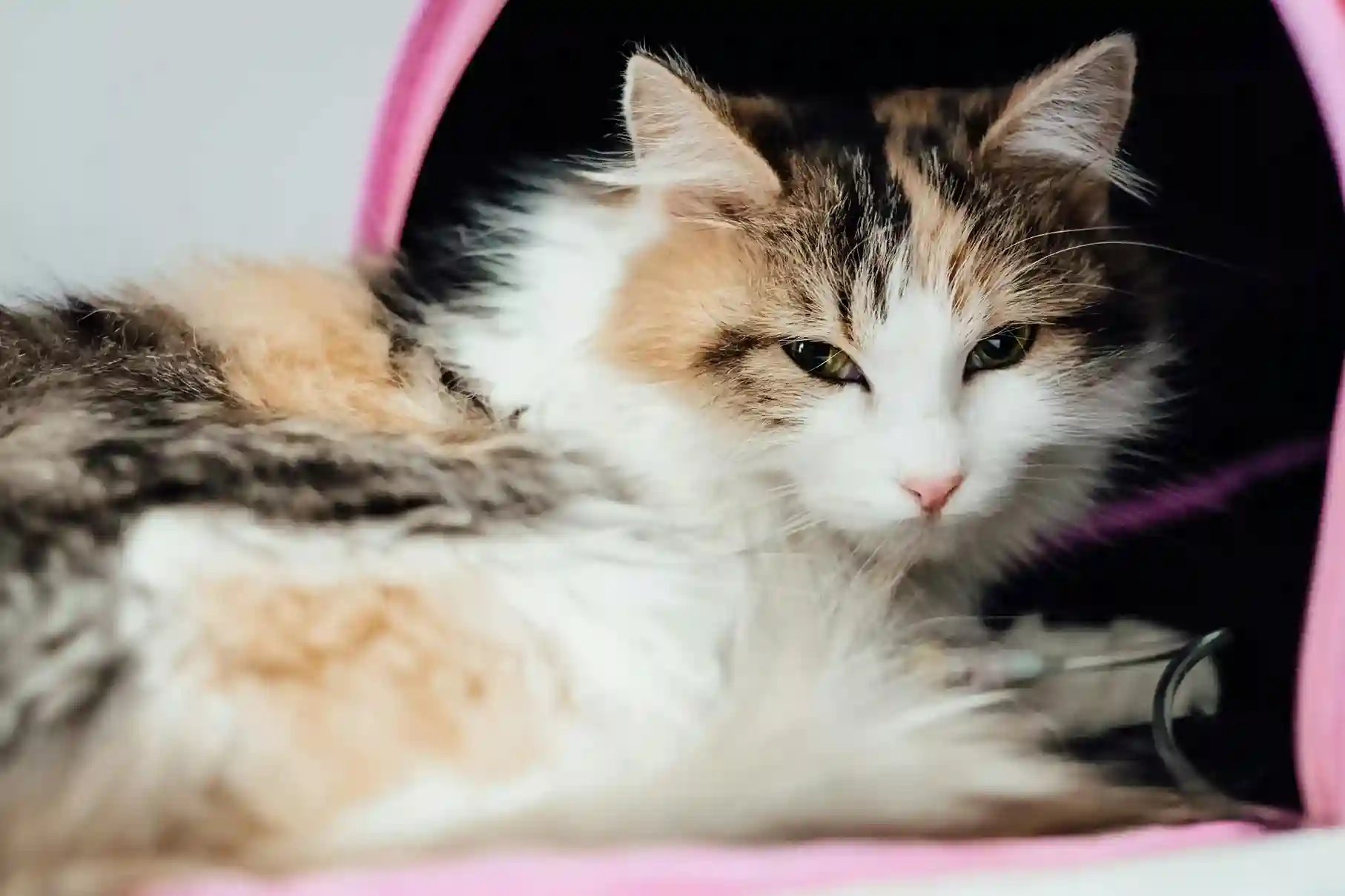
No matter how much a pet tries to hide pain or illness, there are always subtle signs that indicate something is wrong with them.
A sick cat often displays subtle behavioural and physical changes long before severe illness becomes apparent. Early recognition of these symptoms can dramatically improve outcomes.
As per veterinarians, owners often miss the early cat illness signs because symptoms look “minor” at first. This leads to treatment delays and ultimately poor health outcomes.
Physical Illness Symptoms in Cats
These are the most commonly observed cat illness signs in clinics:
Vomiting - occasional vs frequent matters
Diarrhea - loose, watery, or bloody stools
Hair loss - excessive shedding or bald patches
Body temperature too high or too low from the normal cat temperature range
Sneezing - persistent or with nasal discharge
Weakness - reduced movement, trembling
Weight loss or weight gain
All of these symptoms can have mild or severe causes, depending on their duration, frequency and combination with other signs.
Behavioral Illness Symptoms in Cats
Behavioural changes in cats often manifest as sudden changes in daily habits. These symptoms start to appear as physical symptoms progress.
Watch closely for:
Not eating or eating significantly less
Sleeping excessively or unusual lethargy
Inappropriate urination or defecation due to pain, stress, etc.
Hiding in dark or isolated places or avoiding interaction
Changes in activity levels, like lethargy or sleeping more
As per feline medical literature, behavior change is often considered the first red flag of underlying disease.
Related Readings: Top Rated Pet Care Consultation App: Features, Benefits, How It Works (2026 Guide)
Cat Vomiting Frequently: Causes, Risks and When to Worry
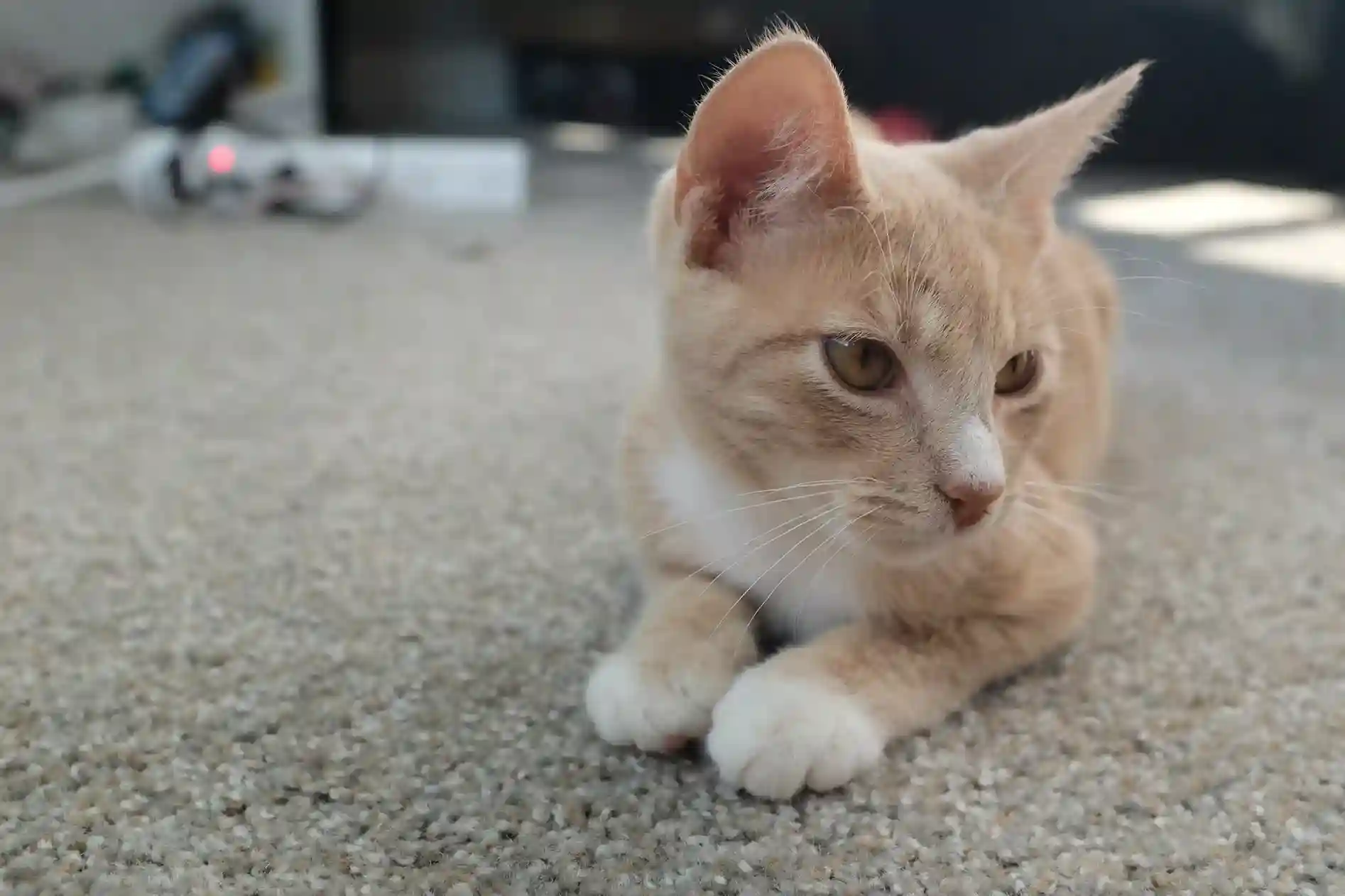
Frequent vomiting in cats is not normal and should not be ignored. If it occurs daily or in conjunction with other symptoms like lethargy, it is a critical cat health sign.
An occasional hairball? Common. You don’t need to panic.
Vomiting several times a week? That could be a symptom of an underlying cat health concern.
Common Causes of Frequent Vomiting in Cats
Hairballs
Veterinary studies have identified hairballs as one of the most common reasons for vomiting in cats.
Cats groom themselves constantly. Excess hair forms into hairballs (trichobezoars), which irritate their stomach, causing vomiting.
Food intolerance or allergy
Food intolerance or allergies can frequently cause vomiting in cats. Certain proteins or additives can trigger chronic gastric irritation. These reactions occur to food sensitivities when a cat’s digestive system reacts adversely to ingredients like beef, dairy or fish.
Parasites
Vomiting in cats due to parasites is also common. It indicates heavy infestation or gastrointestinal worms. Intestinal worms interfere with digestion and nutrient absorption. Sometimes worms may be visible in a cat’s vomit.
Liver or kidney disease
Chronic organ disease may also present first as vomiting. According to Cornell Vet resources, chronic vomiting is one of the earliest signs of kidney disease in cats.
Dangerous Vomiting Signs That Require a Vet Visit
Seek veterinary care immediately if you notice:
Blood or coffee-ground material in vomit
Vomiting with lethargy or weakness
Weight loss or dehydration
Cat vomiting after eating
Home Care vs Medical Treatment for Cat Vomiting
If it's just one isolated episode of vomiting, monitor closely.
If you observe recurrent vomiting, then a medical evaluation is required.
Cats are extremely sensitive to drugs. Never give them human medicines, as it could lead to toxicities.
Related Readings: 15 Common Pet Health Issues Every pet Owner Should Know
Cat Not Eating and Sleeping All Day: What It Really Means
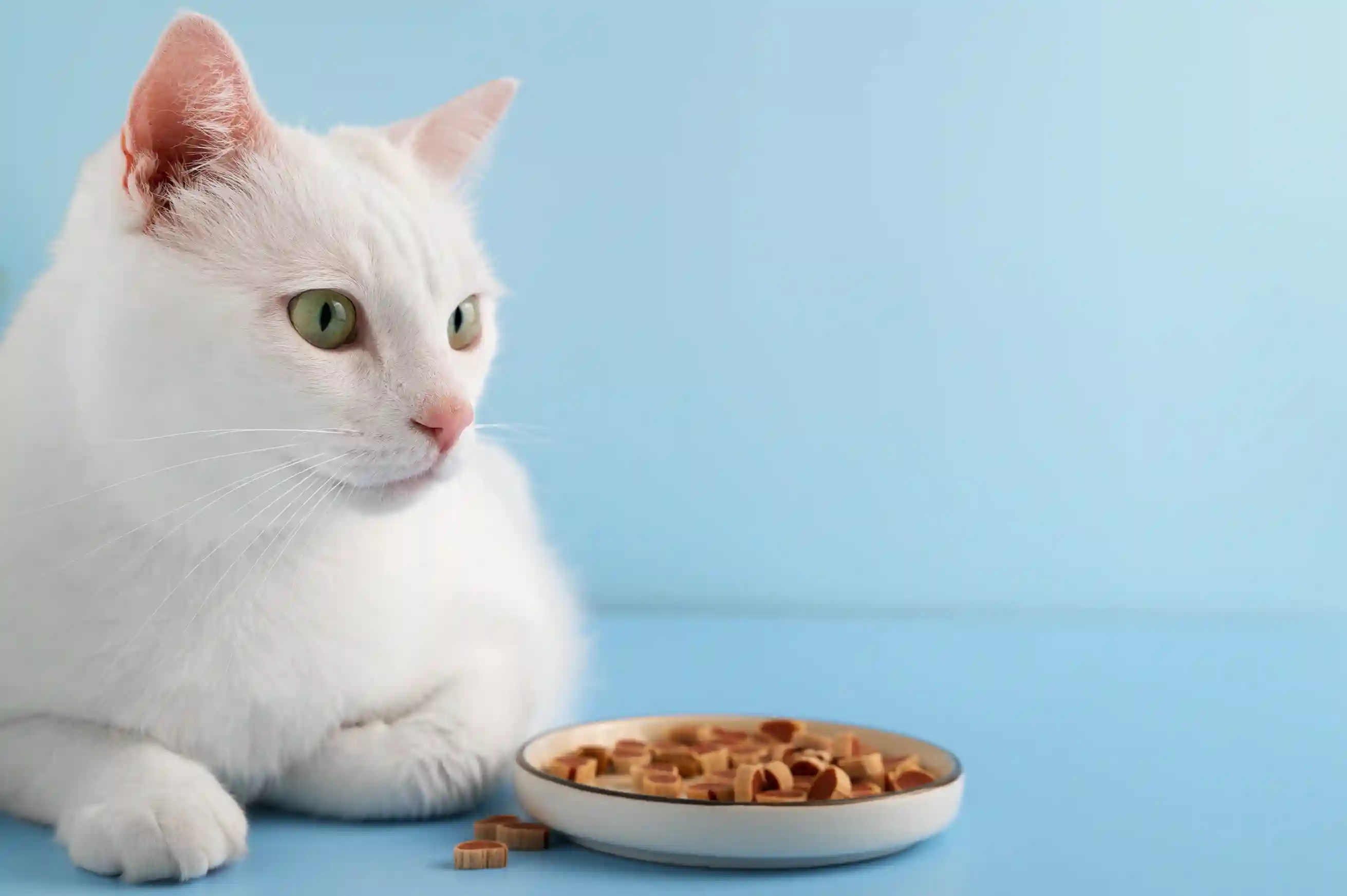
A cat not eating and sleeping excessively is a medical warning sign, not laziness. Get online cat health advice to find out the clinical reason.
According to the Journal of Feline Medicine and Surgery, Cats can develop hepatic lipidosis or fatty liver disease within a few days of not eating. This condition can be fatal if the treatment is delayed.
Loss of Appetite in Cats (Anorexia)
Anorexia in cats is a significant loss of appetite and a serious clinical sign, and may be caused by various factors. It is also a sign of Inflammatory Bowel Disease.
Common causes seen in veterinary practice include:
Stress or environmental change
Dental pain or oral disease
Stomatitis
Pancreatitis, chronic kidney disease
Upper respiratory infections
Infection or inflammation
Nausea or internal organ disease
Unlike dogs, cats generally do not skip without a strong reason.
Cat Sleeping Too Much: Normal or Serious?
It’s normal for cats to sleep 12-16+ hours a day. But if your cat is suddenly sleeping more and shows other clinical signs like lethargy, hiding or changes in eating/litter habits, then it could be a serious concern.
Red flags include:
Sleeping more than usual and not eating
Difficulty waking up
No interest in surroundings
This combination often signals systemic illness.
When Loss of Appetite Becomes a Medical Emergency
Seek urgent care if:
Cat refuses food for 24 hours
Lethargy worsens
Vomiting or diarrhea appears
Cat isolates completely
Related Readings: 14 Common Mistakes in Pet Food Choices
Cat Hair Fall Problem: Normal Shedding vs Disease
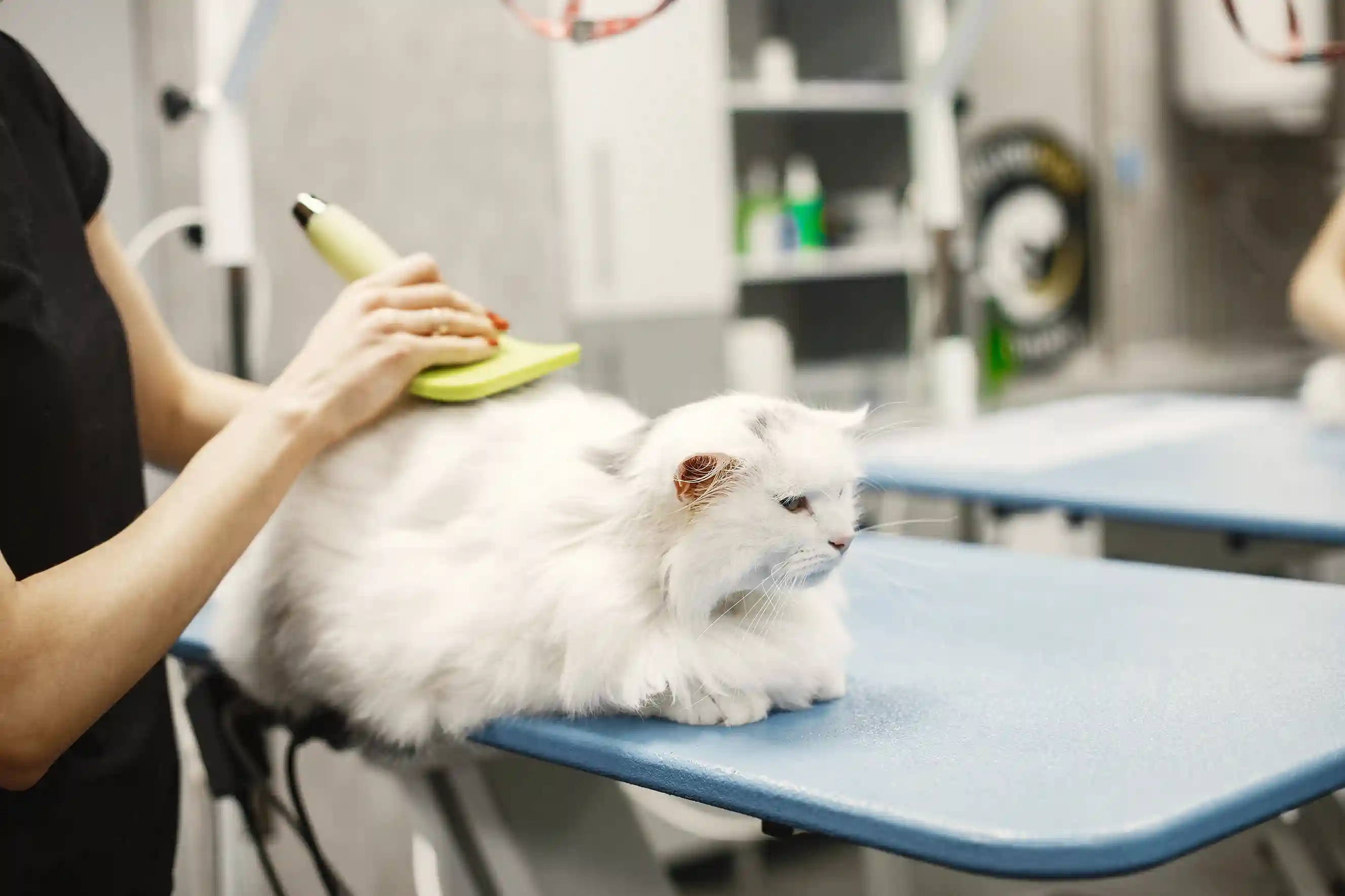
Some shedding is normal, but excessive hair fall, bald patches, or broken fur often indicate disease.
Veterinarians differentiate between seasonal shedding and pathological hair loss. If you are unable to tell the difference talk to a feline veterinarian online for cat health advice.
Normal Shedding vs Abnormal Hair Loss in Cats
Normal shedding:
Even hair loss
No redness or itching
Seasonal
Abnormal hair loss:
Bald spots
Red or scaly skin
Excessive licking or scratching
Medical Causes of Hair Fall in Cats
Common veterinary diagnoses include:
Fungal infections (ringworm)
Allergic dermatitis
Parasitic infestations
Hormonal imbalance
According to ASPCA guidelines, ringworm is one of the most misdiagnosed causes of the cat hair fall problem, often mistaken for allergies.
Nutritional Deficiency and Poor Diet in Cats
Low-quality diets are lacking:
Essential fatty acids
Adequate protein
Micronutrients
These can lead to a dull coat and cat hair fall problems.
Related Readings: Is Online Pet Care Consultation Right for Your Pet?
Cat Diarrhea Causes: From Mild Upset to Serious Disease
Cat diarrhea causes can range from mild digestive upset to life-threatening health conditions, especially in kittens.
Common Causes of Diarrhea in Cats
Frequently diagnosed causes include:
Sudden diet change
Intestinal worms
Bacterial or viral infections
Food intolerance
Mild diarrhea may resolve within several 24 hours, but only if the cat is active and hydrated.
Diarrhea in Kittens vs Adult Cats
Kittens are at much higher risk of diarrhea due to:
Weaker immune systems
Fast metabolism
Rapid dehydration
Parasite susceptibility
According to veterinary data, diarrhea is a leading cause of mortality in young kittens when untreated. Therefore, young kitten owners need to diagnose cat diarrhea causes and treat them in time.
How Long Can Cat Diarrhea Last?
Diarrhea lasting more than 24 hours
Bloody or black stools
Diarrhea with vomiting or weakness
If you see these signs, then an immediate vet visit is required. However, if a vet visit is not possible, you can consult certified online veterinarians through cat disease consultation online on Conbun to rule out any underlying condition.
Related Readings: 10 Benefits of booking vet consultation online vs. in-person visits?
Kitten Looks Weak: Emergency Red Flags You Shouldn’t Ignore
If your kitten looks weak, it may be a medical emergency until proven otherwise. Kittens, due to their small size, have faster metabolism, lack energy reserves and can decline within hours, not days.
Why Weakness Is More Dangerous in Kittens
Veterinary neonatal studies highlight:
Rapid blood sugar drops
Quick dehydration
Immature immune response
This makes even mild illness potentially fatal.
Common Causes of Weakness in Kittens
Most frequently diagnosed causes of a kitten looking weak include:
Dehydration
Low blood sugar (hypoglycemia)
Parasite infestation
Infection
One well-documented condition is Fading Kitten Syndrome. It is a condition where one or more kittens of a litter are born healthy but gradually become weak and eventually die.
Emergency Care Tips for Weak Kittens
You should not delay care if:
Kitten is limp or cold
Refuses to nurse or eat
Has diarrhoea with vomiting
Is weak and sleepy
Immediate veterinary attention can save lives. Turn to online platforms for immediate virtual cat health advice, till the time you can reach nearest veterinary clinic.
Cat Sneezing a Lot: Cold, Allergy or Infection?
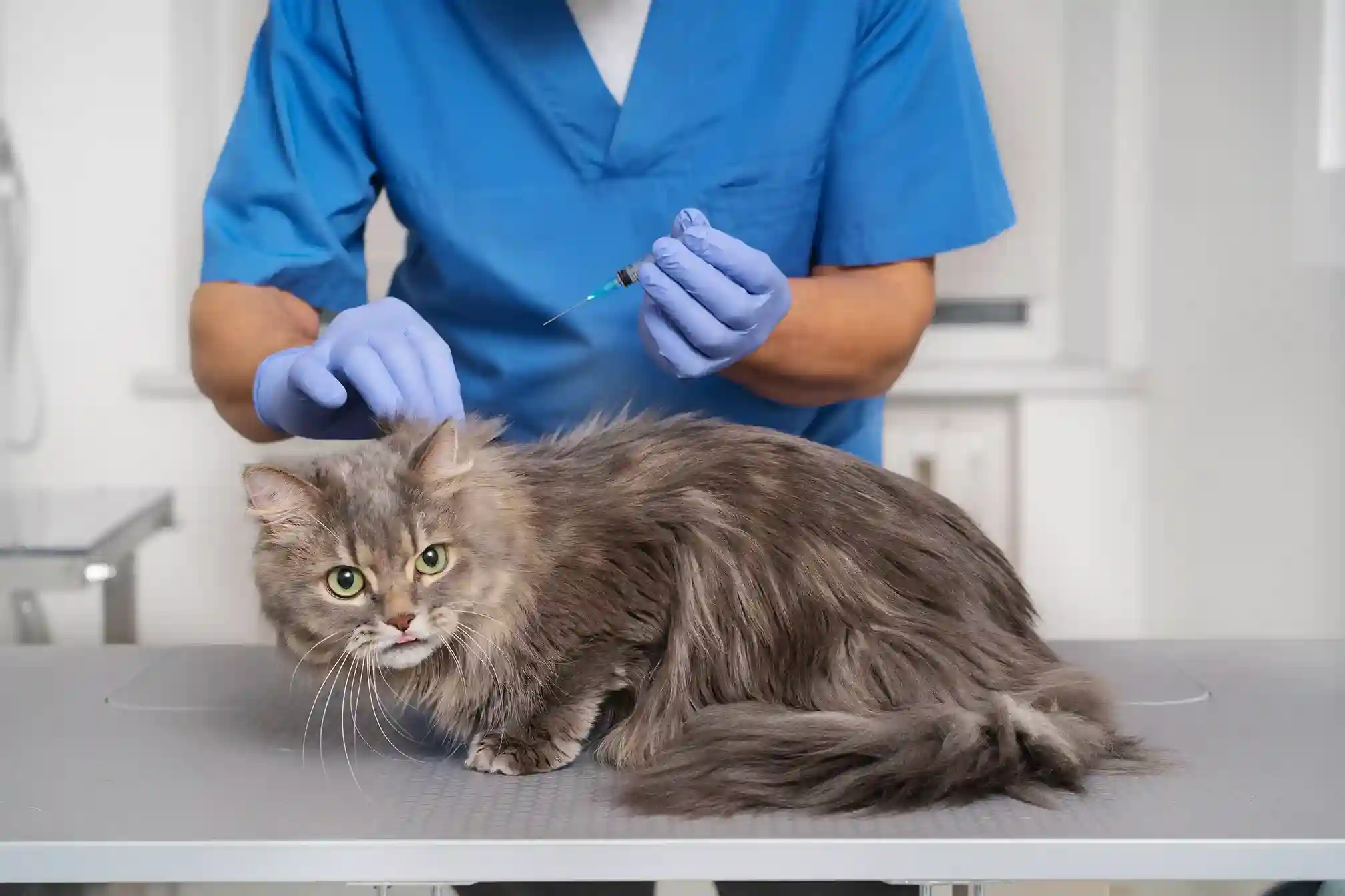
A cat sneezing a lot can be harmless or a symptom of a serious respiratory infection. The difference is in the frequency, discharge and behavioural changes.
Veterinarians often consider sneezing as the “cough of cats”, as it is the primary indicator of respiratory irritation in cats, with the same clinical significance as cough in humans.
Common Causes of Sneezing in Cats
Most non-serious causes of sneezing in cats are:
Upper respiratory infections (URIs)
Often viral and common in kittens or multi-cat homes. URIs include Calicivirus and herpesvirus.
Dust, smoke, or allergies
Litter dust, smoke perfumes, or household sprays also frequently trigger sneezing in cats.
Mild colds
Sneezing could also be a result of weather changes, stress or moving to a new geographic location.
These causes usually fade away with supportive care, provided the cat is active and eating normally.
Cat Sneezing With Discharge: What It Means
If the cat is sneezing a lot with nasal discharge, pay close attention to:
Clear discharge → mild irritation or allergy
Yellow/green discharge → bacterial infection
Bloody discharge →trauma, foreign body, or serious disease
According to Cornell Vet resources, persistent sneezing with discharge could last from 5-10 days in mild cases and up to six weeks in severe cases.
When Cat Sneezing Becomes Dangerous
Seek immediate veterinary care if:
Sneezing is frequent and worsening
Discharge is thick, colored, or bloody
Cat stops eating
Eyes are swollen or watery
Lethargy develops
When to Take Your Cat to the Vet (Urgent vs Non-Urgent Signs)
Knowing when to wait and when to act immediately are key skills that cat owners should have.
Symptoms That Require Immediate Vet Care
Do not delay if you notice:
Continuous vomiting
Severe weakness or collapse
Bloody diarrhea or vomit
Cat not eating for 24 hours
Kitten looks weak or unresponsive
Breathing difficulty
Veterinary literature consistently shows that early treatment dramatically improves survival, especially in cats.
Symptoms You Can Monitor at Home
You may observe at home (with caution) if:
Symptoms are mild
Cat is eating and drinking
Energy level is mostly normal
Symptoms lasting less than 24 hours
If you observe the symptoms worsening with time, veterinary care is recommended.
How to Prevent Common Cat Diseases (Vet-Approved Tips)
The most common cat diseases and symptoms are preventable through vaccination, proper nutrition, hygiene and observation.
Proper Diet and Hydration for Cats
Feed high-protein, moisture-rich food
Encourage water intake
Avoid sudden food changes
Cat nutrition & health have an innate relationship with each other. As cats are obligate carnivores, their diet must contain high animal-based protein, moderate fat, and low carbohydrate intake for optimum bodily functions, energy levels, and skin and coat health.
Vaccination and Deworming for Cats
Vaccines protect against:
Upper respiratory viruses
Panleukopenia
Rabies (where applicable)
Routine deworming prevents:
Anemia
Digestive illness
Growth problems in kittens
Regular Health Monitoring for Cats
Simple habits save lives:
Monitor appetite daily
Check litter box output
Watch grooming and coat condition
Track behaviour changes
Early detection is the most effective medicine.
Conclusion: Early Detection Saves Cat Lives
Cats don’t cry out when they’re sick. They whisper through subtle changes. If your cat is vomiting frequently, not eating, sleeping excessively, experiencing diarrhea or weakness, then it is not just a normal condition.
Understanding cat disease and symptoms allows you to act early, so that small issues don’t turn into emergencies.
This is where platforms like Conbun truly make a difference.
With Conbun android and iOS, cat parents can connect instantly with online pet care experts and certified veterinarians for trusted expert guidance. Whether it’s a quick doubt about your cat’s food or their skin condition you can talk to an expert via online vet consultations for cats.
Because when it comes to cats, early advice saves lives.
FAQs About Cat Diseases and Symptoms (People Also Asked)
1. Why is my cat vomiting every day?
Answer. Daily vomiting is not normal and indicates a serious digestive, kidney or metabolic disease. A vet visit is recommended.
2. Is it normal for cats to sleep all day and not eat?
Answer. No. Sleeping excessively with appetite loss (anorexia) is a serious sign of an underlying medical condition.
3. What causes hair fall in cats?
Answer. Common causes for hair fall in cats include fungal infections, parasites, hormonal issues, allergies or poor nutrition.
4. How long can cat diarrhea last?
Answer. Mild diarrhea in cats may last 24 hours. But it can also last longer, which would require veterinary care.
5. Why does my kitten look weak and sleepy?
Answer. Weakness in kittens could be very dangerous and indicates serious dehydration, low blood sugar or infections.
6. Is frequent sneezing in cats serious?
Answer. It can be mild or serious. If your cat is sneezing a lot or you are seeing nasal discharge, it could be serious and veterinary evaluation is required.
7. Can I consider cat disease consultation online?
Answer: Yes. Consulting a veterinary doctor online can be the safest and smartest step to triage, diagnose and gauge the intensity of a cat health condition.