Written by: Anand Sen; Reviewed by: Dr. Manshi (B.V.Sc & A.H, M.V.Sc)
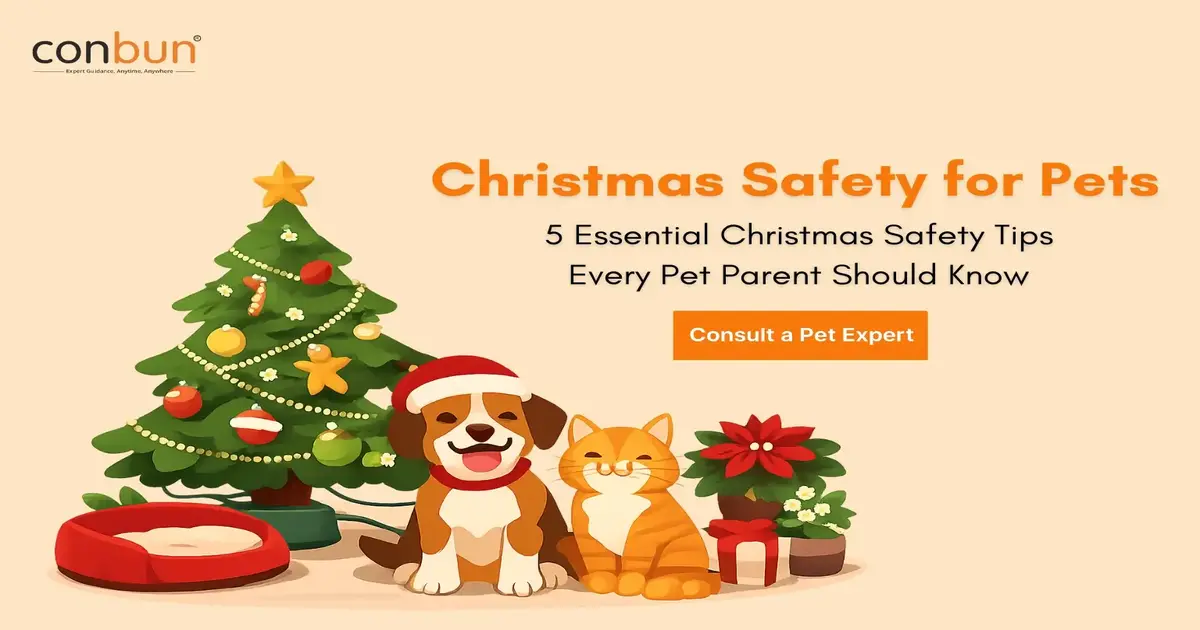
Christmas brings fun and joy for us, but it can be stressful for our four-legged friends. New noises, overstimulation from new people, disrupted routines, flashing lights, and travel can leave your pets feeling anxious and overwhelmed. All these factors can compromise Christmas safety for pets if pet parents aren't prepared.
The following guide will discuss veterinary science-backed, practical Christmas pet care tips to help you enjoy the holidays while keeping your dog or cat safe and healthy.
Why Christmas Can Be Stressful for Pets?
Common holiday hazards for dogs & cats
Christmas comes with sudden environmental changes. According to the guidelines from the American Veterinary Medical Association (AVMA), pets are most commonly affected by:
Ingesting decorations, tinsel, or wrapping paper
Consuming toxic foods or plants
Burns from lights or candles
Escape incidents during gatherings
Anxiety from noise and unfamiliar guests
Dogs are more prone to food-related emergencies. On the other hand, cats are at significantly higher risk of injury from string, decorations, and climbing-related accidents due to their nature.
Signs your pet is overwhelmed
As noted above, pets experience stress during the holiday season, but they don't express it as humans do. Watch for:
Withdrawal or hiding
Excessive meowing, barking, or pacing
Digestive issues or loss of appetite
Panting, trembling, or destructive behaviour
Recognising these signs early is vital for pet safety during Christmas.
Related Readings: Winter Dog Grooming Guide: Prevent 30% of Skin Issues With Smart Seasonal Care
5 Essential Christmas Safety Tips for Pets
1. Pet-Safe Decorations & Christmas Trees
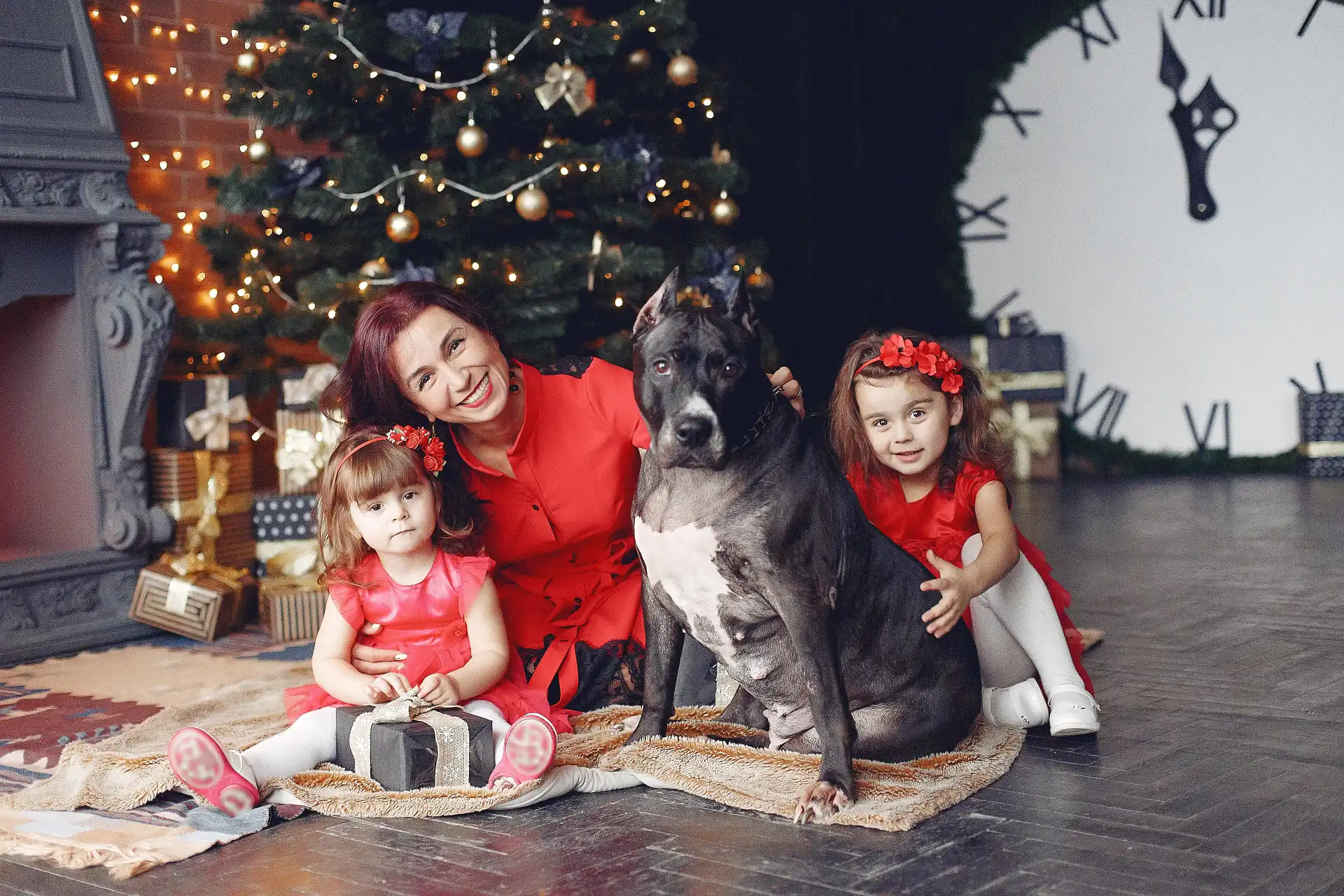
Choosing non-toxic ornaments and lights
Many popular Christmas decorations pose significant risks to your pets. Veterinary toxicology resources, such as ASPCA Animal Poison Control, warn against:
Glass ornaments may lead to choking and laceration risk
Tinsel and ribbons can lead to intestinal obstruction
Scented candles and potpourri may result in respiratory irritation
Use shatterproof ornaments and secure LED lights. Avoid dangling decorations at the pet's eye level. This is one of the simplest yet most effective Christmas pet safety tips.
Safe Christmas tree setup for pets
Christmas trees can topple easily when pulled or climbed. To improve the holiday safety of pets:
Anchor the tree securely
Cover the water base (tree water may contain fertilisers)
Avoid artificial snow sprays (often toxic if ingested)
Cats, in particular, may view trees as climbing structures. Supervision is essential if you have an acrobatic feline companion.
2. Holiday Food Safety for Pets
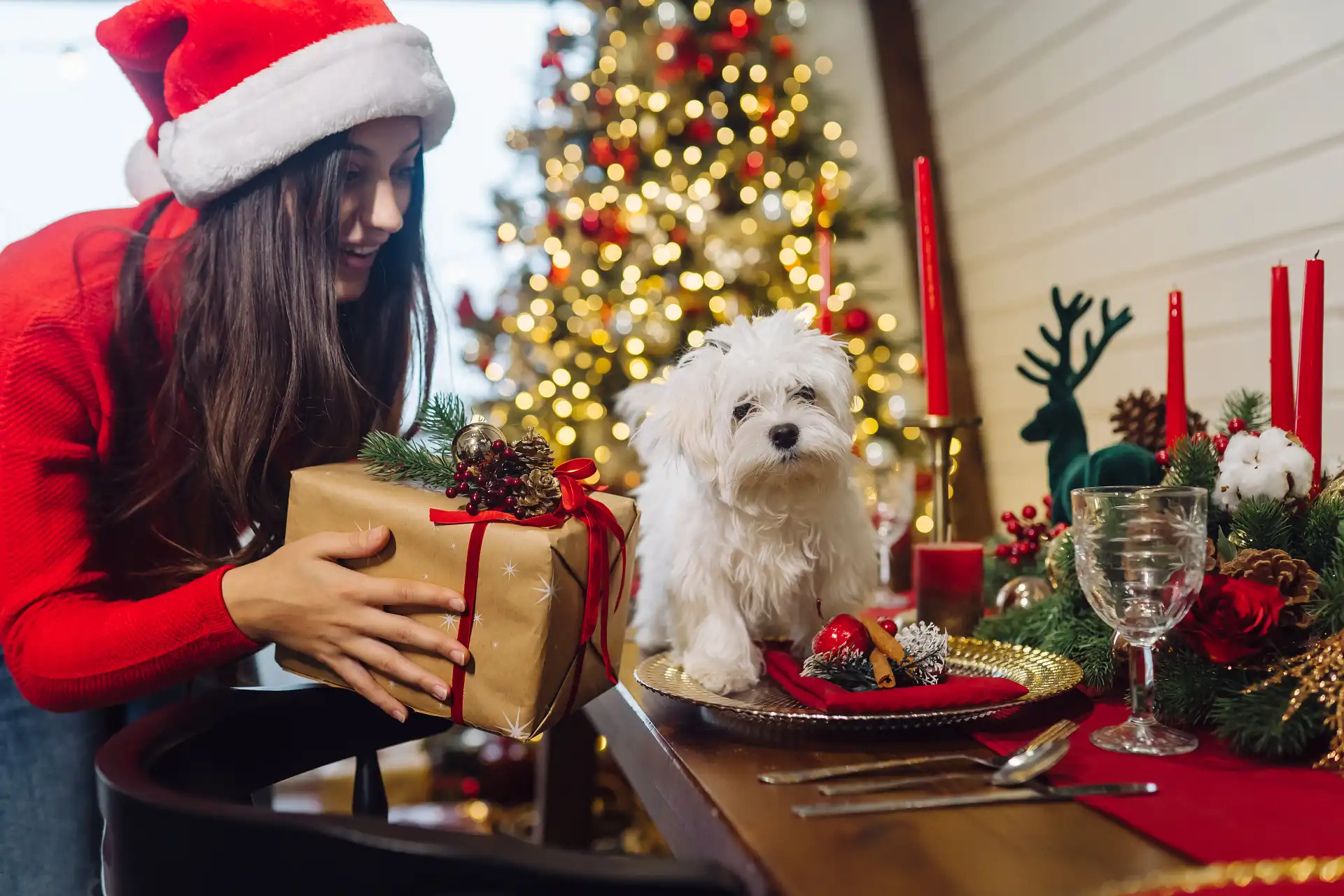
Christmas foods pets should never eat.
Dietary indiscretion is often the leading cause of emergency veterinary visits during the holiday season. Not only may it lead to emergencies, but mindless feeding can also cause serious long-term health concerns.
Based on information from AVMA, the most dangerous Christmas foods include:
Chocolate (theobromine toxicity)
Grapes and raisins (kidney failure)
Onions, garlic, and leeks (hemolytic anemia)
Alcohol and fermented dough
Fatty leftovers (pancreatitis risk)
Even if fed in small amounts, these foods can cause severe illnesses in your pets. Preventing access to such treats is critical for pet care during the holidays.
Pet-safe treats and festive alternatives
Instead of sharing your meal, you can offer:
Plain cooked turkey (no seasoning, no skin)
Carrot sticks or apple slices (no seeds)
Vet-approved festive treats
3. Managing Noise, Guests & Travel Stress
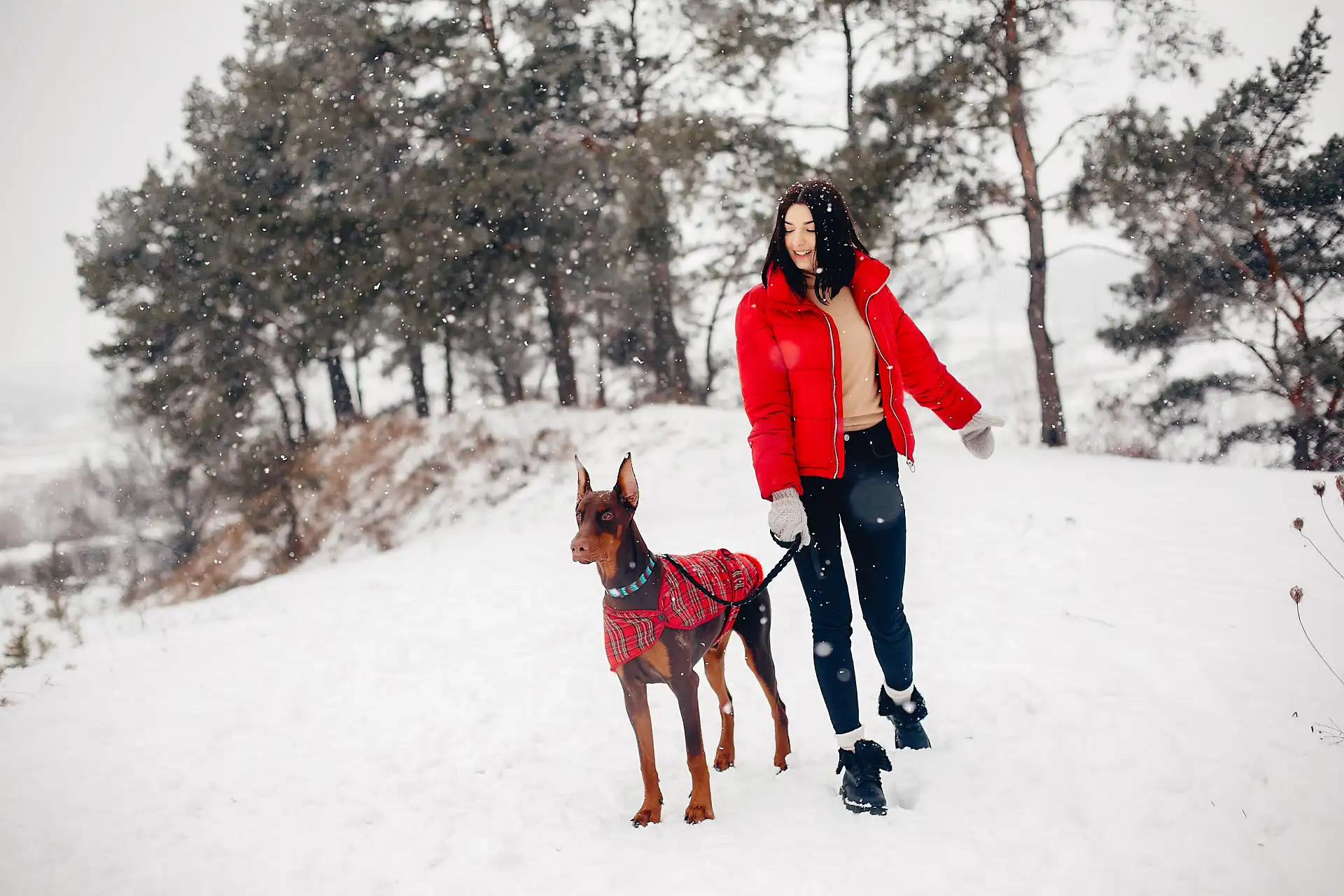
Helping pets cope with fireworks and parties
Even if Christmas is quieter than New Year's, parties, visitors, and music can overwhelm your pet. Studies published in veterinary literature show that crowd exposure and loud noises can increase anxiety-related behaviours in cats and dogs.
Helpful strategies include:
Creating a quiet and comfortable room
Using white noise to mask sounds
Maintaining proper feeding and walking schedules
These are the core steps to responsible Christmas care.
Safe travel tips during the Christmas holidays
If you are travelling with your pet, this holiday season:
Do not leave pets unattended in cars
Carry your pets' medical records and medications
Use crash-tested harnesses or carriers
If you are leaving your pets behind, ensure you have appointed responsible caretakers who understand emergency protocols.
4. Keeping Pets Warm, Active & Healthy
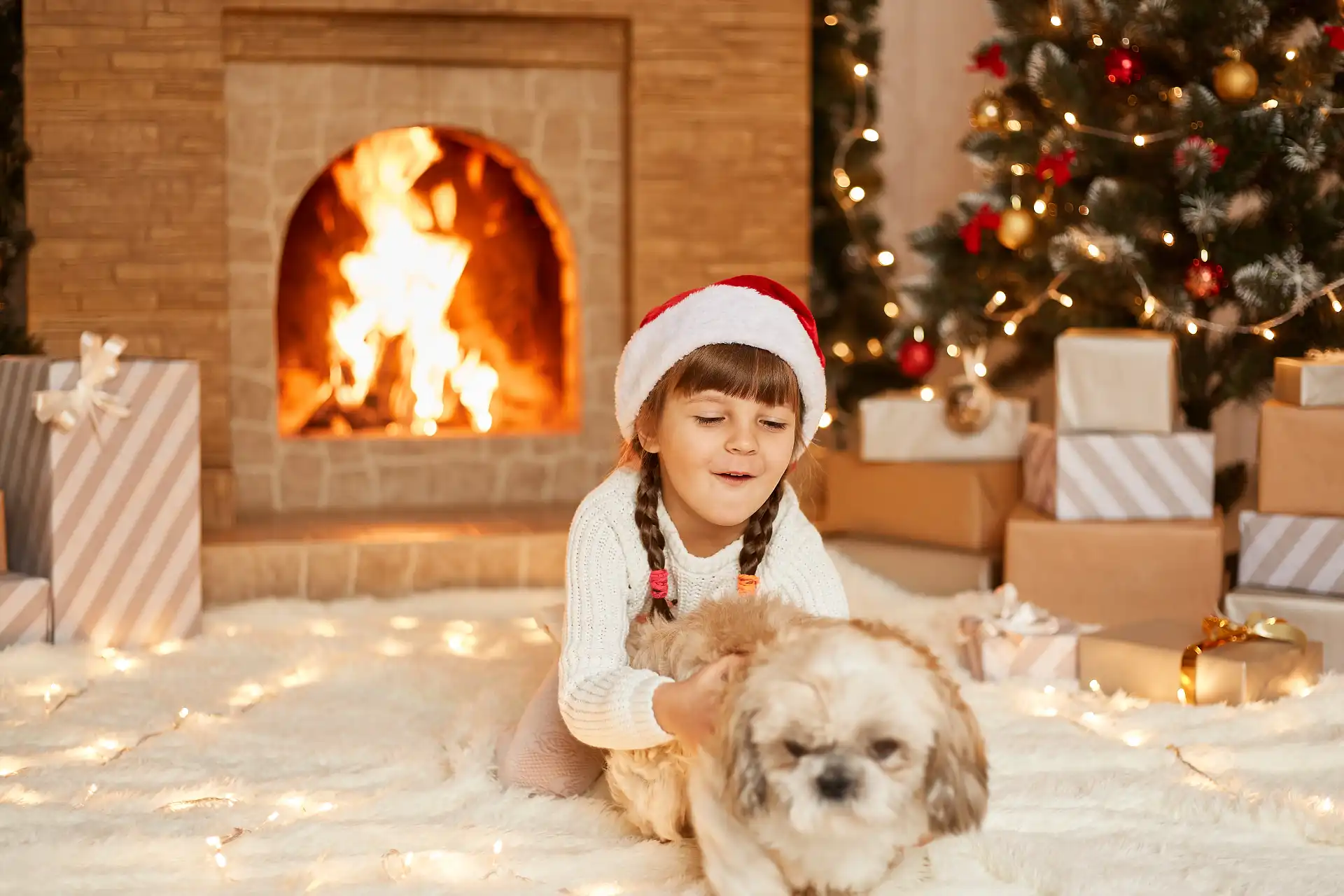
Winter care essentials for dogs and cats
Cold weather, during the Christmas season, adds another layer of risk.
Outdoor cats need an insulated shelter.
Dry indoor air may worsen your pet's skin conditions
Small, senior, or short-haired dogs required extra warmth
Focus on limiting exposure to cold and wiping paws after walks to remove chemicals or salt.
Maintaining routines during festive days
Routine disruption during the holiday season is a major contributor to stress-related illness. Focus on maintaining:
Feeding times
Sleep routines
Physical activity schedules
This will support both the physical and emotional well-being of your pets. Consistency is a cornerstone of pet safety during Christmas.
5. Christmas Emergency Preparedness for Pet Parents
Vet access during holidays
Many pet clinics operate on limited schedules, especially during Christmas. Prepare by:
Knowing the nearest emergency veterinary hospital
Keeping transport ready
Save emergency numbers in your phone.
You can also tune into online vet consultation apps like Conbun android and iOS to alleviate symptoms during emergencies till the time you reach a clinic. In addition, you can always get non-emergency help from certified veterinarians on the app.
Emergency pet care checklist
Have these ready:
Current medications
Pet first-aid kit
Medical history
Pet insurance details (if applicable)
Being adequately prepared improves outcomes and reduces panic during emergencies. Planning for emergencies is an important consideration for holiday safety for pets.
Related Readings: Common Winter Diseases in Dogs & How to Prevent Them
Bonus: How to Make Christmas Special for Your Pet
Gift ideas pets actually need
Veterinarians recommend gifts that enhance overall well-being:
Orthopaedic beds for senior pets
Food puzzles that reduce boredom
Interactive toys that offer mental stimulation
Always avoid novelty items that can be easily chewed apart.
Creating a pet-friendly Christmas routine
Make your pet part of your celebrations safely by:
Scheduling dedicated playtime
Offering calm enrichment activities
Keeping expectations realistic
Pet care during holidays should revolve around ensuring a peaceful environment, which can be the best gift you can give your pet.
Conclusion: A Safe Christmas Is a Happy Christmas—for Everyone
Christmas doesn't have to be risky for our four-legged friends. With preparation, awareness, and a few simple adjustments, you can ensure Christmas safety for pets without sacrificing festive joy. Veterinary Christmas research shows that most holiday pet emergencies are preventable.
By following the above-discussed holiday safety tips for pets, planning and maintaining routines, you can protect your pets' physical and emotional well-being. A calm, safe pet makes holidays better for everyone.
Quick Takeaway
Secure trees and decorations
Keep toxic foods out of reach
Manage routine disruptions and noise
Plan for emergencies
Choose pet-safe ways to celebrate
Responsible pet care during the holidays will ensure Christmas safety for pets, thereby making it a season of joy, warmth, and safety for people and pets alike.
Frequently Asked Questions
1. How do you keep pets safe at Christmas?
Answer. To keep pets safe during Christmas, secure your lights and trees, keep toxic foods like onions and chocolate, and dangerous decorations like tinsel and glass out of reach.
2. Is Christmas safe for animals?
Answer. Christmas may not be inherently safe for pets due to various potential hazards, but it can be a wonderful time if proper precautions are taken.
3. What is the 7-second rule for dogs?
Answer. Place the back of your hand on a surface for seven seconds. If you can’t hold it comfortably, then its not safe for your dogs.
4. Why is October 27th for pets?
Answer. October 27th is known as the day for pets as during Mexico’s Dia de Muertos or the Day of the Dead, it is believed that animal spirits return to visit thier families.