Written by: Anand Sen; Reviewed by: Dr. Vinod Kumar Jain (B.V.Sc & A.H)
Why Does Winter Dog Grooming Reduce Skin Issues by 30%?
The American Veterinary Medical Association states that reduced humidity, drier winter air, and indoor heating can increase skin irritation in canines by 30%. Just like humans, dogs also experience moisture loss through the skin barrier, which leads to itching, flakiness, and dandruff. Neglecting dog grooming during winter can allow debris, mats, and trapped moisture to cause painful hotspots, infections, and foul odours.
Many dog owners skip skin grooming because they think "winter = less shedding," but this is one of the biggest winter grooming mistakes that can lead to various skin problems.
Dog grooming in winter is not about aesthetics; it's about preventive healthcare. Regular brushing of a dog's coat improves blood circulation, removes dead skin and undercoat, and prevents friction burns from matted fur.
Competent seasonal care, backed by online vet consultations via apps like Conbun, can help owners avoid these winter-specific issues.
In the following guide, we'll walk you through an effective winter grooming routine to help you prevent these issues and keep your dog happy and healthy throughout the season.
Related Readings: Common Winter Diseases in Dogs & How to Prevent Them
Understanding Winter Dog Grooming: What Changes in Cold Weather?
Heated indoor environments and cold outdoor air can pull moisture from a dog's skin. Studies show that winter often triggers seborrheic skin reactions in dogs, leading to static fur, irritation, and white flakes.
Why shedding changes
Many people incorrectly think that dogs don't shed in winter, but the vast majority of dogs experience some degree of shedding throughout the year. For many breeds, shedding patterns are seasonal. During winter, dogs' undercoats thicken for insulation, and loose hair gets trapped beneath the dense coat, forming mats.
Dry air leads to dry skin
Due to low humidity, natural oils cannot evaporate, leaving the coat fragile. In addition, static buildup leads to friction knots and discomfort.
Grooming becomes hygiene
Consistent grooming during winter prevents yeast growth, dirt buildup, and moisture pockets that thrive in cold weather.
Essential Winter Pet Grooming Routine for Healthy Skin
How often should dogs be bathed in winter?
Most dogs should be bathed every 3-5 weeks in cold weather. Over-bathing may worsen dryness and damage the skin barrier.
Winter-safe shampoos
Hypoallergenic formulas
Coconut/ceramide-based conditioners
Moisturizing oatmeal shampoos
Do not use human products as they can disrupt canine skin pH and worsen irritation.
Importance of drying
Most clinical grooming safety guidelines say that damp fur is among the top causes of winter hotspots, dog skin problems after grooming and fungal infections.
Always:
Towel-dry your dog thoroughly
Use a warm (not hot) blow-dryer
Check armpits, tail base, and stomach folds for trapped moisture
Related Readings: 10 Best Dog Breeds for the Indian Climate
Coat Care in Winter: Brushing, De-Matting & Moisture Control
Matted fur leads to skin pain
Mats tighten even further due to winter dryness, which worsens the problem by pulling the skin and causing sores. Matted fur provides a breeding ground for bacteria, which organize into a protective matrix called a biofilm.
How often to brush in winter
Short-haired dogs: 3 times/week
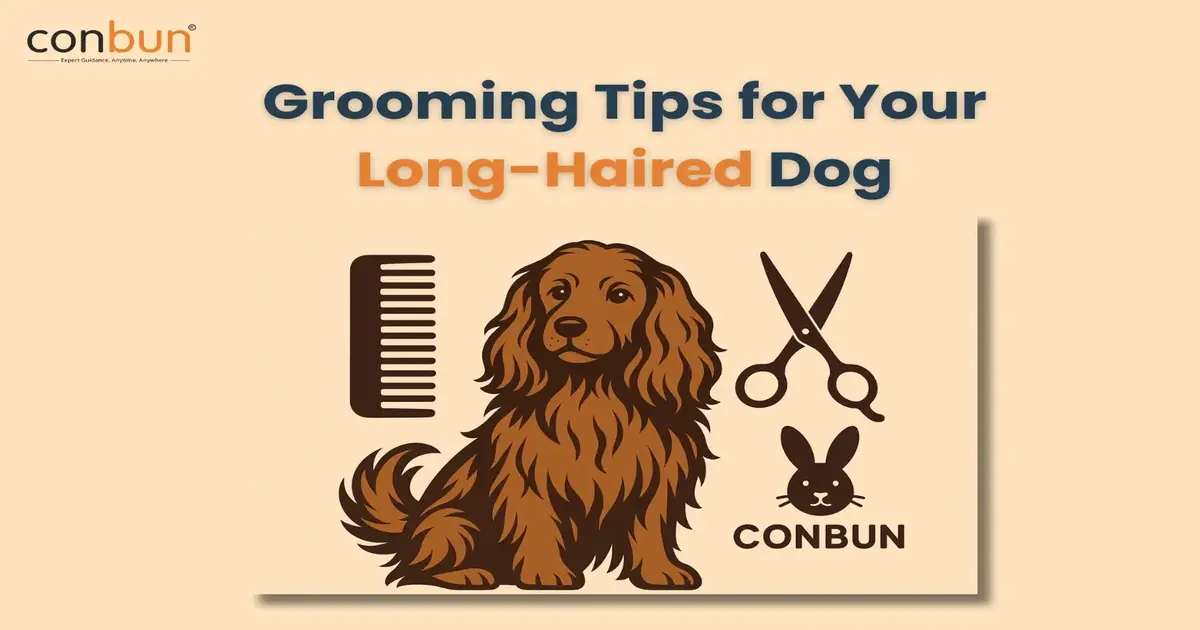
Long-haired dogs: Daily
Double-coated breeds: 4–5 times/week
Best winter brushes
Short hair: Rubber curry brush
Long hair: slicker brush or wide-tooth comb
Undercoat: de-shedding rake
How to detangle safely
Apply a dog-safe detangling spray for gentle brushing
Gently separate tangled hair with fingers
Use a slicker brush and start from the bottom layers
Never cut mats unthinkingly. Skin can get sliced easily.
Related Readings: Pet Care Goes Digital: How Apps Are Making Vet Consultations Faster, Cheaper & More Reliable
Paw Protection: The Most Overlooked Winter Grooming Step
Salt, ice, and cold pavements can lead to infections, cracked pads, and chemical burns. Dog paw grooming is crucial during winter.
How to clean paws after walks
Wipe the paws with warm water
Evaluate the area between toes for grit
Trim fur tufts that trap ice
Balms vs booties
Balms: Great for daily moisturizing
Booties: Best for snow, salt-heavy areas, urban streets.
Signs of infection
Red pads
Limping
Swelling
Excessive licking
If these signs appear, seek an online vet consultation immediately for winter dog grooming advice.
Face, Ears, and Nails: Winter-Sensitive Grooming Zones
Ear care
Due to decreased airflow in cold weather, moisture retention increases, which in turn increases the risk of bacterial and yeast infections. Therefore, clean your dog's ears with vet-approved solutions.
Tear stains & mouth-area fungus
Drool and cold lead to dampened chin and lop folds. Clean this area with gentle anti-bacterial wipes.
Nails & cold floors
Cold, hard floors increase the risk of nail cracks. Trim the nails every 2-3 weeks to prevent splitting and reduce joint strain in seniors.
Related Readings: 14 Common Mistakes in Pet Food Choices
Indoor Grooming Setup for Stress-Free Winter Sessions
Create a quiet, warm indoor grooming zone so your dog feels comfortable and does not panic during grooming sessions.
Essentials for winter grooming at home:
Warm room (23–25°C)
Non-slip grooming mat
Slicker brush, combs, de-matter
Towels and moisture-rich coat sprays
Reducing winter grooming anxiety
Short and frequent grooming sessions
Pre-groom play to release energy
Treat-based desensitization to calm your dog
Diet & Hydration's Role in Winter Coat Health
Studies in animal nutrition confirm that winter skin-related issues often originate internally rather than externally.
Key nutrients for winter coat health:
Omega-3 fatty acids: reduce inflammation & increase shine
Vitamin E: improves skin barrier repair
Biotin & zinc: reduce shedding
Protein-rich diets: essential for new hair growth
Winter hydration
Dogs tend to drink less water when it's cold. Thus, aim for 50–60 ml/kg/day.
If your dog's skin looks flaky despite proper grooming and hydration, book an online vet consultation on the Conbun app to screen your pet for dermatological disorders or nutritional deficiencies.
When to Visit a Professional Groomer in Winter
While most grooming can be done at home, it may not be enough for thick-coated dogs.
When professional Dog Grooming is needed:
Severe matting
Impacted undercoat
Skin folds requiring deep hygiene
Senior dogs needing extra care
Puppies needing a safe introduction
Benefits of expert winter grooming
Sanitary trimming prevents frost buildup
Coat shaping improves insulation
Groomers may spot early infections
Before booking, ask:
Are dryers temperature-controlled?
Are hypoallergenic products used?
Are groomers certified to handle sensitive and anxiety-ridden dogs?
Local Grooming Intent: Choosing the Right Winter Grooming Service
When searching for dog grooming services, prioritize winter-readiness.
What to look for:
Warm indoor setup
Gentle moisturizing products
Gentle drying technology
Why winter-specific grooming matters
Winter dog grooming services often include paw-care stations, warm baths, and mat-prevention packages, all of which are equally important for a dog's overall health.
Questions to ask a groomer:
How do you handle winter mats?
Do you offer cracked-paw treatment?
What shampoos do you use for winter dryness?
Related Readings: 7 Expert Tips to Protect Your Pets in Cold Weather
Common Winter Dog Grooming Mistakes to Avoid
Over-bathing leads to stripping of natural oils
Skipping brushing can increase matting
Using human skincare leads to a pH imbalance
Avoiding grooming altogether due to cold weather
Cutting mats instead of detangling
Not wiping but allowing wet fur to air dry
These errors, even though they may seem minor, can worsen your dog's skin problems.
Signs Your Dog Needs Grooming Attention Immediately
Visit a vet clinic or take an online vet consultation immediately if you notice:
Red, inflamed skin
Foul smell near the coat
Tear-stain crust or chin fungus
Bald spots or rough texture
Limping or swollen paw pads
Aggressive scratching or biting
Brown flakes or dandruff patches
Behavioural warning signs include hiding, irritability, and sudden avoidance of touch.
Bonus Tips for Winter Coat Perfection
Offer extra care to puppies as they cannot regulate temperature well due to their undeveloped coat
Senior dogs benefit from shorter but mat-free trims
Dogs with health issues require a custom winter grooming routine
Reduce static with natural sprays
Travel checklist: Take a coat spray, paw balm, grooming wipes, and a towel when your dog is travelling with you.
Conclusion: How Smart Winter Grooming Prevents Skin Issues
As stated earlier, winter grooming is not optional. It is preventive healthcare. With regular brushing, paw protection, and coat moisturization, you can avoid common dog skin issues that may emerge during winter.
Whether you groom at home or search for dog grooming near me, you have to understand that consistency is essential than perfection. For personalized dog grooming advice, skin or nutrition consultation, connect with an expert veterinarian via an online pet care consultation on Conbun.
With seasonal dog grooming you will offer your dog a healthy, shiny coat, and they will thank you every single day.
FAQ'S: Winter Dog Grooming Questions Pet Owners Ask Most
1. Is it okay to groom your dog in winter?
Answer. Yes. In fact, winter is one of the most important seasons for dog grooming.
2. What is rule #1 for grooming a dog?
Answer. Never bathe or brush a matted coat before detangling.
3. Do dogs get itchy when they get their winter coats?
Answer. Yes. Dry air and a thicker undercoat cause itchiness in dogs.
4. What is a winter cut for dogs?
Answer. A winter cut is a trim that removes mats while keeping sufficient length for insulation and warmth.