Written by: Anand Sen; Reviewed by: Dr. Parth Patel (B.V.Sc & A.H., M.V.Sc)
Kite flying is one of the most cherished cultural traditions, celebrated across various parts of India with competition, colour and community spirit. However, behind this joy, there is a lesser-seen reality. Kite flying causes injuries that affect hundreds of thousands of birds every year.
The following article will explain how kite flying harms birds, why injuries spike during festivals and what we can do to reduce this harm, without dismissing our cultural traditions.
What are Kite-Flying Festivals and Why are They So Popular?
Kite-flying festivals, as we all know, are mass cultural events where people fly kites simultaneously, often from terraces, rooftops and open grounds. In India, Millions of participants fly kites during festivals like Uttarayan, Makar Sankranti and Vishu (Malayali New Year).
These festivals are extremely popular across India as they combine social bonding, tradition and friendly competition. However, this mass participation leads to dense airspace, especially in urban areas where avian life already struggles with buildings, power lines and fewer trees.
Thousands of sharp kite strings, also known as “manja”, occupy the airspace, increasing risks to birds. While previously kite-flying bird injuries were isolated incidents, now they are predictable outcomes.
Related Readings: Pets for Adoption: How to Find the Right Pet for Your Home? (Complete Guide)
How Do Kite Strings Injure Birds?
Source: DNA India
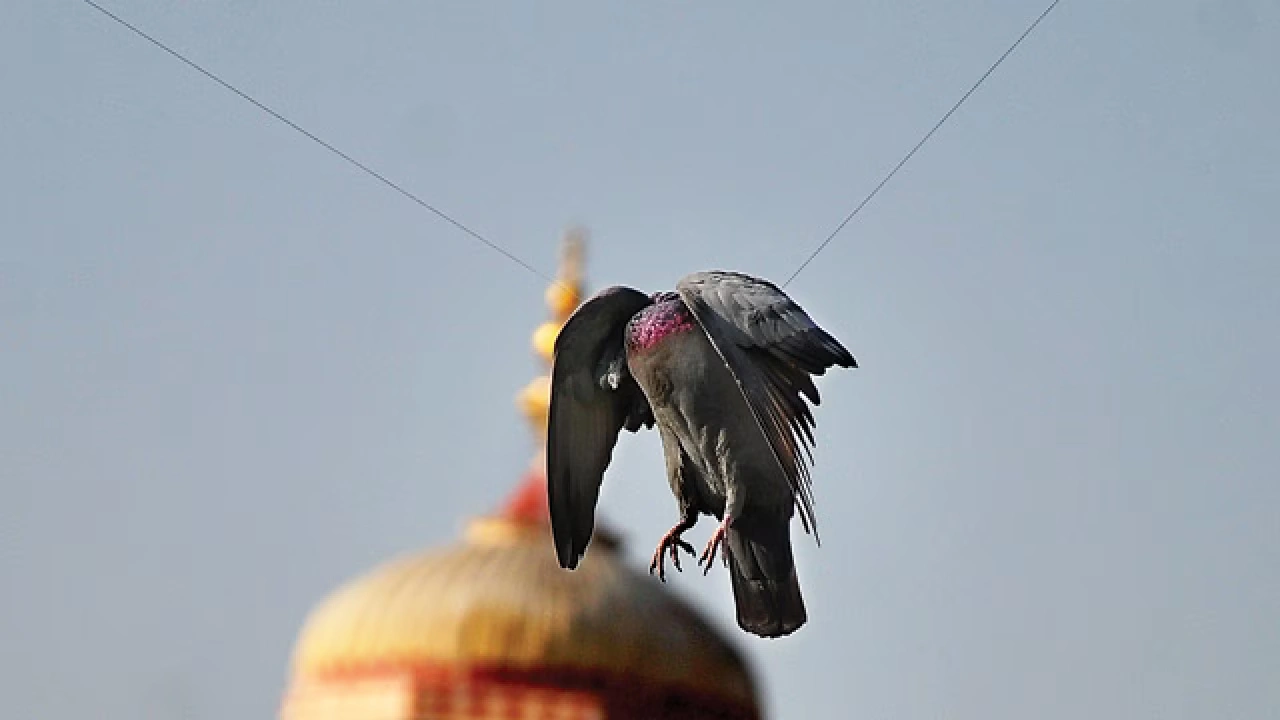
Kite strings injure birds primarily through entanglement, cuts and constriction. Manja is the most dangerous string, threads coated with powdered glass. These threads are so powerful that they cause numerous human fatalities every year.
What happens:
During flight, birds do not see these thin strings stretched across the open air, and when a collision occurs at speed, these strings act like blades, cutting their feathers, neck and entangling in their legs.
How injuries occur:
Sharp strings slice through a bird's wings, neck, or legs
Entangled birds struggle, worsening cuts
Non-breakable synthetic strings tighten and cause strangulation
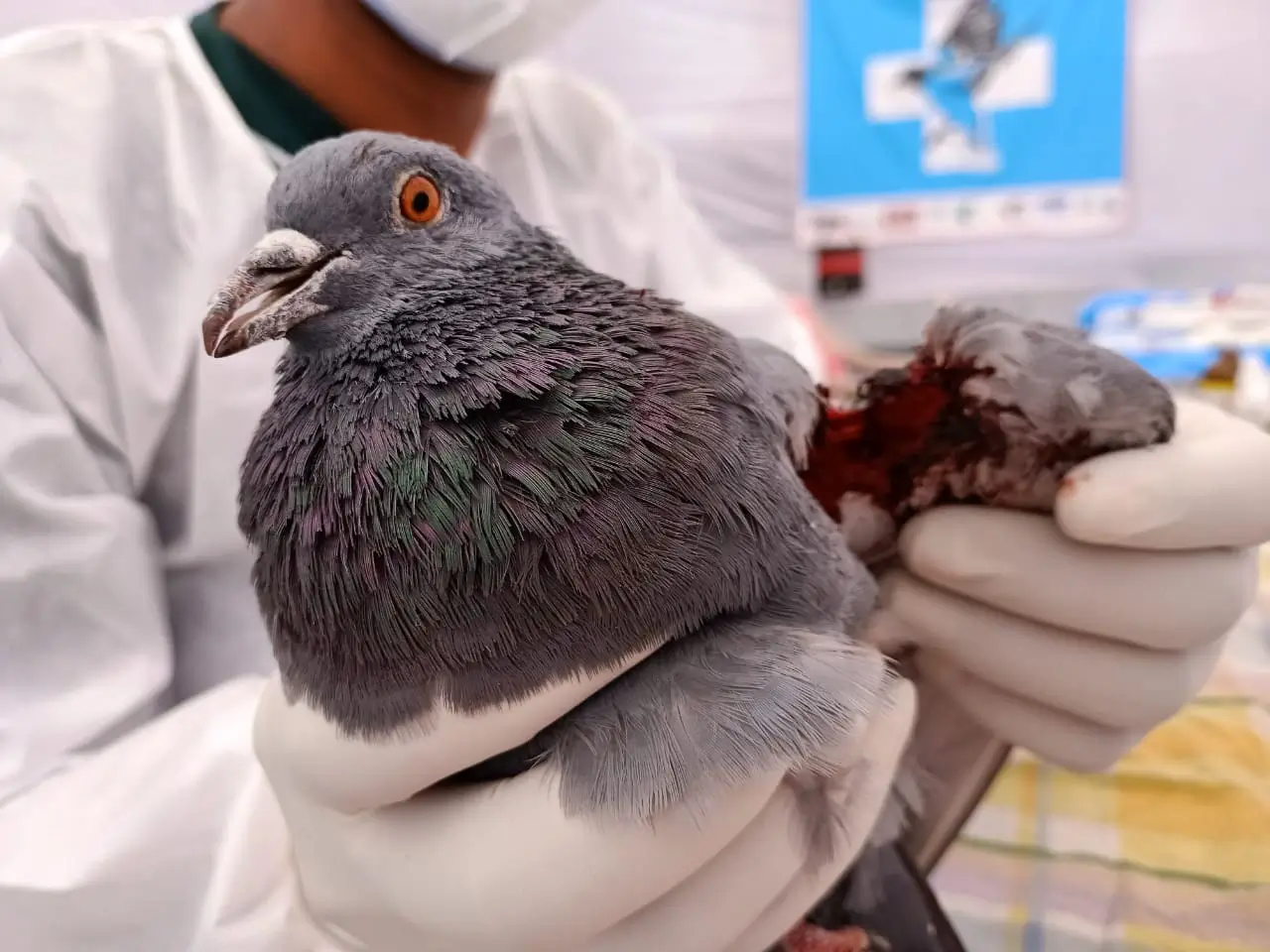
Cuts, entanglement and strangulation are the common bird injuries seen by veterinarians.
According to Global Giving, a crowdfunded non-profit organization more than 10,000 avian emergencies occur every year in the month of January alone.
Injuries caused by Kite strings are amongst the most severe forms of urban wildlife trauma.
Related Readings: Top Rated Pet Care Consultation App: Features, Benefits, How It Works
Which Birds Are Most Affected by Kite-Flying Activities?
Source: WTI
Not all birds are equally affected. Species which are known to fly at low altitudes or those that live close to human settlements are at higher risk. how festivals affect migratory birds in India?
Commonly injured species include:
Doves and Pigeons
Black kites (Milvus migrans)
Parrots and parakeets
Crows and Mynas
Migratory birds during the winter months, like Siberian cranes or Rosy Starlings
Black kites are highly vulnerable as they soar using air currents over urban areas where kite density is highest.
What Types of Injuries Do Birds Suffer During Kite Festivals?
Bird injuries caused by kite strings range from superficial cuts to life-threatening trauma.
The most common kite-flying bird injuries treated by veterinarians are:
Deep wing lacerations leading to permanent flight loss
Neck cuts damaging blood vessels or trachea
Partial or complete amputations of legs or wings
Shock and Internal bleeding
Infections due to delayed rescue
Bird health problems like shock and behaviour problems
As per data shared by Jivdaya Charitable Trust, more than 4000 birds in Ahmedabad and nearly 1000 birds in Mumbai were injured during Makar Sankranti 2024.
Related Readings: 15 Common Pet Health Issues Every Pet Owner Should Know
Why Is Chinese Manja More Dangerous Than Regular Kite String?
Chinese Manja is highly dangerous as it is designed not to break and to cut through opposing kite strings. This makes it lethal to both birds and humans.
Cotton Kite String vs Manja
Feature | Cotton Kite String | Chinese / Glass Manja |
Material | Natural cotton | Synthetic/glass-coated |
Breakability | Breaks under stress | Extremely strong |
Visibility | Relatively visible | Almost invisible |
Environmental impact | Biodegradable | Non-biodegradable |
Legal status in India | Legal | Banned |
Despite a complete ban on Chinese Manja, India sees illegal sales due to lack of awareness and proper law enforcement.
From a veterinary perspective, birds injured during kite flying festivals by Chinese manja rarely survive without immediate intervention.
How Many Birds Are Injured or Killed Every Year Due to Kite Flying?
Exact estimates are difficult to calculate. However, available rescue data offers strong insight on the intensity of this issue.
Documented figures from NGOs and wildlife hospitals:
Ahmedabad: 1,000–1,500 birds are rescued every year during Uttarayan week, with 1,728 being the highest number.
Delhi NCR: 300–500 birds are treated each season (Wildlife SOS)
Mumbai witnessed more than 1000 cases in January 2025.
These figures only include the birds which were found injured and rescued. Many bird deaths due to kite strings go unreported.
Why Do These Injuries Spike During Festival Seasons?
Bird injury cases spike during Makar Sankranti due to a combination of human and ecological factors.
Key reasons include:
Winter migration increases bird population density across the country
Continuous kite flying for several days (about 2-4 days)
Rooftop flying intersects bird flight paths
Lack of designated flying zones
Use of illegal sharp strings, which are also banned in several states.
This explains why birds get injured during kite festivals year after year, despite awareness campaigns.
These factors explain why birds get injured during kite festivals every year, despite nationwide awareness campaigns.
How Do Injured Birds Usually Get Rescued?
During peak kite-flying seasons, rescue networks and organisations work under extreme pressure
The typical rescue process includes these steps:
A citizen notices an injured bird
The forest department or local NOGs are contacted
Trained volunteers secure the bird
Veterinarians provide emergency care
The bird undergoes rehabilitation or permanent care
Most cities rely heavily on public reporting. Delays in rescue significantly reduce survival chances, especially in cases of bird deaths due to kite string injuries.
Almost all cities depend on public reporting. Birds that survive often hide due to fear, making it harder for officials and volunteers to find them. These delays are a prominent reason for bird deaths due to kite string injuries.
What Should You Do If You Find an Injured Bird?
If you find an injured bird this Makar Sankranti season, take immediate but careful action.
Step-by-step first aid framework
Gently cover the bird with a cloth
Place it in a ventilated cardboard box
Keep the bird quiet, warm and dark
Do not cut deeply embedded strings
Call a bird rescue helpline immediately
Avoid offering water, food or home remedies. Remember that improper handling can worsen injuries.
Are Kite-Flying Festivals Illegal or Regulated?
Kite flying is legal, but dangerous materials are not.
Legal context in India:
Chinese manja is banned under safety and environmental regulations
The Prevention of Cruelty to Animals Act, 1960, applies to negligence causing animal harm
State governments periodically issue festival-specific advisories
However, there are enforcement gaps and thus laws related to cheap, harmful materials are rarely applied effectively.
Related Readings: 10 Benefits of booking vet consultation online vs. in-person visits?
How Can Kite Flying Be Made Bird-Safe?
Kite flying can coexist with bird safety if proper precautions are taken.
Bird protection awareness and safety measures include:
Using plain cotton kite string
Flying kites only in open, designated areas
Avoiding early morning and dusk kite flying
Taking part in a community awareness campaign
Strict enforcement of Manja bans
These steps can make kite flying safe without the need to dismiss our traditions.
What Can Individuals Do to Reduce Bird Injuries During Festivals?
Individual choices matter more than people realise, and therefore, Individual actions can make great changes to society.
Practical actions:
Refuse to buy or use Manja, more specifically, Chinese Manja
Educate children and neighbours
Keep rescue helpline numbers handy
Volunteer with bird rescue groups
Support bird protection awareness campaigns
Small changes at the individual level can make great changes at the community level and can significantly reduce festival-related animal injuries.
Do Bird-Safe Festivals Actually Work?
Yes. If awareness is sustained, injury-related numbers decline.
In cities like Pune and Ahmedabad, measurable reductions have been seen in rescues after long-term campaigns that promote bird safety and the use of cotton strings.
These cities are examples that show how we can improve urban bird safety by acting responsibly.
Frequently Asked Questions About Kite Flying and Bird Safety
1. Why is it important to protect birds during kite flying?
Answer. It is important as glass-coated threads or Manja can cause severe, fatal injuries to their legs and wings, leading to amputations and inability to fly.
2. What precautions should we take while flying a kite?
Answer. Prioritise safety by avoiding glass-coated manja, flying in open spaces away from bird activity, steering clear of power lines and contacting wildlife experts if you find an injured bird.
3. Why should we say no to kite flying?
Answer. We should not say no to flying, but should say yes to safe and responsible bird flying.
4. Is kite flying safe?
Answer. Kite flying is generally a safe and fun activity if proper precautions are followed.
Final Thoughts: Celebrating Traditions Without Harming Wildlife
Makar Sankranti is the symbol of cultural continuity and joy, but it should not come at the cost of silent suffering in the skies. Thousands of birds are injured every year during kite-flying festivals and are victims of preventable harm and accidents.
Protecting birds does not mean abandoning tradition. It means evolving it with responsibility. By opting for safe alternatives, respecting wildlife and spreading awareness, we can celebrate our festivals with joy while honouring our shared ecosystems.
Individual actions will make a big difference. So, this Makar Sankranti, if you find an injured pet, do your part by taking an online vet consultation on the Conbun android and iOS app to learn the necessary first aid steps and save a bird from suffering. You can also take an online pet care consultation if you have chirpy chronicles at home. Get expert bird health care tips, first-aid guidance and effective recovery plan to treat injured birds.