
Written by: Anand Sen; Reviewed by: Dr. Parth Patel (B.V.Sc & A.H., M.V.Sc)
Why Common Winter Diseases Affect Dogs More in India?
Indian winters do not bring snow everywhere, but the sharp drop in temperature, decreased moisture, and increased air pollution create the ideal environment for common winter diseases in dogs to prevail. Many regions, such as Punjab, Rajasthan, and the Delhi NCR, experience night temperatures below 10°C, which is even lower in the hilly areas. This significantly impacts the health of our canine companions.
Winter comes with an increased prevalence of diseases in dogs. According to research published in The Brazilian Journal of Microbiology, respiratory infections in dogs, such as canine influenza and Kennel Cough, tend to increase during the winter months. In addition, joint-related issues in senior pets and hypothermia are also common winter issues.
Dogs generally hide their discomfort, so early symptoms such as reduced appetite, mild coughing, or lethargy often go unnoticed. Breeds like Pomeranians, Indies, Labradors and German Shepherds are particularly sensitive to winter fluctuations.
For pet owners, it is important to understand these risks to prevent health issues before they escalate. The following guide will break down common dog diseases in India during winter and how you can protect your dog effectively.
Related Readings: 7 Expert Tips to Protect Your Pets in Cold Weather
Understanding Common Winter Diseases in Dogs
Increased pathogen survival, cold stress, and low humidity make winter a high-risk period for pets. Many viruses, especially highly contagious ones like the Canine influenza virus, can remain active for long durations in colder air. Bacterial infections also tend to develop and spread more easily when dogs stay indoors with limited ventilation.
According to the Texas Veterinary Medical Diagnostic Laboratory, the risk of Kennel cough increases significantly with cooler temperatures, particularly when dogs are in close contact and their immune systems are weakened.
Winter comes with several dog winter problems:
Skin dryness due to indoor heaters and low atmospheric humidity.
Joint stiffness, which is common in senior dogs, is often accompanied by increased inflammation.
Respiratory infections increase as cold air irritates the airways.
Frostbite and hypothermia, especially in puppies and thin-coated dogs.
Dog owners need to understand seasonal triggers to effectively manage risk and reduce the frequency of winter-related health problems, using nutrition, better grooming, and timely online veterinary consultation if symptoms appear.
Hypothermia: The Most Dangerous Dog Disease in Winter
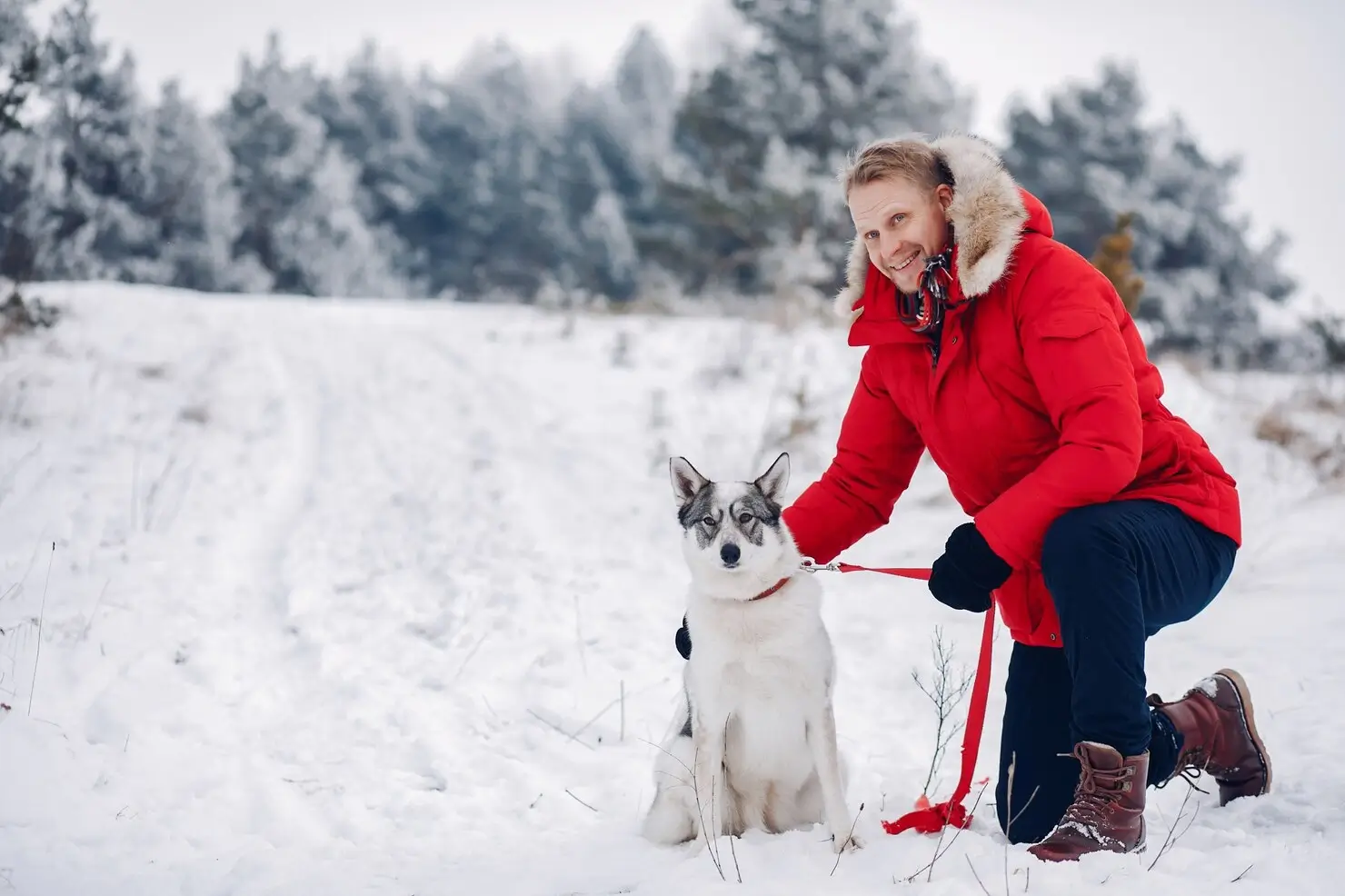
Hypothermia is considered the most serious winter problem for dogs, especially in Central and North India, where early morning and late-night temperatures drop to 5-10°C. Senior dogs, puppies and thin-coated breeds are highly vulnerable to hypothermia.
The average body temperature of a Dog is 101.5°F, but if it drops to 98°F, hypothermia kicks in. Persistent shivering, lethargy, muscle stiffness, pale gums, etc, are the symptoms. Hypothermia can lead to a slowed heart rate, confusion and may even result in organ failure if untreated.
Early signs owners often overlook:
Shivering that is consistent and progresses to stiffness
Cold ears, paws, or belly
Disorientation and slowed body movements
Weak pulse or shallow breathing
Emergency actions before reaching the vet:
Wrap your dog in warm blankets
Use warm (not hot) water bottles wrapped in cloth
If outside, move the dog indoors immediately
Avoid hot baths as they can cause shock
Prevention tips:
Always use sweaters for small or short-haired dogs
Keep walks or outings short during very cold mornings
Provide warm bedding and draft-free sleeping areas
Avoid bathing your pet during peak winter unless necessary
If you live in an extremely cold region and want more tips to prevent hypothermia in dogs, you can always consult an online veterinarian.
Related Readings:15 Common Pet Health Issues Every pet Owner Should Know
Frostbite: A Silent but Common Winter Disease
Frostbite in dogs occurs when tissues freeze due to prolonged exposure to cold. While India doesn't experience extreme snowfall in most regions, frostbite is still common during cold waves in the northern parts and hill stations, especially in areas where early-morning temperatures are between 2 and 6 °C. A dog's organs, like paws, tail, scrotum and ears, are the most affected.
How severe frostbite develops:
Extreme cold constricts blood vessels, thereby reducing circulation to the extremities. Prolonged exposure to such temperatures leads to tissue death, discolouration and cell damage. According to Animal Emergency Care, frostbite may take several hours to become clearly visible, which means owners may miss the early symptoms.
Signs of frostbite include:
Pale, bluish, or cold skin
Painful paws, limping due to pain
Formations of blisters or hardened skin
The dog is consistently licking the affected area
Swelling is one of othe ther signs of frostbite on dog paws
First-aid steps:
Warm the area slowly with a lukewarm cloth.
Never rub or massage the affected area, as it can worsen tissue damage
Refrain from using direct heat, such as hair dryers
Consult a vet immediately if the skin turns black or blistered
Prevention:
Use paw balms or dog booties
Avoid early-morning frost exposure
Keep grooming trims minimal in winter
Limit time on cold concrete or icy surfaces
Frostbite is preventable with careful winter routines and professional guidance.
Related Readings: 7 Signs Your Pet Might Be Hiding a Health Problem
Respiratory Infections: One of the Most Common Diseases in Dogs
The prevalence of respiratory infections increases during the winter as cold air dries the airways, thereby making our furry companions vulnerable to bacteria and viruses. Kennel cough, bronchitis, pneumonia, etc, are the most common illnesses. Persistent cough, sneezing, dog sniffling or nasal discharge must be monitored. Brachycephalic breeds like pugs, senior dogs and newborn puppies are at a higher risk.
When coughing becomes an emergency:
Cough lasts beyond 48 hours
The dog has a fever, lethargy or refuses to eat.
Breathing becomes too rapid, and you hear constant wheezing.
All these are not only side effects of cold weather in dogs, but red flags to watch out for
Warm bedding, avoiding exposure to sick dog,s and timely online consultation are preventive steps.
Canine Influenza (Dog Flu): A Rapidly Spreading Winter Disease
Canine influenza, caused by H3N2 and H3N8, is a canine viral infection. The disease is very common during Indian winters as dogs spend more time indoors and in boarding facilities, thereby increasing the risk of transmission. Symptoms of this disease resemble those of the flu, including a runny nose, fever, loss of appetite, and fatigue. While most cases are mild, puppies and senior dogs may develop pneumonia if timely action is not taken.
When to consult a vet:
Persistent cough over 2-3 days
High fever (above 103°F)
Bloody nasal discharge
Joint Pain & Arthritis: The Most Common Disease in Older Dogs During Winter
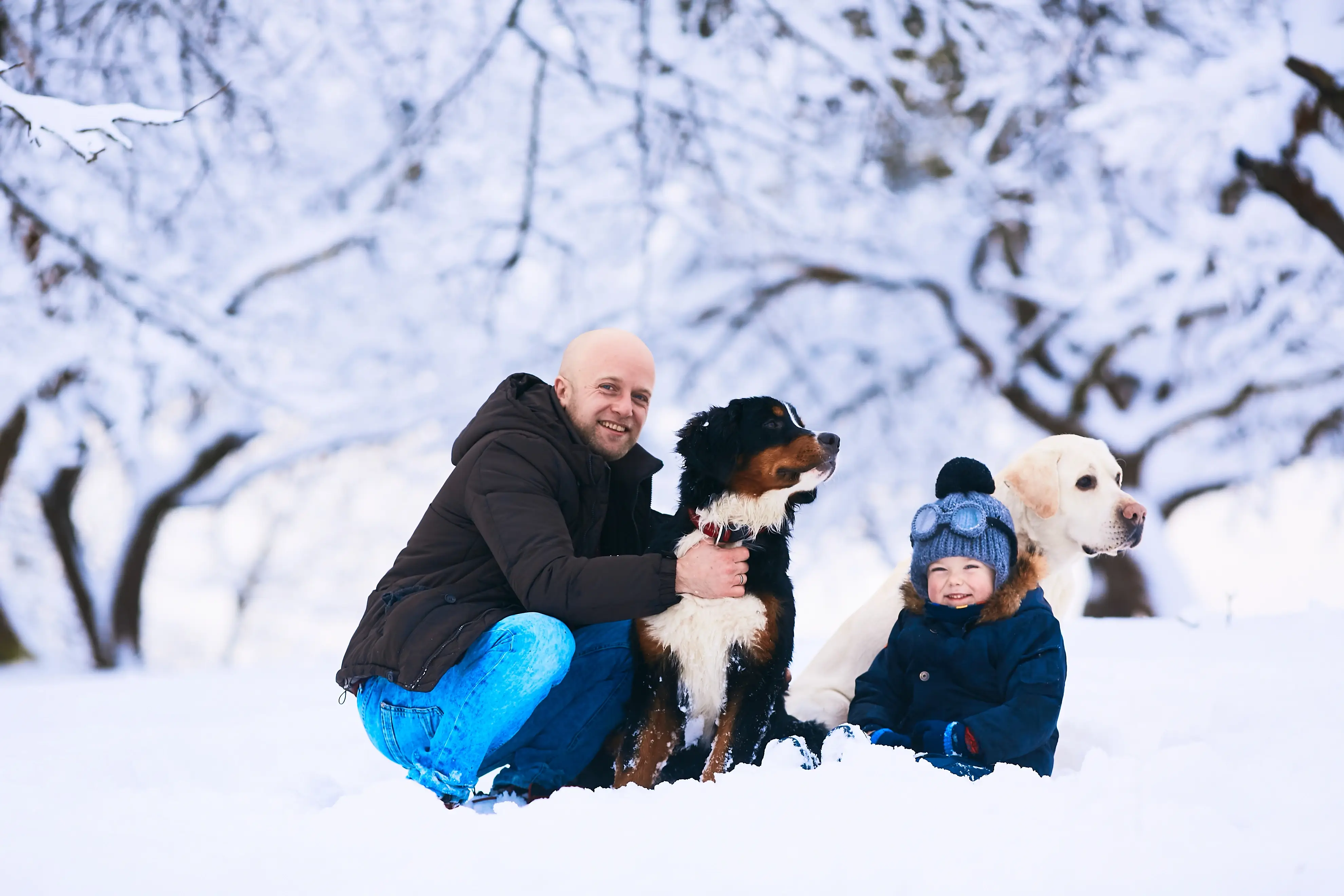
Cold weather can worsen arthritis, as low temperatures cause joint stiffness and reduce synovial fluid mobility. This leads to great discomfort in senior pets. This is why many senior dogs, large breed and obese pets show symptoms of dog joint pain during the wintertime. Early signs include slow walking, difficulty getting up, reluctance to climb stairs, irritability, and limping.
Owners often miss subtle signs, such as lagging on walks. Using soft bedding, warm resting areas, and gentle stretching can ease discomfort. You can also add supplements to your dog's diet, such as Omega-3 fatty acids and joint-support nutraceuticals like chondroitin, MSM, and glucosamine, which are clinically proven to reduce inflammation.
For moderate to severe pain, vets generally prescribe NSAIDs, laser therapy and physiotherapy. If your dog suddenly becomes non-weight-bearing, has swollen joints, and cries while moving or getting up, seek an online vet consultation immediately.
Related Readings: Best Homemade Foods for Dogs (Vet-Approved Recipes)
Stomach Infections & Digestive Upsets (Common Diseases in Winter Season)
Stomach-related illnesses are an indirect health effect that dogs experience in winter. As dogs drink less water, exercise less, and eat richer seasonal treats, the risk of developing stomach infections increases. All these factors result in slower digestion, vomiting, diarrhoea, bloating and acidity. Sudden changes in diet, especially during festivals, also lead to digestive disorders.
Food items such as dairy, fried snacks, sweets, and spicy leftovers can trigger winter stomach problems in dogs. Ensure your dog has access to clean, adequate drinking water, as dehydration can worsen diarrhoea and lead to an electrolyte imbalance. If your dog vomits more than twice, shows blood in its stool, or refuses food, contact a vet immediately.
Mild cases improve with a bland diet (rice and chicken), but persistent symptoms indicate infections, pancreatitis, and parasites. You can get early guidance through online vet consultations to prevent complications.
Skin Problems: Dry Skin, Itching & Winter Allergies
Due to low humidity, winter air strips moisture from your pet's skin, leading to skin problems such as itching, dry skin, and dandruff. Double-coated breeds or breeds with long hair develop flaky skin when dead skin cells accumulate under the coat. In addition, allergies also increase during winter due to indoor heating, mites, and reduced ventilation. Dermatitis, yeast overgrowth and other winter allergies are also common issues.
Signs you should watch out for:
Constant chewing, scratching paws
Small red bumps
Dull coat
Musty skin smell
To prevent these issues, brush your pet regularly to ensure natural oil distribution, use a vet-recommended moisturising shampoo and add omega-3 supplements to support the skin barrier. If hair loss, redness, or itching persists, seek an online veterinary consultation, as untreated skin conditions often become chronic.
Related Readings: 10 Signs Your Dog Needs a Vet Immediately
Paw Pad Cracks & Winter Salt Burns
Cold roads and rough surfaces can dry out paw pads, leading to cracks.
Street salt and de-icers (used in colder regions of Indian) can burn a dog's paws and cause redness or peeling.
After walks, wipe your dog's paws, check between toes, and apply a dog-safe balm.
Use booties for sensitive breeds or very cold days.
Do not use human lotions as they soften paws too much, increasing the risk of injury.
Low Immunity: The Root Cause Behind Most Common Winter Diseases
Cold temperatures put extra stress on your dog's immune system. According to a study published in the World Veterinary Journal, dry winter air dehydrates their skin, compromising the natural skin barrier defence. In addition, cold temperatures weaken their immune system, increasing the risk of respiratory infections and other health conditions.
Signs of weak immunity include slow wound healing, frequent sneezing, fatigue, a dull coat, and recurring stomach problems. Nutrition plays a major role, as dogs need high-quality protein and essential fatty acids during winter to build immune resilience.
Use probiotics, Omega-3-rich foods, and warm and nutrient-dense meals. Encourage indoor physical activity to reduce stress and maintain circulation.
If your dog gets sick frequently during winter, seek online veterinary help. Quick intervention can prevent minor issues from escalating into serious health problems.
Complete Winter Prevention Guide for Dogs in India
Always maintain a stable indoor temperature and avoid exposing your dog to sudden cold drafts
Keep walks shorter, especially during early mornings and evenings.
Follow the winter vaccination checklist, especially for flu and respiratory infections.
Ensure that your dog is hydrated
Feed warm and easily digestible meals.
Brush your dog regularly to prevent matting and evenly distribute their natural oils.
Apply paw balm before and after walks to prevent cracks.
Use winter jackets for short-haired or small breeds.
Schedule a pet care consultation if you notice persistent coughing, shivering or appetite loss.
When to See a Vet Immediately?
You should never ignore winter symptoms, as they can indicate life-threatening illnesses in dogs. Immediately seek an online veterinary consultation or rush to a clinic if your dog shows symptoms like pale gums, rapid breathing, bloody stool, fainting or vomiting more than twice.
Seizures, continuous coughing, sudden collapse or signs of frostbite on a dog's paws are emergency signals.
If your dog becomes extremely lethargic, cannot stand, or cries when touched, don't wait, as these can indicate internal infection, organ distress, or hypothermia. Early action in such conditions can save your pet's life.
Conclusion: Preventing Common Winter Diseases Starts with Awareness
Winter brings many challenges for both pets and pet owners, and understanding the early signs of common winter diseases is key to keeping your pets safe. From frostbite and hypothermia to dry skin, coughing and joint pain, most of these conditions can be prevented by staying alert and adjusting your dog's routine.
Warm bedding, controlled outings, proper nutrition, and regular monitoring of early symptoms can help protect your dog's health during the colder months.
Always remember that dogs often hide their discomfort. Therefore, any change in behaviour, appetite, breathing or mobility deserves special attention. Early action not only prevents complications but also ensures that your dog stays active and healthy.
If you ever feel unsure about symptoms, don't delay. Consult a vet online through Conbun App for quick, professional guidance from the comfort of your home. Stay informed with Conbun and keep your dog safe this winter.
Frequently Asked Questions:
Q1.) What does frostbite look like on a dog?
Ans.) Frostbite appears as a cold, pale or greyish skin that usually forms on paws, ears and tail. The area may feel hard and painful to touch, and it also appears swollen.
Q2.) Can dogs get sick from cold weather?
Ans.) Yes. Cold temperatures weaken their immune systems, leading to various health conditions such as respiratory infections, joint stiffness, hypothermia, and other common winter illnesses.
Q3.) Can dogs get pneumonia from cold weather?
Ans.) Cold weather doesn't directly cause pneumonia in dogs, but it can make them more vulnerable by lowering immunity and allowing bacterial or viral infections to develop.
Q4.) What are the common symptoms of a dog with a cold?
Ans.) Mild cough, sneezing, runny nose, watery eyes and low energy, persistent coughing or fever are the common symptoms of a dog with a cold.
Q5.) Can cold weather affect a dog?
Ans.) Yes. Especially puppies, seniors and short-haired breeds are highly vulnerable to cold. It impacts their skin, joints and overall wellness.
Q6.) How do dogs survive in winter?
Ans.) Dogs generally have fur for insulation. Stored energy and shelter are also important, so focus on nutrition and added warmth, especially for short-coated puppies.
Q7.) How do I know if my dog is sick in winter?
Ans.) Look out for symptoms such as appetite loss, shivering, coughing, or fatigue. These can indicate that dog illnesses are worsening in winter.
Q8.) Can dogs catch a cold in winter?
Ans.) Yes. They can catch a cold, leading to various respiratory infections, such as kennel cough.
Q9.) How do I help my dog with arthritis in winter?
Ans.) Keep your dog warm and use soft bedding. Focus on gentle exercises and add supplements such as Glucosamine, Chondroitin, and Omega-3 fatty acids.
Q10.) How do I treat my dog's dry skin in winter?
Ans.) Brush them regularly, check for skin issues, use moisturising oils and humidifiers, and add supplements like Omega-3 to their diet.
Q11.) Should I take my dog to the vet for a winter cough?
Ans.) Yes. It is important to consult a vet in such conditions, as it can signal kennel cough, pneumonia, or flu.