
What to Feed Your Dog in Summer - Best Indian Diet Tips

Written by: Anand Sen; Reviewed by: Dr. Saroja Patil (B.V.Sc & A.H, M.V.Sc)
April’s here. The fan feels like a hairdryer, and the AC is struggling to stop you from melting. Meanwhile, your Labrador is on a hunger strike, drinking water like it’s free lassi, and judging you from the cool floor tiles.
Suddenly, the panic hits.
Is the kibble too heavy?
Is curd actually good?
Or is watermelon just another piece of "WhatsApp University" wisdom?
What works in a London summer won't work for a Beagle in Chennai or a Spitz in Hyderabad heat. Global advice doesn't account for a 45°C Indian afternoon.
This guide gives you a vet-backed, India-specific summer diet plan, what to feed and what to avoid, and how to keep your dog safe when temperatures exceed 40°C.
Why Summer Changes Your Dog’s Nutritional Needs
In summer, dogs need more hydration, lighter meals, and easily digestible food. Heat reduces appetite, increases the risk of dehydration, and makes heavy meals harder to process.
Dogs don’t sweat like humans. They cool down by panting. Now imagine panting in 44°C heat. Panting with hot air increases body temperature further.
That’s what your dog deals with in cities like Ahmedabad, Nagpur, or Hyderabad. That’s why choosing the best dog food is a real problem, especially in these cities.
According to veterinary physiology studies, heat stress in dogs:
reduces appetite (a behavioural adaptation to reduce metabolic heat production generated by digestion)
increases water requirements significantly
slows down digestion
Increases the risk of heatstroke
What Actually Changes
Appetite drops (normal, don’t panic)
Water intake increases (critical)
Heavy meals (poorly tolerated)
Gut sensitivity (higher risk)
Practical Rule
Instead of force-feeding, focus on adjusting food.
Best Foods to Feed Your Dog in Summer in India

If you’re wonderinghow to take care of dogs?You have to understand that nutrition is one significant aspect you should invest your efforts and time in.
Here are some balanced meal options you can feed your dog in summer:
1. Boiled Chicken - Lean Protein That Stays Light
Boiled chicken with no oil, spices, or salt is the gold standard of summer feeding.
Why?
High-quality protein
Low fat
Easy digestion
How to serve:
Boil plain chicken (no salt/spices)
Remove bones
Shred and mix with rice
Ideal during appetite loss or stomach upset. But if your dog is allergic to chicken or is on a prescription diet, consult a vet first. You can consult a veterinarian or dog nutritionist online on the Conbun for tailored dog diet charts.
2. Boiled Rice - Gentle Energy Source
Rice is easy on the stomach and doesn’t generate excess body heat. It is a staple Indian food which works well for dogs in summer.
Best ratio:
2 parts rice + 1 part protein (chicken or eggs). Avoid ghee, salt or tadka.
3. Plain Curd (Dahi) - Gut Cooling Probiotic
Pain, unsweetened curd is one of the most practical Indian summer food options for dogs.
Benefits:
Probiotics improve digestion
Supports dog gut health
Provides cooling effect
Adds hydration
Good for dogs with sensitive stomachs
Serving:
1–2 tablespoons per meal
Start with a teaspoon to check if your dog is lactose intolerant. If digestion is fine, increase the quantity.
4. Buttermilk (Chaach) - Light Hydration Boost
Diluted buttermilk with no salt or cumin is a light and hydrating option for dogs, which also works better for sensitive dogs.
How to use:
1 part curd + 2 parts water
No salt or spices
Think of it as a health supplement. Fresh water must always be available.
5. Eggs - Compact Nutrition
Nutritional density is very important if your dog is eating less, and eggs are a reliable protein source that is also nutritionally dense.
Eggs deliver:
protein
fats
vitamins
Serving:
1 egg/day (medium dog)
Boiled or scrambled only
Do not feed raw eggs in summer, as they could increase digestive stress.
6. Watermelon - Natural Hydration
Watermelon is the safest Indian fruit for dogs. With over 90% water, it provides a strong hydration boost.
How to serve:
Remove seeds and rind (to avoid intestinal blockage and digestive distress)
Give small chilled cubes
Do not treat as a meal replacement
Prevents dehydration with almost no empty calories.
7. Cucumber - Cooling, Low-Calorie Snack

Another hydrating and light dog food option that is low in calories. It is great for obese dogs or dogs which are on a calorie-controlled diet.
Serve: Slice it into round cubes. No salt or dips.
Bonus:
Good for overweight dogs
Helps mild bad breath
8. Pumpkin (Kaddu) - Digestive Stabiliser
Heat disrupts dog digestion. Pumpkin fixes that.
Benefits:
High fibre
Supports gut health and digestion
How to serve:
1-2 tablespoons of mashed pumpkin
Avoid canned pumpkin with sugar or spices
Pumpkin can be especially useful for dog diarrhea.
9. Coconut Water - Occasional Electrolyte Boost
Coconut water is another hydrating option for dogs in summer. It contains natural electrolytes and can relieve heat stress symptoms to a great extent.
Rules:
50–100 ml only
Provide as an occasional summer treat, not daily
Only fresh, plain coconut water, not packaged one
10. Indian Greens (Lauki, Turai, Spinach)
Small amounts of spinach, bottle gourd (lauki), and ridge gourd (turai) can be added to boiled meals to increase fibre and micronutrient content.
Important:
Steam or boil, then mash to make it more palatable.
Don’t add spices, salt or oil
Avoid onion, garlic, and brinjal as these are toxic to dogs.
Suggested Summer Feeding Schedule for Dogs in India
Time
Meal Suggestion
7:00 AM
Small bowl of boiled rice + shredded chicken + 1 tbsp curd
12:00 PM (optional)
Watermelon cubes or cucumber slices as a cool snack
6:00 PM
Boiled egg + rice + pumpkin (mashed)
Before bed
Fresh water only, no heavy meal at night in summer
According to veterinary nutrition guidelines from AAFCO (Association of American Feed Control Officials) and the World Small Animal Veterinary Association (WSAVA) optimum dog diets are those that are tailored to a dog’s life stage and physiology.
Ignoring age and breed-specific needs is a common pet food mistake that owners make. Adjust portions based on the activity level, age and breed of your dog.
How to Keep Your Dog Hydrated in Summer
Dehydration is the biggest summer risk for dogs. Heat strokes can develop quickly in dogs, especially in flat-faced breeds like French bulldogs and pugs.
Large-breed dogs like the Tibetan Mastiff or the Bernese Mountain Dog are also at a great risk of heat stroke due to their thick coats.
Signs of Dehydration
Dry gums
Sunken eyes
Lethargy
Skin stays lifted when pinched
Dark urine
Practical Tips
Keep multiple water bowls
Refresh water every 2–3 hours
Add hydrating foods to their diet
Avoid walks during peak heat
Follow these practical summer care tips for pets to keep your dogs safe in the summer.
Foods to Avoid for Dogs in Summer in India
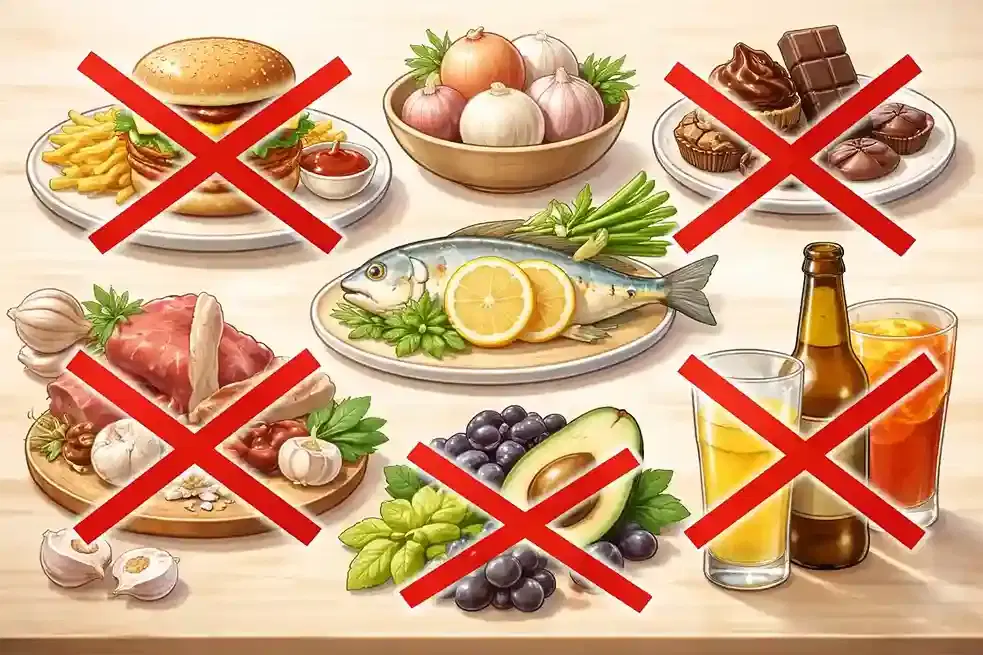
Food
Why Avoid
Fried food
Hard to digest, increases body heat
Salty snacks
Dehydrates
Onion & garlic
Toxic, keep out of reach
Grapes
Highly toxic, risk of kidney failure
Raw meat
Contamination risk
Ice cream
Sugar, additives. Not recommended for obese dogs
Spicy food
Gut irritation
Mango
Excessive sugar, fed in tiny amounts
Indian Homemade Dog Food Recipes for Summer
Recipe 1 - Basic Summer Khichdi for Dogs
Ingredients:
1 cup boiled white rice
½ cup boiled and shredded chicken
1 tbsp plain curd
2 tbsp mashed pumpkin or bottle gourd
Method: Mix all ingredients at room temperature. Serve fresh. Do not store for more than 4 hours in summer heat, as it increases the risk of spoilage
Recipe 2 - Cooling Egg and Rice Bowl
Ingredients:
1 boiled egg (chopped)
½ cup boiled rice
3-4 cucumber slices (diced)
50 ml plain coconut water (mixed in or served separately)
Method: Combine the ingredients and serve at room temperature.
If you are considering feeding home-cooked diets, feed only home-made vet-approved recipes to ensure a complete nutritional profile.
Summer Diet Tips for Specific Dogs
Puppies are more sensitive to heat stress and dehydration as their guts are sensitive.
Puppies
3-4 small meals instead of large ones
No sudden food changes, especially during peak summer
Never serve anything directly from the fridge
Watch for loose stools
Senior Dogs
Older dogs may have better tolerance to heat, but they are susceptible to liver and kidney diseases.
Offer moisture-rich foods for more hydration
Lighter meals
Avoid heavy dinners
For dogs with chronic kidney disease, reduce the protein content slightly.
Active Dogs
Active dog breeds like Border Collies, Huskies, and Belgian Malinois need calories despite the heat. In addition, they also need increased hydration support
Do not drastically cut calories
Reduce fat, not protein
Feed after activity
Add coconut water and moisture-rich foods
When to Visit a Vet vs. When Online Advice Is Enough
Go to the vet immediately if:
Breathing difficulty
Repeated vomiting
No eating/drinking 24 hrs
Collapse or confusion
Online Advice Works For:
Mild appetite drops
Diet planning
Supplement guidance
Early advice prevents serious issues. Talk to a pet doctor online via the Conbun app to get customised diet plans and nutrition charts as per your dog’s breed, age and activity level.
What Vets Commonly Advise for Indian Dogs Diet in Summer
According to Dr. Vinod Kumar Jain, a state-verified MVSc Surgeon and a trusted expert on Conbun
“A summer diet for dogs should focus on light and high hydration, easily digestible foods.
It should include wet food, water-rich produce like watermelon, muskmelon, cucumber and coconut water, protein sources like chicken, fish in small quantities, and should be only served twice or thrice in a week.
You should provide meals in instalments, but frequently 3 to 4 times daily.
Always provide fresh and clean water to your pet and maintain hydration of the body around the clock. Boiled pumpkin, pineapple, boiled potatoes, mango slices, spinach and orange juice may also be incorporated in the diet of your dog.
In this way, you may get your pet healthy most of the time.”

Conclusion
Summers in India are brutal, but what you feed your dog can make a big difference.
There’s no need for imported foods and expensive supplements
You need:
simple
fresh
balanced meals
Key Takeaways
Feed lighter, smaller meals
Add cooling foods (curd, cucumber, watermelon)
Keep protein simple (chicken, eggs)
Hydration is everything
Avoid oily, salty, and spicy foods
Because at the end of the day:
Summer isn’t about feeding more
It’s about feeding smarter
And if you’re ever unsure?
A quick online vet consultation can help you tailor the perfect summer diet for your dog-without stepping out in the heat.
FAQ's ( People Also Asked )
Q 1: Should I reduce my dog’s food in summer?
Answer: Yes. Feed smaller but frequent portions 2-3 times a day, instead of feeding one heavy meal.
Q.2: Is coconut water safe for dogs daily?
Answer: No, drinking coconut water daily can lead to loose stools. Limit it to 2–3 times a week.
Q.3: Can dogs eat rice daily?
Answer: Yes, but in moderate amounts and with a strong protein source.
Q.4: How much water does a dog need?
Answer: Dogs require 50–60 ml/kg of water daily. Increase this by 30–40% more in summer. Active dogs may need even more.
Table of Content
- Why Summer Changes Your Dog’s Nutritional Needs
- Best Foods to Feed Your Dog in Summer in India
- Suggested Summer Feeding Schedule for Dogs in India
- How to Keep Your Dog Hydrated in Summer
- Foods to Avoid for Dogs in Summer in India
- Indian Homemade Dog Food Recipes for Summer
- Summer Diet Tips for Specific Dogs
- When to Visit a Vet vs. When Online Advice Is Enough
- What Vets Commonly Advise for Indian Dogs Diet in Summer
- Conclusion
- FAQ's ( People Also Asked )

Anand Sen
Get Conbun in your Google results
Add Conbun as a preferred source and Google will show our vet-written guides more often in your Search results and AI answers.