.webp)

Written by: Anand Sen; Reviewed by: Dr. Jyothirmaye
This fact might surprise many dog owners. A dog can lose nearly 75% of kidney function before obvious symptoms appear. By the time dog owners notice something is wrong, a dog’s kidneys have been quietly struggling for months, or sometimes even years.
If your dog is suddenly drinking more water, like it’s going out of fashion. Or if they are peeing more than usual and seem a little tired. These small clues are often considered the first whispers of chronic kidney disease in dogs (CKD).
Chronic Kidney Disease (CKD), sometimes also called chronic renal failure in dogs, is a progressive loss of kidney function over time.
While this disease has no cure currently, modern veterinary medicine has made remarkable progress in managing the disease. With timely diagnosis, dietary management, and proper treatment, many dogs can live for years with a good quality of life.
The following guide will break down everything dog parents need to know, from the early signs of kidney disease in dogs to diagnosis, IRIS staging, and the treatments that veterinarians commonly recommend
What Is Chronic Kidney Disease in Dogs?
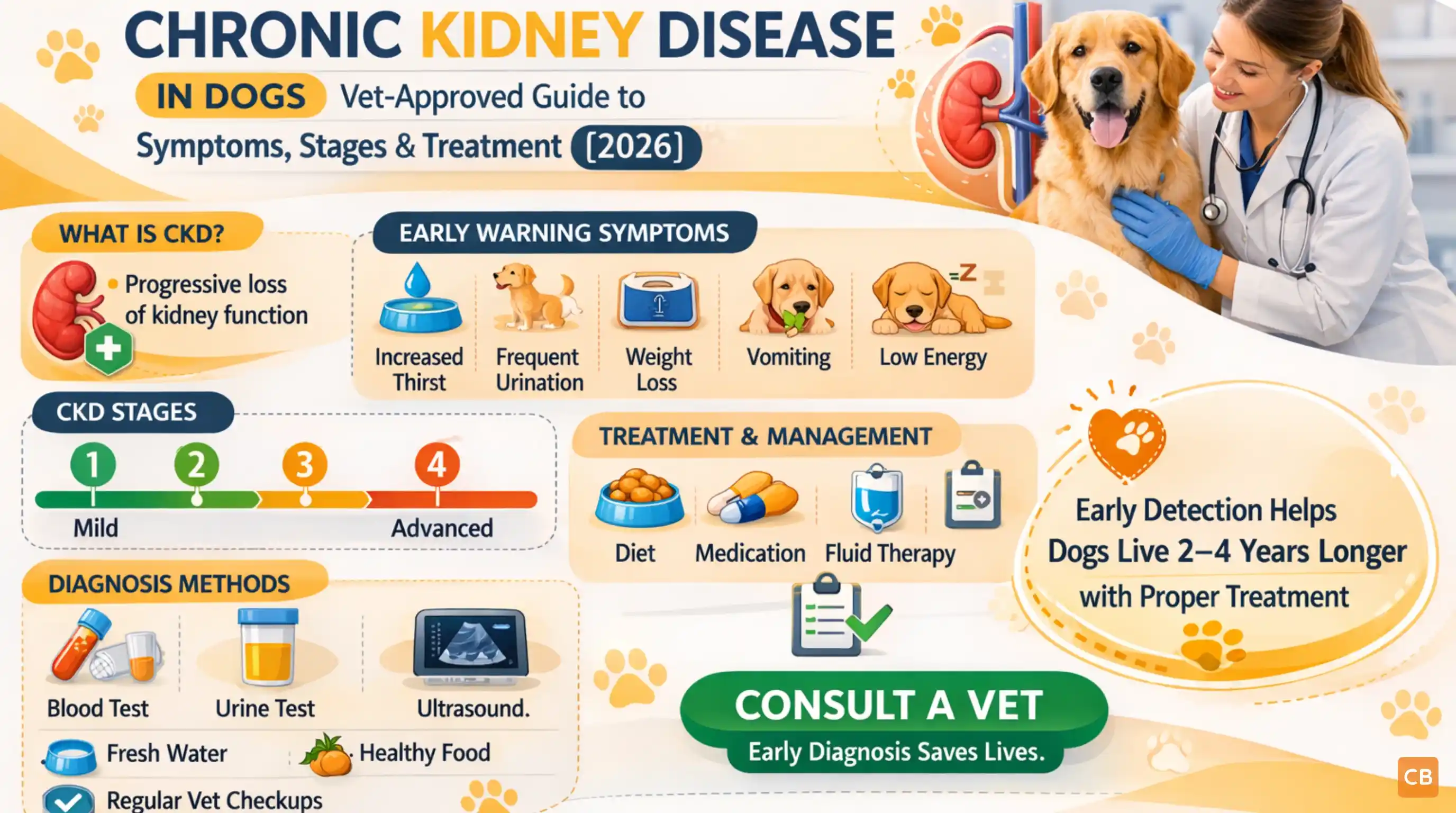
Chronic kidney disease in dogs is a gradual and irreversible decline in kidney function. The kidneys act as the body’s natural filtration system that removes waste products, balances electrolytes, regulates blood pressure, and maintains hydration.
In dogs with CKD, kidney tissues are damaged over time, and so the organs lose their ability to perform these tasks efficiently. Waste products like creatinine and urea accumulate in the bloodstream, leading to a condition veterinarians call Uremia.
The keyword here is chronic, as unlike sudden kidney failure caused by toxins or infections, CKD develops slowly.
CKD vs. Acute Kidney Injury - What’s the Difference?
Chronic kidney disease and acute kidney injury (AKI) are two different conditions related to the kidneys.
Acute kidney injury occurs suddenly, due to causes like toxin ingestion (antifreeze is a notorious culprit), severe infections, or urinary obstruction. In some cases, with aggressive treatment, kidney injury could be partially reversed.
On the other hand, chronic kidney disease is a progressive condition that leads to permanent damage to the kidneys. The kidney damage accumulates gradually, usually over months or years. Treatment revolves around slowing progression and maintaining quality of life, rather than curing the disease.
How Common Is CKD in Dogs?
Kidney disease is one of the most common pet health issues, which is especially seen in older dogs.
Studies in veterinary literature estimate that more than 1 in 10 dogs develop chronic kidney disease in their lifetime. The risk of CKD in dogs increases significantly with age and is common in dogs over seven years old.
As early symptoms are subtle, most cases go undiagnosed until routine blood tests reveal abnormal kidney values.
Which Dog Breeds Are Most at Risk?
Any dog can develop kidney disease, but some breeds are at a high risk due to their genetic predisposition.
Common breeds associated with hereditary kidney problems are:
- Bull Terriers
- English Cocker Spaniels
- Samoyeds
- Shih Tzus
- Cairn Terriers
Large dog breeds like German Shepherds generally show symptoms earlier in life, while smaller breeds often develop CKD later.
Early Warning Signs and Symptoms of CKD in Dogs
One frustrating thing about the symptoms of kidney disease in dogs is that the earliest signs are easy to miss.
Many dog parents attribute these signs to normal ageing.
First Signs Pet Owners Often Miss
The following are the two early symptoms of CKD in dogs that veterinarians look for :
- Increased thirst (polydipsia)
- Increased urination (polyuria)
Due to the loss of efficiency, the kidneys struggle to concentrate urine. Dogs start producing larger volumes of dilute urine. This also leads to the urge to drink more water.
Other subtle early signs are:
- Mild weight loss
- Reduced appetite
- Occasional vomiting
- Dull coat
- Decreased energy
As these symptoms often appear gradually over the years, routine annual bloodwork for dogs becomes very important.
Symptoms by Stage of Kidney Disease
With the progression of the disease, symptoms become more noticeable.
Dogs in moderate stages may develop:
- Persistent nausea
- Bad breath with a chemical-like odor
- Muscle loss
- Dehydration despite drinking adequate water
In advanced stages, the symptoms of renal failure in dogs include:
- Severe lethargy
- Refusal to eat
- Oral ulcers
- Neurological signs from toxin buildup
These changes display the body’s increasing struggle to manage waste products.
Digestive issues like nausea and vomiting are common in moderate-stage CKD. If your dog is also showing gastrointestinal signs, find out what dog diarrhea and vomiting could mean and when to seek help.
When Is It an Emergency?
Some signs require immediate veterinary attention.
Seek urgent care if your dog shows any of the following symptoms:
- Sudden collapse or weakness
- Inability to urinate
- Repeated vomiting
- Severe dehydration
These symptoms could indicate acute kidney injury or advanced kidney failure.
What Causes Chronic Kidney Disease in Dogs?
Kidney disease rarely has a single cause. Instead, it often develops from multiple factors that gradually damage kidney tissue.
Age-Related Kidney Decline
The most common cause of chronic kidney disease in dogs is simply ageing.
With age, microscopic structures inside the kidneys called nephrons start losing efficiency. Over time, there is enough damage accumulation that affects organ function. Learn about bladder cancer in dogs and how it differs from CKD.
Infections, Toxins & Medications
Certain conditions can accelerate kidney damage.
Examples include:
- Bacterial infections like leptospirosis
- Exposure to toxins like antifreeze, grapes, and certain medications
- Untreated urinary tract infections
- Long-term use of some anti-inflammatory drugs
These factors contribute to chronic renal failure in dogs as injury becomes permanent.
Genetic and Breed-Related Causes
Some dogs inherit structural kidney problems that predispose them to CKD.
In these cases, symptoms may appear earlier in a dog’s life.
Regular veterinary exams can identify these issues before severe damage occurs.
How Vets Diagnose CKD - Tests and Biomarkers Explained
Diagnosis of chronic kidney disease requires a combination of urine tests, blood tests and imaging.
Blood Tests: Creatinine, BUN & SDMA
One of the most common markers of kidney function is:
- Creatinine
- Blood urea nitrogen (BUN)
- SDMA (symmetric dimethylarginine)
SDMA is particularly useful as it detects kidney dysfunction earlier than creatinine levels alone.
Urinalysis and Urine Protein:Creatinine Ratio
Urine tests can reveal how well the kidneys are able to concentrate urine and whether abnormal protein loss is occurring.
The Urine Protein:Creatinine (UPC) Ratio helps veterinarians determine the severity of kidney damage.
Imaging: X-rays and Ultrasound
Veterinarians also use ultrasound imaging or X-rays to evaluate kidney shape, size, and structural abnormalities.
Imaging reveals any tumors, cysts, or chronic scarring.
Understanding the 4 IRIS Stages of CKD in Dogs
There is a framework called the International Renal Interest Society (IRIS) staging system that veterinarians use to classify chronic kidney disease.
Stage 1 - Minimal Damage
The Kidney is starting to be damaged, but blood values remain near normal.
During this stage, there are no obvious symptoms.
Stage 2 - Mild Kidney Insufficiency
Blood markers start rising slightly, and increased thirst and urination appear.
Stage 3 - Moderate Kidney Failure
Symptoms like appetite loss, nausea, and weight loss become more noticeable.
Stage 4 - Severe / End-Stage Kidney Disease
This is the most advanced stage, where kidney function is severely compromised. This stage of CKD in dogs often requires intensive supportive care.
Treatment Options for Chronic Kidney Disease in Dogs
While CKD in dogs cannot be reversed or cured, treatment revolves around slowing disease progression and managing symptoms.
IV Fluid Therapy and Diuresis
Hospitalised dogs receive intravenous fluids to flush toxins out of the bloodstream.
Medications
Common medications include:
- Anti-nausea drugs
- Appetite stimulants
- Blood pressure medications
Subcutaneous Fluids at Home
Many owners learn to give subcutaneous fluids at home, helping maintain hydration between vet visits.
Supplements
To slow the progression of renal failure in dogs, veterinarians recommend supplements like:
- Azodyl
- Epakitin
- Potassium support
These help manage metabolic changes associated with kidney disease.
The Best Diet for a Dog with Kidney Disease
When veterinarians talk about managing chronic kidney disease in dogs, diet is generally the first and, in fact, the most powerful tool that comes into discussion.
Dog health and nutrition have a close relationship. While nutrition does not cure kidney disease, it can surely slow the progression and enhance the quality of life.
Why Low Phosphorus & Controlled Protein Matter
Healthy kidneys regulate phosphorus and filter waste products from protein metabolism. When kidneys start failing, phosphorus builds up in the bloodstream and accelerates kidney damage further.
For this reason, veterinary kidney diets focus on:
- Lower phosphorus levels
- Moderate, high-quality protein rather than excessive protein
- Omega-3 fatty acids to reduce kidney inflammation
- Controlled sodium to help manage blood pressure
Research in veterinary nephrology consistently shows that dogs fed specialised renal diets live longer and experience fewer complications than those eating regular maintenance diets.
If you are considering feeding homemade foods to a dog with chronic kidney disease, the diet must consist of homemade vet-approved recipes only.
Vet-Recommended Kidney Diet Brands
Veterinarians recommend prescription diets which are formulated specifically for dogs with kidney disease.
Common options include:
- Hill’s Prescription Diet k/d
- Royal Canin Renal Support
- Purina Pro Plan Veterinary Diets NF Kidney Function
These diets are designed primarily to support kidney function while still being palatable enough that dogs like to eat them. The diet will only work if your dog has the will to finish the bowl.
A vet-formulated diet is a gold standard for managing CKD and offering a dog the vitamins and minerals they need.
Wet Food vs. Dry Food for CKD Dogs
For dogs with renal diseases, hydration is critical. Thus, many veterinarians recommend wet or canned renal diets.
Wet food offers additional moisture, which helps in maintaining hydration. It thereby supports kidney filtration. Wet food is preferred by some dogs as they find it easier to eat wet food if nausea or reduced appetite becomes an issue.
That said, dry renal diets can still be effective when combined with fresh water access or added moisture.
Foods to Strictly Avoid
There are certain foods that can worsen kidney disease progression.
Avoid:
- High-phosphorus treats like organ meats
- Salty processed foods
- High-protein raw diets
- Bones or calcium-rich supplements
When in doubt, consult a veterinarian before introducing any new foods or treats. You can connect with an online veterinarian on the Conbun app via online vet consultations and get personalised dog diet plans tailored to the health conditions of your dog.
How Long Can a Dog Live with Chronic Kidney Disease?
What is the life expectancy of a dog with kidney failure? This is the most common question asked by dog owners.
The honest answer is: it depends.
Life Expectancy by IRIS Stage
The prognosis of this disease varies based on the stage of the disease at the time it was diagnosed.
If it is diagnosed in Stage 1 or Stage 2, a dog may live several years with proper management. However, those diagnosed in Stage 3 tend to live from months to a few years, depending on treatment response.
In Stage 4, prognosis is limited and supportive care aims to improve comfort and quality of life.
Factors That Influence Prognosis
Several variables affect survival time:
- How early the disease is detected
- Response to dietary therapy
- Presence of complications like hypertension
- Owner compliance with treatment plans
Constant monitoring allows veterinarians to adjust care as the disease progresses.
Quality of Life Monitoring
Veterinarians encourage owners to monitor daily indicators like:
- Appetite
- Hydration
- Energy level
- Interaction with family
Comfort and happiness are always the central goals.
Caring for a Dog with CKD at Home
If you are wondering how to take care of your dog with kidney disease, you have to understand that managing kidney disease depends on the partnership between the veterinarian and the owner.
Daily Routines and Hydration Tips
Dogs with chronic kidney disease benefit from consistent routines. Ensure constant access to fresh water and encourage adequate hydration by offering multiple water bowls.
Monitoring Symptoms Between Vet Visits
Look for changes like increased refusal to eat, vomiting, or worsening lethargy. These are signals for treatment adjustments.
Emotional Support for You and Your Dog
Chronic illness impacts both pets and owners. Familiar routines, gentle walks, and plenty of affection help in maintaining emotional well-being.
When to Consider Euthanasia for a Dog with Kidney Disease
This is one of the hardest conversations in veterinary medicine.
If symptoms like severe nausea, inability to eat, uncontrolled pain, or profound weakness persist despite treatment, it may be time to discuss compassionate options with your veterinarian.
Quality-of-life scales can help guide this decision.
Final Thoughts - A Note from Our Veterinary Advisor
While chronic kidney disease in dogs sounds frightening, with early detection and proper care, dog owners can make a remarkable difference.
With planned and mindful nutrition, veterinary guidance, and home care, many dogs continue to enjoy meaningful, comfortable lives, even with CKD.
Not sure what to expect from a virtual vet visit? Here's exactly how online vet consultations work - from booking to receiving a personalised care plan for your dog."
If you want guidance on at-home care, treatment options and medication advice related to CKD, consult a certified veterinarian on the Conbun android and iOS app.
FAQs (People Also Asked)
1. What are the first signs of kidney disease in dogs?
Answer. Early signs of kidney disease in dogs usually include increased thirst, increased urination, weight loss, and mild lethargy.
2. Can dogs recover from chronic kidney disease?
Answer. No. Chronic kidney disease in dogs is irreversible. However, treatment can slow down its progression and improve quality of life.
3. What is the IRIS staging system?
Answer. The IRIS system is a statement that classifies CKD into four stages based on blood markers like creatinine and SDMA.
4. How is CKD treated in dogs?
Answer. Treatment of chronic kidney disease in dogs includes medications, renal diets, fluid therapy, and regular monitoring.
5. Can I give fluids at home for kidney disease?
Answer. Yes. You can administer subcutaneous fluids at home with veterinary guidance.
6. Which breeds are most prone to CKD?
Answer. Bull Terriers, Cocker Spaniels, Samoyeds, and Shih Tzus show higher genetic risk of CKD.
7. How is chronic kidney disease different from acute kidney failure in dogs?
Answer. CKD develops gradually over months or years, while acute kidney failure occurs suddenly, often as a result of toxins, infections, or obstruction. While CKD is irreversible, acute kidney failure is sometimes partially reversible.
8. What is the best food for a dog with kidney disease?
Answer. Vets generally recommend prescription kidney diets low in phosphorus, sodium, and protein, while being alkalinizing.
9. How long can a dog live with chronic kidney disease?
Answer. If diagnosed at Stage 1–2 and managed well, dogs may live for years. However, if at stage 3–4, dogs may live for weeks to months, through quality-of-life management.
10. When should I consider euthanasia for my dog with kidney disease?
Answer. If your dog's quality of life has been consistently poor, severe nausea, inability to eat, weakness, or uncontrolled pain, even after proper care and treatment, you can consider euthanasia.
11. Is phosphorus really that important in a kidney diet for dogs?
Answer. Extremely. Elevated phosphorus accelerates kidney damage. Controlling dietary phosphorus is one of the most critical and evidence-backed steps in slowing CKD progression.