Written by: Anand Sen; Reviewed by: Dr. Parth Patel (B.V.Sc & A.H., M.V.Sc)
New kitten parents usually worry about one thing: “What if I’m not feeding enough?”
They are often stuck with the “Is my kitten still hungry?” Dilemma.
But here’s the plot twist: Overfeeding a kitten is just as common, and sometimes more dangerous than you think.
Some of my friends (also cat parents) proudly tell me about their cat that, “She eats so well!” while holding a 4-month-old kitten with a round belly that looks less “growing baby” and more “tiny butterball.”
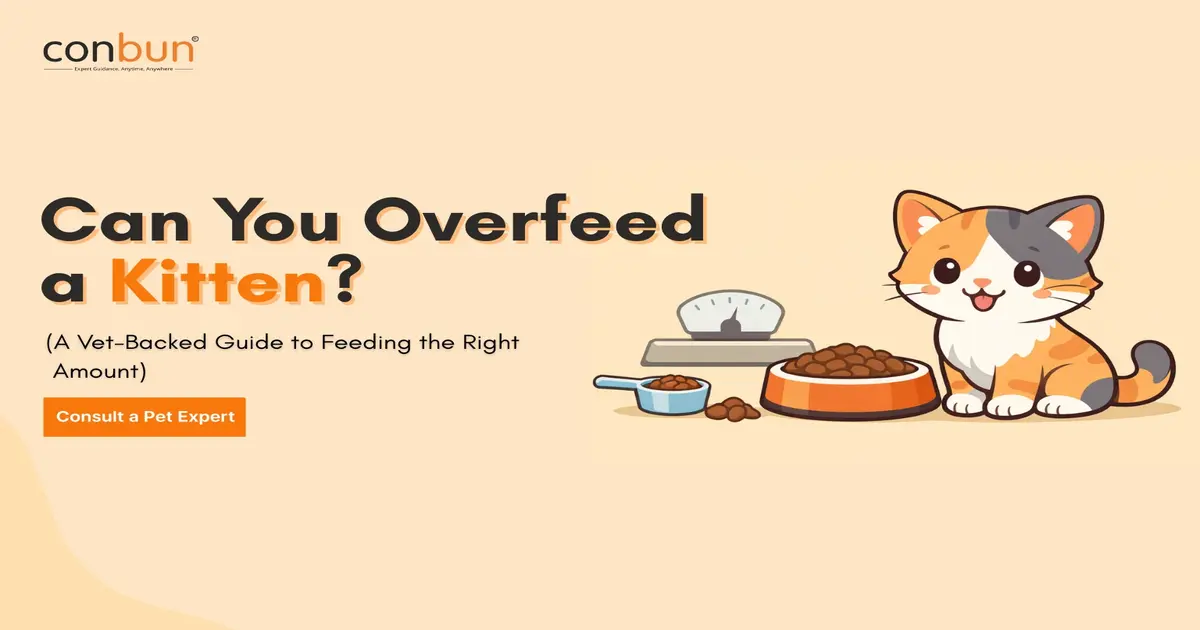
Okay, so let’s answer the big question right away: Yes, you absolutely can overfeed a kitten.
And yes, it can lead to various health conditions like diarrhea, vomiting, rapid weight gain, joint strain, and long-term obesity.
In this guide, we’ll cover:
How and when overfeeding happens
Signs your kitten may be eating too much
Exactly how much to feed by age
Whether free-feeding is safe or not
What to do if you’ve been overfeeding your kitten
Let’s untangle the myth that “you can’t overfeed a growing kitten.”
Can You Overfeed a Kitten?
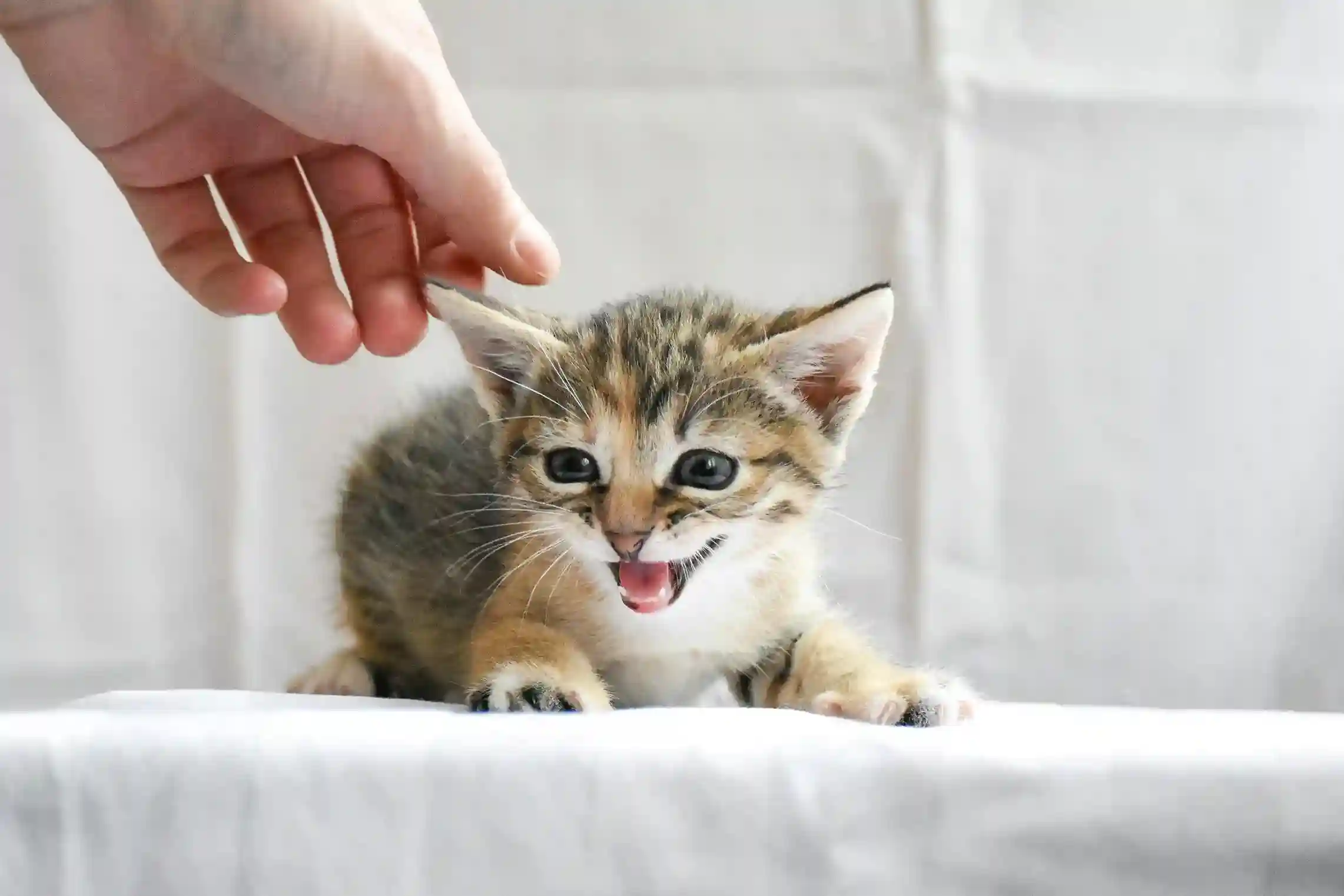
Short answer: Yes. Long answer: Yeeess, especially after weaning.
Kittens grow fast. Very, very fast. So, their calorie needs per kilogram of weight are nearly double that of adult cats. This is the reason why kitten food is rich, calorie-dense, and highly palatable.
But the combination of high-speed growth and irresistible food results in easy overfeeding.
Why Kittens Are Vulnerable
High caloric density - Kitten food packs more energy per gram.
Rapid growth phase - Between 4 weeks and 6 months, growth is explosive.
Human misinterpretation - Meowing doesn’t mean they are hungry every time.
Free-feeding habits - Bowls topped up “just in case.”
Three High-Risk Windows for Overfeeding
Bottle-fed newborns (0-4 weeks)
Overfeeding kitten formula can lead to bloating, diarrhea and even aspiration pneumonia if they regurgitate. Such conditions could be very risky, especially for newborn kittens.
Post-weaning phase (4 -12 weeks)
Weaning is the gradual process of introducing solid foods and reducing the reliance on formula. During this transition, kittens often overeat if food is constantly available.
Think about it: if someone kept sliding a fresh McChicken across the table every time you just looked at them, would you exercise "self-control"? Exactly. You can’t expect your kitten to be the bigger person when they’re barely the size of a shoe.
3–6 months old
At this stage, self-regulation declines. Appetite explodes as growth is still happening. Portion control becomes essential during this period.
Do Very Young Kittens Self-Regulate?
Kittens under 3 months of age are surprisingly good at stopping when they’re full. Their stomach capacity is limited; small and natural nursing patterns encourage small but frequent meals.
After 3-4 months?
This capacity of self-regulation often fades, and this is where trouble starts.
Related Readings: 25 Most Popular Cat Breeds in India with Prices and Care Guide
Signs You May Be Overfeeding Your Kitten
People confuse overfeeding with obesity. While obesity is a common complication that often emerges later, the signs of overfeeding a kitten are often subtle. Let’s go through the most common red flags.
Soft or Loose Stools / Diarrhea
If your kitten’s stool is pudding-like or watery, overfeeding is high on the suspect list.
Excess food overwhelms their small intestine’s absorption capacity, which leads to:
Malabsorption
Fermentation in the colon
Gas and diarrhea
According to veterinary literature, overfeeding and sudden increases in food volume are among the most common causes of non-infectious diarrhoea in kittens.
If diarrhea lasts more than 24 - 48 hours, consult your vet.
Vomiting After Meals
Does your kitten eat like it’s a competitive sport… then vomit minutes later? That’s often regurgitation from overeating too quickly.
This is common with:
Free-fed dry kibble
Multi-kitten households
Competitive eaters
Frequent vomiting increases the risk of aspiration pneumonia, especially in bottle babies. It is a type of lung infection that happens due to regurgitation, when bacteria from the mouth reach the lungs.
One isolated episode? Probably okay. But if your cat is vomiting repeatedly, that’s not normal. Consult a vet immediately.
During such times, online pet care consultation on apps like Conbun can come in handy with quick veterinary advice.
Bloated or Distended Abdomen
A temporarily filled belly is normal after eating. However, a persistently round, drum-like abdomen is not. Overfeeding a kitten can stretch their stomach and intestines, which mimics:
Parasites
Fluid accumulation
Gas buildup
If your kitten’s belly feels tight or she seems uncomfortable, don’t assume it's just “baby fat”.
Lethargy After Eating
Healthy kittens tend to zoom around like furry caffeinated rockets. If your kitten consistently seems sleepy, sluggish, or uncomfortable after meals, it may be due to post-meal discomfort from overeating.
Digestion takes energy. Too much food leads to digestive overload, which makes them sleepy or inactive. It can also lead to less Interest in the Next Meal. Ironically, if kittens are overfed, they sometimes skip their next meal.
Why?
Because their stomach hasn’t emptied fully.
This creates a cycle of feast - skip - feast - digestive upset.
Rapid, Visible Weight Gain
Constant overfeeding can result in rapid, visible weight gain. A steady increase in weight is normal. Dramatic changes are not.
If you notice:
Ribs are difficult to feel
No visible waist
Fat pad forming in the lower abdomen
It’s time to reassess portion sizes.
Callout: Overfeeding vs. Illness
Sign | Overfeeding | Illness |
Diarrhea | Often mild, after large meals | Persistent, may have blood |
Vomiting | Soon after eating | Random timing |
Appetite | Still eager to eat | Reduced appetite |
Energy | Normal between episodes | Lethargic overall |
Fever | No | Possibly |
It doesn’t matter if you have the most popular cat breed or a stray kitten, overfeeding can be lethal for all breeds. If you see fever, persistent lethargy, or blood in stool, that’s illness, not overfeeding.
Related Readings: How to Groom a Cat at Home: Shedding, Bathing, Nail Trimming & Schedule Guide
How Much Should You Feed a Kitten? (By Age)
Feeding a cat is not one-size-fits-all. It depends on age, weight, and caloric density of food.
Here’s a general guideline based on AAFCO standards and typical veterinary feeding charts:
Age | Meals Per Day | Approximate Daily Amount |
0-4 weeks | Every 2 hrs | Nurse freely / formula per weight |
4-8 weeks | 4-6 meals | Softened kibble, small frequent portions |
8-16 weeks | 3-4 meals | Follow package + vet weight check |
4-6 months | 3 meals | Measured portions |
6+ months | 2 meals | Begin transition to adult schedule |
Important Notes
Wet food has a lower caloric density per gram. Dry food is calorie-dense, thereby easy to overfeed.
Many cat owners ignore the calories they offer in treats. Treats should not exceed 10% of daily calories.
Always use a kitchen scale, not a cup guess. This would make portion sizes controlled.
If you are in doubt, calculate based on your kitten’s current weight and consult a vet for a tailored feeding plan.
Cat nutrition and health are interconnected. Thus, properly portioned sizes, a balanced meal and a combination of dry and wet food should be your cat's feeding priority.
Do Kittens Know When to Stop Eating?
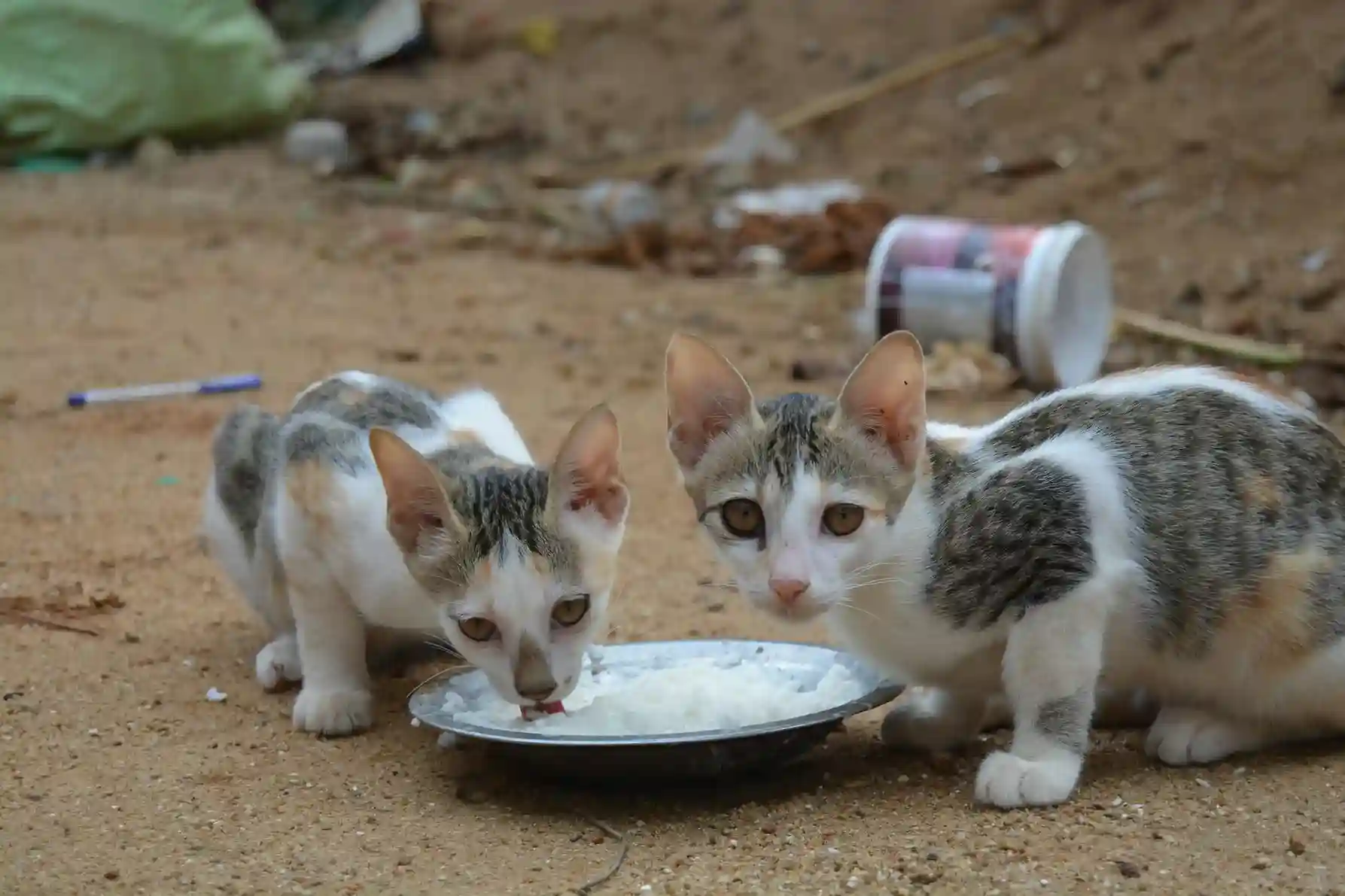
This is the million-rupee question.
Under 3 Months
Mostly yes.
Young kittens have small stomachs and natural grazing patterns. Many will stop when full.
Over 3-4 Months
Self-regulation often declines.
They:
Eat out of boredom
Eat competitively
Eat because food is there
Free-feeding becomes risky at this stage.
Behavioral Clues of Poor Self-Regulation
Guarding the food bowl
Rushing the bowl as if it might disappear
Meowing constantly for food
Begging even after eating
This doesn’t always mean hunger. Pets learn through predictability. If their feeding schedule is unpredictable, they might develop adverse feeding behaviours. Fix proper feeding times to inculcate healthy eating behaviours.
Related Readings: The Ultimate Cat Training Guide 2026
Health Consequences of Overfeeding a Kitten
Your cat may look cute with that “Chubby baby” face due to overfeeding. However, it can set the stage for various health conditions. Some immediate, some lifelong.
Obesity and Joint Problems
As per AAFCO guidelines, kittens grow rapidly until about 6–8 months of age. Providing excess calories during this phase can lead to early fat cell development. More fat cells early in life are related to a higher obesity risk as adults.
Extra weight in kittens at this stage also stresses developing bones and joints. While hip dysplasia is less common in cats than in dogs, orthopaedic strain and physeal (growth plate) injuries are documented in young, overweight cats.
And lastly, there’s diabetes. If your cat is overweight, then it is at significantly greater risk of insulin resistance later in life.
Therefore, if your cat is chubby now, be prepared for chronic diseases later.
Chronic Diarrhea and Malabsorption
If kittens are consistently overfed, their small intestine is overloaded and can’t absorb nutrients efficiently, which leads to:
Malabsorption
Soft stool
Nutrient loss
Dehydration risk
Ironically, even if kittens are overfed, they may not absorb nutrients properly as their organs have not fully matured yet.
Vomiting and Aspiration Risk
As stated above, rapid overeating can stretch your kitten’s small stomach. Thus, vomiting soon after a meal is common.
This is particularly dangerous in bottle-fed kittens, as the formula may aspirate into the lungs, causing aspiration pneumonia. It is a serious, sometimes fatal condition documented in neonatal feline care literature.
Constipation
Yes, overfeeding a kitten can lead to constipation. Too much dry food combined with inadequate hydration results in hard stool.
Kittens need moisture to function. Thus, wet food is generally recommended as it often supports better hydration and stool consistency.
Long-Term Eating Dysfunction
Studies in feline obesity behavior suggest that kittens who are free-fed excessively early on may develop:
Food obsession
Poor satiety signalling
Anxiety around meals
Early feeding habits shape lifelong patterns.
Hepatic Lipidosis (Fatty Liver Risk)
Let’s talk about a lesser-known but important risk.
Kittens may stop eating due to various reasons like stress, illness or abrupt changes in diet. If an overweight kitten stops eating, they are at a great risk of hepatic lipidosis, which is a life-threatening fatty liver condition.
Cats cannot safely fast if they’re overweight. Rapid weight loss in kittens can be dangerous. If you are focusing on your kitten’s weight correction, it must be vet-supervised and gradual.
Related Readings: The Ultimate Guide to Thyroid Disease in Dogs & Cats (2026)
Is My Kitten Overweight? How to Body-Check at Home
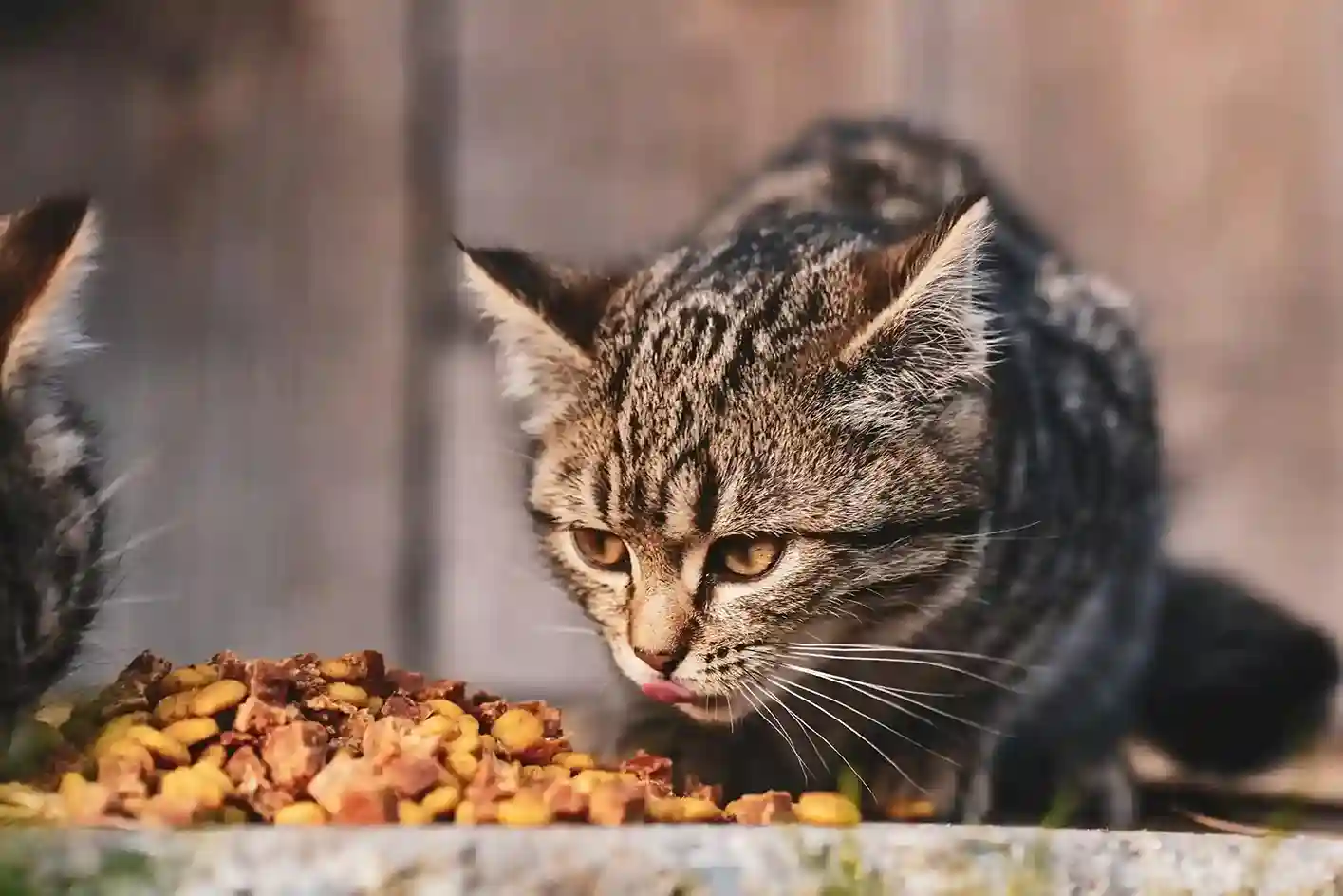
Let’s understand the Body Condition Score (BCS), which is the gold standard used in veterinary medicine. Most clinics use either a 1-5 or 1-9 scale. We’ll keep it simple with a 1–5 version.
Body Condition Score (1-5)
Score | What It Feels Like |
1 | Ribs very visible, no fat |
2 | Ribs easy to feel, slight fat cover |
3 | Ideal: ribs felt, not seen |
4 | Ribs hard to feel, no waist |
5 | Ribs not felt, round body |
Step 1: Rib Check
Run your fingers gently along your kitten’s ribcage.
You should feel ribs easily
They should not protrude sharply
Think: back of your hand
If it is difficult to find ribs or you have to press firmly to find ribs, there’s excess fat.
Step 2: Waist Check (From Above)
Look down at your kitten.
You should be able to see:
A slight inward curve behind the ribs
No curve? An overfed kitten’s belly is rounded like a loaf of bread. It is a sign that your kitten is overweight.
Step 3: Tummy Tuck (Side View)
From the side, you should see a sloping curve slightly upward. A sagging or round belly suggests that there are fat deposits. Not just kitten fluff.
When to Call a Vet
Rapid weight gain
BCS of 4 or 5
Lethargy
Digestive issues
If your kitten is mildly plump, you can adjust their feeding schedule gradually at home. However, if in doubt, partner with an online veterinary platform like Conbun to start your cat’s fitness transformation.
How to Correct Overfeeding Without Harming Your Kitten
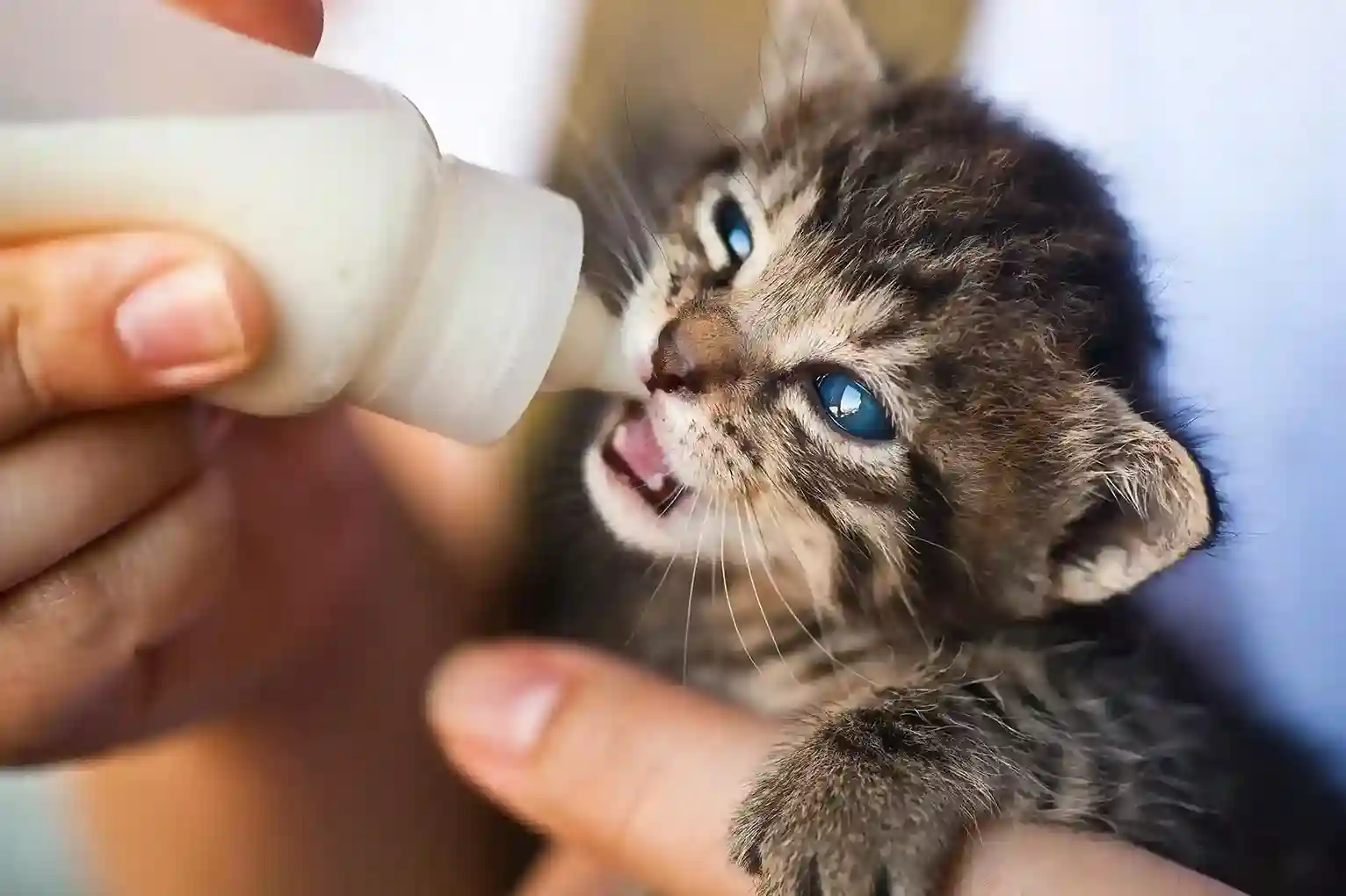
Important rule:
If you are looking for kitten overfeeding treatment, it is essential to note that cats are not built for sudden calorie drops. So never cut food drastically overnight.
Step 1: Measure Food Precisely
Use:
A kitchen scale (best)
Not a measuring cup guess
Caloric density varies between brands. Always check kcal per cup or per can.
Step 2: Transition From Free-Feeding to Scheduled Meals
Follow a predictable feeding schedule. Transition gradually over 7–10 days.
Move toward:
3 meals per day under 6 months
2 meals per day after 6 months
Structured meals can improve appetite regulation.
Step 3: Use Enrichment Feeding
Use enrichment feeding. You can try:
Puzzle feeders
Scatter feeding
Food-dispensing toys
Interactive pet toys could be a good way to start, as they support both mental and physical stimulation and reduce binge eating in cats.
Step 4: Increase Play and Activity
Kittens need daily play anyway.
Add:
10 -15-minute interactive play sessions
Wand toys
Climbing spaces
Exercise improves metabolism and prevents fat accumulation.
If your cat is otherwise lethargic or inactive, you can use Catnip Catnip (Nepeta cataria), which consists of nepetalactone, to make your kittens playful. It can be an effective, non-toxic tool for feline weight loss as it can engage them in high-energy play.
Step 5: Schedule a Vet Check If Overweight
Your vet can:
Calculate ideal body weight
Adjust calorie targets
Rule out medical causes
Gradual weight correction is safest, about 0.5–1% body weight per week.
Overfeeding Mistakes New Kitten Parents Make
Let’s be honest, most overfeeding happens out of love.
Here are the common mistakes:
Feeding Adult Cat Food
Adult formulas are not balanced for kitten growth and often have different caloric ratios.
Kittens need:
Higher protein
Specific calcium-phosphorus balance
AAFCO growth-labelled diets are essential.
Too Many Treats
Treats should be less than 10% of daily calories.
Many kitten treats are calorie-dense.
A few extra daily? That adds up quickly.
Topping Up the Bowl “Just in Case”
This creates:
Constant grazing
No portion awareness
Overeating habits
Judging Portions by Eye
Human eyes are wildly inaccurate.
A 10-gram difference daily can equal significant weight gain over months.
Interpreting Meowing as Hunger
Kittens meow for:
Attention
Play
Comfort
Habit
Not always food.
If they just ate 20 minutes ago, it’s probably not starvation.
Related Readings: Normal Cat Temperature Range – And Red Flags You Must Check Immediately
Conclusion
Feeding your kitten the right amount isn’t about guessing; it’s about guidance. And that’s where Conbun Pet Care makes life easier. Instead of second-guessing portion sizes or worrying whether your kitten is overeating, you can book a quick pet care consultation online and get a personalised feeding plan based on age, weight, growth rate, and diet type.
Growing kittens change fast, and their nutritional needs change with them. Having expert support on demand means fewer feeding mistakes, healthier growth, and long-term protection against obesity and digestive issues. When it comes to kitten nutrition, don’t rely on internet charts alone; combine them with real veterinary advice. Your kitten deserves science-backed care, and with Conbun android and iOS, help is always a click away.
FAQs (People Also Asked)
1. How much should a 3-month-old kitten eat per day?
Answer. 3-month-old kittens need 200-250 kcal per day, which depends on their weight and daily activity. Dividing this into 3-4 meals.
2. Can you kill a kitten by overfeeding?
Answer. Yes. It is possible to kill a kitten by overfeeding especially young or new born kittens. Excessive formula can lead to severe dehydration and bloating.
3. Can overfeeding a kitten cause diarrhea?
Answer. Yes. Overfeeding can lead to digestion difficulties, which lead to malabsorption and soft stool.
4. Can you overfeed a kitten formula?
Answer. Yes, and it can be as dangerous as underfeeding. It can lead to diarrhea, vomiting, gas, dehydration and even aspiration pneumonia.
5. Is it ok to free-feed a kitten?
Answer. Free-feeding is only acceptable if your kitten is under 3 months and its weight is monitored. If a cat is more than 3-4 months old, scheduled meals are safer to prevent overeating.
6. How do I know if my kitten is eating enough vs. too much?
Answer. You can use body condition score, weekly weight checks and stool quality as guides. Steady growth is normal, but rapid weight gain is not.
7. What happens if I accidentally overfeed my kitten once?
Answer. One large meal usually causes mild vomiting or loose stool at worst. Monitor hydration and energy. Ongoing overfeeding is the real concern.
8. Should I feed wet food, dry food, or both?
Answer. Both can work. Wet food supports hydration. Dry food is convenient but calorie-dense. Many vets recommend mixed feeding for balance.
9. When should I switch from kitten food to adult food?
Answer. Most cats transition at 10 -12 months. Large breeds may need kitten formula longer. Consult your veterinarian for timing.