
Winter Is Coming - And Your Pet Feels It Too
Winters are here, and they’ll not just chill you but also seep quietly into your pet’s comfort zone. Pet parents around the world assume that fur alone keeps their cats and dogs warm. However, our pets also feel cold just like the way we do. While fur offers insulation to some extent, pets are still susceptible to hypothermia and frostbite, etc, especially smaller breeds. Indoor temperatures can drop enough to cause joint stiffness, shivering and loss of appetite in sensitive pet breeds. Whether it’s a mild nip in Delhi or full frost in Himachal, winters demand special attention.
The following guide will discuss tips you can follow to keep your furry companion warm, cosy and safe this season.
How Cold Is Too Cold for Pets?
As pets are of various species and breeds, it's important to understand that not all pets can tolerate the same chill. As per a research article published in the Hellenic Journal of Companion Animal Medicine, most cats and dogs begin feeling discomfort once temperatures fall below 7°C (45°F). For small, short-haired or elderly pets, the risk of hypothermia increases sharply below 0°C (32°F).
Dogs: Alaskan Malamutes and huskies are cold-weather breeds that can effectively withstand lower temperatures, but toy breeds or thin-coated dogs like Greyhounds or Chihuahuas must be kept indoors if the temperature is below 10°C
Cats: Domestic cats are especially vulnerable, as even limited exposure to near-freezing temperatures can lead to frostbite on paws or ears.
Small pets: Guinea pigs, hamsters, rabbits need insulated enclosures as their small body masses tend to lose heat rapidly.
Always look for warning signs like cold ears or paws, hunched posture, lethargy or shivering. If your pet’s breathing seems slow or if they are becoming unresponsive, consider it a medical emergency.
Many pet parents now depend on online veterinary consultation platforms to instantly assess symptoms and to get real-time guidance. This could be a highly practical step if immediate travel to the vet’s clinic is not possible. A quick online vet consultation can allow you to determine whether home care is enough or a physical visit is needed.
Essential Warmth Tips for Indoor Pets
Cold weather hits indoor pets harder than most pet owners think. Even if you have restricted your pet’s outings during the winter, cold drafts, tile floors, and unheated rooms can cause significant discomfort, and joint pains may even lead to lowered immunity. Pets’ bodies burn more calories to maintain body heat during the winter, which not only emphasises the need for more nutrient-rich food but also extra care in diet, as a reduction in body weight can lead to immunity issues.
As per the AKC Canine Medical Foundation, for every 10-degree drop in temperature, dogs may need 7%-7.5% more calories. For some breeds made for colder climates, the requirement is even higher. Therefore, it is important to take extra care of their diet and living space.
Here’s how you keep your furry friends warm and safe:
Cosy sleeping areas: Make sure to elevate your pet’s bed off cold floors and line it with thermal mats or blankets. Heated pet beds are a great choice for older pets, but make sure to ensure proper temperature regulation to avoid burns.
Draft-free comfort: Keep your pet’s bedding away from windows and doors where cold air seeps in. Ensure that their bedding is away from doors and windows, from where cold air may seep in.
Balanced winter diet: Diets must be substituted with high-protein and fat meals to boost their energy and the ability to produce heat. In addition, keep them adequately hydrated as pets tend to drink less water during winter.
Daily movement: Play gentle indoor games to keep circulation active and joints supple.
If your pet shows any of these symptoms, like stiffness, loss of appetite or lethargy, don’t wait for an in-person appointment. Consult a vet through online veterinary consultation, where you can just describe these symptoms and share videos of your pet to get expert advice instantly from an online vet. In addition, your pet enjoys the comfort of talking to a vet from home without the need to go out in harsh weather conditions. Such online vet consultations are incredibly helpful for mild-winter-related issues, as early intervention can help in avoiding larger health issues.
Outdoor Pet Safety During Cold Weather
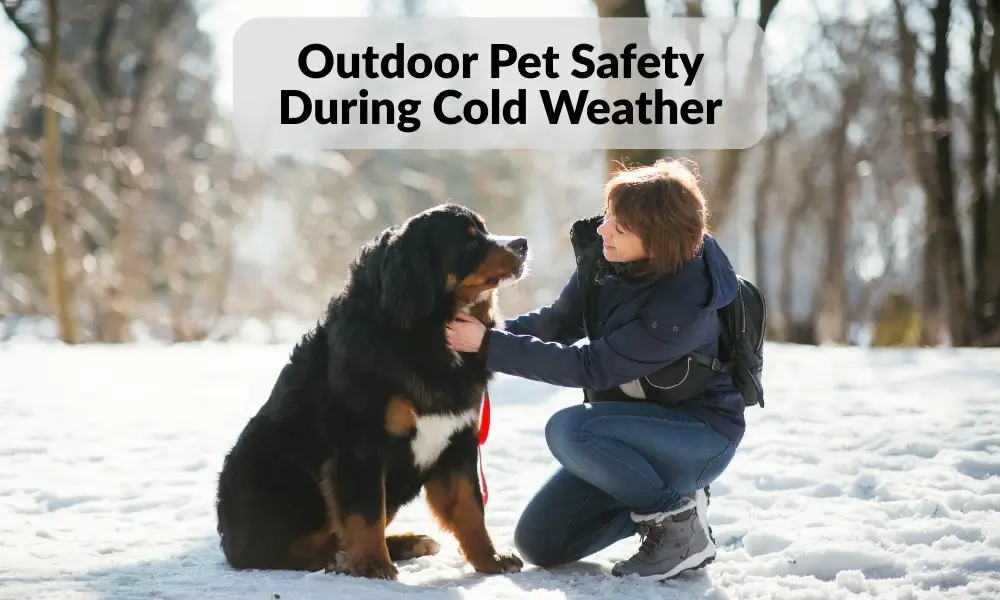
Outdoor pets or dogs who love their daily evening outings face unique winter challenges. Exposure to freezing temperatures, icy surfaces in some Indian states may lead to paw injuries, frostbite and may even lead to respiratory stress depending on the breed. As per PetMD, pets may develop frostbite in under 30 minutes of getting exposed to temperatures below 0°C. In fact, even in dogs bred to withstand cold like the Siberian Husky, frostbite can develop, especially in windy conditions.
For outdoor pet safety:
Dress them smart: Buy pet jackets and sweaters, especially if you have short-haired breeds. Booties help you protect them from ice, frost and cold tile floors.
Time your walks: Avoid long walks during severe cold, especially in the morning and evening when temperatures are lowest.
Check paws after walks: If you live in a hilly Indian state, wipe off ice and mud constantly. Change paw pads if cracked, as they may pose a risk of infection.
No shaving: Never shave your pet's coat down to the skin, as a longer coat offers natural insulation.
If you notice signs like disorientation, whining or lifting paws repeatedly, immediately bring your pet indoors and warm them gently with a blanket. If you observed lingering symptoms like persistent shivering, limping, consult a vet online for guidance. Learn how these online vet consultations work to offer expert advice when pet clinics are closed, ensuring expert pet care without delay.
Common Winter Health Problems in Pets
Winter brings cosiness for humans but challenges for pets. Low humidity, cold air and reduced activity may lead to multiple health issues in pets during the winter, among which cold and respiratory ailments are the most common ones. As per an article published in The Times of India, a 15% rise was seen in the number of pets suffering from respiratory ailments, especially in foreign breeds like Labrador, German Shepherd, Golden Retriever, etc.
These are the most common winter health problems in pets you should look for:
Colds and respiratory infections: Pets can also catch a cold, just like humans. If you find your dog sneezing, coughing, it's time to monitor them closely.
Joint stiffness and arthritis: In older pets, cold weather may worsen arthritis pain and other joint-related symptoms. Provide them with soft and warm bedding and make sure they move gently.
Dry, flaky skin: Low humidity strips natural oil off your pet’s skin. Use Omega-3 supplements and humidifiers to ensure their body holds enough moisture.
Dehydration: As stated above, pets tend to drink less water in winter, which may lead to urinary and kidney issues. Encourage consistent hydration.
These are common health problems pets may face during winter. If you follow the steps discussed above, you can enjoy the winter along with your pets.
Emergency Situations: What to Do Before You See a Vet
When emergencies hit like frostbite or sudden collapse, every second counts. Before rushing to the vet, taking a few steps can make a huge difference.
Frostbite: If your pet’s ears, paws or tail looks bluish or pale, move them indoors immediately. Use warm water compresses for 10-15 minutes. Make sure you do not use hot water. Do not rub the affected area, as it may lead to further tissue damage.
Hypothermia: Symptoms include slow breathing, weakness, and consistent shivering. Try wrapping your pet in a dry, warm blanket and use a heating pad on low mode to stabilise the body temperature.
Sudden lethargy or collapse: Just focus on keeping your pet warm and calm. Avoid feeding them forcibly until they regain alertness.
❌ What NOT to do:
Never immerse your pet in hot water. Do not use a hair dryer directly, as it may cause burns. Don’t delay seeking professional guidance.
If your local clinic is not available, try booking an online vet consultation to get instant vet advice. Many platforms that connect you with certified veterinarians 24/7, perfect for late-night emergencies or when it becomes unsafe to travel. If the symptoms persist beyond 30 minutes, switch from online vet consultation to in-person care immediately.
Senior Pets and Cold Weather Care
Aged pets are far more susceptible to health conditions than younger ones. With a slowed metabolism and low joint mobility, mild winter chills can aggravate muscle stiffness, fatigue and arthritis. Osteoarthritis is the most common cause of chronic pain in dogs, and it has been observed that in low temperatures, there is a significant increase in pain episodes. As per Canine Arthritis Management, arthritis affects more than 80% of dogs over the age of 8
To protect them:
Orthopaedic beds help support joints. Offer a soft and insulated begging in draft-free corners.
Encourage gentle exercises indoors to maintain circulation.
Use pet-safe heating mats but monitor for overheating.
With your vet’s approval, add joint supplements like fish oil and glucosamine to your pet’s diet.
Senior pets with chronic conditions benefit greatly from online follow-ups, especially during winter. Platforms that offer online vet consultations allow you to share mobility videos and discuss medication adjustments. It’s a simple way to maintain advanced pet care and continued health management for your older pets.
Safe Home Heating Tips for Pets
Keep your home warm, but ensure that the heating methods you use do not endanger your pets. Pets may face burns and injuries even because of incorrect handling of heating equipment like space heaters, fireplaces and electric blankets.
Here’s how you can heat safely:
Pet-proof heaters: Use models with guard rails, automatic shut-off. Always keep cords out of reach to prevent chewing accidents.
Avoid direct exposure: Do not let pets nap too close to the fireplace or heaters. Dehydration and burns can occur too quickly.
Prevent air dryness: Low humidity can cause dry skin and respiratory irritation. Use a humidifier or place a water bowl near the heater.
Ensure ventilation: Ensure that your space has proper air circulation to avoid Carbon monoxide buildup.
How Online Vet Consultations Add an Extra Layer of Safety
Winters can catch pet owners off guard, as one day your pet may seem playful, but the next, they are shivering or refusing food. This is where online vet consultation has redefined pet care. They allow pet owners with quick access to verified veterinarians who evaluate pet symptoms, view photos and videos and recommend the next course of action without the need to step out in the freezing weather.
For instance, if your dog shows mild signs of hypothermia (lethargy, shivering), you can get early guidance online and prevent long-term complications. Whether you want advice on skin dryness, respiratory issues or nutrition with online consultation platforms like Conbun, you can get early intervention advice.
Conclusion: A Warm Home, A Healthier Pet
Winter brings its cosy charms but also some hardships for your pets. A few mindful changes like hydration, providing warmth and regular health checks can make all the difference.
Remember that your pet depends on you for safety and comfort, and with online vet consultations, you can offer your pet with needed comfort and care, anytime, anywhere.
Book your online vet consultation now on Conbun, and this winter, give your pet the care they deserve.
Frequently Asked Questions :
Q1.) How do you keep your pets cosy during winter?
Ans. Provide your pet with soft blankets, warm bedding and an insulated sleeping area. Keep them away from cold floors. Make sure that their living space is comfortably heated and dry all through the season.
Q2.) How to keep pets safe in the cold?
Ans. Limit outdoor activity, especially during early mornings and evenings. Dry your pet after walks and look for signs like discomfort, shivering or stiffness.
Q3.) What is the 7-second rule for dogs?
Ans. Place the back of your hand on the ground for seven seconds. If it feels too cold or too hot for your hand, then it is unsafe for your dog’s paws.
Q4.) How cold is too cold for pets?
Ans. Temperatures below 7°C (45°F) can cause discomfort in most pets. Exposure to temperatures below 0°C (32°F) may lead to hypothermia or frostbite, especially in small or short-haired breeds.
Q5.) How to tell if a pet is cold?
Ans. If your pet is shivering, has a tucked posture, cold paws or ears or is reluctant to move, he/she is having discomfort due to cold. Pets may appear unresponsive or lethargic in severe cases.
Q6.) Do cats need sweaters?
Ans. Yes. Cats also feel cold just as we humans do. Therefore, it is advised to use warm jackets or sweaters for your pet cat even indoors, especially when there is severe cold.