.webp)
Complete Fish Care Guide: Everything New Fish Owners Need to Know
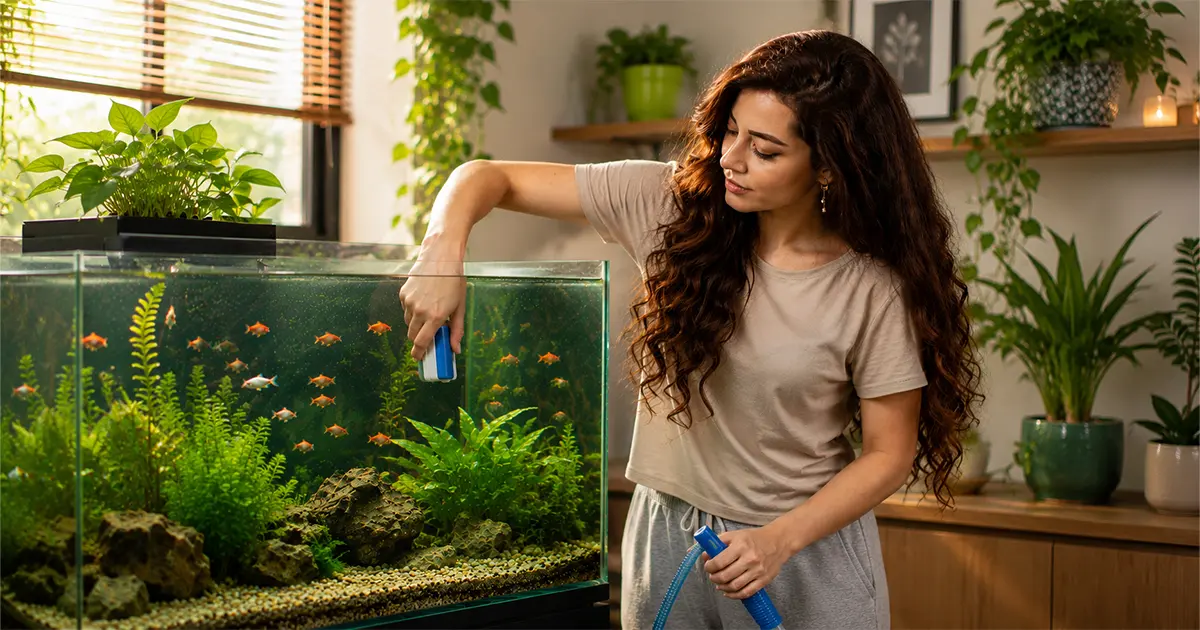
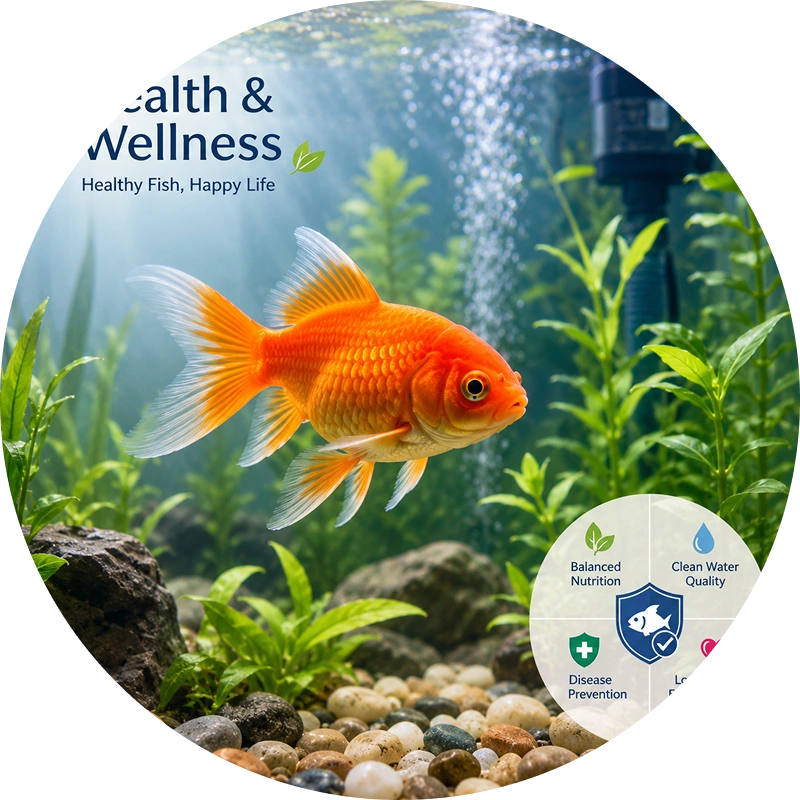
Effective fish care involves much more than adding food to an aquarium. Fish need an appropriately sized tank, compatible tank mates, stable water parameters, effective filtration, species-specific nutrition, enrichment, regular maintenance and daily health observation.
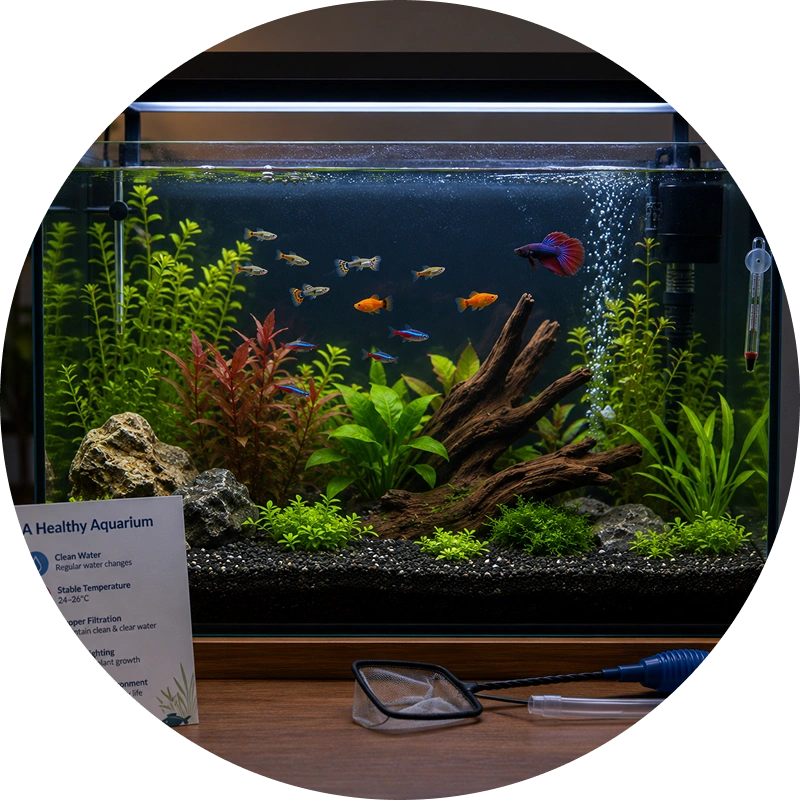
A healthy aquarium is the foundation of good fish care at home because water quality directly affects fish physiology, stress levels, and disease risk.
This complete fish care guide covers aquarium setup, feeding, fish behaviour, water quality, tank maintenance, disease prevention, veterinary care, and vaccination considerations. For new owners, understanding these fundamentals before stocking an aquarium can prevent many avoidable problems.
Veterinary Insight: Water quality is the core component of a fish’s healthy environment. Ammonia, nitrite, inappropriate temperature, low oxygen and unstable water chemistry contribute to illness and mortality.
How to set up a new aquarium step by step
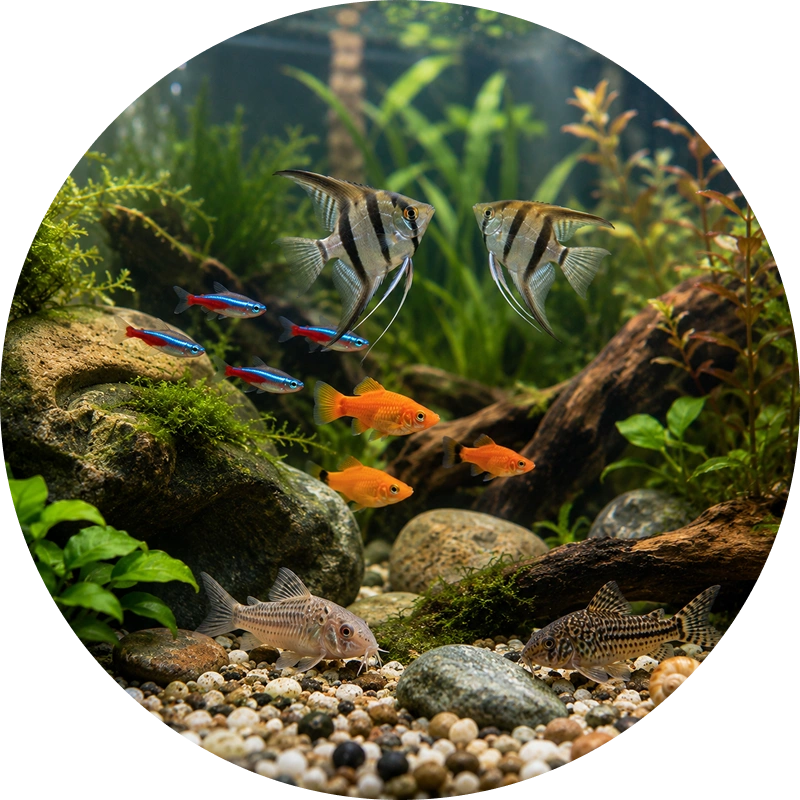
A healthy aquarium needs stable water parameters, adequate filtration, appropriate temperature, sufficient swimming space and species-compatible housing. New owners must establish biological filtration before fully stocking the aquarium and monitor water quality rather than judging aquarium health by clear-looking water alone.
How to choose the right tank size for beginners
Tank requirements depend on species, adult size, swimming behaviour, number of fish and compatibility. Avoid choosing a tank solely because it is convenient or inexpensive.
Essential Equipment
A basic setup may require:
Filtration system
Heater where appropriate
Thermometer
Suitable substrate
Aquarium lighting
Water conditioner
Hiding places
Species-appropriate plants or decorations
Establish Biological Filtration
Beneficial bacteria convert toxic ammonia into nitrite and then nitrate. A new aquarium can experience "new tank syndrome" when its biological filter has not matured sufficiently. Overstocking and overfeeding can make this problem worse.
What Should Fish Eat? A Beginner's Feeding Guide
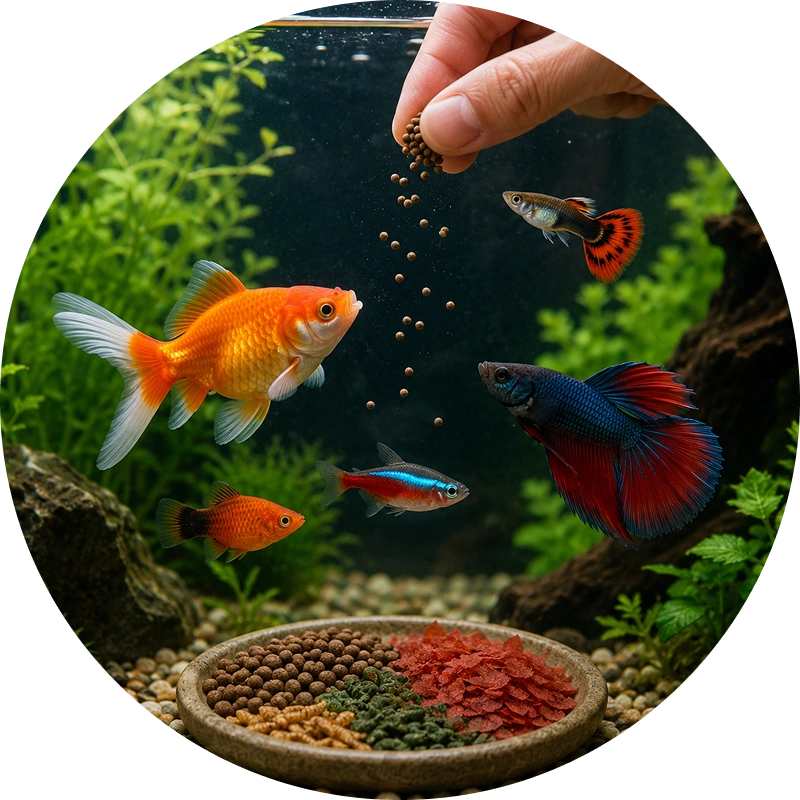
Fish food must be appropriate to their species, life-stage, feeding behaviour and nutritional requirements. Depending on the fish, diets may include pellets, flakes, frozen foods or appropriately prepared live foods. Herbivorous, carnivorous and omnivorous species have different nutritional needs.
Choose Food for the Species
Research whether your fish primarily feeds at the surface, bottom, or mid-water and select food accordingly. Species-specific formulated diets may provide appropriate nutrients without relying on a single food type.
How Often Should You Feed Fish?
Be consistent with schedule and portion size. Do not add more food simply because the fish appears eager to eat. Uneaten food must be removed because decomposing organic matter contributes to deteriorating water quality.
Why Overfeeding Is Dangerous
Excess food increases organic waste. It can contribute to ammonia problems, particularly in newly established or heavily stocked aquariums. Overfeeding contributes to obesity and other nutritional problems.
Veterinary Insight: Feeding should be based on species, age, size, activity, and dietary requirements, not simply how frequently your fish appears interested in food.
How to tell if aquarium fish is healthy or stressed?
Healthy fish generally display species-appropriate swimming, feeding, colouration, respiration and social behaviour. Sudden changes can provide an early warning of environmental stress or disease.
Normal Behaviour
Depending on the species, normal behaviour may include:
Active swimming
Normal feeding response
Appropriate interaction with tank mates
Species-specific hiding
Stable colouration
Warning Signs
Watch for:
Persistent surface gasping
Erratic swimming
Staying at the bottom
Loss of appetite
Clamped fins
Abnormal spots
Swelling
Sudden colour changes
A healthy fish should not be assessed by appearance alone. Behavioural changes may occur before obvious physical abnormalities become visible.
A healthy fish generally shows species-appropriate activity, appetite, respiration, colour, and swimming behaviour. Gasping at the surface, lethargy, abnormal swimming, appetite loss, or visible lesions should prompt an assessment of water quality and, when necessary, veterinary advice.
How often to change aquarium water and how much
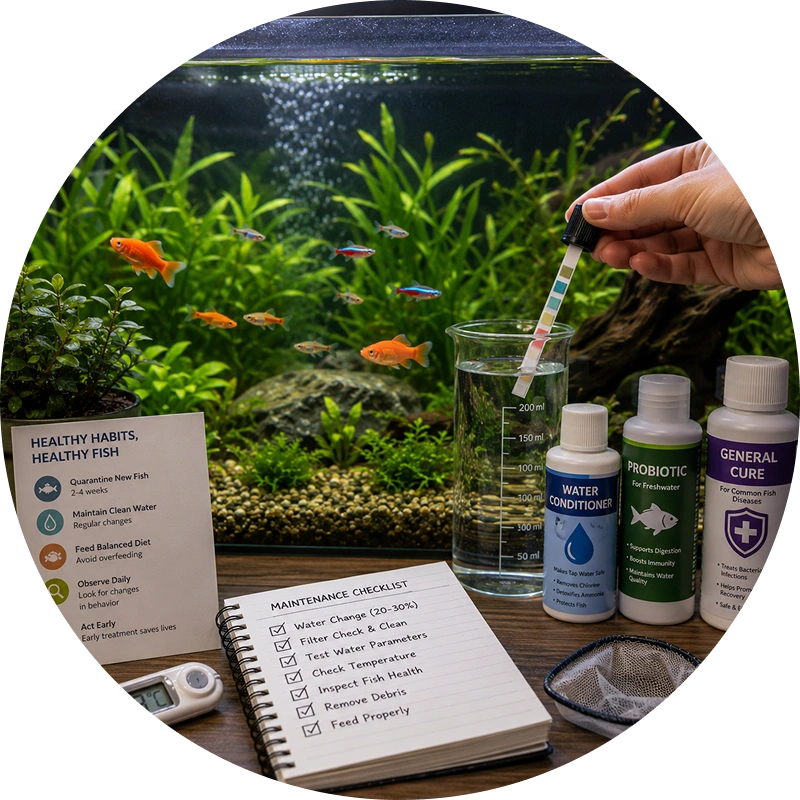
Good fish care depends on consistent aquarium maintenance. A practical fish care checklist includes observing fish, checking equipment and temperature, removing uneaten food, testing water, performing appropriate water changes, and maintaining filtration.
Daily
Observe fish behaviour
Check temperature
Remove obvious uneaten food
Check filtration and equipment
Regularly
Test water parameters
Perform appropriate partial water changes
Remove accumulated waste
Inspect plants and decorations
Maintain filter flow
Merck Veterinary Manual recommends regular monitoring of temperature, pH, ammonia, nitrite and other parameters according to the aquarium system.
Important parameters include:
Ammonia
Nitrite
Nitrate
pH
Temperature
Dissolved oxygen
For many freshwater systems, veterinary reference ranges identify ammonia and nitrite at 0 mg/L as the desired target, although exact requirements vary with species and system.
Avoid completely replacing aquarium water or aggressively cleaning biological filter media without understanding how these actions affect the nitrogen cycle.
Most common fish diseases and symptoms
Fish health problems can have overlapping symptoms, so owners should evaluate both the fish and its environment rather than assuming a diagnosis from one sign.
Condition | Common signs |
Fin rot | Frayed or deteriorating fins |
Ich | White spots, irritation |
Swim bladder disorder | Buoyancy or swimming problems |
Appetite loss | Refusing food |
Dropsy | Swelling, raised scales |
Surface gasping | Persistent surface breathing |
Ammonia poisoning | Gasping, lethargy, irritation |
For example, surface gasping may be associated with low dissolved oxygen, nitrite toxicity, ammonia problems, temperature-related stress, or other health conditions. Veterinary references recommend evaluating environmental conditions alongside clinical signs.
Common fish health problems include fin rot, ich, swim bladder disorders, appetite loss, dropsy, respiratory distress, and water-quality toxicity. Because these conditions can resemble one another, assess aquarium conditions alongside physical and behavioural signs instead of assuming one diagnosis.
Do Fish Need Grooming or Vaccinations?
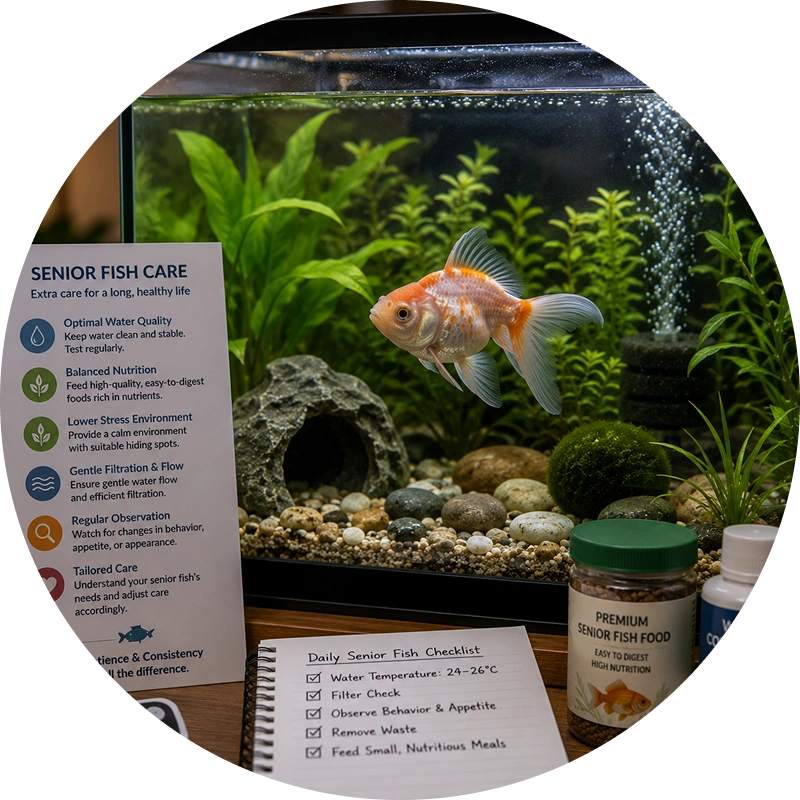
Fish generally do not require conventional grooming such as bathing, brushing, or nail trimming. Their equivalent of preventive "grooming" is maintaining a clean, stable aquatic environment and monitoring their body, fins, skin, and behaviour.
Routine vaccination is not a standard requirement for most commonly kept ornamental aquarium fish. Vaccination practices are species, disease, and region-dependent and are more relevant in some aquaculture settings than in ordinary home aquariums.
Preventive fish health should instead focus on:
Quarantining new fish where practical
Appropriate stocking
Stable water quality
Species-specific nutrition
Regular observation
Good aquarium sanitation
Merck Veterinary Manual identifies water quality, nutrition, sanitation, and quarantine as central components of fish health management.
When Should You Contact an Aquatic Veterinarian?
Severe disease, mass mortality, suspected poisoning, or cases requiring diagnostic testing may require hands-on veterinary assessment rather than remote advice alone.
Contact a fish veterinarian or an aquatic animal specialist when fish repeatedly stop eating, multiple fish become sick, or severe respiratory distress develops. You may also notice swelling or lesions.
Useful reasons for an aquatic vet online consultation can include discussing abnormal behaviour, appetite changes, visible disease signs, and aquarium conditions. Fish health consultation online services help owners to understand the appropriate next steps.
Need Help with Your Fish's Health? Conbun Can Help
Conbun can help pet parents seek professional guidance about feeding concerns, water-quality questions, abnormal fish behaviour, appetite loss, visible disease signs, preventive fish care, and aquarium management.
An aquatic vet online service can provide initial guidance for appropriate concerns. Through Conbun, our veterinary consultation app, owners can discuss symptoms and determine appropriate next steps. Remote veterinary guidance does not replace physical examination or diagnostic testing when these are clinically necessary.
Good Fish Care Starts with a Healthy Environment
Good fish care begins with the aquarium rather than the food container. Maintain stable water quality, provide species-appropriate nutrition, avoid overfeeding, offer adequate space and filtration, and observe fish behaviour every day.
Quarantine new fish when practical and learn the early signs of disease. When symptoms persist, several fish become sick, or the cause is unclear, seek qualified veterinary guidance.
Frequently Asked Questions
Q1. How do you take care of fish for beginners?
Ans. Start with a species-appropriate aquarium, stable water parameters, effective filtration, suitable nutrition, and compatible tank mates. Test water regularly, avoid overfeeding, perform appropriate maintenance, and observe fish behaviour daily for early signs of illness.
Q2. What should fish eat every day?
Ans. Fish should receive a species-appropriate diet rather than one universal food. Depending on species, this may include formulated flakes or pellets, vegetables, frozen foods, or other suitable foods. Feed measured portions and avoid overfeeding.
Q3. How often should I clean my fish tank?
Ans. Tank maintenance depends on stocking, filtration, aquarium type, and water quality. Regularly remove waste and test water, while performing appropriate partial water changes. Avoid completely replacing aquarium water unnecessarily because biological stability is important.
Q4. How do I know if my fish is sick?
Ans. Possible warning signs include appetite loss, persistent surface gasping, lethargy, abnormal swimming, clamped fins, unusual spots, swelling, or sudden colour changes. Because similar signs can have different causes, assess water quality alongside the fish's symptoms.
Possible warning signs include loss of appetite, lethargy, persistent surface lethargy, abnormal swimming, unusual spots, clamped fins, swelling or sudden colour changes.
Q5. Do pet fish need vaccinations?
Ans. Most commonly kept ornamental aquarium fish do not routinely require vaccination. Vaccination is more relevant in particular agricultural settings and depends on species, disease risks, production systems and regional veterinary recommendations. Preventive aquarium management remains essential for most home fish.
Q6. When should I contact a fish veterinarian?
Ans. Contact a fish veterinarian when symptoms persist, multiple fish become ill, unexplained deaths occur, severe breathing problems develop, or the diagnosis is unclear. Veterinary assessment may be particularly important when water-quality management alone does not resolve the problem.
Table of Content
- How to set up a new aquarium step by step
- How to choose the right tank size for beginners
- What Should Fish Eat? A Beginner's Feeding Guide
- How to tell if aquarium fish is healthy or stressed?
- How often to change aquarium water and how much
- Most common fish diseases and symptoms
- Do Fish Need Grooming or Vaccinations?
- When Should You Contact an Aquatic Veterinarian?
- Need Help with Your Fish's Health? Conbun Can Help
- Frequently Asked Questions

Anand Sen
Categories