
Fish Floating or Sinking? Consult an Aquatic Vet Online in India
Sinking, abnormal floating, swimming upside down, or difficulty maintaining buoyancy indicates a swim bladder disorder. Getting veterinary guidance early can help identify the underlying cause and treat swim bladder disorder in your pet fish.
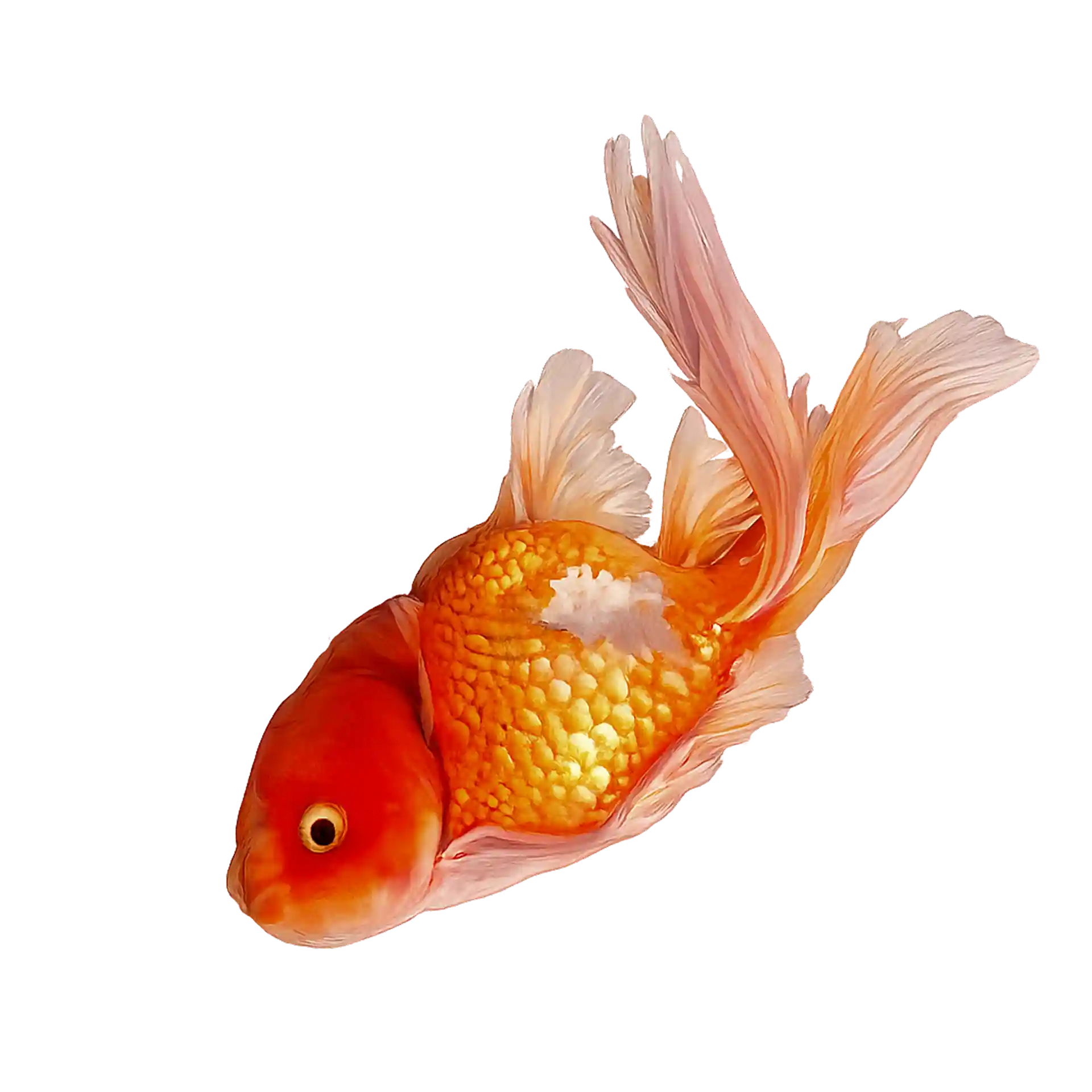
Common Causes of Swim Bladder Disorder in Fish
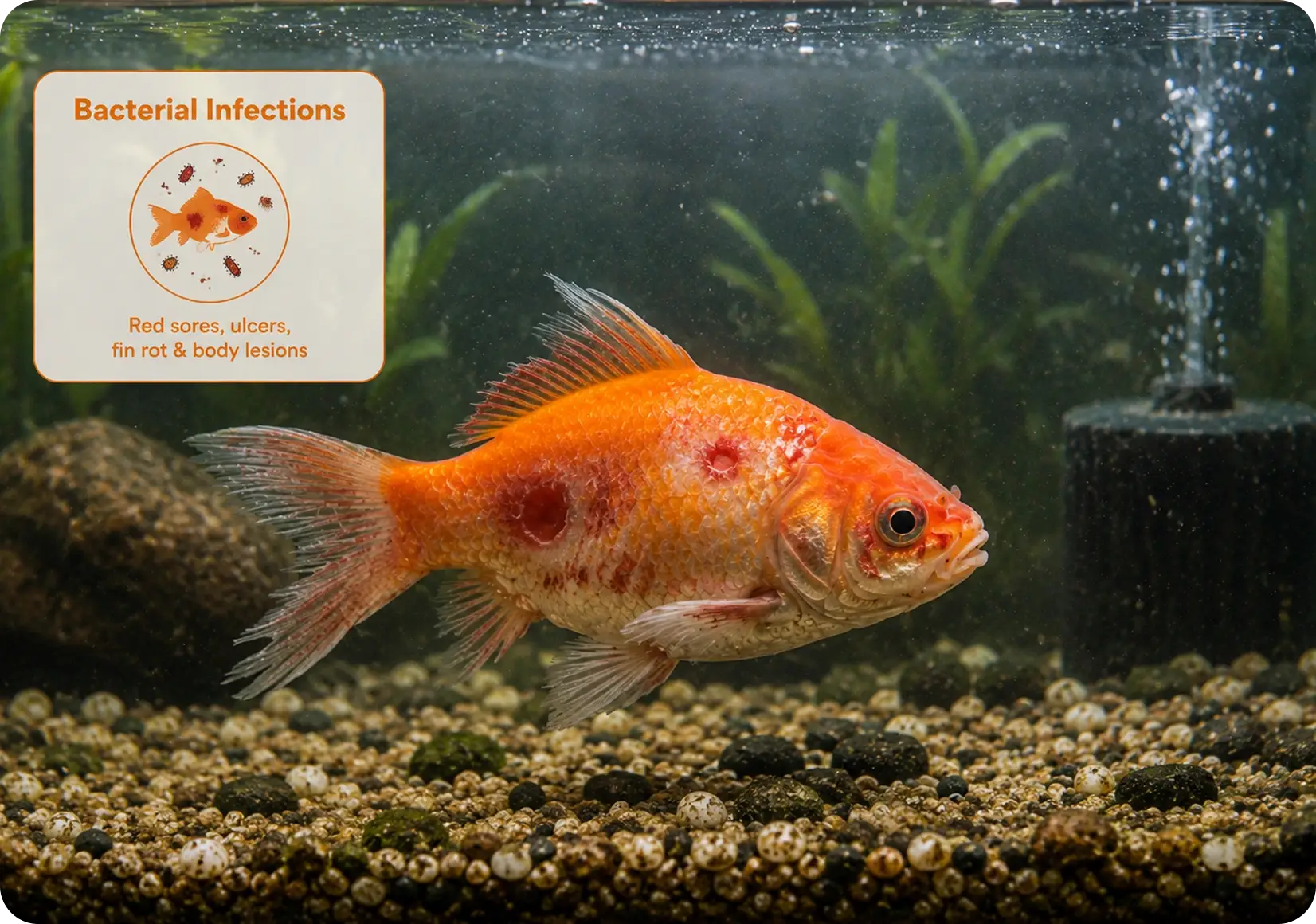
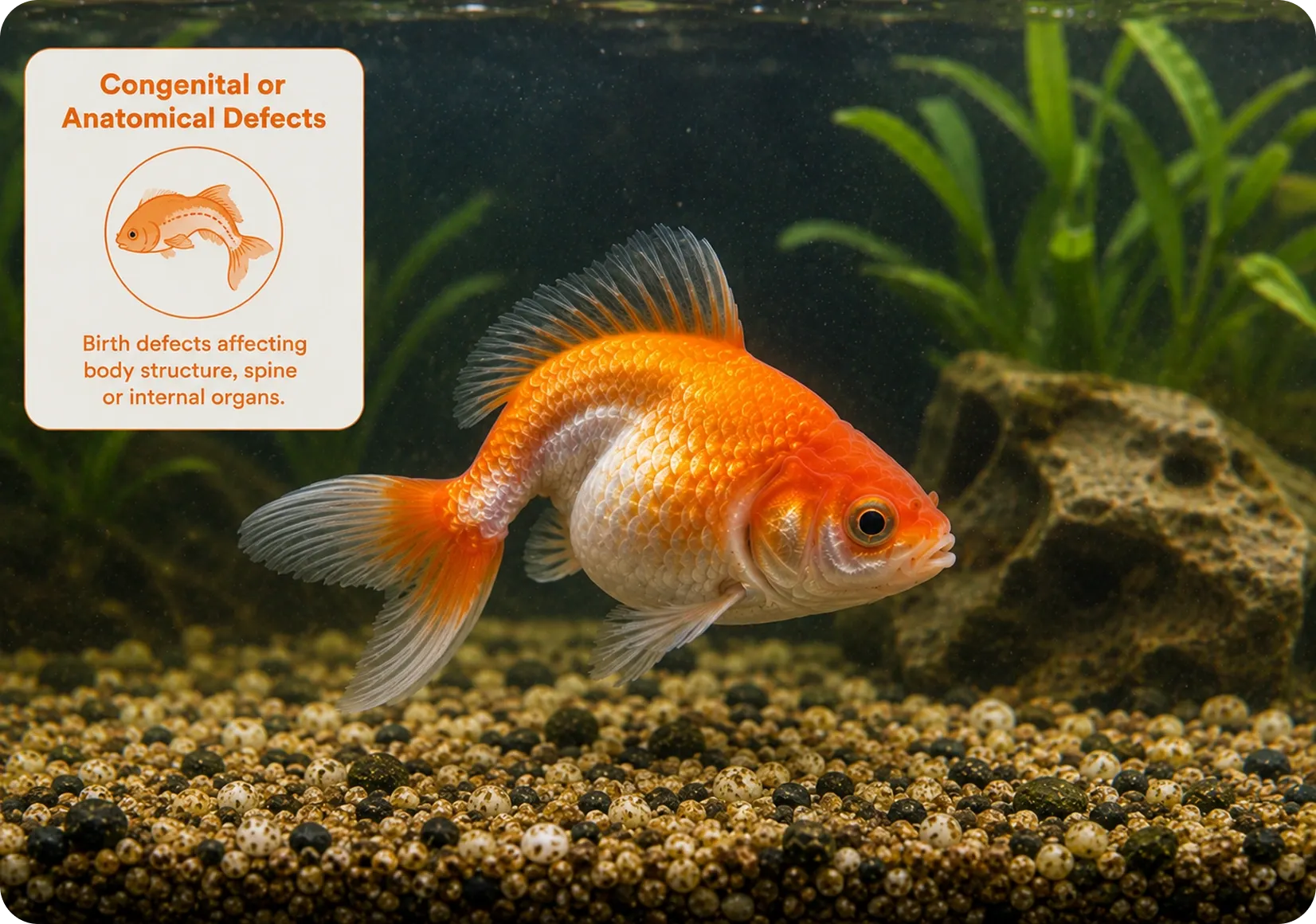
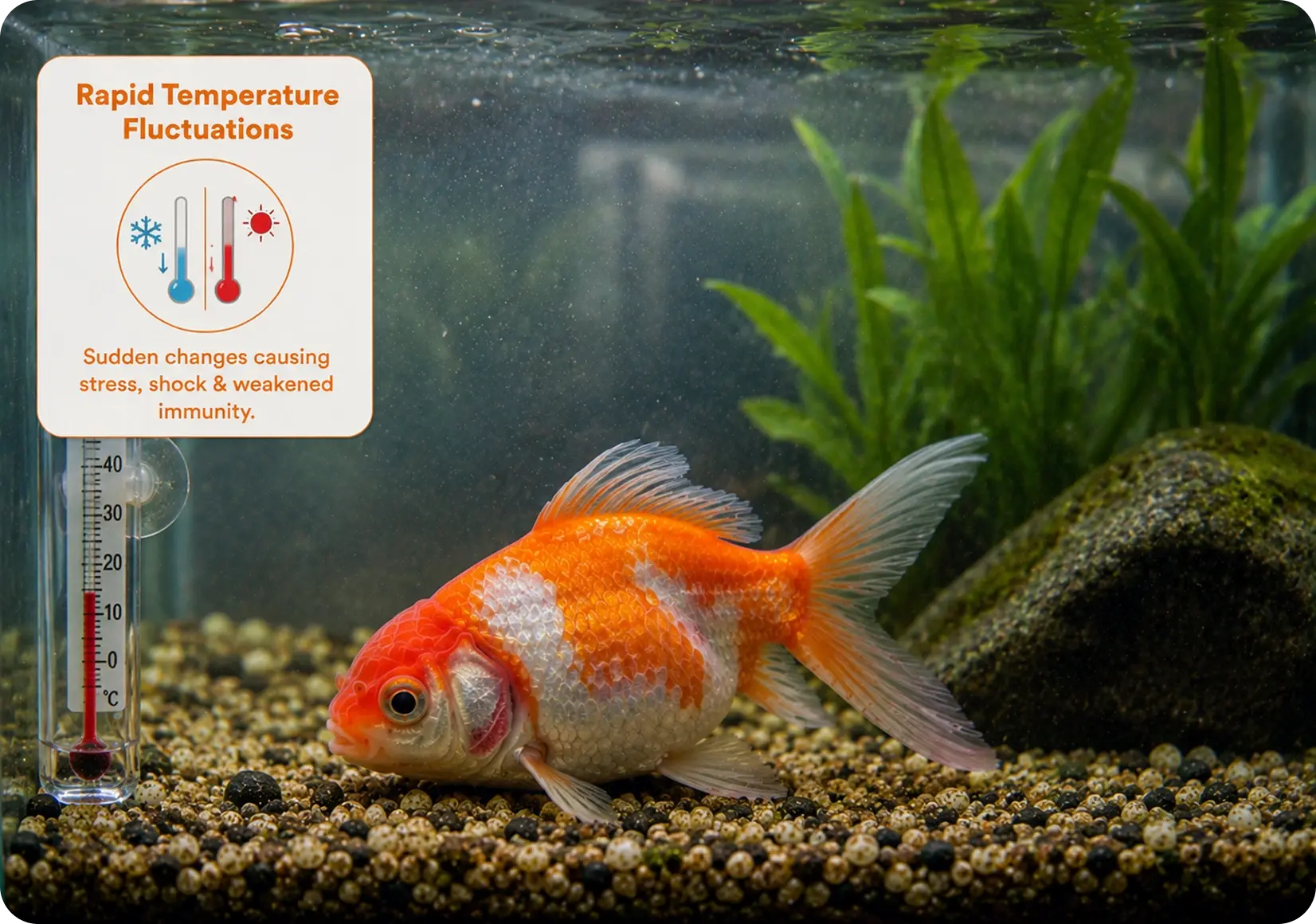
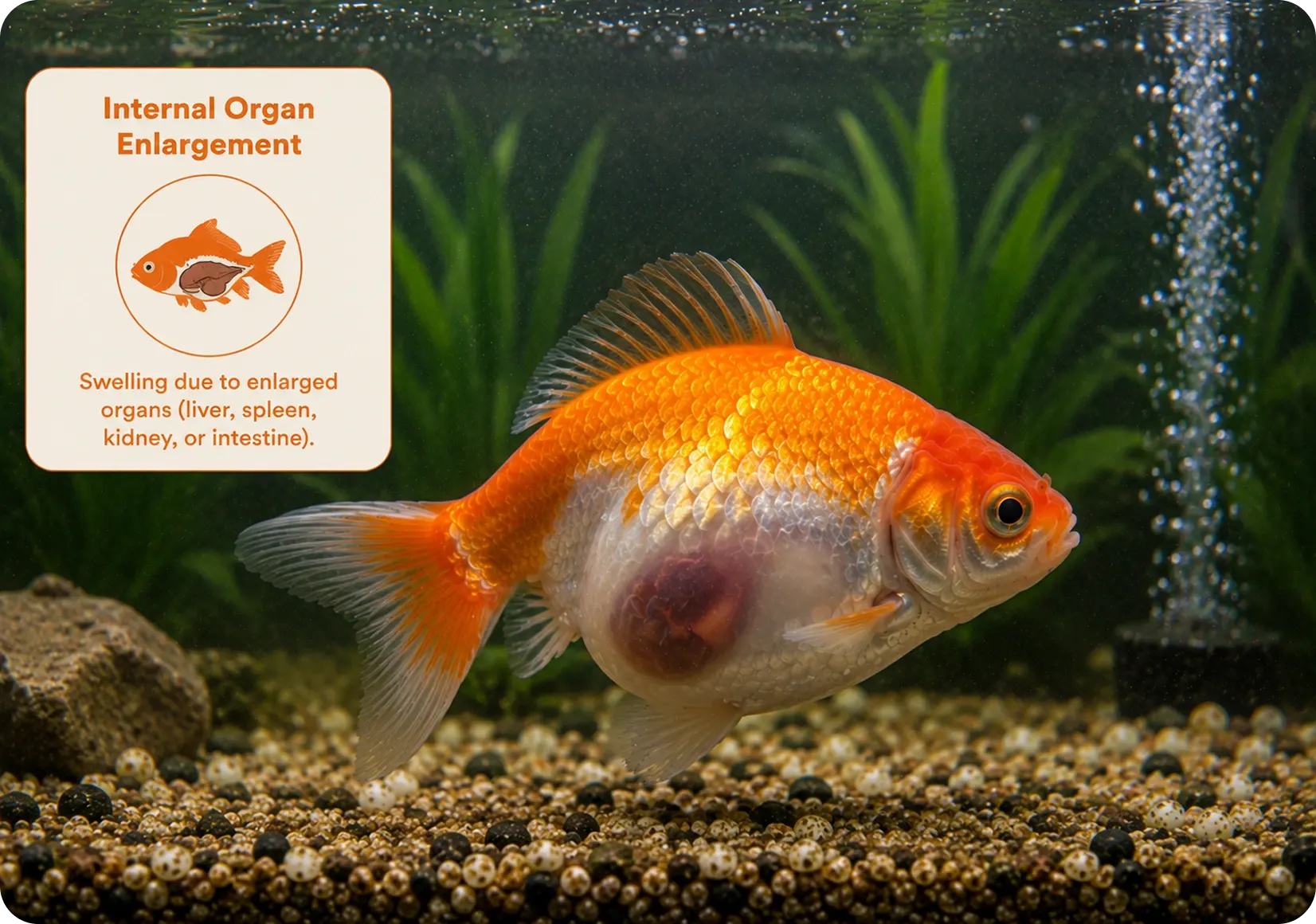
The swim bladder is the gas-filled organ that controls a fish's buoyancy. Swim bladder disease is not a single disease but rather a set of symptoms indicating a dysfunctional swim bladder. Affected fish struggle to stay upright, float upside down, bob at the surface, or sink to the bottom These disorders can result from a range of factors, such as nutritional, infectious, anatomical, or environmental.
Common Fish Swim Bladder Disorder Symptoms
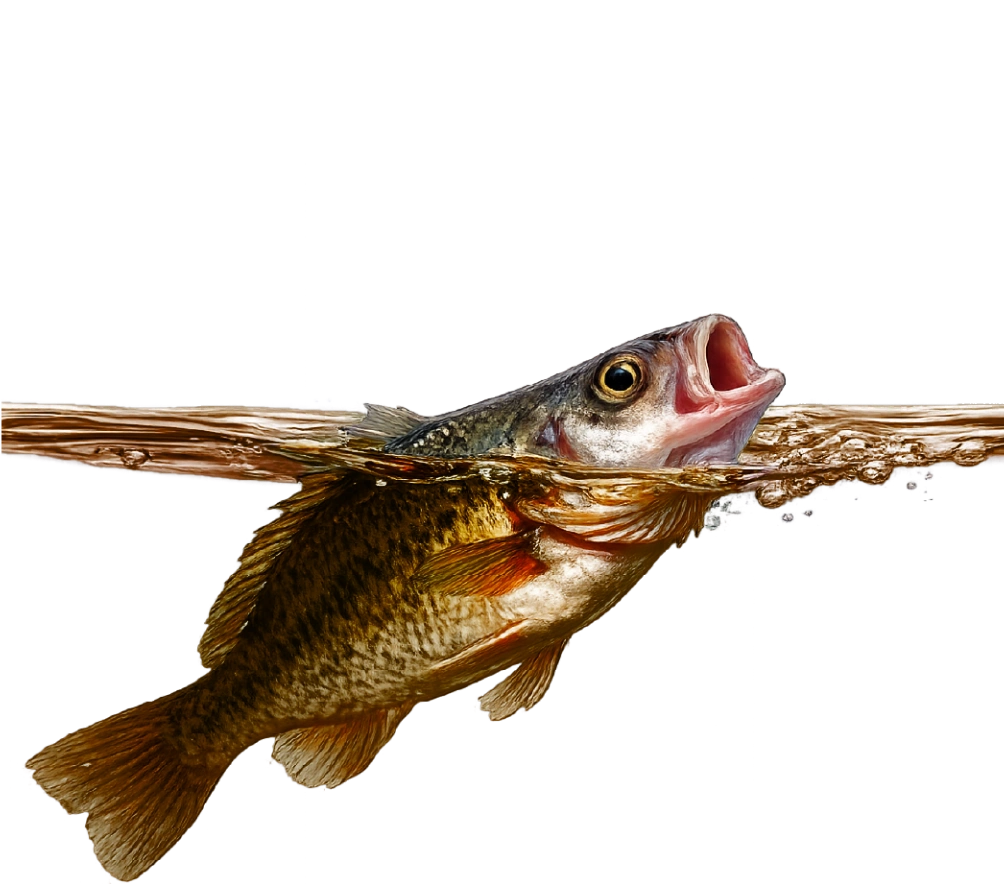
Abnormal Floating at the Surface
Fish with swim bladder disease may exhibit persistent positive buoyancy, remaining at the water surface despite repeated attempts to swim normally.
Sinking to the Bottom
Negative buoyancy causes fish to rest on the substrate. You may see fish struggling to maintain normal water-column position.

Swimming Upside Down
Swim bladder issues may lead to a loss of equilibrium, resulting in an inverted swimming posture. It is a classic symptom of fish swim bladder disorder that indicates bladder damage in fish.

Difficulty Maintaining Balance
Fish with swim bladder issues display rolling movements, unsteady swimming and impaired postural stability in the aquarium.
Reduced Activity Levels
Impairment of buoyancy often leads to decreased swimming behaviour, lethargy and reduced interest in the surrounding environment.

Loss of Appetite
Swim bladder disorders in fish also affect their appetite. Anorexia, physiological stress and reduced feeding activity are common fish swim bladder disorder symptoms.
Common Fish Swim Bladder Disorder Symptoms
Detecting buoyancy abnormalities can prevent fatal complications and improve recovery in affected fish.
Abnormal Floating at the Surface
How Severe is Your Fish’s Swim Bladder Disorder?
- Occasional imbalances in floating
- Mild difficulty maintaining position
- Slight changes in swimming posture
- Normal appetite maintained
- Frequent sinking or floating
- Noticeable loss of balance
- Difficulty swimming normally
- Low activity level
- Mild reduction in appetite
- Swimming upside down continuously
- Unable to remain upright
- Severe buoyancy impairment
- Complete loss of appetite
- Loss of equilibrium and coordination
- Signs of systemic illness or distress
When to Consult a Vet for Swim Bladder Disorder in Fish

Unable to Remain Upright
Severe buoyancy dysfunction requires immediate assessment.

Continuous Floating at the Surface
Continuous floating indicates a swim bladder or gastrointestinal disease.

Persistent Sinking to the Bottom
Sinking and remaining at the bottom is a sign of critical buoyancy dysregulation.

Unable to Remain Upright
Severe buoyancy dysfunction requires immediate assessment.
Continuous Floating at the Surface
Continuous floating indicates a swim bladder or gastrointestinal disease.




How to Prevent Swim Bladder Disorder in Fish

Avoid Overfeeding Your Fish
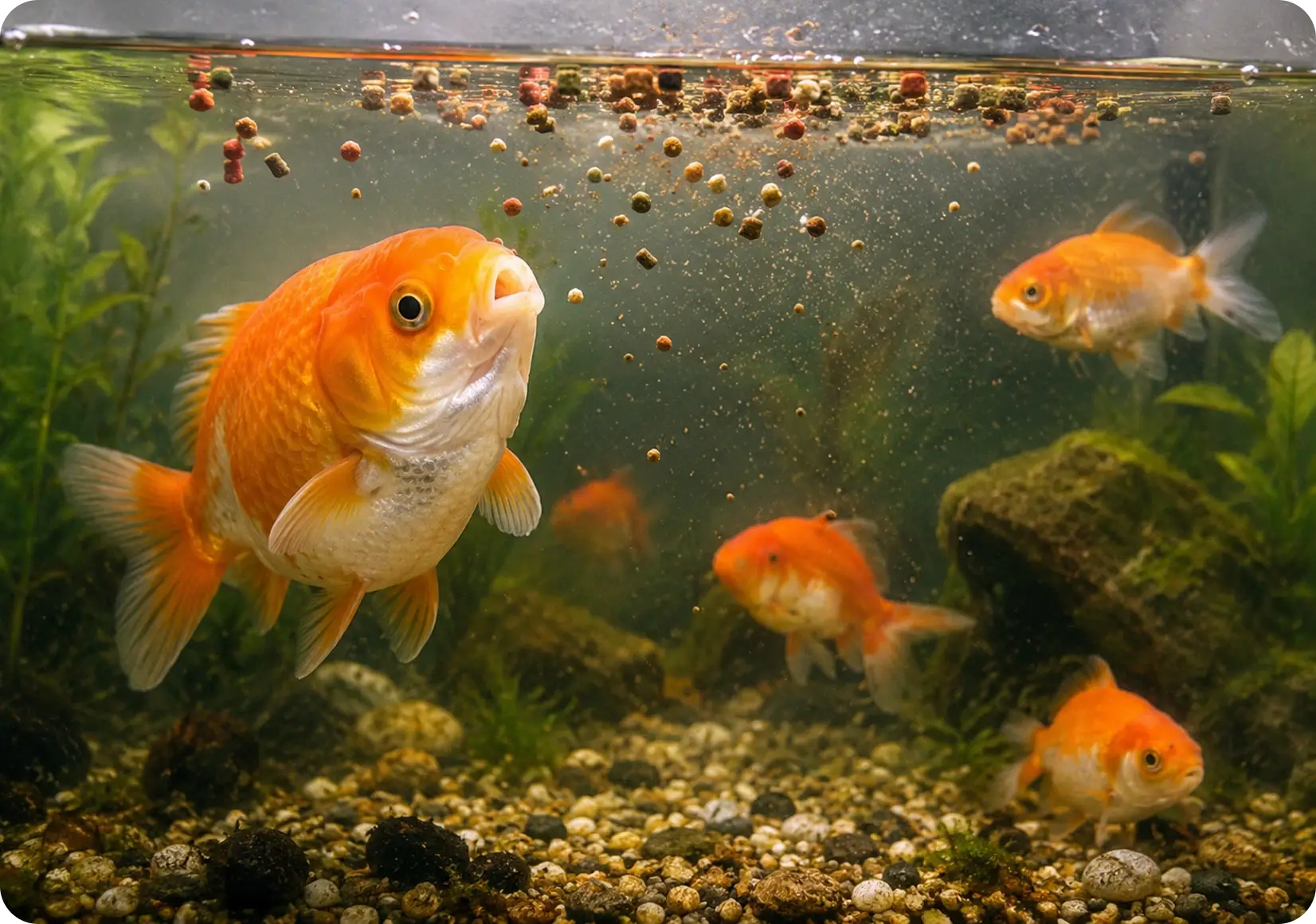
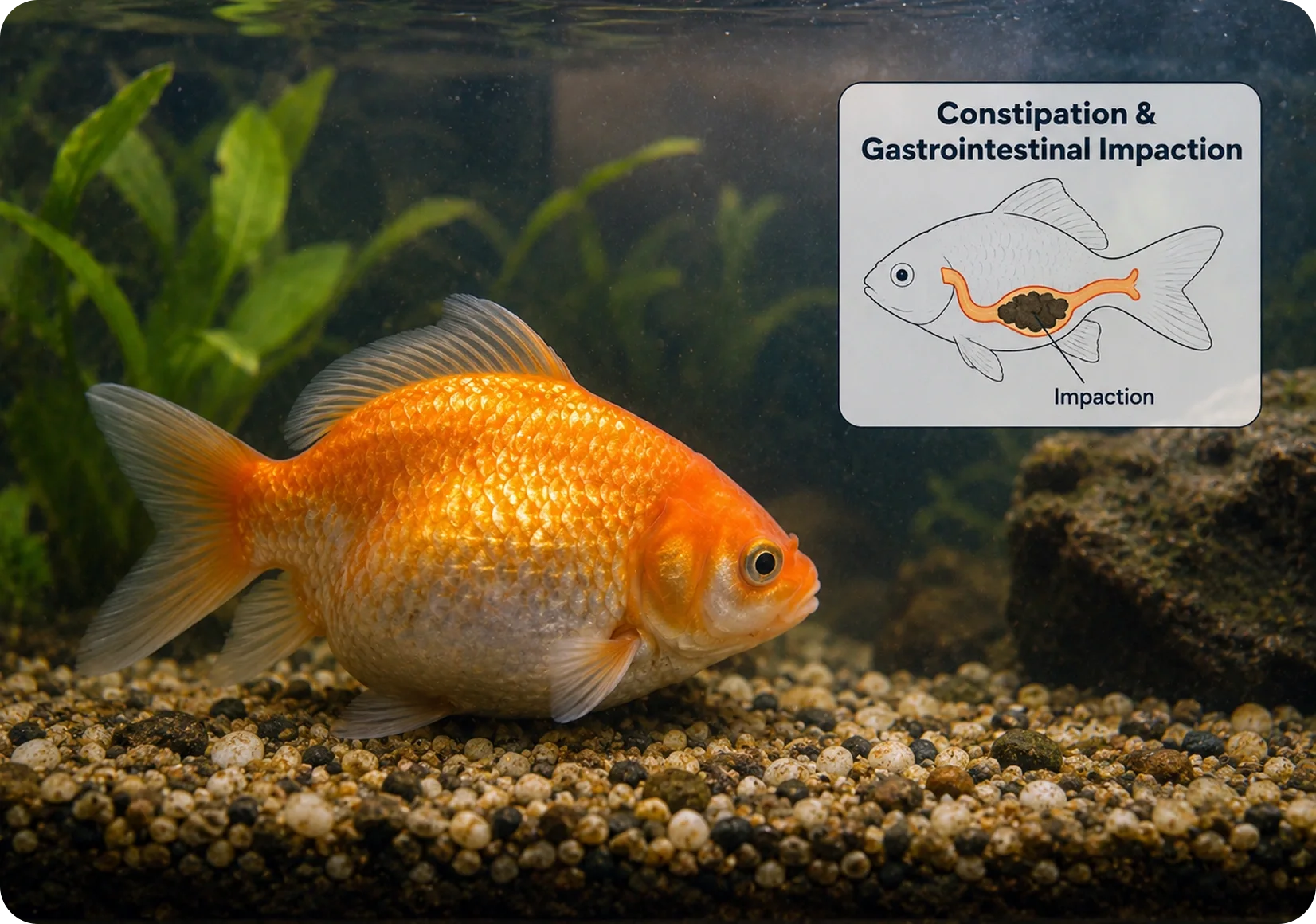
Offer controlled feeding portions to prevent constipation, gastrointestinal distension and increased pressure on the swim bladder.

Feed a Species-Appropriate Diet
Provide a balanced diet with 40-55% of high-quality protein and 15-25% of fats (lipids) to ensure digestive health, metabolic function and physiological regulation of buoyancy mechanisms.

Maintain Excellent Water Quality
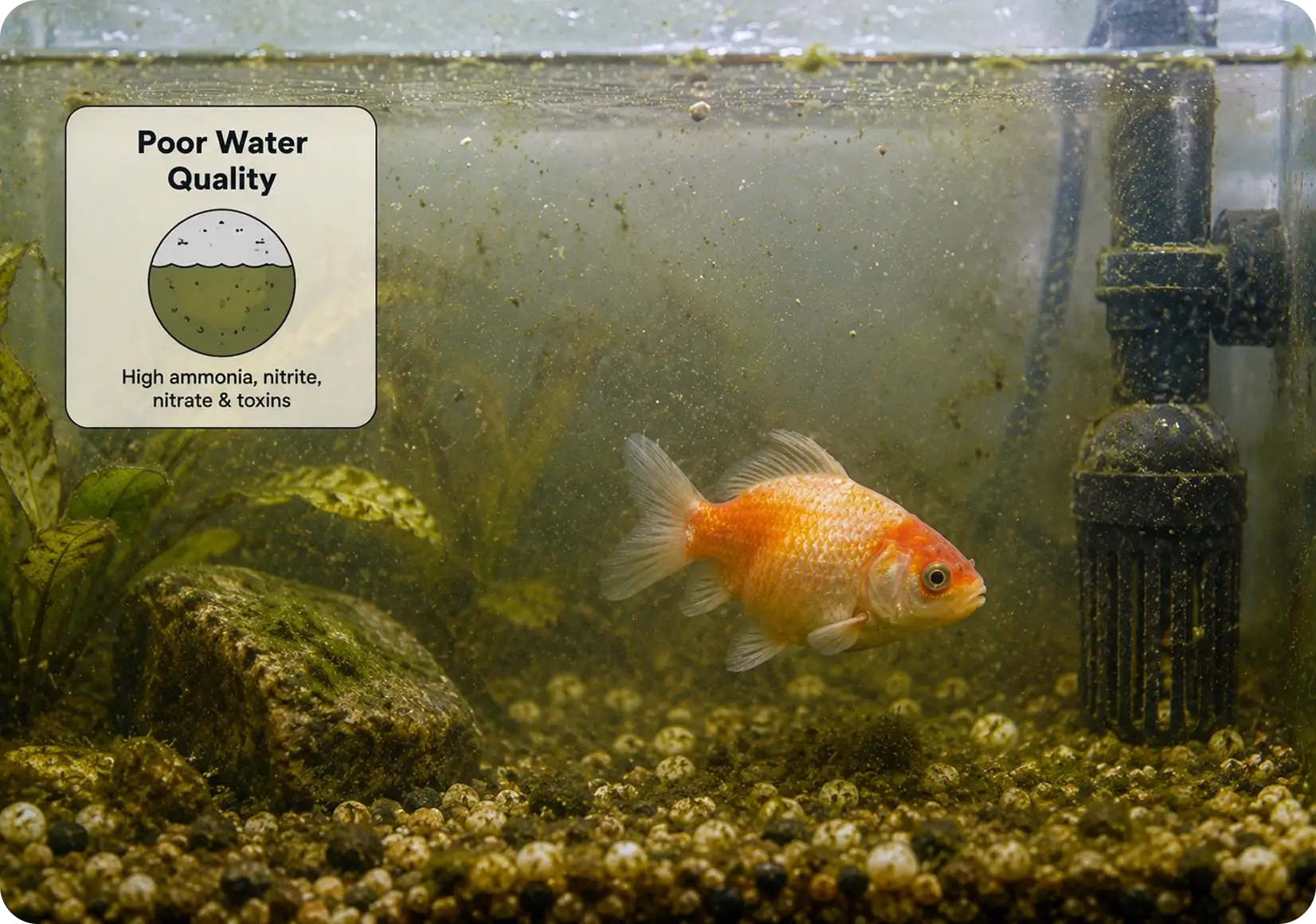
Maintain water quality to reduce physiological stress and lower the risk of disorders that affect internal organs.

Prevent Sudden Temperature Changes
Avoid sudden changes in aquarium temperatures to support metabolism, digestion and swim bladder performance.

Perform Regular Aquarium Maintenance
Clean the aquarium/tank regularly and change the water on time to reduce environmental stressors that may lead to buoyancy-related disorders. Maintaining aquarium conditions is an important part of fish swim bladder disorder treatment.

Monitor Fish for Early Behavioural Changes
Monitor fish for behavioural changes, sinking, abnormal floating or balance disturbances to prevent complications and improve treatment outcomes.
Avoid Overfeeding Your Fish
Offer controlled feeding portions to prevent constipation, gastrointestinal distension and increased pressure on the swim bladder.
Feed a Species-Appropriate Diet
Provide a balanced diet with 40-55% of high-quality protein and 15-25% of fats (lipids) to ensure digestive health, metabolic function and physiological regulation of buoyancy mechanisms.
Veterinary Help in Just a Few Simple Steps
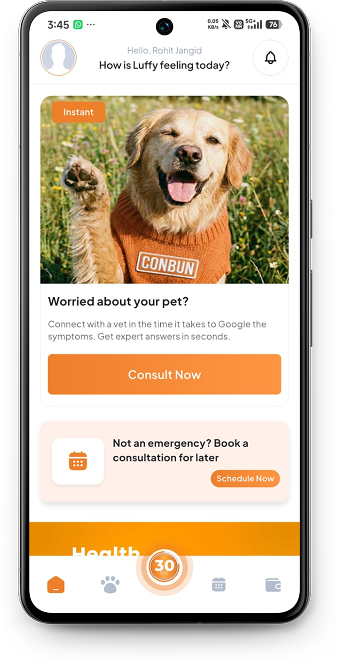
Install Conbun and create your pet’s profile so we can understand them better.
Describe symptoms, upload photos if needed, and get quick online pet health advice from verified vets.
Talk to a vet online in just 30 seconds or schedule an appointment for later.



Related Fish Issues
Allergies
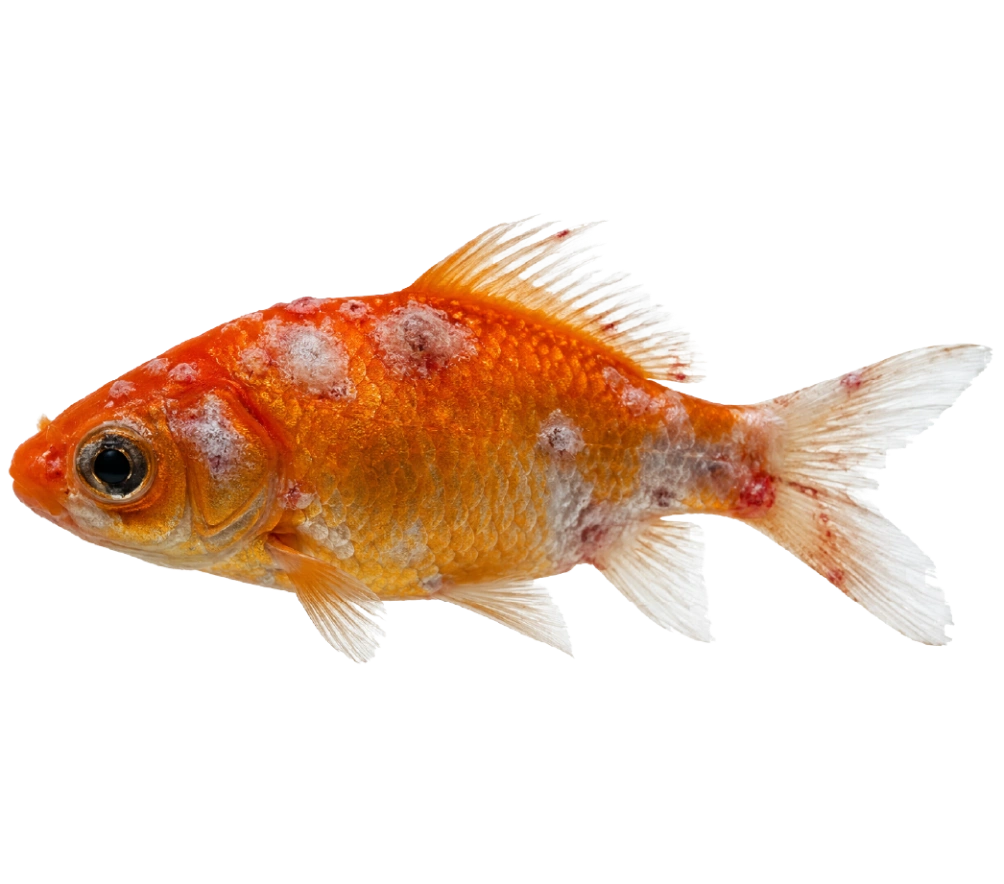
Fin Rot
Ich / White Spot Disease
Not Eating / Loss of Appetite
Allergies
Fin Rot
Frequently Asked Questions
The common causes of swim bladder disease in fish include overfeeding, constipation, poor water quality, physical trauma, bacterial infections, enlargement of internal organs, and congenital abnormalities. These factors affect buoyancy-related mechanisms in fish to trigger swim bladder disorder symptoms like sinking to the bottom or floating upside down.
Common symptoms of swim bladder disorder are sinking at the bottom, swimming upside down, loss of balance, difficulty maintaining a position in the water, swimming upside down, and loss of appetite.
Yes. Many fish can recover completely when the underlying cause is identified and treated early. Recovery depends on factors such as species, the severity of the condition, and how early appropriate swim bladder treatment is initiated.
The quickest approach is to identify and address the underlying causes. Correcting feeding practices, improving water quality and seeking veterinary help quickly are some ways that can help. While some cases do improve with at-home treatment of the swim bladder, persistent symptoms require professional intervention.
To help a fish with swim bladder disease, do not feed for 24-72 hours to clear blockages. After fasting, feed high-fibre, easily digestible food. The most effective foods include blanched, deshelled green peas (that act as a laxative), blanched spinach or moisture-rich live frozen foods.
Swim bladder disease could be a result of various factors. So, there is no single medication that can treat all swim bladder disorders. Treatment depends on the underlying cause. In some cases, veterinarians may recommend medications for bacterial infections, like NT Labs Swimbladder Treatment or Bubbles N Troubles Swim Bladder Control.
Yes. With Conbun you can connect with experienced aquatic veterinarians who can evaluate Swim bladder disorder symptoms on a video call, recommend appropriate Swim bladder treatment, advise on Swim bladder treatment at home, help identify underlying causes affecting your fish's health and recommend whether in-person treatment is necessary.
Online Vet Treatment for Swim Bladder Disorders in Fish
Swim bladder disorders in fish can significantly affect their quality of life, causing a range of symptoms like loss of balance, abnormal floating, difficulty swimming, skinning at the bottom, etc. While some cases are related to feeding practices or water quality, others may be linked to anatomical abnormalities or internal organ disorders. Early identification of a cause is important for treatment and recovery.
Conbun allows you to connect with an online aquatic vet so that you can get expert vet guidance without leaving your home. Whether your fish is floating upside down, struggling to stay submerged or showing buoyancy-related concerns, with professional advice, you can take the right action quickly. Consult a fish doctor online on Conbun to understand fish swim bladder disorder symptoms, aquarium conditions and feeding practices. With online fish vet consultation, Conbun makes aquatic healthcare more accessible for fish parents. Get complete fish swim bladder disorder treatment from India's top aquatic veterinarian.
Virtual veterinary services let you connect with experienced veterinarians so that a fish’s condition can be assessed and appropriate next steps can be taken.
As India’s most trusted pet care app, Conbun offers reliable veterinary support whenever your fish needs care.