
Is Your Fish Gasping at the Surface? Get an Online Vet Consultation Before It Becomes an Emergency.
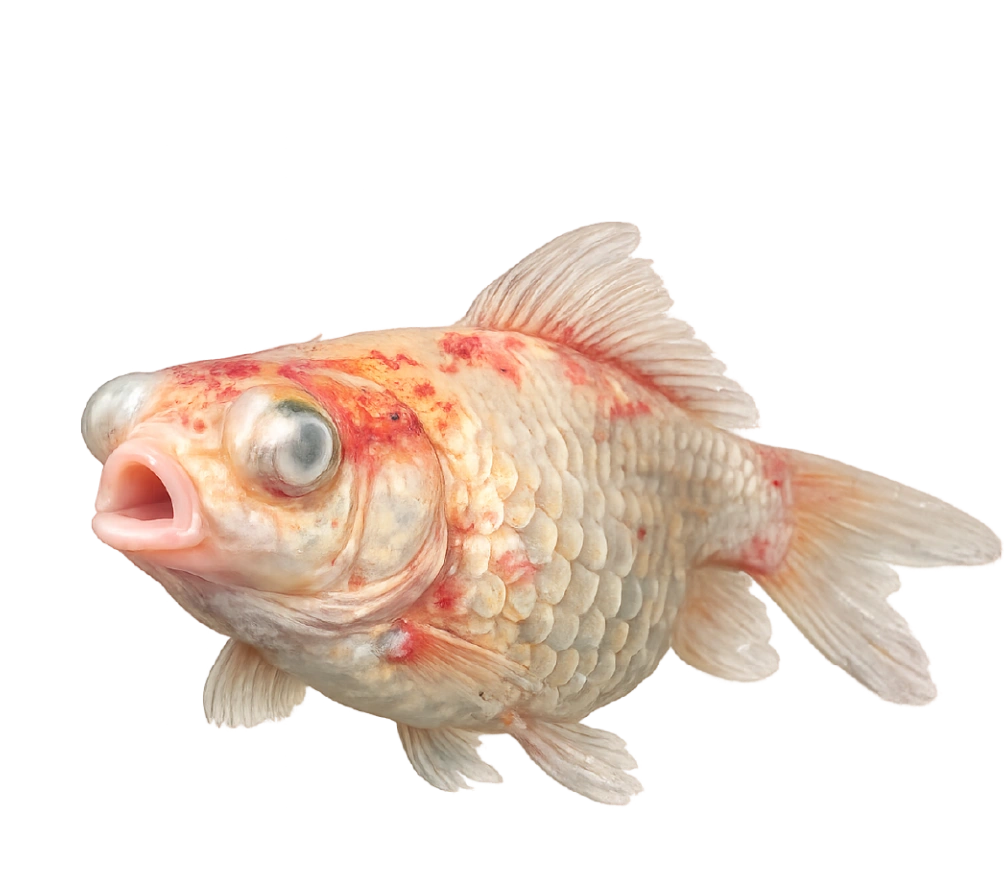
Fish gasping at the surface is a sign indicating low oxygen levels, gill disease, poor water quality, parasitic infection, or respiratory distress. With early veterinary guidance on Conbun, identify the underlying cause and prevent life-threatening complications. Talk to a fish doctor online, anytime, 24/7.
Common Causes of Gasping at the Surface in Fish
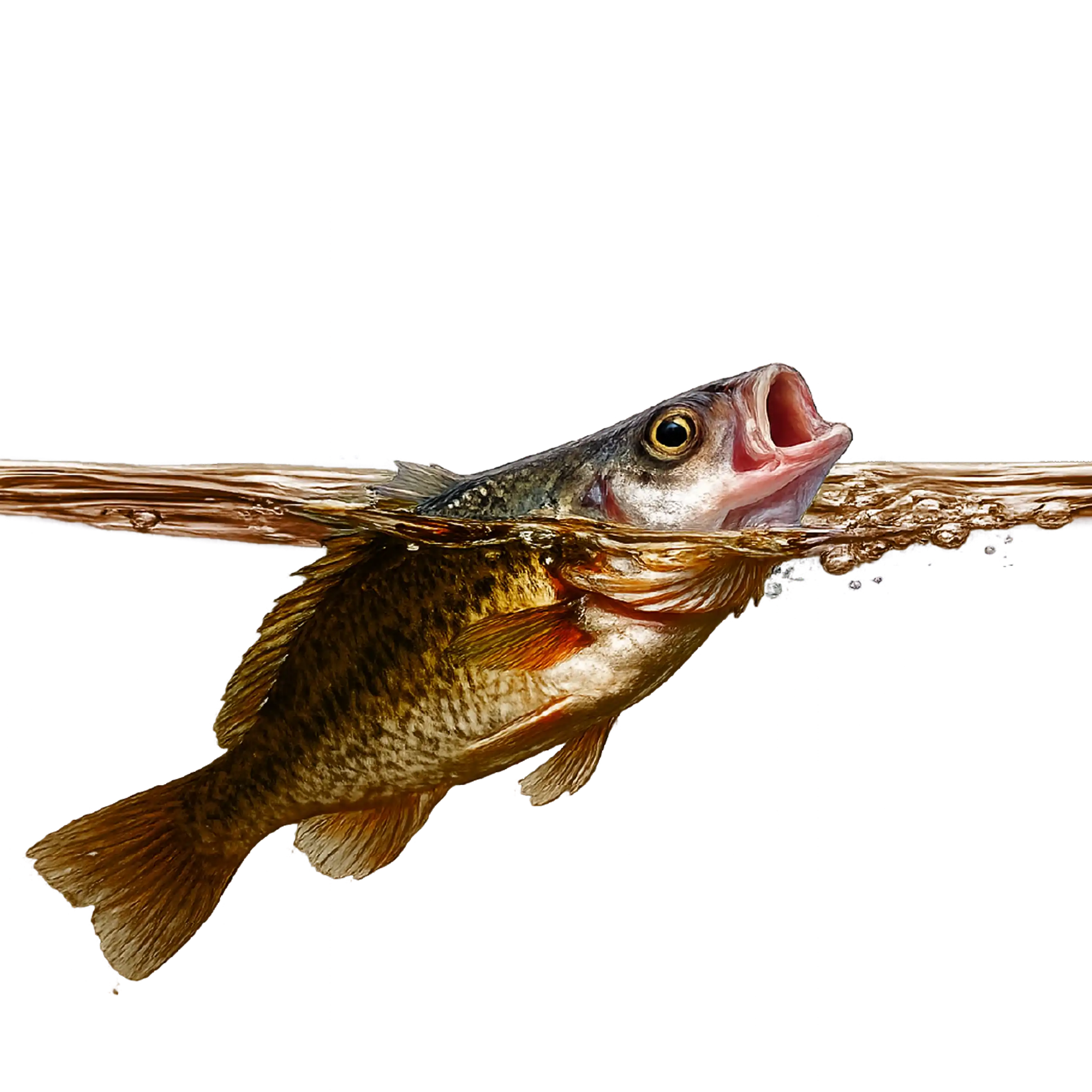
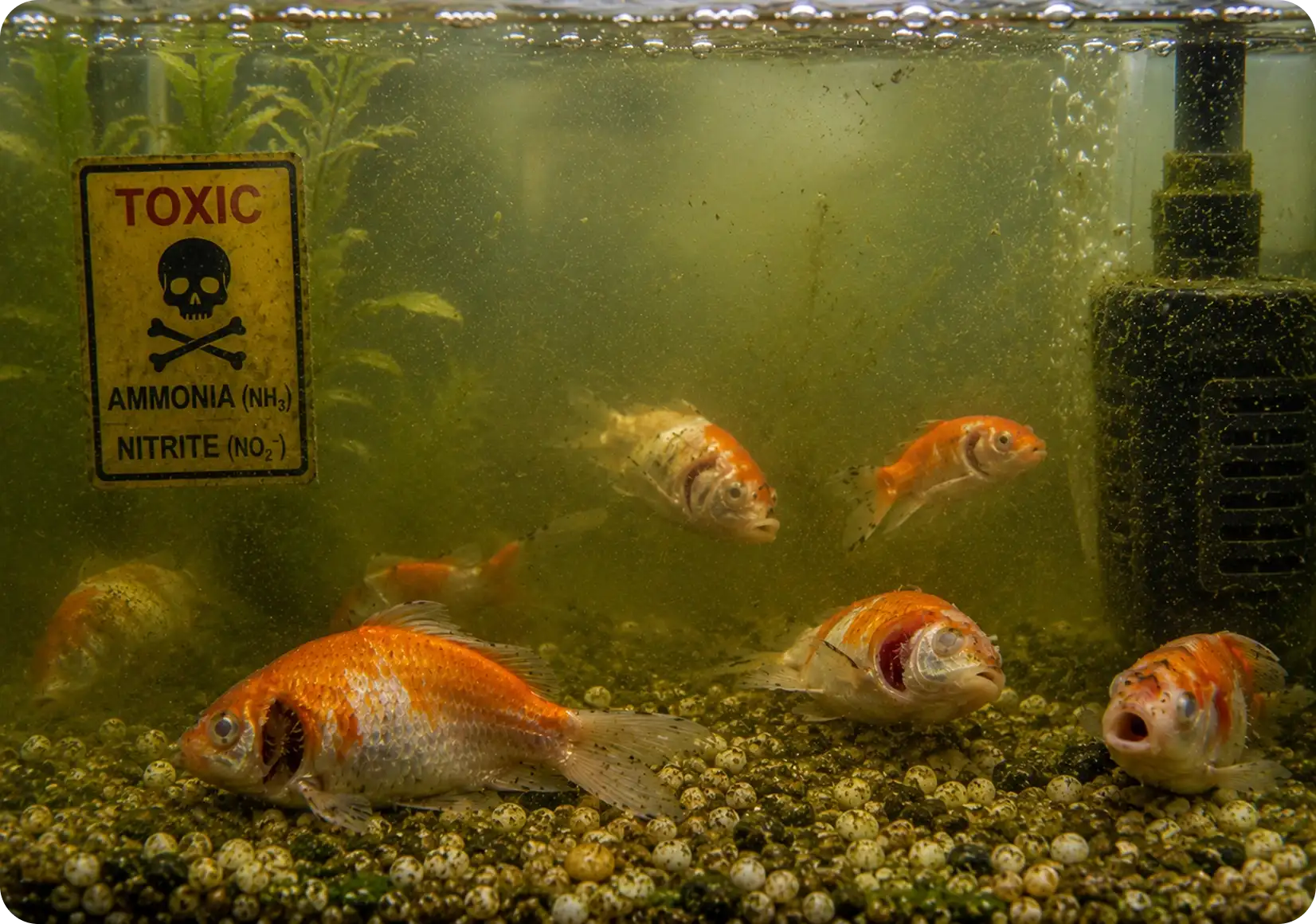
A fish gasping at the surface is a serious sign of distress. It is an indication that they cannot absorb enough oxygen due to respiratory compromise, stress or an underlying condition that is affecting normal oxygen utilisation.
Common Signs of Gill Distress in Fish
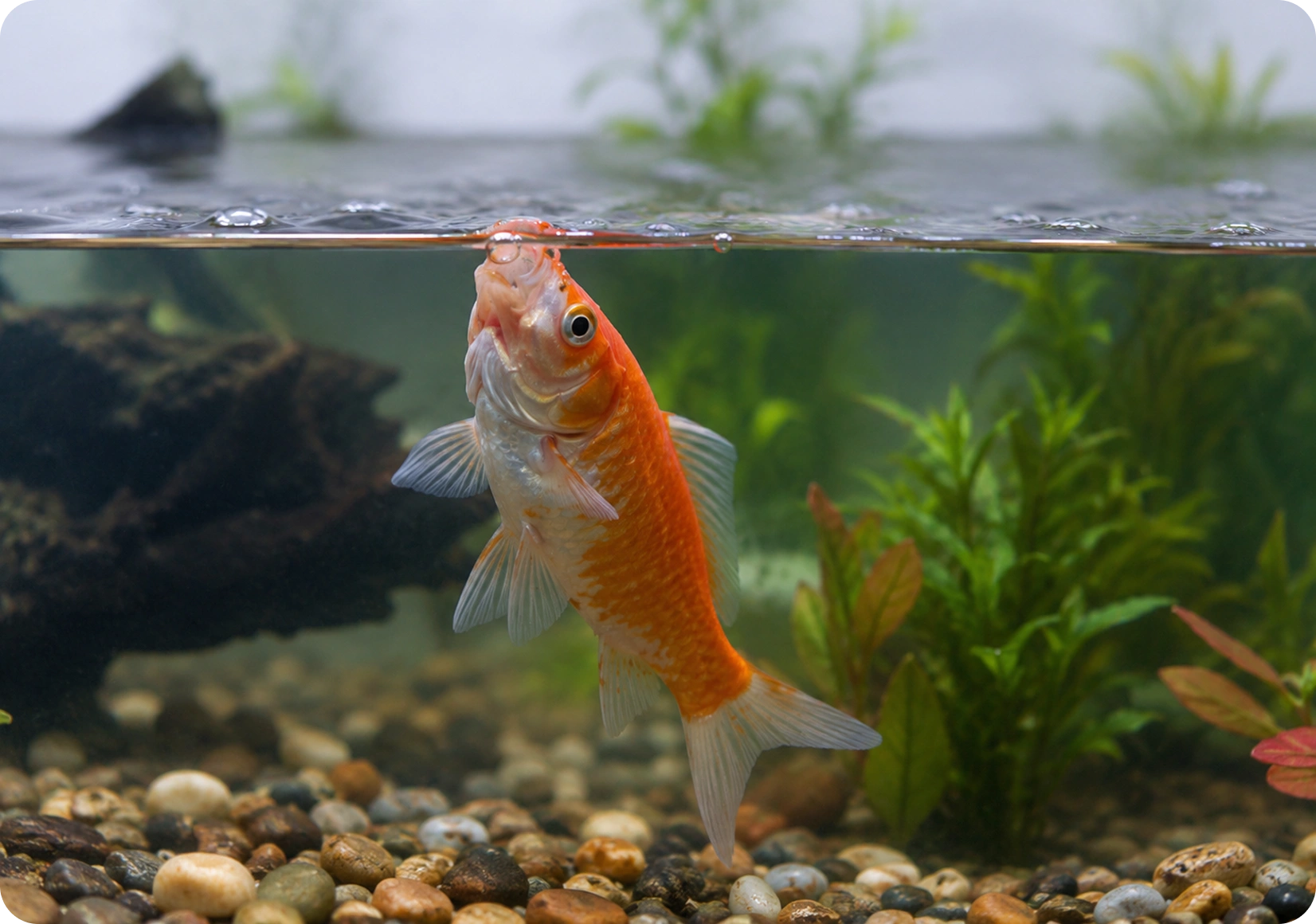
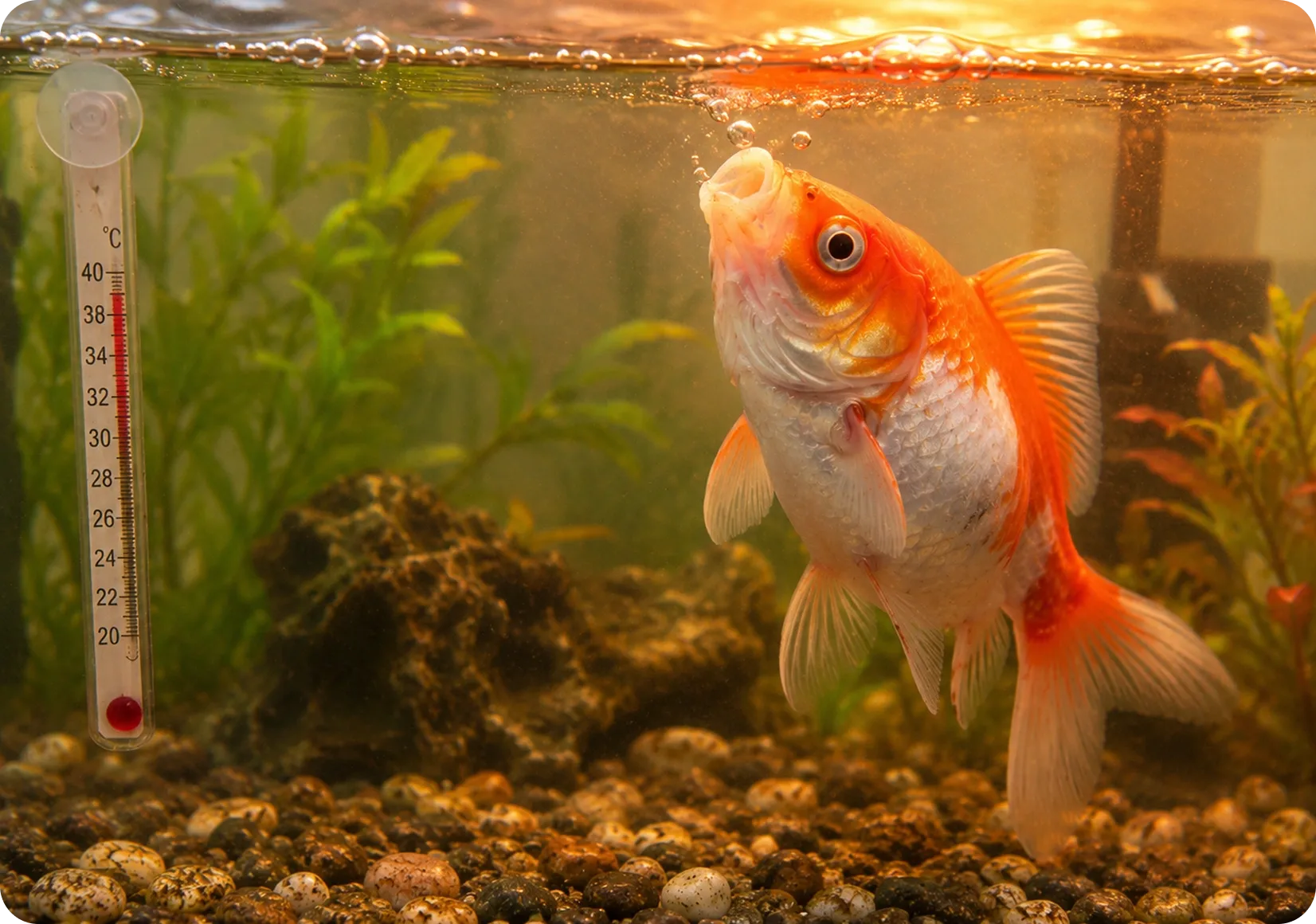
Gasping at the Water Surface
Surface gasping is the most common sign of hypoxia, impaired gill function, or reduced oxygen availability in the tank.
Rapid Gill Movements
Increased gill movement is an indication of elevated respiratory effort caused by gill irritation, infection, or oxygen deprivation.

Lethargy and Reduced Swimming
Lack of dissolved oxygen commonly leads to reduced activity, diminished endurance and behavioural changes in affected fish.
.svg)
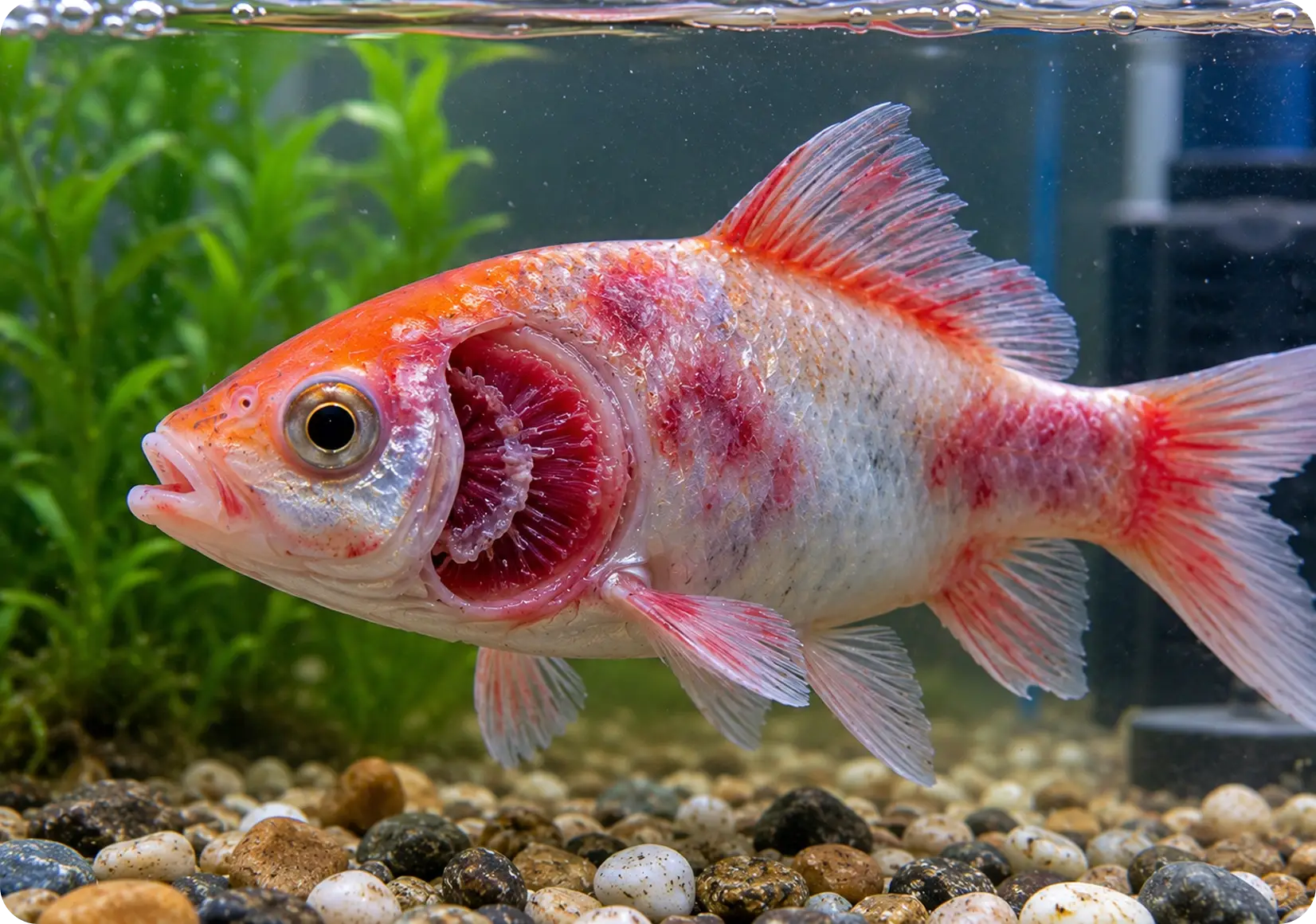
Flared Gill Covers (Opercular Flaring)
Persistent extension of opercula (gill covers) indicates gill inflammation, respiratory distress, hypoxia or compromised respiratory function.
Erratic Swimming Behaviour
Disorientation, lethargy or erratic swimming patterns may be observed with reduced oxygen levels.

Flashing Against Objects
Frequent scraping against substrate, rocks or aquarium décor indicates gill irritation, which is caused by parasites or infectious disease.

Abnormal Gill Colour
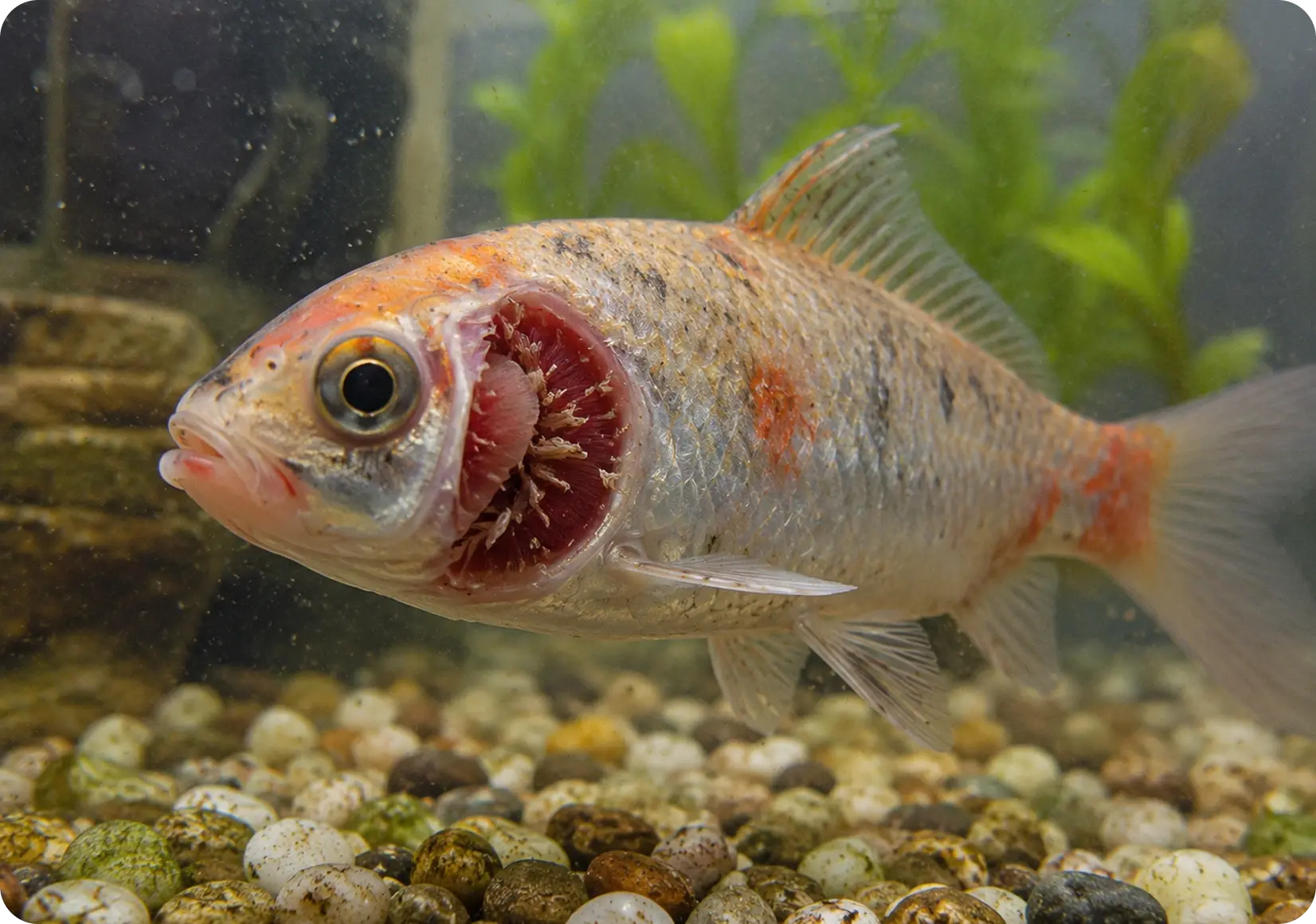
Healthy gills are bright red. Pale, brown, dark red or purplish gills indicate ammonia toxicity, anaemia or gill damage.

Swollen Gills or Visible Lesions
Gill tissue may become inflamed, ulcerated or thickened due to bacterial infections, chemical injury or parasitic infestations.
Excess Mucus on the Gills
Excessive mucus can impair gaseous exchange, coat gill filaments and significantly reduce respiratory efficiency.
Common Signs of Gill Distress in Fish
Understanding the early signs of gill distress in fish helps prevent hypoxia and life-threatening health complications.
Gasping at the Water Surface
How Severe is Your Fish’s Gill Distress
- Occasional surface gasping
- Mild opercular flaring
- Increases in gill movements
- Normal appetite maintained
- Frequent surface gasping
- Persistent opercular flaring
- Excess mucus production
- Decreased appetite
- Lethargy and erratic swimming
- Severe respiratory distress
- Continuous gasping at the surface
- Pale or darkened gill colour
- Gill swelling or ulcerative lesions
- Loss of equilibrium
- Unresponsive or near-collapse
- Rapid gill movement
When to Consult a Vet Immediately
Persistent Surface Gasping
Persistent gasping at the surface is a sign of severe respiratory compromise requiring immediate intervention
Severe Opercular Flaring
Flared gill covers suggest increased respiratory effort due to gill dysfunction.
Pale or Darkened Gill Colour
Pale or dark gills indicate anaemia, hypoxia or toxic gill injury.

Persistent Surface Gasping
Persistent gasping at the surface is a sign of severe respiratory compromise requiring immediate intervention
Severe Opercular Flaring
Flared gill covers suggest increased respiratory effort due to gill dysfunction.



How to Prevent Gill Distress in Fish?
Maintain Optimal Dissolved Oxygen Levels
Ensure adequate aeration and water circulation to ensure efficient oxygen availability, reducing hypoxia and supporting branchial respiratory function.

Monitor Water Quality Regularly
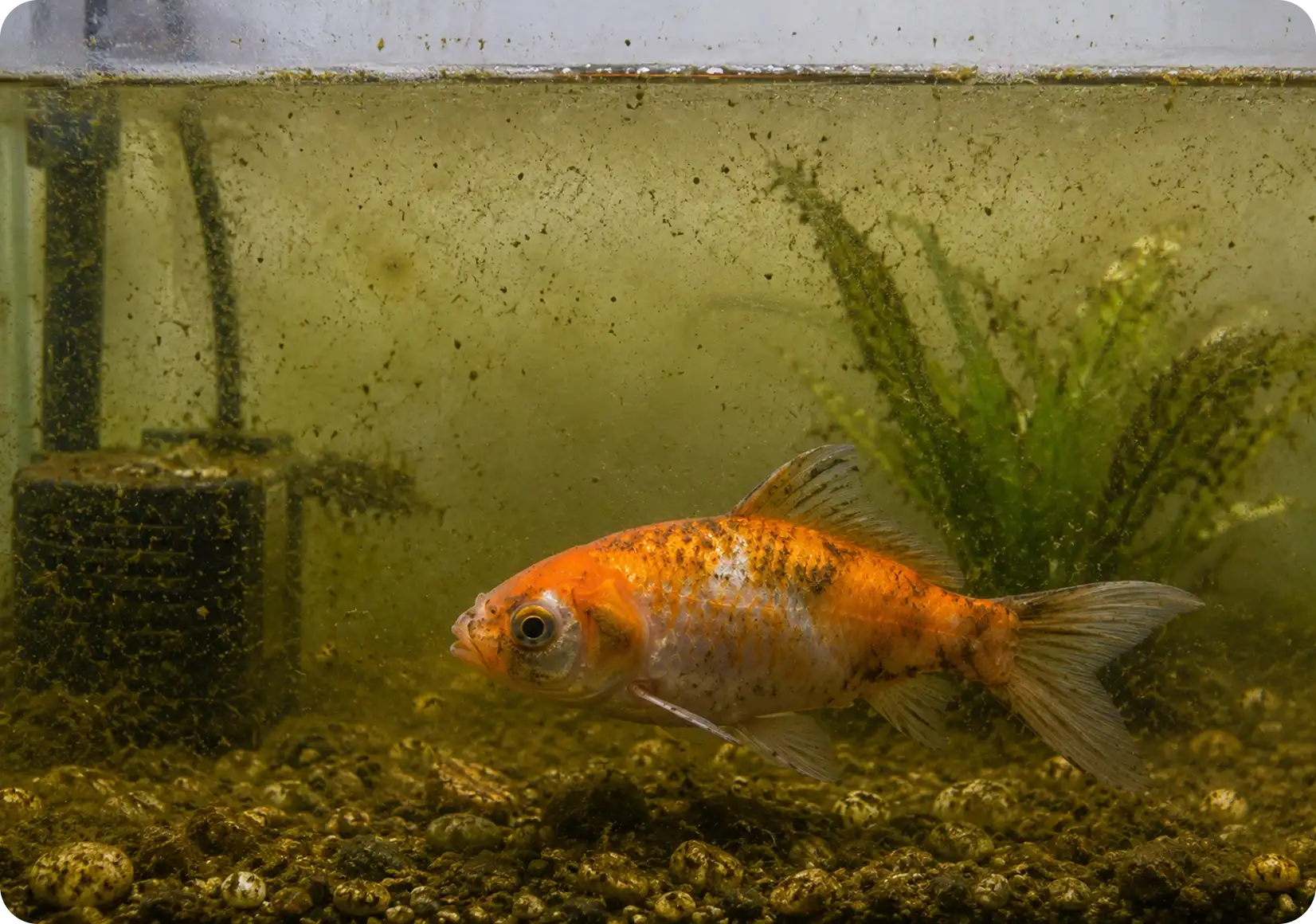
Monitory water quality routine for nitrite, nitrate, ammonia, and pH levels to prevent toxicity, gill injury and respiratory compromise.
Quarantine New Fish Before Introduction
Isolate new fish to reduce transmission of bacterial, parasitic and fungal pathogens that affect delicate gill tissues.

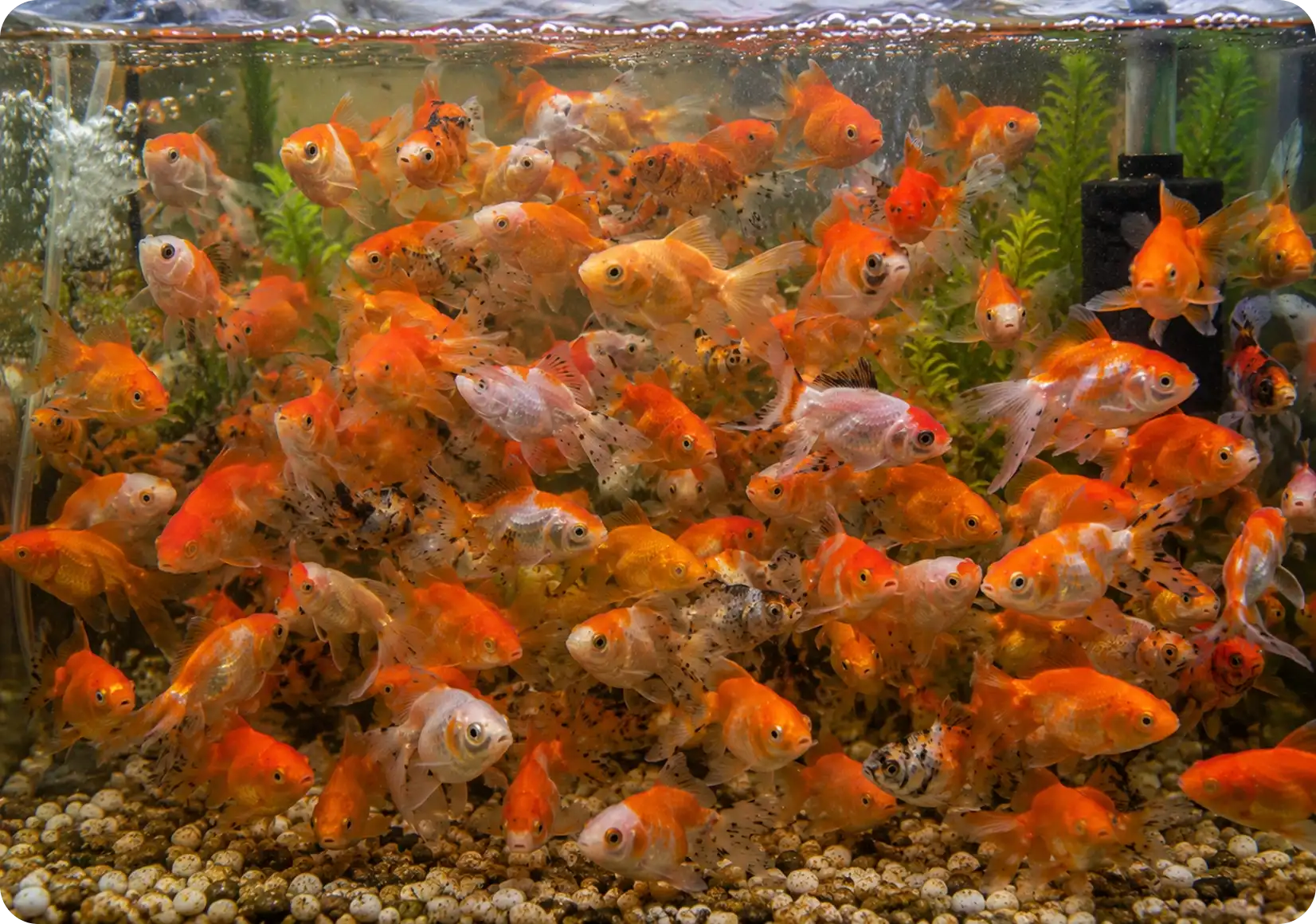
Prevent Overstocking in the Aquarium
Avoid overcrowding the aquarium to minimise physiological stress, oxygen depletion and rapid transmission of infectious gill diseases.

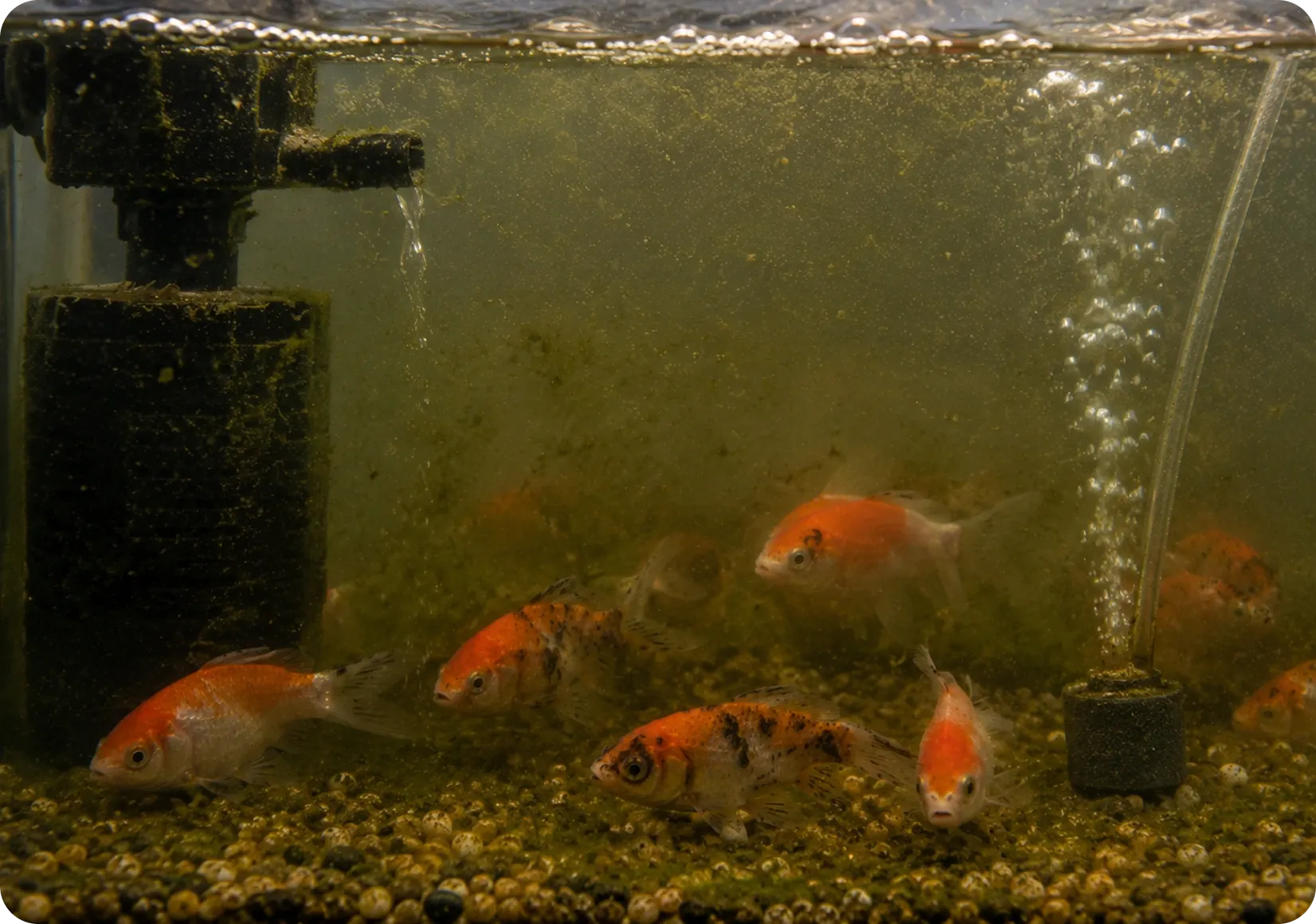
Perform Routine Filter Maintenance
Routine filtration helps improve water quality, removes organic waste and enhances healthy gaseous exchange within the aquarium environment.

Avoid Sudden Environmental Changes
Don’t make sudden changes to temperature, pH and water chemistry. Make gradual changes in the environment to reduce physiological stress and protect normal respiratory function.
Maintain Optimal Dissolved Oxygen Levels
Ensure adequate aeration and water circulation to ensure efficient oxygen availability, reducing hypoxia and supporting branchial respiratory function.
Monitor Water Quality Regularly
Monitory water quality routine for nitrite, nitrate, ammonia, and pH levels to prevent toxicity, gill injury and respiratory compromise.
Veterinary Help in Just a Few Simple Steps
Install Conbun and create your pet’s profile so we can understand them better.
Describe symptoms, upload photos if needed, and get quick online pet health advice from verified vets.
Talk to a vet online in just 30 seconds or schedule an appointment for later.



Related Fish Issues
Allergies
Fin Rot
Ich / White Spot Disease
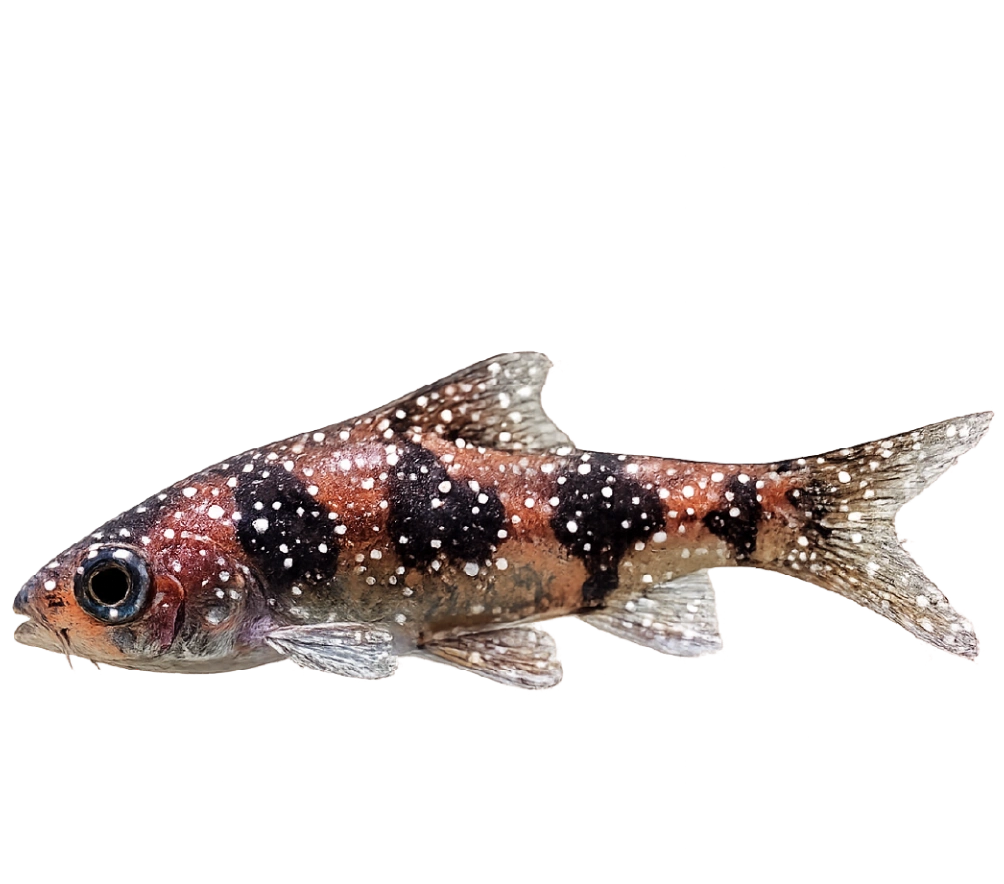
Swim Bladder Disorder (floating/sinking)
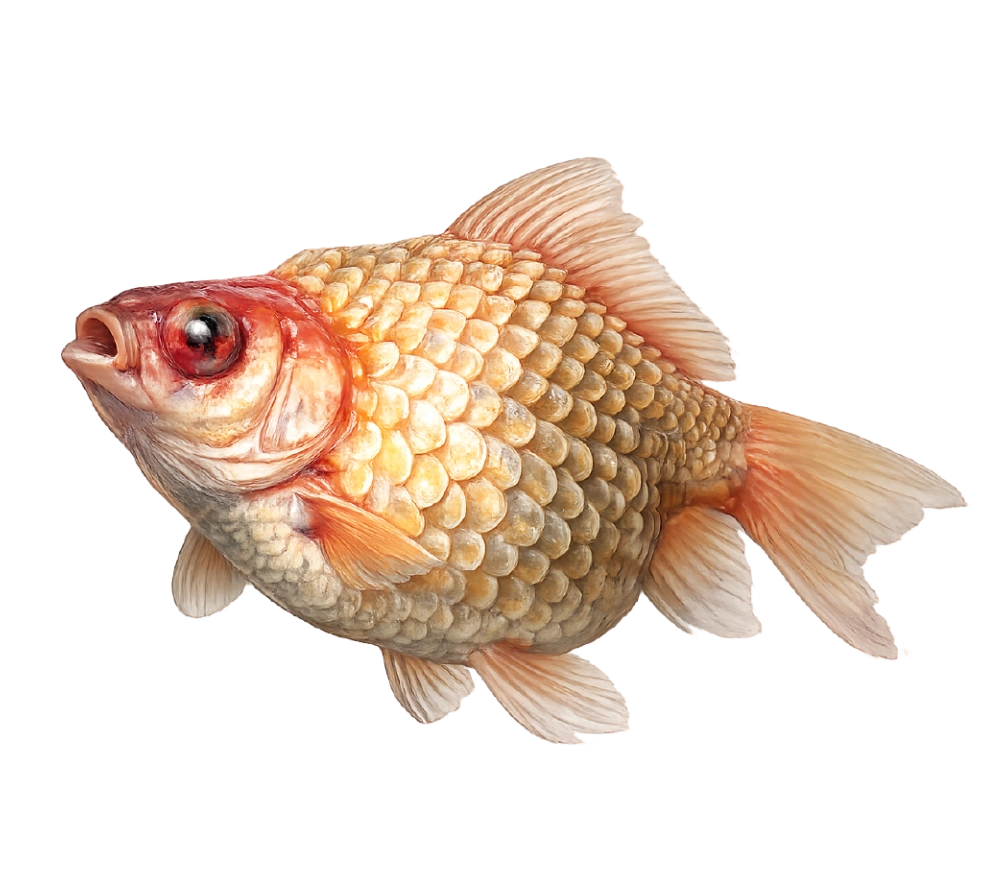
Allergies
Fin Rot
Frequently Asked Questions
If you see your fish gasping at the surface, test the water immediately for nitrite, ammonia and oxygen levels. Increase aeration, perform partial water changes if the quality if poor and monitor for signs of gill disease or an infection. If the behaviour persists, seek veterinary attention promptly.
While you cannot safely make oxygen at home, you can surely increase dissolved oxygen by adding an air stone, lowering water temperature, and improving surface agitation. Ensure that the filter is functioning correctly. To quickly give your fish more oxygen, increase the water movement at the surface of your tank. You can do this by adjusting your filter output to create ripples, adding an air stone with a pump, or manually stirring the water.
Common signs of low oxygen are rapid gill movements, surface gasping, flared gill covers, lethargy, reduced appetite, erratic swimming and multiple fish gathering near the water surface or filter outlet.
The quickest way to increase oxygen in a fish tank is to add an air pump with an air stone, increasing filter flow or surface agitation. You can also partially change the water with properly conditioned water and reduce the water temperature gradually if it is excessively warm. These measures can improve dissolved oxygen levels quickly.
Move the fish only if it's extremely necessary. First, focus on improving oxygen availability by increasing aeration. Monitor other symptoms like excess mucus, abnormal gill colour, gill swelling, flashing, etc. If gasping continues despite making environmental corrections, consult an aquatic vet immediately to identify and treat the underlying cause.
Get Immediate veterinary help for Fish Gasping and Gill Distress
Fish gasping at the surface or showing signs of gill distress should never be ignored. These symptoms are common indicators of low dissolved oxygen, poor water quality, gill infections, parasitic infestations or serious health conditions.
With early recognition of gill distress and respiratory distress, you can prevent irreversible gill damage and significantly improve your fish’s recovery chances.
With Conbun, you can take an online vet consultation for fish from experienced veterinarians who understand aquatic animal health. Whether your fish is breathing rapidly, showing flared gill covers, producing excess mucus or struggling to swim normally, veterinary specialists on the platform can help you identify underlying causes and recommend the most appropriate next steps.
Conbun is India’s most trusted pet health app, making professional fish healthcare more accessible. Our virtual vet care services offer personalised guidance on disease recognition, water quality management, emergency first aid and treatment options.
Need immediate assistance for gill distress? Simply complete an online vet booking and connect with top veterinary professionals in India for timely advice to protect your fish’s health and wellbeing.