.webp)
Fish Not Eating? Consult an Aquatic Vet Online in India
Appetite loss in fish is a warning sign of poor water quality, environmental stress, or underlying illness. Seeking veterinary support early can help identify the cause and protect your fish’s health. Get expert support from a fish vet online instantly, 24/7.
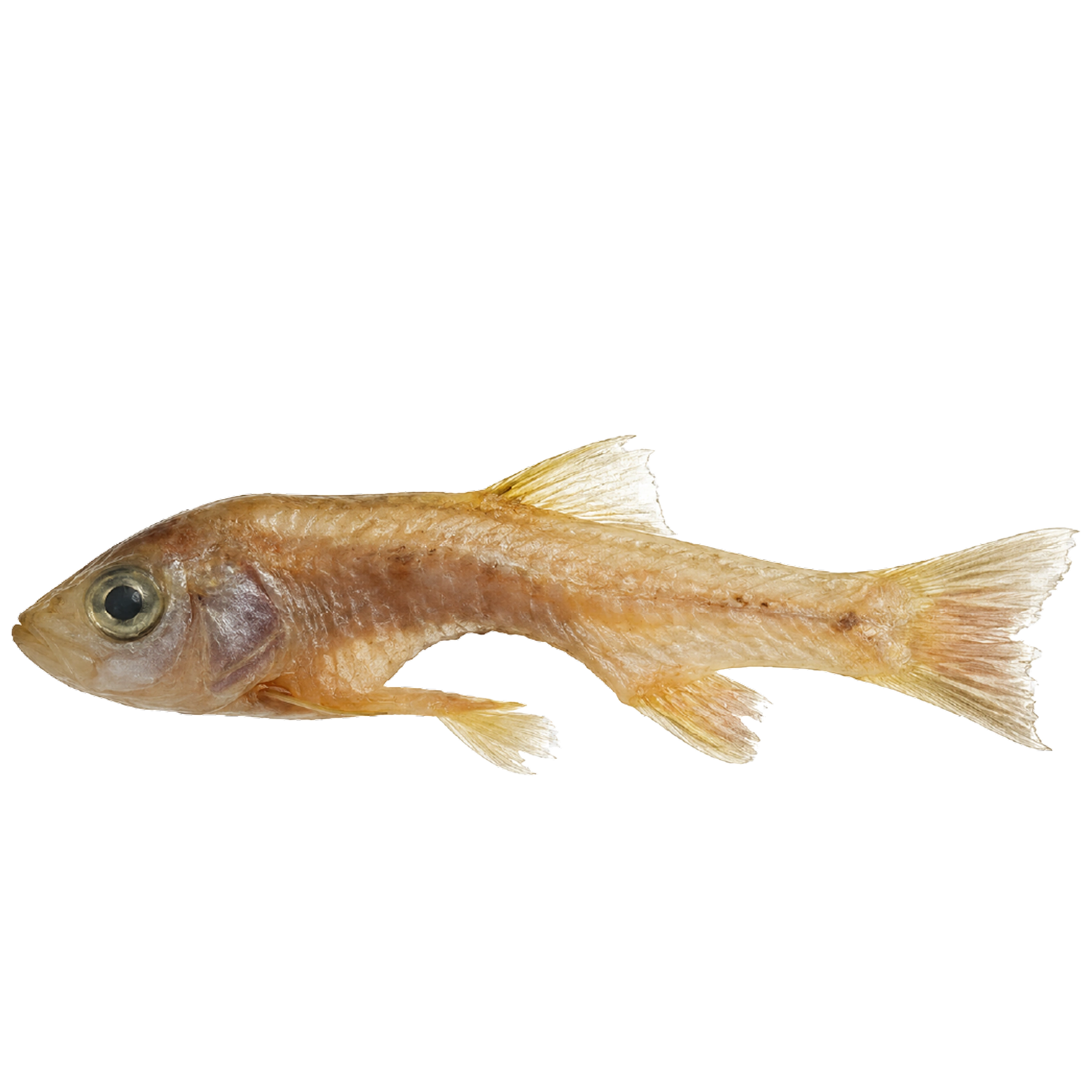
Common Causes of Appetite Loss in Fish
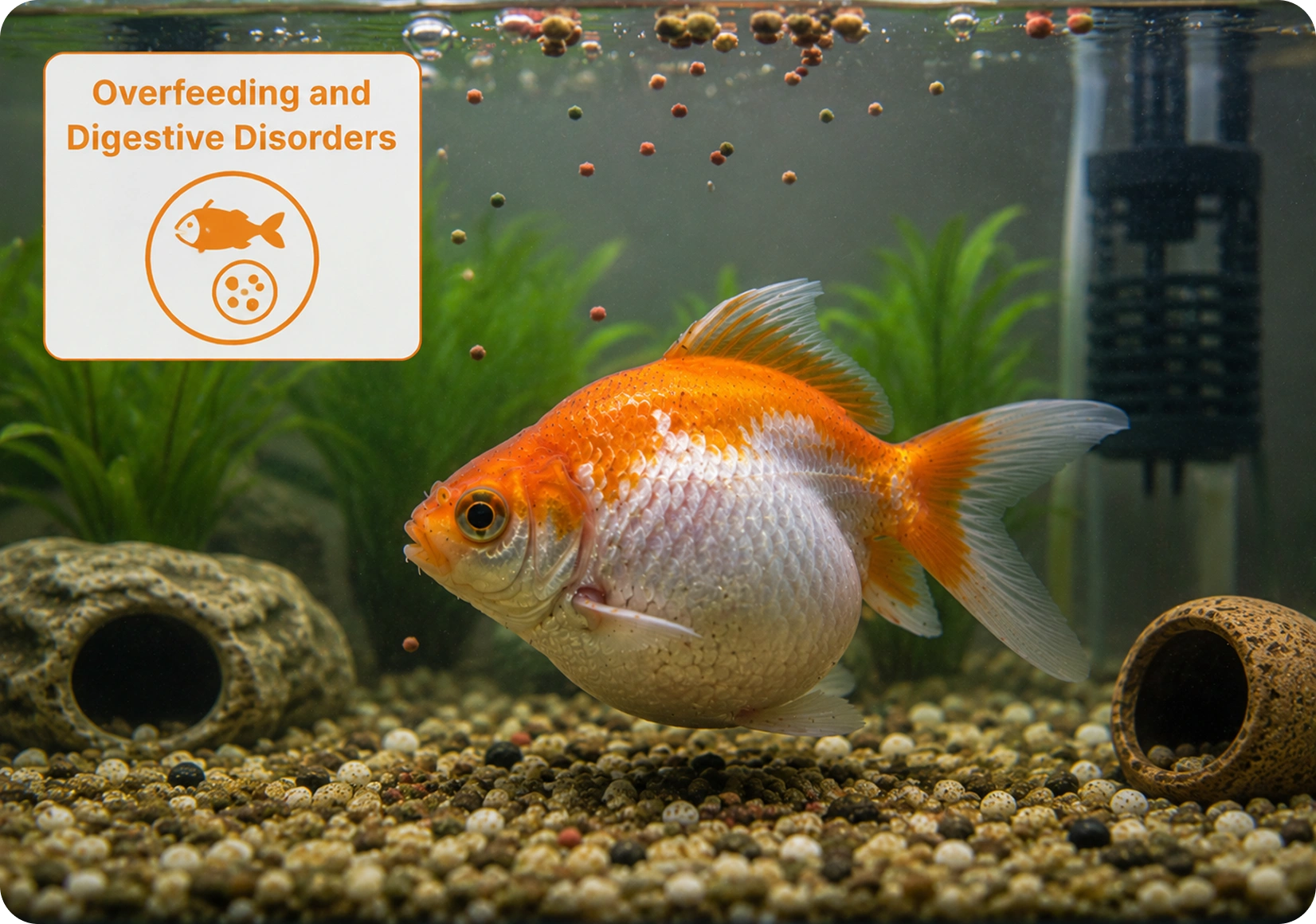
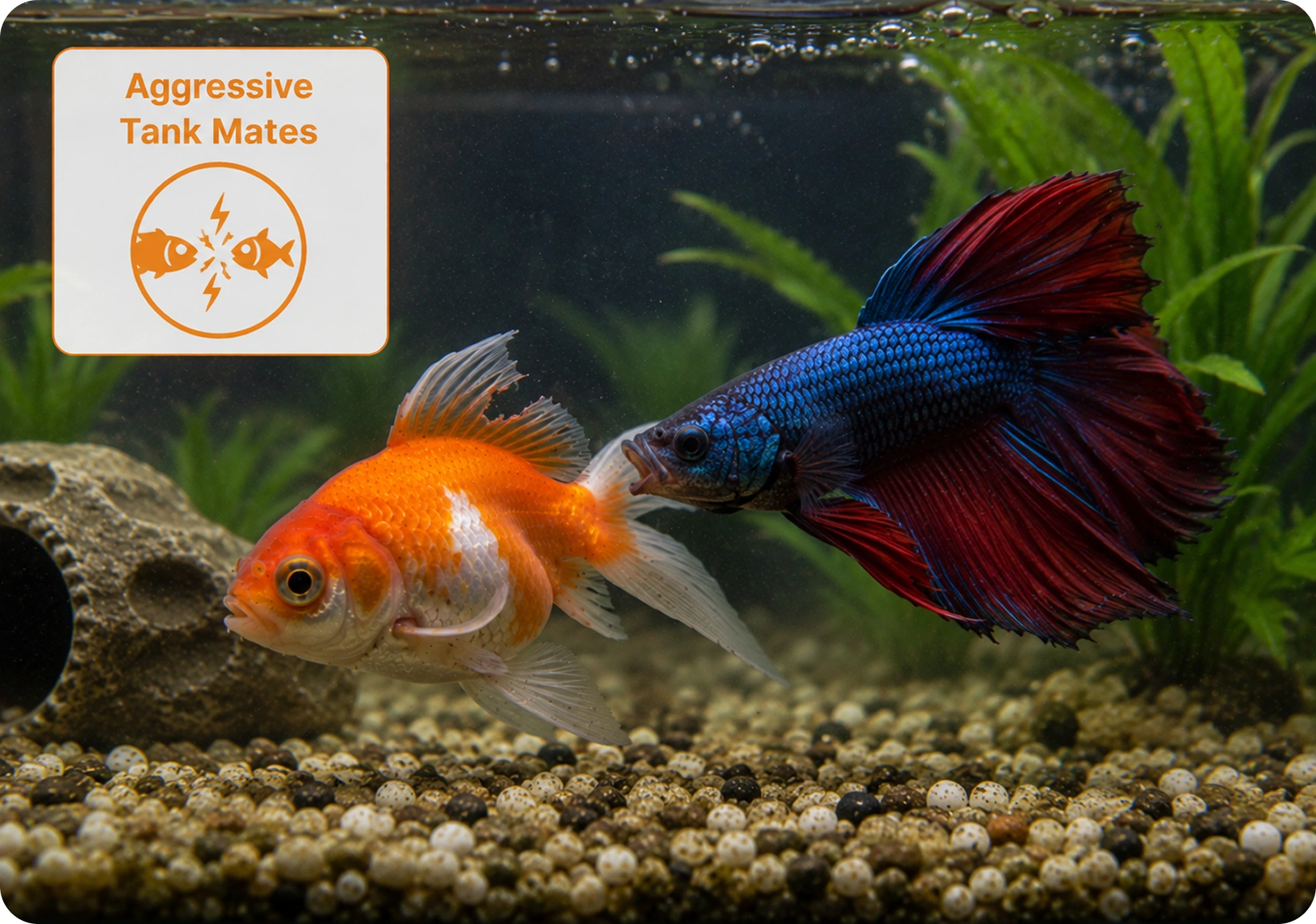
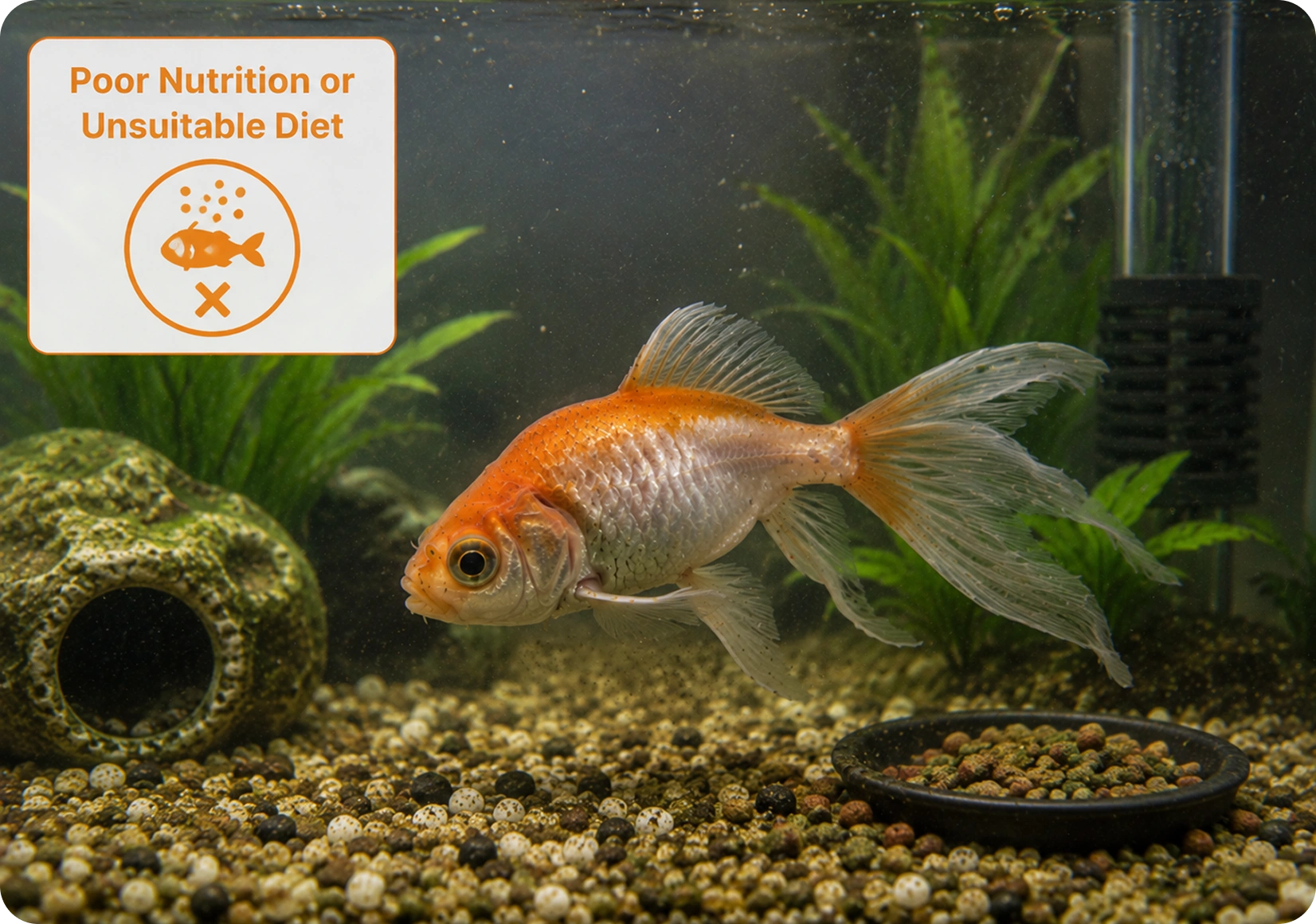
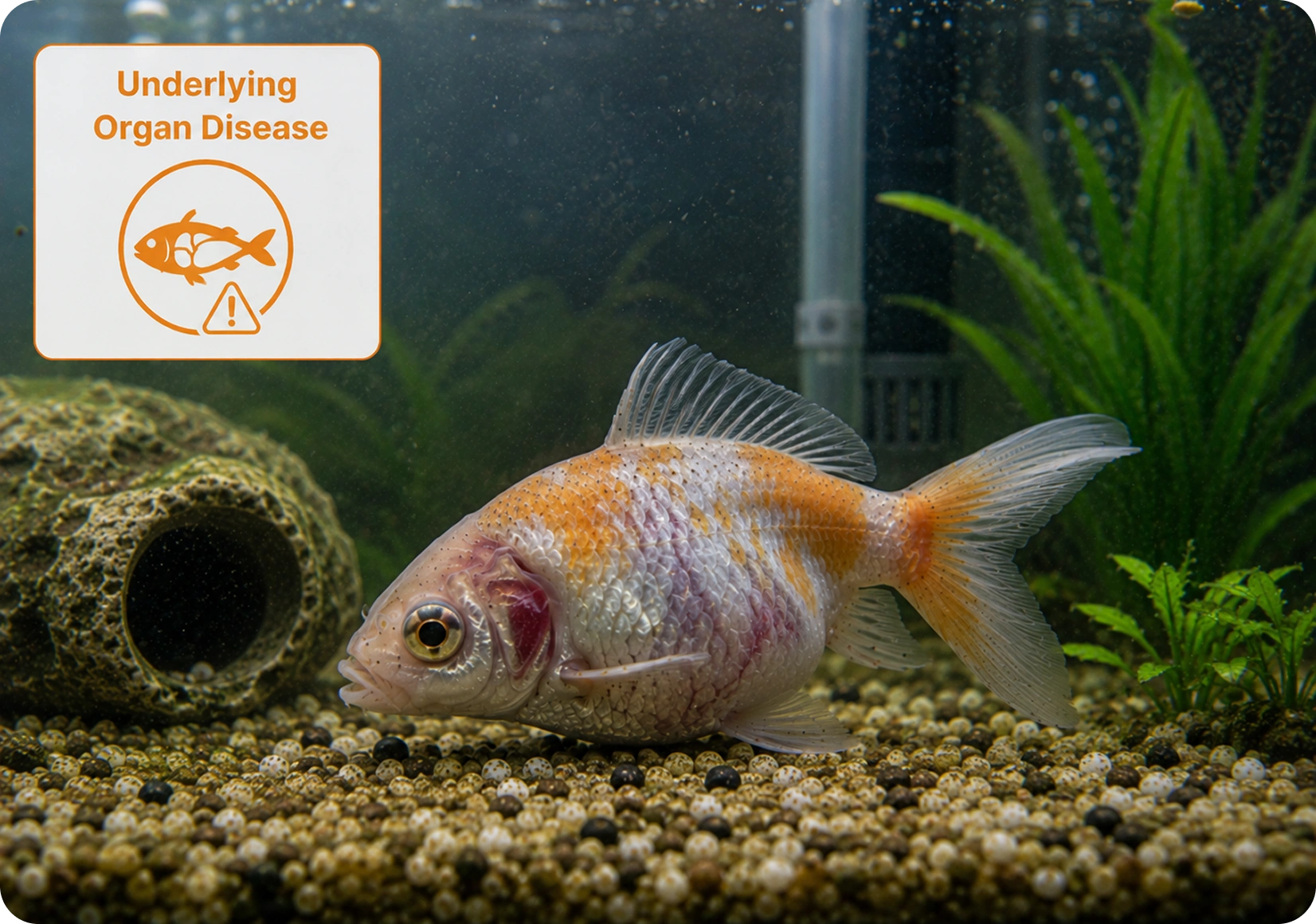
A fish not eating food is a serious symptom of an infectious disease, physiological dysfunction, environmental stress, or poor husbandry conditions.
.webp)
Common Signs of Appetite Loss in Fish

Refusal to Eat Food
Prolonged anorexia is often the earliest indicator of infection, stress, metabolic dysfunction or systemic illness.

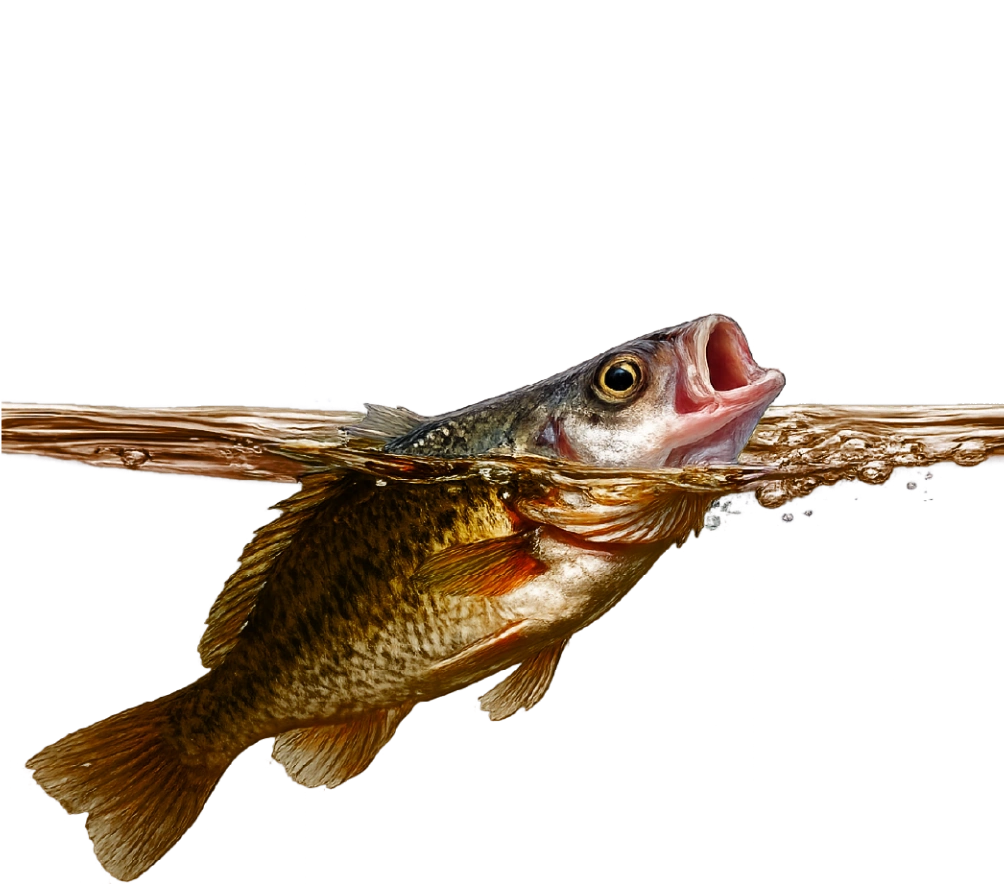
Staying at the Water Surface
Fish not eating food and staying at the top indicates respiratory compromise, stress or poor water quality.
Lying at the Bottom of the Tank
Fish not eating food and lying at the bottom is a critical warning sign of lethargy, physiological stress, infection, or organ dysfunction.
Reduced Activity Levels
Persistent anorexia results in extreme lethargy, reduced responsiveness and decreased swimming behaviour.

Weight Loss and Body Wasting
Persistent appetite loss can lead to reduced body condition, muscle wasting and continual physiological deterioration.

Rapid or Laboured Breathing
Respiratory distress or gill disorders due to poor environmental conditions may also contribute to appetite suppression.
Common Signs of Appetite Loss in Fish
Recognise behavioural and physical changes to identify underlying disease and prevent serious health complications.
Refusal to Eat Food
How Serious Is Your Fish’s Anorexia
- Eats less than usual
- Occasional refusal to eat
- Slight reduction in activity
- Swimming behaviour is normal
- Persistent anorexia
- Noticeable lethargy
- Staying at the surface frequently
- Lying at the bottom occasionally
- Mild weight loss
- Complete refusal to eat
- Severe lethargy or isolation
- Rapid weight loss and emaciation
- Laboured breathing
- Loss of balance
When to Consult a Vet for Appetite Loss in Fish

Refusing Food for Several Consecutive Days
Prolonged refusal to eat indicates a systemic disease or physiological dysfunction.

Fish Staying at the Surface Constantly
Anorexia with fish staying at the surface constantly indicates hypoxia or water quality issues.
Fish Lying at the Bottom Continuously
Anorexia with fish lying at the bottom indicates serious weakness or organ dysfunction.

Refusing Food for Several Consecutive Days
Prolonged refusal to eat indicates a systemic disease or physiological dysfunction.
Fish Staying at the Surface Constantly
Anorexia with fish staying at the surface constantly indicates hypoxia or water quality issues.



How to Prevent Anorexia in Fish

Maintain Excellent Water Quality
Ensure stable water parameters like temperature, pH levels and quality to support metabolic function and encourage normal feeding behaviour in fish.

Feed a Species-Appropriate Diet
Offer a balanced diet consisting of 45-55% of protein and 15-25% of fats to support immunity, digestive health and appetite regulation.

Avoid Sudden Water Parameter Changes
Avoid sudden water changes. Make environmental changes gradually to prevent anorexia and behavioural issues in fish.

Prevent Overstocking and Aggression
Avoid overcrowding the aquarium to prevent territorial aggression, stress, competition and appetite suppression in fish.
Monitor Fish During Daily Feeding
Regular monitoring helps identify appetite changes, behavioural abnormalities and emerging health conditions early.

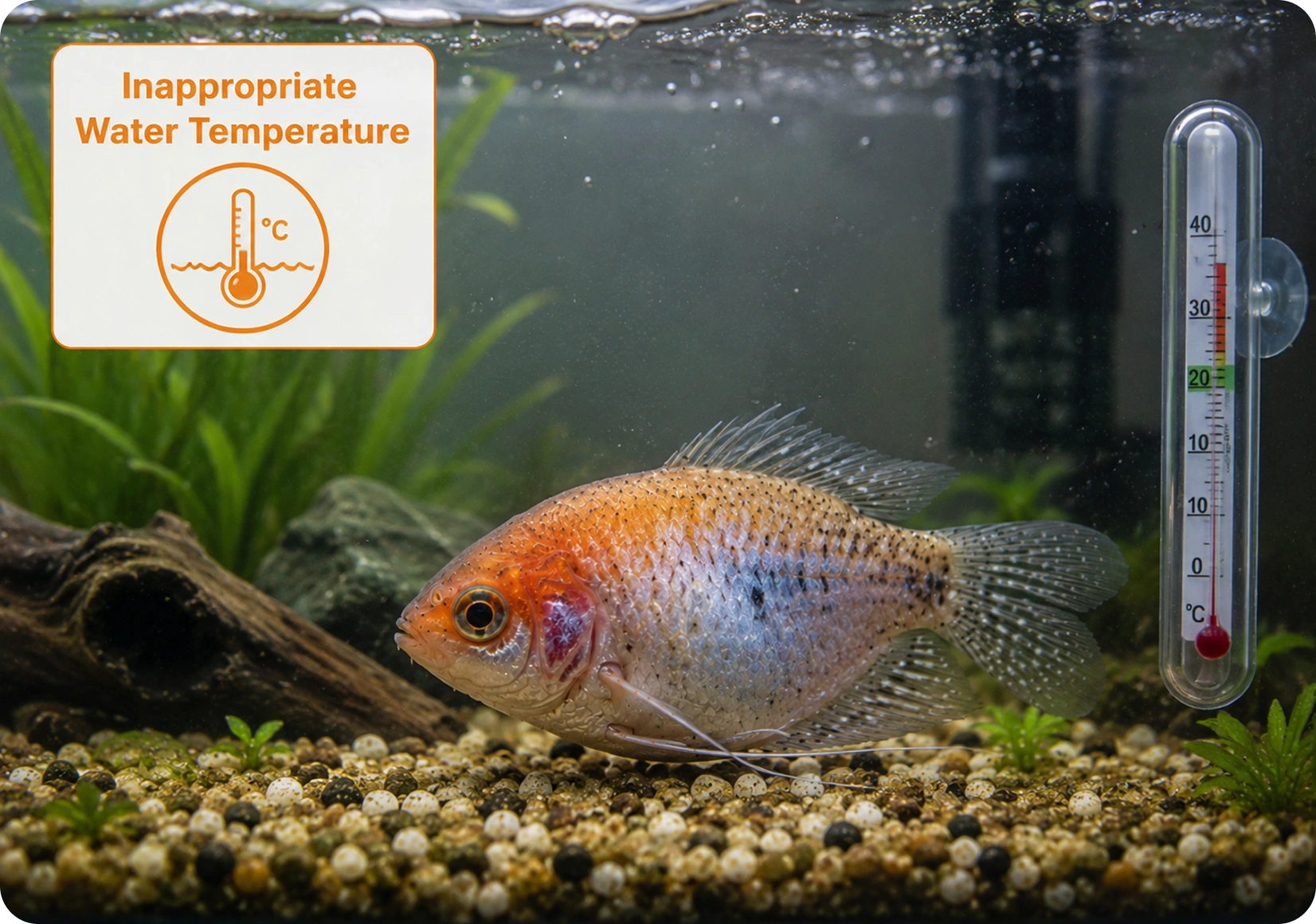
Maintain Stable Water Temperature
Stable water temperature ensures proper digestion and metabolic efficiency, thereby supporting normal feeding behaviour in fish.
Maintain Excellent Water Quality
Ensure stable water parameters like temperature, pH levels and quality to support metabolic function and encourage normal feeding behaviour in fish.
Feed a Species-Appropriate Diet
Offer a balanced diet consisting of 45-55% of protein and 15-25% of fats to support immunity, digestive health and appetite regulation.
Veterinary Help in Just a Few Simple Steps
Install Conbun and create your pet’s profile so we can understand them better.
Describe symptoms, upload photos if needed, and get quick online pet health advice from verified vets.
Talk to a vet online in just 30 seconds or schedule an appointment for later.



Related Fish Issues
Allergies
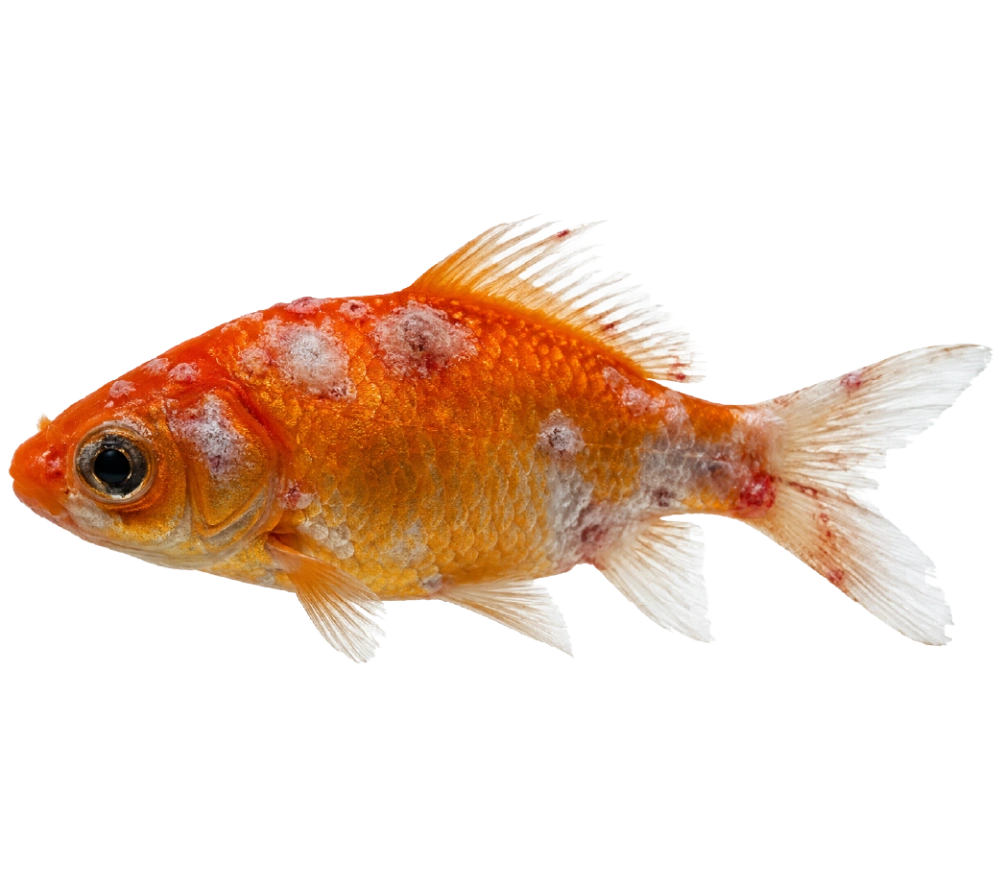
Fin Rot
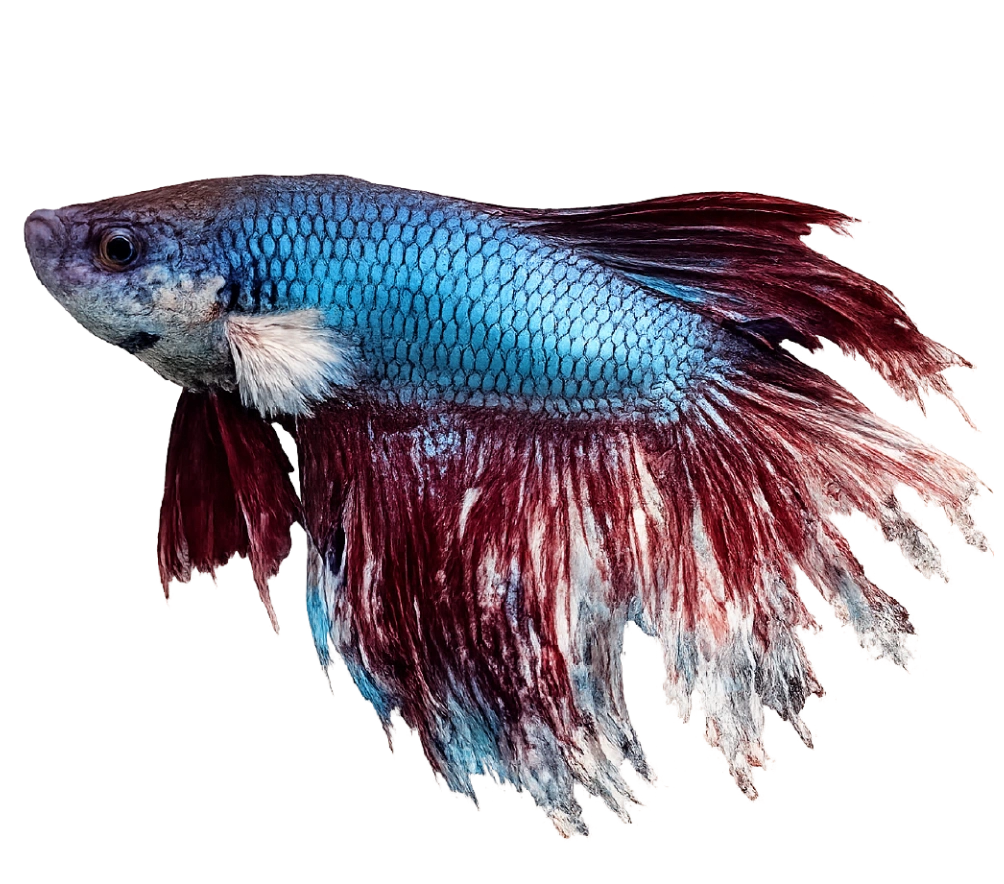
Ich / White Spot Disease
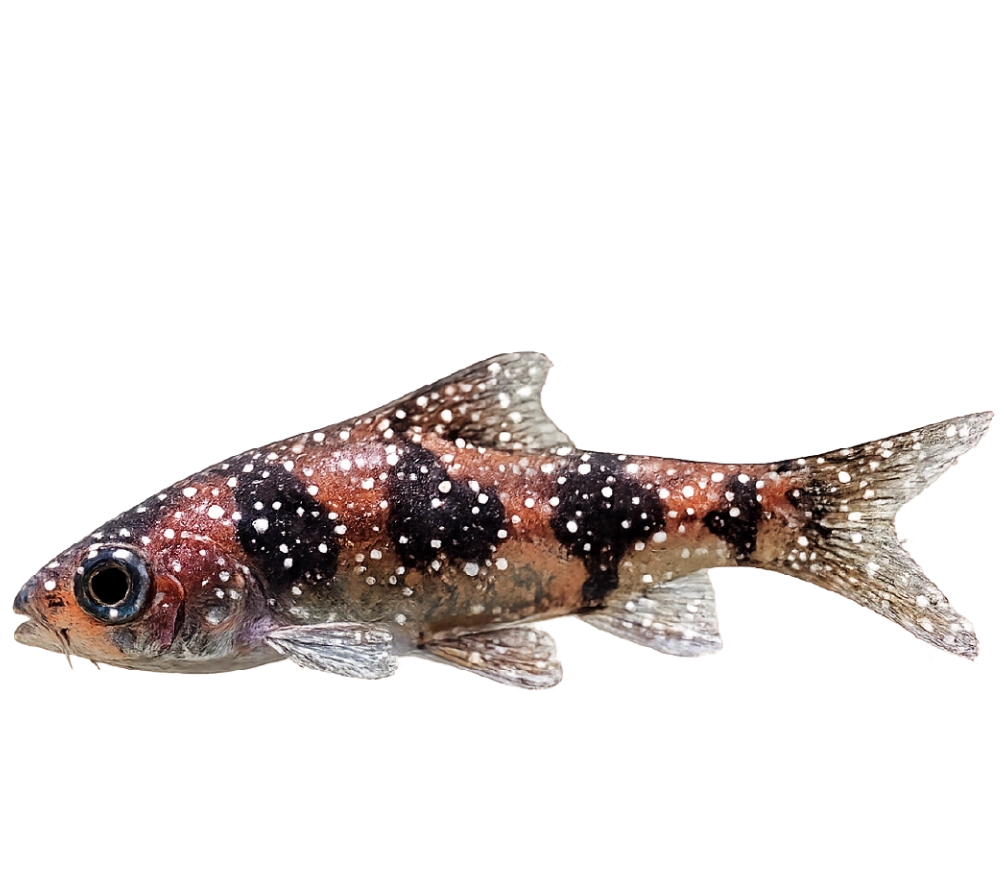
Swim Bladder Disorder (floating/sinking)
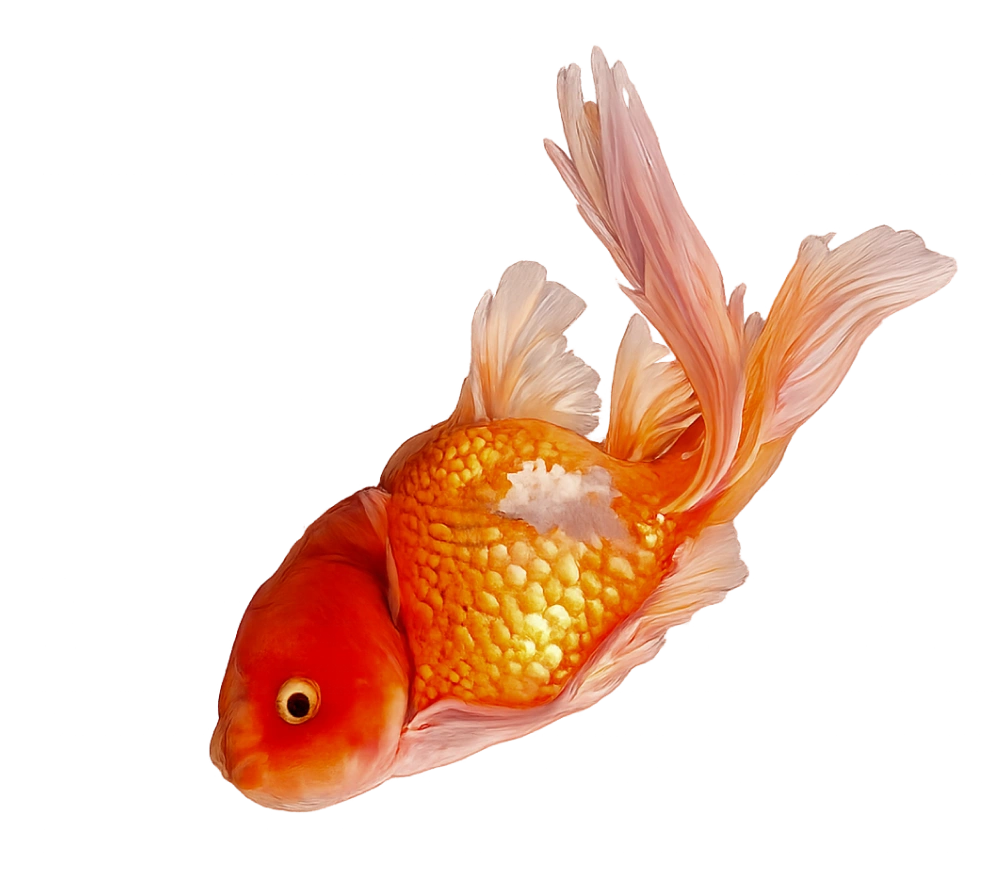
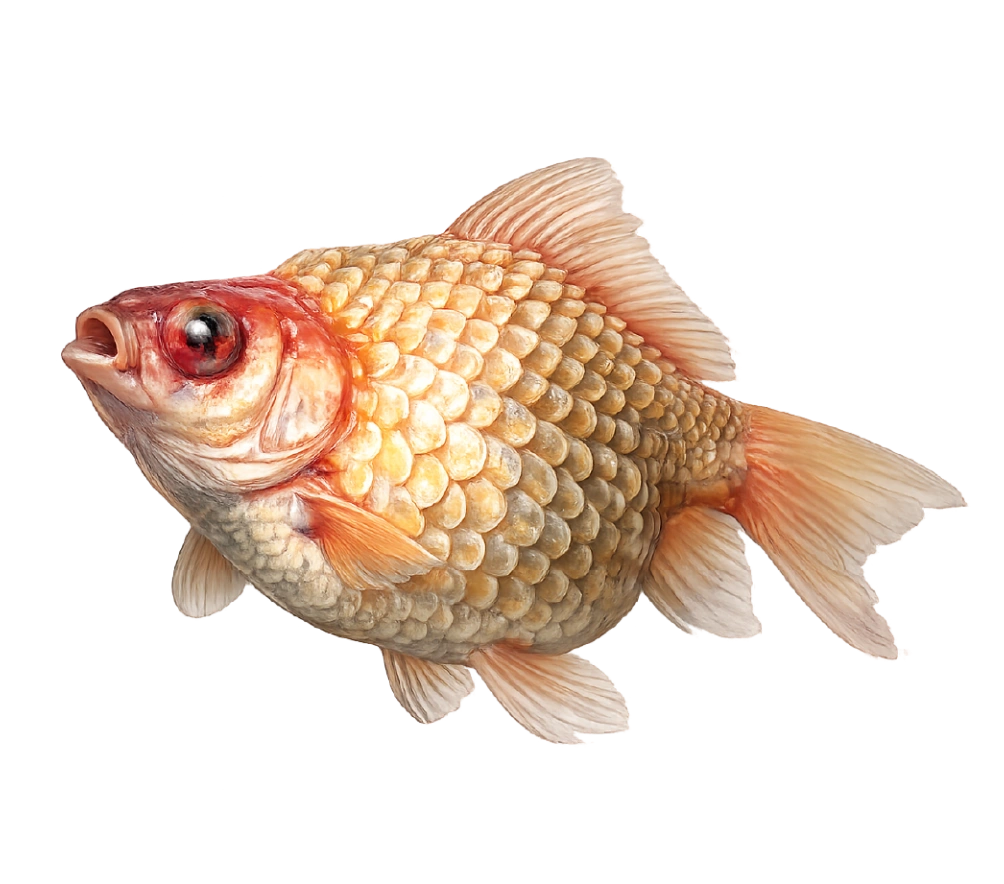
Allergies
Fin Rot
Frequently Asked Questions
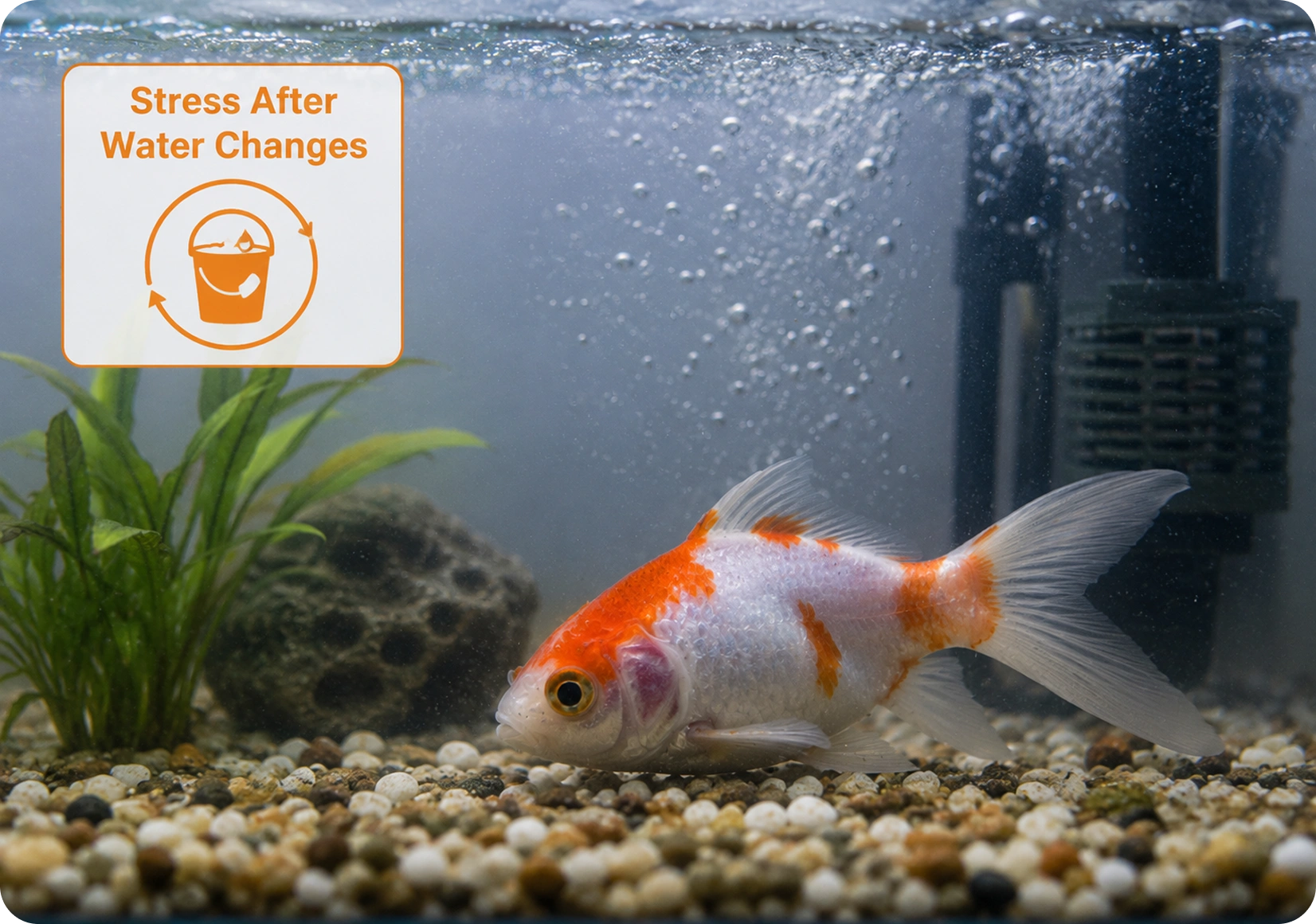
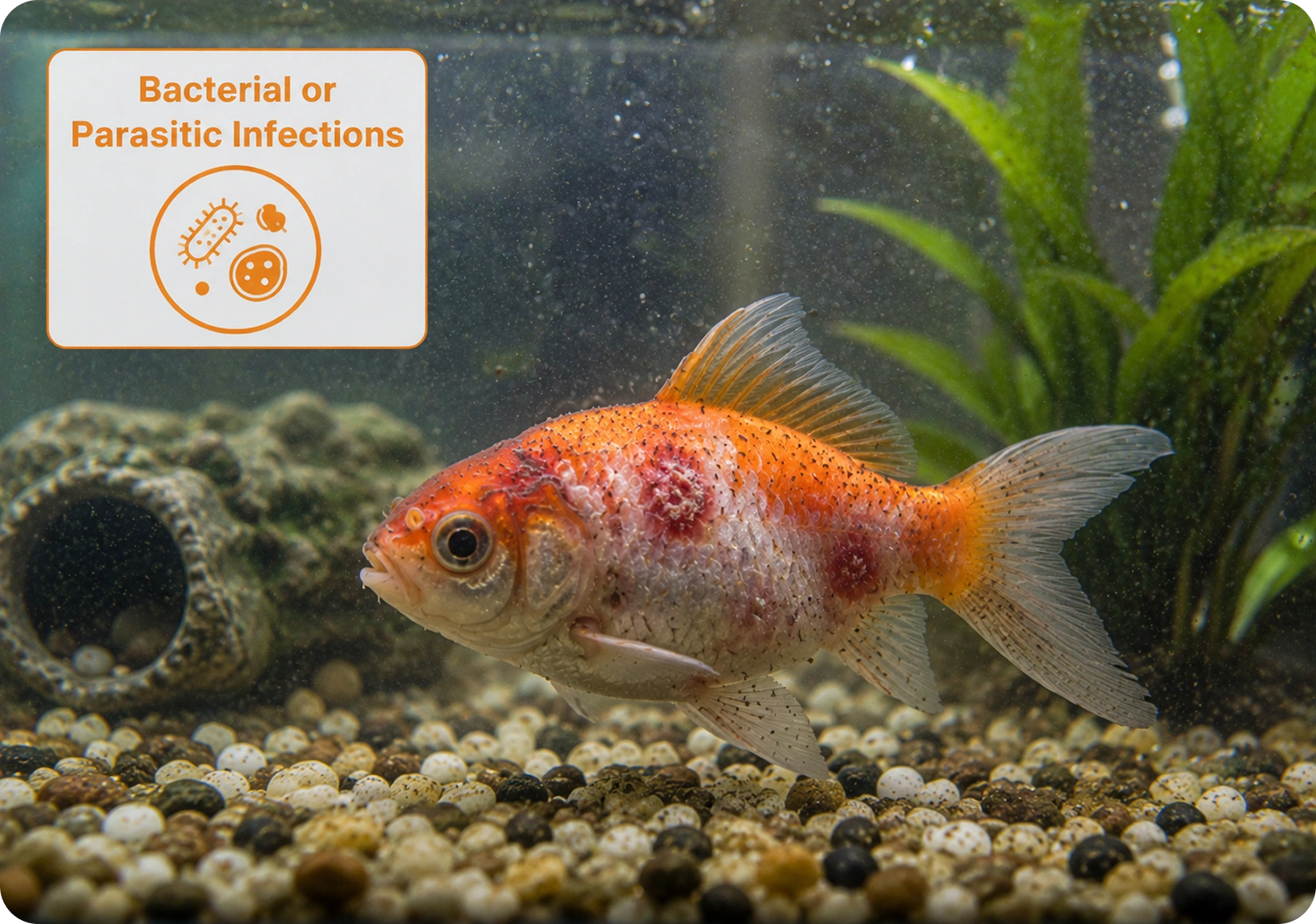
Anorexia in fish may be a result of a range of factors like stress, poor water quality, sudden environmental changes, parasitic infections, gastrointestinal concerns, inappropriate water temperatures or underlying organ dysfunction.
Persistent refusal to eat can lead to muscle wasting, weight loss, reduced energy, weakened immunity and an increased susceptibility to disease. If left untreated, severe appetite loss can become life-threatening.
Assess water quality, filtration, temperature and recent changes in the aquarium environment. Look for additional symptoms like abnormal swimming, respiratory distress, lethargy or other visible signs. If appetite loss persists, veterinary intervention may be needed.
The duration varies depending on the age, species, health status and environmental conditions. While many healthy adult fish may tolerate short periods without food, prolonged fasting may result in significant physiological stress.
The best fish food depends on your specific fish species and tank setup. For everyday feeding, you can use granules, shelled & blenched peas, zucchini & cucumber, egg yolk and frozen foods like shrimp or white fish.
Yes. Conbun connects you with experienced aquatic veterinarians who can evaluate appetite loss, identify potential causes, review aquarium conditions and recommend appropriate treatment.
Treat Appetite Loss in Fish with Conbun
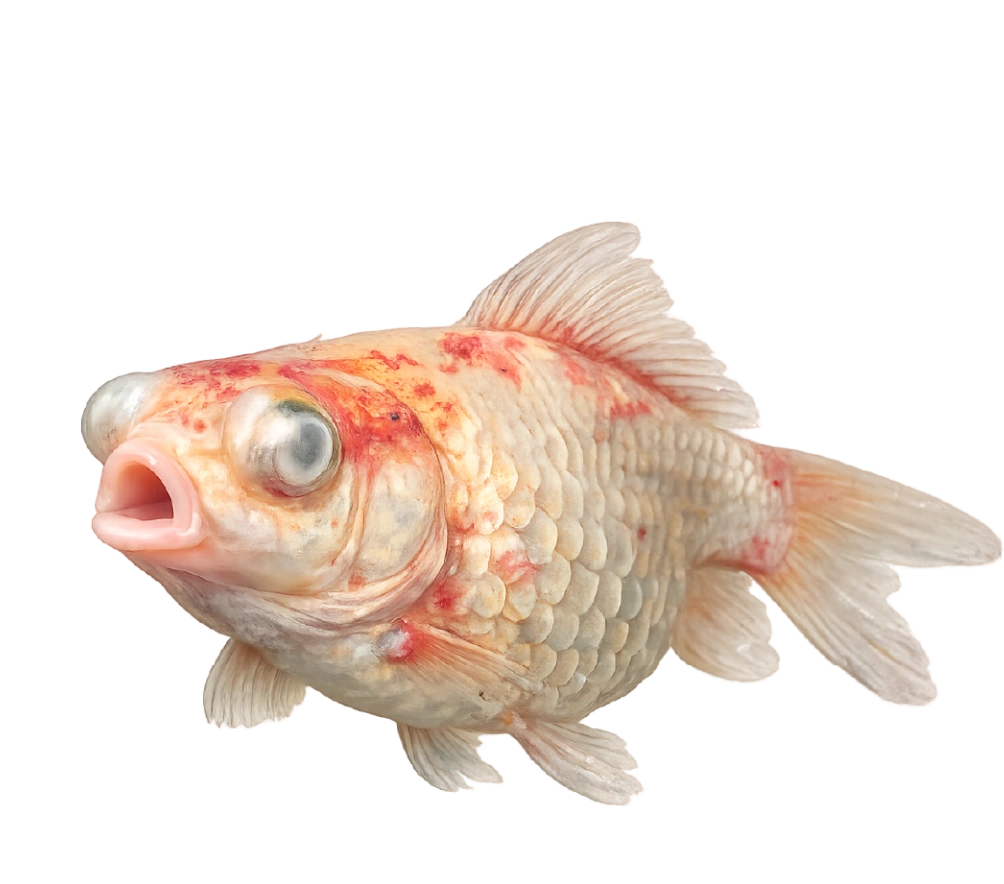
Anorexia is often one of the earliest warning signs that indicates something is wrong with your fish. If your fish is refusing food, staying at the surface, lying at the bottom of the aquarium or showing reduced physical activity, these symptoms may indicate poor water quality, stress, infection, parasitic disease or an underlying health condition.
Conbun allows you to connect with a fish vet online and receive veterinary guidance from the comfort of your home. With a 24 7 vet video call, you can discuss symptoms, review aquarium conditions and understand the causes of appetite loss. You can consult a pet fish doctor for expert tips on water quality management, nutrition, disease prevention and treatment plans.
With convenient online fish vet consultation services, experienced vets can help you assess your fish’s condition and recommend appropriate next steps.
Need veterinary assistance quickly? Simply book an online vet appointment through Conbun and get trust aquatic veterinary support whenever your fish needs love and care.