.webp)
Why Pet Fish Make Great Companions?
Fishes are aquatic companions that have silently claimed the throne in the pet hierarchy because they are beautiful, calming and relatively low maintenance compared to other pets. Studies in environmental psychology have shown that watching fish swim can reduce stress, lower heart rate, and improve mood, which is one reason aquariums are commonly used in clinics and offices.
However, low maintenance does not imply they don’t need care. In fish, most health problems arise from these three things:
- Poor nutrition
- Poor water quality
- Late detection of health conditions
The following guide focuses on practical fish care that will actually help you keep fish healthy, not just alive. You’ll learn:
- What pet fish eat and how much food to give fish
- How to spot early fish disease symptoms
- How to clean a fish tank safely without harming fish
- How good tank hygiene prevents illness
Fish Nutrition & Health - What Every Owner Must Know
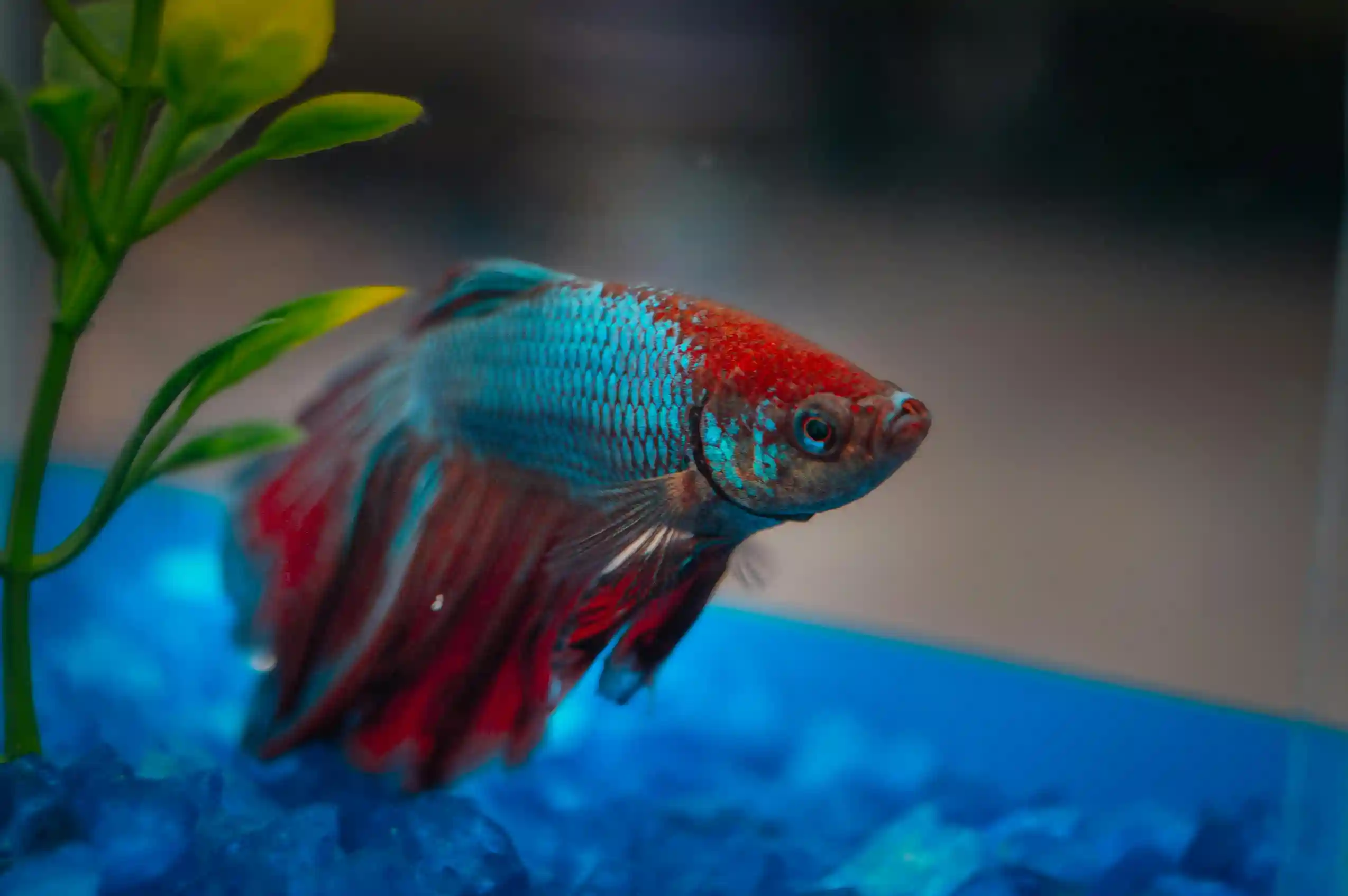
Proper feeding is the cornerstone of keeping a fish healthy. According to a recent study, conducted in Moyna (the aquaculture hub of India), more than 10% of total diseases and mortality rates were directly caused by poor nutrition.
What Do Pet Fish Eat?
A pet fish eats different foods that depend on factors like their size, species, etc.
Fish are broadly classified into three dietary types:
- Carnivorous fish - eat protein-rich foods like insects, larvae, small crustaceans
- Herbivorous fish - eat algae, plants, and vegetable matter
- Omnivorous fish - have a mixed diet made of plant and animal-based foods
Best Fish Food for Aquarium Fish
Most Indian aquariums rely on a mix of:
- Flakes - Good for surface feeders
- Pellets - Sink slowly; making them suitable for mid- and bottom-feeders
- Frozen foods - Bloodworms, brine shrimp (nutrient-dense)
- Live food - Optional and species-specific
Key rule: Always choose fish food based on species and mouth size, not convenience. Also, if you’re adopting a fish, research what they eat, so that you can understand what would be feasible for you to feed them.
Healthy Diet for Aquarium Fish
Offering a healthy diet to your pet fish is one of the best things you can do to support their growth and lifespan.
Fish need:
- Protein - for growth and tissue repair
- Fats - for energy and vitamin absorption
- Carbohydrates - limited energy source
- Vitamins & minerals - immunity, bone health, metabolism
Veterinary nutrition studies indicate that a nutrient imbalance, instead of deficiency alone, causes various diseases in fishes especially if they are fed a single type of food. Thus, you need to ensure that there is variety in their diet.
Tropical vs Coldwater Fish Diets
Tropical fish require a higher daily protein content and stable feeding routines.
Coldwater fish, for example, goldfish, need less fat and a plant-based diet.
The benefits of a balanced fish diet include:
- Better color
- Stronger immunity
- Fewer digestive problems
- Lower risk of diseases
For information on what fishes eat, get fish diet expert advice on the Conbun app. Get tailored fish diet chart for you pet fish from an online fish doctor instantly.
How Much Food to Give Fish
Most pet fish should be offered food portions only, which they can eat in 2-5 minutes.
It is mandatory to follow this rule because:
- Fish do not stop eating even if they are full
- Uneaten food breaks down into ammonia, which is harmful to the fish
- Poor water quality directly damages gills and organs
Feeding Schedule Basics
- Feed once or twice daily
- Younger fish need smaller but more frequent meals
- Include one fasting day per week for adult fish to rest their digestive systems, prevent overfeeding and enhance cold resistance.
Overfeeding fish problems include:
- Cloudy water
- Algae blooms
- Swim bladder issues
- Increased bacterial infections
Fish Not Eating Food - Causes & Fixes
Fish not eating food is usually a warning sign, not a preference issue.
Common Causes
- Stress from tank changes (also known as the new tank syndrome)
- Poor aquarium water quality
- Sudden shifts in temperature
- Early illness
What You Can Do
- Test water quality for ammonia, nitrite, and nitrate content
- Offer a small variety of foods
- Skip feeding for 24 hours (safe for most fish)
- Observe for other fish behaviour changes
Breeding and reproduction of fish depend greatly on water quality. Poor water quality leads to stress, impair hormones and even reduce fertility. A fish breeding consultation online will help you understand how you can keep aquarium water quality optimal to ensure proper fish breeding.
When to worry:
Illness is likely if appetite loss persists for more than 48 hours, combined with lethargy.
Related Readings: Talk to Experts Online: Real Use Cases Across Life Problems
Fish Disease & Symptoms - Spot Trouble Early
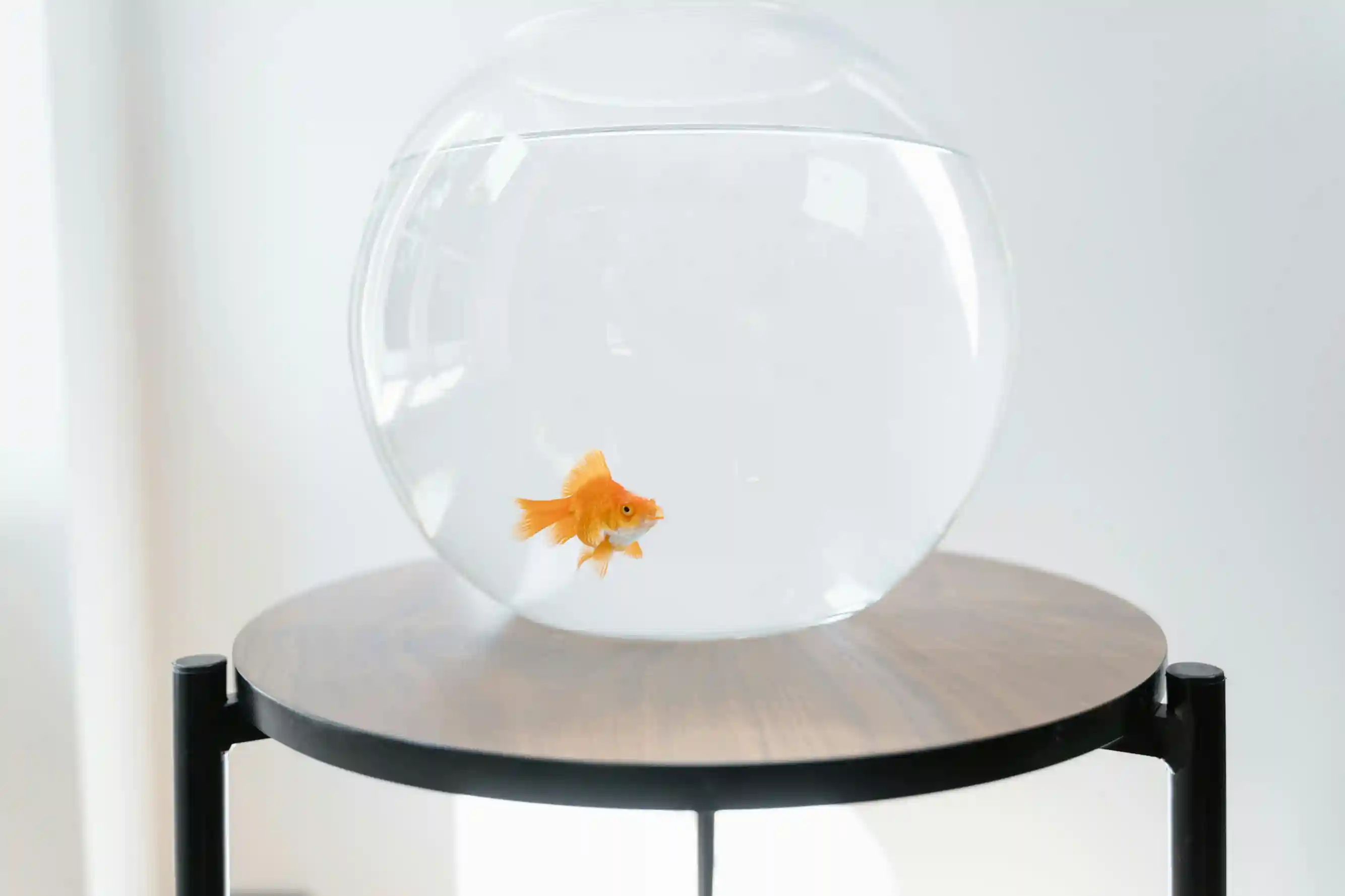
Fish instinctively hide illness. By the time you understand symptoms, the disease may have already advanced.
This makes early detection extremely important.
Common Fish Behavioural Signs Explained
Fish Swimming Upside Down
This usually indicates a swim bladder problem.
- Swim bladder disorder, often caused by overfeeding or constipation
- Can worsen due to poor water quality
What to do immediately:
- Stop feeding for 24 - 48 hours
- Perform a partial water change
- Observe buoyancy until the next day
Fish Not Moving Much / Fish Staying at Bottom
This behaviour usually means:
- Stress
- Low oxygen
- Temperature shock
Immediate steps:
- Check filtration and heater
- Increase aeration
- Test water quality
Persistent lethargy is a strong indicator of illness in fish.
Fish Gasping for Air at the Surface
This often means low oxygen or ammonia toxicity.
Act fast:
- Increase surface movement
- Do a partial water change immediately
- Reduce feeding
Physical Disease Symptoms
Fish White Spots on Body
White grain-like spots usually indicate Ich or white spot disease.
- Highly contagious
- Often triggered by stress
Early action significantly improves survival.
Fish Fins Torn or Damaged
Common causes:
- Poor water quality
- Fin-nipping tank mates
- Bacterial infection
Clean water and isolation often can prevent worsening.
Other Warning Signs
- Cloudy eyes
- Red sores
- Raised scales
- Unusual colour loss
These are symptoms of fish disease that should never be ignored.
What To Do When You Spot Symptoms
First response steps:
- Isolate the affected fish (quarantine tank)
- Test aquarium water parameters
- Perform a partial water change
- Observe other fish closely
When to seek expert help:
If multiple symptoms appear or worsen within 24 - 48 hours. Taking a fish to a vet can be stressful and risky.
You can turn to online pet care consultation on the Conbun app to get immediate guidance on what to do next.
Related Readings: Top Rated Pet Care Consultation App: Features, Benefits, How It Works (2026 Guide)
Fish Grooming & Tank Care - Keeping a Healthy Habitat
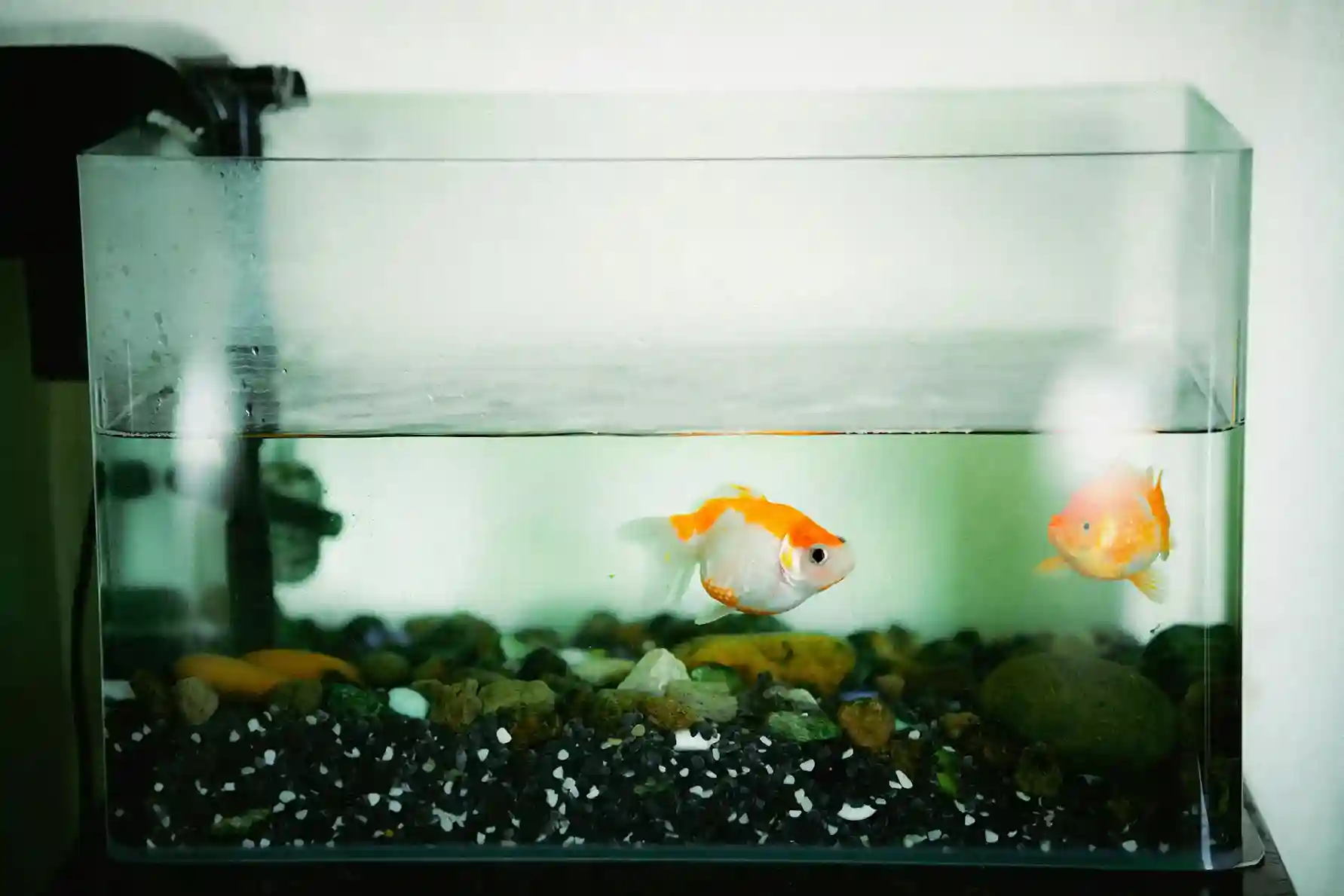
Veterinary aquatic studies consistently show that stable, clean water prevents most fish diseases.
If you have adopted a pet fish, you have to also commit to tank cleaning regularly as a clean tank is the foundation of fish health.
How to Clean Fish Tank Safely
Safe cleaning protects beneficial bacteria that fish depend on.
Step-by-Step Cleaning
- Clean glass with algae scraper
- Gently vacuum substrate
- Rinse decorations with tank water only
- Never use soap or disinfectants.
How Often to Clean an Aquarium
- Weekly: 20 - 30% water change
- Monthly: Light substrate cleaning
- Filter: Rinse media in tank water, not tap water
Over-cleaning destroys healthy bacteria and destabilises water quality.
Fish Tank Water Change Tips
- Always condition new water
- Match the temperature before adding
- Change small amounts regularly
Stable water is more important than perfectly clean water.
Everyday Aquarium Hygiene Tips
- Remove uneaten food after feeding
- Avoid overcrowding
- Monitor algae growth
- Maintain consistent temperature
With these aquarium maintenance tips, you can reduce disease risk dramatically.
Optimum fish care is not about perfection; it is more about consistency. Practice balance feeding, recognise symptoms early and follow an aquarium cleaning routine to create a stable and healthy environment for your fish.
To get additional tips on aquarium fish health consultation, download the Conbun app and talk to fish doctor online.
Pro Tips & Common Mistakes to Avoid
Most health problems are not sudden accidents. They develop gradually due to various environmental stressors like poor diet, sanitation, etc.
They are a result of small but repeated mistakes that gradually damage the water quality and eventually their immunity.
Understanding these mistakes helps prevent disease before it starts.
Overfeeding Fish Problems: Why “More Food” Harms Fish
Overfeeding is one of the most common mistakes that fish owners make.
Why it’s dangerous:
- Uneaten food is broken down into ammonia
- Ammonia burns fish gills and weakens immunity
- Dirty water increases the risk of bacterial and parasitic infections
Signs you may be overfeeding:
- Excess algae growth
- Cloudy or smelly water
- Fish swimming in a sluggish manner
- Fish gasping near the surface
Better approach:
- Feed once or twice daily
- Follow the 2 - 5-minute feeding rule
- Remove leftover food immediately to prevent it from breaking down into ammonia
In most cases, less food means healthier fish.
Ignoring Water Parameters (Silent Killer)
Most fish are generally fine until water quality degrades.
Key aquarium water parameters to monitor:
- Temperature
- Ammonia
- Nitrite
- Nitrate
- pH
Why this matters:
Veterinary aquatic studies show that chronic poor water quality is linked to fish physiology, altered metabolism, sensory perceptions and even shortened fish lifespan, even if thereg are no visible signs.
If fish behaviour changes suddenly, test the water first before assuming illness.
Overstocking the Tank
A crowded aquarium creates:
- Faster waste buildup
- Higher stress levels
- Increased aggression
- Faster spread of diseases
Rule of thumb: Give fish enough space to swim, hide, play and establish territory.
Fish immune systems are weakened if they are exposed to stress, which makes infections more likely to develop.
Skipping Quarantine for New Fish
New fish may look healthy but they can carry parasites or bacteria.
What happens without quarantine:
- One infected fish can infect the entire tank
- Treatment becomes more stressful, requiring intensive measures
Best practice:
- Quarantine new fish for 2 - 3 weeks
- Observe appetite, swimming, and droppings
- Introduce only healthy fish into the main tank
This single step can prevent an aquarium-wide outbreak.
In today’s highly digitised world, pet care has also gone digital. Get all the fish care knowledge and tips you need with just one pet care consultation on the Conbun app.
Related Readings: How do online vet consultations work: A pet owner’s guide?
Conclusion: A Simple Checklist for Healthy Fish Care
Fish care is not complicated. But it requires a meticulous approach that depends on consistency, observation, and prevention.
Quick Fish Care Checklist
- Feed species-appropriate food in small amounts
- Maintain a stable feeding routine
- Watch for their behaviour changes regularly
- Test water quality regularly
- Clean the tank safely with partial water changes
- Quarantine new fish before adding them to the tank
- Prompt fish disease diagnosis
A balanced fish diet, clean water and early action as per symptoms are the most important steps for best fish care.
If your fish shows signs like abnormal swimming, appetite loss or physical changes despite your honest efforts and good care, expert guidance can help you decide the next steps without delay.
With fish disease consultation online on Conbun android & iOS, connect to a verified aquatic animal veterinarian to understand what your fish is telling you.
Caring for fish becomes easier when you understand what their behaviour is telling you and act early.
FAQ (People Also Ask):
1. What do pet fish eat?
Answer. Pet fish diet comprises of flakes, pellets, frozen food and plant matter. A healthy diet for aquarium fish depends on whether the fish is herbivorous, carnivorous or omnivorous.
2. How much should I feed my fish?
Answer. Fish should be fed with controlled portions. Feed only what they can eat within 2-5 minutes. Frequency should be once or twice a day. Overfeeding can be harmful as it degrades tank water quality.
3. Why is my fish not eating food?
Answer. Appetite loss in fish is caused by poor water quality, stress, temperature changes or early illnesses. If it lasts more than 48 hours, a vet evaluation is needed.
4. How often should I clean my fish tank?
Answer. Weekly partial water changes (20 - 30%) are needed for most aquariums. Full tank cleaning is rarely needed, which also disrupts the number of beneficial bacteria.
5. What does it mean when fish swim upside down?
Answer. If your fish is swimming upside down, it usually indicates swim bladder issues, which are often caused by constipation or overfeeding.