
Fish Ammonia Poisoning Signs? Consult an Online Vet
Erratic swimming, lethargy, red or inflamed gills, and loss of appetite are the signs of ammonia poisoning or severe water quality stress. With online pet health advice, you can identify the cause, protect gill health and prevent life-threatening complications. Take an online fish vet consultation anywhere, 24/7.
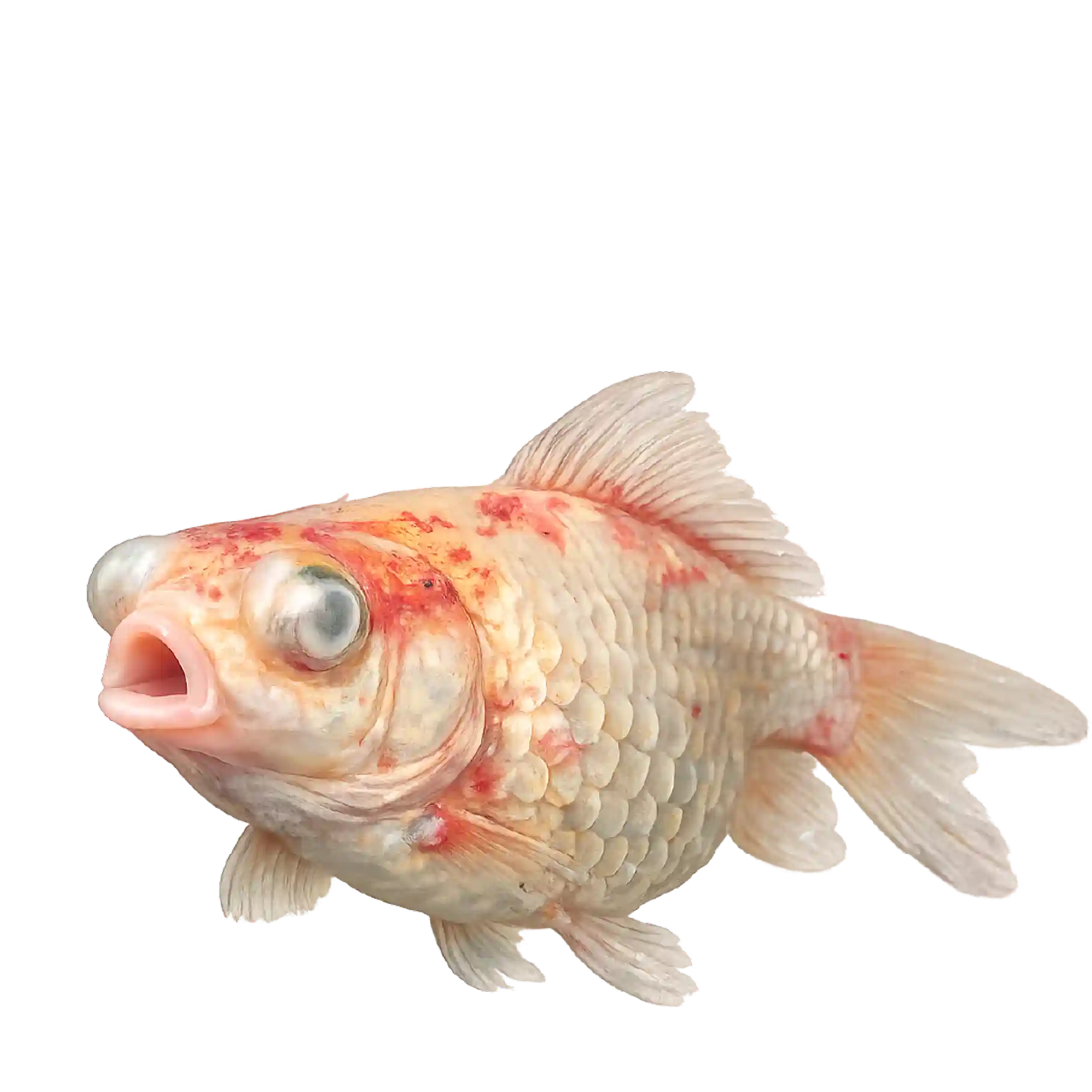
Common Causes of Ammonia Poisoning and Water Quality Stress in Fish
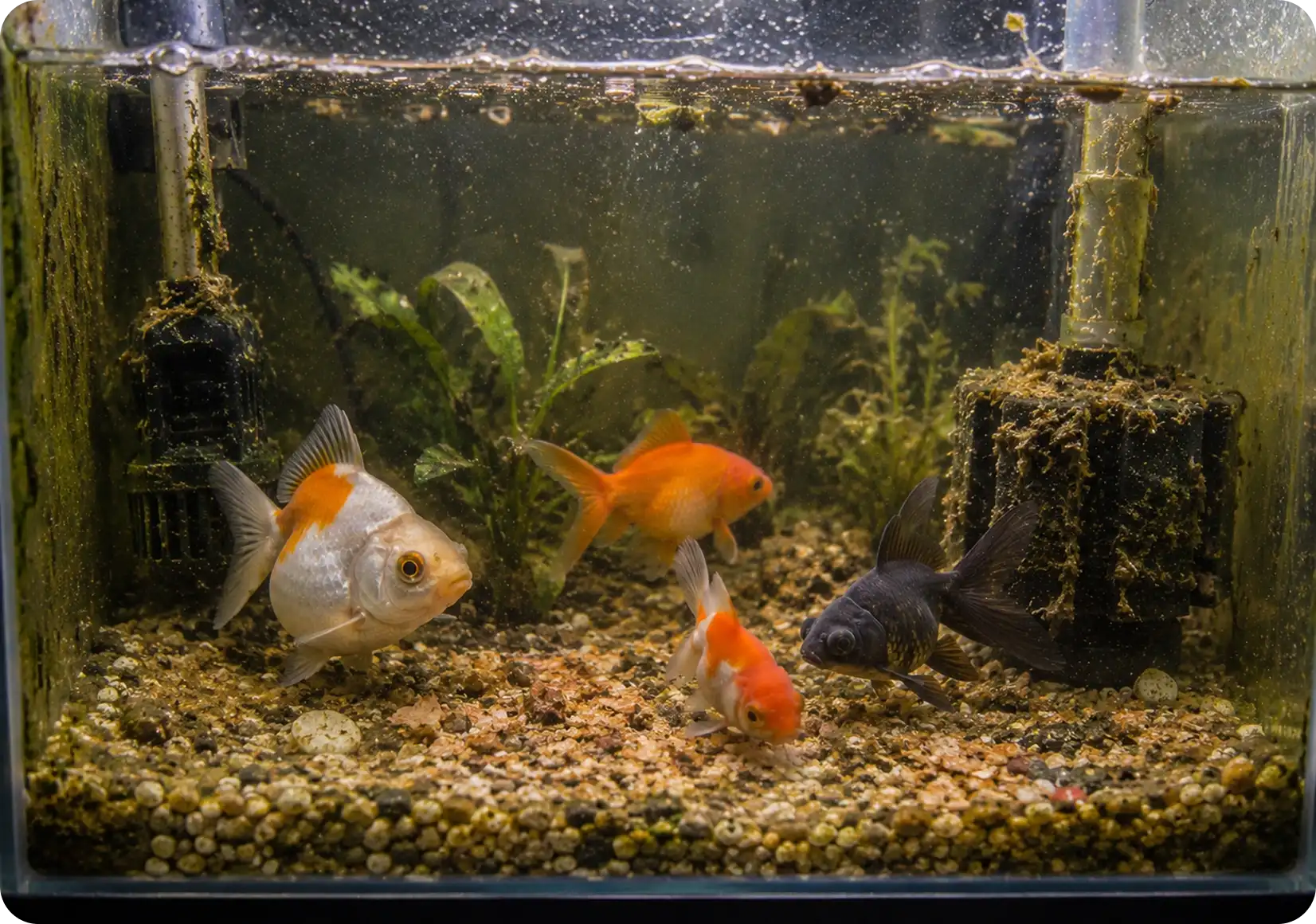
Ammonia poisoning is a deadly condition in fish caused by toxic levels of ammonia (NH3) in the water. It is commonly a result of failed biological filtration or disruption in normal nitrogen cycling due to poor environmental conditions.
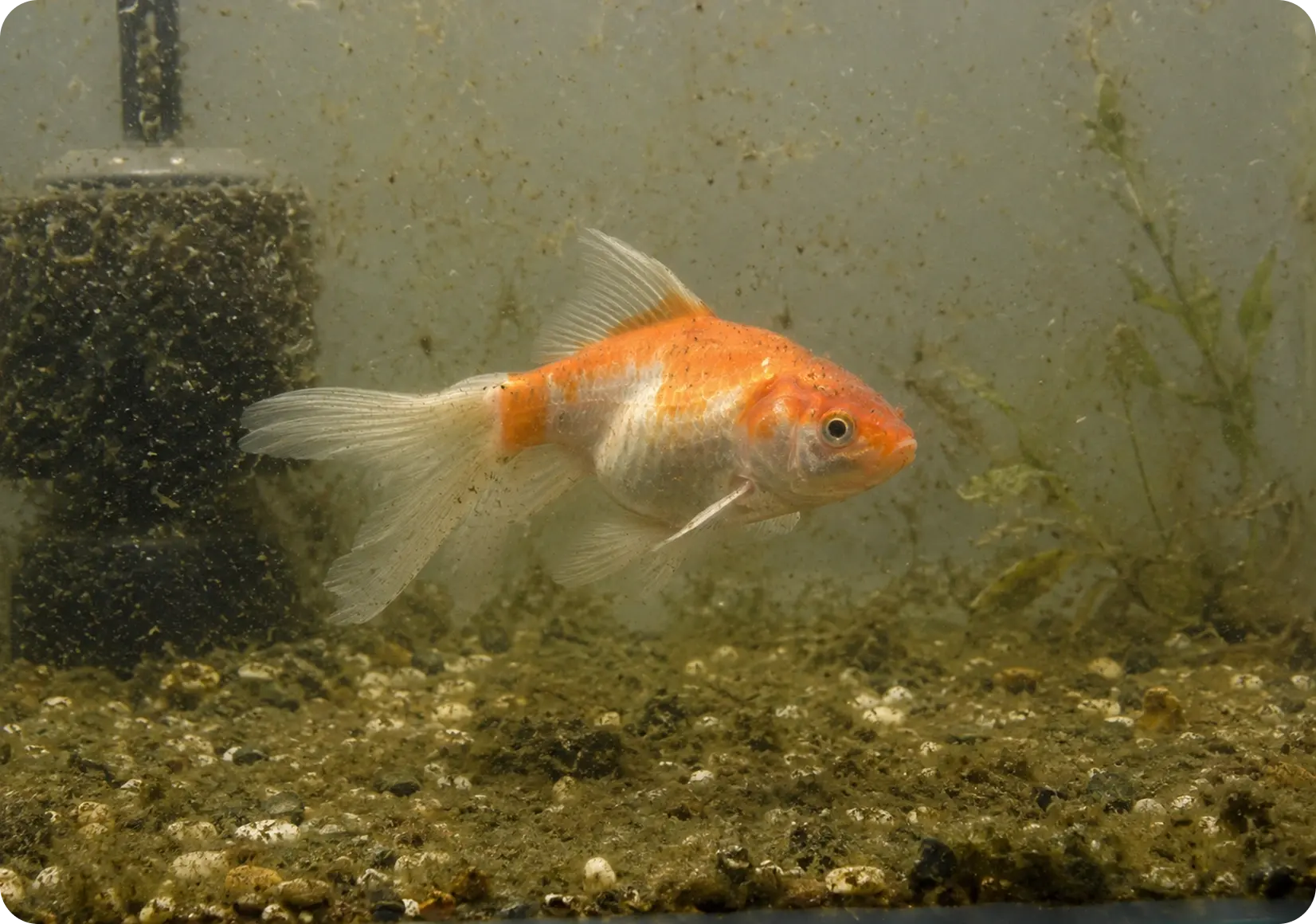
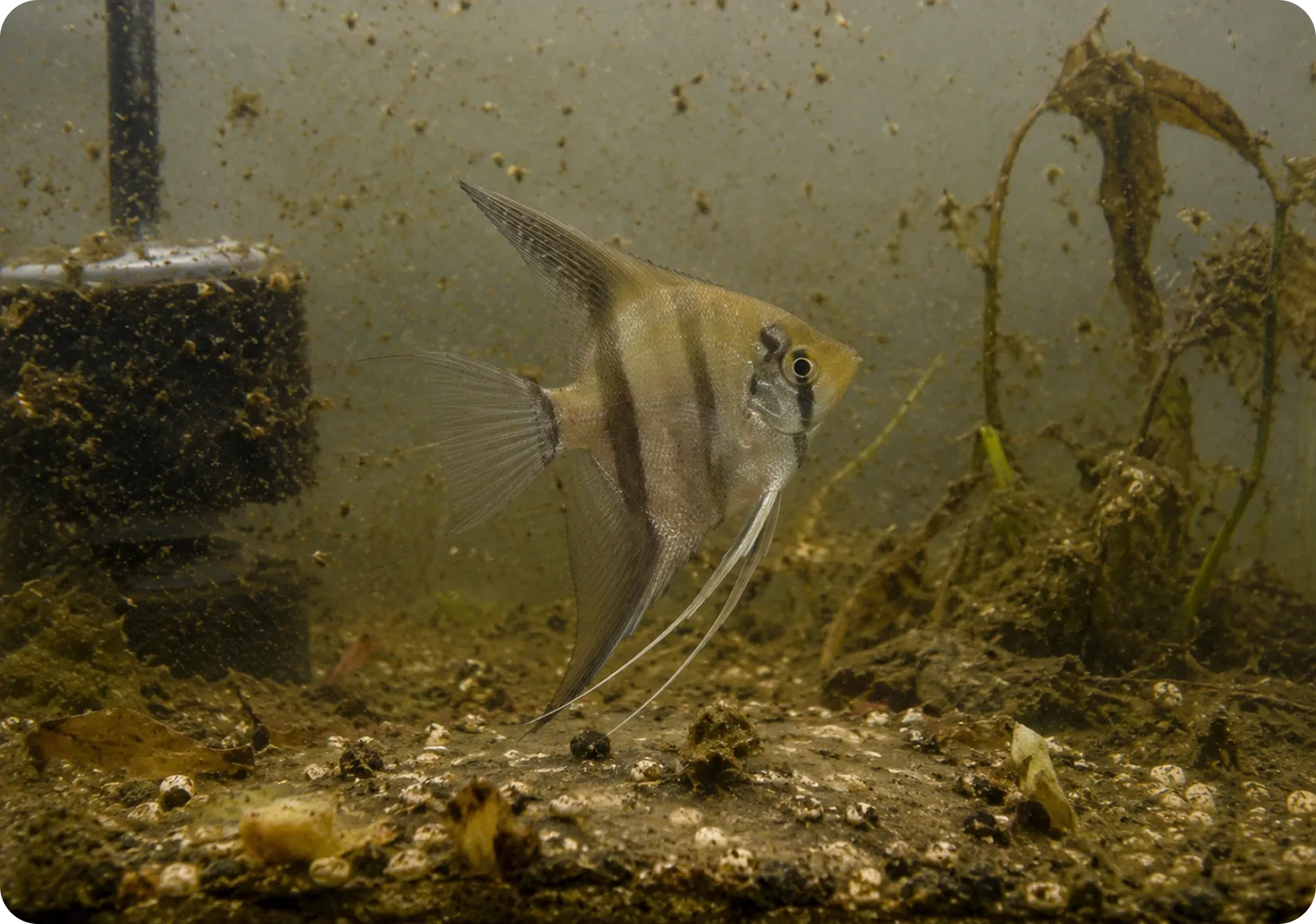
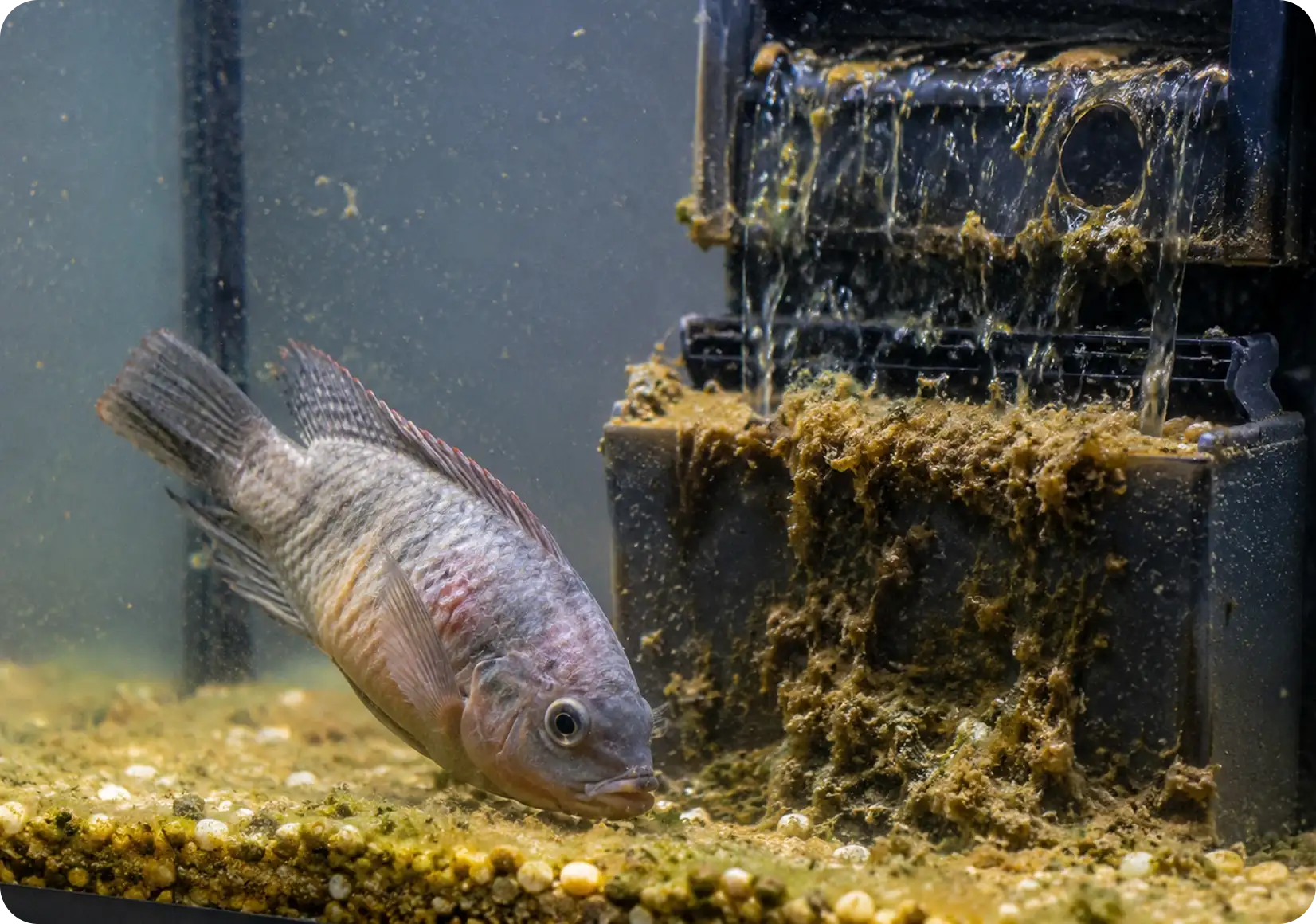
Common Signs of Ammonia Poisoning and Water Quality Stress in Fish

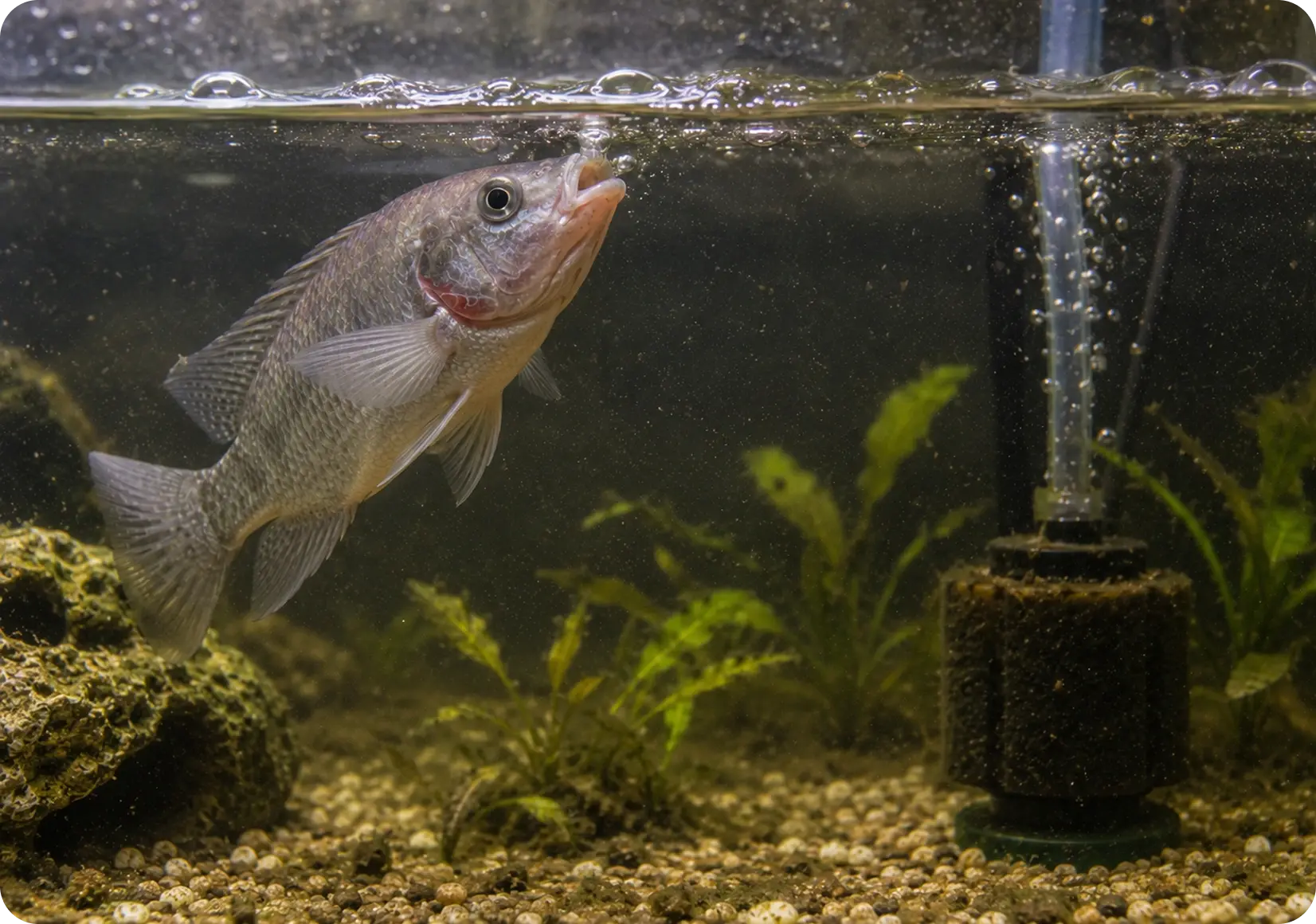
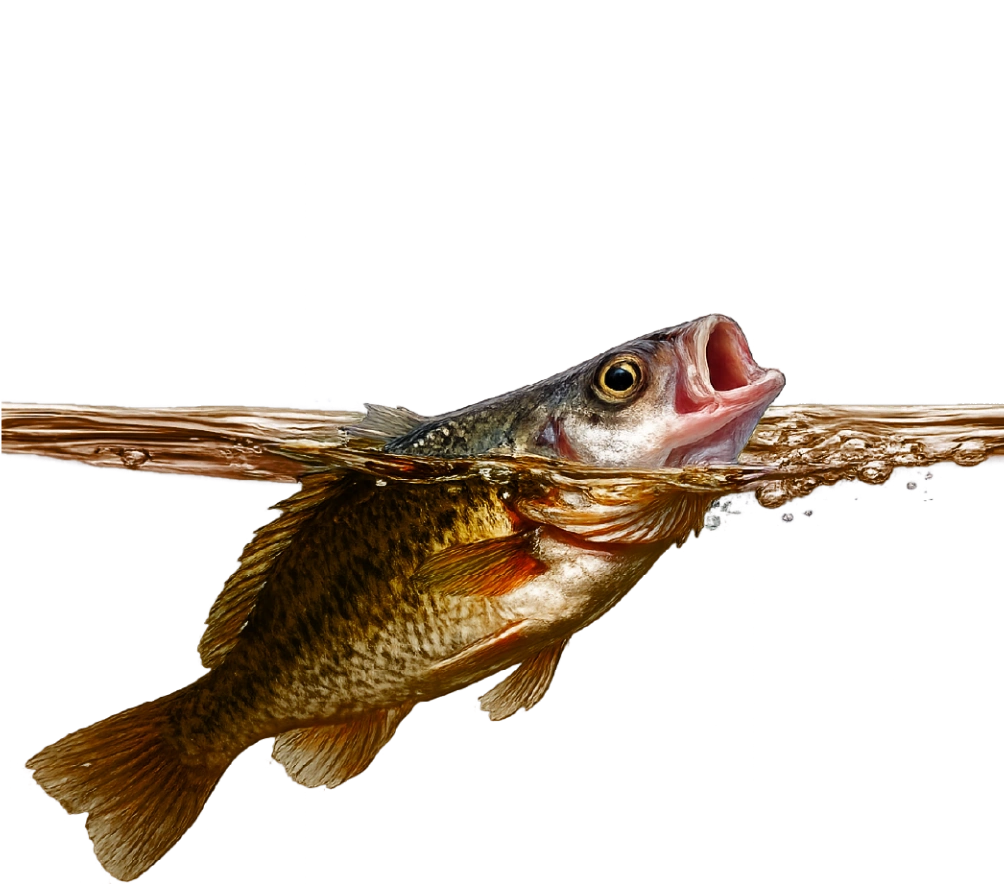
Surface Gasping for Air
Fish frequently coming to the surface to gasp is the most common sign, as ammonia damages the gill epithelium, impairing oxygen uptake.
Rapid Gill Movements
Rapid gill movements suggest increased respiratory distress caused by ammonia-induced gill irritation and reduced gaseous exchange efficiency.
Red or Inflamed Gills
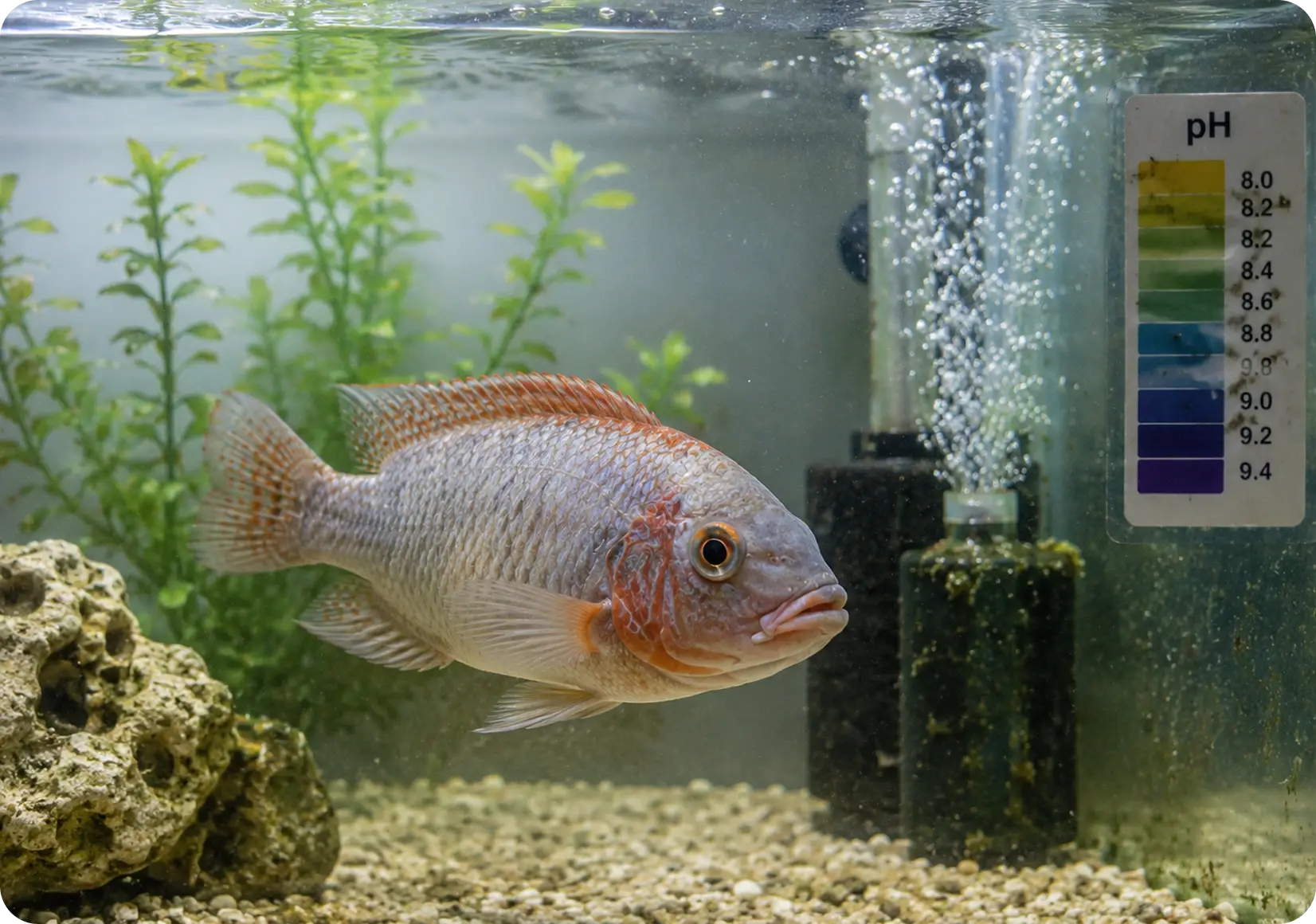
Hyperaemic (excess blood flow to the gills) and inflamed gills are a clinical sign of acute ammonia toxicity and chemical injury to branchial tissues.

Lethargy and Reduced Activity
Fish affected with ammonia poisoning become inactive, weak and reluctant to swim due to impaired oxygen delivery and systemic physiological stress.
Loss of Appetite
Ammonia toxicity in fish can lead to appetite suppression due to respiratory compromise and metabolic dysfunction, which can progressively worsen a fish’s condition.
Erratic Swimming or Loss of Balance
Impaired oxygenation and neurological stress may lead to abnormal swimming patterns, disorientation, and difficulty maintaining equilibrium.
Common Signs of Ammonia Poisoning and Water Quality Stress in Fish
Recognising early signs of ammonia toxicity greatly improves the chances of survival and reduces irreversible gill injury.
Surface Gasping for Air
Know Your Fish's Ammonia Poisoning Severity
- Slight surface gasping
- Mild redness of the gill
- Reduced feeding response
- Occasional lethargy
- Constant surface gasping
- Rapid gill movements
- Inflamed or darkened gills
- Noticeable lethargy
- Erratic swimming behaviour
- Severe respiratory distress
- Continuous surface gasping
- Bright red or haemorrhagic gills
- Loss of equilibrium
- Complete refusal to eat
- Unresponsive or near-collapse
When to Consult a Vet for Ammonia Poisoning

Persistent Surface Gasping
Severe hypoxia requires immediate veterinary evaluation.
Bright Red or Burned Gills
Burned or bright red gills indicate severe ammonia poisoning and chemical gill injury.
Loss of Balance or Equilibrium
Loss of balance or equilibrium indicates neurological dysfunction from toxic exposure.

Persistent Surface Gasping
Severe hypoxia requires immediate veterinary evaluation.
Bright Red or Burned Gills
Burned or bright red gills indicate severe ammonia poisoning and chemical gill injury.



Help Prevent Ammonia Poisoning and Water Quality Stress

Avoid Overstocking Your Aquarium
Don’t overcrowd your aquarium. Maintain appropriate stocking densities to reduce biological waste production and prevent ammonia accumulation.

Feed Controlled, Measured Portions
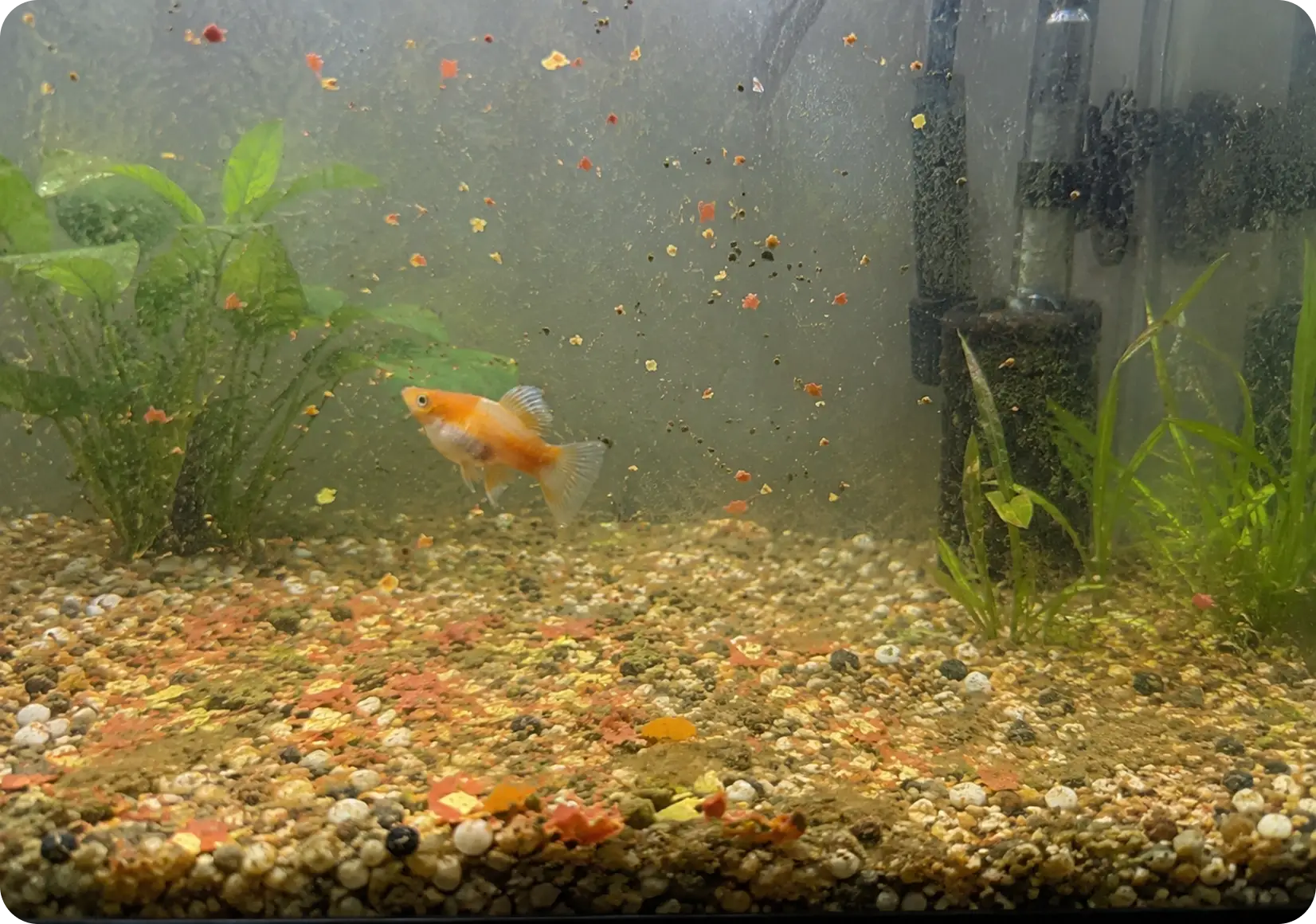
Avoid overfeeding the fish to minimise decomposing organic matter and reduce ammonia generation from uneaten food or metabolic waste.
Maintain a Healthy Biological Filter
Cultivate a thriving colony of beneficial bacteria such as Nitrosomonas and Nitrospira (Nitrifying bacteria) that convert toxic fish waste (Ammonia) into less harmful compounds (Nitrite → Nitrate).
Perform Regular Water Changes
Routine water changes can dilute ammonia, improve water chemistry, balance pH levels and create a stable aquatic environment for the fish.

Monitor Water Parameters Frequently
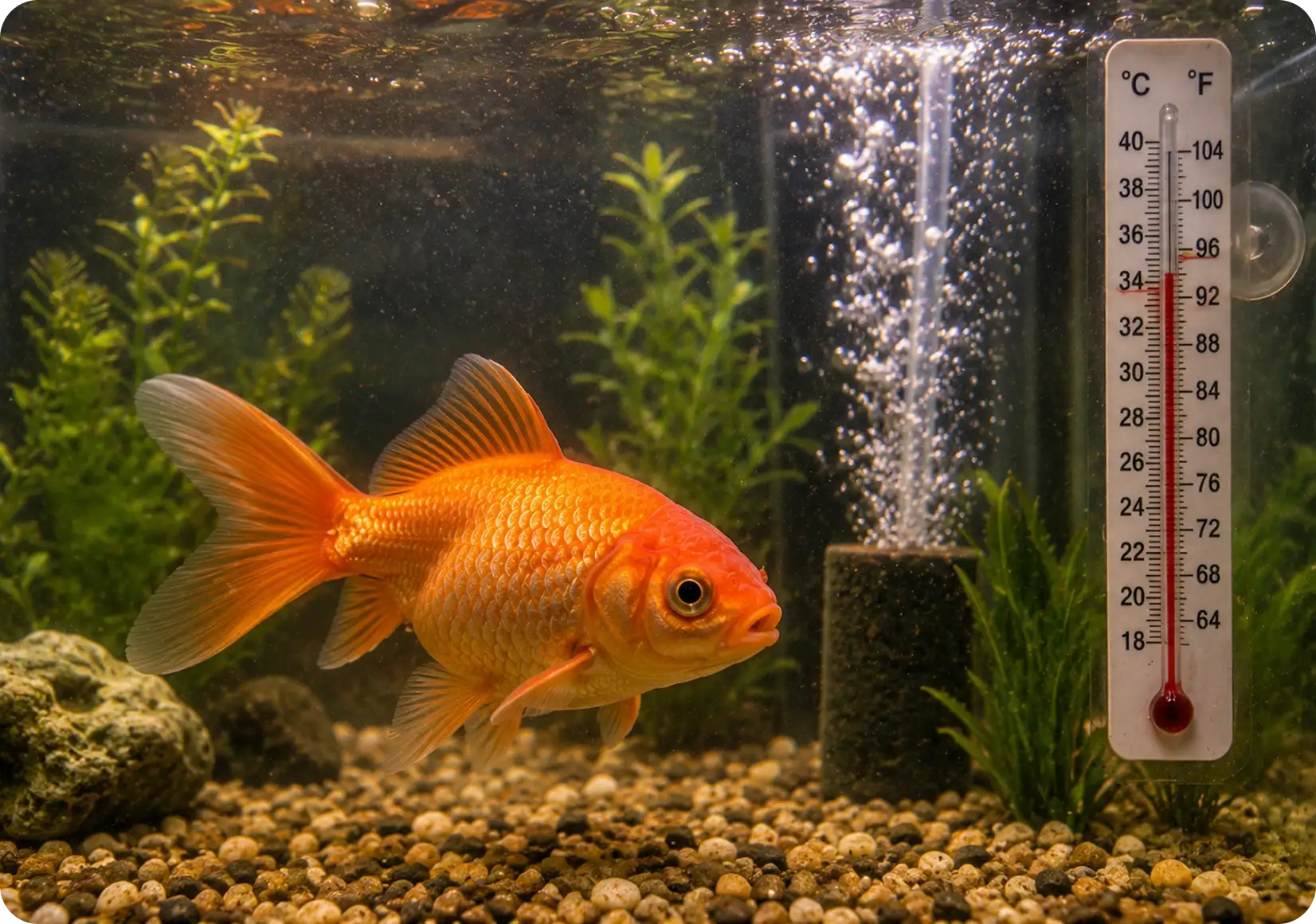
Monitor water parameters like ammonia, nitrite, nitrate, pH and temperature regularly to detect hazardous changes in water quality.

Clean Aquarium and Filter Responsibly
Eliminate accumulated organic debris while preserving beneficial nitrifying bacteria to maintain biological filtration and water quality.
Avoid Overstocking Your Aquarium
Don’t overcrowd your aquarium. Maintain appropriate stocking densities to reduce biological waste production and prevent ammonia accumulation.
Feed Controlled, Measured Portions
Avoid overfeeding the fish to minimise decomposing organic matter and reduce ammonia generation from uneaten food or metabolic waste.
Veterinary Help in Just a Few Simple Steps
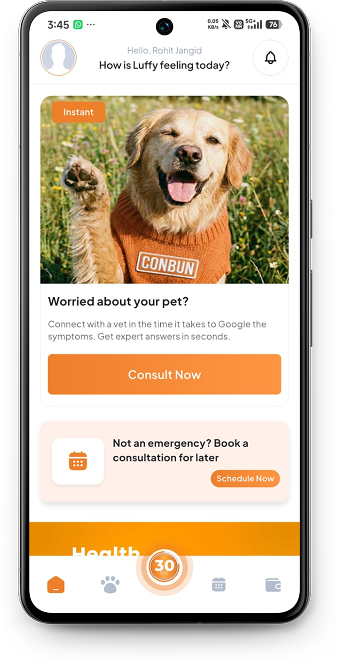
Install Conbun and create your pet’s profile so we can understand them better.
Describe symptoms, upload photos if needed, and get quick online pet health advice from verified vets.
Talk to a vet online in just 30 seconds or schedule an appointment for later.



Related Fish Issues
Allergies
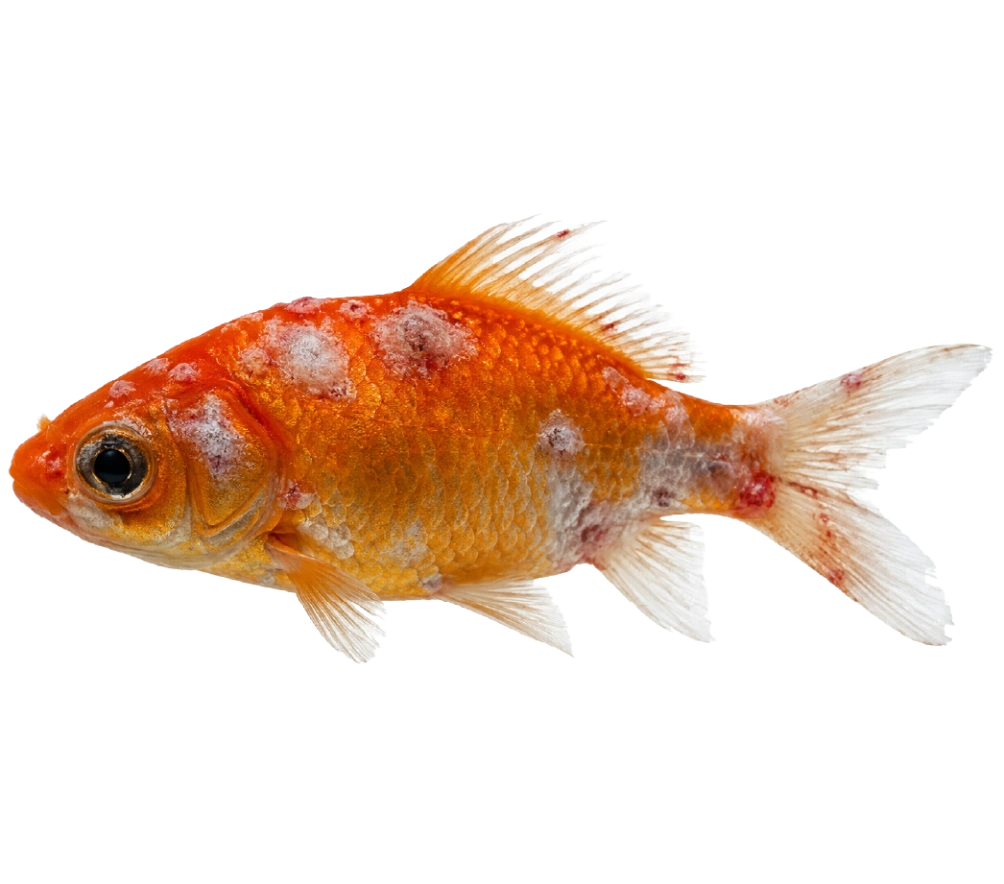
Ich / White Spot Disease
Swim Bladder Disorder (floating/sinking)
Not Eating / Loss of Appetite
Allergies
Ich / White Spot Disease
Frequently Asked Questions
Ammonia poisoning in a fish tank occurs when toxic ammonia accumulates in the aquarium due to factors like overstocking, inadequate biological filtration, overfeeding or decomposing organic matter. Common symptoms of ammonia poisoning in fish include red or inflamed gills, frequent surface gasping, anorexia and lethargy.
The speed depends on ammonia concentration, temperature, water pH, and the species of the fish. High levels of un-ionised ammonia (NH₃) can lead to gill damage within hours, and untreated exposure can quickly become fatal.
Yes. Fish can recover if ammonia levels are corrected quickly, and gill damage is not severe. Prompt vet-backed ammonia poisoning treatment, improving water quality and supportive veterinary care at the earliest improves the chances of recovery significantly.
Immediately test the water, consider changing the water partially, reduce feeding, remove decaying organic waste and ensure a properly working biological filter is in place. You can also use commercial ammonia detoxifiers.
If an immediate water change is not possible, use an ammonia-binding water conditioner, improve aeration, stop feeding temporarily, remove decomposing waste, and ensure adequate biological filtration. However, a partial water change remains the most effective method for reducing toxic ammonia.
Conbun allows you to connect with experienced aquatic veterinarians who can recognise fish ammonia poisoning symptoms, assess aquarium conditions and recommend the most appropriate treatment for ammonia poisoning in fish. With proper professional guidance, you can receive advice on ammonia toxicity treatment, supportive care, water quality correction and preventive measures to help your fish recover safely.
Instant Veterinary Support for Ammonia Poisoning in Your Fish
Ammonia toxicity in fish is a deadly and frequently occurring aquatic emergency caused by unusually high levels of ammonia in an aquarium. It is primarily a result of uncycled tanks and biological waste accumulation.
Ammonia poisoning in fish can quickly lead to gill damage, immunosuppression and nervous system failure. Every hour of exposure can cause irreversible gill damage, respiratory failure, and severe stress to vital organs.
If you see your fish gasping at the surface, has inflamed or bright red gills, is refusing food or is swimming erratically, waiting too long can significantly lower the chances of survival.
Don’t rely on guesswork when your fish is showing signs of ammonia toxicity. Connect with an experienced online fish doctor to assess the severity of the condition, identify the underlying causes and get an immediate life-saving treatment plan.
Conbun lets you speak with a qualified fish vet online from the comfort of your home and receive expert advice tailored specifically to your aquarium’s condition and your fish’s health status. As a trusted pet care app and comprehensive veterinary consultation app, Conbun provides you with fast and reliable access to veterinary professionals who can help you take the right action before it's too late.
Book your consultation now and give your fish the best possible chance of recovery.