Written by: Anand Sen; Reviewed by: Dr. Saroja Patil
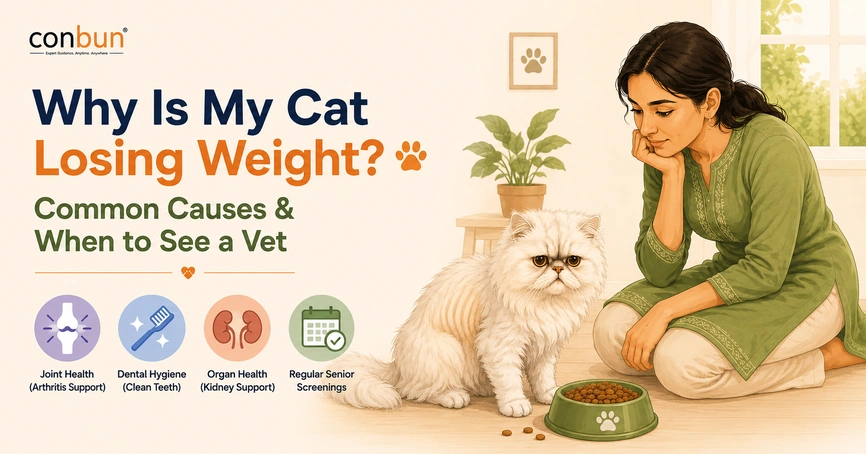
You pick up your cat one afternoon for the routine cuddle session, but something feels off. The cat feels lighter to you, and her spine is more noticeable. The ribs are easier to feel. She’s still eating right, so you shrug it off. A week passes, then another, but the weight keeps dropping.
This is one of the most common cat health concerns in India. The tricky part? A thick coat hides weight loss extremely well. By the time you can notice weight loss visually, the change may already be significant.
Weight loss in cats is not something you can guess. It may be because of something as simple as dietary changes, or it can be an early sign of kidney disease, hyperthyroidism or diabetes. This guide covers the most likely causes and how you can stop them early.
How Much Weight Loss Is Actually Concerning?
Any unintentional loss of more than 10% of your cat's body weight is considered clinically significant and should be investigated by a veterinarian.
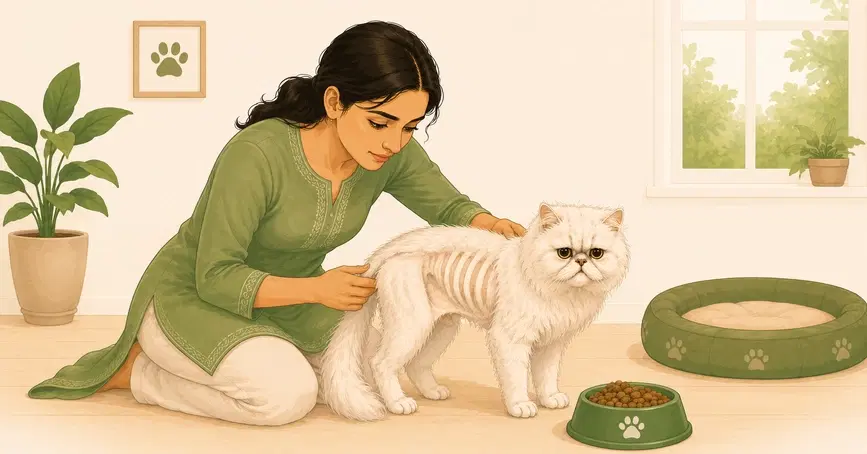
Cat owners generally underestimate how much weight loss is medically important. A 4 Kg cat only needs to lose 400 grams before veterinarians become concerned. Cats lose muscle before fat, particularly around the spine, shoulders and hindquarters.
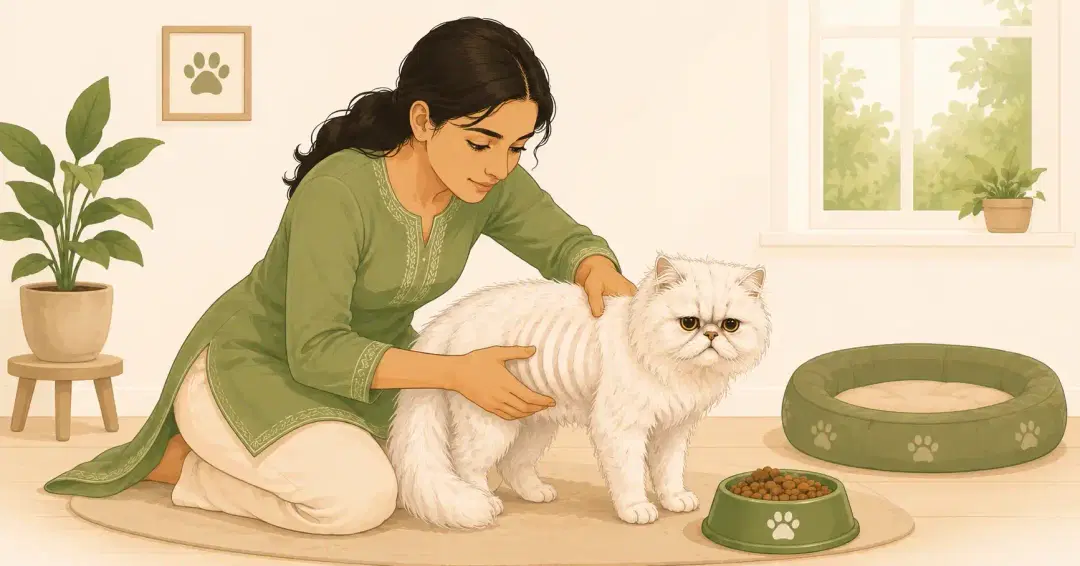
At home, monitor your cat’s body condition regularly. You should be able to feel the ribs without pressing hard, but visible protrusion is a warning sign. The spine should feel smooth rather than sharp. Weighing your cat monthly can help identify gradual changes before they become severe.
According to the World Small Animal Veterinary Association, routine body condition scoring can help detect many health conditions earlier through regular weight monitoring than through visual observation alone.
Common Reasons Your Cat Is Losing Weight
1. Your Cat Is Not Eating Enough (Even If You Think They Are)
One of the simplest explanations of weight loss in cats is that she is consuming fewer calories than expected. Cats are notoriously selective eaters. So even subtle changes in the environment can influence their appetite.
A cat may stop eating due to various factors like the arrival of a new pet, house guests, construction noise, moving the food bowl, changing food brands, or even altering feeding schedules. Many owners continue filling the bowl and assume the cat is eating normally when intake has actually decreased significantly.
Watch for:
Food left untouched
Hesitation around meal times
Reduced enthusiasm for treats
Lower energy levels
Coat changes
Low calorie intake is as dangerous as overfeeding in cats. Weight loss due to inadequate calorie intake develops gradually but should never be ignored, as prolonged poor intake can lead to additional health complications like nutritional deficiencies and immunodeficiency.
2. Hyperthyroidism (Overactive Thyroid)
Hyperthyroidism is one of the most common senior cat health problems. It occurs when the thyroid gland produces excessive amounts of thyroid hormone, dramatically increasing metabolic rate, leading to weight loss.
The classic sign of ageing in cats is that they seem hungrier than ever yet continue to lose weight. Owners often describe these cats as eating constantly while becoming thinner.
According to the Journal of Veterinary and Animal Sciences, common symptoms include weight loss despite increased appetite, hyperactivity, excessive vocalisation, increased thirst, vomiting, diarrhoea, and a poor-quality coat.
Diagnosis of hyperthyroidism is straightforward through blood testing, and treatment options include medication, prescription diets, surgery, or radioactive iodine therapy, which is an essential part of senior cat care.
3. Diabetes Mellitus
Diabetes in cats develops when the body cannot properly use glucose for energy. This results in fat and muscle breakdown despite adequate food intake.
Cats affected by this condition show weight loss combined with excessive drinking, increased appetite and increased urination. Some cats may develop weakness in the hind limbs and thus may walk with a lowered stance.
Research published in the Journal of Feline Medicine and Surgery identifies obesity as one of the strongest risk factors for feline diabetes. Indoor cats consuming high-calorie diets and getting limited exercise are particularly vulnerable.
Fortunately, many diabetic cats respond well to insulin therapy and dietary management, and some can even achieve remission when diagnosed early.
4. Chronic Kidney Disease (CKD)
Chronic kidney disease in cats is an irreversible, progressive loss of kidney function. It commonly affects older cats. According to an article published in the Journal “Life”, the prevalence of CKD increases with age, being estimated at 20–50% in cats over 10 years of age.
With the decline of Kidney function, toxins accumulate in the bloodstream, leading to appetite reduction, nausea, muscle wasting and weight loss.
Common symptoms of CKD in cats are:
Increased thirst
Frequent urination
Vomiting
Lethargy
Bad breath
Cats generally appear normal in the early stages, which makes routine screening extremely valuable. Urine analysis and blood tests detect kidney disease long before extreme symptoms develop.
5. Intestinal Parasites
Parasitic infections in pets can also lead to weight loss, particularly in kittens, rescue cats and outdoor cats.
Tapeworms, roundworms and hookworms compete directly for nutrients, preventing the cat from fully benefiting from the food it consumes. Cats affected with intestinal parasites appear thin despite maintaining a healthy appetite.
Additional signs include
Diarrhoea
soft stools
poor coat quality
Bloating
Visible worm segments around the tail or in the stool
The Companion Animal Parasite Council recommends routine deworming and regular faecal examinations, especially in young pets, because parasite infections are often difficult to detect without testing.
6. Dental Disease and Mouth Pain
Dental disease is one of the most underdiagnosed causes of weight loss in cats. Inflamed gums and painful teeth can make eating uncomfortable, leading to a reduced calorie intake and, in turn, weight loss.
For many owners, bad breath can be a normal part of cat ownership. However, chronic bad breath indicates infection or advanced dental disease.
Common signs include:
Drooling
Pawing at the mouth
Chewing on one side
Dropping food while eating
Reluctance to eat dry food
Visible tartar accumulation
According to the Cornell Vet Resources, between 50 and 90% of cats older than four years of age suffer from some form of dental disease. Dental diseases can significantly impact quality of life when left untreated.
7. Stress and Environmental Changes
Cats thrive on routine and predictability. Even minor disruptions may lead to appetite suppression, leading to measurable weight loss. Overfeeding treats is a common pet feeding mistake that owners make, which disrupts meal times, eating patterns and may curb appetite.
According to the Journal of Feline Medicine and Surgery, stress can also increase food neophobia, and therefore stress-induced anorexia is likely to be more pronounced when cats are given a new food in a stressful environment.
Stressors include:
Moving house
Introducing a new pet
Changes in work schedules
Home renovations
New family members
Conflict with other animals
Stress-related weight loss is often accompanied by hiding, decreased activity, overgrooming, aggression, or reduced interaction with family members.
While some cats adapt quickly, others may take weeks to recover. However, any cat that stops eating completely for more than 24–48 hours requires veterinary attention because prolonged fasting can lead to hepatic lipidosis, a potentially life-threatening liver condition.
8. Cancer
Cancer is more common in older cats, and weight loss is often the earliest warning sign.
Feline lymphoma is one of the most commonly diagnosed cancers, and it commonly affects the intestinal tract. It leads to gradual weight loss, vomiting, diarrhoea, and reduced appetite.
Weight loss alone does not automatically imply cancer. However, when routine testing fails to identify another cause, further diagnostics like biopsy and ultrasound become necessary.
Veterinary oncology literature has consistently demonstrated that earlier diagnosis can improve success and quality of life.
My Cat Is Losing Weight but Still Eating - What Does That Mean?
If your cat is eating normally but continuing to lose weight, the body is either burning excessive calories or failing to absorb nutrients properly.
This pattern is particularly concerning because many serious medical conditions initially present this way. Hyperthyroidism speeds up metabolism, diabetes prevents proper glucose utilisation, parasites steal nutrients, and gastrointestinal diseases interfere with absorption.
Inflammatory bowel disease (IBD) and exocrine pancreatic insufficiency are less common but important possibilities. In these cases, the cat may appear hungry and eat enthusiastically while continuing to lose weight because nutrients are not being absorbed effectively.
A veterinary evaluation is essential whenever weight loss occurs despite normal food intake.
Weight Loss in Senior Cats: What's Different
Senior cats deserve special attention because age-related diseases become much more common after seven years of age.
While some gradual muscle loss occurs naturally with ageing, significant or rapid weight loss should never be dismissed as "just getting older." Conditions like hyperthyroidism, chronic kidney disease, diabetes, arthritis-related pain, and cancer become increasingly likely in senior cats.
Age Group | Common Cause of Weight Loss | Action |
Under 1 year (kitten) | Parasites, poor nutrition, and infection | Deworm, vet check |
1–7 years (adult) | Stress, dental issues, parasites | Rule out diet/stress first, then vet |
7–10 years (mature) | CKD, dental disease, diabetes | Blood work recommended |
10+ years (senior) | Hyperthyroidism, CKD, cancer, CDS | Immediate Vet visit |
Veterinarians strongly recommend annual wellness blood screening for healthy adult and senior cats, with more frequent monitoring for cats over ten years of age. These tests can identify disease months before obvious symptoms appear. Early detection can dramatically improve treatment options and quality of life.
When Should You See a Vet?
Seek veterinary attention immediately if your cat:
Has lost weight rapidly over days or weeks
Stops eating for more than 24–48 hours
Has persistent diarrhoea
Becomes unusually lethargic
Drinks significantly more water
Shows visible muscle wasting
Develops abdominal swelling
Consulting a veterinarian online can be useful for mild, gradual weight loss or discussing test results, but significant or unexplained weight loss always warrants professional assessment.
What Will the Vet Do?
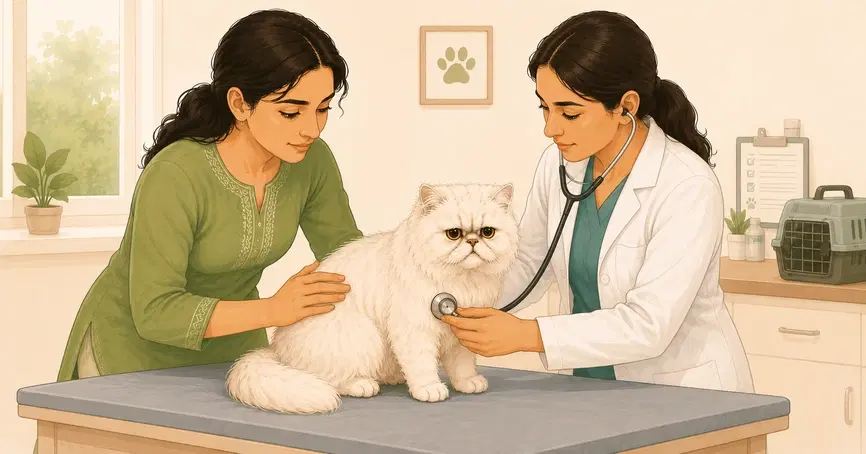
A veterinarian generally begins with a detailed history and physical examination. This includes evaluation of body condition, checking the teeth, examining the abdomen, reviewing diet history and discussing behavioural changes.
Diagnostic testing often includes:
Complete blood count (CBC)
Blood chemistry profile
Thyroid hormone testing
Urinalysis
Faecal examination
Diagnostics like radiography and ultrasound may be recommended if initial testing does not identify the cause.
In most cases, feline weight loss is diagnosed efficiently with a structured diagnostic approach.
Can Diet Alone Fix Cat Weight Loss?
Diets can only help when the underlying cause is understood.
A cat losing weight because of kidney disease needs a different nutritional plan than a cat with diabetes or hyperthyroidism. Simply feeding more food without identifying the reason delays treatment and worsens the disease. While it may be found in younger cats, it is especially a sign of aging in cats.
Once a diagnosis is established, nutritional therapy often becomes an important part of treatment. Prescription kidney diets, diabetic diets, gastrointestinal diets, and calorie-dense senior cat care formulas all play valuable roles in managing specific conditions. Mental enrichment tools like automatic cat feeders can also improve appetite and calorie intake.
Conclusion: Key Takeaways
Weight loss in cats should never be considered normal unless it is intentional and closely monitored. While causes may range from stress and dietary issues to parasites, diabetes, kidney disease, hyperthyroidism, or cancer, the common thread is that early investigation leads to better outcomes.
Cats are experts at hiding illness, which means weight loss is often one of the first visible signs that something is wrong. If your cat is becoming thinner, whether eating normally or not, a veterinary assessment is the safest next step. If visiting a clinic is not possible, consult a veterinarian online at any moment with Conbun to get a diagnosis, get guidance and personalised diet & nutrition tips so that your feline friend can return to its normal weight.
Most Frequently Asked Questions
Q.1: My cat is losing weight but acting normal - should I still worry?
Answer) Yes. Cats are stoic in nature and are very good at masking illness. Acting normal does not mean everything is fine internally. Early kidney disease and hyperthyroidism both can lead to weight loss before behavioural changes appear. Seek veterinary attention.
Q.2: Why is my old cat losing weight but still eating a lot?
Answer) Hyperthyroidism is most likely the cause. It is common in cats over 10 years old. In this condition, the thyroid gland becomes overactive, speeding up the metabolism. This condition is easily diagnosed and is highly treatable.
Q.4: Can stress cause my cat to lose weight?
Answer) Yes. Stress can suppress appetite in cats and may even result in food refusal. Over several weeks, this leads to visible weight loss. Common triggers include new people, construction noise, changes in routine and conflict with other pets.
Q.5: My kitten is losing weight despite eating - what's wrong?
Answer) Intestinal parasites are common causes that lead to weight loss in kittens despite eating. Deworming is the first step. If weight loss continues after deworming, visit a vet to rule out infection or congenital issues.
Q.6: How do I know if my cat's weight loss is serious?
Answer) If your cat has lost more than 10% of their body weight in a short time, or if any of these are present: vomiting, diarrhoea, excessive thirst, lethargy, or reduced appetite, it is serious and needs prompt attention.
References
Ajitkumar, G., & Praseeda, R. (2020). Hyperthyroidism in cats. J. Vet. Anim. Sci, 51(2). https://www.jvas.in/media/articles/pdf/101-107.pdf
Amat, M., Camps, T., & Manteca, X. (2016). Stress in owned cats: behavioural changes and welfare implications. Journal of feline medicine and surgery, 18(8), 577-586. https://journals.sagepub.com/doi/pdf/10.1177/1098612x15590867
Christie, K. M., Barnhard, J. A., Otto, C. M., Mallikarjun, A., Wilson, C., Levine, D., ... & Brunke, M. W. (2024). Interobserver variability of assessing body condition scores and muscle condition scores in a population of 43 active working explosive detection dogs. Frontiers in Veterinary Science, 11, 1431855. https://www.frontiersin.org/journals/veterinary-science/articles/10.3389/fvets.2024.1431855/pdf
Grecu, M., Capotă, R., Horhogea, C., Rîmbu, C., Năstasă, V., & Tănase, O. (2025). Epidemiology of Chronic Kidney Disease (CKD) in Cats: An Analysis of the Factors Involved. Life, 15(12), 1856. https://www.mdpi.com/2075-1729/15/12/1856
Saavedra, C., Pérez, C., Oyarzún, C., & Torres-Arévalo, Á. (2024). Overweight and obesity in domestic cats: epidemiological risk factors and associated pathologies. Journal of Feline Medicine and Surgery, 26(11), 1098612X241285519. https://pmc.ncbi.nlm.nih.gov/articles/PMC11577473/