
Written by: Anand Sen; Reviewed by: Dr. Saroja Patil
It’s 10 PM. Your dog has started scratching again. The same spot and the same frantic rhythm. You’ve already checked for fleas twice but see nothing. It's your third time, but the dog is now biting his paws and shaking his head like something’s wrong.
If you are a pet parent, this may sound familiar. Dog itching is one of the most common reasons Indian pet owners consult a vet. Whether you have a Labrador in Chennai, a Shih Tzu in Delhi, or a Beagle in Pune, skin problems are everywhere, and most of them are not caused by fleas.
According to the World Small Animal Veterinary Association, allergies, infections, parasites, hormonal disorders, and environmental factors are among the leading causes of chronic itching in dogs.
Understanding why your dog is itching is the first step toward lasting relief. The good news is that most causes can be diagnosed and managed successfully when identified early.
In the following article, you’ll learn the real reasons why your dog is itching constantly, what you can try at home and when you need to see a vet.
Why Is My Dog Itching So Much?
Dogs itch excessively due to allergies (food or environmental), dry skin, mites, skin infections, contact irritants, or even hormonal issues. Fleas are just one possible cause. If you see your dog scratching constantly, shaking his ears, licking his paws, and biting himself without any visible fleas, the root cause is most likely an allergy or skin condition.
Veterinary dermatology studies published in the Veterinary Clinics of North America: Small Animal Practice consistently identify allergies as the most common cause of chronic itching in dogs. However, parasitic infections in pets, mites and environmental irritants frequently contribute to the problem as well.
The 7 Most Common Causes of Excessive Itching in Dogs
1. Allergies (The #1 Cause in India)
Allergies are the #1 cause of chronic itching in dogs. According to the College of Veterinary Medicine, allergies are the most common chronic skin conditions seen in veterinary Dermatology.
Dog food allergies often develop gradually and are triggered by specific proteins like chicken, dairy, beef, soy, or wheat. Food-related allergies lead to itchy paws, recurring ear infections, belly redness, and skin irritation.
Canine Atopic Dermatitis is a common skin issue in dogs caused by environmental allergens such as:
- Dust mites
- Pollen
- Mold spores
- Grasses
These allergies may occur seasonally or be present year-round, depending on climate and exposure.
While contact allergies are less common, they are still important. Detergents, floor cleaners, synthetic fabrics, shampoos, and grooming products may all trigger localised itching at the site of contact with the irritant.
2. Skin Infections (Bacterial or Fungal)
Itching leads to scratching, and chronic itching can damage the skin barrier. Once the skin is inflamed, bacteria and yeast multiply rapidly.
Bacterial infections or Pyoderma usually produce red, inflamed, crusty areas that develop pustules or discharge. Yeast infections are highly common in India’s humid climate and often affect the skin folds, groin, paws and skin folds. Dogs with yeast infections develop a strong odour, greasy skin and darkened patches.
Research published in The Veterinary Journal shows that secondary bacterial and yeast infections commonly worsen allergic skin disease and significantly increase itching.
3. Dry or Flaky Skin (Especially in Winter)
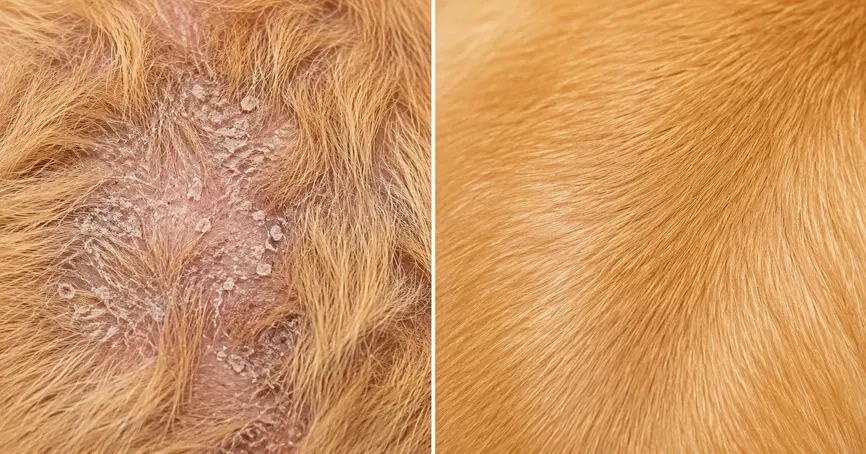
Not all types of itching are caused by an infection or allergy. Dry skin can also trigger discomfort.
Dogs that live in air-conditioned homes or regions with low humidity often develop dry, flaky skin. Harsh shampoos, nutritional deficiencies and frequent bathing may worsen this problem.
Common signs include:
- Visible dandruff
- Mild itching along the back and sides
- Dull coat quality
- Dry paw pads
According to WSAVA nutrition recommendations, deficiencies in essential fatty acids can negatively affect skin barrier function and coat health. Therefore, it is essential to ensure you are giving your dog the vitamins and minerals they need.
Omega-3 supplementation, moisturising veterinary shampoos, and proper hydration often help improve skin condition over time.
4. Ear Infections (Itchy Ears in Dogs)
Dogs with ear infections frequently
- Shake their heads
- Scratch around the ears
- Rub their faces on furniture and
- Appear restless.
Ear infections are a common health problem in Labradors. Other breeds with floppy ears like Beagles, Cocker Spaniels, and Poodles are particularly susceptible because warm, moist ear canals encourage microbial growth.
Warning signs include:
- Redness
- Dark discharge
- Unpleasant odour
- Swelling
- Sensitivity when the ear is touched
The Merck Veterinary Manual notes that untreated ear infections can become chronic and may eventually damage deeper ear structures.
If your dog’s ear smells strongly or appears painful, veterinary treatment should not be delayed.
5. Parasites Other Than Fleas
Owners generally stop searching once they fail to find fleas. Unfortunately, there are other parasites that can cause severe itching.
Sarcoptic mange is a common dog skin disease in India that produces intense itching, especially around the ears, elbows, chest, and abdomen. Demodectic mange can lead to skin inflammation and patchy hair loss. Cheyletiella mites produce visible flakes sometimes called “walking dandruff”.
Ticks can also trigger inflammation and local irritation, particularly around the head, neck and paws.
6. Food or Diet Issues
Dog health & nutrition are deeply intertwined. Thus, diet influences skin health significantly. Some dogs may develop adverse food reactions that manifest primarily as itching rather than digestive upset. Others react to sudden food changes or poorly balanced diets.
Food-related itching commonly affects the paws, belly, face and ears. Recurring ear infections combined with itching often raise suspicion of food sensitivity.
Veterinary dermatology literature generally recommends elimination diet trials lasting 8-12 weeks, as blood tests for food allergies are unreliable compared to dietary testing.
The goal is to identify the triggering ingredient and establish a long-term feeding plan that supports skin health.
7. Hormonal Conditions
Although they are less common than allergies or infections, hormonal disorders can lead to chronic itching.
Hypothyroidism in dogs can lead to hair thinning, recurrent infections and poor coat quality. Cushing’s disease may also produce fragile skin, hair loss and increased susceptibility to itching.
According to veterinary endocrinology literature, hormonal disorders often develop gradually and may initially resemble simple skin disease. Blood testing is usually necessary to confirm the diagnosis.
Common Patterns: Where Is Your Dog Itching?
|
Itchy Location |
Likely Cause |
|
Paws (licking) |
Food allergy, contact allergy, yeast |
|
Ears |
Allergy, mites, ear infection, |
|
Belly |
Heat rash, mange, contact allergy, |
|
Base of tail |
Anal glands, flea allergy, |
|
All over |
Environmental allergy, mange, systemic issue |
|
Face/snout |
Contact irritant, food allergy, |
|
Same one spot |
Hotspot, infection, anxiety |
Dog Itching But No Fleas: What's Actually Happening
This is one of the most common questions dog owners ask whose dogs are constantly itching.
The absence of fleas does not eliminate medical causes of itching. In fact, allergies are statistically far more common than flea infestations in many chronic cases.
Environmental allergies, food allergies, bacterial infections, yeast infections, mites, and dry skin all remain possibilities when no fleas are present.
Avoid common mistakes like:
- Bathing excessively
- Using human anti-itch creams, or
- Administering over-the-counter medications without veterinary guidance
These approaches may worsen the underlying condition.
What You Can Safely Try at Home
Various supportive measures offer temporary relief while you identify the cause.
Oatmeal-based dog shampoos can soothe irritated skin and are generally safe for regular use. Small amounts of topical coconut oil may help dry skin but should not be applied to infected areas. Diluted apple cider vinegar rinses sometimes help mild yeast overgrowth on paws, provided the skin is not broken.
Omega-3 fatty acid supplementation from fish oil may reduce inflammation and improve skin barrier health over time. Identifying and removing potential contact irritants such as floor cleaners, detergents, or scented products can also be beneficial.
However, owners should view these measures as supportive care rather than definitive treatment.

When Home Remedies Won't Work
Home care has limitations. It works only for mild itching and irritation.
Veterinary attention is necessary when itching is severe, persistent, or accompanied by skin damage. Open sores, bleeding, hair loss, discharge, strong odours, and significant discomfort all indicate a need for professional treatment.
Consult a vet online for dietary guidance, mild itching, and to determine whether an in-clinic examination is required. You can consult a veterinarian on Conbun to get itching medication, treatment advice and personalised diet charts for your dog.
Puppy Itching: What's Different
Puppies often experience mild scratching as they explore their environment and adapt to new homes. However, excessive itching is never normal.
Parasites, food sensitivities, poor nutrition, inappropriate shampoos, and skin infections are common causes. Puppies also have more delicate skin and can deteriorate faster than adult dogs.
Any puppy developing redness, hair loss, crusting, or persistent scratching should be evaluated promptly because early intervention often prevents more serious problems later.
Breed-Specific Itching Problems
Certain breeds are genetically predisposed to skin disease.
- Labradors and Golden Retrievers frequently develop food allergies and hotspots.
- Shih Tzus commonly experience yeast infections within skin folds.
- Beagles are prone to environmental allergies.
- Pugs and French Bulldogs often suffer from skin fold dermatitis and ear problems.German Shepherds frequently develop chronic allergic skin disease and recurrent infections.
Breed tendencies do not guarantee that a disease will occur. But they do influence risk and help in guiding diagnosis.
Itching Treatment: What Vets Actually Prescribe
Treatment depends entirely on the underlying diagnosis.
|
Condition |
Treatment |
|
Bacterial infection |
Antibiotics (oral or topical) |
|
Yeast infection |
Antifungal medication |
|
Allergies |
Antihistamines, steroids (short-term), Apoquel, Cytopoint |
|
Ear infection |
Ear drops + cleaning protocol |
|
Mites / mange |
Antiparasitic medication (NexGard, Bravecto, or injections) |
|
Dry skin |
Omega-3 supplements, special shampoo |
|
Food allergy |
Hydrolyzed or novel protein diet |
Food allergies require strict dietary management rather than medication alone. The most important principle is simple: treatment should target the cause, not just the itch.
Conclusion
If you see your dog constantly scratching, chewing his paws, rubbing his face, or shaking his ears, there is usually an underlying medical reason. Allergies, infections, parasites, dietary sensitivities, and hormonal disorders are all common causes of itching. The location of the itching, the condition of the skin, and associated signs like hair loss, odour, or ear discharge often provide valuable clues.
While supportive home care helps in treating mild cases, persistent itching should not be ignored. Early diagnosis not only relieves discomfort faster but also prevents skin damage. The sooner an underlying cause is identified, the sooner your dog will stop itching.
If your dog is constantly itching, consider booking a veterinary appointment on Conbun to get instant diagnosis, medication, treatment guidance and tailored nutrition plans.
FAQs ( People Also Asked )
Q.1: My dog is scratching and has red skin - what is it?
Answer) Red, itchy skin is a sign of inflammation. It could be an infection, contact allergy or severe environmental allergy. If the skin feels warm and bumpy, seek veterinary attention immediately.
Q.2: My dog itches more at night - is that normal?
Answer) Dust mite allergies generally worsen at night because bedding concentrates dust mites. Washing your dog’s bed weekly with water can relieve itching.
Q.3: My puppy keeps scratching and biting himself - is it normal?
Answer) Mild scratching is normal in puppies. But constant biting, bloody spots and hair loss are not. Rule out food reactions and mites first.
Q.4: Can I give my dog Benadryl for itching?
Answer) Benadryl (Diphenhydramine) provides short-term relief for mild allergic reactions in dogs. However, dosing is crucial. Consult a vet before giving any antihistamine, as the wrong dose can harm your dog.
Q.5: What stops dog itching immediately?
Answer) An oatmeal bath may soothe surface itching. For faster relief in severe cases, a veterinarian may prescribe a short steroid injection or Cytopoint, which targets the itch signal directly.
Q.6: My dog is itchy and smelly - what's going on?
Answer) A smelly and itchy dog always means a yeast or bacterial skin infection. This needs prescription treatment, not just a bath.
References
College of Veterinary Medicine. (2019). Got an Itch? College of Veterinary Medicine https://vetmed.illinois.edu/pet-health-columns/allergies-cats-dogs/
Hoff, S. (2025). Otitis Media and Interna in Animals. https://www.msdvetmanual.com/ear-disorders/otitis-media-and-interna/otitis-media-and-interna-in-animals
Marsella, R. (2012). An update on the treatment of canine atopic dermatitis. Veterinary Medicine: Research and Reports, 85-9. https://www.tandfonline.com/doi/pdf/10.2147/VMRR.S28488
Tiffany, S., Parr, J. M., Templeman, J., Shoveller, A. K., Manjos, R., Yu, A., & Verbrugghe, A. (2019). Assessment of dog owners’ knowledge relating to the diagnosis and treatment of canine food allergies. The Canadian Veterinary Journal, 60(3), 268. https://pmc.ncbi.nlm.nih.gov/articles/PMC6380261/pdf/cvj_03_268.pdf
Villaverde, C. (2016). Dermatology and diet. https://www.vin.com/apputil/content/defaultadv1.aspx?pId=19840&catId=105896&id=8249906