
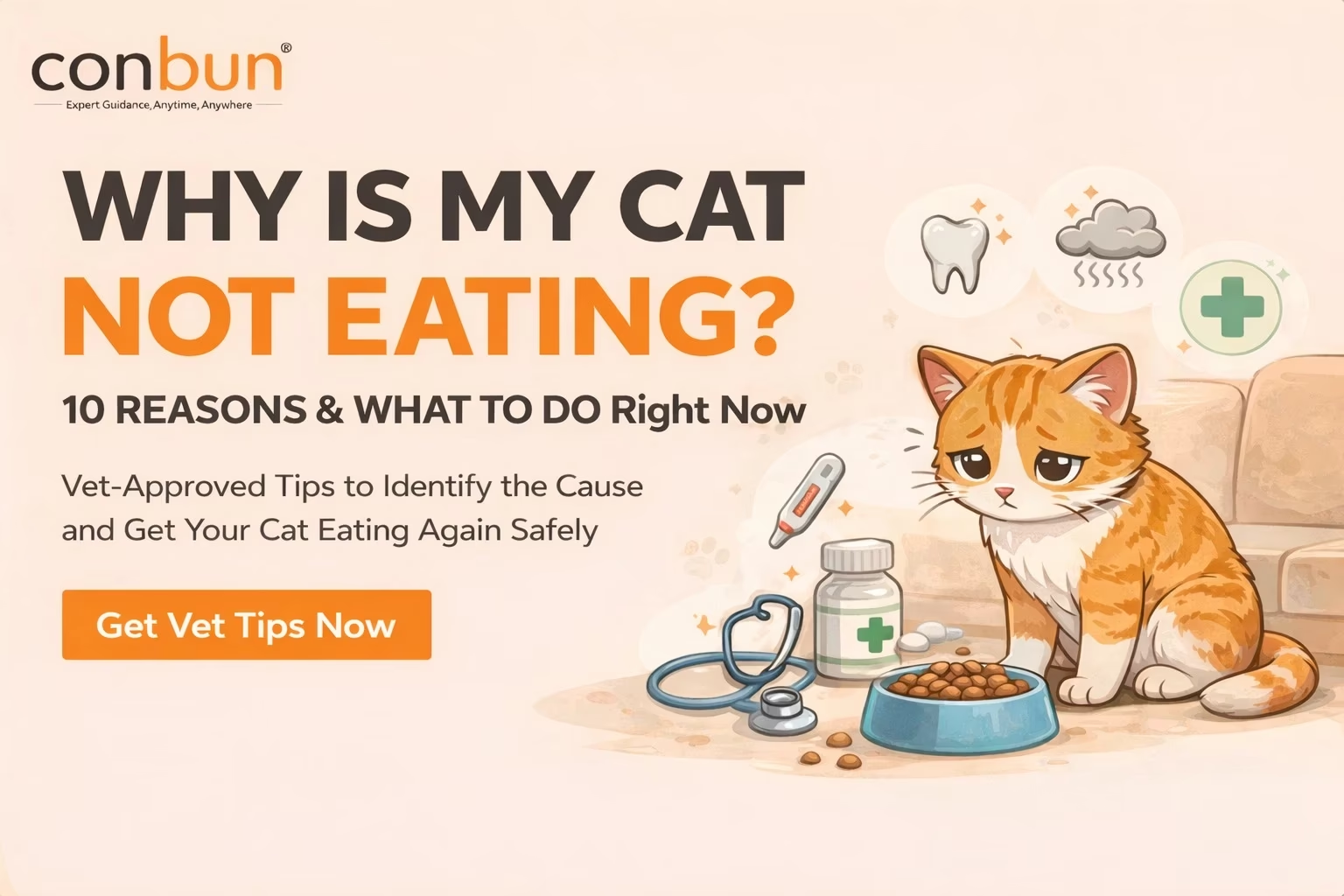
Why Is My Cat Not Eating? 10 Reasons & What To Do Right Now (Vet Tips)
Written by: Anand Sen; Reviewed by: Dr.Tejasvi Meshram
Your cat, who is usually a vacuum cleaner when it comes to food, suddenly ignores the bowl. No meowing, no excitement. Just silence. If you’re googling “cat not eating food” or “cat refusing food suddenly,” you’re right to be concerned.
Anorexia in cats is often a sign of illness, stress, or digestive issues. If your cat hasn’t eaten for over 24 hours, it requires immediate attention to prevent serious conditions like fatty liver disease.
In this guide, you’ll learn the real causes of appetite loss, warning signs to watch for, and exactly what to do step by step, to get your cat eating again safely.

What does it mean if your cat is not eating?
A cat not eating signals illness, stress, or digestive issues. If it lasts more than 24 hours, it needs immediate veterinary attention to prevent serious risks.
What’s Actually Happening
According to the Journal of Feline Medicine and Surgery, in cats, appetite regulation involves the interaction of external stimuli with signals from the gastrointestinal tract and central nervous system.
Anorexia is generally one of the most common signs that your cat is in pain or discomfort of some kind. A cat skipping meals could be due to one of the following causes.
Medical causes
Infection
Dental disease in cats
Kidney disease symptoms in cats
Upper respiratory infection in cats, like Feline Herpesvirus or Calicivirus
Behavioural causes
Stress and anxiety leading to destructive behaviours, cat biting & hissing
Environmental changes
Diet-related causes
Recent diet transition
Poor cat food palatability
Important Clarification
Owners, generally new pet parents, often think that their cat is just a picky eater, but in reality, it is unwell.
Clinical Insight
If your cat:
is not eating
but drinking water
It may indicate nausea, early illness, or internal discomfort

How long can a cat go without eating?
Cats should not go without food for more than 24 to 48 hours, as prolonged fasting can lead to liver damage and severe complications.
The 24-Hour Rule
0–24 hours: Monitor closely
24–48 hours: High risk begins
48+ hours: Emergency
Why Cats Are Different
Unlike humans or dogs, Cats’ metabolism shifts rapidly into fat breakdown
This leads to: Feline hepatic lipidosis, a severe, life-threatening, fatal liver condition triggered by prolonged anorexia, especially in overweight cats.
Vet Insight
Most serious liver cases in cats emerge just within 2–3 days of not eating.
What are the 10 reasons cats stop eating?
A Cat may stop eating due to underlying health issues like dental pain, kidney disease, stress, food changes, heat, infections, or internal issues that require early identification.
Common Causes
Illness or infection
Dental disease in cats
Heat stress (common in Indian summers)
Cat stress and anxiety
New food transition for cats
Cat digestive issues
Parasites
Cat not eating after vaccination
Ageing-related decline
Internal blockage
India-Specific Insight
In Indian cities like Delhi or Mumbai, heat, humidity, noise and environmental stress are major appetite disruptors.
Is it normal for cats to eat less in summer?
Cats may eat less in hot weather, but complete food refusal is not normal and may indicate dehydration or heat-related illness.
What’s Normal
Slight reduction in appetite
Preference for cooler feeding times
What’s NOT Normal
Skipping meals completely
Not eating for 24 hours
Summer cat care tip:
Heat can mask cat dehydration signs. If your cat refuses to drink water in summer or stops eating, switching to a wet food diet could help as it fulfils hydration needs while also making the food more palatable.
What are the warning signs of serious appetite loss?
Signs include lethargy, vomiting, dehydration, weight loss, and no food intake for over 24 hours, requiring urgent veterinary care.
Red Flag Symptoms
Lethargy
Vomiting
Sunken eyes
Weight loss
Weakness
Immediate Concern
A combination of cat vomiting repeatedly and not eating is a high-risk condition. Immediate veterinary consultation is advised in such a situation.

What should you do immediately if your cat is not eating?
Offer fresh food, ensure hydration, reduce stress, and monitor closely. If your cat does not eat for 24 hours, contact a vet immediately.
Step-by-Step Action Plan
Offer wet or warm food (improves smell & palatability)
Provide clean, fresh water
Keep the feeding area quiet and stress-free
Avoid force feeding
Observe behaviour changes
Vet insight
According to an article published in the Journal of Feline Medicine and Surgery, pushing food on a cat who clearly does not want it may risk inducing a learned food aversion, which is a psychological conditioning where cats start associating a specific food item with sickness, nausea, or an unpleasant experience, which leads to long-term avoidance.
Pro Tip
Strong-smelling food can stimulate your cat’s appetite again. In addition, there is also limited veterinary evidence that supports catnip’s use as an appetite stimulant.
When to Escalate
If your cat:
is not eating for 24 hours
shows additional symptoms
Seek a cat health consultation online immediately
How can you stimulate your cat’s appetite?
Use wet food, warm meals, strong-smelling foods, and a calm environment to encourage eating and improve appetite.
Practical Ways to Encourage Eating
Warm the food slightly (enhances smell)
Try boiled chicken or fish broth
Hand-feed gently (do not force)
Reduce noise and stress around feeding
Why This Works
Cats rely heavily on smell.
If they can’t smell food, they won’t eat
This is common in:
upper respiratory infection in cats
stress-related appetite loss
When Basic Methods Fail
If your cat still refuses food:
You may need an appetite stimulant for cats (only under vet advice)
Best next step: talk to a pet doctor online for personalised guidance
When should you take your cat to the vet?
Visit a vet if your cat has not eaten for 24 hours or shows vomiting,
weakness, or dehydration, as delays increase health risks.
If you’re wondering when to take your pet to the vet, these are the following signs:
No food intake for 24 hours
Cat vomiting and not eating
Weakness or lethargy
Signs of dehydration
Rapid weight loss
Why Timing Matters
Delay leads to:
liver complications
worsening illness
Smart Approach
Instead of waiting, use online vet consultation on Conbun to:
Get instant advice
Understand urgency
Avoid unnecessary delays
What foods help a cat start eating again?
Wet food, boiled chicken, fish broth, and soft meals help stimulate appetite and support recovery in cats refusing food.
Best Recovery Foods
Wet cat food (high palatability)
Boiled chicken (no salt/spices)
Tuna water (occasionally)
Fish broth
Prescription recovery diets
Feeding Strategy
Small, frequent meals
Offer fresh portions
Avoid forcing large meals
Important Note
Food must be:
Easy to smell
Easy to digest
What mistakes should you avoid?
Avoid force feeding, delaying treatment, frequent food changes, or ignoring symptoms, as these can worsen your cat’s condition.
Common Mistakes
Force feeding (causes stress and aspiration risk)
Waiting “a few more days”
Changing food repeatedly
Ignoring early signs
Assuming it’s just “picky eating”
Better Alternative
Use a veterinary doctor app for early consultation instead of guessing
Conclusion
A cat not eating is never a small issue. It is a warning sign and sometimes, the only early sign of disease.
Act early. Monitor closely and do not wait if symptoms persist. Because in feline health, 24 hours can change everything.
If you’re unsure:
Talk to a pet doctor online
Use online vet consultation on Conbun
Get clarity through a trusted veterinary doctor app
Early action saves complications, and often, lives.
FAQs (People Also Asked)
Q1: Can a cat go a day without eating?
Answer. Yes, but if a cat has not been eating for more than 24 hours, seek immediate veterinary attention.
Q2: Should I force-feed my cat?
Answer. No. Force feeding may lead to the development of learned food aversion. Always consult a vet first.
Q3: Why is my cat drinking but not eating?
Answer. A cat not eating but drinking often indicates nausea, illness, or internal discomfort.
Table of Content
- Beginner Puppy Guide
- Beginner Puppy Guide

Anand Sen
Related Articles

Why do dogs roll in the grass? Is this Normal?
Dogs roll in grass to enjoy scents, scratch irritation, cool down, or express happiness. Usually normal unless excessive or uncomfortable.
Read More ↗Why do dogs roll in the grass? Is this Normal?
Dogs roll in grass to enjoy scents, scratch irritation, cool down, or express happiness. Usually normal unless excessive or uncomfortable.
Read More ↗Why do dogs roll in the grass? Is this Normal?
Dogs roll in grass to enjoy scents, scratch irritation, cool down, or express happiness. Usually normal unless excessive or uncomfortable.
Read More ↗Why do dogs roll in the grass? Is this Normal?
Dogs roll in grass to enjoy scents, scratch irritation, cool down, or express happiness. Usually normal unless excessive or uncomfortable.
Read More ↗Why do dogs roll in the grass? Is this Normal?
Dogs roll in grass to enjoy scents, scratch irritation, cool down, or express happiness. Usually normal unless excessive or uncomfortable.
Read More ↗