Written by: Anand Sen; Reviewed by: Dr. Saroja Patil B.V.Sc & A.H, M.V.Sc
Dogs need extra attention and care during the winter months to stay warm, comfortable and healthy. Puppies, senior dogs, and short-haired breeds are more vulnerable to the cold, as cold weather can affect their health in many ways, including skin health, immunity, joint comfort and behaviour.
Keeping dogs safe and warm in cold weather means adjusting outdoor time, protecting their paws, and providing proper indoor or outdoor shelter. In this article, we’ll discuss in detail how you can care for your dogs in the cold weather.
How Cold is Too Cold for Dogs
Temperatures below 45°F (7°C) can lead to significant discomfort in small, thin-coated dogs, puppies, senior dogs, and sick dogs. Temperatures under 32°F (0°C) can cause cold-related health problems in most dogs and any temperature under 20°F (-7°C) is critically dangerous for all dogs posing severe risks of hypothermia and frostbite for all dogs.
Low temperatures can slow down blood circulation in dogs. It shifts the blood flow away from their extremities to protect their core, which leads to rapid heat loss, tissue damage and joint stiffness. In addition, cold weather can also worsen existing conditions like arthritis, respiratory issues and skin infections in dogs.
According to a 2024 article published in the World Veterinary Journal, cold or thermal stress can weaken the immune system and may lead to a loss of resistance to infections and other diseases.
Hypothermia is a common yet dangerous cold weather risk where a dog’s body temperature drops to dangerously low levels, shown by intense shivering, lethargy or weakness.
Therefore, it becomes important for pet owners to take steps for their dog’s cold weather safety to ensure their health and well-being.
Cold weather tips to keep your dog warm and comfortable in winter:
Provide a warm, dry sleeping area away from cold drafts, floors and direct heater vents that dry out skin.
Provide extra blankets or a thermal pad.
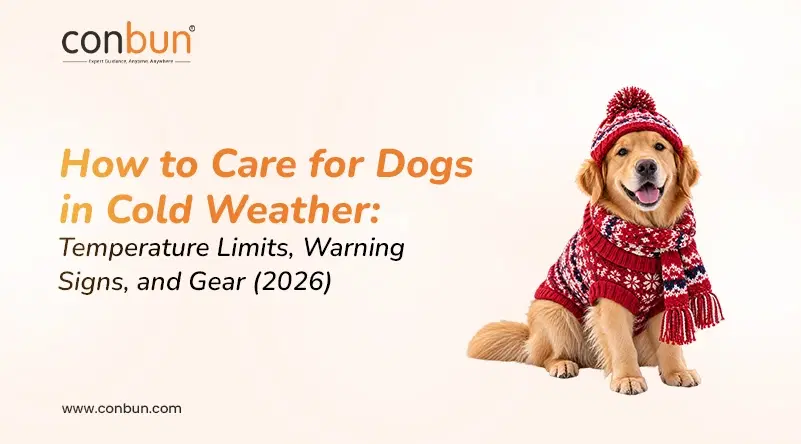
Use a well-fitting sweater or jacket for small, short-haired, senior, or cold-sensitive dogs.
Avoid leaving dogs outdoors for prolonged periods in cold weather.
Keep bedding clean and dry.
Avoid shaving the coat too short during winter.
Use dog boots or protective balms to protect your dog’s sensitive paw pads from sharp ice, snow clumps and toxic de-icing salts.
Feed more food, especially to active dogs, to support their energy needs
Practice portion control for sedentary dogs to prevent winter weight gain.
Use winter-safe shampoos to prevent dry, flaky skin
Read our complete dog winter grooming guide to understand best grooming practices for your dog during the colder months.
How to tell if your dog is too cold
You can tell if your dog is too cold by observing their physical behaviours. Common signs include:
Persistent shivering or trembling
Curling into a tight ball and tucking their nose or tail to save heat
Hunched posture or seeking warmth
Lifting paws or reluctance to walk
Licking feet due to painful pads
Reluctance to walk or whining
Unusual lethargy or slow movement
Cold ears, tail tips and paws due to reduced blood flow
If cold exposure is continued, mild chills can turn into hypothermia. It is a medical emergency in which the body temperature drops to dangerously low levels.
Signs include:
Weakness or confusion
Severe weakness
Reduced responsiveness
Shallow or slow breathing
Collapse in severe cases
Hypothermia and frostbite should be treated as an emergency. Move the dog to a warmer, dry place while arranging veterinary care, and avoid direct high heat that could burn the skin.
8 steps for caring for your dog in cold weather
Adjust walks: Choose the warmer part of the day when possible and shorten outings if your dog appears uncomfortable. Use reflective gear during early-morning or evening walks.
Monitor temperature: According to AAHA, bring dogs inside immediately when temperatures drop below 32°F (0°C). Limit walks to 5-10 minutes in cold weather.
Protect paws: Paw injuries and cracks are common winter health problems in pets. Wipe paws and the belly after walks to remove dirt, salt, or chemicals; dry them thoroughly. Use dog boots or protective balms.
Maintain exercise: Keep up indoor play and suitable activity when outdoor walks are shorter.
Maintain nutrition and hydration: Continue a balanced diet and provide fresh water. Adjust food only according to activity and body condition.
Protect older dogs: Cold weather may worsen stiffness or mobility problems associated with arthritis.
Avoid winter hazards: Keep antifreeze and other chemicals securely stored; clean spills immediately.
Recognise hypothermia or frostbite: Watch out for persistent shivering, anxiety, lethargy, and pale, bluish-grey skin on the ears. Never rub frostbitten skin.
Which dogs need extra cold-weather care?
A dog’s cold tolerance depends directly on a combination of breed genetics, size, age, coat type and overall health status. Arctic and Northern breeds like the Siberian Husky and Alaskan Malamute are biologically built with double coats.
Small dogs and toy breeds have a greater surface-area-to-volume ratio. This implies that they radiate and lose body heat much faster than giant breeds. According to AVMA Cold Weather Animal Safety Guidelines, short-legged pets are also vulnerable to cold because their bellies and bodies are more likely to come into contact with snow-covered ground.
How much should dogs eat and drink in winter?
Dogs generally do not need more food in winter unless they spend significant time working or living outdoors in cold weather. Hydration is still important as it is in summer, though cold water can cause dogs to drink less than normal.
Overfeeding inactive dogs or dogs with a sedentary lifestyle can lead to rapid weight gain. Instead of just increasing portions, monitor your dog’s Body Condition Score (BCS) every 2-3 weeks and adjust food amounts in gradual increments if you feel the need.
You can also make meals more appealing by serving lukewarm or aromatic food, incorporating healthy add-ons like good vegetables for dogs, such as cooked carrots, pumpkin and potatoes, etc.
To get personalised winter diet tips, you can consult an online dog nutritionist in India through Conbun. Get customised nutrition and winter dog diet plans to offer your dogs the required immunity to battle cold weather with confidence.
Dog winter gear: what’s needed and what’s not
Not every dog needs a winter wardrobe. Dogs that benefit from winter wear include small, short-haired, senior or young puppies who struggle to maintain their body temperature. You should have the following items to protect your dog from winter.
Insulated winter coats or vests
Waterproof rain jackets
Dog boots or paw protection
Paw balm or wax
Elevated beds and warm blankets
Reflective gear or collars
What’s not needed
Heavy coats for double-coated breeds
Full-body snow suits
Heating elements or self-warming pads that require strict monitoring
Frequently Asked Questions
Do dogs need sweaters in winter?
Yes. Small and toy dog breeds like Pugs, Chihuahuas, Maltese, puppies, single-coated breeds like Greyhounds, Whippets and Dachshunds need sweaters in winter.
How to take care of your dogs in winter?
Limit outdoor exposure, protect paws with petroleum jelly and dog boots, avoid frozen water, adjust calorie intake, maintain hydration, and support skin and joint health with supplementation.
Do dogs get cold in the house?
Yes. Dogs can get cold inside the house, especially if indoor temperature drops below 15°C to 18°C (60°F to 64°F) or if there are cold floor drafts.
How to keep dogs warm in winter?
Keep your dog warm in winter by adjusting their indoor and outdoor routines, providing proper gear and ensuring their shelter is dry and insulated.
What temperature is too cold for dogs?
Temperatures below 32°F (0°C) put most dogs at risk of hypothermia and frostbite. It is the danger zone where most dogs would need sweaters or insulated vests to stay warm.
Conclusion: Make Dog Care in Winter a Daily Habit
Your dog needs your attention to stay warm and comfortable in winter. Low temperatures can slow down blood circulation in dogs, shift blood flow away, and lead to rapid heat loss, tissue damage and joint stiffness. To keep your dog safe and comfortable during winter, provide a warm sleeping area, avoid shaving their coat too short, and recognise signs of hypothermia and frostbite. To get winter dog care tips from certified veterinary doctors, download Conbun.
Talk to a veterinary doctor online to get personalized winter nutrition tips and learn how you can care for your dog with confidence.
References
AAHA. (2024). Cold Weather Pet Safety Tips for Dogs and Cats. Aaha.org. https://www.aaha.org/resources/cold-safety-for-pets/
AVMA. (2026). Cold weather animal safety. Avma.org. https://www.avma.org/resources-tools/pet-owners/petcare/cold-weather-animal-safety
Erkiliç, E. E., Merhan, O., Ermutlu, C. Ş., Kirmizigül, A. H., Sezer, M., Bati, Y. U., & Özaydin, İ. (2024). The Effects of Weather Conditions on Hematological and Biochemical Parameters in Dogs: A Field Study. World, 14(2), 263-269. https://www.academia.edu/download/120639696/WVJ14_2_263_269_2024_2_.pdf