.webp)
Online Vet Consultation For Dog Skin Infections
Itching, redness, hair loss, rashes, or irritated skin indicate underlying conditions. Connect with veterinarians online for expert guidance and care.

Common Types of Skin Problems in Dogs
Different skin conditions can cause itching, irritation, hair loss, and discomfort, requiring proper identification and care.
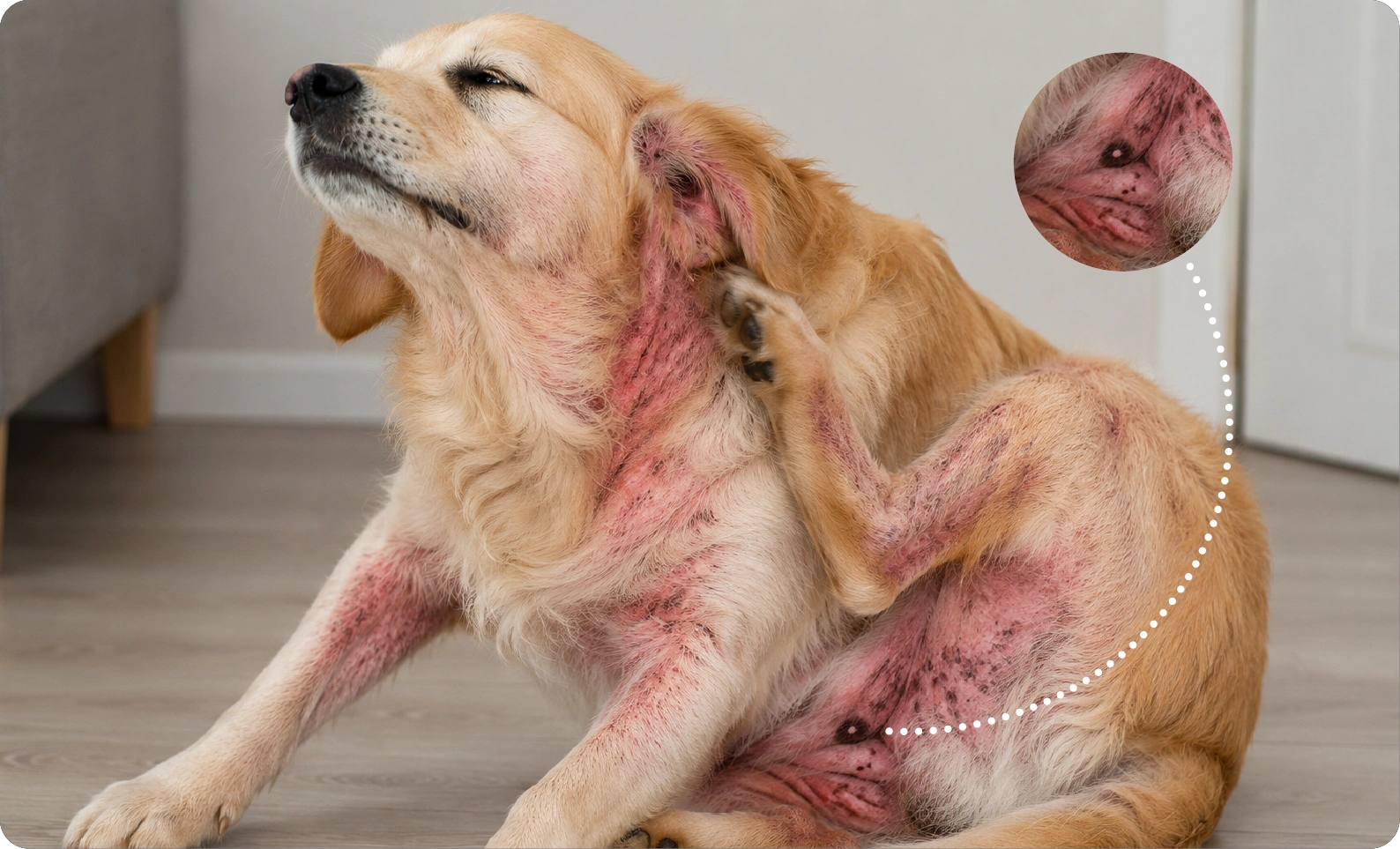
Allergic Dermatitis
Skin inflammation triggered by allergies commonly causes itching, redness, recurrent infections, excessive licking, and ...
.webp)
Flea Allergy Dermatitis (FAD)
A highly common hypersensitivity reaction to flea saliva that causes intense itching, hair loss, redness, and skin irrit...
.webp)
Environmental Allergies (Atopic Dermatitis)
Triggered by pollen, dust mites, mould, or grasses, resulting in a chronic itch-scratch cycle, redness, lesions and recu...
.webp)
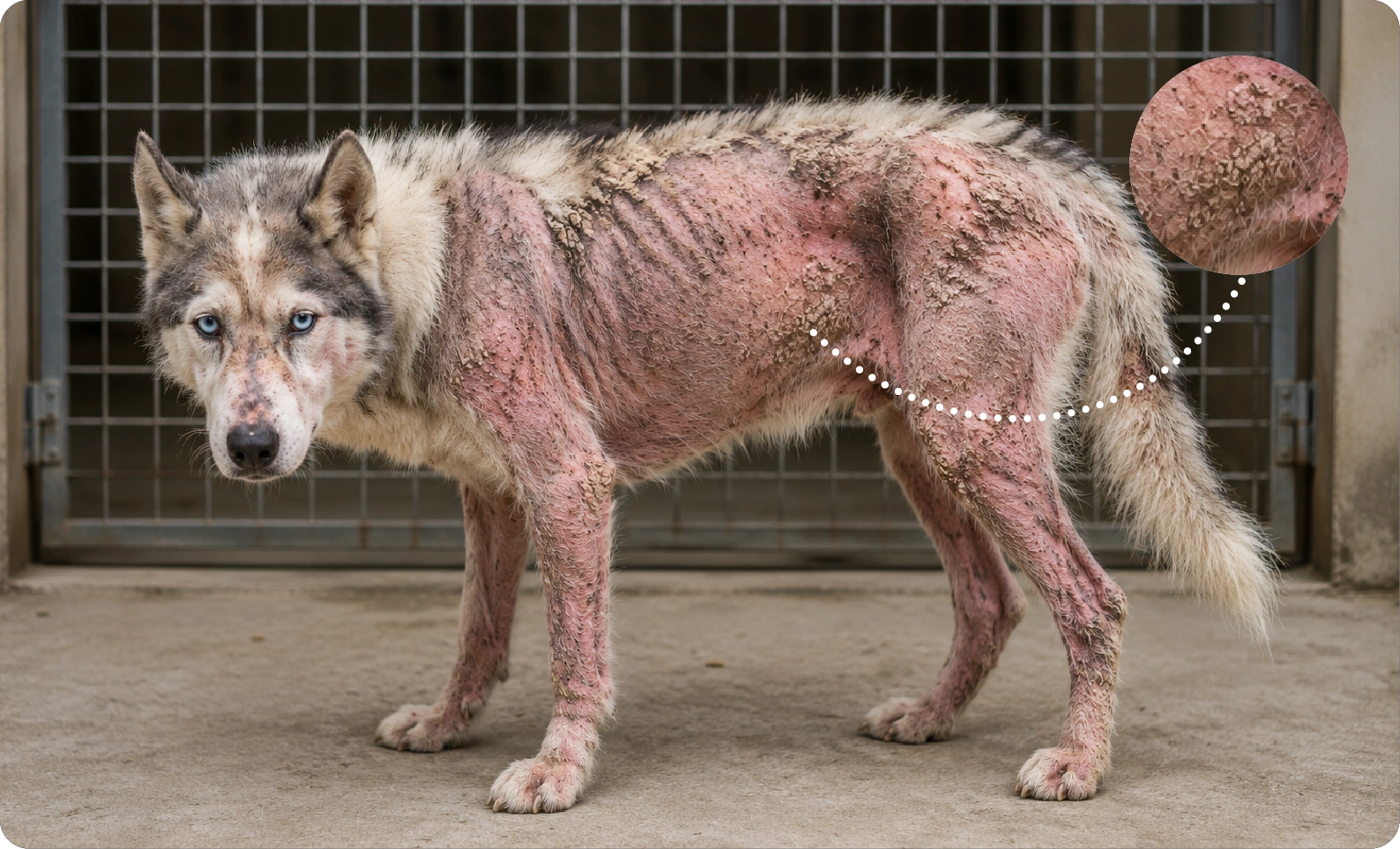
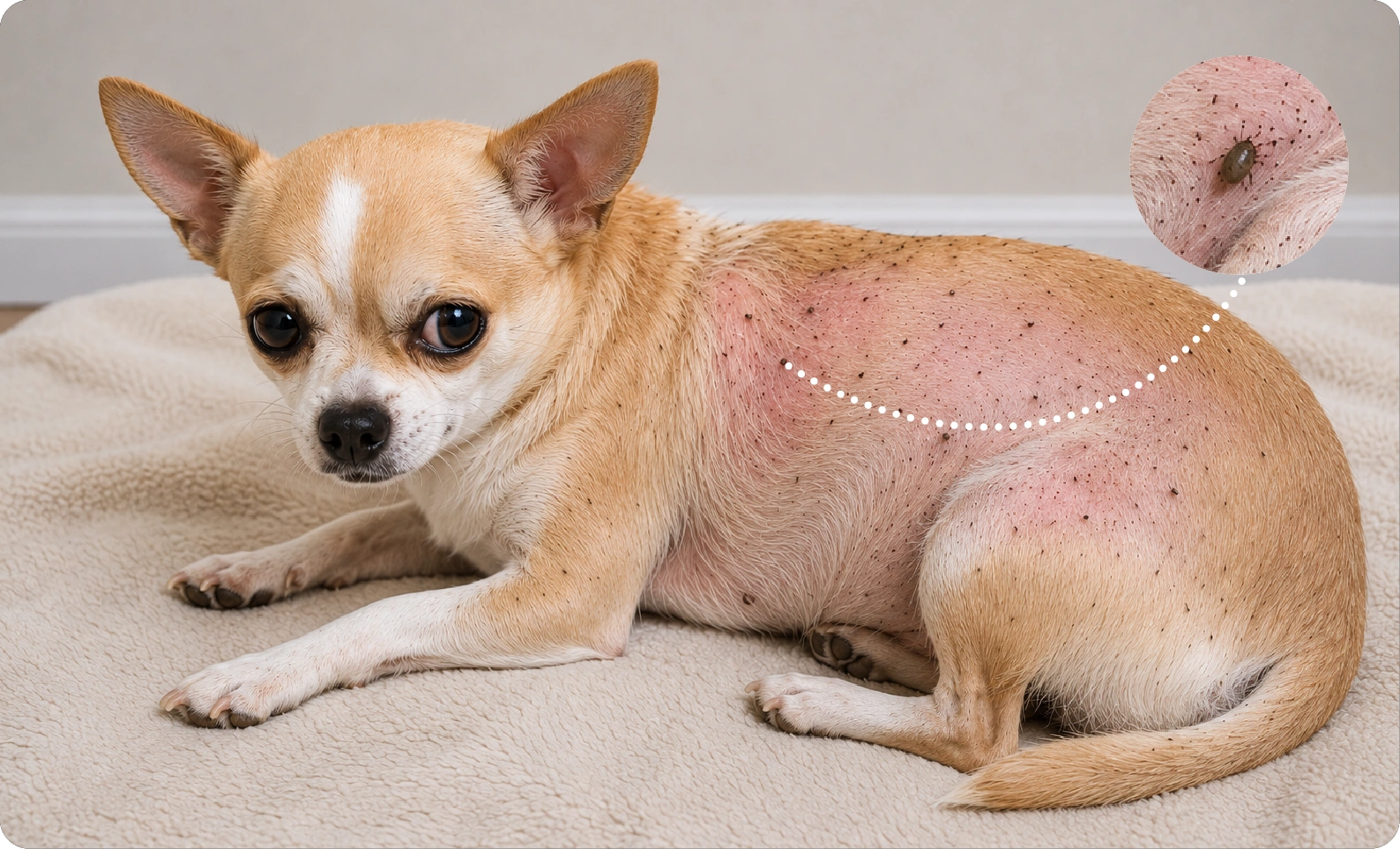
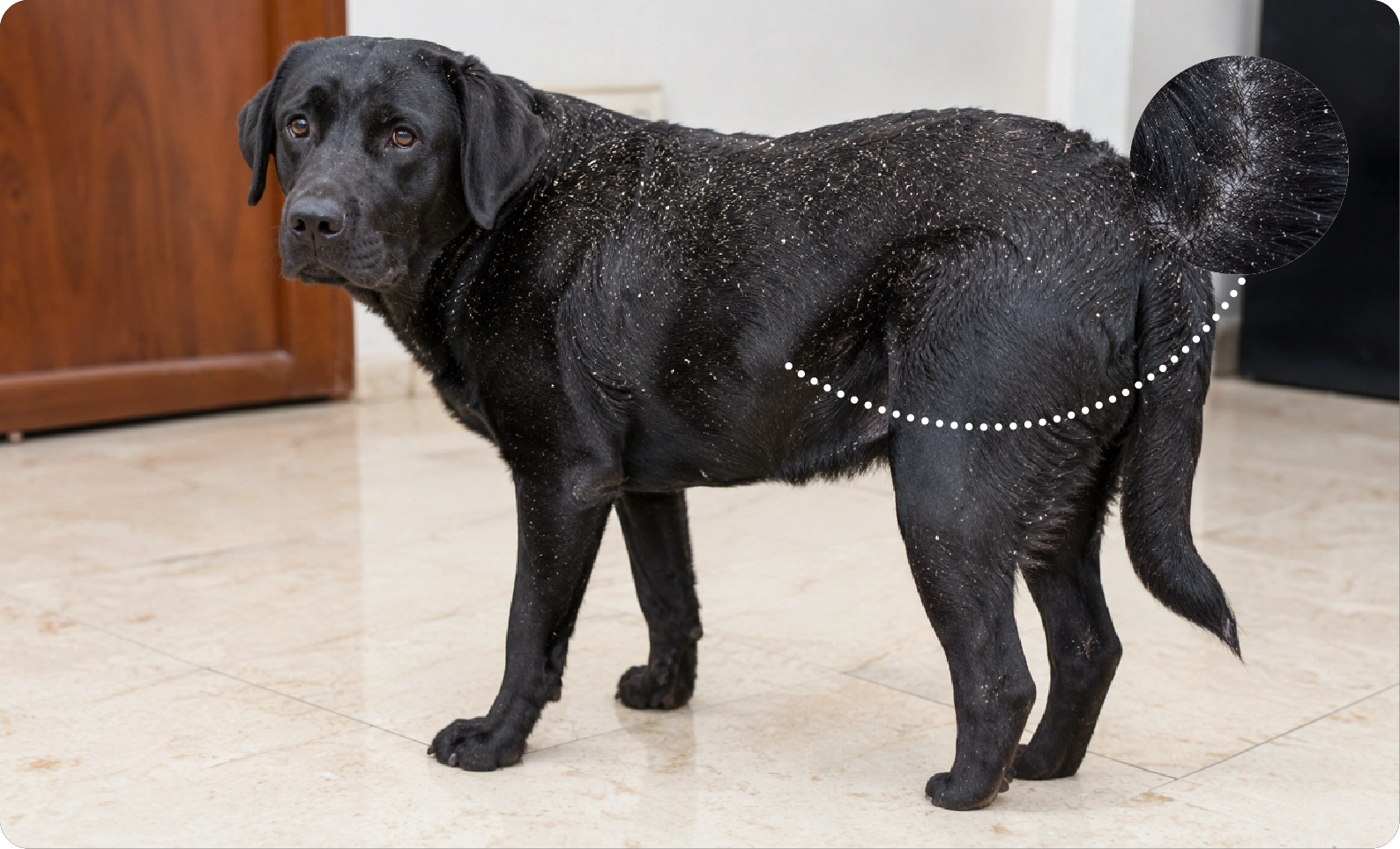
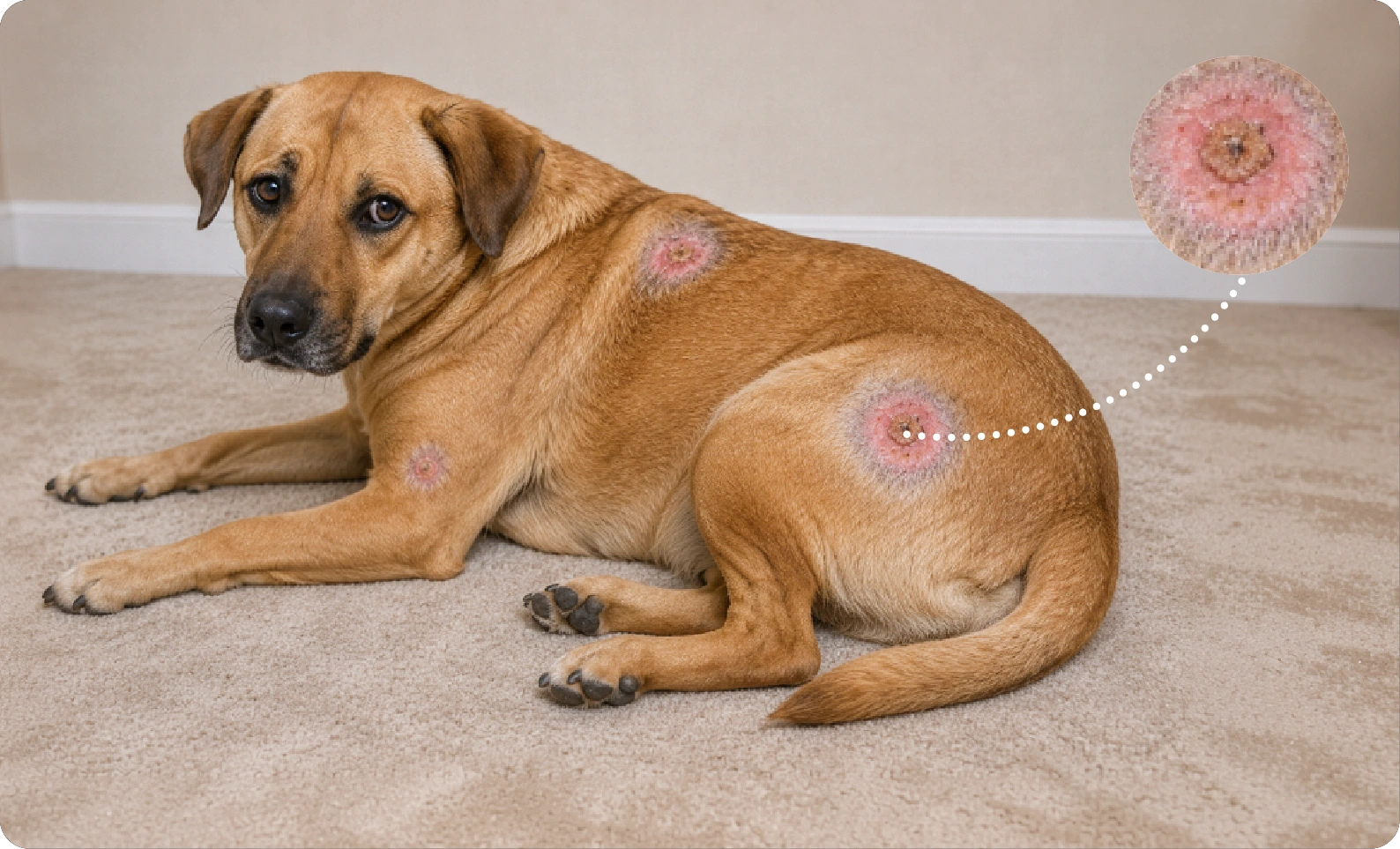
Common Signs Of Skin Problems In Dogs
Skin conditions in dogs often cause visible changes and persistent discomfort.
Persistent Itching
Constant scratching, licking, or chewing of the skin often indicates parasites, allergies, infections, or underlying dermatological conditions.
Redness & Inflammation
Hair Loss
Common Signs Of Skin Problems In Dogs
Skin conditions in dogs often cause visible changes and persistent discomfort.
Persistent Itching
Constant scratching, licking, or chewing of the skin often indicates parasites, allergies, infections, or underlying dermatological conditions.
Redness & Inflammation
Hair Loss
Dry & Flaky Skin
Skin Lesions
Unpleasant Odor
How Serious Is Your Dog’s Skin Condition?
- Dry skin
- Mild itching
- Minor redness
- Occasional paw licking
- Frequent scratching
- Hair loss
- Skin lesions
- Recurrent infections
- Open wounds
- Severe swelling
- Widespread infection
- Persistent bleeding
When to Consult a Veterinarian

Intense Itching
Constant scratching can worsen skin damage and infection.

Open Wounds
Wounded skin increases the risk of bacterial complications.

Rapid Hair Loss
Sudden and excessive hair loss may indicate serious disease.

Intense Itching
Constant scratching can worsen skin damage and infection.
Open Wounds
Wounded skin increases the risk of bacterial complications.




How Can You Protect Your Dog’s Skin Health

Regular Grooming
Regular grooming helps remove allergens, dirt, and loose hair. It promotes healthy blood circulation and early problem detection.

Flea & Tick Prevention
Effective parasite-control helps in preventing tick-borne diseases, flea infestations, allergic reactions and parasite-related skin irritation.

Balanced Nutrition
A balanced diet rich in essential nutrients supports skin barrier function, coat quality and overall skin health.

Maintain Skin Hygiene
Routine bathing, every 2-3 weeks with vet-approved shampoos, can reduce microbial buildup, remove irritants and support healthy skin.

Check for Early Changes
Inspect your dog’s skin regularly for lumps, parasites, redness, hair loss, lesions or signs of irritation.

Avoid Environmental Triggers
Try to minimise exposure to known allergens and irritants to reduce flare-ups and enhance long-term skin comfort.
Regular Grooming
Regular grooming helps remove allergens, dirt, and loose hair. It promotes healthy blood circulation and early problem detection.
Veterinary Help in Just a Few Simple Steps
Install Conbun and create your pet’s profile so we can understand them better.
Describe symptoms, upload photos if needed, and get quick online pet health advice from verified vets.
Talk to a vet online in just 30 seconds or schedule an appointment for later.




Related Dog Issues
Allergies

Ear infections

Dental Disease

Digestive Issues (vomiting/diarrhea)


.webp)

Allergies
Ear infections
Frequently Asked Questions
Pyoderma is one of the most common skin infections in dogs. It is a bacterial skin infection caused by excessive scratching, parasites, allergies, or damaged skin. Common signs include itching, redness, pustules, hair loss, crusting, and an unpleasant odour. Timely veterinary evaluation is important to identify and treat the underlying cause.
Some skin conditions can be transmitted from dogs to humans, while many cannot. Some fungal infections, such as ringworm and some parasites, including mites, may spread to people. However, most allergic skin conditions, bacterial infections and environmental skin disorders are not Zoonotic.
Indian mixed-breed dogs are often considered hardy and may have some natural advantages in the local environment. However, they are still prone to fungal infections, bacterial infections, mange, flea infestations and other skin disorders. Parasite control, proper nutrition and routine veterinary care remain important for every breed.
While home care may help support skin health, natural remedies alone are usually not sufficient for treating existing skin infections. Keeping the affected area clean, preventing licking or scratching, maintaining parasite control, and offering a balanced diet are all key factors. As skin infections can worsen without proper treatment, veterinary care is recommended before trying home remedies.
Yes. With Conbun, you can connect with qualified veterinarians online to get medications and detailed treatment plans for various skin conditions in dogs.