.webp)
First Week with Your New Bird: Complete 7-Day Checklist
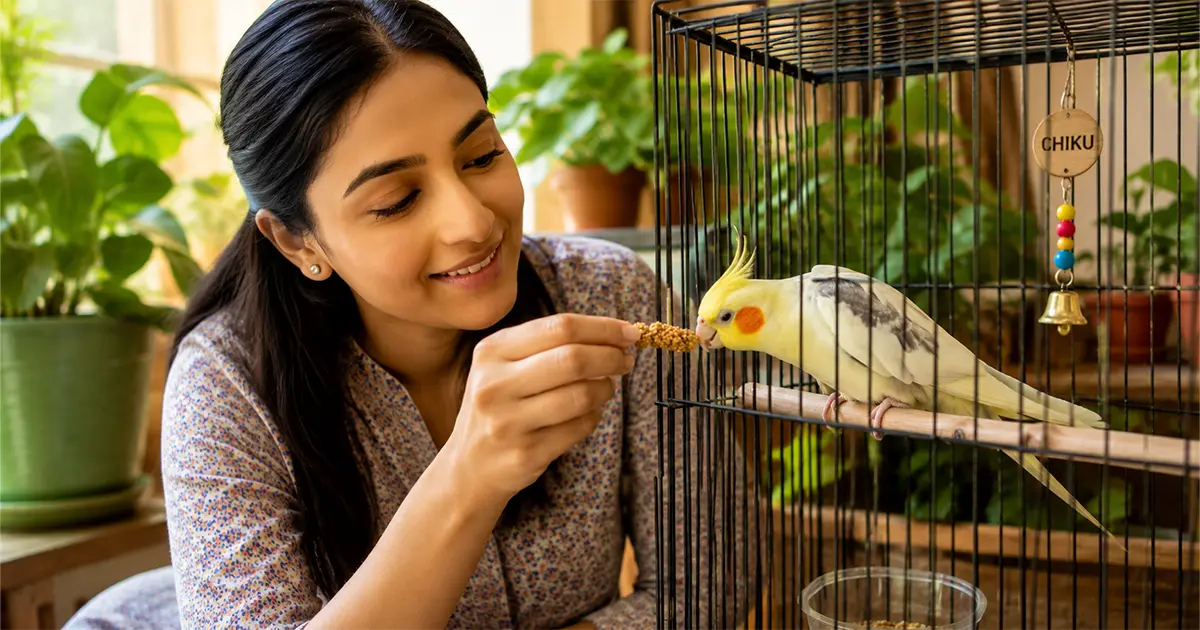
The first week with your new bird is the most important adjustment period for both new birds and bird owners. Your priority must be to create a quiet, secure environment, set up the cage correctly, establish a consistent feeding routine and monitor your bird’s behaviour. Giving your bird time to settle without unnecessary handling can help reduce stress and encourage bonding.
In the following bird care checklist, I’ll walk you through everything you need during the first seven days, including cage preparation, daily care, feeding schedules, bonding, health monitoring and common mistakes you should avoid.
Before Your Bird Arrives: Prepare Everything in Advance
Preparing your home before bringing your new bird home can reduce stress and allow your new companion to settle comfortably. Birds are highly sensitive to changes in their surroundings. So, having everything ready before arrival can prevent unnecessary disturbance during the initial days.
Every owner has a different lifestyle, budget and personality. So choosing the right bird species is essential to a happy and healthy relationship between the bird and the owner.
Veterinary Insight: According to the Association of Avian Veterinarians (AAV), birds instinctively hide signs of illness. Daily observation during the adjustment period is one of the most effective ways to identify health problems before they become severe.
Essential Bird Checklist
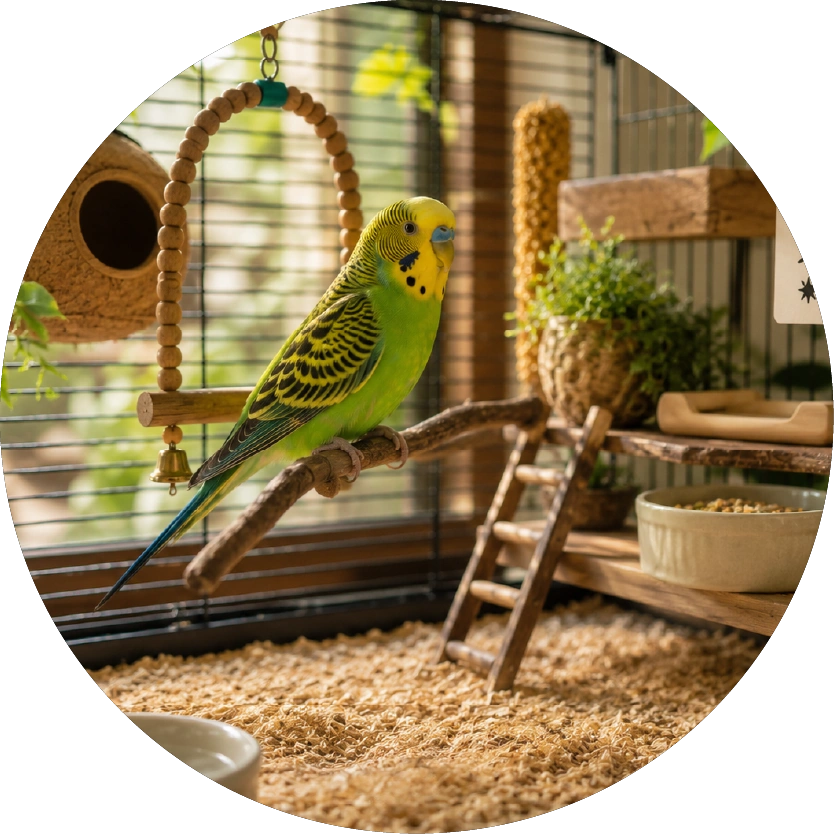
Before bringing your bird home, make sure you have the complete bird habitat setup, including:
Size & Species-appropriate cage
Natural perches of different diameters
Food and water bowls
Species-appropriate bird food
Healthy treats
Safe enrichment toys
Cage liner
Best bird cage setup
Travel carrier
Quiet room away from household traffic
Safe cleaning supplies, treats, toys and enrichment tools are other bird enclosure requirements an owner must bring before getting a new bird home.
Make the Environment Safe
Birds have a delicate respiratory system and are highly sensitive to airborne toxins. Even minor irritants in a bird habitat setup can lead to respiratory distress in birds. Remove or avoid:
Kitchen fumes
Non-stick cookware (PTFE/Teflon fumes)
Aerosol sprays
Cigarette smoke
Toxic household plants
Ceiling fans
Open windows
Choose a bright, well-ventilated room away from direct sunlight, cold drafts and excessive noise. Position the cage against a wall whenever possible, so the bird feels protected. Read our detailed guide on essential bird care tips to ensure your bird has a safe and smooth transition to its new home.
Veterinary Insight: Assemble the cage, arrange perches, and fill food and water bowls before bringing your bird home. A ready-made environment helps minimise stress immediately after arrival.
Day 1: Let Your Bird Settle at Its Own Pace
The first day should be calm and predictable. Do not try to handle your bird immediately, even if it seems friendly.
When you arrive home and your bird habitat setup is in place:
Place the carrier close to the cage.
Transfer your bird gently.
Keep television and music volumes low.
Offer fresh food and clean water.
Allow your bird to observe its surroundings.
Avoid frequent cage opening.
Expect quiet behaviour or reduced vocalisation.
Many birds remain still or perch quietly during the first several hours. Others may hide, fluff their feathers slightly, or appear reluctant to eat. These responses are usually part of the normal adjustment process.
Research the best bird cage setup and buy a cage appropriate for the species and age of your bird.
Veterinary Insight: Relocation stress commonly reduces appetite during the first 24 hours. According to avian veterinary literature, appetite usually improves as the bird becomes comfortable.
However, prolonged refusal to eat or signs of weakness require immediate veterinary assessment because birds have high metabolic rates and can deteriorate quickly.
Days 2–3: Build a Healthy Daily Routine
Consistency helps birds feel secure and reduces anxiety. During the second and third days, begin establishing a predictable daily schedule for feeding, cleaning and observation.
Feeding Schedule
Offer food at similar times each day and do not change diets abruptly. Good feeding practices include:
Following a consistent bird diet chart
Offer species-appropriate food
Replace fresh fruits and vegetables daily
Offer fresh drinking water
Remove uneaten foods after several hours.
Avoid introducing multiple new treats during the first week.
Sudden dietary changes may lead to stress and loss of appetite in birds. Lack of consistency in training can lead to stress and various bird behaviour problems.
Cage Cleaning
Basic hygiene prevents microbial growth and helps you monitor your bird’s health. The bird habitat setup must be cleaned regularly, as an untidy enclosure can lead to various health problems in birds.
Each day:
Replace the cage liner.
Wash food and water bowls.
Remove leftover fresh foods.
Spot-clean perches if soiled.
Do not perform a complete cage rearrangement during the first week, as familiar surroundings help birds settle more quickly.
Observe Daily Health
Monitoring daily health is an essential part of bird preventive care. Birds instinctively hide illness. Therefore, careful observation is essential.
Ensure to monitor these in your daily bird health check:
Normal droppings
Eating and drinking
Vocalisation
Feather condition
Activity level
Breathing pattern
Complete loss of appetite or a bird not eating seeds are also indicators of illness. Minor behavioural changes are often the earliest indication that something may be wrong.
Recording daily observations can help you recognise subtle changes and offer valuable information to your veterinarian if concerns arise.
Days 4–5: Build Trust Through Positive Interaction
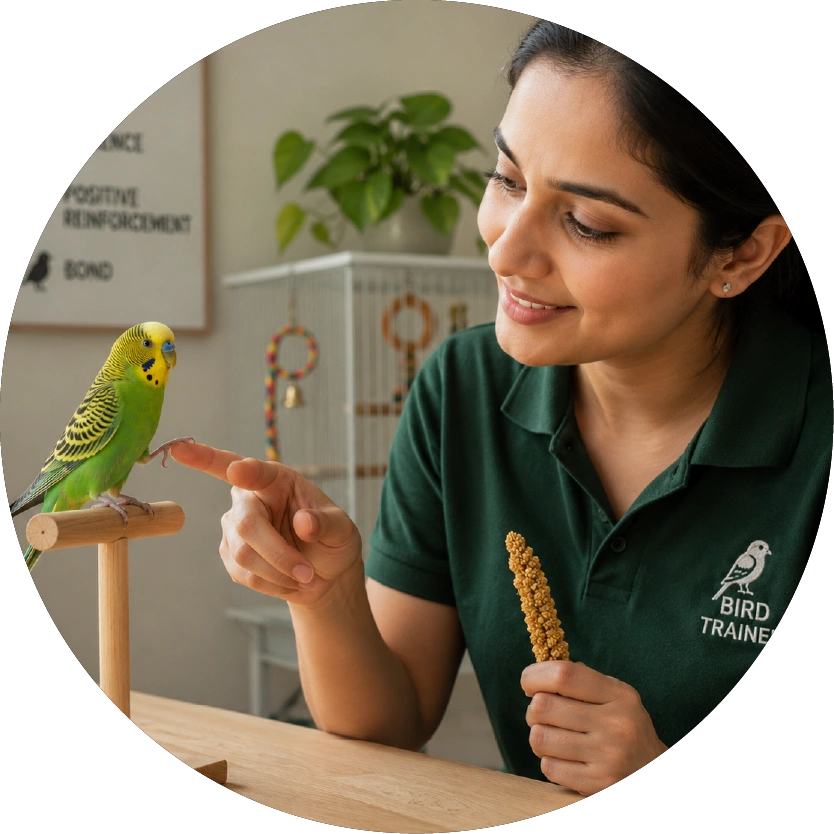
By the 4th or 5th day, a bird starts to feel more comfortable in their new surroundings. This is the ideal time to strengthen your bond through positive and gentle interactions. Do not rush the process. Trust develops gradually and differs between species and individual birds.
Gentle Bonding
Begin building confidence by:
Sitting quietly near the cage.
Speaking in a calm, reassuring voice.
Allowing your bird to watch your movements.
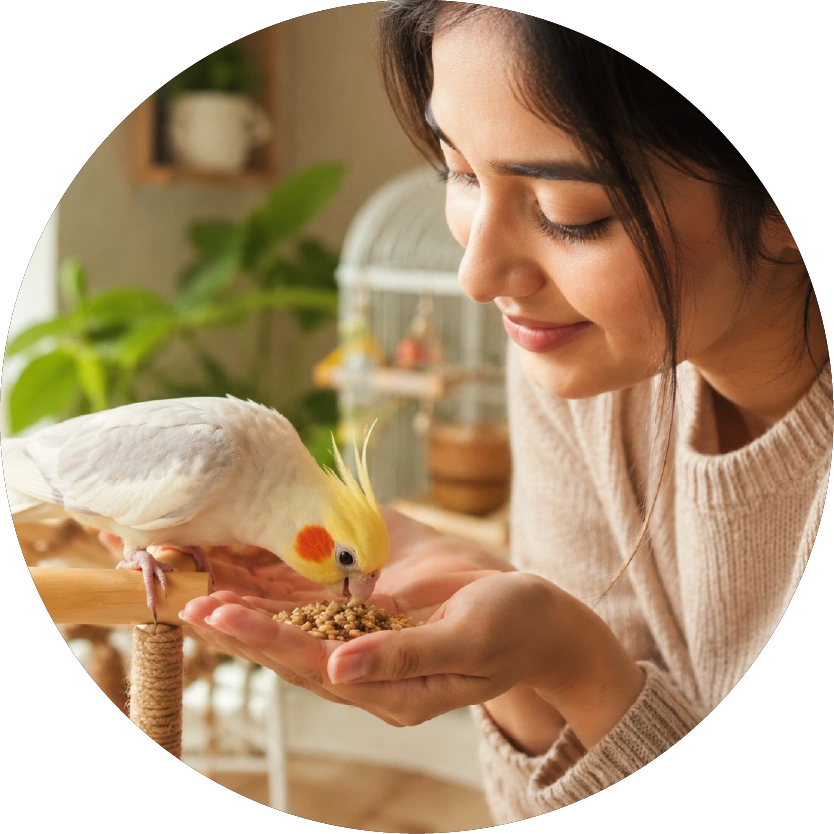
Offering favourite treats through the cage bars if it appears relaxed.
Never chase your bird around the cage or force it onto your hand. Positive experiences help create lasting trust and reduce fear.
Encourage Enrichment
For birds, mental stimulation is important to prevent boredom and encourage natural behaviours.
Provide opportunities to:
Rotate safe toys every few days.
Introduce simple foraging activities.
Encourage climbing using ladders and natural perches.
Offer chew-safe enrichment appropriate for your bird's species.
Stress in birds could lead to behavioural problems such as feather plucking and excessive screaming. Gradually changing enrichment items helps your bird stay curious without causing unnecessary stress.
Respect Body Language
Learn about your bird’s behaviour to recognise when your bird feels comfortable or needs more space.
Signs of stress may include:
Feather flattening
Lunging
Rapid breathing
Continuous retreat
Repeated attempts to move away
If you notice these behaviours, reduce interaction and allow your bird more time to adjust.
Veterinary Insight: Let your bird approach you voluntarily rather than forcing physical contact. Trust develops through predictable routines, patience and positive reinforcement.
Days 6–7: Schedule an Avian Veterinary Check-Up
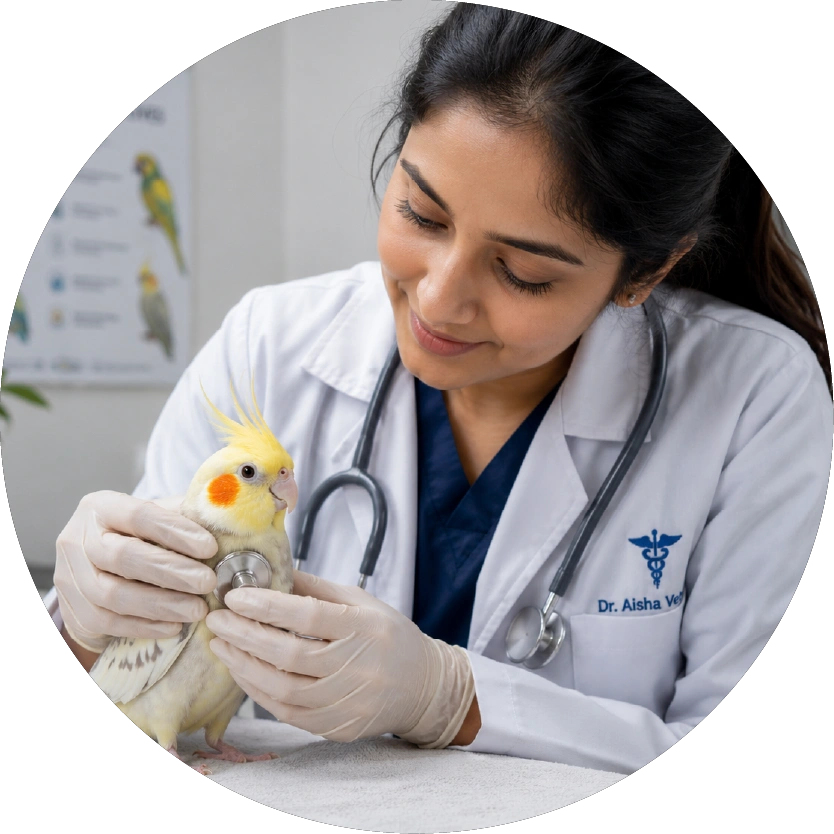
Even if your bird seems healthy, arranging an early examination with an avian vet online is one of the best investments you can make towards your pet bird’s health. As birds hide illnesses until they become advanced, preventive care becomes particularly important.
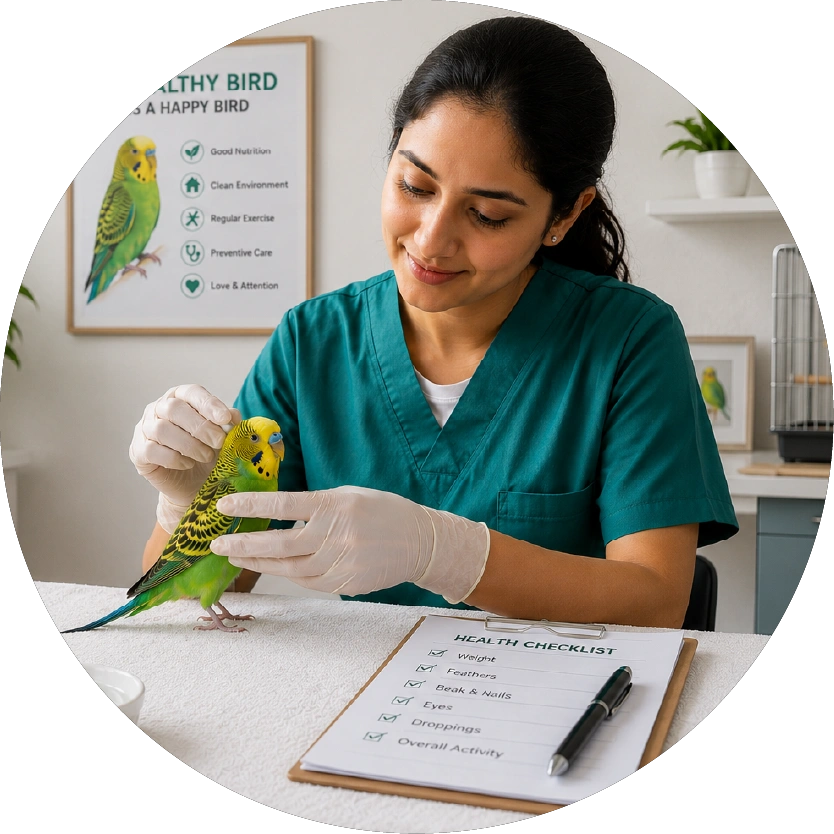
Regular veterinary examinations are an important part of bird preventive care. A typical health examination may include:
Health Check | Why It Matters |
Weight | Establishes baseline health |
Physical examination | Detects hidden illness |
Beak assessment | Identifies abnormalities |
Nail assessment | Evaluates overgrowth |
Feather condition | Reflects nutrition and overall health |
Droppings | Assesses digestive health |
Diet review | Confirms balanced nutrition |
During the appointment, discuss:
Appropriate nutrition for your bird's species
Housing and cage size
Behaviour and adjustment
Parasite screening when indicated
Preventive healthcare recommendations
If you are wondering how to keep your bird healthy, ensure that the new bird is quarantined until it is confirmed that the bird is healthy. This helps reduce the risk of introducing infectious disease into your existing flock.
According to the Association of Avian Veterinarians (AAV), newly acquired birds benefit from early veterinary evaluation because many infectious and nutritional conditions may not produce obvious clinical signs during the first few days.
Common Mistakes During the First Week
First-time pet bird owners unintentionally increase their bird’s stress by moving too quickly. Avoid these common mistakes during the adjustment period.
Forcing handling before trust develops
Changing the diet immediately
Keeping the cage in a noisy environment
Overcrowding the cage with too many toys
Ignoring changes in droppings
Skipping routine daily observation
Delaying preventive veterinary care
Housing new birds with existing birds without quarantine
Most birds adjust more successfully when bird healthcare routines remain predictable and environmental changes are introduced gradually. Patience during the first week lays the foundation for long-term confidence and wellbeing.
Need Help Caring for Your New Bird? Conbun Can Help
Whether you're caring for a budgie, cockatiel, lovebird, parrot, finch, or another companion bird, expert guidance can make the adjustment period much easier. Through online avian vet consultation, Conbun connects you with experienced avian veterinarians who can provide advice on nutrition, housing, behaviour, feather problems, appetite changes, preventive healthcare, and new bird adjustment.
If your new bird is taking time to adjust or is behaving unusually, talking to an avian vet online and getting professional guidance early can help identify concerns before they become serious health problems. Understand the signs of illness in birds, get certified bird healthcare tips, bird diet charts, learn about the best bird cage set up and much more through Conbun.
Conclusion
The first week with your new bird sets the foundation for a healthy, trusting relationship. Prepare the cage before arrival, establish consistent feeding and cleaning routines, observe behaviour every day, avoid rushing physical interaction, and schedule preventive veterinary care early.
Continue learning about your bird's species-specific nutritional, behavioural, and environmental needs to support its health and wellbeing throughout its life.
Frequently Asked Questions
1. What should I do when I bring a new bird home?
Place your bird in a cage, provide fresh food and water, ensure the environment is quiet, and avoid unnecessary handling. Allow your bird to adjust at its own pace while monitoring its eating, drinking, droppings, and behaviour.
2. How long does it take a new bird to settle in?
Many birds begin adjusting within several days, but complete adaptation may take several weeks depending on the species, personality, previous experiences, and household environment. Consistent routines and gentle interactions help reduce stress.
3. When should I take my new bird to the vet?
Schedule an avian veterinary examination within the first week whenever possible. Early health assessments can help detect hidden illnesses, evaluate nutrition and housing and establish a baseline for your bird’s future healthcare.
4. Should I handle my bird during the first week?
Avoid forcing handling during the first few days. Allow your bird to become familiar with its surroundings first. Gentle talking, sitting near the cage, and offering treats are better ways to build trust initially.
5. What should I feed my new bird?
Continue feeding the same diet your bird was eating before adoption. Fresh water should always be available, and any dietary changes should be introduced gradually to minimise stress and encourage consistent eating.
References
Association of Avian Veterinarians. (2019). Signs Of Illness In Companion Birds. Aav.org. https://cdn.ymaws.com/www.aav.org/resource/resmgr/pdf_2019/AAV_Signs-of-Illness-in-Comp.pdf
Bartels, C. 2026. Chronic Hypovitaminosis A in Parrots: A Preventable Welfare Issue. Aav.org. https://www.aav.org/blogpost/2127750/519720/Chronic-Hypovitaminosis-A-in-Parrots-A-Preventable-Welfare-Issuebest bird cage setup
Table of Content
- Before Your Bird Arrives: Prepare Everything in Advance
- Day 1: Let Your Bird Settle at Its Own Pace
- Days 2–3: Build a Healthy Daily Routine
- Days 4–5: Build Trust Through Positive Interaction
- Days 6–7: Schedule an Avian Veterinary Check-Up
- Common Mistakes During the First Week
- Conclusion
- Frequently Asked Questions
Anand Sen
Categories