.webp)
Choosing the Right Bird Species for Your Home and Lifestyle
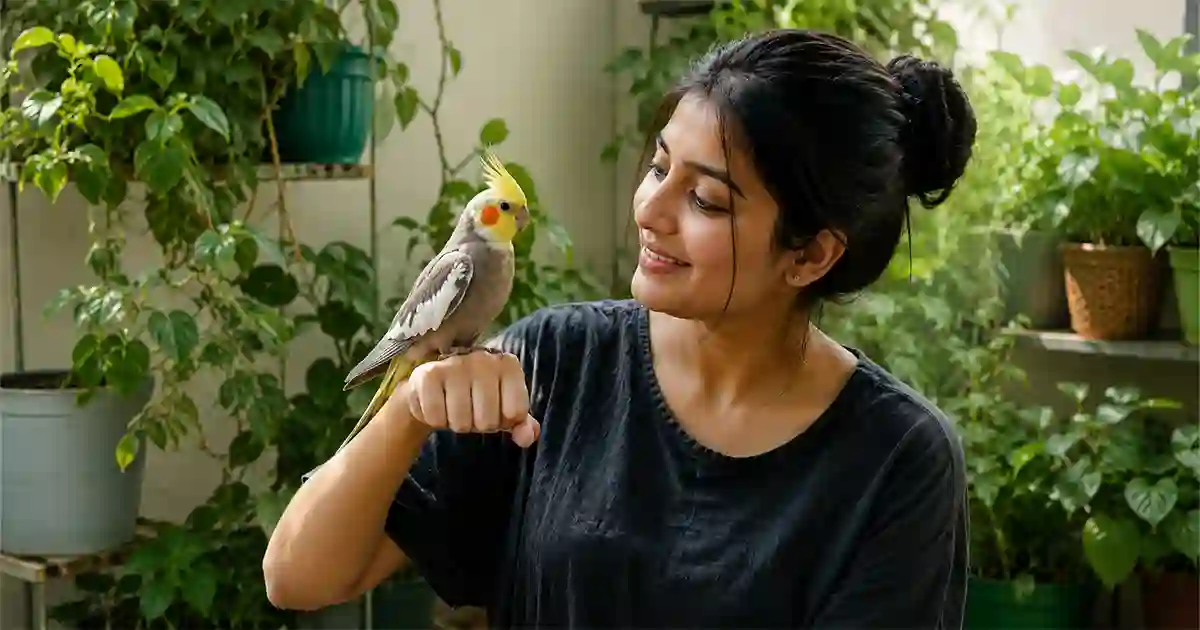
The best pet bird isn’t necessarily the most colourful or the best talker; it’s the one that fits your space, budget, experience, lifestyle and the amount of time you can devote to its daily care. Choosing the right bird species before bringing one home helps ensure a happy, healthy relationship for both the bird and the owner.
In this guide, I’ll help you understand how you can choose a pet bird by comparing different species based on your budget, living space, time commitment, noise level, temperament and lifespan. Whether you’re looking for the best pet birds for beginners, small pet birds, or a pet bird that can talk, making an informed choice is the first step towards responsible pet bird ownership.
Before Choosing a Bird, Understand Your Lifestyle
Before comparing pet bird species, take a moment to evaluate your own lifestyle. The perfect bird for one individual may not be suitable for another. A realistic assessment of your home, schedule and budget will help you make the right choice.
Ask Yourself These Questions
Question | Why It Matters |
Do I live in an apartment or a house? | Some birds are louder. Some need more space. |
How much time can I spend with my bird daily? | Many birds need consistent daily interaction and mental stimulation to prevent behavioural issues |
What's my monthly pet care budget? | Food, toys, cages, and routine veterinary care require ongoing expenses. |
Can I tolerate noise? | Some birds vocalise far more than others. |
Is this my first pet bird? | Beginner-friendly species are generally easier to care for. |
Can I commit for many years? | Some birds can live for several decades. |
Your answers to these questions will narrow down which bird species fits your lifestyle best. Instead of selecting a bird based only on appearance or its ability to mimic speech, focus on long-term compatibility. A bird that matches your daily routine is more likely to thrive in your care.
Key Factors That Help You Choose the Right Bird Species
Temperament
Every bird has its own personality, but different bird species often share common behavioural traits. Some birds are naturally very friendly and enjoy human interactions, while others are more independent and prefer observing their surroundings.
Cockatoos: Bird species known to be highly affectionate yet extremely needy. They can become aggressive, loud, and may develop destructive behaviours like feather plucking if they do not get constant attention.
Indian Ringnecks: They are independent and stubborn. They can be moody, nippy, and affectionate strictly on their own terms. Controlling them or confining them in small spaces can lead to bird behaviour problems.
African Greys: These birds are highly intelligent but sensitive; prone to stress, fear-based nipping, and behavioural plucking if their routine changes.
Lovebirds: Lovebirds are tiny in size but fiercely territorial, known to lunge, bite hard, and defend their cages aggressively.
Parrotlets: Often called "mini-Amazons," they have strong-willed, bold personalities and can become aggressive or single-minded biters.
When selecting a pet bird, choose a temperament that matches your expectations and available time.
Noise Level
Birds communicate through calls and vocalisations. However, noise levels vary significantly.
Canaries and finches are generally quieter, making them suitable indoor pet birds for smaller homes. Budgies and cockatiels are moderately vocal, while larger parrots such as macaws and Amazon parrots can be very loud.
If you live in an apartment or have close neighbours, selecting a quieter species can help avoid future bird health problems.
Space Requirements
Every bird needs enough room to move, stretch its wings, and stay mentally stimulated.
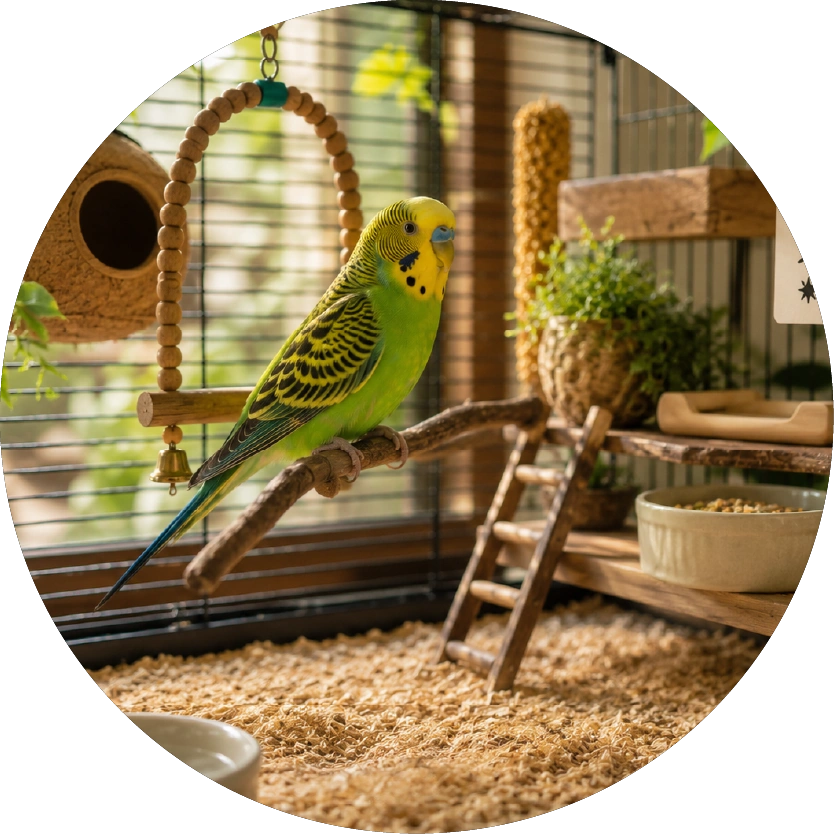
Go for a spacious cage with appropriate toys, perches and feeding areas. Birds also benefit from supervised time outside the cage for exercise and exploration. Before bringing a bird home, ensure you can meet its cage requirements and provide a safe environment.
Lifespan and Commitment
Bird ownership is a long-term responsibility. Choose a species whose lifespan matches the long-term commitment you can realistically provide.
Smaller birds like canaries and budgies generally have shorter lifespans than larger parrots. Cockatiels often live for 15-25 years. On the other hand, African Grey Parrots and Macaws are known to have longer lifespans, provided they live with optimum care.
Bird beaks grow continuously. They need chew toys like safe wood, branches or cardboard to ensure constant wear to prevent beak overgrowth.
Budget
Owning a bird involves more than the initial purchase price. Consider ongoing expenses, including:
Quality bird food
Spacious cage
Perches and toys
Cleaning supplies
Routine veterinary care
Think about the lifetime cost of caring for a pet bird rather than just thinking about the purchase price. Mental enrichment, proper nutrition and preventive healthcare are essential investments that pet owners need to make. In addition, owners also need to make investment on training supplies to prevent the development of bird behaviour problems.
Veterinary Insight: According to veterinary literature, every bird species has unique dietary, social, and environmental requirements. Understanding these needs before adoption can prevent behavioural problems, stress, and health issues later.
Already have an avian companion? Read our complete pet bird care guide to learn veterinary insights on bird nutrition, health, disease and grooming.
Which Bird Species Fits Your Lifestyle?
Every bird species has unique care requirements, so the best choice depends on your home, experience, and daily routine rather than popularity. Here's how some of the most common pet birds compare based on different lifestyles.
Best Birds for Beginners
If you’re a first-time bird owner, choose a species that is relatively easy to care for. Go for a species that adapts well to regular handling.
Budgerigar (Budgie): Friendly, intelligent and one of the best pet birds for beginners. They are social, enjoy human interaction, and some can even learn to mimic words.
Cockatiel: Cockatiels are gentle, affectionate and are known for their social and calm temperament. They are easy to train and enjoy spending time with owners.
Canary: Ideal for people who prefer observing rather than handling their pets. Canaries are relatively low-maintenance and admired for their beautiful singing.
These species are generally considered the best pet birds for beginners because they are easy to train, manage and adapt well to Indian family life.
Best Birds for Apartment Living
If you live in an apartment, you should consider birds with moderate space and noise requirements.
Canary: A yellow songbird with soft vocalisations, which makes them suitable for smaller homes.
Finch: Small, active birds including sparrows, grosbeaks, and goldfinches that thrive in pairs and usually require minimal handling.
Budgie: These birds are vocal, but their noise level is generally manageable for most apartments when provided with enough enrichment.
These birds are best for apartments and are well suited to indoor living, provided they have a properly sized cage and daily enrichment. Small cages or lack of proper enclosures can lead to bird behaviour problems.
Best Birds for Families
Families generally benefit from birds that are friendly, interactive and enjoy social environments.
Cockatiel: They are social, gentle and affectionate, which makes them a popular family companion.
Budgie: Budgies are curious, playful and enjoy interacting with humans.
Lovebirds: They are active and entertaining but require consistent socialisation and attention to remain friendly and prevent behavioural issues.
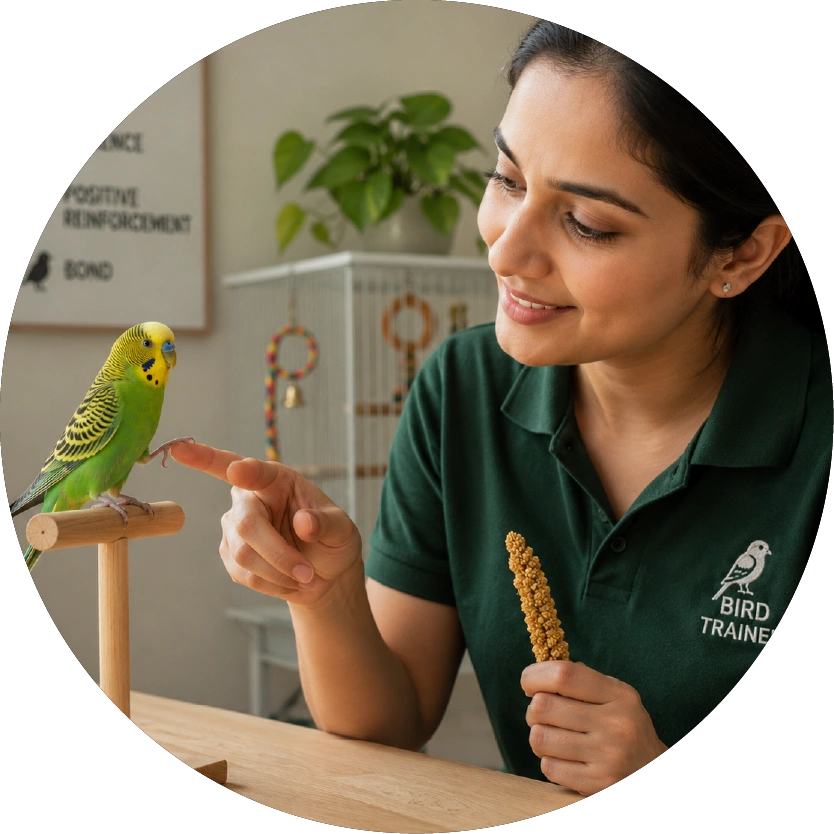
These birds are highly social and with a little training they form deep bonds with their care givers. For expert bird training tips consult a certified avian veterinarian on Conbun.
Best Birds for Experienced Owners
Many bird species require advanced knowledge, extensive training and significant long-term commitment.
African Grey Parrot: Highly intelligent species that is capable of developing an impressive vocabulary of about 1000 words. However, it demands daily mental stimulation and interaction.
Amazon Parrot: These are lively, intelligent birds known for their bright colours and impressive vocal abilities. They are social and energetic but require experienced handling.
Macaw: Large, intelligent parrots that have strong personalities. They live 30-75 years, have extreme bite force, and loud vocals, which makes them unsuitable for casual, first-time owners.
These birds can make exceptional companions but are best suited to owners who understand their behavioural, dietary, and environmental needs.
Veterinary Insight: Every bird has its own personality. Even within the same species, individual birds can differ in temperament, confidence, and sociability.
Common Mistakes First-Time Bird Owners Make
Choosing the wrong bird often results from unrealistic expectations rather than poor intentions.
Avoid these common mistakes:
Selecting a bird only because it can talk.
Buying a cage that is too small.
Underestimating the bird's lifespan and long-term commitment.
Ignoring daily social interaction and enrichment needs.
Providing too few toys and opportunities for mental stimulation.
Skipping routine preventive veterinary check-ups can lead to bird health problems.
Taking time to research your chosen species before adoption helps prevent many behavioural and health problems while ensuring a better quality of life for your bird.
Need Help Choosing the Right Bird? Conbun Can Help
Choosing a bird is only the beginning of responsible ownership. Understanding species-specific nutrition, behaviour, housing, and preventive healthcare is equally important for your bird's long-term wellbeing.
With avian vet consultation online through Conbun, you can receive expert guidance on species selection, diet planning, behaviour, housing, and routine health concerns. Whether you need a bird health consultation online or want to talk to an avian vet online, Conbun will help you care for your feathered companion with confidence.
Conclusion
The perfect pet bird is the one that matches your lifestyle, available space, budget, experience, and the time you can dedicate to daily care. Rather than choosing a bird based on appearance or talking ability alone, focus on long-term compatibility and responsible ownership. Careful research and informed decisions will help you build a rewarding relationship with your bird for many years to come.
Frequently Asked Questions
Which bird species is best for first-time owners?
Budgerigars (budgies), cockatiels, and canaries are among the best choices for first-time bird owners. They are generally easier to care for, adapt well to home environments, and have manageable care requirements compared to larger parrots.
Which pet bird is easiest to care for?
Canaries, finches, and budgies are often considered some of the easiest pet birds to care for. They have relatively straightforward housing, feeding, and enrichment needs, making them suitable for beginners who are prepared to provide proper daily care.
Which bird is best for apartment living?
Canaries, finches, and budgies are excellent choices for apartment living because they require less space than large parrots and are generally quieter, although every bird still needs adequate cage space, enrichment, and daily attention.
How do I choose the right pet bird?
Consider your living space, available time, budget, noise tolerance, experience level, and willingness to commit to long-term care. Choosing a bird that matches your lifestyle is more important than selecting one based on appearance or popularity.
What should I know before getting a pet bird?
Research the bird's lifespan, diet, housing, social needs, noise level, and veterinary requirements before adoption. Understanding these responsibilities helps you provide proper care and ensures a healthier, happier life for your feathered companion.
References
Mitchell, S. (2023). Top 10 Talking Birds. PetMD. https://www.petmd.com/bird/top-talking-birds
Peng, S., & Broom, D. M. (2021). The sustainability of keeping birds as pets: Should any be kept?. Animals, 11(2), 582. https://www.mdpi.com/2076-2615/11/2/582
Table of Content
- Before Choosing a Bird, Understand Your Lifestyle
- Key Factors That Help You Choose the Right Bird Species
- Which Bird Species Fits Your Lifestyle?
- Need Help Choosing the Right Bird? Conbun Can Help
- Conclusion
- Frequently Asked Questions
- References

Anand Sen
Related Articles

Why do dogs roll in the grass? Is this Normal?
Dogs roll in grass to enjoy scents, scratch irritation, cool down, or express happiness. Usually normal unless excessive or uncomfortable.
Read More ↗Why do dogs roll in the grass? Is this Normal?
Dogs roll in grass to enjoy scents, scratch irritation, cool down, or express happiness. Usually normal unless excessive or uncomfortable.
Read More ↗Why do dogs roll in the grass? Is this Normal?
Dogs roll in grass to enjoy scents, scratch irritation, cool down, or express happiness. Usually normal unless excessive or uncomfortable.
Read More ↗Why do dogs roll in the grass? Is this Normal?
Dogs roll in grass to enjoy scents, scratch irritation, cool down, or express happiness. Usually normal unless excessive or uncomfortable.
Read More ↗Why do dogs roll in the grass? Is this Normal?
Dogs roll in grass to enjoy scents, scratch irritation, cool down, or express happiness. Usually normal unless excessive or uncomfortable.
Read More ↗Categories