
Is Your Bird Wheezing Or Showing Respiratory Distress? Consult Avian Vets Online.
Is your bird wheezing, breathing heavily, or making unusual clicking sounds? Don't wait. Talk to an online avian vet instantly for expert guidance on respiratory distress, breathing disorders, and infections.
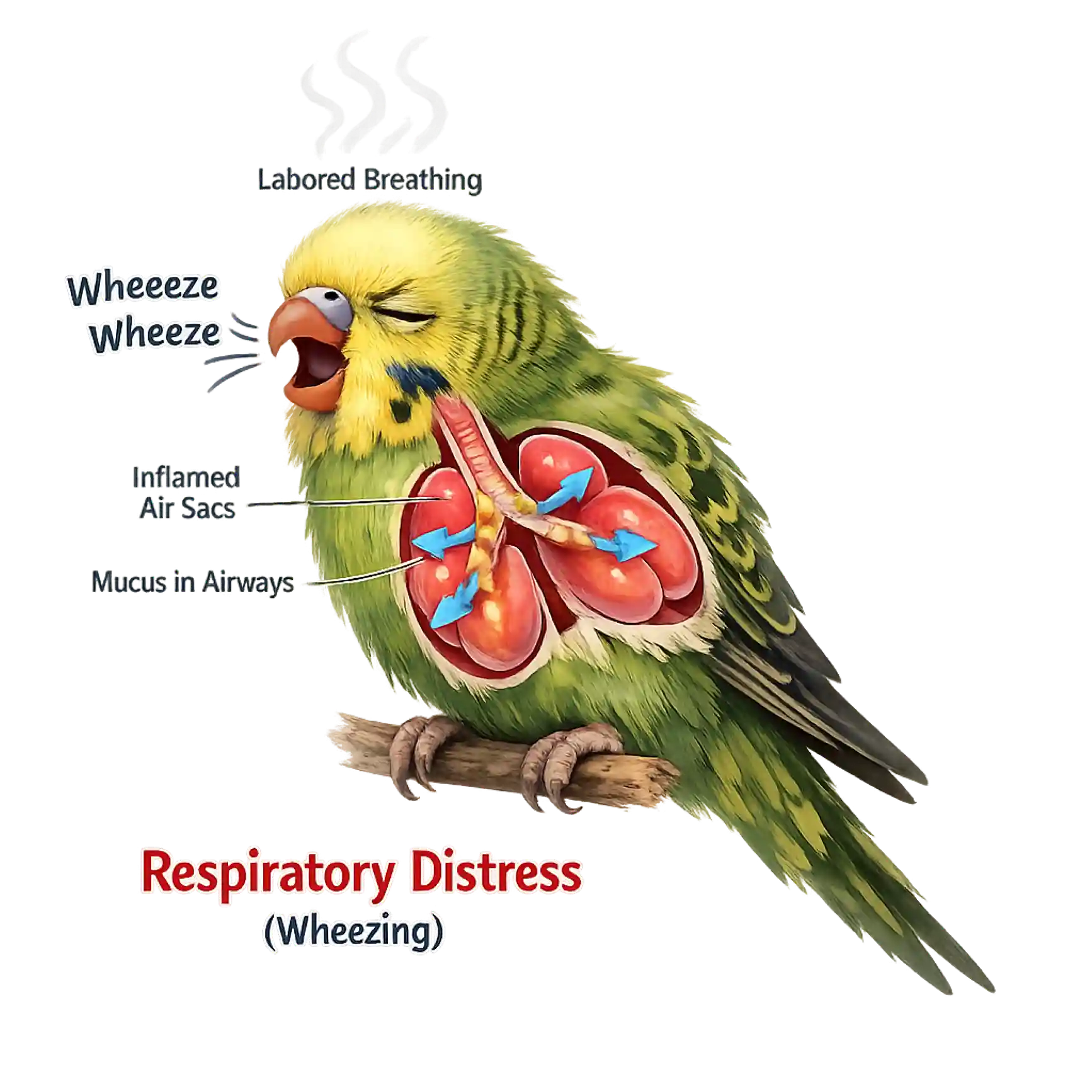
Causes Of Respiratory Distress (Wheezing) In Birds
Respiratory distress in birds can result from infections, environmental factors, or serious underlying medical conditions.
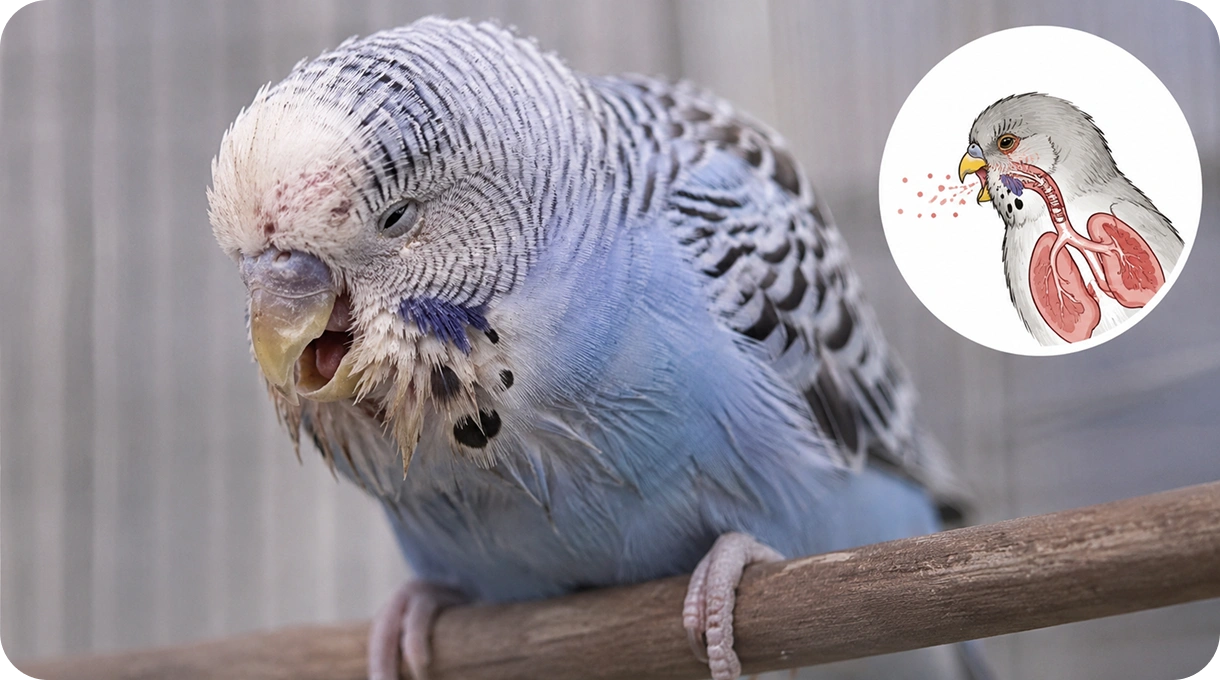
Respiratory Infections
Bacterial, fungal, and viral infections commonly affect the respiratory tract in birds, causing wheezing, breathing diff...
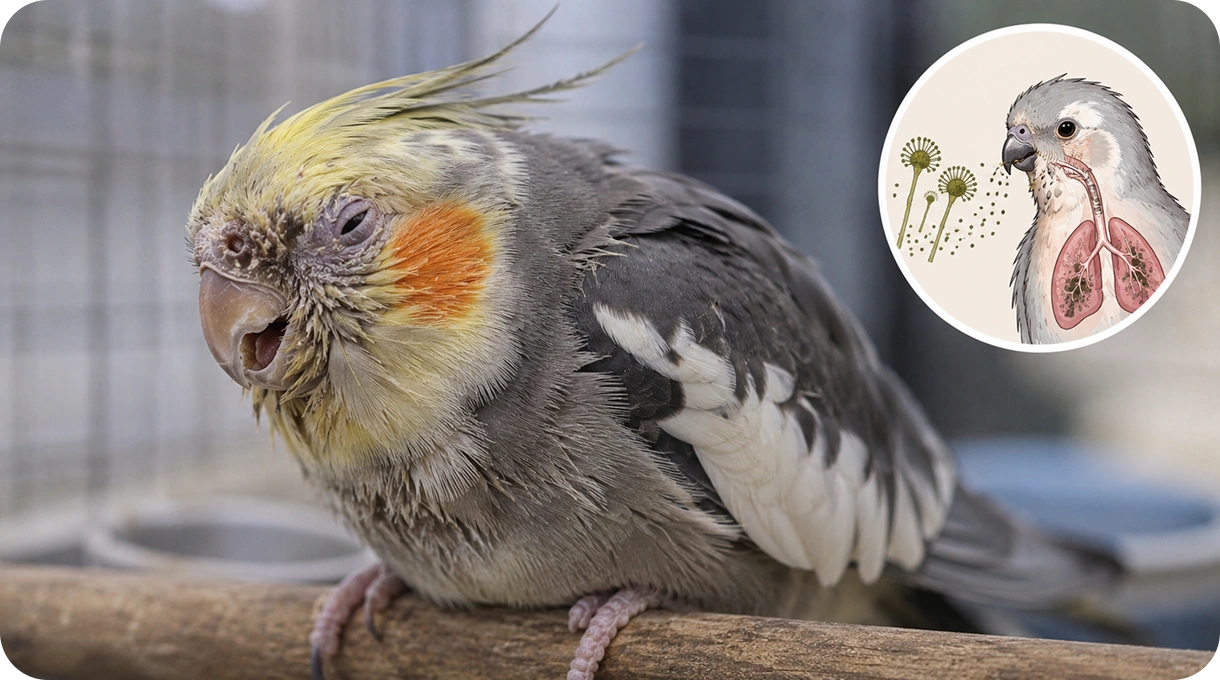
Aspergillosis
A common, non-contagious fungal respiratory disease caused by Aspergillus fumigatus. It causes airway inflammation, whee...
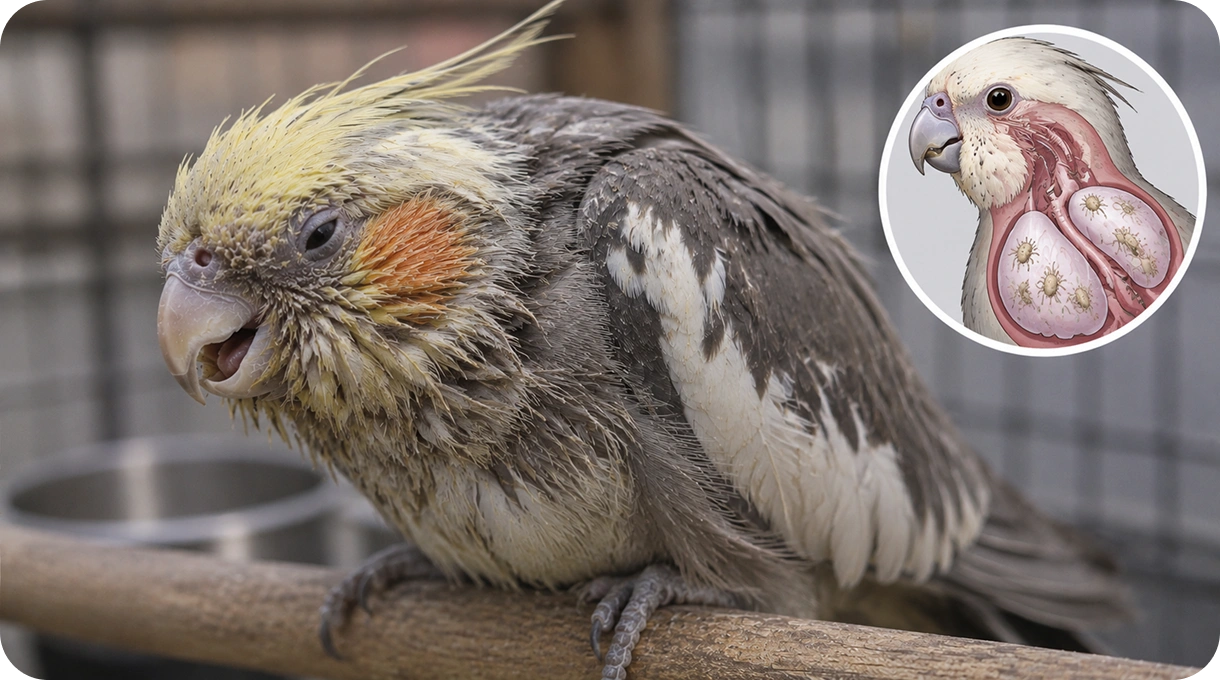
Air Sac Mite Infestation
Commonly seen in caged birds, this disease causes parasitic mites to invade a bird’s respiratory system, leading to whee...
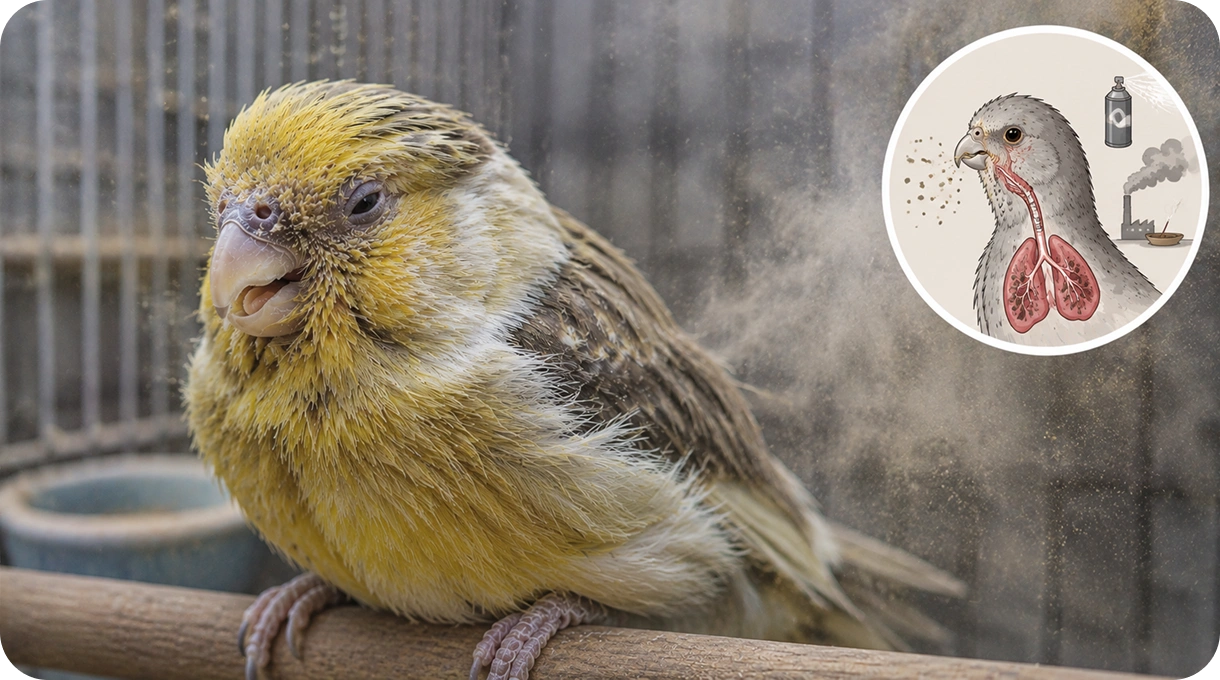
Environmental Irritants
Exposure to aerosols, fumes, dust, smoke and poor air quality irritates a bird’s airways and impairs respiration.
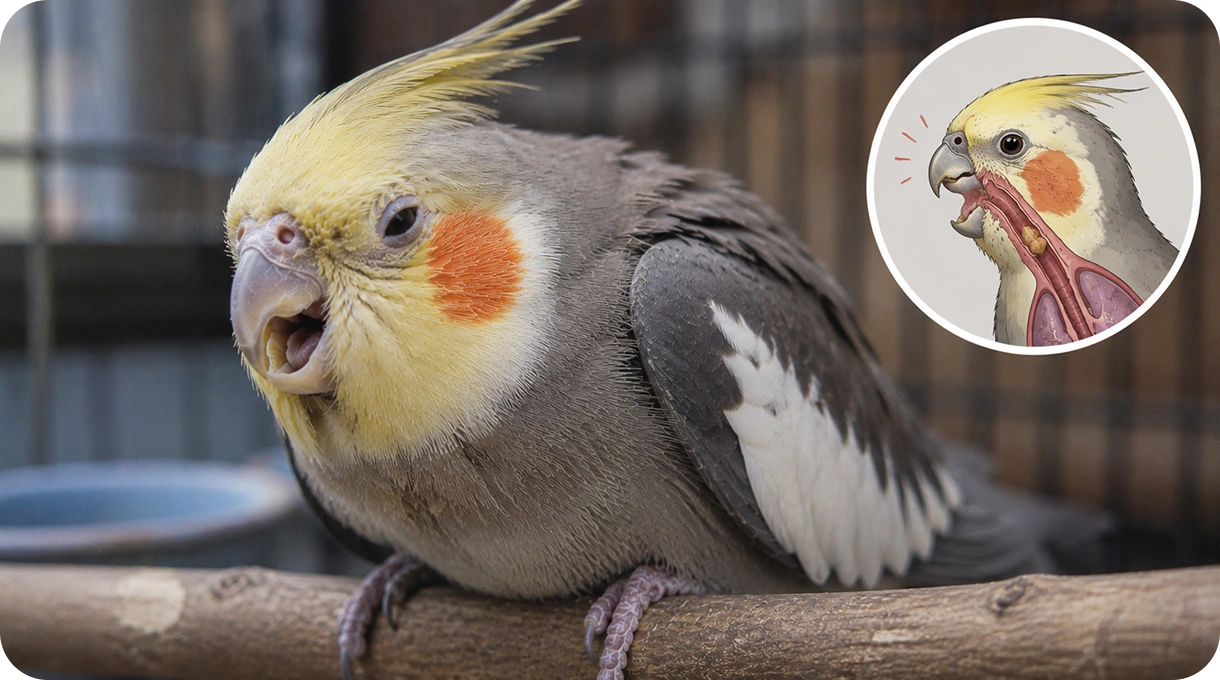
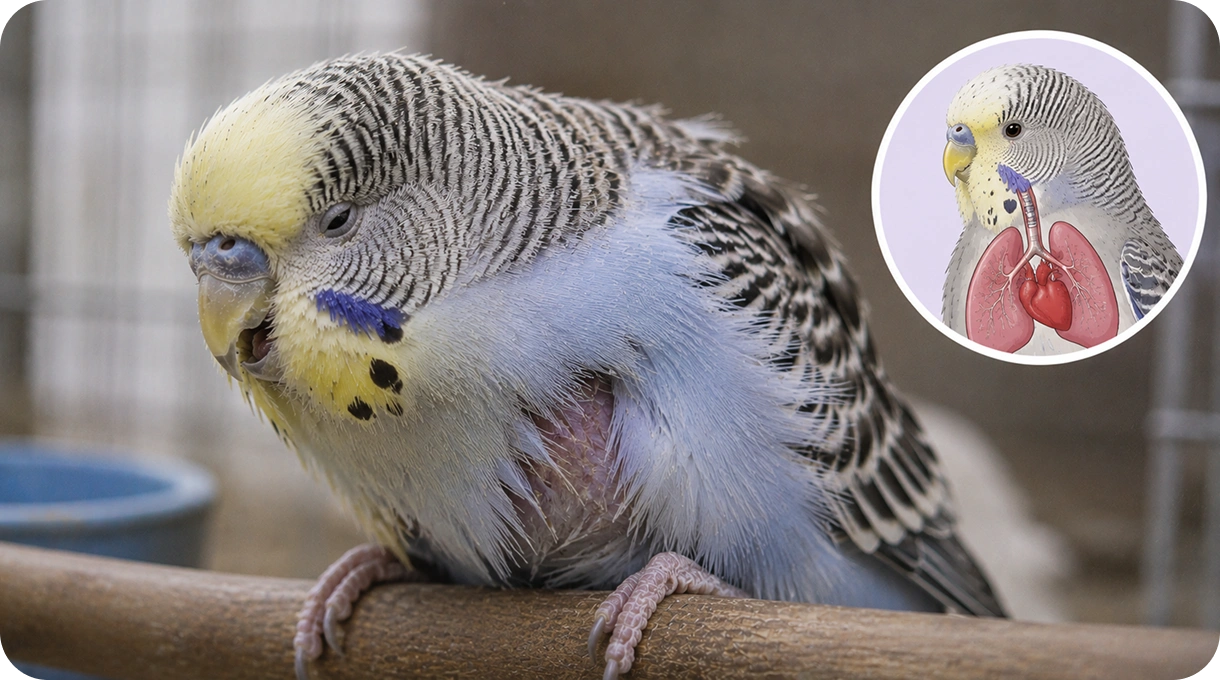
Respiratory Infections
Bacterial, fungal, and viral infections commonly affect the respiratory tract in birds, causing whee...
Aspergillosis
A common, non-contagious fungal respiratory disease caused by Aspergillus fumigatus. It causes airwa...
Air Sac Mite Infestation
Commonly seen in caged birds, this disease causes parasitic mites to invade a bird’s respiratory sys...
Common Signs Of Avian Respiratory Distress


Wheezing and Respiratory Sounds
Audible clicking, wheezing, or abnormal respiratory noises often indicate airway inflammation, obstruction, or respiratory infection.
.svg)
Dyspnea (Difficulty Breathing)
Affected birds generally exhibit laboured breathing, increased respiratory effort, and conspicuous chest or tail movement.

Open-Mouth Breathing
Birds breathing with an open beak indicate reduced oxygen exchange and significant respiratory compromise.

Nasal or Ocular Discharge
Birds with respiratory problems frequently experience watery eyes, nasal discharge and inflammation of upper respiratory structures.
Wheezing and Respiratory Sounds
Audible clicking, wheezing, or abnormal respiratory noises often indicate airway inflammation, obstruction, or respiratory infection.
Dyspnea (Difficulty Breathing)
Affected birds generally exhibit laboured breathing, increased respiratory effort, and conspicuous chest or tail movement.
Open-Mouth Breathing
Birds breathing with an open beak indicate reduced oxygen exchange and significant respiratory compromise.
Nasal or Ocular Discharge
Birds with respiratory problems frequently experience watery eyes, nasal discharge and inflammation of upper respiratory structures.
Assessing Respiratory Distress (Severity Guide)
- Occasional wheezing
- Mild sneezing episodes
- Slight nasal discharge
- Normal activity maintained
- Frequent wheezing
- Laboured breathing
- Tail bobbing
- Reduced activity levels
- Open-mouth breathing
- Severe respiratory distress
- Cyanosis (bluish discolouration)
- Collapse or unresponsiveness
- Inability to perch
When to See a Vet Immediately

Open-Mouth Breathing
Medical Emergency Indicating significant respiratory compromise

Severe Dyspnoea
Laboured breathing is an acute medical emergency requiring oxygen therapy and nebulization

Cyanosis
Bluish mucous membranes indicate inadequate oxygenation.

Open-Mouth Breathing
Medical Emergency Indicating significant respiratory compromise
Severe Dyspnoea
Laboured breathing is an acute medical emergency requiring oxygen therapy and nebulization


Tips To Prevent Respiratory Distress In Birds

Maintain Air Quality
Minimise exposure to smoke, aerosols, fumes, dust, and airborne irritants that can damage the respiratory tract. If possible, use an indoor air purifier.

Ensure Proper Ventilation
Adequate airflow supports optimal respiratory function and reduces pathogen accumulation. It also reduces environmental stress.

Keep Housing Clean
Clean the cage regularly to reduce microbial growth, fungal spores and environmental contaminants that may cause respiratory diseases.



Veterinary Help In Just A Few Simple Steps
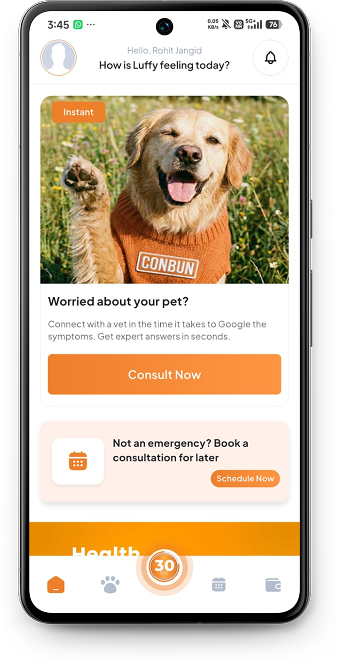
Install Conbun and create your pet’s profile so we can understand them better.
Describe symptoms, upload photos if needed, and get quick online pet health advice from verified vets.
Talk to a vet online in just 30 seconds or schedule an appointment for later.



Related Bird Issues
Allergies
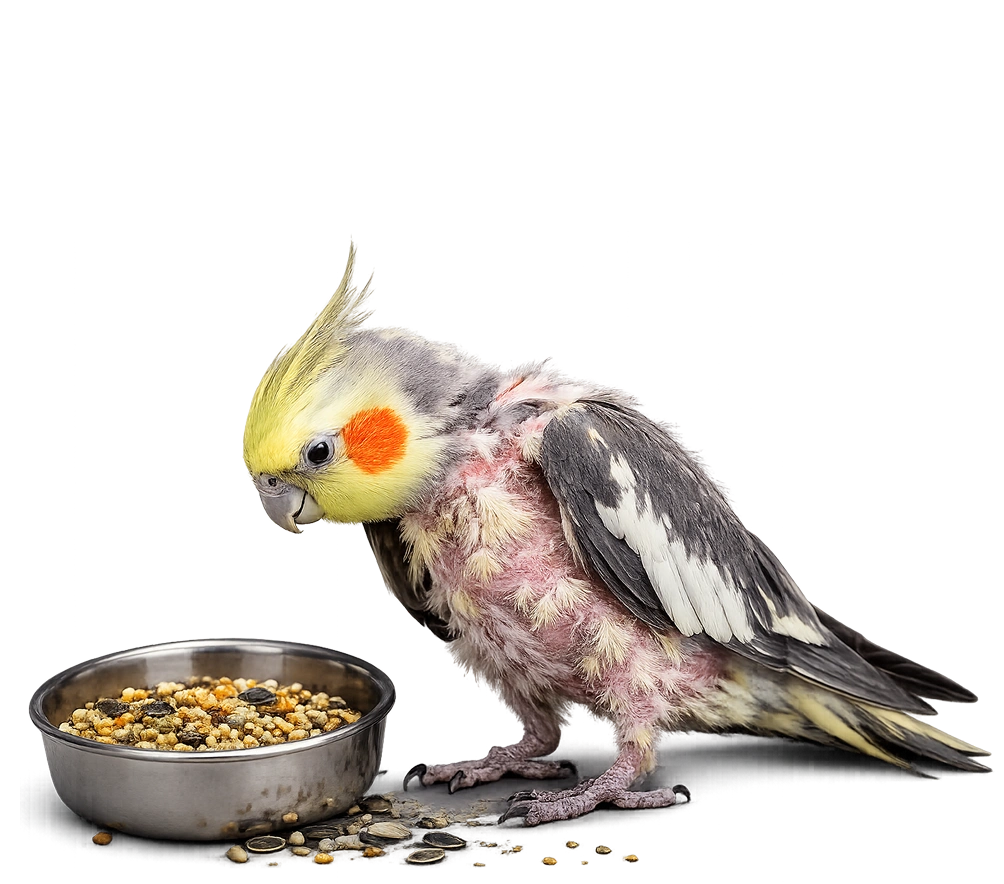
Feather Plucking

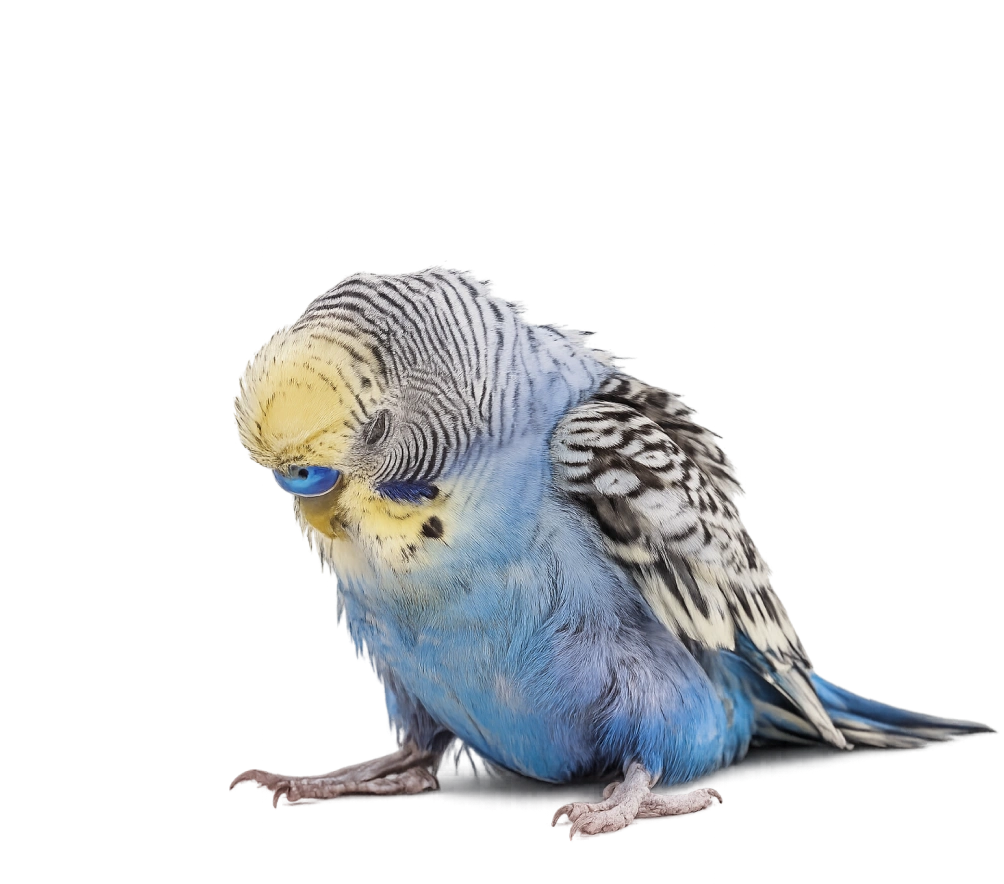
Not Eating/Loss of Appetite
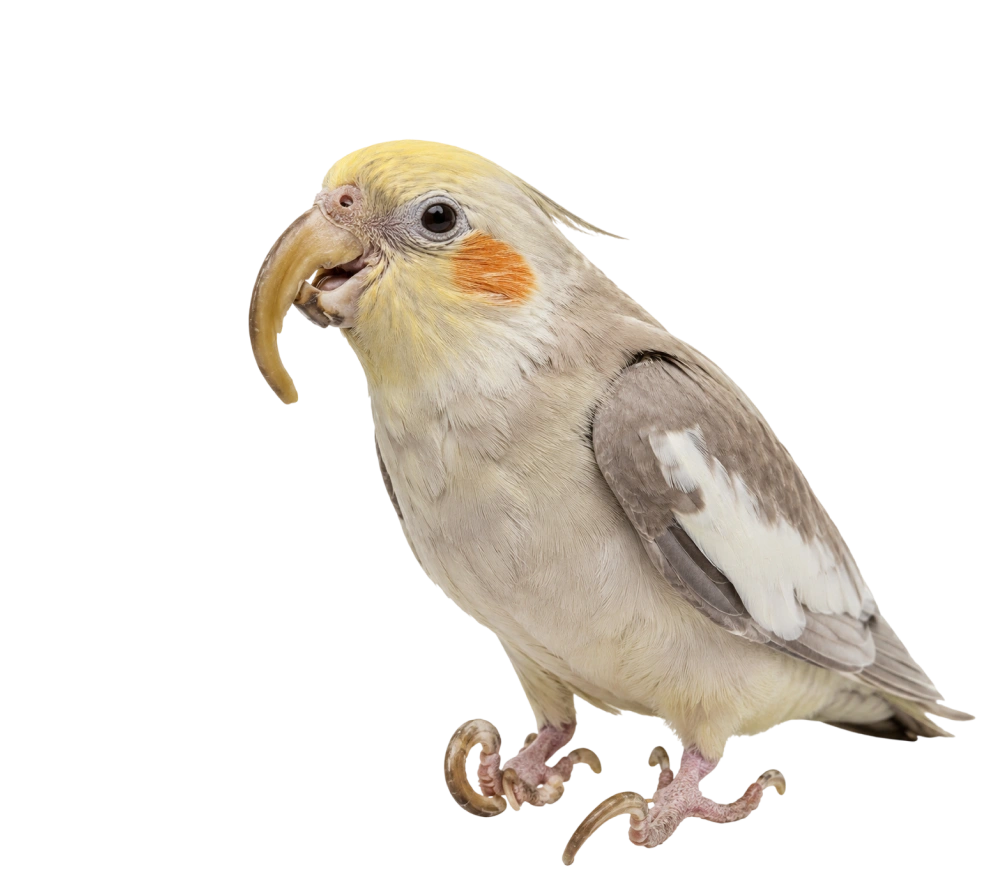
Beak & Nail Overgrowth
.webp)
Allergies
Feather Plucking
Frequently Asked Questions
The treatment of respiratory distress in birds depends on the cause and may include oxygen therapy, medications, antibiotics, antifungals, parasite treatment, and supportive care.
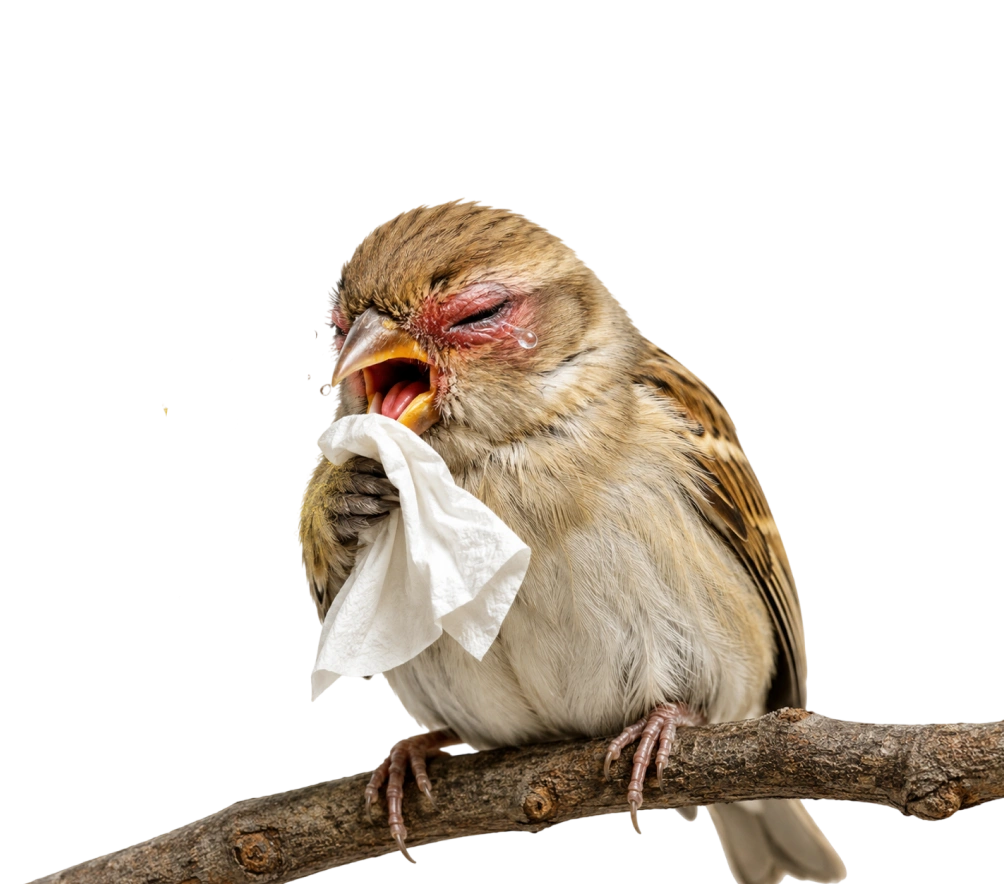
Common symptoms of respiratory distress in birds include open-mouth breathing, wheezing, tail bobbing, nasal discharge, laboured breathing, and lethargy.
Keep your bird warm, reduce stress and ensure good air quality or reduce airborne irritants. If you see laboured breathing, imbalance, etc seek veterinary care promptly.
Yes, birds can survive and recover from respiratory infections when they are diagnosed and treated early. Severe infections can become life-threatening if they are left untreated.
Yes. Conbun allows you to connect with an Avian vet online for guidance on Avian Respiratory Distress, symptom assessment, diagnosis, medications and treatment recommendations.
Conbun – Expert Veterinary Support For Respiratory Distress In Birds
Avian respiratory distress can progress rapidly and should never be ignored. Open-mouth breathing, wheezing, tail bobbing, nasal discharge, and laboured respiration may indicate infections, airway obstruction, fungal disease, or other serious health conditions. Early veterinary intervention is essential to improve outcomes and prevent complications.
Conbun allows bird owners to quickly connect with an avian vet online to discuss symptoms, receive professional guidance, medications, treatment plans and understand the most appropriate course of action. So, stop frantically searching for an avian vet near me and download Conbun to get instant access to qualified veterinary professionals from the comfort of your home.
Book an online vet appointment through Conbun and get personalised recommendations for diagnostics, supportive care and treatment options. Virtual vet care services on Conbun can help pet bird owners to make informed decisions when respiratory symptoms appear.
Through our convenient bird doctor online consultation, you can access trusted veterinary advice, monitor your bird's condition, and take timely action to protect its respiratory health and overall well-being.