
10 Essential Bird Care Tips & Expert Advice Every Pet Owner Should Know
Written by: Anand Sen; Reviewed by: Dr. Parth Patel ( B.V.Sc & A.H., M.V.Sc (Surgery and Radiology)
Why Proper Bird Care Matters for Every Pet Owner?
Birds are intelligent yet sensitive creatures that have complex physical and emotional needs. Yet many first-time owners underestimate the level of care required for birds. Effective bird care focuses on preventing behavioural issues, malnutrition, and early mortality, which are common problems bird owners face due to poor hygiene and inadequate or improper diets.
A study published in Comparative immunology, microbiology and infectious diseases found that about 38% of sampled birds harbored at least one type of Zoonotic bacteria, which shows the prevalence of preventable diseases in birds.
Responsible bird ownership starts with understanding their natural behaviour, providing a structured diet and a bird care routine, and offering environmental enrichment.
Many first-time bird owners think that birds are low-maintenance pets, but in reality, birds need balanced nutrition, thoughtful husbandry, and safe social interactions.
Whether you are adopting cockatiels, budgies, or love birds, the following bird care guide will walk you through everything you must know about bird care.
Related Readings: Is Online Pet Care Consultation Right for Your Pet?
10 Essential Bird Care Tips & Expert Advice
1. Bird Care Basics: A Complete Starter Guide
You need to start with these three essentials:
Safety
Nutrition
Emotional security
Choose a cage that is large enough for complete wing extension. Ensure it is placed in a properly ventilated area. Before bringing your bird home, prepare the environment with toys, cage liners, clean bowls, and a corner free of smoke or loud noises. During the first week, birds need gentle handling and predictability.
How to take care of birds in 5 lines (Quick Summary Box)
Ensure the cage is spacious, clean, and has safe perches.
Offer a balanced diet of pellets, fruits, seeds, and greens.
Ensure daily interaction, enrichment, and supervised out-of-cage time.
Maintain proper hygiene: clean bowls, change liners, and wash toys.
Monitor their health, appetite, droppings, activity, and breathing.
2. Creating a Healthy Bird Care Routine
An effective bird care routine will keep your Bird physically and mentally healthy. Start by cleaning the bowls, removing any leftover food, and wiping the perches. Birds require 10-12 hours of sleep to stay healthy. Offer daily mental and emotional enrichment with foraging games, rotating toys, and training sessions.
Ensure you wash toys, clean the cage, and scrub the perch thoroughly every week. Monthly tasks include checking nails, disinfecting the entire cage, and trimming frayed perches.
Decreased appetite, watery droppings, fluffed feathers, hiding, or aggression are the early signs of poor care. A bird vet consultation online is recommended if these symptoms persist beyond 24 hours, as birds tend to hide illness, and you may not know until it becomes severe.
Related Readings: 14 Common Mistakes in Pet Food Choices
3. Bird Nutrition Essentials
A balanced avian diet should include 60-70% pellets, 10-15% seeds, and 20% fruits and veggies. Love birds, cockatiels, and budgies thrive on a balanced diet that consists of spinach, millets, pellets, broccoli, papaya, and sprouted grains. You must avoid onions, caffeine, avocado, and salty foods as these are toxic. Hydration is also an essential factor, especially for small birds.
Avoid overfeeding seeds, as they are high in calories, to prevent obesity. Introduce foraging toys to encourage movement. Prevent vitamin A and calcium deficiency, as these are common in Indian households.
You may add supplements to their diet, but only after veterinary guidance. You can use the Conbun app for reliable bird care consultation online.
4. Handling & Bonding: Building Trust with Your Bird
Safely handling builds confidence and also establishes a lifelong bond. Start slow by offering treats through the cage bars. After that, encourage step-up training. Do not chase or grab, as birds tend to perceive fast movement as predatory, which can frighten them and lead to negative experiences.
Always read their body language. Relaxed feathers, blinking, or soft chirps indicate they are comfortable, while pinned eyes, hissing, lunging, or raised feathers indicate they are stressed.
Love bird care tips: Lovebirds are social and bond-driven. Therefore, focus on creating a strong bond with them, especially during the early days.
Spend dedicated time every day engaging them with toys, gently talking to them, and hand-feeding. Also, focus on mental stimulation through puzzle toys, mirrors, and flight training (only if you are an experienced bird owner).
You can also use training games like target touch, fetch, and simple tricks to prevent boredom-related plucking or biting.
Related Readings: 15 Common Pet Health Issues Every pet Owner Should Know
5. Outdoor Safety & Weather Protection
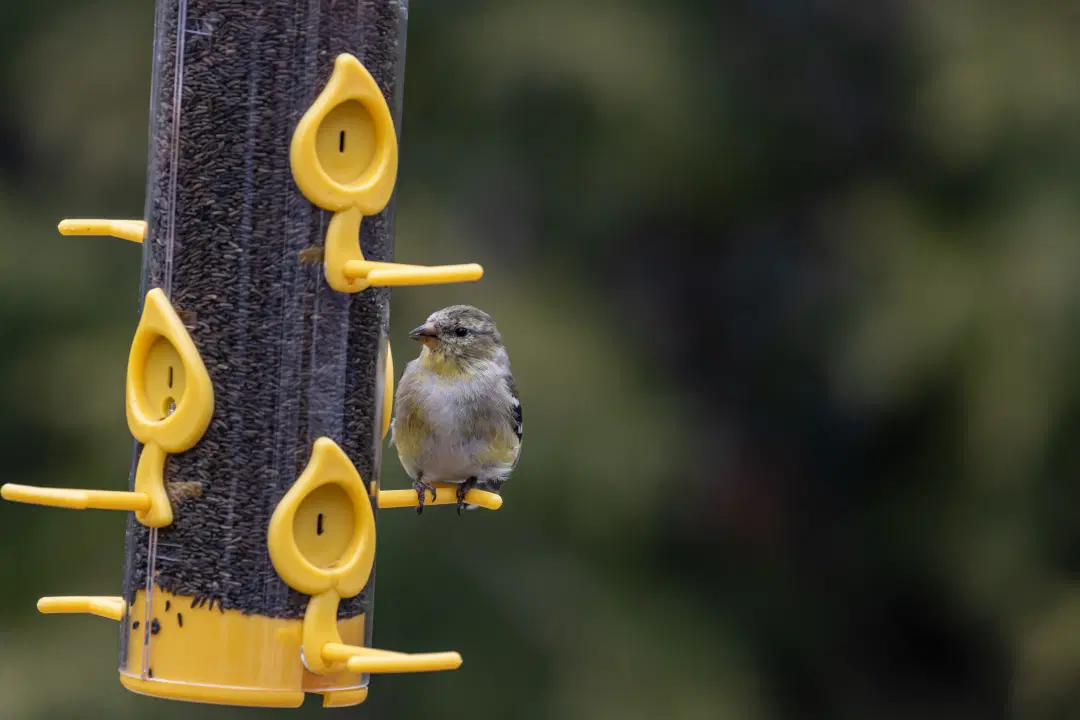
As birds are susceptible to temperature changes, they are highly vulnerable to heat stress, dehydration, and respiratory issues such as fowl cholera and avian influenza.
How to take care of birds in summer?
Provide cool drinking water, shade, and wet leaf baths. Avoid midday heat. The signs of overheating in birds are open-mouth breathing, panting, or wings away from the body.
Winter & rainy season care
During the rainy season, keep the cage away from damp walls. Use warm covers and avoid drafts during the winter. Also, never keep them outdoors during high humidity or storms.
Supervise outdoor time carefully and watch for predators such as hawks, kites, dogs, and cats. Sunlight is very beneficial for them for vitamin D synthesis, but limit exposure to 15-20 minutes, as indoor birds get dehydrated easily.
Related Readings: Top 12 Interactive & Eco-Friendly Pet Toys of 2025
6. Special Situations: Injured, Flightless, or Wild Birds
How to take care of a bird that is injured?
Gently place the Bird in a ventilated box lined with soft cloth, keep it warm, and avoid feeding until a vet has assessed it.
How to take care of a bird that can't fly?
Provide lower perches, padded flooring, and easy-access bowls. Support physiotherapy only under avian vet guidance.
How to take care of a wild bird?
Always avoid touching wild birds unless they are in immediate danger. Many wild birds tend to recover better without human interference. If rescue is needed, contact a wildlife rehabilitator.
You must seek an bird doctor online consultation immediately if the Bird shows bleeding, seizures, shock, or breathing difficulty.
7. Baby Bird Care & New Bird Adjustments
Baby bird care tips
Baby birds require warmth (32–35°C), strict feeding schedules (every 2–3 hours), and specialized formula, not cow's milk or bread, but pellets and seeds. An incorrect feeding angle can also cause aspiration pneumonia, a fatal condition.
New bird care tips (first 7 days)
Allow the Bird to adjust on its own without excessive handling. Offer familiar foods, dim lighting, and slow introductions. Monitor droppings to check digestive health. Only after the first week of training and bonding is complete should it begin.
Baby birds are the most delicate creatures. If you inexperienced at handling birds, talk to bird vet online through the Conbun app and become a pro at caring for birds.
Related Readings: Pet Care Goes Digital: How Apps Are Making Vet Consultations Faster, Cheaper & More Reliable
8. Extra Care Tips for Bird Species & Clarifying Search Confusions
Bird care tips for budgies, cockatiels & love birds
Budgies need millet moderation; cockatiels need more Vitamin A-rich greens; love birds require social interaction and chew toys.
Bird help care (emergency basics)
For bleeding, apply corn starch. For dehydration, offer electrolyte water. Always seek bird help from care organizations quickly.
Bird of Paradise Care Tips / Bird of Paradise Plant Care Tips
Many readers search for this by mistake. The “bird of paradise plant care” is a plant, not a bird. It requires bright indirect sunlight, well-draining soil, and moderate watering—not relevant to avian care.
9. Educational Section for Kids & Beginners
How can we take care of birds?
Give the Bird clean water and food every day.
Keep the cage clean and safe.
Talk to the Bird gently and never scare it.
Let it rest and sleep without noise.
Take it to a vet if it looks sick.
Simple lessons help children learn empathy and responsibility early. If you want to learn expert tips on how to take care of birds consider a bird behaviour consultation online.
10. Common Mistakes Bird Owners Should Avoid
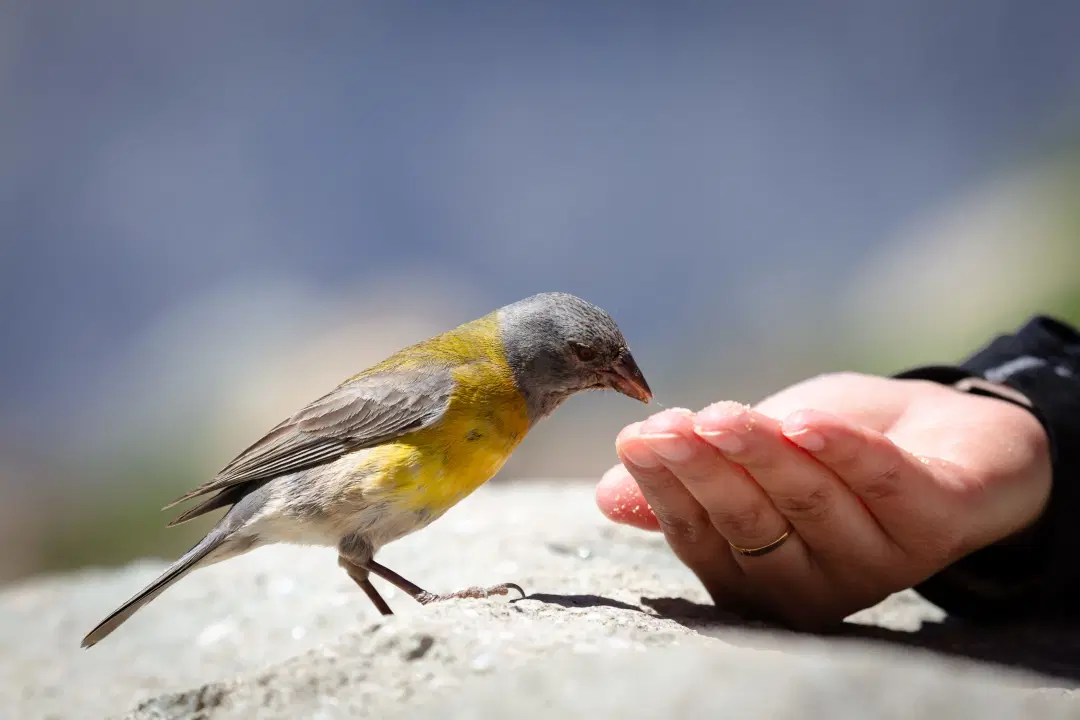
Feeding a diet consisting of only or mainly seeds (causes vitamin deficiencies).
Using round cages or cages too small for wing extension can lead to behavioural problems, stress, and feather-plucking.
Poor hygiene, dirty bowls, damp perches, and mouldy food could lead to health problems.
Using unsafe toys, such as fragile plastic or toxic paints.Overhandling or exposing birds to loud environments, such as TV, traffic, or fireworks.
Placing cages near kitchens, as Teflon fumes can kill birds instantly.Ignoring early signs of stress or feather plucking.
You can get so many more critical tips through a quick bird behaviour consultation online to prevent most mistakes, especially in the first month of ownership.
Conclusion: Responsible Bird Care Starts With Small Daily Habits
Birds are gentle creatures who thrive when their nutrition, emotional needs, and physical environment are consistent. If you are considering bringing a feathery companion into your home, the above-discussed bird care tips can help you lay a foundation for their long-term health. Clean spaces, adequate mental and physical stimulation, a balanced diet, and climate-aware protection are key considerations.
Still, suppose you ever feel unsure about their behaviour, diet, or sudden illness. In that case, you can use the Conbun app to book a bird behaviour consultation online and connect with certified avian care specialists.
Frequently Asked Questions:
Q1. How to properly take care of birds?
Answer. Make sure that you provide them with a balanced diet, clean cage, environmental enrichment, and routine vet care.
Q2. How can we care for the birds?
Answer. Respect their space, focus on cleanliness and hygiene, offer a balanced diet with fresh food/water, and maintain hygiene, and also concentrate on adequate physical and mental stimulation.
Q3. How to take care of birds in 5 lines?
Ensure the cage is spacious, clean, and has safe perches.
Offer a balanced diet of pellets, fruits, seeds, and greens.
Ensure daily interaction, enrichment, and supervised out-of-cage time.
Maintain proper hygiene: clean bowls, change liners, and wash toys.
Monitor their health, appetite, droppings, activity, and breathing.
Q4. How to take care of a new bird?
Answer. Start with quiet adjustment, gentle bonding, and a stress-free environment.
Q5. What is the 60-40 rule for birds?
Answer. The 60-40 rule for birds refers to a diet rule that feeds 60% pellets and 40% fruits, seeds, and other occasional treats.
Q6. How to take care of a bird for beginners at home?
Answer. Ensure a clean environment, offer a balanced diet, and provide proper mental and physical stimulation through toys and games.
Q7. Is a bird vet consultation online reliable?
Answer. Yes. Online vet consultations for birds are as reliable and effective as in person bird veterinary care. For non-emergencies, and cases where bird vet visit is not possible, online bird vet consultations can prove to be a boon.
Table of Content
- Why Proper Bird Care Matters for Every Pet Owner?
- 10 Essential Bird Care Tips & Expert Advice
- Conclusion: Responsible Bird Care Starts With Small Daily Habits
- Frequently Asked Questions:

Anand Sen
Get Conbun in your Google results
Add Conbun as a preferred source and Google will show our vet-written guides more often in your Search results and AI answers.