
Help Your Bird Stop Feather Plucking: Consult An Avian Veterinarian Online
Is your bird pulling out its feathers, over-preening, or showing signs of stress? Consult veterinarians online for expert guidance on behavioural, nutritional, and medical causes.
Types Of Feather Plucking & Self-Grooming Disorders In Birds
Understand the types of feather-damaging behaviours to identify underlying causes and support your pet bird with timely treatment.
.webp)
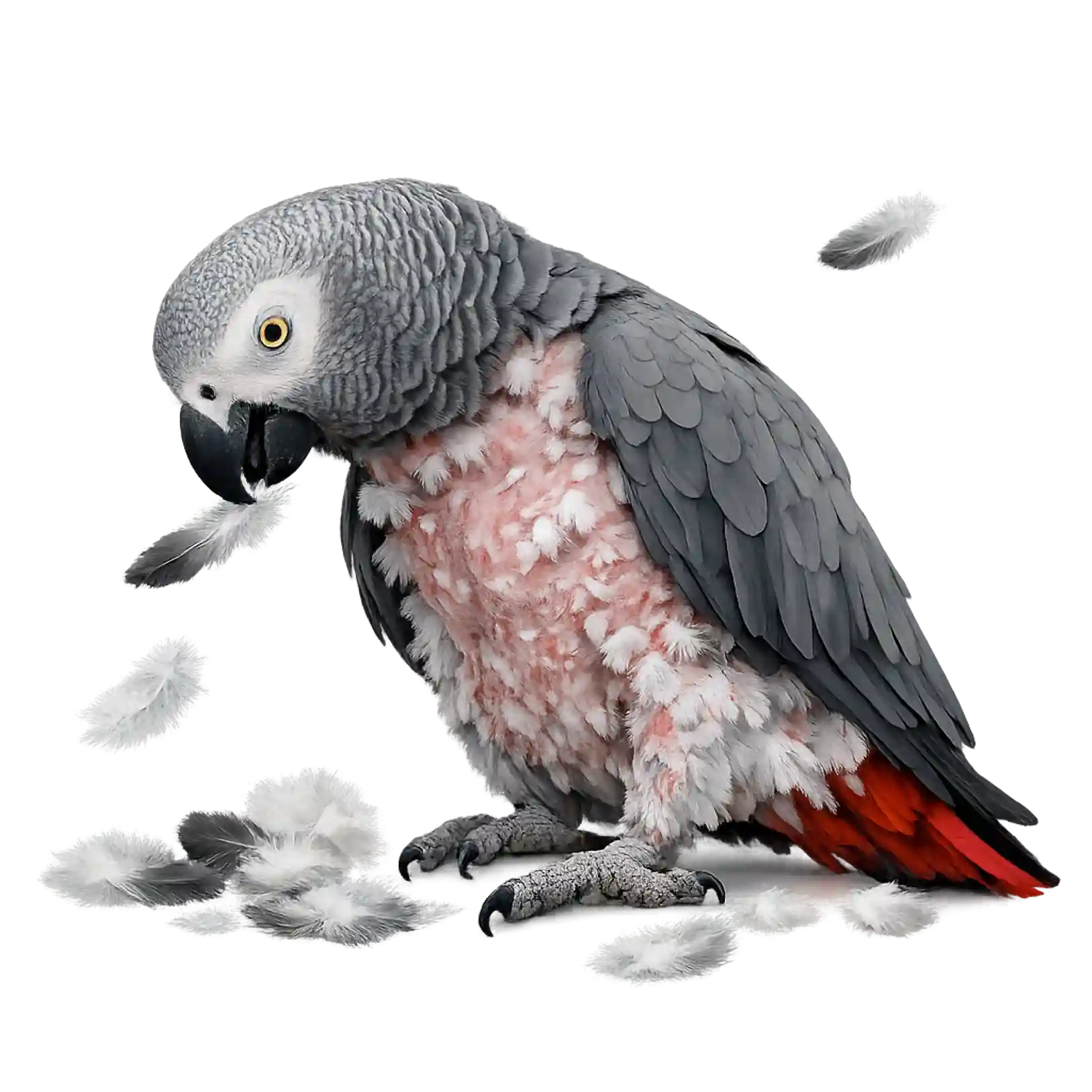
Feather Destructive Behaviour
FDB is a serious condition where birds repeatedly damage or remove feathers. This behaviour is generally a result of a m...
.webp)
Feather-Chewing / Shredding
A condition in which a bird damages, chews, or over-preens its own feathers, leaving a tattered and ragged appearance. F...
.webp)
Feather-Snapping
Birds repeatedly chew the feather shafts instead of pulling them out. It creates a clipped appearance while leaving the ...
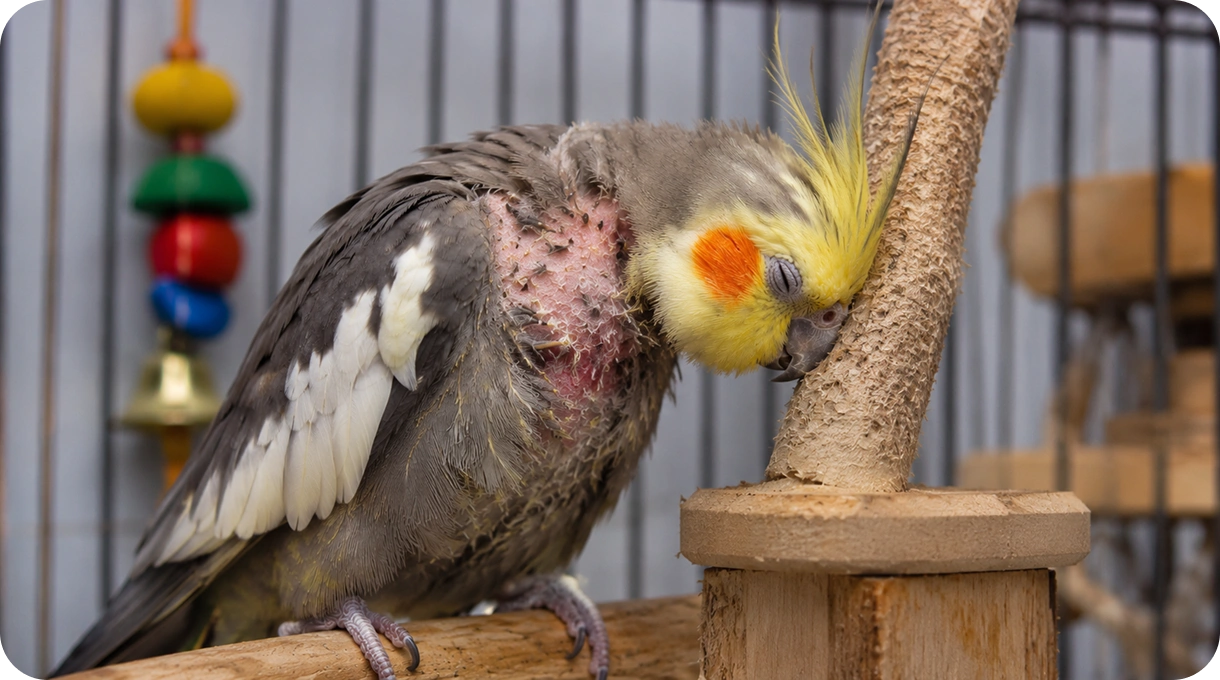
Rubbing/Scraping
Constant rubbing against cages, perches, or objects damages features and indicates discomfort, irritation, or stress.
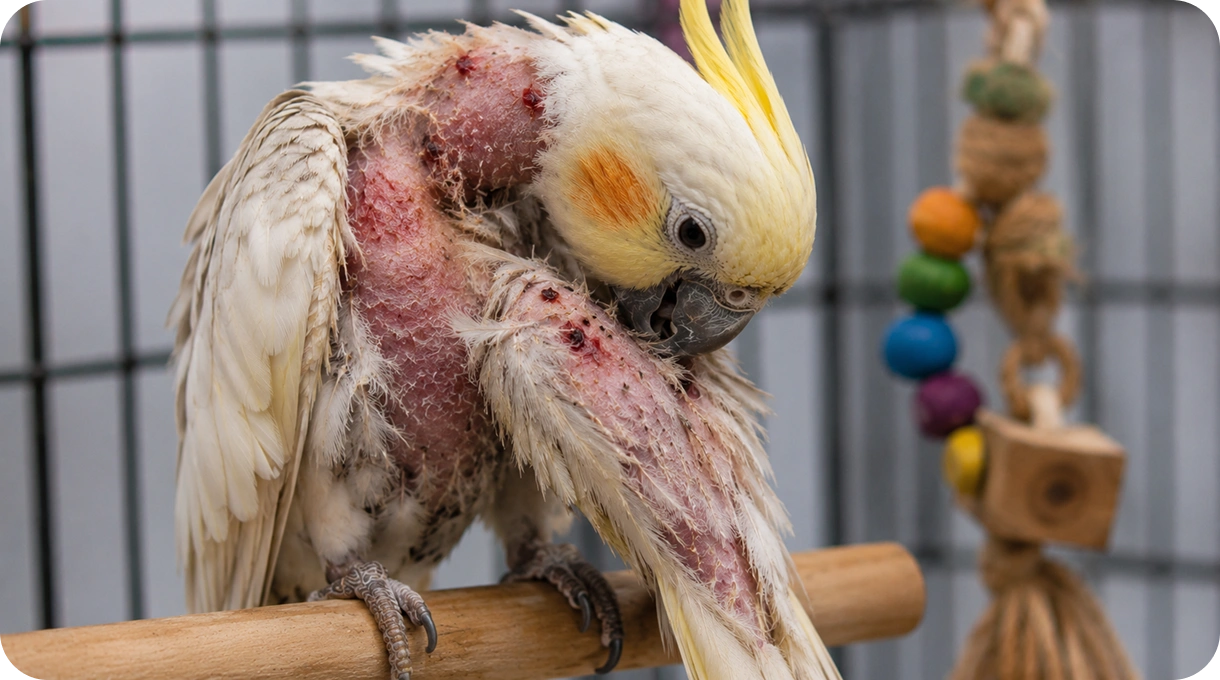
Feather Destructive Behaviour
FDB is a serious condition where birds repeatedly damage or remove feathers. This behaviour is gener...
Feather-Chewing / Shredding
A condition in which a bird damages, chews, or over-preens its own feathers, leaving a tattered and ...
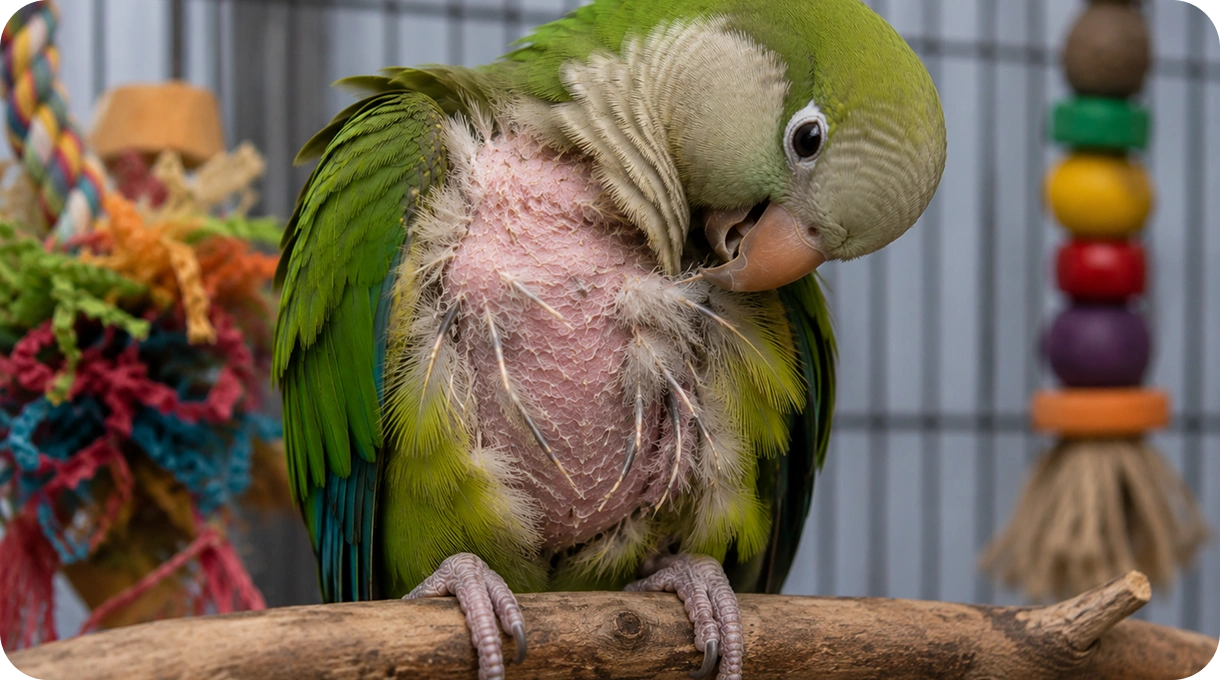
Feather-Snapping
Birds repeatedly chew the feather shafts instead of pulling them out. It creates a clipped appearanc...
Common Causes Of Feather Plucking in Birds



Behavioural Stress & Anxiety
Fear, social isolation, chronic stress or environmental changes can trigger repetitive feather-damaging behaviours in susceptible birds.
Dermatological Disorders
Dermatitis, fungal infections, skin inflammation and allergic reactions may also lead to irritation and excessive preening.
Ectoparasite Infestations
Lice, mites and other ectoparasites can lead to intense pruritus, discomfort and persistent feather-destructive behaviours in birds.
Nutritional Deficiencies
Deficiencies in essential minerals, amino acids, vitamins or fatty acids can impair skin health and feather quality.
Behavioural Stress & Anxiety
Fear, social isolation, chronic stress or environmental changes can trigger repetitive feather-damaging behaviours in susceptible birds.
Dermatological Disorders
Dermatitis, fungal infections, skin inflammation and allergic reactions may also lead to irritation and excessive preening.
Ectoparasite Infestations
Lice, mites and other ectoparasites can lead to intense pruritus, discomfort and persistent feather-destructive behaviours in birds.
Nutritional Deficiencies
Deficiencies in essential minerals, amino acids, vitamins or fatty acids can impair skin health and feather quality.
Know When Feather Plucking Becomes A Serious Health Concern
- Occasional over-preening
- Minor feather damage
- Slight feather chewing
- Normal skin appearance
- Noticeable feather loss
- Repeated feather chewing
- Bald patches developing
- Frequent grooming behavior
- Skin mutilation
- Bleeding wounds
- Severe feather destruction
- Signs of infection
- Self-trauma causing tissue damage
When to Consult a Veterinarian

Bleeding Skin or Wounds
Open wounds or bleeding require immediate veterinary assessment.

Sudden Feather Loss
Rapid feather loss indicates serious disease, such as Psittacine Beak and Feather Disease or Polyomavirus

Self-Mutilation
Skin damage or minor cuts quickly allows bacteria and fungi to enter the bloodstream and cause infections.

Bleeding Skin or Wounds
Open wounds or bleeding require immediate veterinary assessment.
Sudden Feather Loss
Rapid feather loss indicates serious disease, such as Psittacine Beak and Feather Disease or Polyomavirus



How To Prevent Feather Plucking In Birds
Provide Daily Enrichment
Foraging activities, interactive toys and mental stimulation reduce boredom and discourage feather-damaging behaviours.

Maintain a Balanced Diet
Offering a balanced diet supports feather development, skin health and overall wellbeing while reducing risks associated with nutritional deficiencies.

Encourage Social Interaction
Regular interaction and companionship prevent loneliness, stress and anxiety that may contribute to feather plucking.


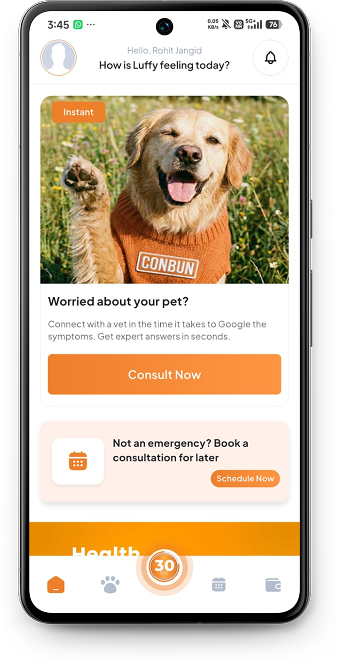
Veterinary Help in Just a Few Simple Steps
Install Conbun and create your pet’s profile so we can understand them better.
Describe symptoms, upload photos if needed, and get quick online pet health advice from verified vets.
Talk to a vet online in just 30 seconds or schedule an appointment for later.



Related Bird Issues
Allergies
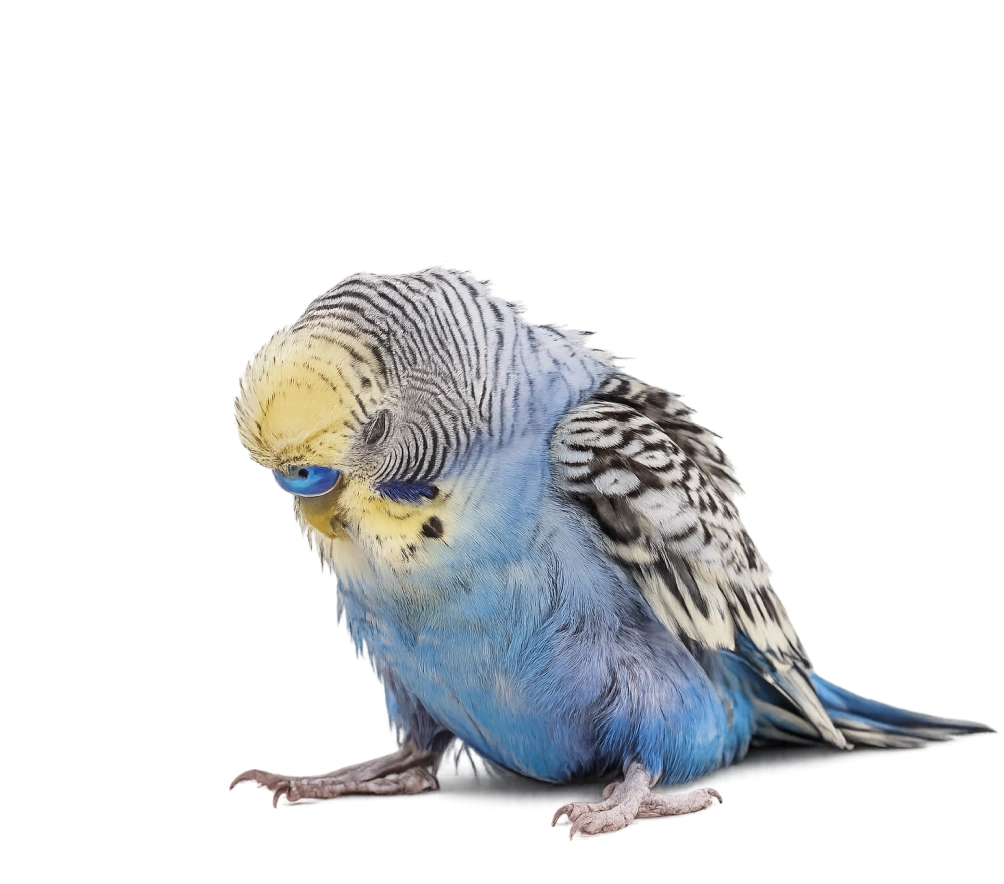
Not Eating/Loss of Appetite
Respiratory Distress (wheezing)
.webp)
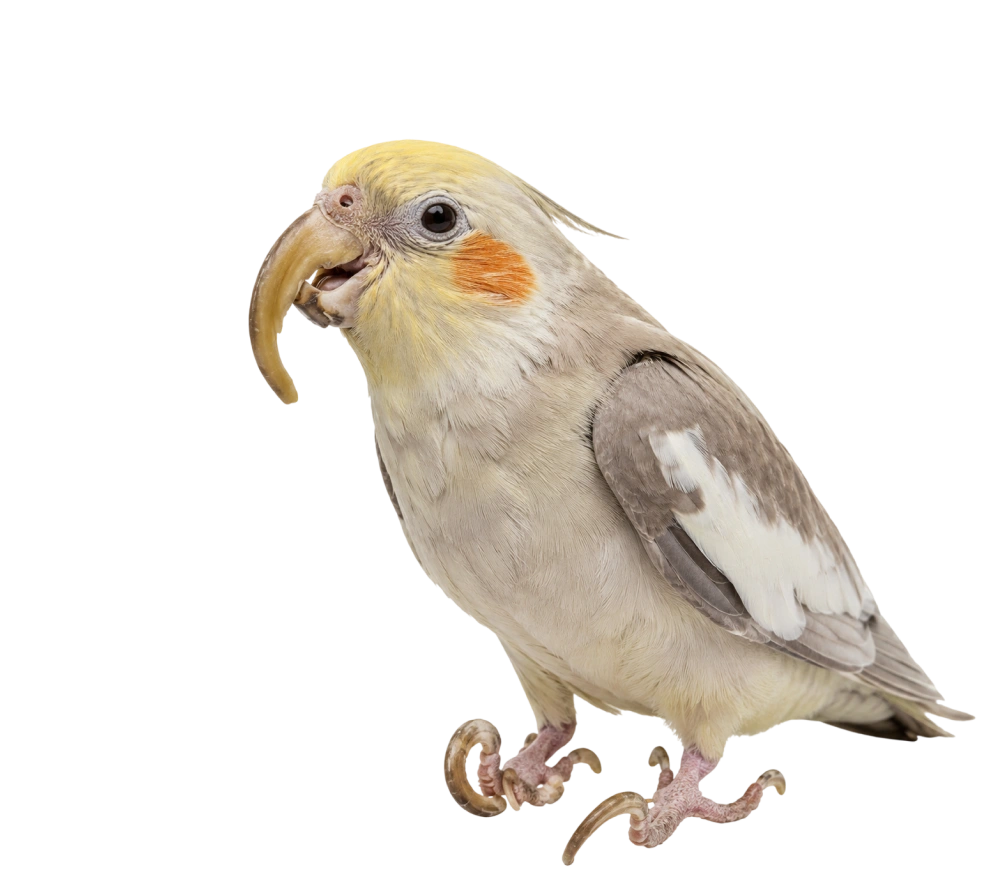
Beak & Nail Overgrowth
.webp)
Allergies
Not Eating/Loss of Appetite
Frequently Asked Questions
Treatment of feather plucking in birds depends on the cause. Avian veterinarians first rule out medical conditions such as infections, parasites, nutritional deficiencies, or organ disease. Treatment may include medical therapy and dietary correction. Common home remedies for feather plucking, generally recommended by vets, are environmental enrichment and behavioural modification to eliminate stress or boredom.
Yes. Symptoms of feather plucking can be painful, especially when feathers are actively growing (blood feathers) or when birds damage the underlying skin with excessive preening.
Feather plucking in birds often indicates underlying problems such as boredom, anxiety, stress, skin disease, parasites, nutritional deficiencies or systemic illness.
Anti-plucking sprays use bitter agents like Denatonium Benzoate to discourage birds from chewing their skin and feathers. Sprays do not address the underlying medical or behavioural cause and may delay proper treatment. Always spray lightly on the body, avoiding the eyes and beak, and consult an avian vet to rule out underlying medical issues
Yes, plucked feathers generally can regrow during the bird's natural moulting cycle. However, if the plucking behaviour is severe or repeated, it may permanently damage the underlying feather follicles, causing the feathers to stop growing back, resulting in permanent bald patches.
Yes. You can consult a veterinarian on Conbun to identify potential medical, nutritional, environmental or behavioural causes and recommend appropriate treatment and management strategies.
Consult an avian veterinarian immediately if you notice your bird plucking its feathers. Feather plucking cannot be resolved with "quick fixes". It requires prompt veterinary intervention to prevent secondary skin infections or permanent follicle damage
Conbun – Expert Support For Feather Plucking And Bird Wellness
One of the most challenging health and behavioural problems seen in pet birds is feather plucking. What begins as occasional preening may progress into severe feather destruction behaviour, skin injury, and self-mutilation if the underlying cause is not identified and treated. Various factors like stress, boredom, nutritional deficiencies, parasites, skin disorders, and systemic illnesses can contribute to feather-damaging behaviours.
With Conbun, pet bird owners can connect with an experienced Avian vet online to discuss symptoms, identify triggers, and receive professional guidance tailored to their bird's needs. With early intervention, you can prevent further feather damage and improve your bird's overall quality of life.
Our convenient Online vet clinic allows you to access veterinary support from home, making it easier to seek help when you notice feather loss, behavioural changes, excessive preening, or signs of stress. Through our easy-to-use Pet health app, discuss your bird's environment, medical history, diet, and behaviour with qualified veterinary professionals.
With virtual veterinary services on Conbun, get expert support for behavioural concerns, nutritional management, environmental enrichment, parasite prevention, and ongoing health monitoring for your avian companions. Whether your bird is experiencing mild feather chewing or severe feather-destructive behaviour, Conbun is here to help you take the next steps with confidence.
Why Bird Owners Choose Conbun
Access to an Avian vet online
Convenient Online vet clinic consultations
Easy-to-use Pet health app
Professional Virtual Veterinary Services
Guidance for feather plucking and over-preening
Support for behavioural and medical concerns
Trusted veterinary advice from the comfort of home