.webp)
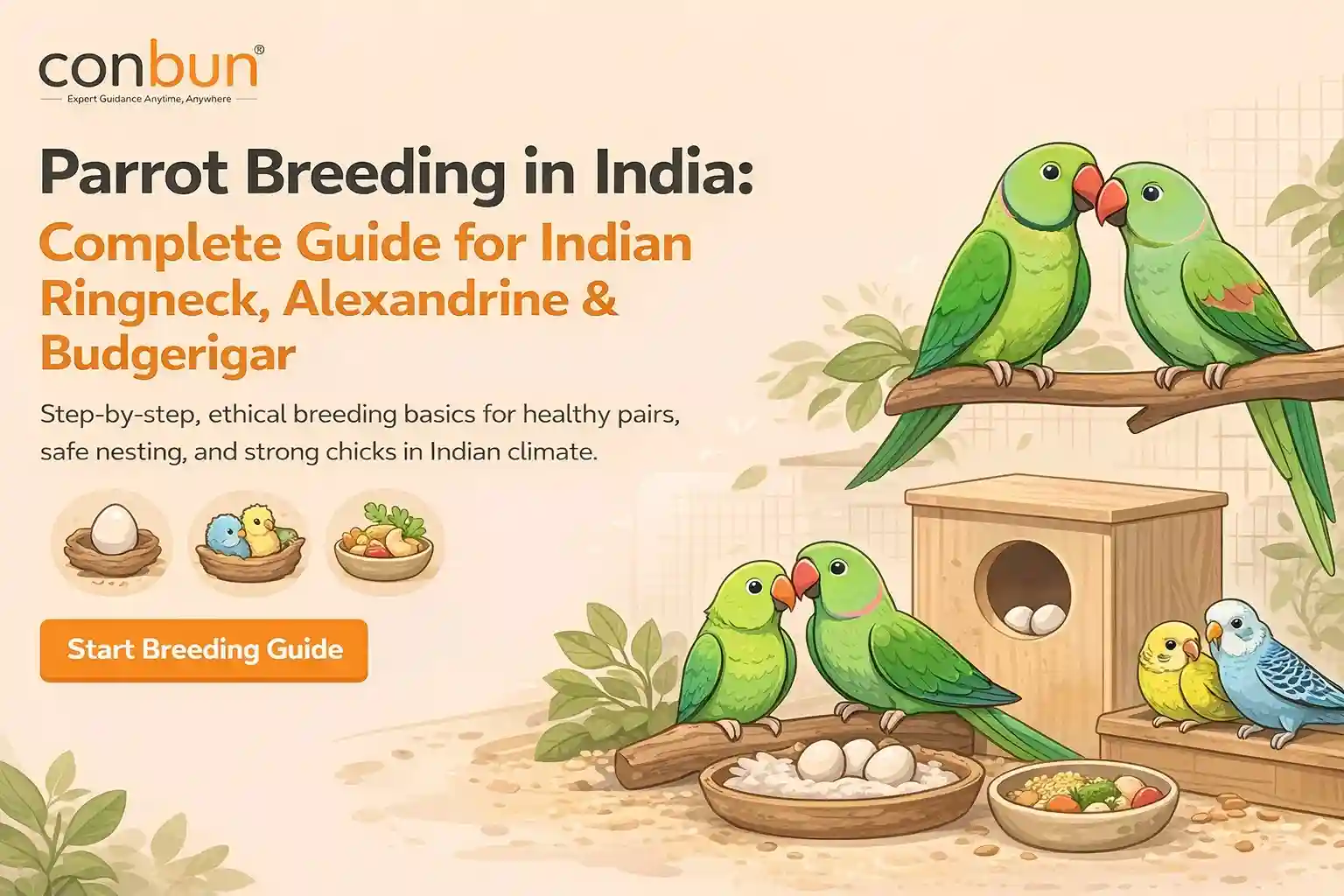
Parrot Breeding in India: Complete Guide for Indian Ringneck, Alexandrine & Budgerigar
If you’ve ever seen a pair of parrots quietly feeding each other, preening feathers like old partners who’ve memorised each other’s moods, you’ve already seen the beginning of bird breeding behaviour.
If you have parrots at home, maybe at least once you’ve thought, “I can breed parrots at home”. However, breeding is a challenging and specialised aspect of bird care.
Across India, from balcony setups in Delhi to terrace aviaries in Bangalore, parrot breeding is gaining increasing popularity. Indian Ringnecks, Alexandrines, and Budgerigars are among the most common pet and breeding birds.
But here’s one thing that most parrot owners don’t realise: Parrot breeding is not just pairing two birds and waiting for eggs.
It is:
behavioural science
nutrition management
environmental control
and ethical responsibility
According to the journal Animal Welfare and Indian avian practice standards, improper breeding in birds is associated with malnutrition, chick mortality, and behavioural disorders in parrots.
This guide will walk you through everything, step by step, India-specific, and vet-backed.
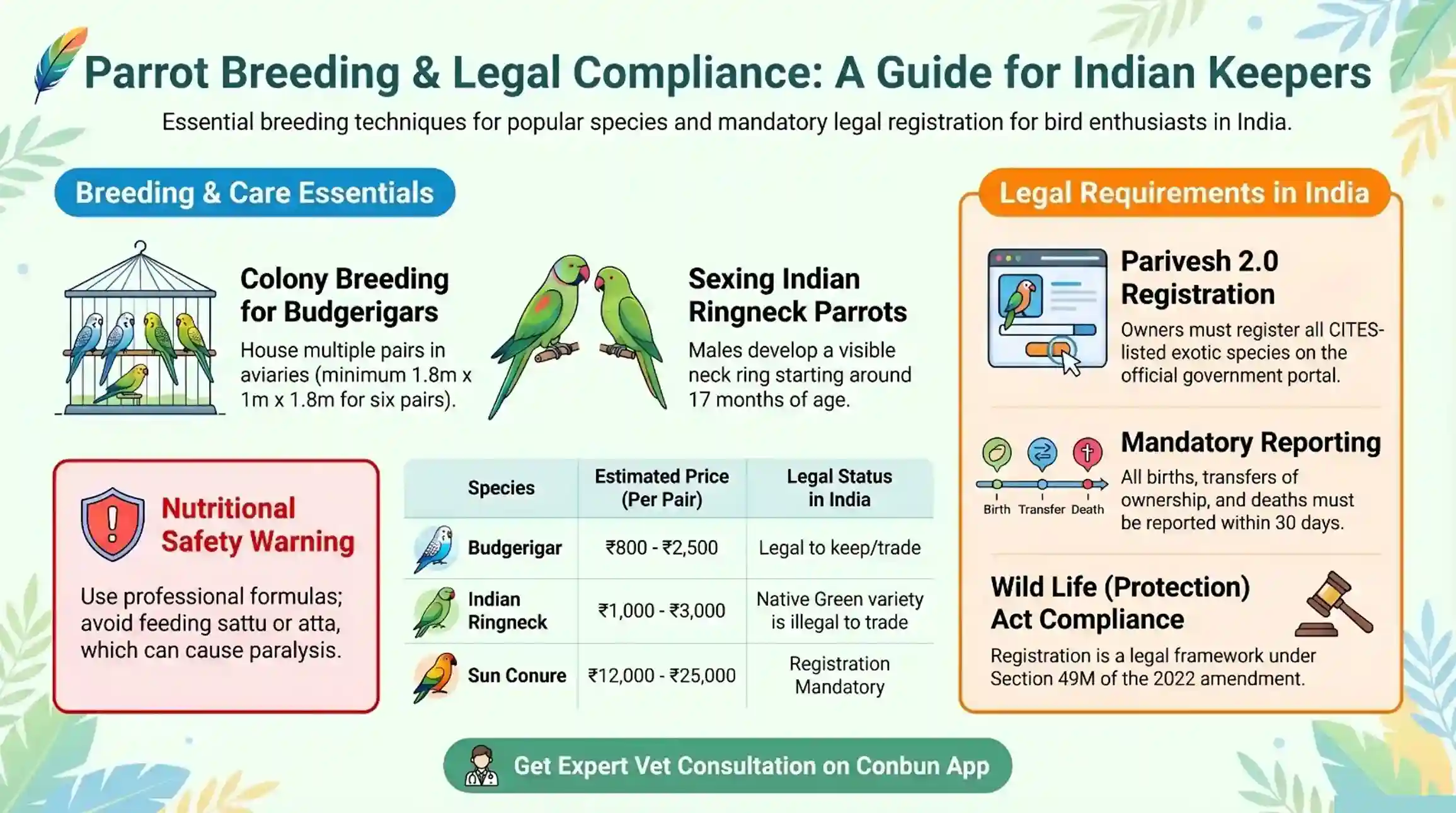
What is parrot breeding, and how does it work in India?
Parrot breeding is the controlled pairing of a healthy male and female bird to produce eggs, which hatch into chicks under carefully managed environmental and nutritional conditions.
How Breeding Actually Works
Pair bonding begins
Mutual feeding
Vocal interaction
Preening behaviour
Mating occurs
Usually during early morning hours
Repeated over several days
Egg laying starts
Female lays 3-6 eggs (species dependent)
Incubation phase
It generally spans between 10 and 30 days, depending on the species size. During this:
Female sits on eggs
Male feeds the female
Chick hatching
This period starts after the species-specific incubation period
India-Specific Insight
Breeding success in the Indian climate depends heavily on temperature and daylight cycles. Too much heat or stress can lead to egg abandonment or infertility in parrots.
Related Readings: Inside a 30-Second Vet Consult: How It Works, What to Expect, and Why It's Safe
Is parrot breeding legal in India? What laws should you know?
Yes, it is illegal to trap, breed, possess, or trade native Indian parrots under the Wildlife Protection Act of 1972. There are 12 native parrot species in India which are protected under this law. Keeping them can result in up to 3 years in prison, a ₹25,000 fine, or sometimes both.
Legal Reality in India
Under the Wildlife Protection Act 1972
Native species like:
Indian Ringneck (Rose-ringed parakeet)
Alexandrine parrot
Cannot be legally kept, sold, or bred,
What Is Legal?
Some Exotic parrot species are legal to keep and breed. Examples:
Budgerigar
Cockatiel
Lovebirds
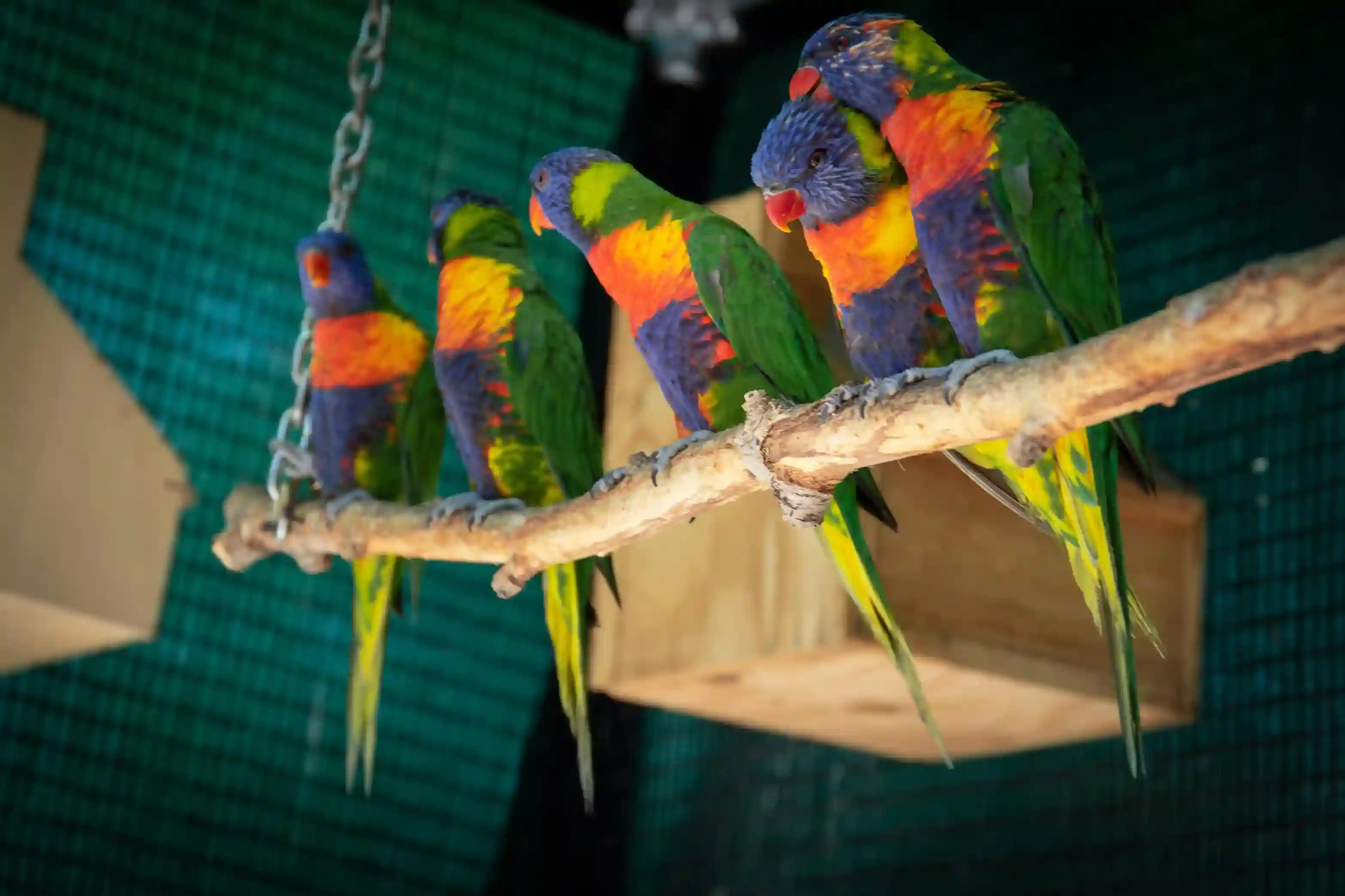
Critical Warning
If someone tries to sell you “Indian Ringneck baby parrots”, it is likely an Illegal wildlife trade
Which parrot species are best for breeding in India?
Budgerigars (Budgies), Cockatiels, Lovebirds and other exotic parrots are the safest and most practical beginner-friendly choices for parrot breeding in India.
Best Parrot Breeds for Breeding
Species | Difficulty | Notes |
Budgerigar | Easy | Beginner-friendly |
Lovebirds | Moderate | Strong bonding needed |
Cockatiel | Moderate | Sensitive to stress |
Why Budgies Are Ideal
Budgies adapt well to the Indian climate and breed readily. They are also lower maintenance.
What About Ringnecks & Alexandrines?
Legally restricted
Require large aviaries
High stress sensitivity
What are the ideal breeding conditions for parrots in India?
Parrots require stable temperature, a quiet, private, proper nesting space, and low-stress environments to breed successfully.
Essential Environmental Requirements
A spacious cage in an undisturbed area
Temperature: 20–30°C ideal
Humidity: Moderate
Light cycle: 10–12 hours
Well-ventilated cage
Cage & Nest Setup
Wooden nesting box (vertical type)
Quiet, low-disturbance area
Clean bedding
Mimim natural light cycles (long days) and warm temperatures
India-Specific Challenge
In Indian summer, temperatures can exceed 40°C+, and can stop breeding entirely or worse, can kill embryos
Related Readings: How do online vet consultations work: A pet owner’s guide?
When is the breeding season for parrots in India?
Most parrots breed during cooler months, typically from November to March in India. During this period, they secure nesting sites with young typically leaving the nest by March to June.
Seasonal Pattern
Peak breeding: Winter & early spring
Reduced breeding: Peak summer
Why Season Matters
Breeding requires:
Stable temperatures
Adequate nutrition
Low stress
Thus, November to March is the ideal timing for breeding birds.
Example
Budgerigars: Can breed year-round in controlled indoor environments
How do you identify a healthy breeding pair of parrots?
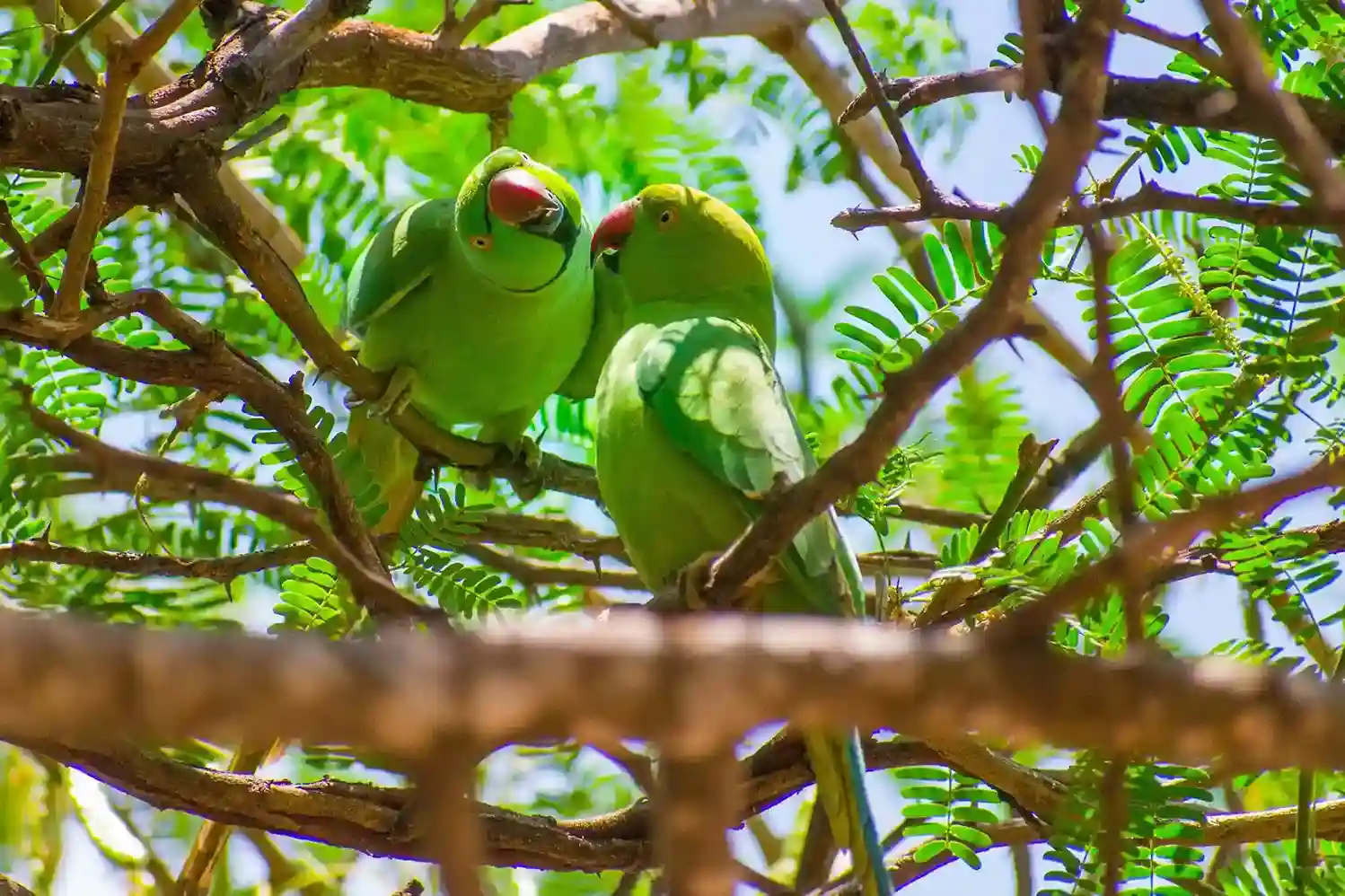
Healthy breeding parrots show good body condition, active behaviour, strong pair bonding and no signs of disease. They also demonstrate mutual preening, sharing food, side-by-side sleeping and increased vocalisation.
Checklist for Healthy Pair
Bright eyes
Clean feathers
Active and alert
Good appetite
Normal droppings
Behavioural Signs
Mutual feeding
Nest interest
Reduced aggression
Vet Recommendation
Always perform a health check before breeding, as hidden infections can spread to chicks
What do parrots eat during breeding and chick rearing?
Breeding parrots require a high-protein, calcium-rich, and nutrient-diverse diet to support egg production and chick growth.
Core Diet Components
Nutrient | Source | Importance |
Protein | Sprouted seeds, legumes | Egg formation |
Calcium | Cuttlebone, mineral blocks | Eggshell strength |
Vitamins | Fresh fruits & vegetables | Immunity |
Fats | Seeds, nuts (limited) | Energy |
Daily Diet Example (India)
Sprouted moong/chana
Fresh vegetables (spinach, carrot)
Fruits (apple, papaya)
Commercial pellet mix
Calcium supplement
Feeding During Chick Rearing
Parent birds feed chicks using regurgitated crop milk-like food. Their diet must be Nutrient-dense to ensure good chick health.
Critical Mistakes to Avoid
Seed-only diet
Lack of calcium
Overfeeding fatty seeds
Avoiding overfeeding seeds is one of the most essential bird care tips pet bird owners must follow to ensure that both breeding pain and the chicks are healthy.
Veterinary Insight
According to avian nutrition research, calcium deficiency is the primary cause of egg-binding and chick mortality
India-Specific Tip
During breeding:
Increase fresh food frequency
Because:
High temperatures reduce appetite
Related Readings: Is Online Pet Care Consultation Right for Your Pet?
How long does it take for parrot eggs to hatch?
Parrot eggs typically hatch within 18-30 days, depending on the species.
Incubation Period by Species
Species | Incubation Time |
Budgerigar | 18–21 days |
Cockatiel | 18–23 days |
Alexandrine | 24–28 days |
Indian Ringneck | 22–26 days |
What Happens During Incubation
Female incubates eggs almost continuously
Male feeds the female
Eggs are turned regularly for embryo development
Warning Signs
Eggs not hatching after the expected period
Cracked or foul-smelling eggs
These may indicate infertility or infection; seek guidance via an onlineveterinary doctor consultation early.
What are the most common breeding problems in parrots in India?
The most common problems include infertility, egg-binding (dystocia), egg-yolk peritonitis, chick mortality, and nutritional deficiencies.
Major Breeding Issues
Egg Binding
A female unable to pass an egg (life-threatening)
Infertile Eggs
Often due to a poor diet or an incompatible pair
Chick Mortality
Caused by malnutrition or infections
Aggression Between Pair
Stress or improper bonding
India-Specific Causes
Extreme heat (above 35-40°C)
Poor ventilation
Seed-only diets
Vet Insight
Early signs like lethargy or straining should never be ignored.
A quick best online vet consultation in india can prevent fatal complications.
How to care for newborn parrot chicks?
Newborn chicks require warmth, proper feeding by parents and minimal disturbance for survival.
First 10 Days Are Critical
Chicks are blind and featherless
Depend completely on parents
Require stable temperature (35–37°C in nest)
Care Guidelines
Do not handle frequently
Ensure parents are feeding
Keep nesting box clean
Monitor growth daily
When Intervention Is Needed
Parents not feeding
Weak or cold chicks
Visible deformities
In such cases, immediate advice from an online pet doctor is essential.
What is the cost of parrot breeding in India?
Initial setup can range from ₹5,000 to ₹50,000+, depending on species and scale.
Cost Breakdown
Cage/aviary setup: ₹2,000–₹20,000
Nest boxes: ₹300–₹1,000 each
Diet and supplements: ₹1,000–₹3,000/month
Vet care: Variable
Hidden Costs
Electricity (cooling in summer)
Emergency medical care
Hand-feeding supplies
Reality Check
Breeding is not “cheap passive income”
It requires consistent investment.
Is parrot breeding profitable in India?
Parrot breeding can be profitable, but only with ethical practices, proper knowledge, and legal compliance.
When It Works
High-quality breeding pairs
Healthy chicks
Ethical selling practices
When It Fails
Poor survival rate
Illegal species breeding
High veterinary costs
How to identify ethical vs illegal parrot breeders in India?
Ethical parrot breeders prioritise bird health, legal compliance and transparency. On the other hand, illegal breeders focus on quick profit.
Green Flags
Offers proper documentation
Healthy birds
Clean environment
Knowledge of diet and care
Red Flags
Selling native parrots (illegal in India)
Poor hygiene
Weak or sick chicks
No breeding knowledge
Key Rule
If a seller offers native parrot species like the Indian Ringneck or Alexandrine freely, this is the biggest red flag
Related Readings: Pet Care Consultation Guide: Expert Advice for Indian Pet Parents
Should you breed parrots or adopt instead in India?
Adoption is often a more ethical and responsible choice than breeding.
Why Adoption Matters
Reduces illegal trade
Supports rescued birds
Avoids breeding complications
When Breeding Is Justified
Done ethically
With legal species
With proper knowledge
Balanced View
Breeding is not wrong. Irresponsible breeding is.
FAQ's on parrot breeding in India
Q1: What are the biggest mistakes beginners make in parrot breeding?
Answer. Poor diet, wrong pairing, bad nesting conditions, ignoring health checks, and breeding illegal species are the biggest mistakes beginners make in parrot breeding.
Q2: How do you breed parrots?
Answer. Select a healthy pair, provide a proper nesting box, a proper diet, and a controlled environment for breeding parrots responsibly.
Q3: How many times a year do parrots lay eggs?
Answer. Parrots typically lay eggs 2-3 times per year, depending on species and conditions.
Q4: What is the mating process of parrots?
Answer. Courtship feeding and bonding, which is followed by cloacal contact for fertilisation.
Q5: What is the 333 rule for birds?
Answer. The 333 rules for birds imply 3 days to compress and hide, 3 weeks to learn the daily routine and build trust and 3 months
Q6: How many times can a parrot breed?
Answer. Healthy parrots can breed multiple times yearly. However, it should be limited to avoid stress.
Conclusion
Parrot breeding is not just about producing chicks.
It is about:
understanding their behaviour
respecting legal boundaries
managing nutrition and environment
and prioritising welfare over profit
When done right, parrot breeding can be deeply rewarding.
But if done wrong?
It can lead to suffering for both birds and owners
The smartest approach is to combine knowledge with expert veterinary support.
Whether it’s identifying breeding problems, managing chick care, or preventing complications, timely guidance through an vet online consultation can make all the difference.
Table of Content
- What is parrot breeding, and how does it work in India?
- Is parrot breeding legal in India? What laws should you know?
- Which parrot species are best for breeding in India?
- What are the ideal breeding conditions for parrots in India?
- When is the breeding season for parrots in India?
- How do you identify a healthy breeding pair of parrots?
- What do parrots eat during breeding and chick rearing?
- How long does it take for parrot eggs to hatch?
- What are the most common breeding problems in parrots in India?
- How to care for newborn parrot chicks?
- Is parrot breeding profitable in India?
- How to identify ethical vs illegal parrot breeders in India?
- Should you breed parrots or adopt instead in India?
- FAQ's on parrot breeding in India
- Conclusion

Anand Sen
Related Articles

Why do dogs roll in the grass? Is this Normal?
Dogs roll in grass to enjoy scents, scratch irritation, cool down, or express happiness. Usually normal unless excessive or uncomfortable.
Read More ↗Why do dogs roll in the grass? Is this Normal?
Dogs roll in grass to enjoy scents, scratch irritation, cool down, or express happiness. Usually normal unless excessive or uncomfortable.
Read More ↗Why do dogs roll in the grass? Is this Normal?
Dogs roll in grass to enjoy scents, scratch irritation, cool down, or express happiness. Usually normal unless excessive or uncomfortable.
Read More ↗Why do dogs roll in the grass? Is this Normal?
Dogs roll in grass to enjoy scents, scratch irritation, cool down, or express happiness. Usually normal unless excessive or uncomfortable.
Read More ↗Why do dogs roll in the grass? Is this Normal?
Dogs roll in grass to enjoy scents, scratch irritation, cool down, or express happiness. Usually normal unless excessive or uncomfortable.
Read More ↗