Written by: Anand Sen; Reviewed by: Dr. Parth Patel (B.V.Sc & A.H., M.V.Sc)
Why Good Bird Care Truly Matters?
Pet birds are highly intelligent and sensitive animals with long lifespans. Many parrots can live up to 60 years when cared for properly.
Birds are experts at hiding weaknesses, as in the wild, showing weaknesses attracts predators. This instinct remains strong in pet birds. That is why adequate nutrition, early disease detection and daily care play a more crucial role in birds than most owners realise.
Many pet bird owners struggle with similar kinds of questions: What do pet birds eat? Is my bird sitting all day, normal? Why are feathers falling out?
The following guide will attempt to answer all such questions.
You’ll learn:
What a healthy diet for pet birds actually looks like
Which foods support long-term bird wellbeing
Early illness signs that should never be ignored
Good bird care is not about perfection; it’s about consistency, observation, and acting early.
Bird Nutrition & Health: What Every Owner Must Know
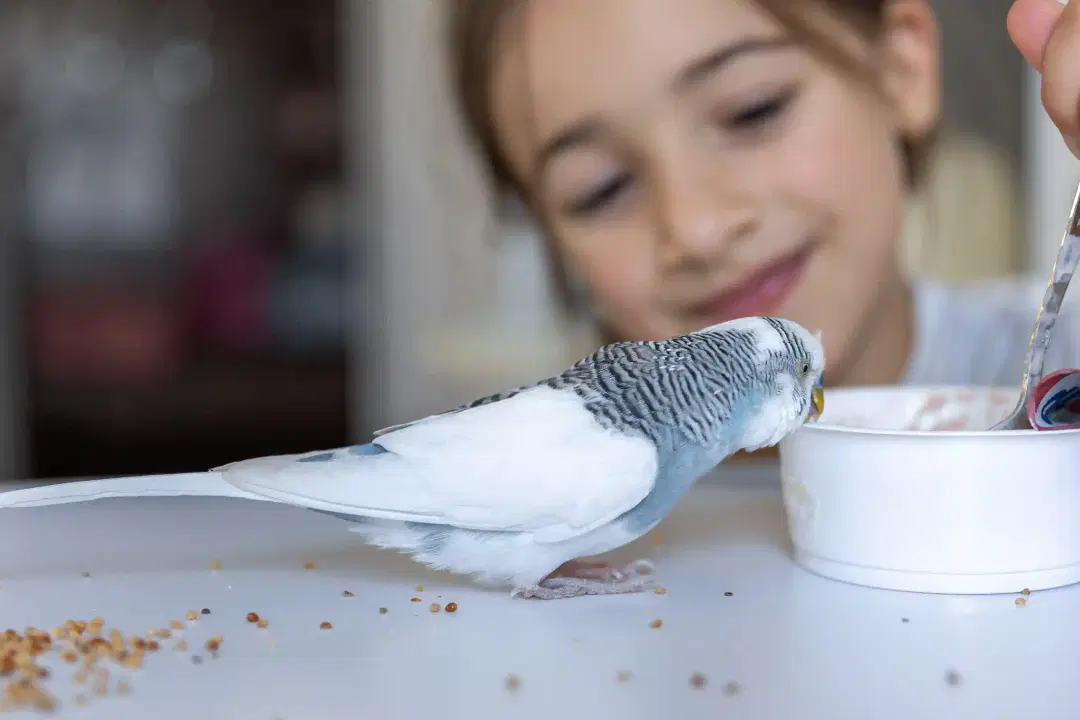
Nutrition is the single most important factor to ensure your pet bird’s health. Avian veterinary literature shows that malnutrition is one of the top underlying causes of illness in captive birds, especially those which are fed seed-only diets.
What Do Pet Birds Eat?
Short answer:
Pet birds should be fed a balanced diet made of fresh vegetables, limited fruits, pellets and clean water.
Simple explanation:
Many bird owners have the misconception that birds should only eat seeds because they love seeds. While it is true that birds enjoy seeds, a seed-only diet is nutritionally incomplete.
According to the MSD Veterinary Manual, seed-heavy diets are low in vitamin A and calcium, which leads to an imbalance in calcium phosphorus ratio.
Neglecting nutrition eventually leads to weakened immunity, liver disease, and poor feather quality. This underscores why a balanced diet is one of the most essential bird care tips for maintaining a healthy and vibrant companion
A healthy diet for pet birds usually includes:
Pellets (50–70%): Nutritionally complete base
Vegetables (20–30%): Daily variety and vitamins
Fruits (5–10%): Treats, not staples
Fresh water: Changed daily
This balance supports feather quality, organ health and normal behaviour.
Core Foods for Good Health
The food bowl of a bird directly shapes its lifespan and disease risks. Let’s break it down clearly.
Pellets: The Foundation
Veterinarians recommend pellets as the core diet because:
They prevent selective eating
They are formulated to offer complete nutrition
They reduce vitamin and mineral deficiencies
Pellets are especially important for parrots, cockatiels, budgies, and lovebirds.
Vegetables & Greens (Daily)
Vegetables can offer your pet bird high fibre, antioxidants, and vitamin A content, which are critical for a strong immunity and respiratory health.
Safe vegetables include:
Carrots
Bell peppers
Broccoli (Great source of Vitamin A, C, K)
Spinach (small amounts)
Pumpkin
Green beans
Safe Fruits for Birds (Limited Amounts)
Fruits can be healthy for birds, but as they are high in sugar, offer them in moderation (2-3 times per week)
Safe fruits for birds include:
Apples (no seeds)
Pears
Berries
Banana (small pieces)
Melon
Foods to Avoid (Very Important)
Some foods are toxic to birds and can be fatal even if offered in small amounts:
Avocado
Chocolate
Alcohol
Caffeine
Onion and garlic
Salty or fried foods
Homemade Bird Food Ideas
Homemade food can work as a fresh addition, but it cannot be considered a replacement for pellets.
Simple safe combinations:
Chopped vegetables + cooked lentils
Leafy greens + grated carrot
Steamed pumpkin + peas
These homemade bird food ideas add a strong variety to your birds’ diet without nutritional risk.
Related Readings: Is Online Pet Care Consultation Right for Your Pet?
Bird Not Eating Properly: Causes & Solutions
If your bird is not eating properly, it can be one of the earliest warning signs owners should notice.
Common reasons include:
Stress (new cage, noise, relocation)
Boredom with food variety
Preference for seeds over pellets
Underlying illness
What owners can try at home:
Introduce new foods slowly, alongside familiar foods
Offer vegetables in the morning when birds are hungriest
Change food presentation (chopped, mixed, skewered)
When it becomes serious:
If poor eating is combined with sudden weight loss, lethargy, fluffed feathers or watering droppings, it should not be considered a diet or stress-related issue.
Bird avoiding food is a medical concern. Thus, take a bird diet expert consultation to find out the underlying cause and take necessary action. As birds are small animals, due to their fast metabolism, their condition may deteriorate faster.
Bird Disease & Warning Signs
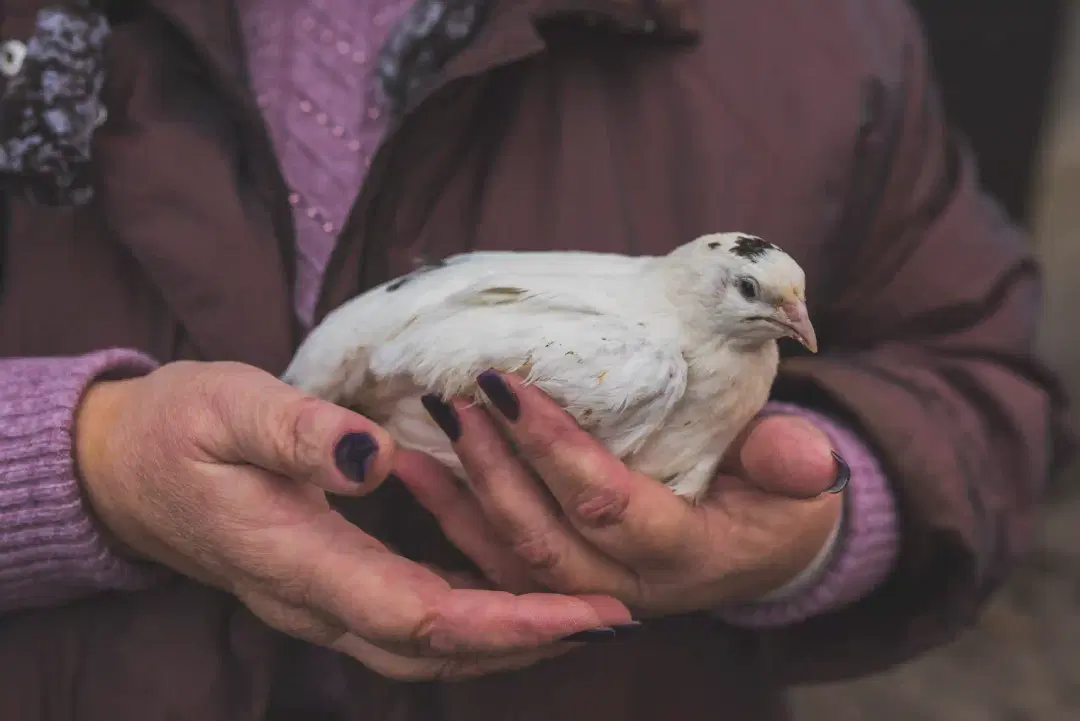
Birds hide illness exceptionally well due to their innate survival instincts. In avian medicine, it is often said:
“A sick bird is an emergency bird.”
Early signs are subtle but critical.
Common Bird Symptoms - What They Mean
Below are some of the most searched bird health concerns and what they usually indicate.
A bird sitting quietly all day
What it looks like: Less movement, eyes half-closed, minimal interaction
Possible causes: Stress, pain, infection, or metabolic illness
When it’s serious: If this behaviour lasts more than a few hours, especially with appetite loss
Bird feathers falling out
Normal cause: Seasonal moulting, which leads to even, symmetrical feather loss
Concerning causes: Nutritional deficiency, Feather-plucking, or a highly contagious viral disease like Psittacine Beak and Feather Disease
What to do: Check diet quality and stress levels; uneven feather loss needs vet evaluation
Bird breathing with an open mouth
What it means: Breathing difficulty
Possible causes: Respiratory infection, overheating, poor air quality
Action: Urgent veterinary care is strongly advised
Open-mouth breathing is never normal in birds. It signals respiratory difficulties
Bird watery droppings
Possible causes: Stress, dietary changes, infection, kidney issues
What’s normal: Occasional watery droppings after fruits
When to worry: Persistent watery droppings with weakness or weight loss
Bird shaking its head often
Possible causes: Irritation, mites, ear issues and foreign material
What to do: Check cage hygiene and observe frequency; repeated head shaking needs evaluation
Bird looks weak and sleepy
What it indicates: Systemic illness, dehydration, or nutritional deficiency
Why it’s dangerous: Birds decline rapidly once weakness appears
Action: Seek avian veterinary guidance immediately
When to Call a Vet
Take your bird to a vet immediately or talk to a bird doctor online if you notice the following symptoms:
Open-mouth breathing
Sudden weakness or collapse
Persistent appetite loss
Severe feather loss or bleeding
Sitting fluffed and unresponsive
Before your vet visit, prepare:
Diet details (what and how often your bird eats)
Changes in droppings or behaviour
Recent stress events like travel, new pets, noise, or a new cage
Early intervention significantly improves survival rates in birds. If you cannot visit a bird vet clinic immediately instead of searching vet doctor near me for birds consider taking an online bird doctor consultation till the time you reach the clinic to alleviate the symptoms.
Bird breeding Tips
Bird breeding is also as complex as bird care. Breeding a bird requires:
Providing a quite and suitable environment
Proper nutrition
Specific nesting boxes
Multi-bird homes need separation to avoid territorial aggression
Parrot is the most loved pet bird in India and has a demanding breeding process. If you are looking for bird breeding tips get parrot breeding expert advice from a bird vet online to ensure a smooth breeding process.
Related Readings: How do online vet consultations work: A pet owner’s guide?
Bird Grooming & Routine Care
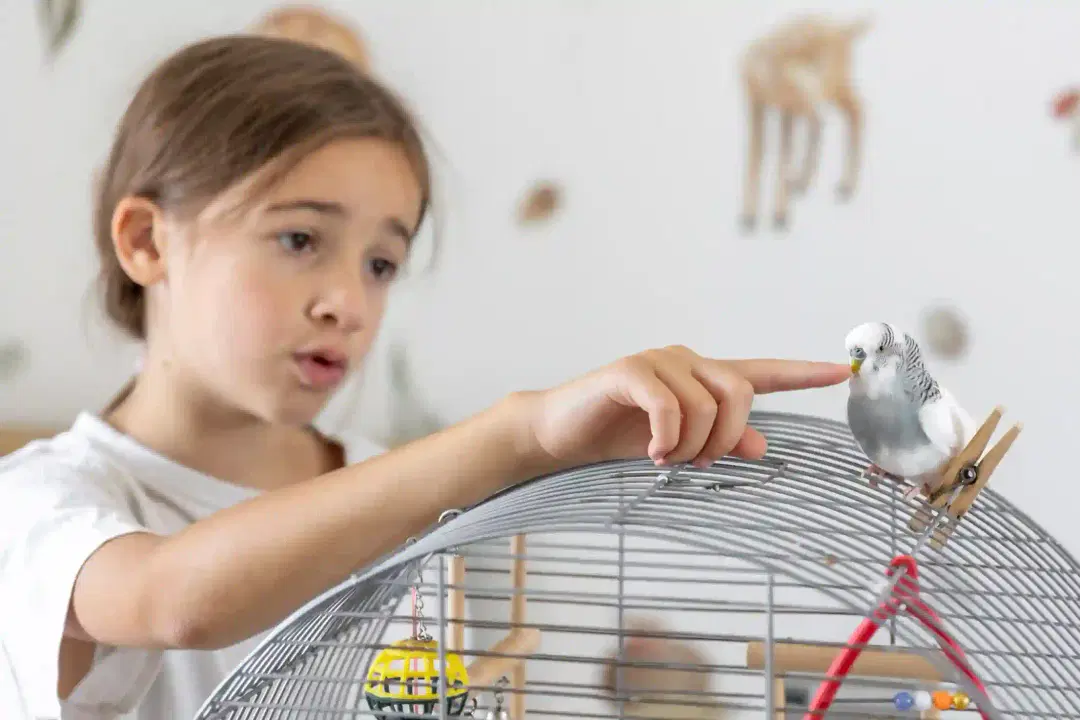
Grooming is not just about appearance. It is primarily about hygiene, disease prevention and comfort. Birds that are groomed properly have healthier features, lower stress levels and are at a lower risk of infections.
In avian veterinary practice, many skin, feather, and nail problems arise not from disease but from poor routine care.
For example, ignoring nail grooming may lead to foot sores and infections. If you suspect a diseases consider taking an bird disease consultation online.
How to Groom Pet Birds
Grooming is a natural self-care habit in birds, and if you are grooming them properly, you are supporting these habits and helping them prevent hygiene-related health problems.
Simple explanation:
Birds groom themselves daily through preening. Even in captivity, this behavioural mechanism is crucial as it removes dirt, parasites and sheaths from new feathers. Thus, owners must also assist them gently and regularly.
bird feathers falling out
Keeping the feathers clean and dry
Maintaining safe nail length
Ensuring a clean-living environment
Normal grooming behaviour:
Preening feathers with the beak
Occasional scratching
Bathing willingly
Problematic grooming behaviour:
Excessive feather plucking
Bald patches
Constant biting or irritation
These behaviours often signal stress, boredom, or nutritional imbalance and should never be ignored. If your see problematic behaviour, consider taking an online bird behaviour consultation.
Bird Feather Care Tips
Healthy feathers require good nutrition, a low-stress environment, proper grooming and regular bathing.
Simple explanation:
As stated earlier, birds tend to maintain healthy feathers by preening. During preening, they spread a natural oil called preen oil, which is secreted by the Uropygial gland. This helps waterproof feathers, regulate temperature, and defend against parasites.
Dry air, a poor diet, or a lack of bathing can interfere with this process.
Practical bird feather care tips:
Consider bathing them regularly (3-4 times a week)
Offer a balanced diet with pellets and vegetables
Avoid dusty environments, smoke and perfume
Signs of healthy feathers:
Smooth and aligned
Bright natural colour
No excessive breakage
Warning signs:
Dull feathers
Fraying or patchy loss
Persistent feather chewing
Feather problems in birds are regarded as the first visible sign of internal health issues.
How to Clean a Bird Cage
A clean cage always lowers the risk of parasites, bacteria and respiratory diseases.
Simple explanation:
Food waste, bird droppings and feathers accumulate quickly, resulting in a dirty cage. According to The MSD Veterinary Manual, poor cage hygiene not only leads to stress but is also linked to infections, especially respiratory and digestive illnesses.
Daily cage cleaning routine
Remove leftover food
Change water
Spot-clean droppings to prevent bacterial growth
Weekly deep cleaning
Remove the bird to a safe area
Wash the cage base with warm water
Use bird-safe disinfectants (no bleach fumes)
Dry completely before returning the bird
Avoid
Phenyl, bleach fumes, or strong chemicals
Scented cleaners
Clean air and surfaces are essential for long-term bird health.
Bird Bathing Tips
Most birds should bathe 2–4 times a week, depending on species and environment.
Simple explanation:
Bathing keeps feathers flexible, removes dust, and improves comfort. It also helps reduce dry skin and itching.
Safe bathing options:
Shallow bowl of clean water
Gentle mist spray
Light shower perch (for larger birds)
Bird bathing tips to remember:
Use plain water only
Never force a bird to bathe
Allow feathers to air-dry naturally
Birds usually enjoy bathing when offered choice and routine.
Trimming Bird Nails Safely
Bird nails should only be trimmed when they are overgrown and only with proper tools.
Simple explanation:
For birds living in their natural environment, nails wear down naturally. However, in captivity, they may grow too long, which may cause injuries and balance-related issues.
When nail trimming is needed:
Nails curl sideways
Bird struggles to grip perches
Scratching injuries appear
Safety rules for trimming bird nails:
Use only bird-specific nail clippers
Trim small amounts at one time
Avoid the quick (blood vessel inside the nail)
If unsure, you can take professional help from top pet care consultation apps, which is always safer than trial-and-error.
Related Readings: Expert Consultation App vs Doctor Apps - What’s Better?
Putting It All Together: Daily & Weekly Care Checklist
Routine care works best when simple and consistent. Overdoing things can also lead to consequences.
Daily bird care checklist
Fresh food and water
Observe behaviour and appetite
Remove waste from the cage
Weekly care routine
Cage deep cleaning
Bathing session
Nail and feather check
Monthly review
Weight monitoring
Diet variety assessment
Environment check (noise, stress, air quality)
Following a simple bird grooming and care schedule can dramatically reduce preventable diseases.
Conclusion & Best Practices
Your pet bird’s health thrives on three pillars: Balanced nutrition, early illness detection and consistent grooming. Small daily habits like clean water, fresh food, and consistent monitoring can make a life-saving difference over time.
Birds never show their pain openly. Owners who understand subtle changes protect their birds best. When something feels “off”, expert guidance matters.
With bird vet consultation online on Conbun available on (android & IOS) bird owners can access timely pet care consultation, clarify concerns early, and avoid preventable complications.
FAQ (People Also Ask):
1. What fruits can birds eat safely?
Answer. Most birds can eat apples (no seeds), berries, bananas, melon, and pears in small amounts.
2. Why is my bird not eating?
Answer. Common causes include boredom, stress with food or illness. Appetite loss lasting over 24 hours needs attention.
3. How do I know if my bird is sick?
Answer. To know if your bird is sick, look for subtle signs like fluffed feathers, lethargy, appetite changes and altered droppings.
4. How often should I groom my bird?
Answer. Practice light grooming daily. Bathing should be weekly, and nail checks and trimming should be monthly.
5. How to get bird disease consultation online?
Answer: You can get a bird disease consultation online through various pet care apps like Conbun. Just download the app from Playstore or App store and instantly connect to a bird vet online.
6. Can I consult a bird vet online?
Answer: Yes. If you cannot visit a bird vet clinic at the moment or there are minor issues you can treat at home, consult a bird vet online through a veterinary consultation app like Conbun.