.webp)
Complete Guinea Pig Care Guide: Everything New Guinea Pig Owners Need to Know
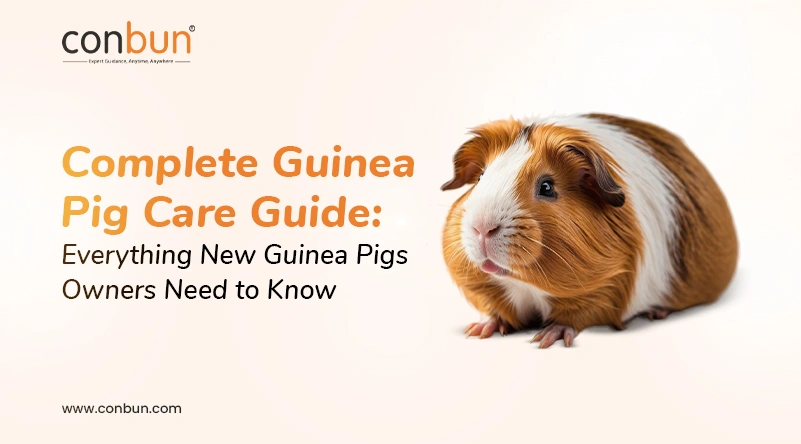
Guinea pigs are social, gentle and affectionate pets that make wonderful companions for both families and first-time pet owners. While they are relatively easy to care for, they rely on their owners to meet their daily needs, including a balanced diet, clean housing, regular grooming and consistent health monitoring.
As guinea pigs often hide signs of illness until they become seriously unwell, preventive care and early recognition of health problems are essential.
In the following complete guinea pig care guide, I’ll explain everything you need to know to keep your furry friend healthy and happy. You’ll learn about housing, grooming, nutrition, behaviour, common health concerns and daily care responsibilities. Whether you’re bringing home your first guinea pig or looking to improve your current care routine, this guide will help you build health habits from day one.
Understanding Your Guinea Pig
Guinea pigs are curious, intelligent and highly social animals that thrive best when kept in pairs or compatible groups. In the wild, they live in herds and rely on companionship for security, which is why veterinarians and animal welfare organisations recommend keeping at least two guinea pigs whenever possible.
Guinea pigs typically live five to seven years with proper care. Although some may live even longer. They enjoy exploring their surroundings, hiding in tunnels, chewing on safe toys, and interacting with their owners. Establishing a consistent daily routine for feeding, cleaning, and playtime helps reduce stress and keeps them feeling secure.
Unlike many other pets, guinea pigs communicate using a variety of sounds and body language. They may “wheek” excitedly when they hear food being prepared, purr softly when relaxed, or chatter their teeth when annoyed or frightened. Learning these behaviours allows you to better understand your pet’s needs.
As prey animals, guinea pigs instinctively hide pain and illness to avoid appearing vulnerable. Even subtle changes in appetite, behaviour, or activity can indicate an underlying health problem. Observing your guinea pig every day is one of the most effective ways to detect illness early.
Feeding Your Guinea Pig the Right Diet
A healthy diet is the foundation of good guinea pig care. Proper nutrition supports digestion, maintains healthy teeth, strengthens the immune system, and helps prevent many common health problems.
Unlimited Hay
Fresh grass hay, such as Timothy hay, should make up around 80-90% of your pet’s diet. Hay is a non-negotiable item of a guinea pig’s diet as it provides the fibre needed for their healthy digestion while wearing down their continuously growing teeth. Ensure a constant supply of hay.
Fresh Vegetables
Offer a variety of guinea pig-safe vegetables daily, including leafy greens like romaine lettuce, parsley, coriander and capsicum. Vegetables offer important minerals and vitamins while adding variety to your pet’s diet. Introduce new foods gradually to avoid digestive upset.
High-Quality Pellets
Choose plain, high-quality guinea pig pellets fortified with vitamin C. Pellets should complement—not replace- hay and vegetables. Avoid mixes containing seeds, dried fruit, or colourful treats, as these are often high in sugar and low in nutritional value.
Vitamin C Requirements
Unlike many animals, guinea pigs cannot produce their own vitamin C. Without enough vitamin C in their diet, they can develop scurvy, leading to weakness, swollen joints, poor wound healing, and loss of appetite. Feeding fresh vegetables rich in vitamin C and quality pellets helps meet their daily requirements.
Fresh Water
Fresh, clean drinking water should always be available. Whether you use a water bottle, bowl, or both, clean and refill it every day. Adequate hydration supports digestion and overall health, especially during warmer weather.
Foods to Avoid
Do not feed onions, garlic, potatoes, chocolate, avocado, dairy products, processed snacks, sugar treats and foods intended for hamsters or rabbits. These foods may lead to digestive disturbances or even serious health complications.
Setting Up the Perfect Home
Safe living space
Creating a safe and comfortable living environment is just as important as providing the right diet. A well-designed habitat encourages natural behaviours, reduces stress and supports both physical and mental wellbeing.
Enclosure and accommodation
Choose the largest enclosure you can reasonably accommodate, as guinea pigs need plenty of room to move, explore, and exercise. Solid flooring covered with soft, absorbent bedding is far safer than wire floors, which can injure their delicate feet. Paper-based bedding, fleece liners, or kiln-dried aspen shavings are commonly recommended options.
Mental enrichment
Every enclosure should include hideouts where guinea pigs can retreat when they want privacy or feel startled. Chew toys, tunnels and enrichment items encourage exploration and prevent boredom. Daily exercise outside the cage in a secure area also supports muscle development and mental stimulation.
Environment
Maintain a comfortable room temperature, keep the enclosure well ventilated, and avoid placing it in direct sunlight or drafty locations. Spot-clean the cage every day and perform a thorough clean at least once a week to minimise odours and reduce the risk of disease.
Companionship
Whenever possible, house guinea pigs with a compatible companion rather than alone. Their naturally social nature means many guinea pigs are happier and more confident when living with another guinea pig, provided introductions are done carefully.
Grooming & Hygiene Essentials
Regular grooming helps keep your guinea pig healthy and allows you to spot problems early. Short-haired guinea pigs usually need brushing once a week, while long-haired breeds require more frequent grooming to prevent mats. Trim your guinea pig's nails every few weeks, as overgrown nails can cause discomfort and affect movement.
Guinea pigs rarely need baths unless advised by a veterinarian. During grooming, check the ears, eyes, teeth, and skin for redness, discharge, parasites, or wounds. Routine grooming is an excellent opportunity to monitor your pet's overall health.
Understanding Guinea Pig Behaviour
Recognising your guinea pig's behaviour helps you understand its health and emotions.
Normal Behaviours
Healthy guinea pigs often wheek when excited about food, pop their ears when happy and rumble during social interaction. They also enjoy exploring, hiding and interacting with compatible companions.
Behaviour That May Indicate Illness
Excessive hiding, persistent teeth chattering, reduced activity, aggression or a loss of appetite may indicate stress, pain or illness. Because guinea pigs naturally hide signs of sickness, any noticeable behavioural change should be taken seriously.
Keeping Your Guinea Pig Healthy: Common Health Problems to Watch For
Guinea pigs can develop several health conditions that require prompt veterinary attention.
Respiratory infections: Sneezing, difficulty breathing or other respiratory conditions
Digestive problems: GI stasis, bloating or diarrhoea.
Parasites: Itching, hair loss, mange or flaky skin.
Bladder stones: Painful urination or blood in the urine.
Dental disease: Overgrown teeth causing drooling, weight loss, or reduced appetite.
Obesity: Increases the risk of joint and metabolic problems.
Vitamin C deficiency: Scurvy leads to weakness, swollen joints, and poor wound healing.
Seek veterinary care if your guinea pigs stop eating, lose weight, have breathing difficulties, develop diarrhoea, drool excessively, or become unusually lethargic.
Preventive Healthcare & Veterinary Visits
Routine veterinary check-ups help identify dental disease, parasites and other health issues before they become serious.
Daily Guinea Pig Care Checklist
Keep fresh hay available at all times.
Provide fresh vegetables and clean water daily.
Monitor appetite and droppings.
Spot-clean the enclosure every day.
Spend time interacting with your guinea pig.
Provide daily exercise and enrichment.
Watch for any signs of illness or discomfort.
Guinea pigs thrive when they receive proper nutrition, a clean and spacious home, regular grooming, social interaction, and preventive healthcare. By recognising early signs of illness and seeking veterinary advice when needed, you can help your pet enjoy a long, healthy and happy life.
Conclusion
Caring for a guinea pig requires long-term commitment. As guinea pigs are small prey animals, they are highly sensitive to diet and environmental changes. If your guinea pig is eating less, sneezing, losing weight, has diarrhoea, skin problems, or unusual behaviour, early veterinary advice can make a significant difference.
With Guinea Pig Health Consultation Online through Conbun, you can connect with experienced veterinarians for nutrition advice, behaviour concerns, follow-up care, and guidance on whether your guinea pig requires an in-person examination. An Online Guinea Pig Vet Consultation provides quick, convenient support whenever you need expert advice.
Frequently Asked Questions
Are guinea pigs easy to take care of?
Yes. Guinea pigs are beginner-friendly pets, but require daily feeding and fresh hay and water, cage cleaning and regular health monitoring.
What should you never do with a guinea pig?
Avoid feeding harmful foods, keeping them in a small or dirty cage, using wire flooring or ignoring changes in appetite or behaviour.
Should you hold guinea pigs every day?
Yes. Gentle daily handling helps build trust, provided your guinea pig is comfortable and properly supported.
What is the 3-3-3 rule for guinea pigs?
It suggests that many guinea pigs, after adoption, need around three days to settle in, three weeks to adjust to a routine, and three months to build trust with their owner.
Do Guinea Pigs Need Vaccinations?
No. Routine vaccinations are not currently recommended for pet guinea pigs. Instead, preventive care focuses on a balanced diet, parasite control, clean housing, regular weight monitoring, dental examinations, and routine veterinary visits to maintain long-term health.
Table of Content
- Understanding Your Guinea Pig
- Feeding Your Guinea Pig the Right Diet
- Setting Up the Perfect Home
- Grooming & Hygiene Essentials
- Understanding Guinea Pig Behaviour
- Beginner Puppy Guide
- Keeping Your Guinea Pig Healthy: Common Health Problems to Watch For
- Preventive Healthcare & Veterinary Visits
- Conclusion
- Frequently Asked Questions

Anand Sen
Related Articles

Why do dogs roll in the grass? Is this Normal?
Dogs roll in grass to enjoy scents, scratch irritation, cool down, or express happiness. Usually normal unless excessive or uncomfortable.
Read More ↗Why do dogs roll in the grass? Is this Normal?
Dogs roll in grass to enjoy scents, scratch irritation, cool down, or express happiness. Usually normal unless excessive or uncomfortable.
Read More ↗Why do dogs roll in the grass? Is this Normal?
Dogs roll in grass to enjoy scents, scratch irritation, cool down, or express happiness. Usually normal unless excessive or uncomfortable.
Read More ↗Why do dogs roll in the grass? Is this Normal?
Dogs roll in grass to enjoy scents, scratch irritation, cool down, or express happiness. Usually normal unless excessive or uncomfortable.
Read More ↗Why do dogs roll in the grass? Is this Normal?
Dogs roll in grass to enjoy scents, scratch irritation, cool down, or express happiness. Usually normal unless excessive or uncomfortable.
Read More ↗